If you are trying to choose between Carrollwood and Northdale, you are not alone. These two North Tampa areas are close to each other, but they can feel different once you look at housing patterns, amenities, and daily routines. The good news is that public data gives you a clear starting point, and this guide will help you compare the two in a practical way. Let’s dive in.
Carrollwood and Northdale at a glance
Carrollwood and Northdale are both established suburban communities in North Tampa, but they are structured differently. According to Hillsborough County’s local history page, Carrollwood began as a 1959 subdivision beside Lake Carroll, and Carrollwood Village followed around 1970 on nearby land.
That layered history matters because Carrollwood is not just one uniform neighborhood. Original Carrollwood has its own identity, and Carrollwood Village adds another set of phases, layouts, and homeowner structures. Northdale, by contrast, reads as a more consistently planned community with village-based deed restrictions, civic oversight, and district-supported upkeep through Northdale’s civic association framework.
Population and housing differences
Public Census data shows that Carrollwood is larger and denser than Northdale. U.S. Census QuickFacts lists Carrollwood at 34,352 residents across 9.23 square miles, while Northdale has 23,033 residents across 8.09 square miles.
That works out to about 3,723.8 people per square mile in Carrollwood versus 2,847.1 in Northdale. In simple terms, Carrollwood tends to feel a bit more central and built-in, while Northdale feels somewhat more spread out.
Ownership trends also differ slightly. Carrollwood has an owner-occupied housing rate of 68.5%, while Northdale comes in at 72.8%, which suggests Northdale is a bit more owner-heavy based on current public data.
Home value data is also worth noting because it challenges a common assumption. The same Census source reports a median owner-occupied home value of $384,600 in Carrollwood and $418,900 in Northdale, so you should avoid assuming one area is always the budget option.
Housing style and neighborhood feel
Carrollwood offers more variety
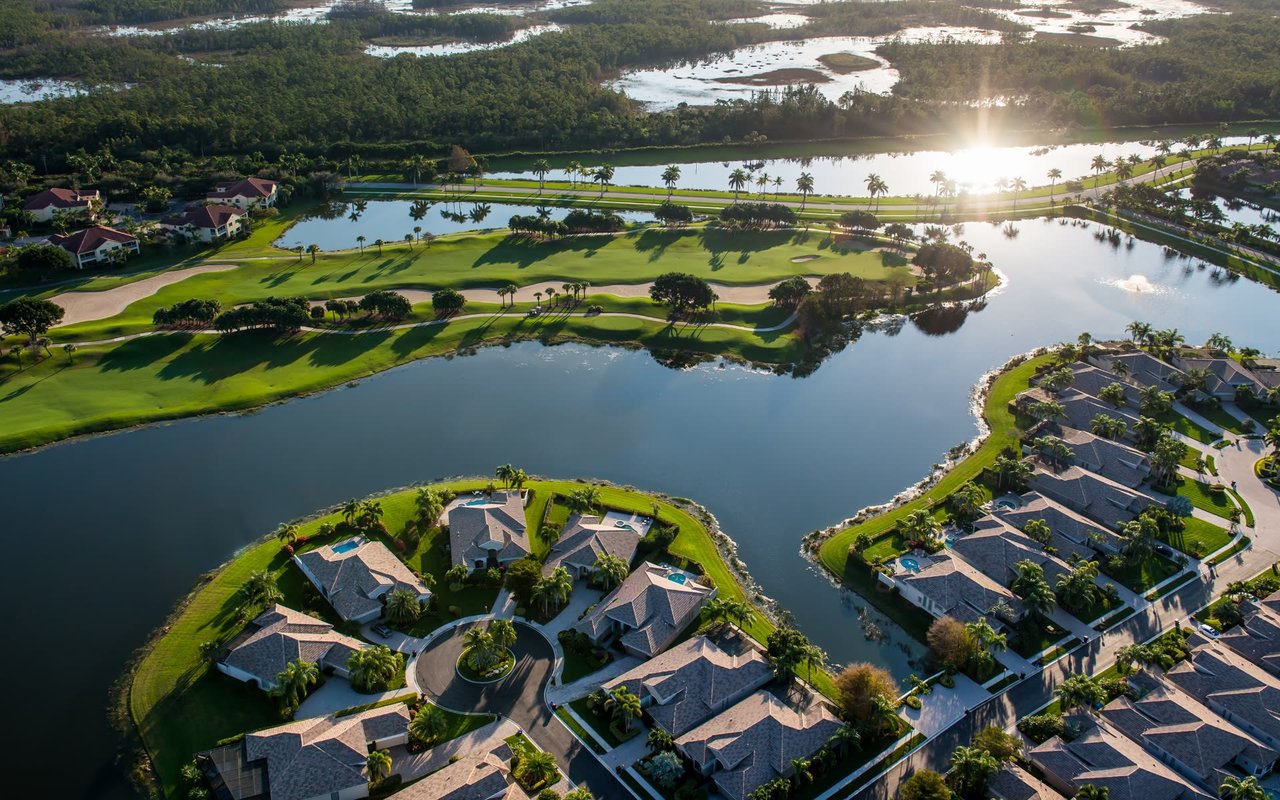
Carrollwood tends to have a more mixed housing pattern. Between Original Carrollwood’s winding roads, cul-de-sacs, lake access, and parks, plus the later phased development of Carrollwood Village, you will usually see more variation in lot shapes, street layouts, and home vintages.
That can be appealing if you want choices. Some buyers like the older character and established landscaping, while others prefer the village-style sections with a more organized development pattern.
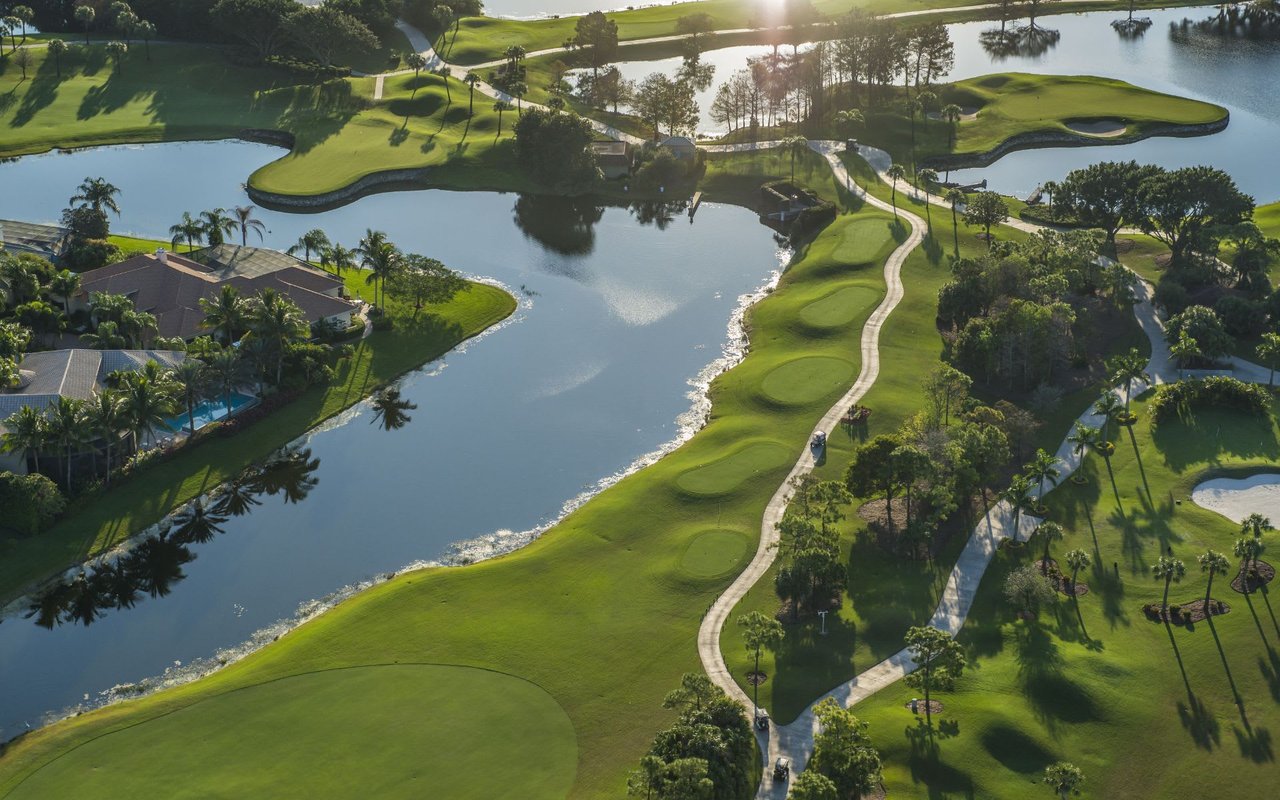
Carrollwood also has a stronger lake-oriented identity in some pockets. The Original Carrollwood community history describes a setting shaped by curving streets, water access, and amenity features supported by a special taxing district.
Northdale feels more uniform
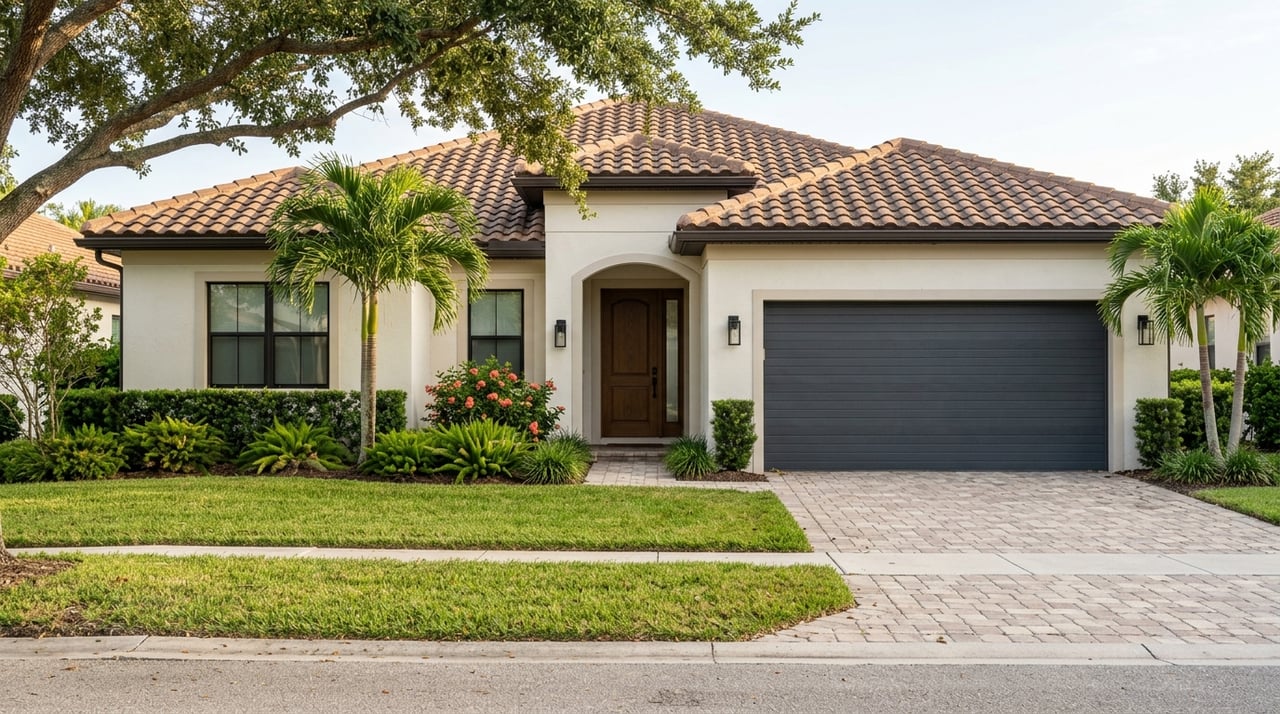
Northdale generally comes across as more standardized in its planning. The area’s civic association and special district highlight village-specific deed restrictions, maintained common areas, entryways, walls, landscaping, irrigation, and added security support through the official Northdale community resources.
For many buyers, that translates to a more consistent suburban look and feel. If you value a community framework with visible upkeep and a stronger sense of village identity, Northdale may check those boxes.
Lot size needs a closer look
If lot size is a big part of your search, broad neighborhood averages are not the best tool here. The research supports using Hillsborough County’s parcel search and subdivision records to compare specific streets, parcels, and sections instead of relying on general claims.
That matters in both Carrollwood and Northdale. Two homes with the same neighborhood label can still have very different lot dimensions, frontage, tax details, and subdivision rules.
Parks and amenities
Carrollwood has a destination-park feel
Carrollwood stands out for its amenity mix, especially around Carrollwood Village Park. The county lists walking trails, a dog park, fitness equipment, picnic shelters, a skate park, a bike repair station, a playground, and a splash pad, and notes that the park serves more than 1 million visitors each year.
That gives Carrollwood a strong public recreation anchor. On top of that, the area also connects residents to Jimmie Keel Library, Bob Sierra YMCA, and the private Carrollwood Country Club, which offers golf, tennis, a fitness center, a pool, and dining.
Taken together, Carrollwood often feels more layered from an amenities standpoint. You have public park options, community features, and a private-club component all in the mix.
Northdale centers more on recreation programs
Northdale’s lifestyle leans more toward a recreation-center model. Northdale Park & Recreation Center includes basketball courts, tennis courts, fitness equipment, a splash pad, picnic shelters, a playground, a paved trail, an indoor gym, after-school programming, and summer camp.
That setup can be especially attractive if you want activity-based amenities close to home. Northdale also has a golf club presence, which adds another recreational option and supports the area’s club-and-programming feel.
Walkable park access is similar
Even with these amenity differences, park access by walking distance is fairly close between the two areas. According to Trust for Public Land’s ParkServe data for Carrollwood, 31% of Carrollwood residents and 29% of Northdale residents live within a 10-minute walk of a park.
That means neither area dramatically outperforms the other on walk-to-park access. Both have meaningful recreation assets, but in both places, your exact address will shape how convenient those amenities feel day to day.
Commute and connectivity
Commute data shows one of the clearest practical differences. Census QuickFacts lists Carrollwood’s mean travel time to work at 26.6 minutes, compared with 31.4 minutes in Northdale.
That does not predict every individual drive, of course. Still, it does suggest that Carrollwood is generally positioned for shorter average work trips.
Road access helps explain part of that. Hillsborough County describes Dale Mabry Highway as a major commuting corridor linking South Tampa with Carrollwood, Lutz, and other communities, which supports Carrollwood’s reputation for more direct north-south connectivity.
If commute time is high on your priority list, this is one of the first factors to compare. It is smart to look beyond a neighborhood name and map your likely routes to work, the airport, or other places you visit often.
Which area may fit you better?
Choosing between Carrollwood and Northdale often comes down to what kind of neighborhood experience you want. Both areas are established, mostly owner-occupied, and well-known in North Tampa, but they offer different strengths.
Carrollwood may be the better fit if you want:
- More variety in housing styles and neighborhood sections
- Older character and established streetscapes
- Lake-oriented pockets and a layered community feel
- A stronger mix of public park amenities and private-club options
- A somewhat shorter average commute based on current Census data
Northdale may be the better fit if you want:
- A more consistent planned-subdivision feel
- Village-based rules and structured common-area upkeep
- A community setting with strong recreation-center amenities
- A slightly more spread-out feel
- A neighborhood with a higher current median owner-occupied home value in public Census data
Compare streets, not just labels
One of the biggest mistakes buyers make is treating either area as one single experience. In reality, Carrollwood includes multiple sections with different histories and layouts, and Northdale also varies by village, lot, and street.
That is why the best comparison is not just Carrollwood versus Northdale. It is often one specific section, street, or property type versus another.
If you are weighing the two, a smart next step is to compare:
- Commute routes you would actually use
- Nearby parks and recreation options
- HOA or deed restriction details where applicable
- Parcel maps and lot dimensions
- Home age, layout, and renovation level
- Current pricing for the exact type of home you want
When you look at the details this way, the choice usually becomes much clearer.
If you want help comparing Carrollwood and Northdale at the street level, Joe Lewkowicz can help you narrow the options, understand how each section feels in real life, and make a more confident move.
FAQs
What is the main difference between Carrollwood and Northdale?
- Carrollwood generally offers more variation in neighborhood layout, home style, and amenities, while Northdale tends to feel more uniform and more structured around village planning and common-area management.
Is Carrollwood or Northdale more expensive for homes?
- Based on U.S. Census QuickFacts, Northdale currently has a higher median owner-occupied home value than Carrollwood, but actual home prices can vary a lot by street, subdivision, and property type.
Does Carrollwood have a shorter commute than Northdale?
- Public Census data shows a shorter mean travel time to work in Carrollwood at 26.6 minutes compared with 31.4 minutes in Northdale.
Which area has better parks, Carrollwood or Northdale?
- Both areas have strong recreation assets, but Carrollwood is anchored by Carrollwood Village Park’s broad amenity mix, while Northdale leans more on the Northdale Park & Recreation Center and its activity-based programs.
How can you compare lot sizes in Carrollwood and Northdale?
- The most reliable method is to review individual parcels and subdivision records through Hillsborough County’s parcel search tools instead of relying on broad neighborhood averages.