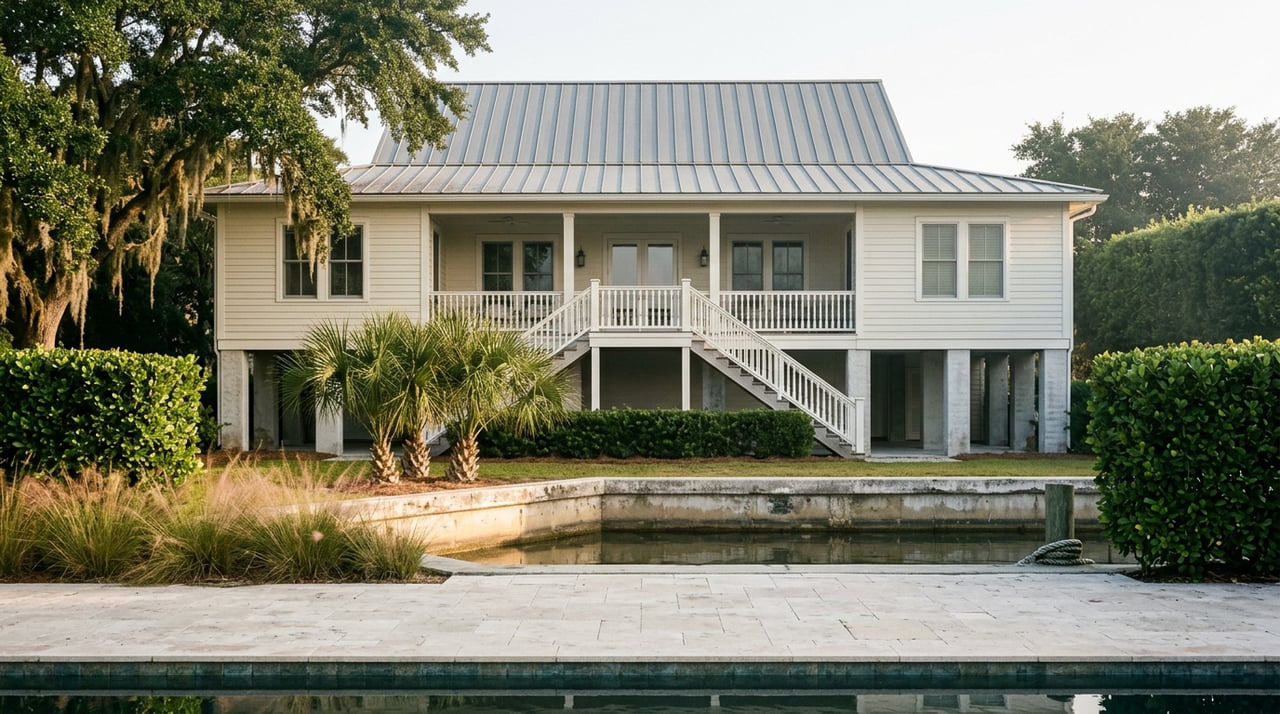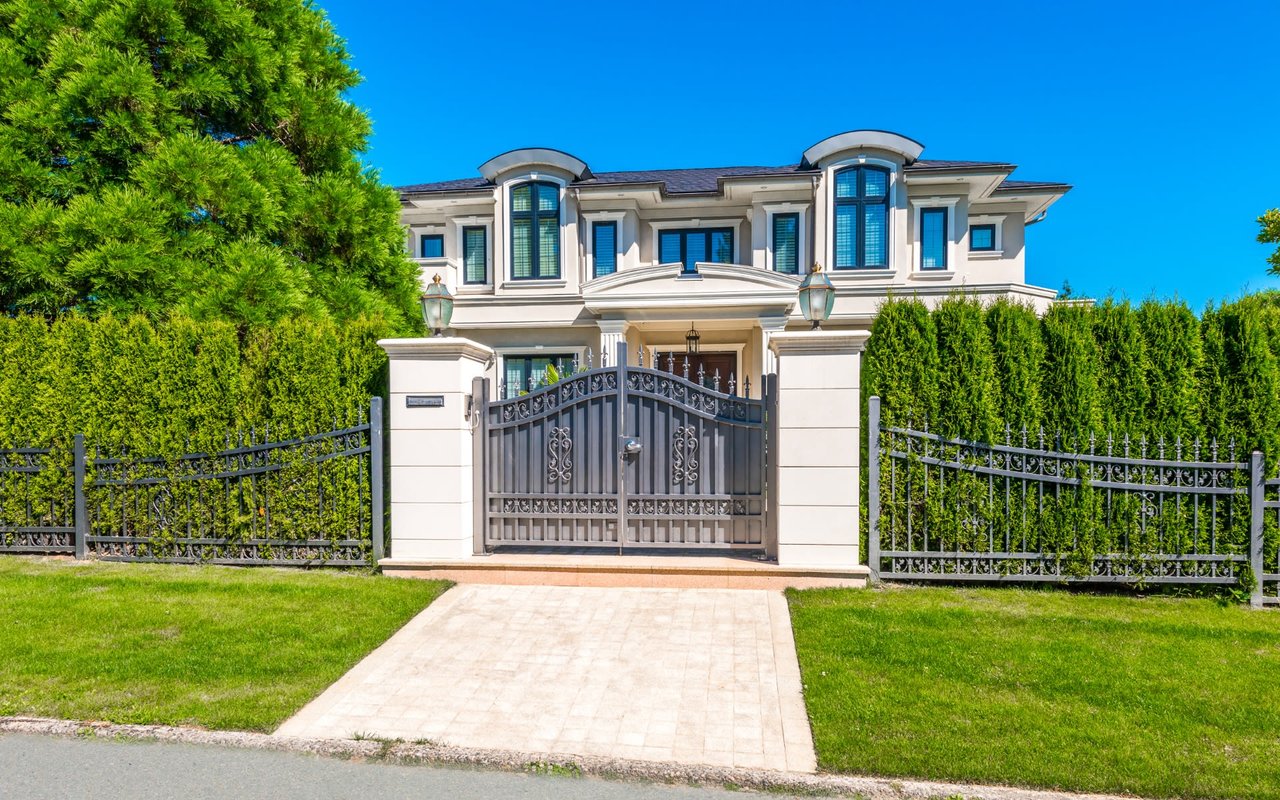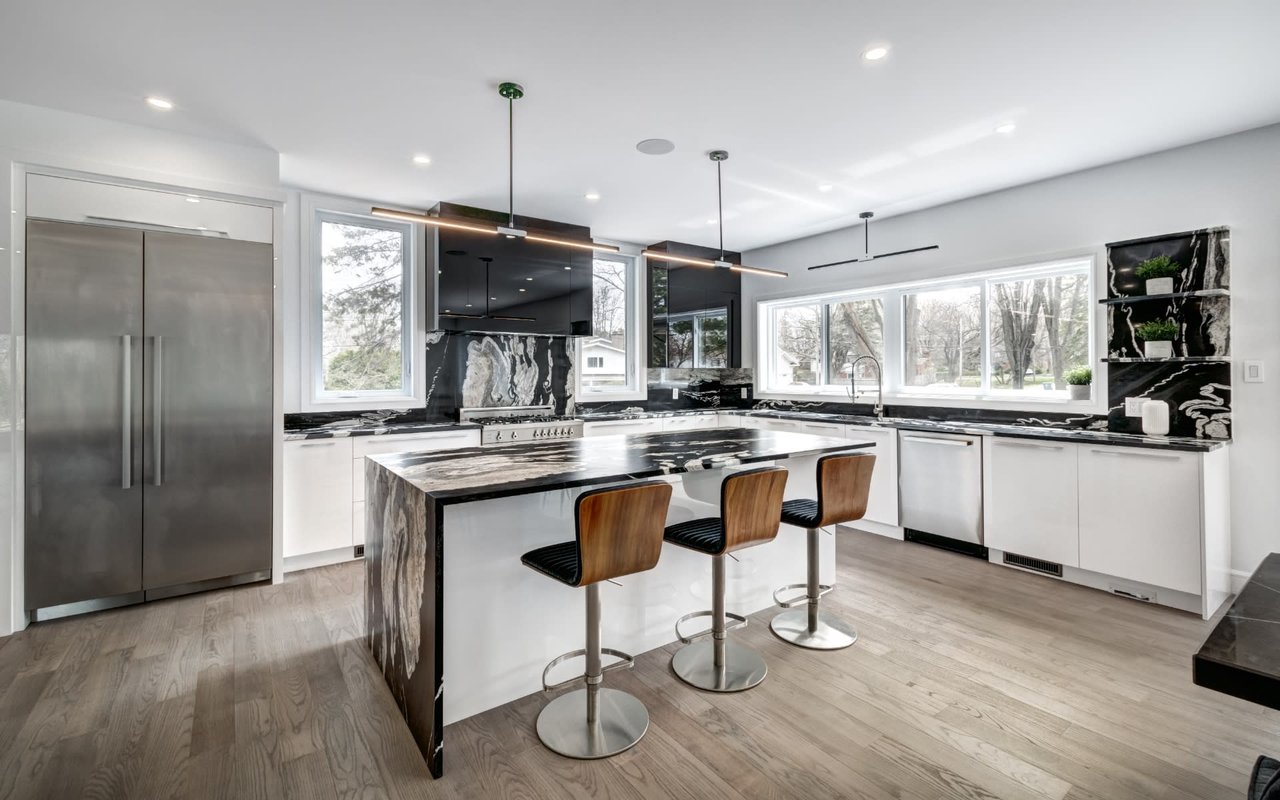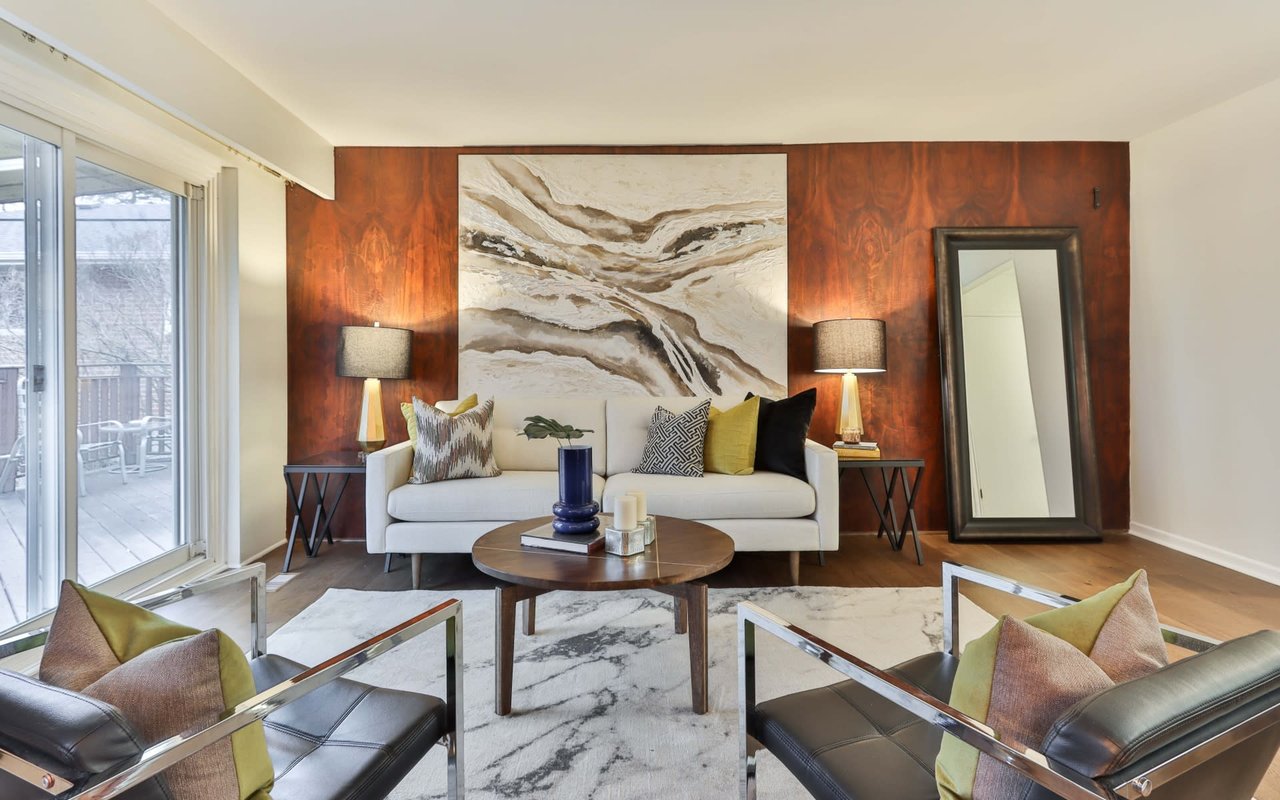
If you want a North Tampa area that feels established instead of brand new, Carrollwood often stands out right away. You get mature trees, lakes, parks, and a daily routine shaped by neighborhood traditions and practical convenience. For buyers comparing Tampa-area suburbs, that mix can be a big draw. Here’s a closer look at what daily life in Carrollwood really feels like and why so many people keep it on their short list.
What Carrollwood Feels Like
Greater Carrollwood is best understood as a broad North Tampa suburban area, not a single subdivision. County planning materials group Carrollwood with nearby areas like Carrollwood Village, Northdale, and Lake Magdalene as related but distinct neighborhoods, while Original Carrollwood describes itself as a 1960s planned community with sidewalks, old-growth shade trees, private parks, and access to Lake Carroll.
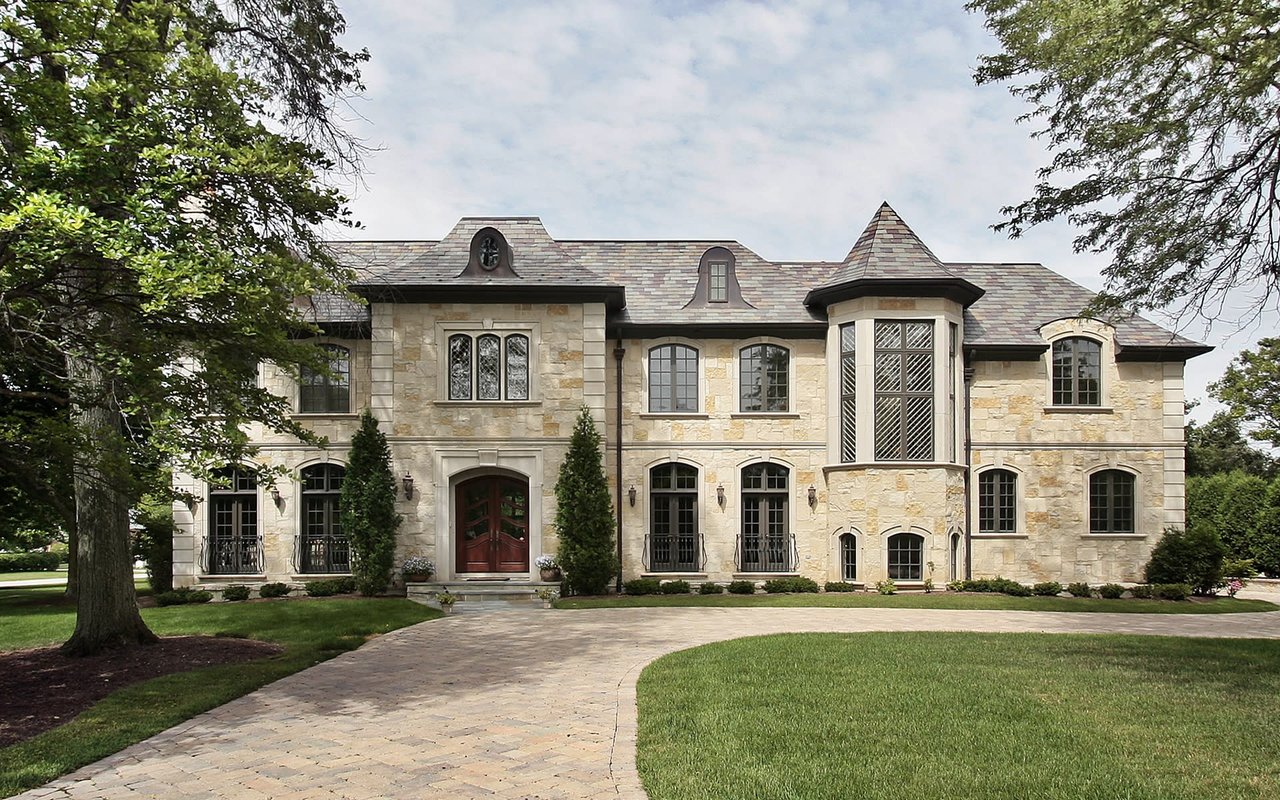
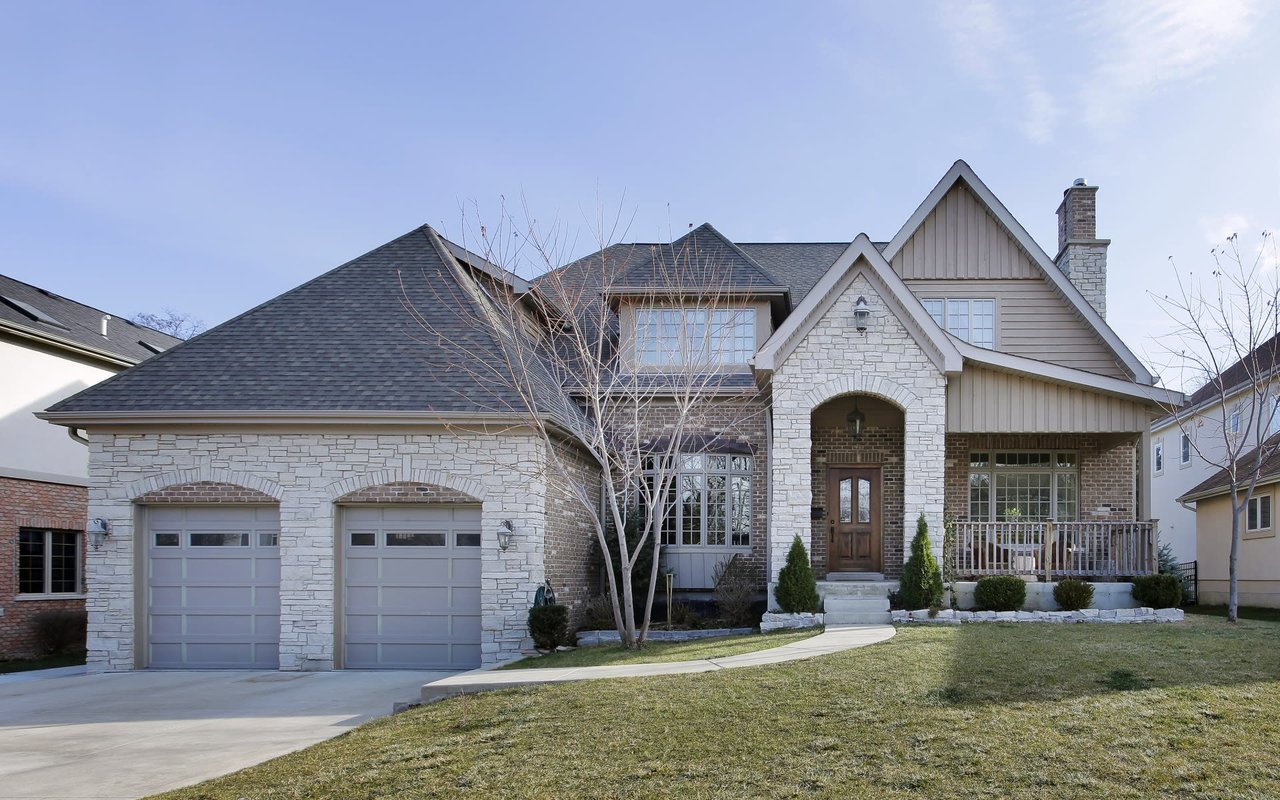
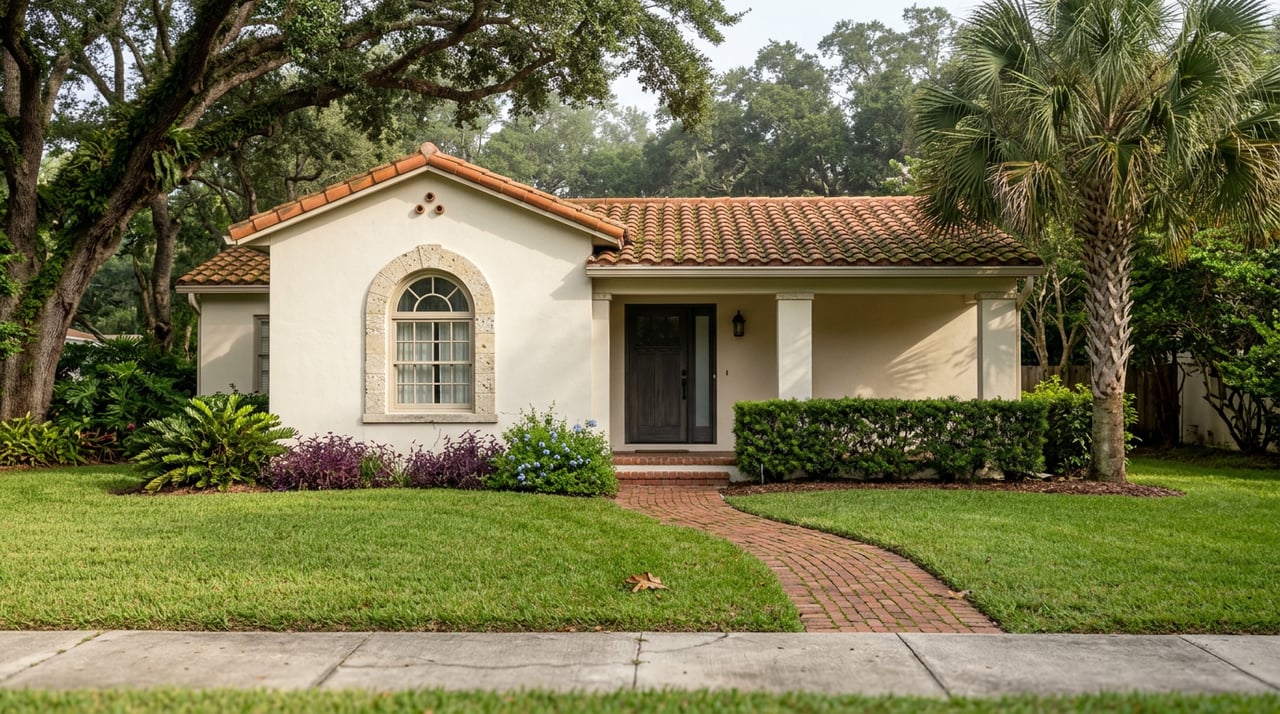
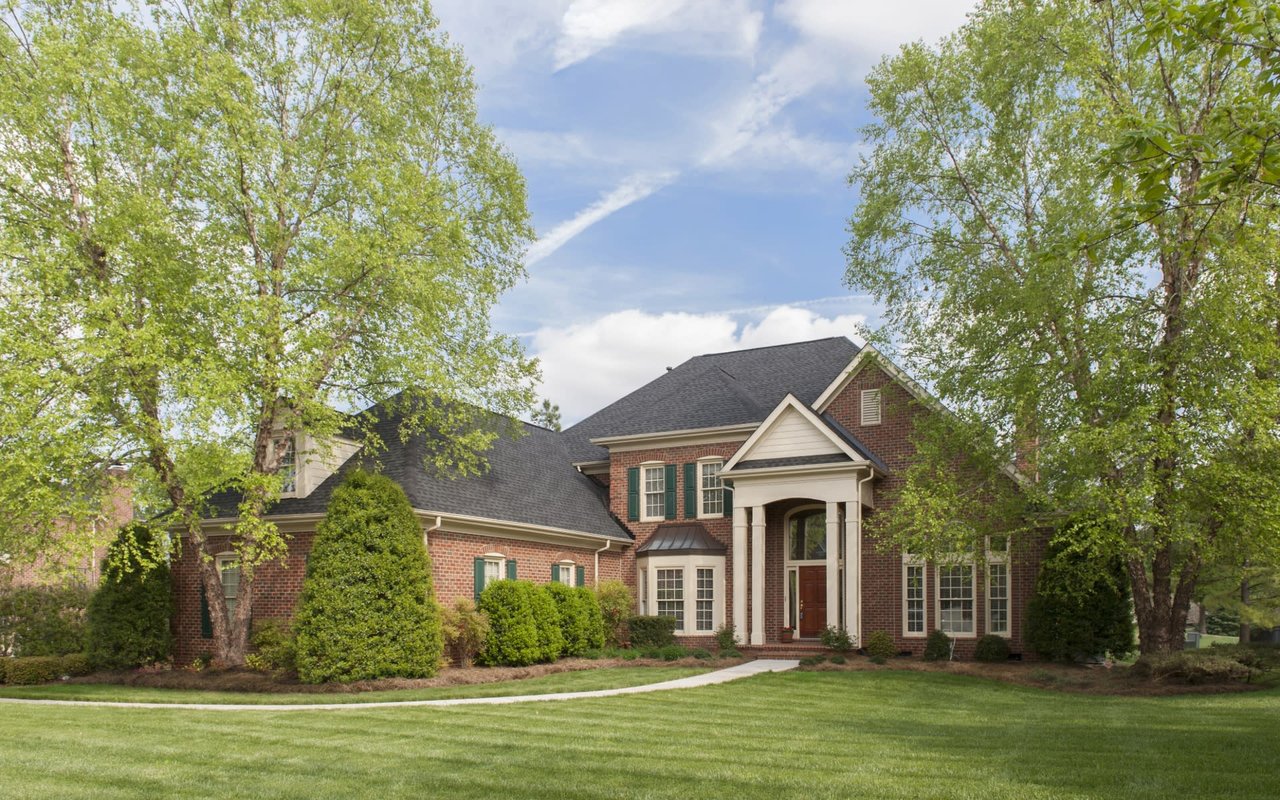
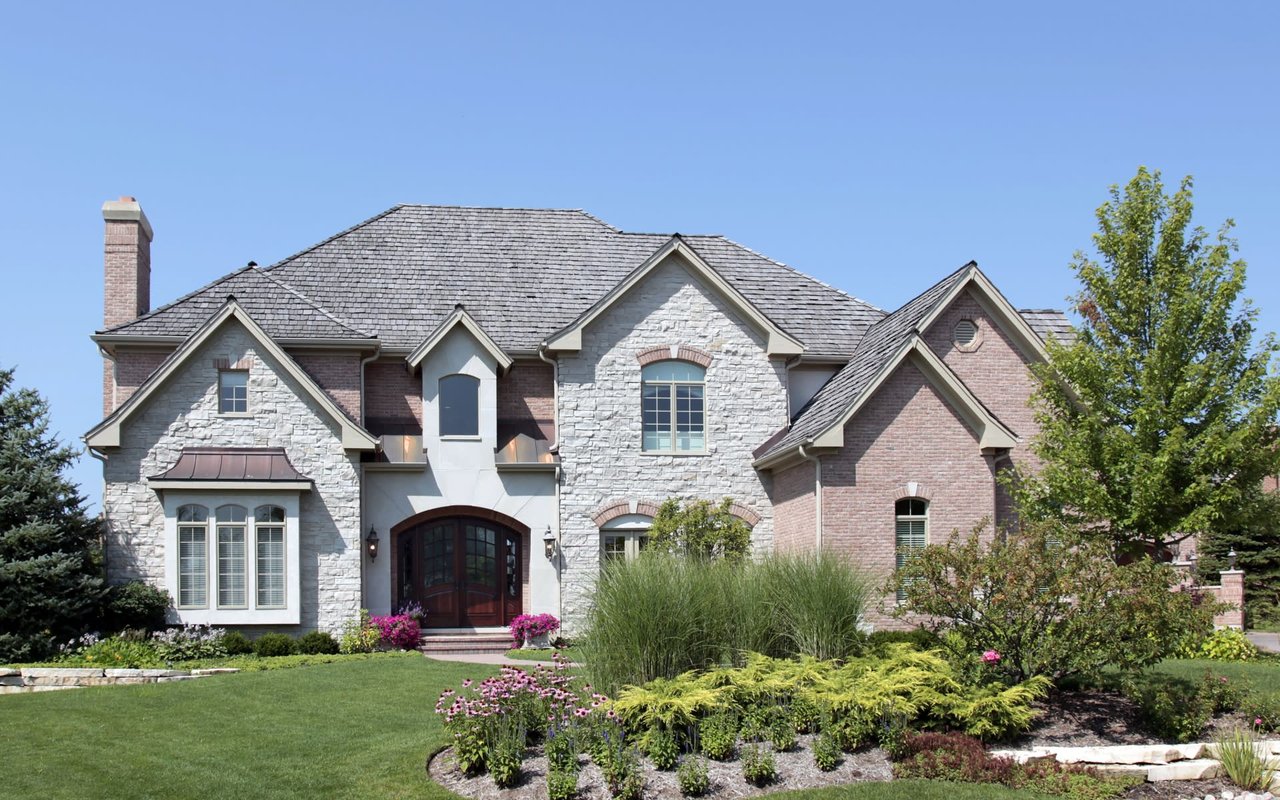
That layered history gives the area a more settled feel than many newer suburban communities. Instead of a uniform look, you’ll find a mix of eras, mature landscaping, and long-running neighborhood associations that help shape a stronger sense of identity.
The numbers support that suburban, established character. According to the U.S. Census Bureau, Carrollwood had 34,352 residents in 2020 across 9.23 square miles, with a population density of 3,723.8 people per square mile.
Lakes Shape the Area
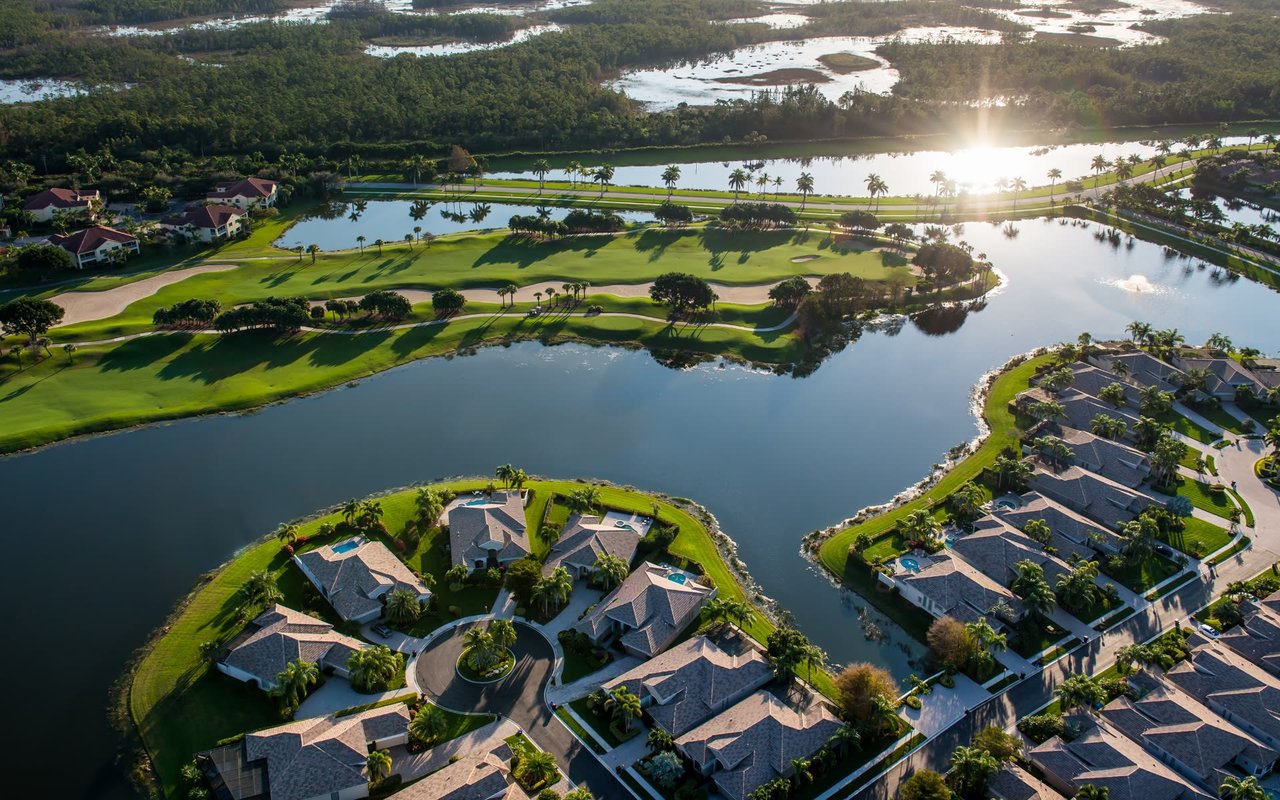
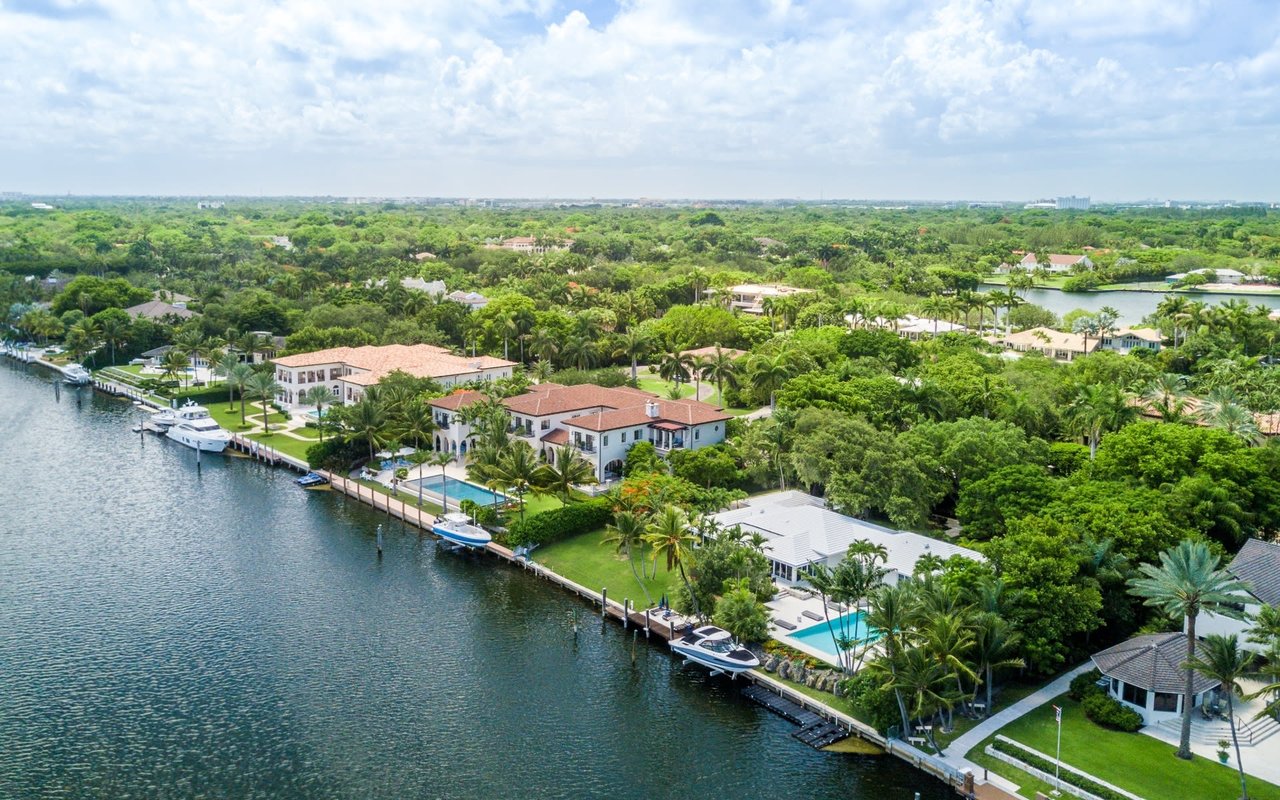
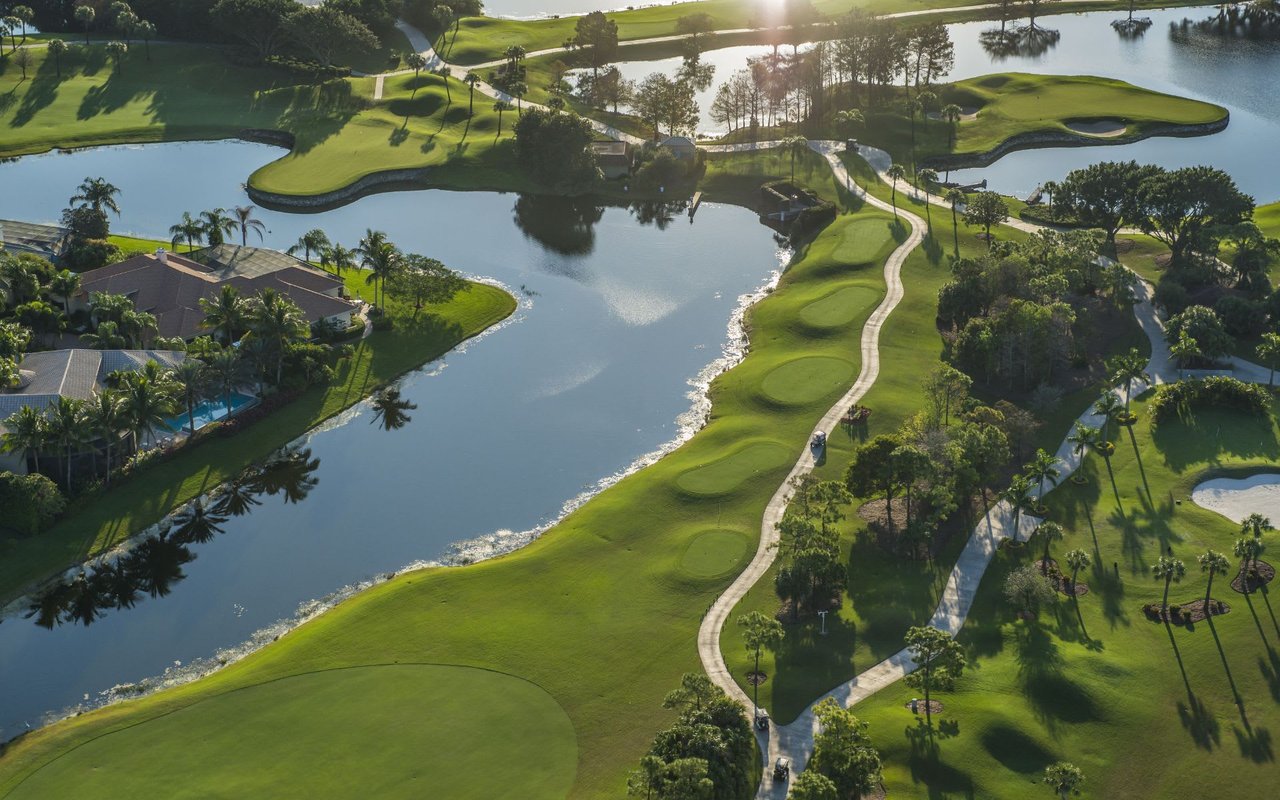
Water is one of the biggest reasons Carrollwood feels different from other North Tampa suburbs. In Original Carrollwood, residents have access to Lake Carroll for boating, swimming, and fishing, and neighborhood traditions have long centered around White Sands Beach and the lake itself.
In the broader area, lakes remain part of the everyday backdrop. Research also points to Lake Magdalene, a 206-acre freshwater lake, as another reminder that water is not just a feature here. It is part of the area’s identity and visual character.
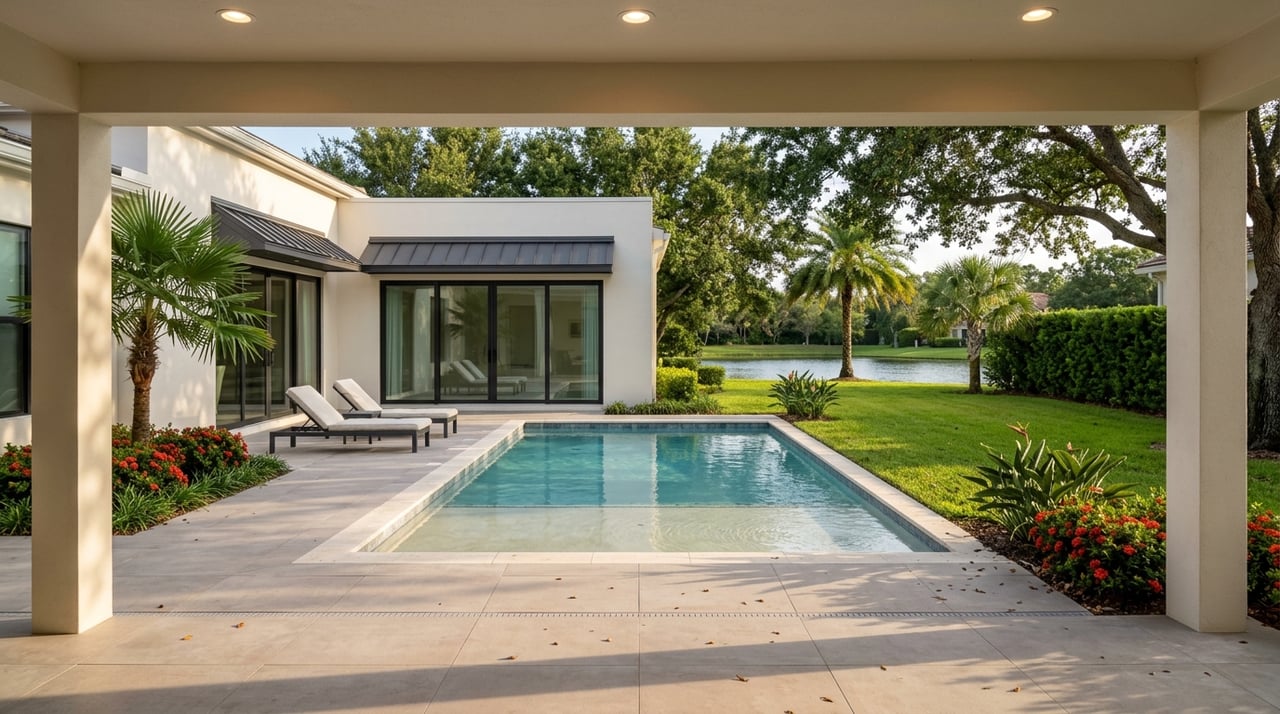
For many buyers, that matters because it changes how a neighborhood feels day to day. Even when you are not on the water, the lake-centered development pattern helps create a greener, more open impression than you might expect from a built-out suburban area.
Parks Make Outdoor Time Easy
Carrollwood also stands out for how much outdoor space is built into daily life. The biggest public recreation hub is Carrollwood Village Park, a county park created as part of a $10 million redevelopment project. Hillsborough County says the park now attracts more than 1 million visitors each year.
Its amenities are broad enough to fit a lot of routines. You’ll find walking trails, a dog park, fitness equipment, a skate park, a splash pad, playgrounds, a bike-repair station, outdoor chess, and ping-pong tables.
That variety matters because it gives the park real everyday usefulness. It is not just a green space you drive past. It is the kind of place where you can walk, meet friends, let kids play, bring the dog, or simply get outside without planning a full outing.
Smaller parks fill in the rest of the picture. Carrollwood Meadows Park offers 17.2 acres with basketball, tennis, a playground, picnic shelters, an open field, and recreation programming.
Within Carrollwood Village, the community also highlights neighborhood parks and trails such as Dan Ruskiewicz Park, John Miley Park, Phase III Park, Burrington Park, and the Heart Walk Trail. That spread of smaller outdoor spaces helps make recreation feel woven into the neighborhood instead of limited to one destination.
Daily Errands Are Convenient
Carrollwood’s daily convenience is shaped more by major roads and retail nodes than by a traditional downtown district. An official City of Tampa retail market analysis describes the North Tampa retail market as suburban and auto-oriented, with notable Carrollwood shopping areas including Carrollwood Commons, North Pointe Plaza, The Village Center, Carrollwood Center, and Fountain Oaks.
In practical terms, that means your routine is likely built around short drives for groceries, services, dining, and household needs. For many people, that is a comfortable trade-off. You may not get a walkable main street, but you do get a well-established pattern of accessible shopping centers and service hubs.
Commute data also helps frame everyday life. The Census Bureau reports a mean commute time of 26.6 minutes, which gives buyers a useful point of comparison when thinking about work, school, or regional access.
Community Spots Add Personality
What keeps Carrollwood from feeling like just another convenient suburb is the presence of local institutions and neighborhood traditions. The Carrollwood Cultural Center serves as a hub for art exhibitions, theater, music, workshops, classes, and community events.
The same source notes that the Carrollwood Market takes place at the Cultural Center on the second Saturday of each month, bringing local produce, baked goods, artisan goods, and live music into the routine. That kind of recurring event can make a big difference if you value a neighborhood with more built-in community interaction.
Other everyday anchors add to that sense of stability. The Jimmie B. Keel Regional Library, which serves the Carrollwood and Northdale communities, includes meeting rooms, a makerspace, a drive-thru window, and an expanded facility. The Bob Sierra Family YMCA also serves Carrollwood and Northdale with swim lessons, youth sports, summer camp, and adult fitness programming.
Neighborhood Identity Runs Deep
One of Carrollwood’s biggest strengths is that it feels organized and connected. In Original Carrollwood, residents have access to a monthly newsletter, a crime watch email list, and long-running traditions such as an Easter Egg Hunt, July 4th ski show, Halloween Parade, and Christmas Eve luminaries.
Carrollwood Village’s community presence also emphasizes local events and resident communication. That may not sound flashy, but it is important. Active associations and regular neighborhood touchpoints often help a community feel more personal and less anonymous.
Census data reflects that relative stability too. The Census Bureau reports that 85.4% of residents lived in the same house one year earlier, which suggests a community with a meaningful number of long-term residents.
How Carrollwood Compares Nearby
If you are comparing Carrollwood with nearby North Tampa suburbs, the biggest difference is usually feel. Carrollwood shares the same broad suburban convenience as nearby areas, but it tends to come across as greener, more established, and more layered because of its older planned-community roots, mature canopy, and lake-oriented setting.
That does not mean every part of Carrollwood looks or lives the same. Planning materials from Plan Hillsborough make it clear that Carrollwood, Carrollwood Village, Northdale, and Lake Magdalene are connected but distinct areas.
For buyers, that is a helpful reminder to look closely at specific sections instead of treating the whole area as one uniform neighborhood. One part may feel more lake-centered, another more park-oriented, and another more tied to nearby retail and commuter routes.
What Buyers Should Notice
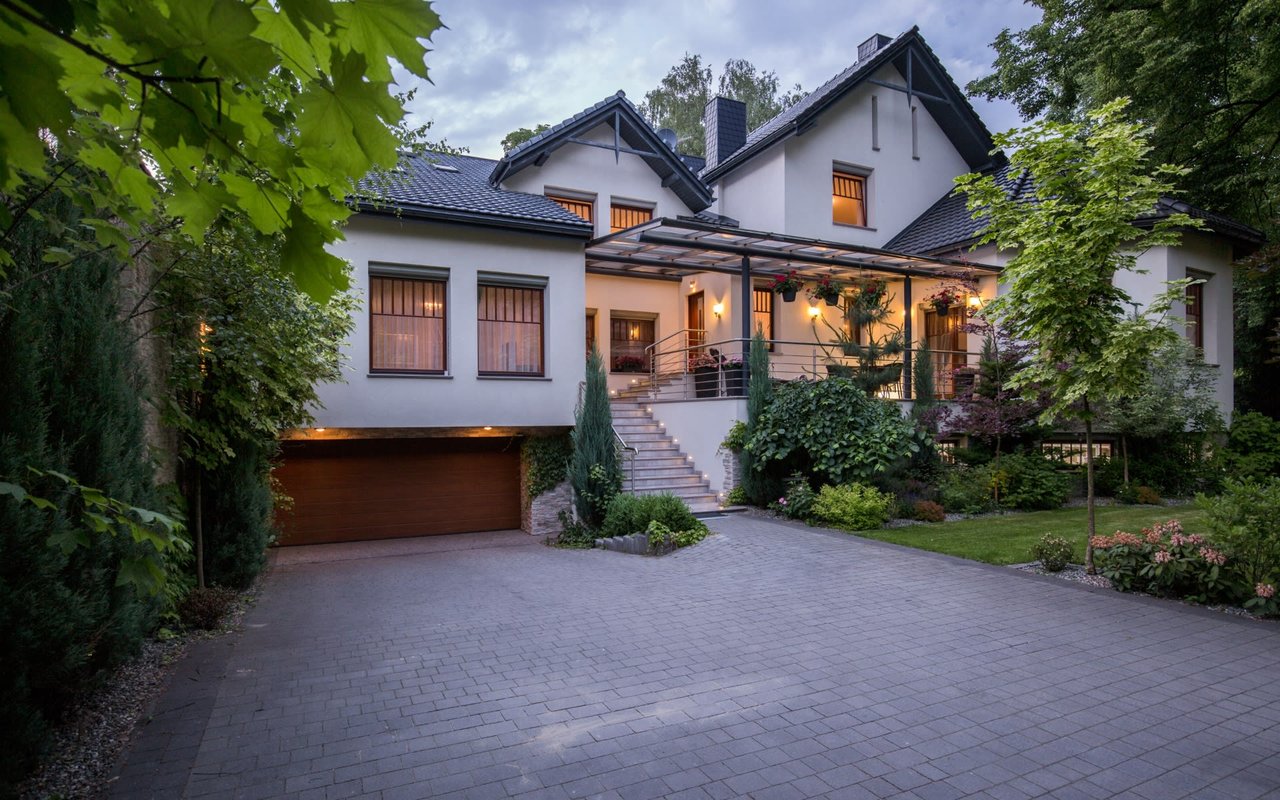
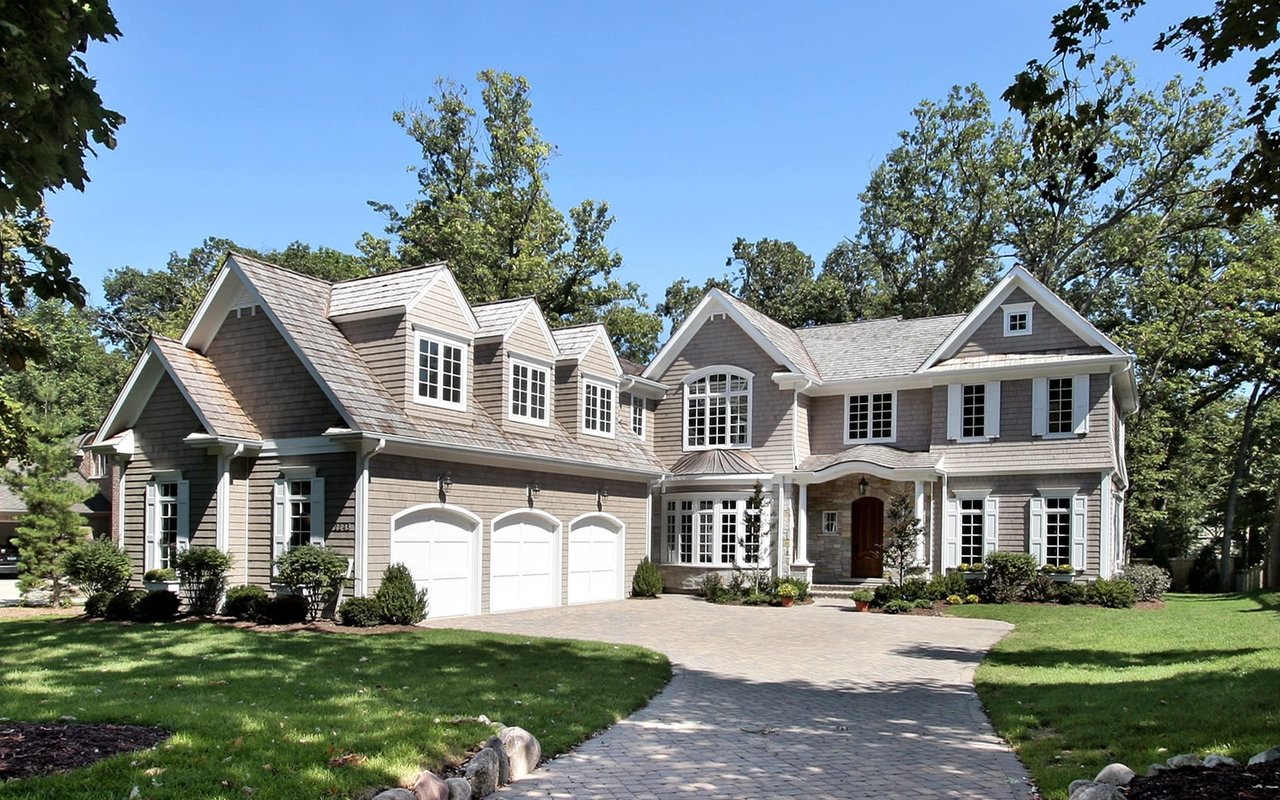
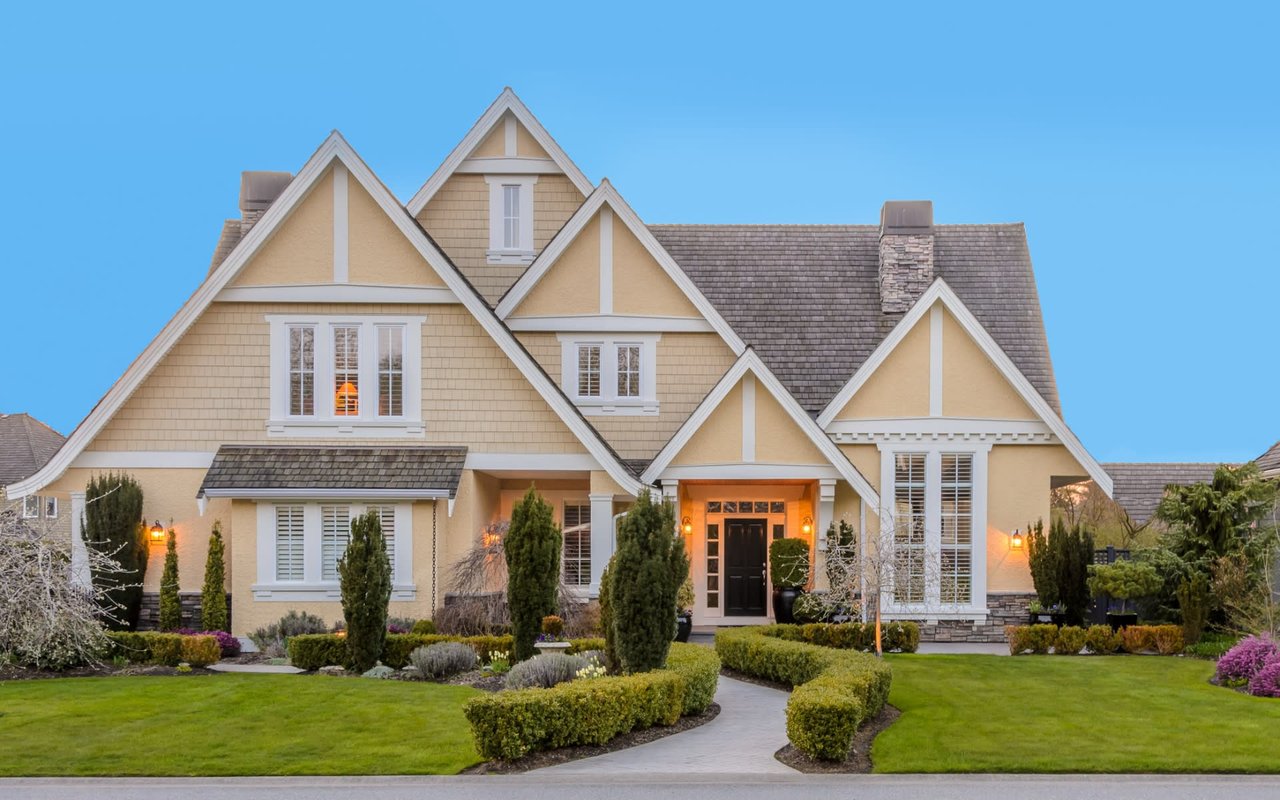
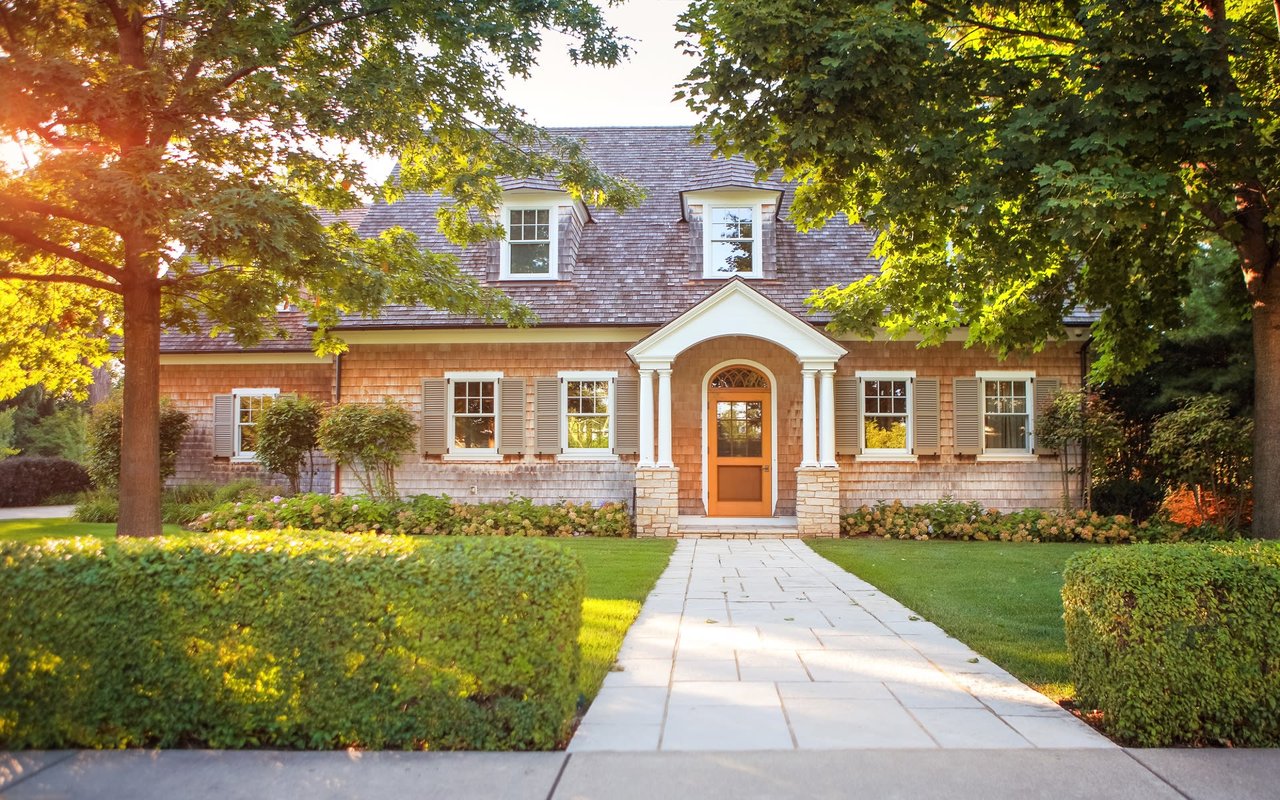
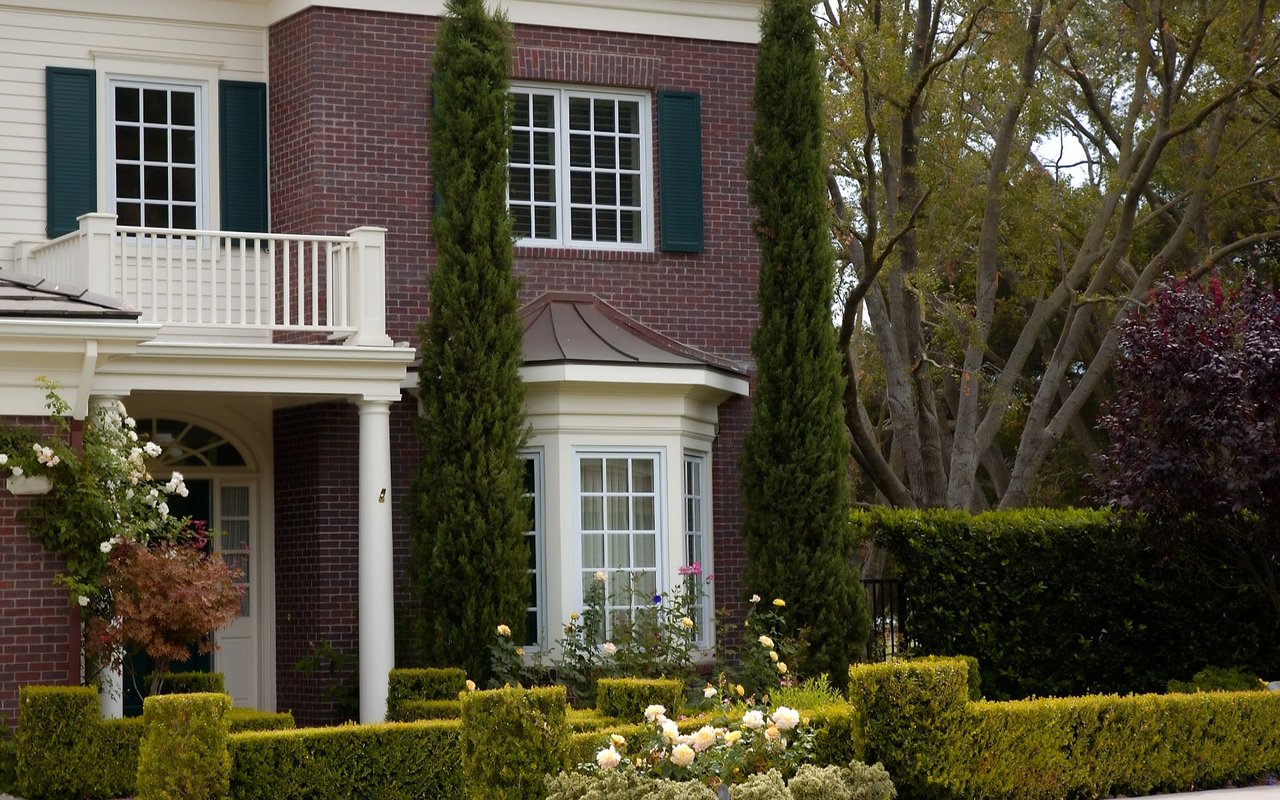
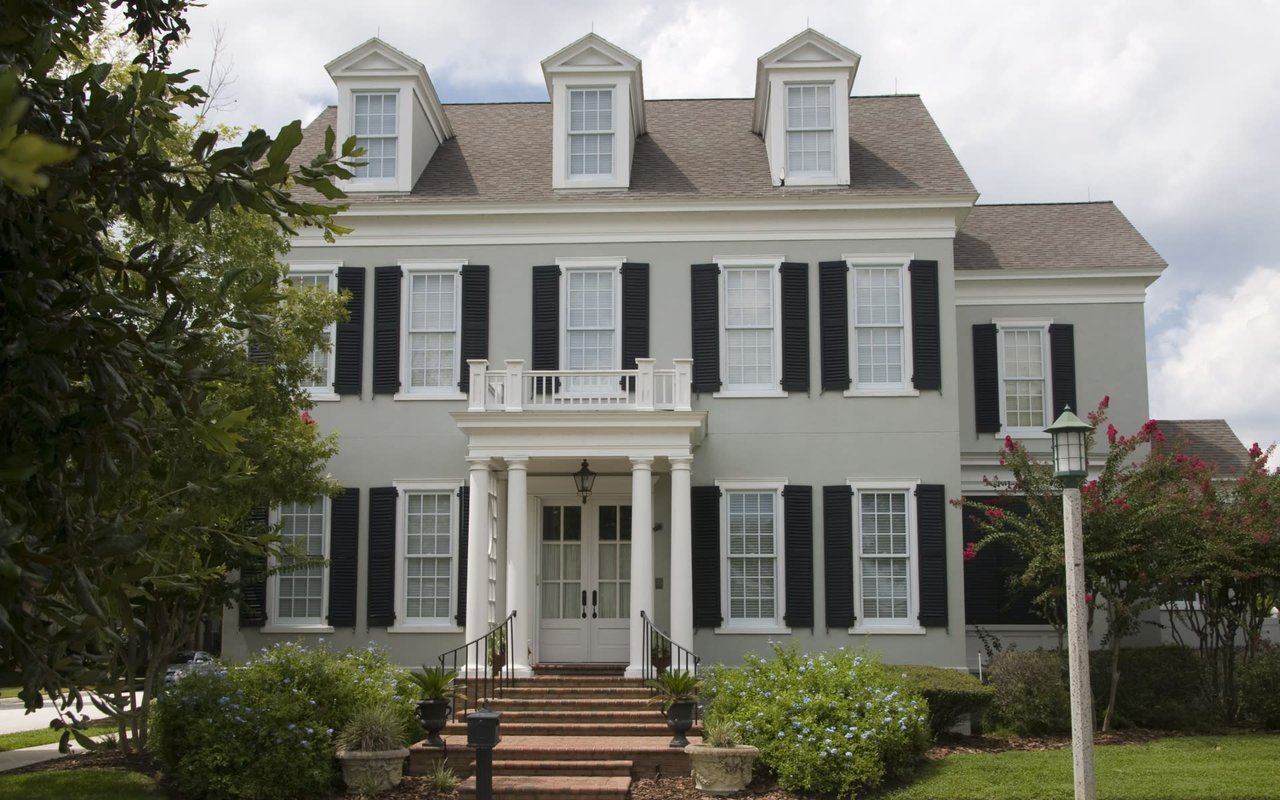
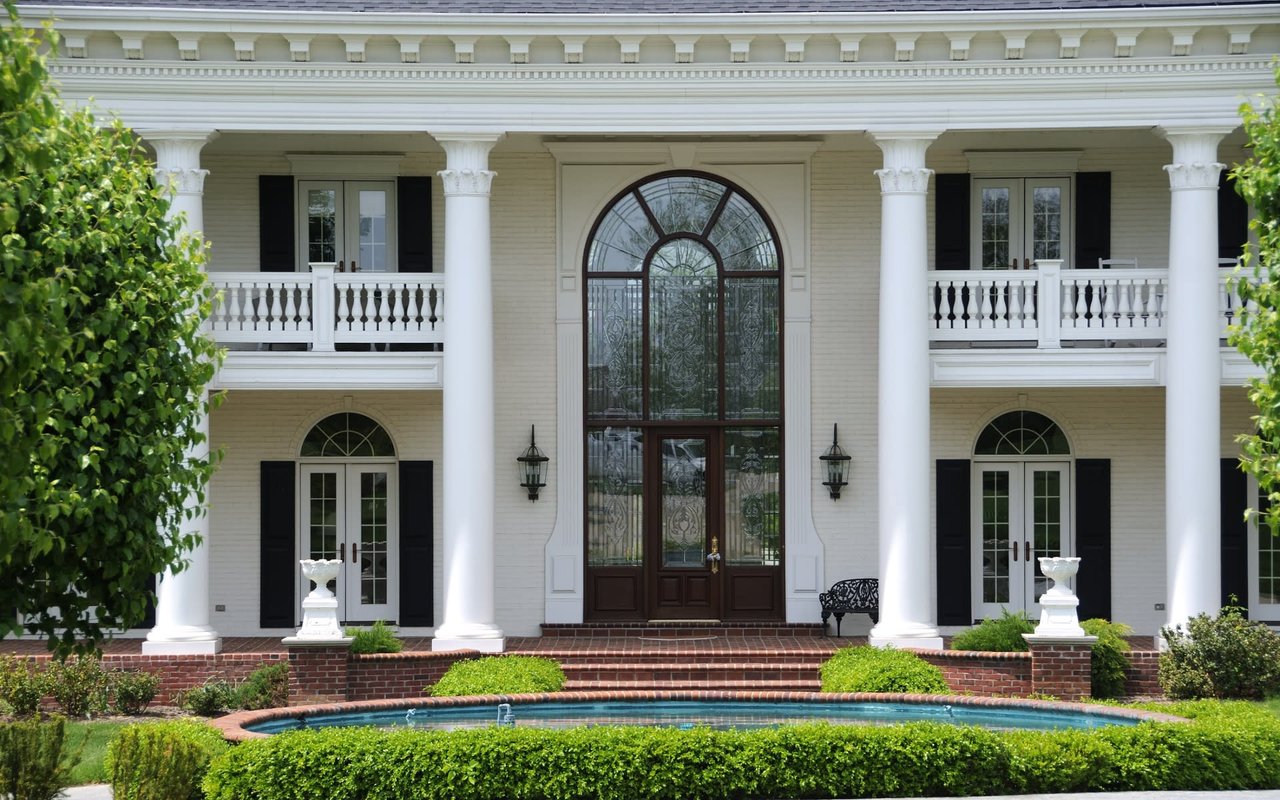
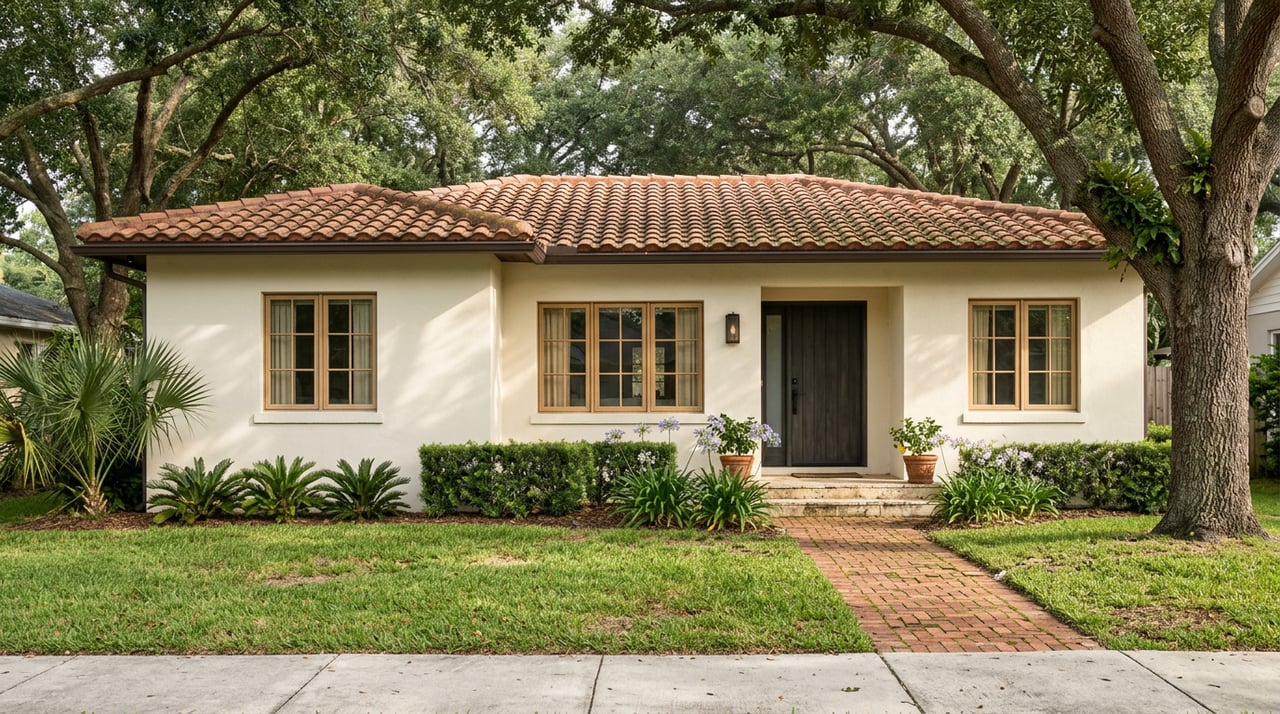
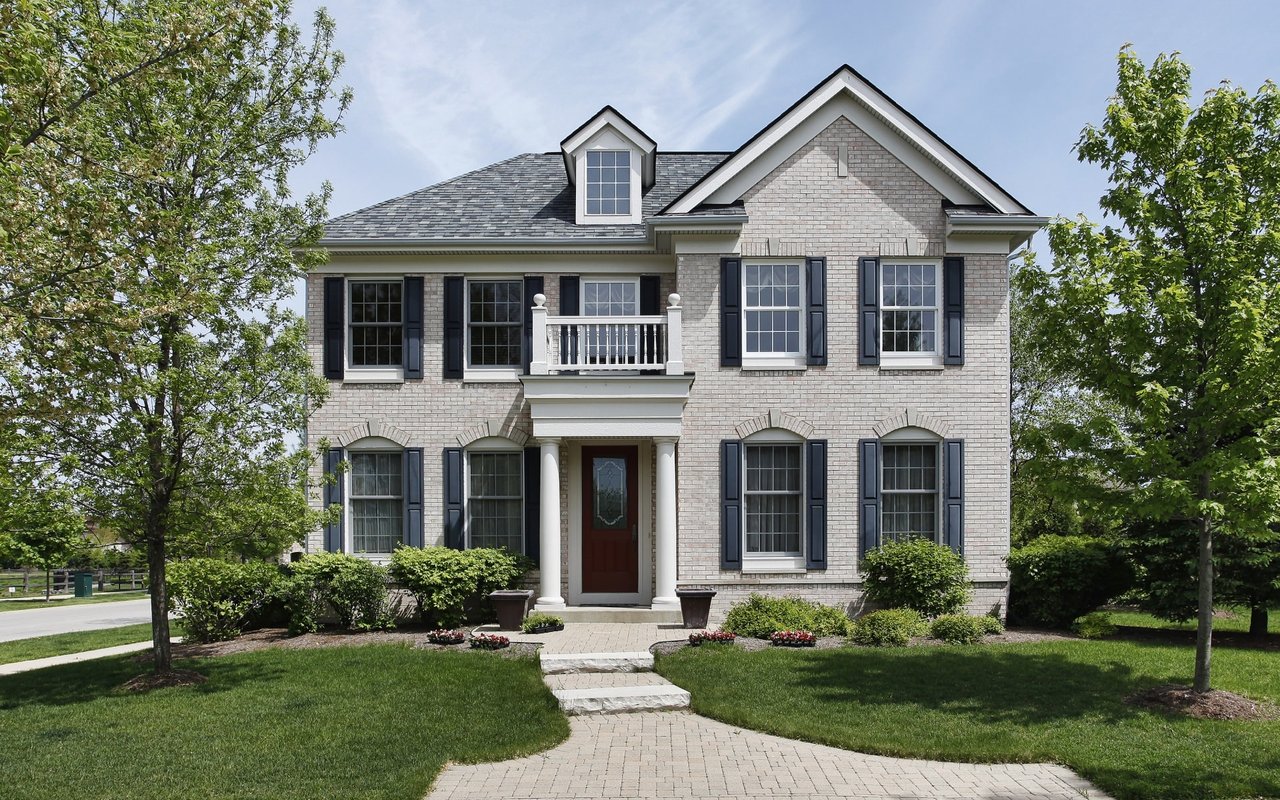
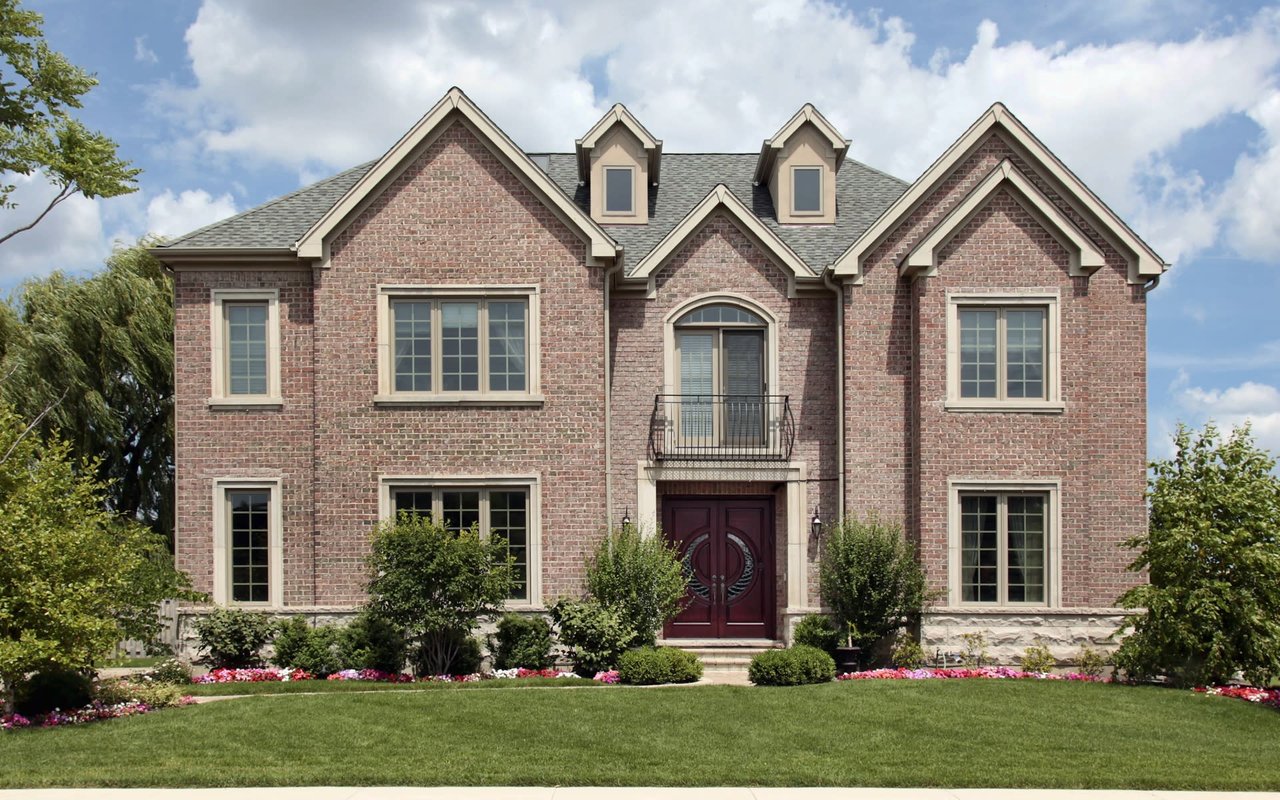
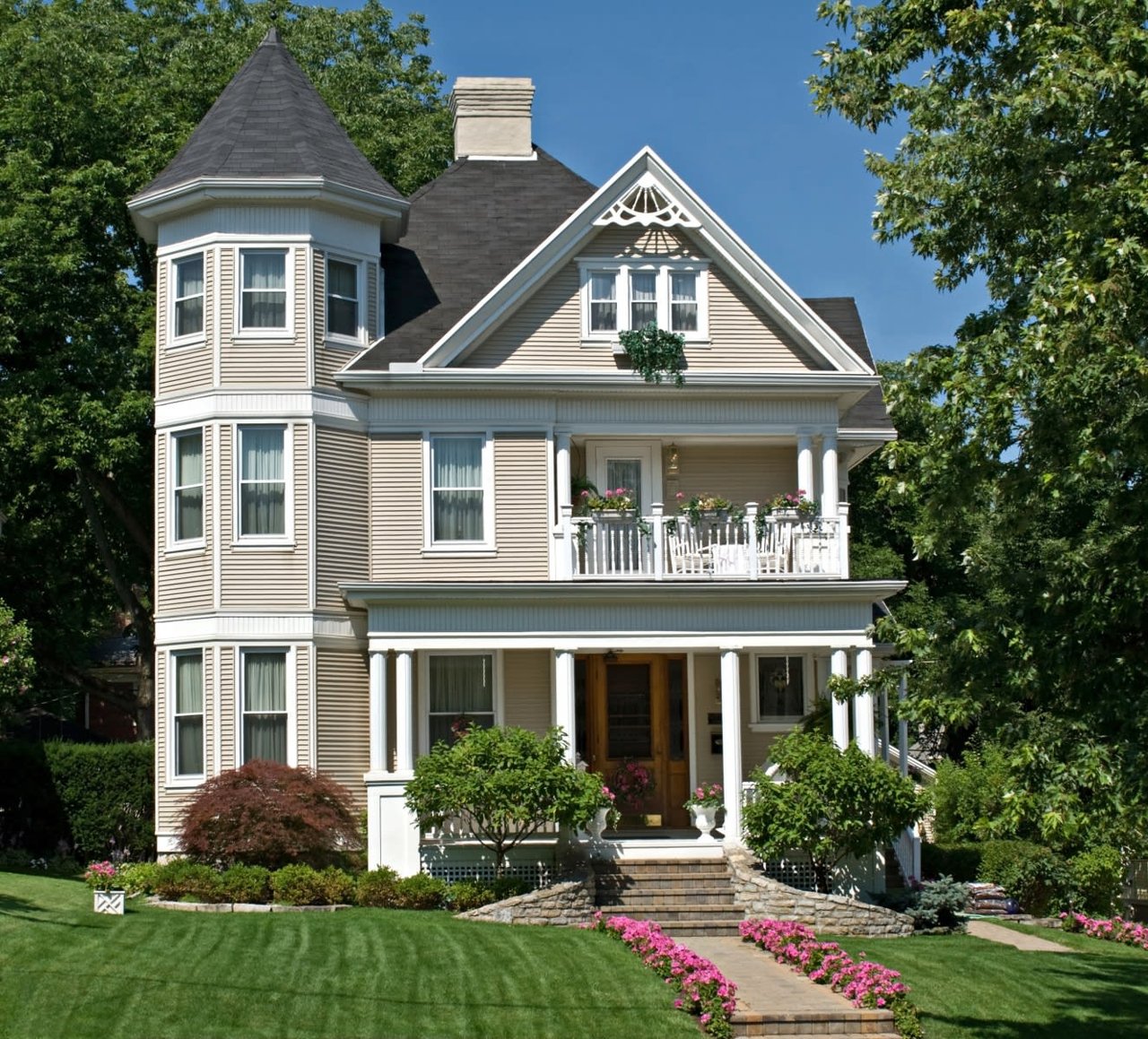
Carrollwood can be especially appealing if you want a middle ground between city access and suburban comfort. It offers established homes, multiple recreation options, and a neighborhood identity that feels lived-in rather than newly manufactured.
The local housing and household data also helps paint a clearer picture. The Census Bureau reports a 68.5% owner-occupied housing rate, a median owner-occupied home value of $384,600, median monthly owner costs of $2,132 with a mortgage and $729 without a mortgage, and median gross rent of $1,715.
You also see a broad age mix in the area. Census figures show 21.7% of residents are under 18 and 18.5% are 65 or older, suggesting a community that includes both younger households and long-time residents.
If you are relocating, those details can help you set expectations. Carrollwood is not a brand-new master-planned development, and that is exactly the point for many buyers. It often appeals to people who value mature landscaping, established routines, practical amenities, and a stronger neighborhood identity.
Why Carrollwood Stays Popular
Some neighborhoods stand out because they are shiny and new. Carrollwood tends to stand out for the opposite reason. It feels rooted.
Between the lakes, park system, established homes, and long-running community traditions, everyday life here often feels steady and functional in a way buyers appreciate. If you are looking for a North Tampa area with convenience, outdoor access, and a more settled neighborhood character, Carrollwood is worth a serious look.
If you’re considering a move to Carrollwood or want help comparing it with other North Tampa neighborhoods, Joe Lewkowicz can help you evaluate the area with clear, local insight and a strategy that fits your goals.
FAQs
What is daily life like in Carrollwood, Florida?
- Daily life in Carrollwood is generally suburban and convenient, with errands centered around major roads and shopping hubs, plus regular access to parks, lakes, community events, and local institutions.
What parks are in the Carrollwood area?
- Carrollwood’s best-known public park is Carrollwood Village Park, and the area also includes Carrollwood Meadows Park along with smaller neighborhood parks and trails within Carrollwood Village.
Does Carrollwood have lake access?
- Yes, Original Carrollwood includes access to Lake Carroll for activities like boating, swimming, and fishing, and lakes are a major part of the area’s overall character.
How is Carrollwood different from nearby North Tampa suburbs?
- Carrollwood often feels more established and greener than some nearby suburbs because of its 1960s planned-community roots, mature trees, lake-centered setting, and layered neighborhood identity.
Is Carrollwood a good fit for buyers who want an established neighborhood?
- Carrollwood may appeal to buyers who want an area with mature landscaping, established homes, parks, lakes, and a neighborhood feel that has developed over time rather than a brand-new community atmosphere.