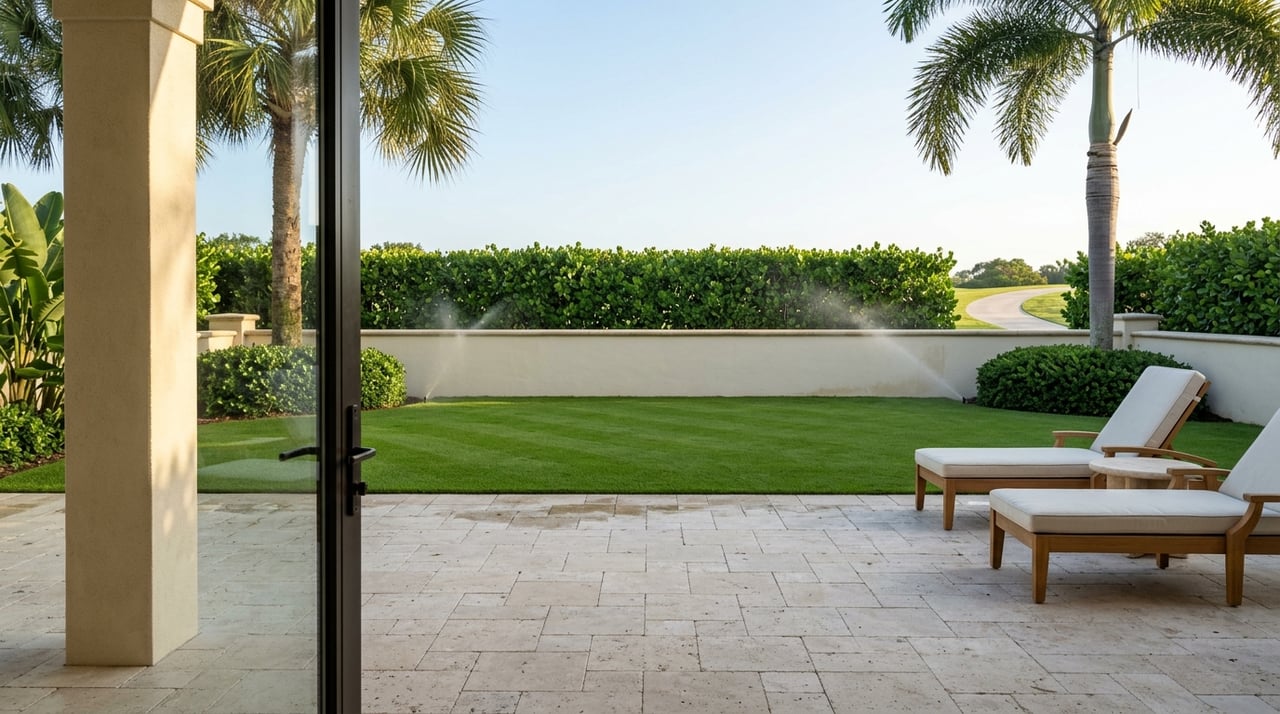
If you love the idea of open backyard views, easy access to recreation, and a neighborhood with an established feel, golf course living in Northdale can be very appealing. At the same time, it is not a one-size-fits-all lifestyle, and the details of each lot can shape your day-to-day experience more than you might expect. This guide will help you understand what golf course living in Greater Northdale really looks like, what to verify before you buy, and how to decide if it fits your goals. Let’s dive in.
Golf Course Living in Northdale at a Glance
Northdale is a long-established suburban community in Hillsborough County, about 15 miles north of downtown Tampa. The neighborhood is centered in part around Northdale Golf Club, an 18-hole course that plays a visible role in the local setting.
Today, the club presents itself as a public golf course and social hub. Along with daily tee times, it offers leagues, tournaments, pickleball courts, a restaurant and bar, and event programming that contributes to an active neighborhood atmosphere.
For many buyers, that mix is the appeal. You are not just buying a home near a fairway. You are often buying into open views, recreation nearby, and a community setting that feels established and connected.
What Homes Near the Course Look Like
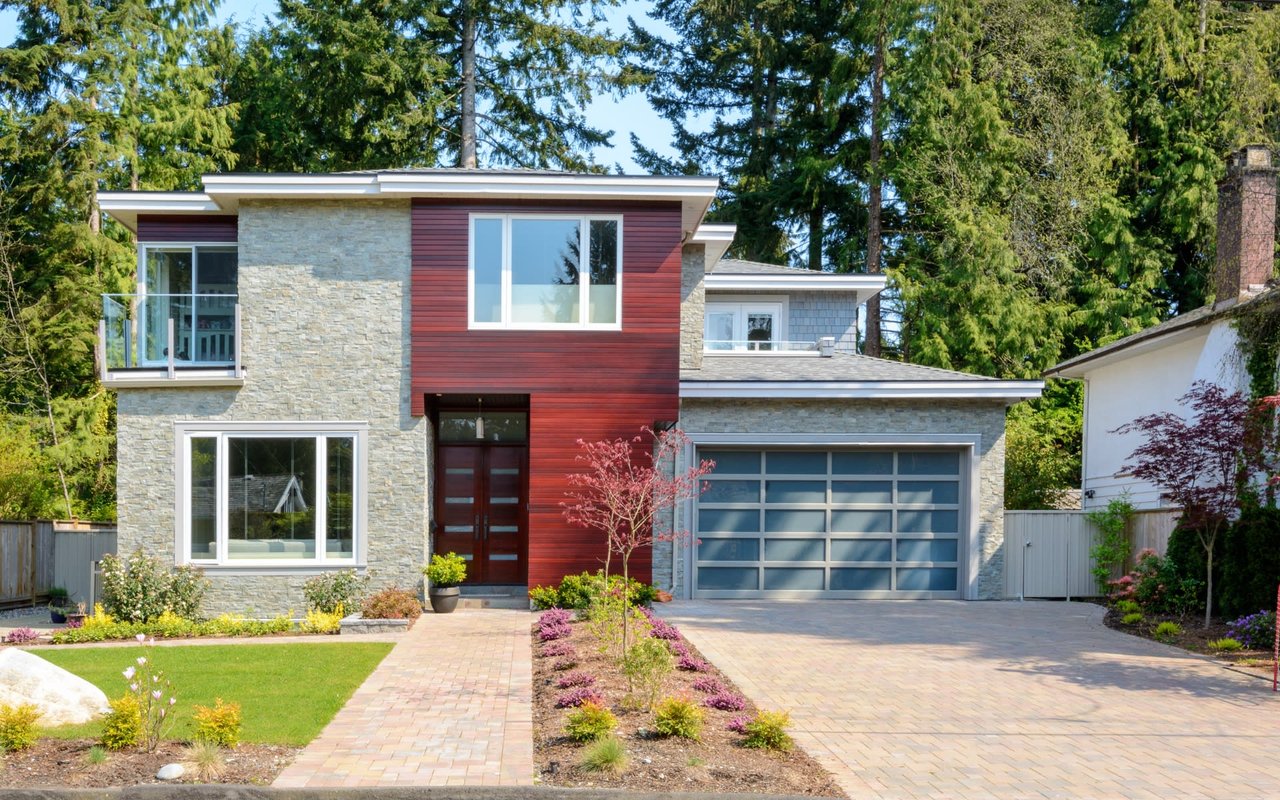
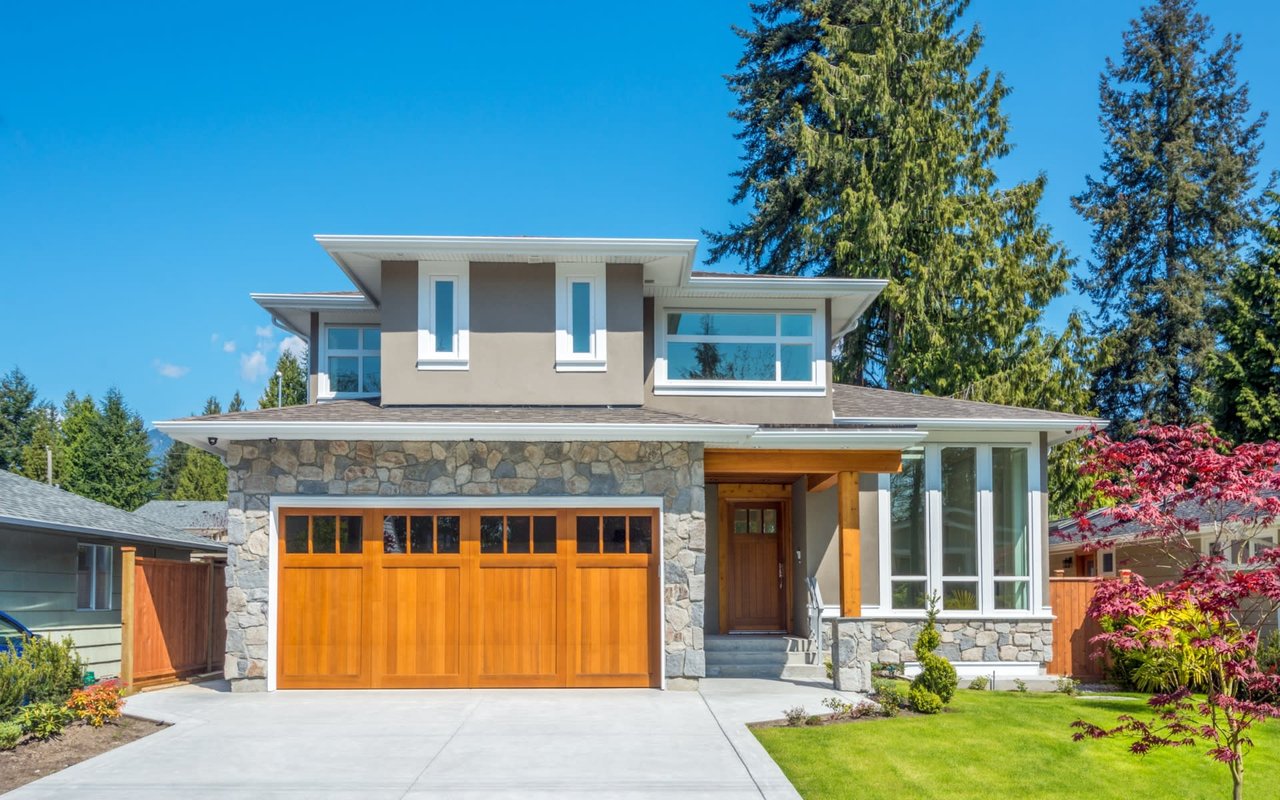
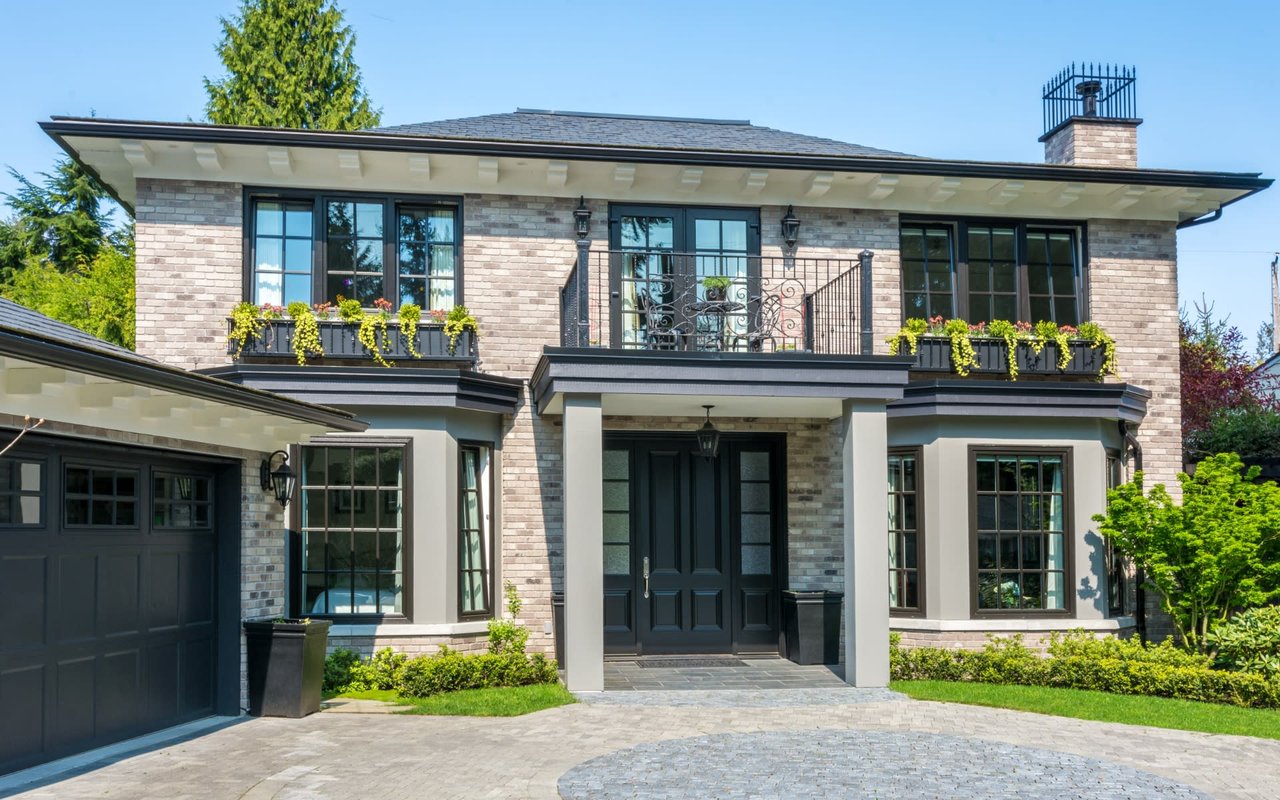
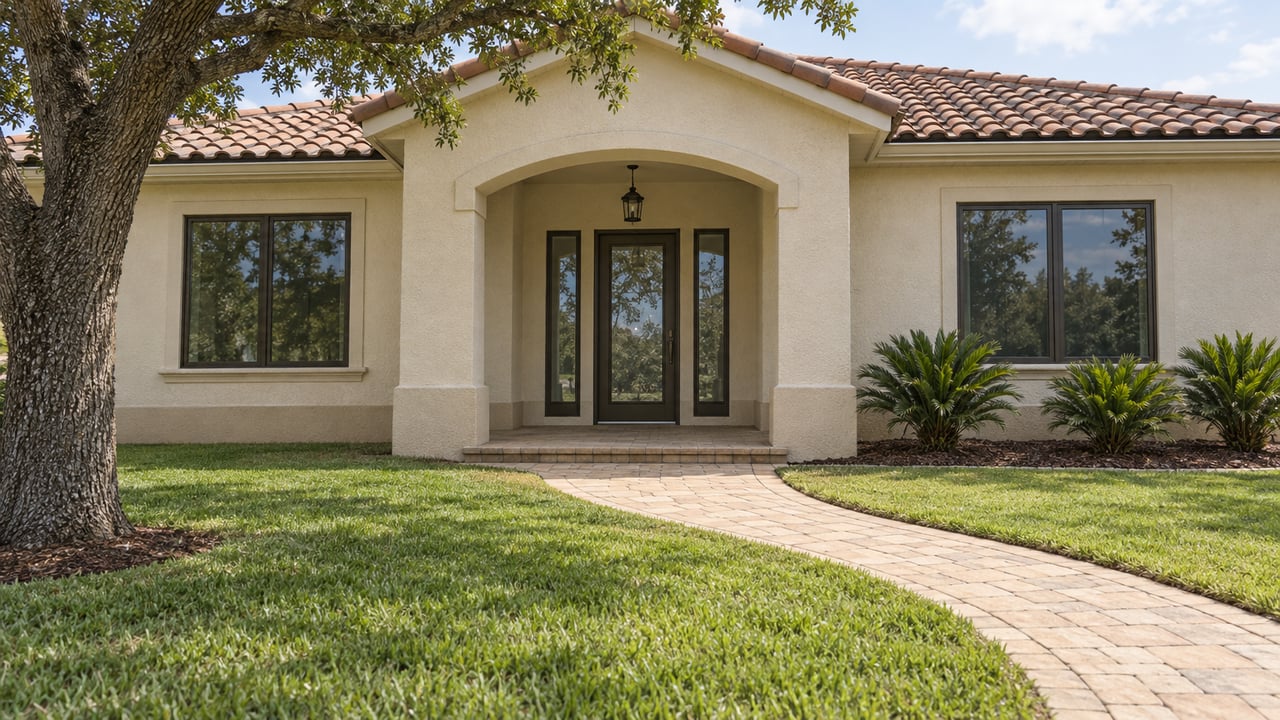
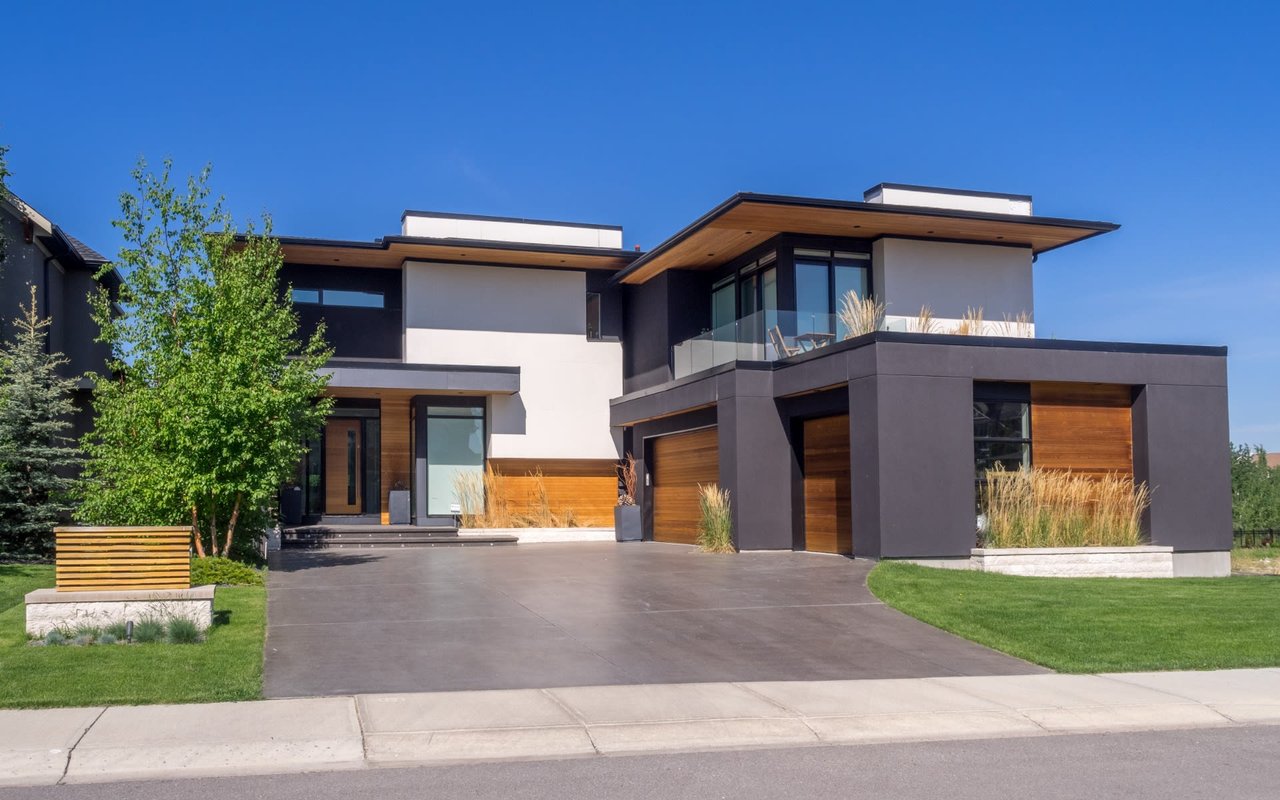
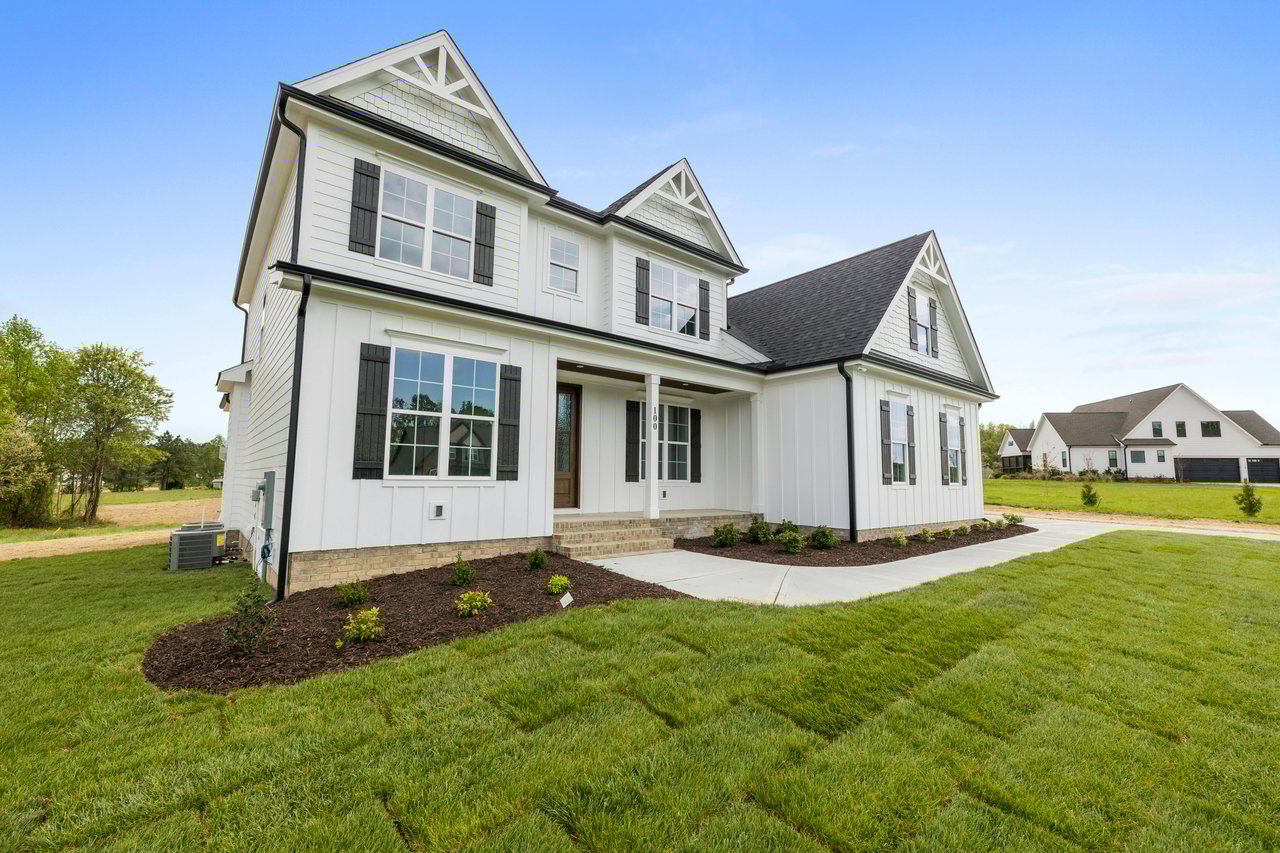
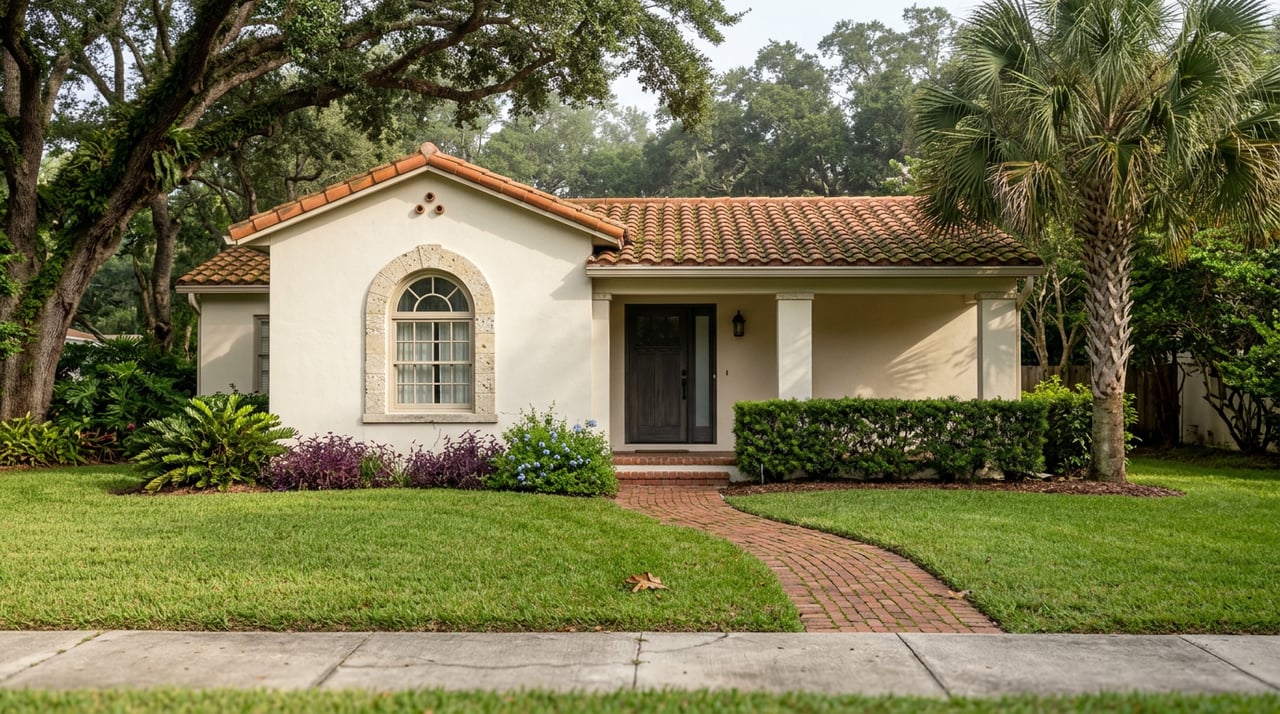
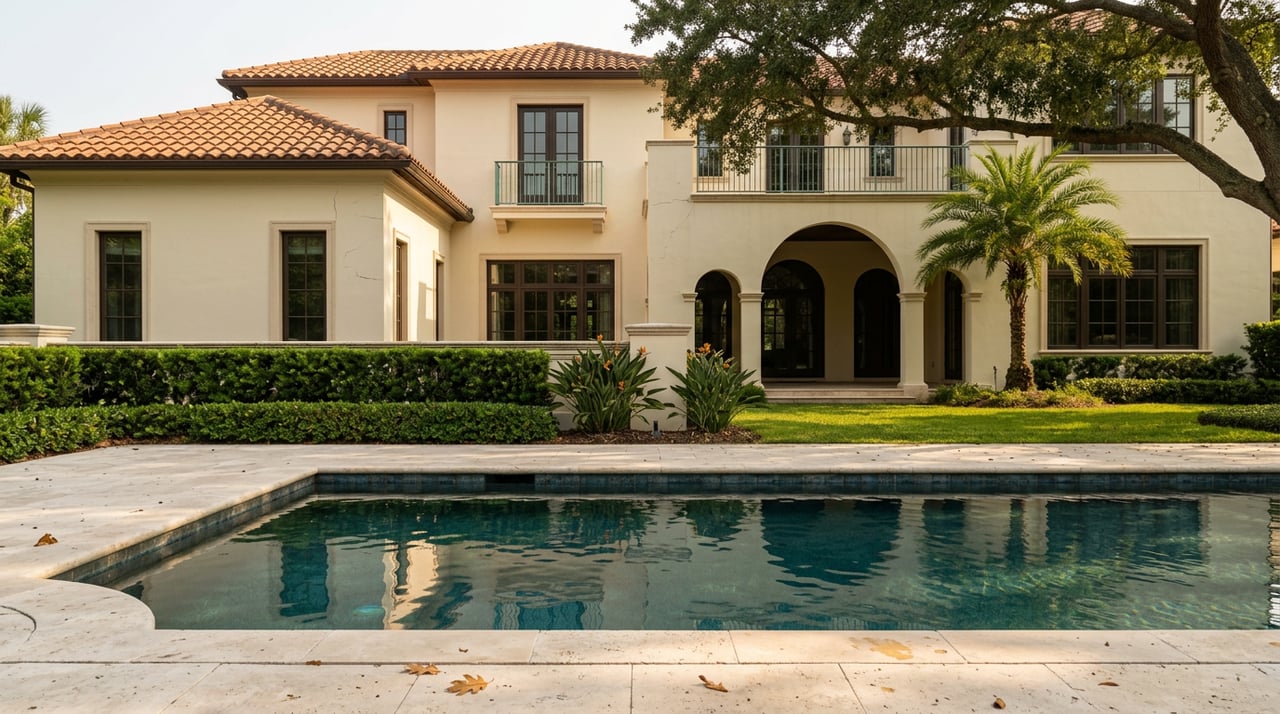
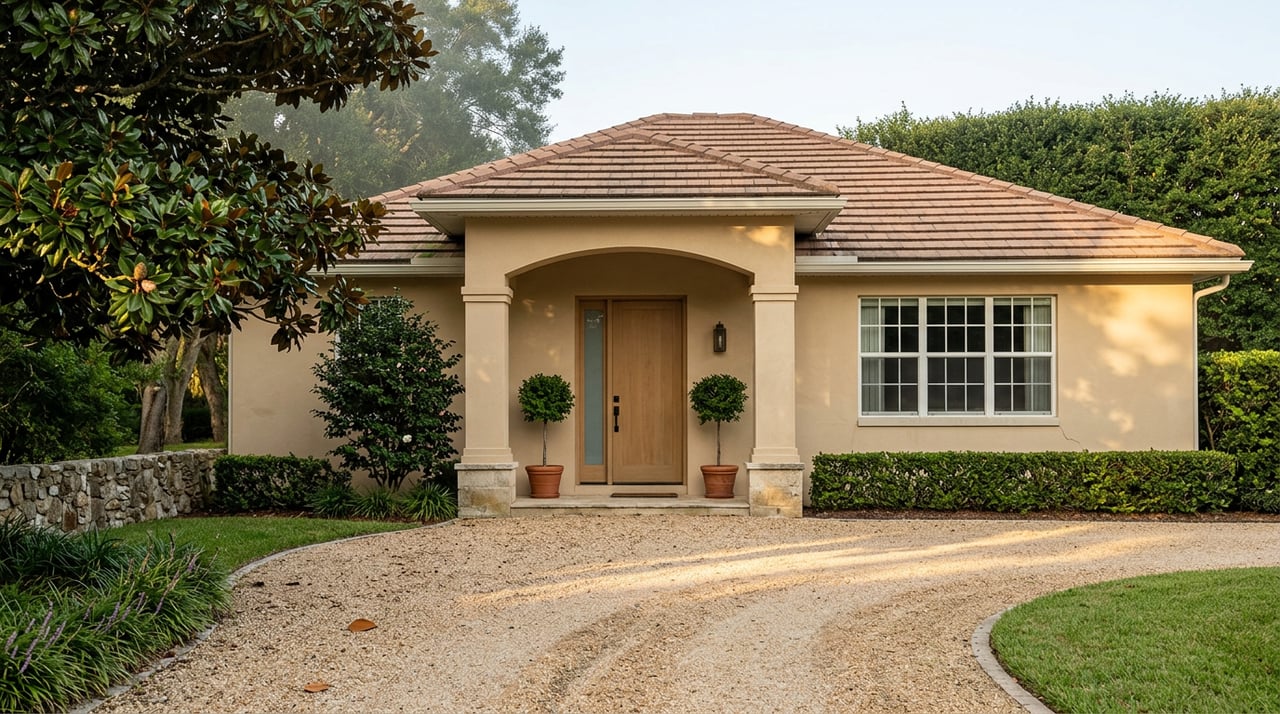
In Northdale, golf-adjacent housing is generally more traditional suburban living than resort-style living. The area’s subdivisions date back to the 1970s, and the housing mix includes ranch and contemporary homes, along with some newer traditional houses, townhouses, and condos.
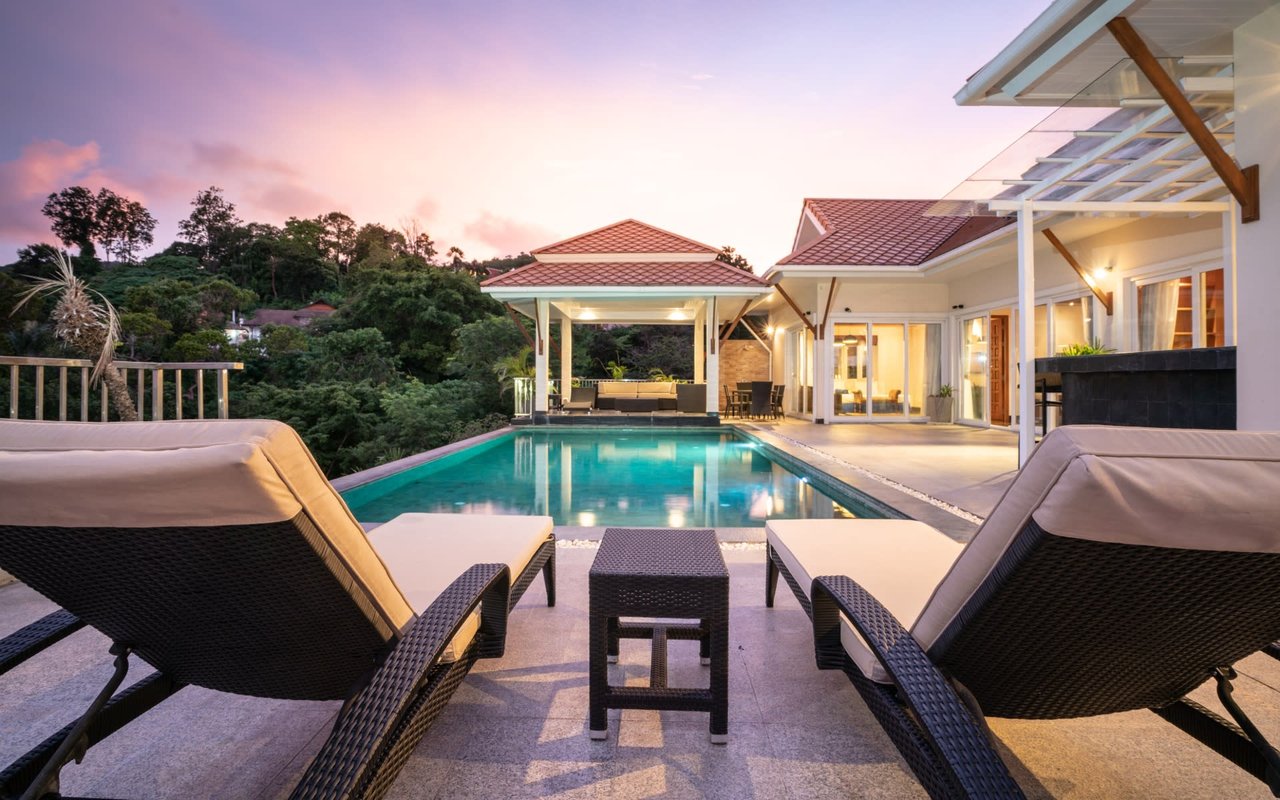
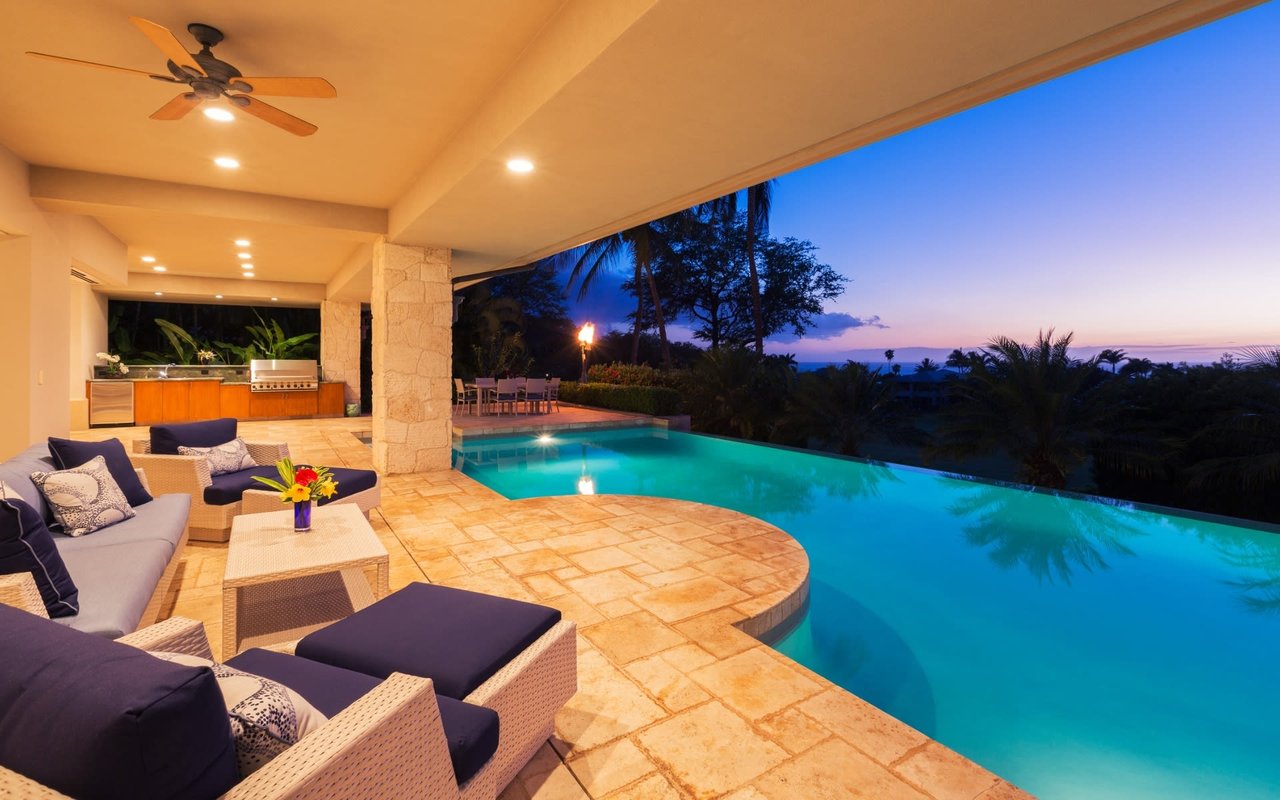
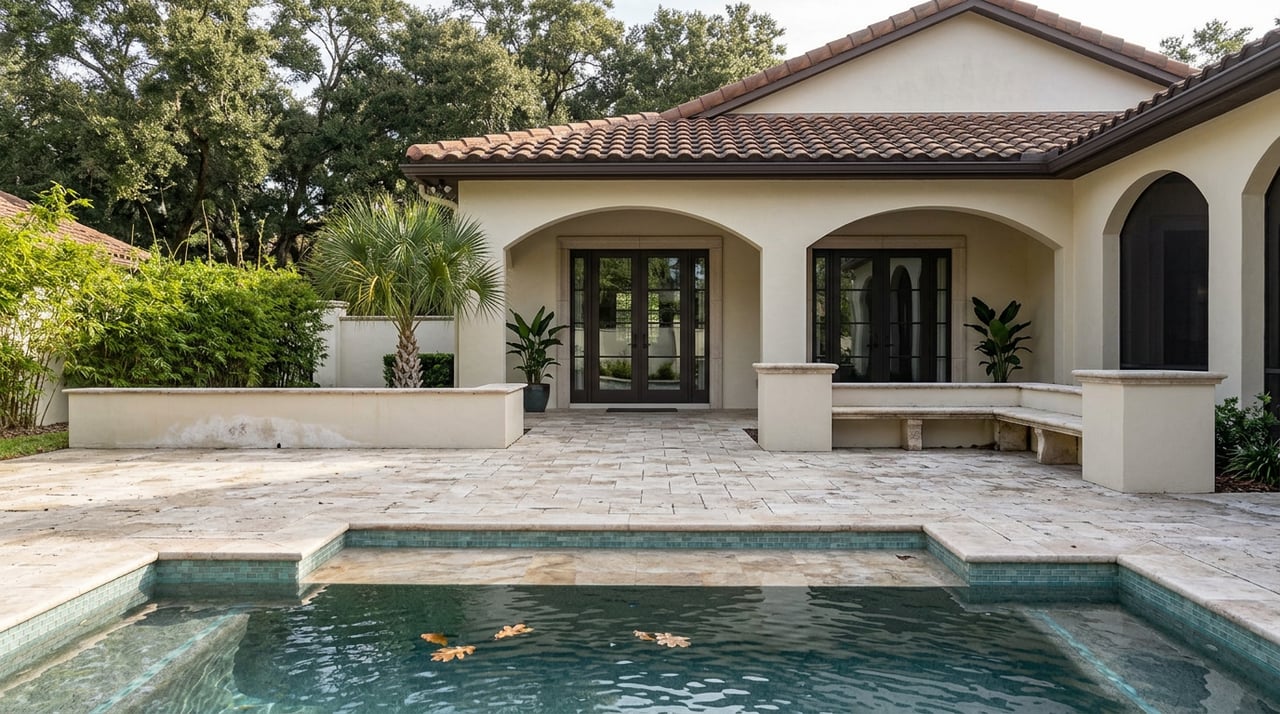
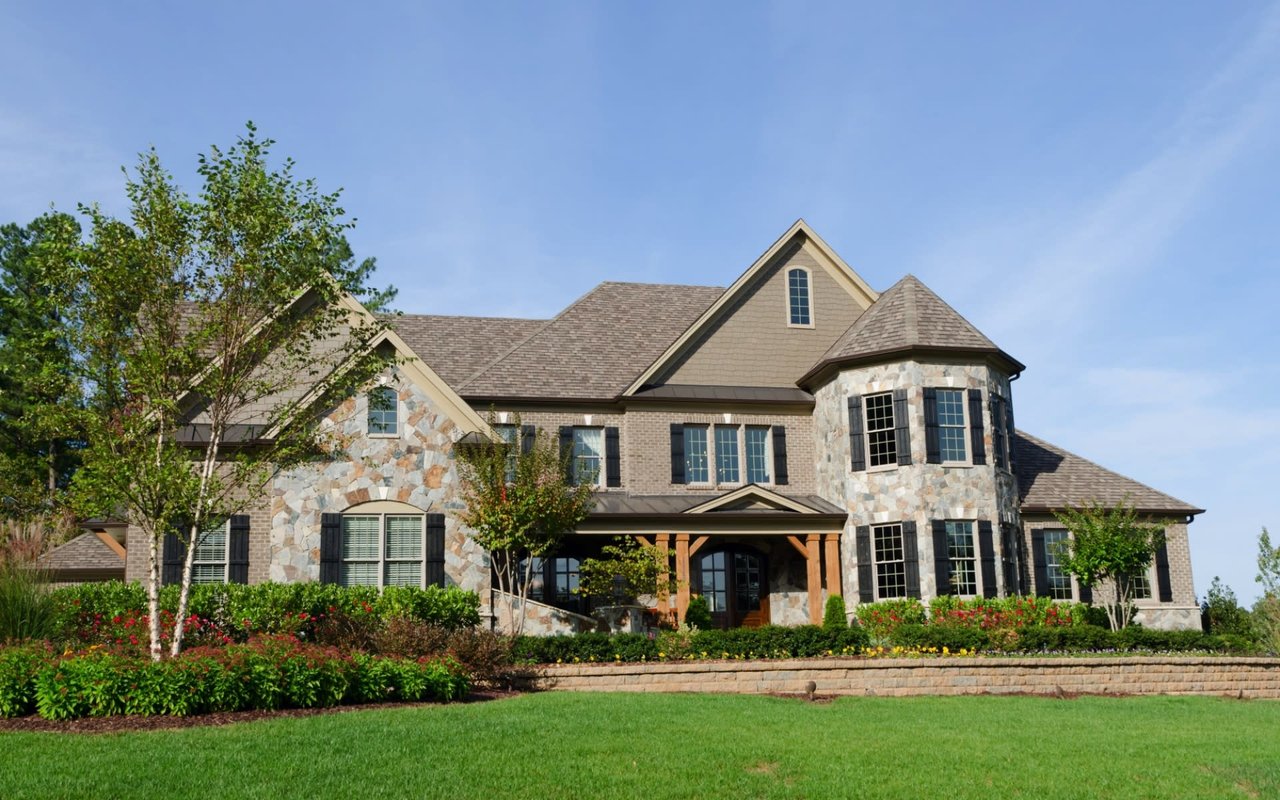
Current listings in the Northdale Golf Club area suggest that many golf-course-adjacent options are single-family homes. Examples have included roughly 3 to 5 bedrooms, about 1,344 to 3,241 square feet, and features such as screened lanais, pools, garages, and lots around a quarter acre.
That matters if you are comparing Northdale with newer master-planned golf communities or high-density condo developments. In Northdale, the typical experience is more likely to be an established home on a moderate lot with mature surroundings and a practical suburban layout.
Why Buyers Are Drawn to Northdale Golf Views
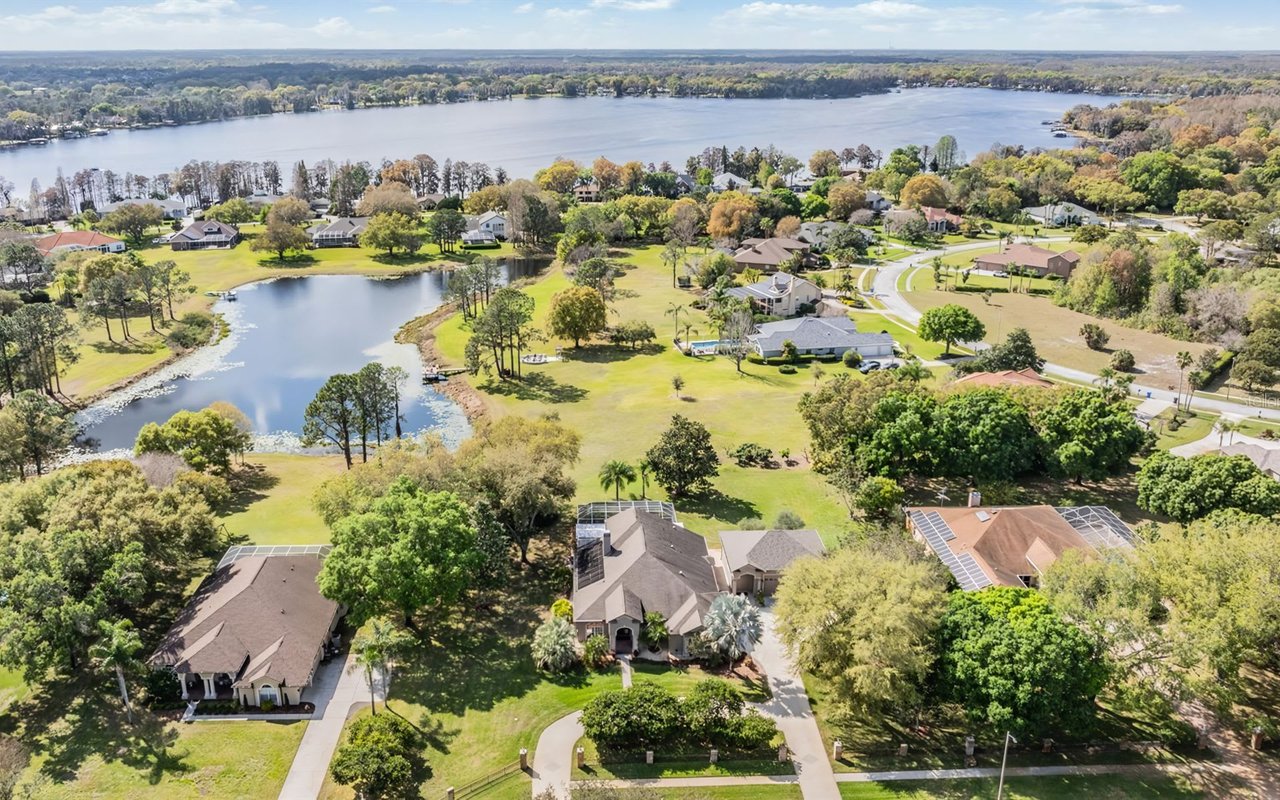
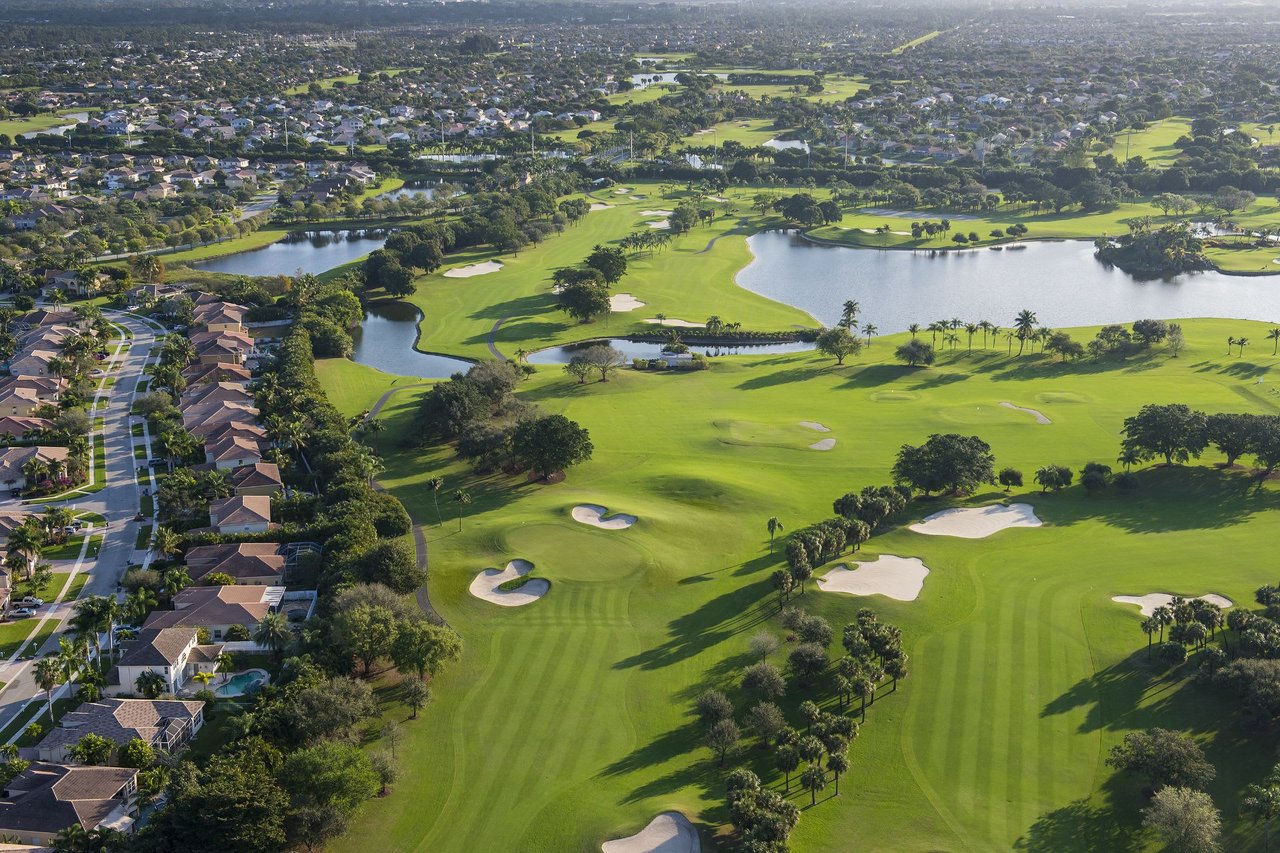
One of the biggest reasons buyers look at golf-course properties is the setting behind the home. In Northdale, some listings highlight water views, greens beyond the backyard, and sight lines that create a more open, park-like feel.
That extra visual space can make a home feel more private and more connected to the outdoors. Even when the lot size is similar to nearby homes, the orientation toward the course may change how spacious the property feels.
For some buyers, that backdrop is the main value. A screened lanai, pool, or patio can feel very different when it faces open green space rather than another backyard.
What Daily Life Can Feel Like
Golf course living often sounds peaceful, but in Northdale it is better to think of it as active outdoor living rather than total quiet. The club hosts daily golf activity, leagues, tournaments, pickleball, social nights, bingo, trivia, and other events.
If a home sits near the clubhouse, cart paths, event areas, tees, or greens, you may notice more movement, activity, and intermittent noise. That is not automatically a negative, but it is something to consider carefully when comparing one property to another.
On the other hand, many buyers enjoy the energy that comes with a public course and social hub. For the right buyer, being close to recreation and neighborhood activity is part of what makes the location appealing.
Public Club Access Matters
One of the most common questions buyers ask is whether Northdale Golf & Tennis Club is public or private. The club’s current site presents it as a public golf course, with public-facing tee times and event amenities.
That can be a meaningful difference when you are comparing communities. A public club may create broader access to golf and social amenities, but it can also mean more regular traffic and a wider mix of users than a private-membership setting.
If access to golf is part of your buying decision, it is smart to confirm how the club currently operates and what amenities are available at the time you are shopping. Operational details can shape both lifestyle and resale appeal.
Rules and Costs to Understand
Northdale has an unusual setup that many buyers need explained clearly. The community is deed-restricted, but according to the Northdale Civic Association, it is not a traditional HOA and does not collect mandatory dues.
Instead, the civic association offers voluntary membership. At the same time, homeowners are subject to a separate special-district assessment that helps cover common-area maintenance and related neighborhood upkeep.
The special district maintains county rights-of-way and provides items such as landscaping, irrigation, walls, entryways, and additional security. Because published sources currently show different assessment figures, buyers should verify the current amount before making an offer rather than relying on an older number.
Golf-Front Homes May Have Different Restrictions
Not every property in Northdale follows identical rules. The Northdale Civic Association notes that deed restrictions can vary slightly for homes that border the golf course.
That is important because buyers sometimes assume all homes in the same neighborhood operate under the same standards. In practice, a golf-front lot may come with additional considerations tied to location and lot relationship to the course.
Before you move forward, make sure you understand exactly which village the home is in and whether its position along the course changes any restrictions. This is one of those details that is easy to overlook online but important in real life.
Resale Value Is More Nuanced Than Many Expect
Some buyers assume golf-course properties always command a premium. The research suggests the reality is more nuanced.
One study found that homes in golf-course communities sold for about a 9% premium compared with similar homes in non-golf-course communities. At the same time, other research found that proximity to cart paths, greens, or tees can reduce value in some cases, and some nearby homes have lost value after a course closed.
In Northdale, that means resale appeal is likely tied to the specifics. The strongest factors may include lot orientation, privacy, view quality, maintenance of the surrounding area, and the ongoing stability and appeal of the course itself.
Northdale Buyer Demand Is Real, but Selective
Current market snapshots suggest there is meaningful interest in this pocket of Northdale, but not every home will appeal to every buyer in the same way. Realtor.com data for Northdale Golf Club shows a median list price of $380,000, with 19 homes for sale and a median 61 days on market.
Current listings also show a fairly wide price spread, from under $300,000 to well above $500,000. That range tells you the market is shaped by differences in size, condition, features, and location within the community.
For sellers, that means pricing needs to reflect the exact lot and view, not just the fact that a home is near the course. For buyers, it means one golf-adjacent home may offer a very different value proposition from another just a few streets away.
What to Check Before You Make an Offer
When you are buying near the course in Northdale, due diligence should go beyond the usual bedroom and bathroom count. The relationship between the lot and the course can affect privacy, activity, and long-term appeal.
Here are some of the most important items to verify:
- The specific village within Northdale
- Whether the home backs to the fairway, green, tee, or cart path
- How the home’s orientation affects privacy and backyard views
- Whether golf-course-bordering properties have different deed restrictions
- The current special-district assessment amount
- How close the home is to the clubhouse, event areas, or high-activity spaces
If possible, it also helps to visit at different times of day. A backyard that feels serene in one moment may feel very different when the course or club is busy.
Is Golf Course Living in Northdale Right for You?
Golf course living in Northdale can be a great fit if you value established neighborhoods, open views, and nearby recreation. It may be especially appealing if you like the idea of a public club setting with an active social calendar rather than a more secluded, private-club atmosphere.
It may be less ideal if you want maximum backyard privacy or a setting with very little nearby activity. In this part of Northdale, the exact lot often matters just as much as the house itself.
That is why local guidance can make such a difference. When you understand how one street, one view line, or one location near the course compares with another, it becomes much easier to buy with confidence.
If you are thinking about buying or selling near Northdale Golf Club, working with a team that knows North and Northwest Tampa at the neighborhood level can help you evaluate the details that matter most. Joe Lewkowicz and The Lewkowicz Group bring decades of Tampa Bay experience, practical market insight, and steady guidance to help you make a confident move.
FAQs
Is Northdale Golf & Tennis Club public or private?
- Northdale Golf & Tennis Club currently presents itself as a public golf course with public tee times and event amenities.
Is there a traditional HOA in Northdale?
- No. According to the Northdale Civic Association, Northdale is deed-restricted but does not have a traditional HOA with mandatory dues through the civic association.
Do Northdale golf-course homes have different rules?
- Yes. The Northdale Civic Association says deed restrictions can vary slightly for properties that border the golf course.
What types of homes are common near Northdale Golf Club?
- Buyers will often find established single-family homes, along with some townhouses and condos in the broader area, with many homes reflecting the community’s 1970s-era development pattern.
What should buyers verify before buying a Northdale golf-course home?
- Buyers should confirm the specific village, the lot’s position near the fairway, green, tee, or cart path, the current special-district assessment, and how the home’s orientation affects privacy and day-to-day activity.