By The Lewkowicz Group
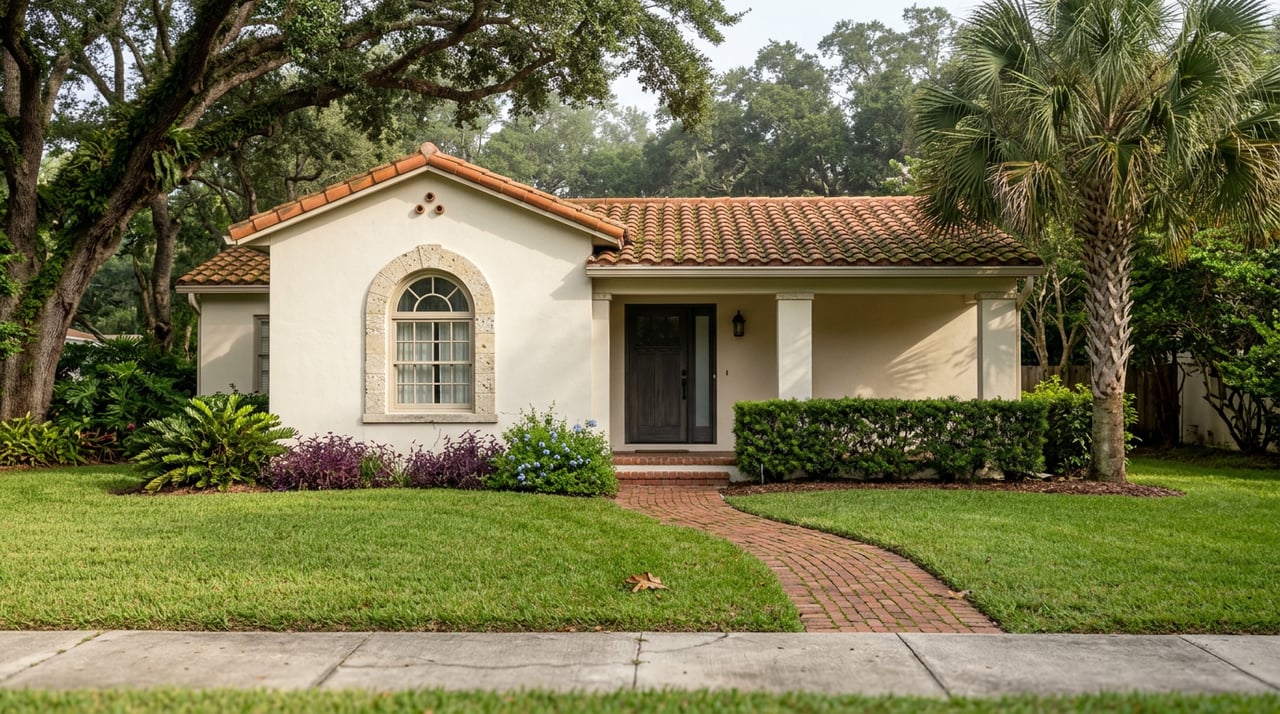
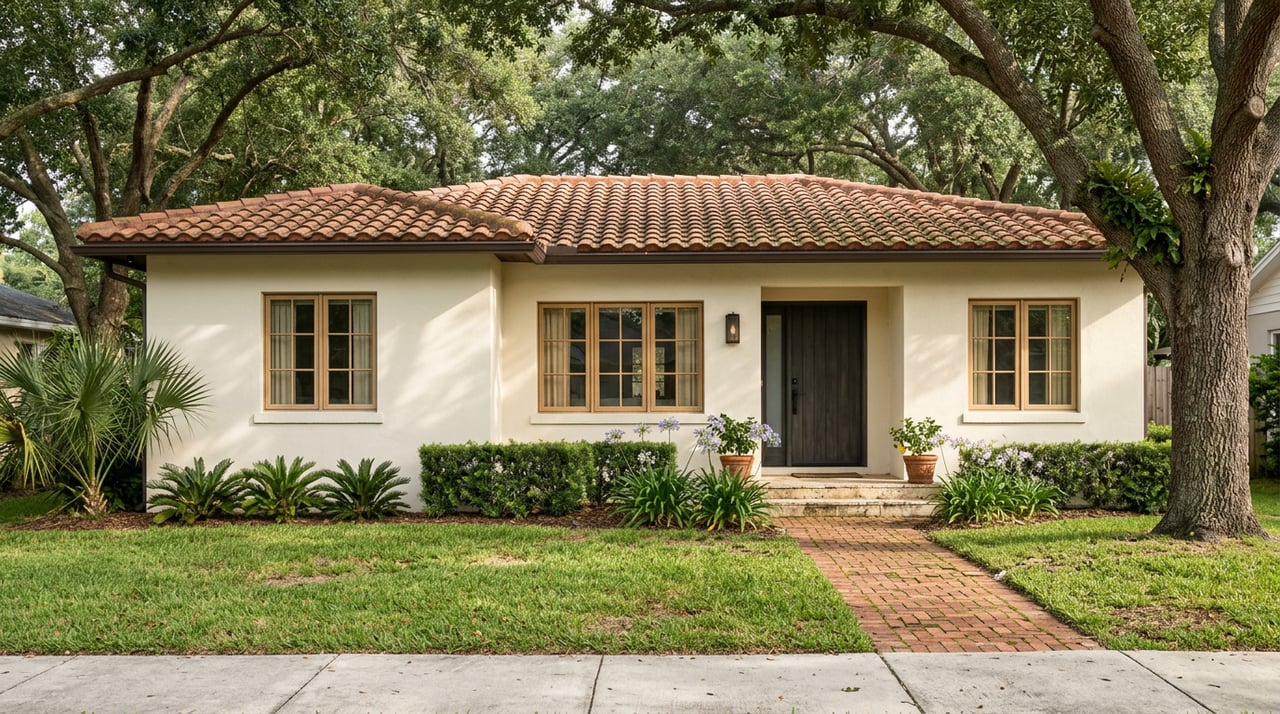
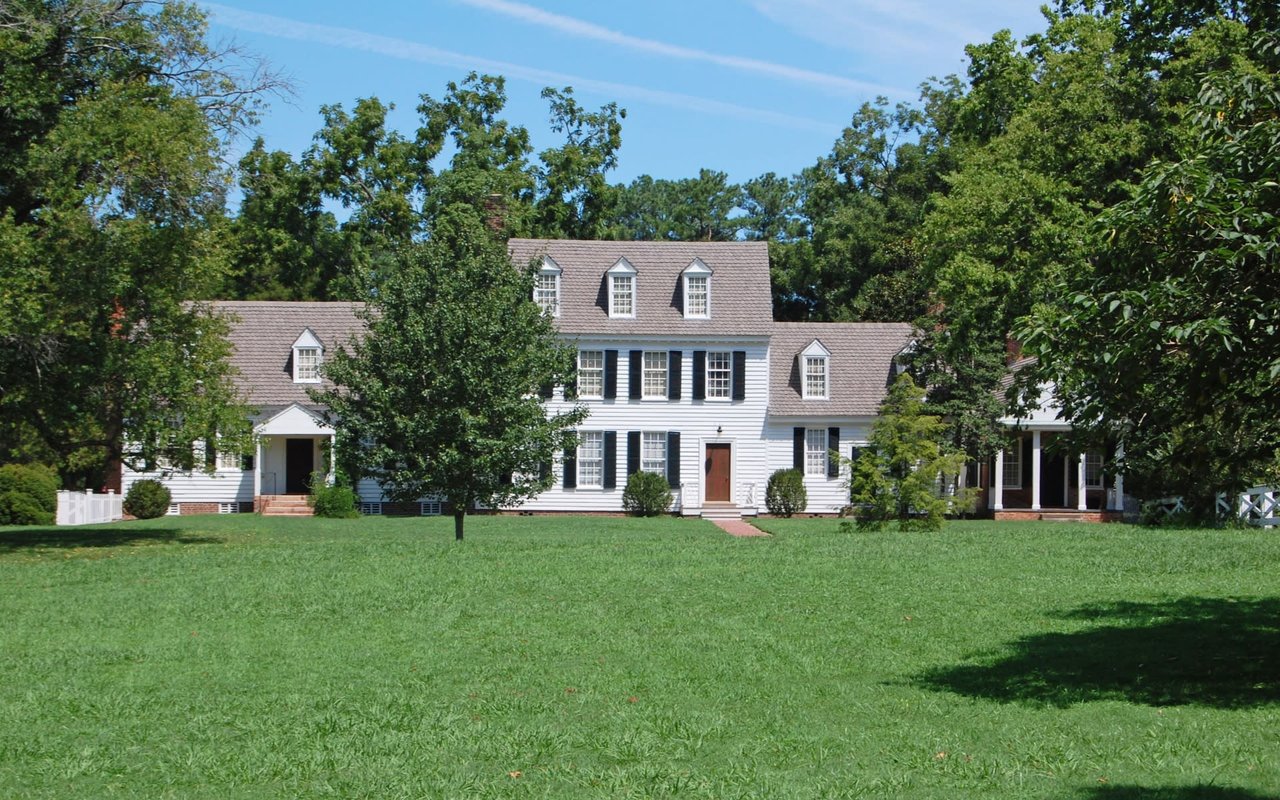
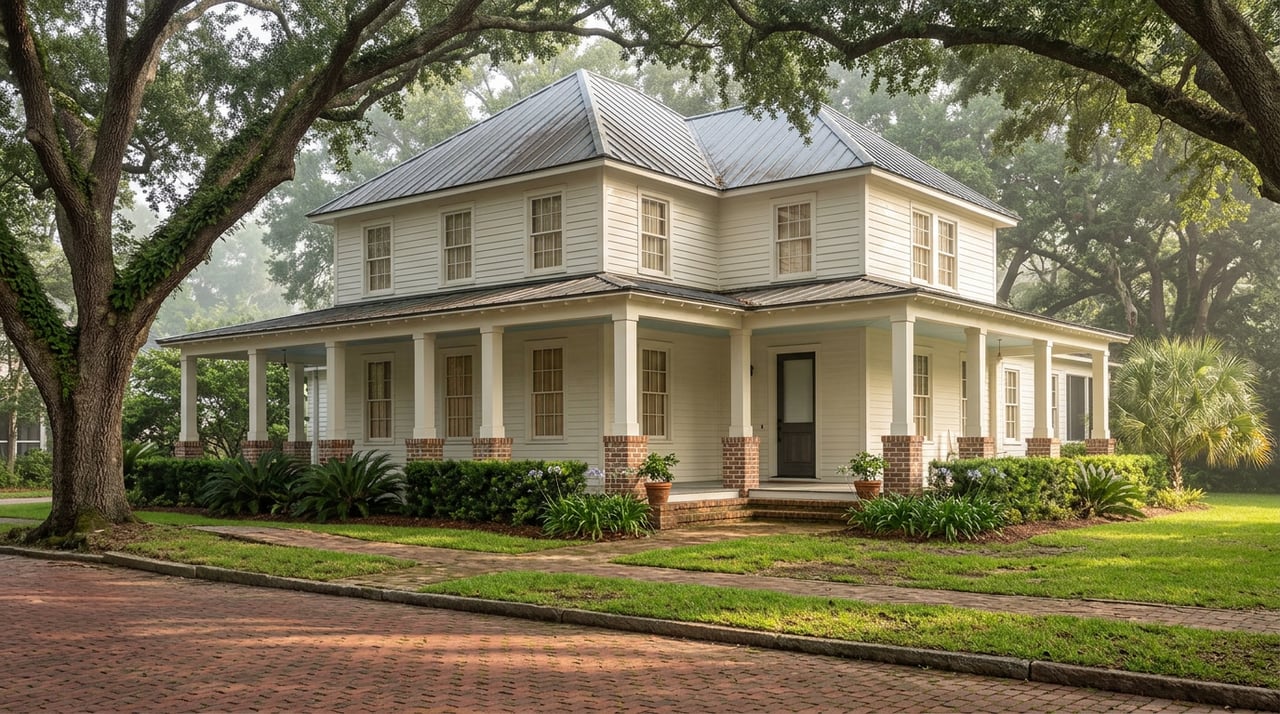
Owning a historic home in Odessa and the surrounding North Tampa area means inheriting something that newer construction simply cannot replicate: original woodwork, solid-material construction, architectural character, and the particular feel of a home that was built to last. It also means taking on a maintenance responsibility that is more nuanced than what modern homes require. Florida's climate makes that responsibility especially pressing, and understanding what to prioritize keeps both the character and the structure intact.
Key Takeaways
- Florida's heat, humidity, and storm exposure create specific maintenance challenges for older homes not present in other states
- Moisture management is the single most critical ongoing concern for historic properties in the Tampa Bay area
- Termite and pest control require a proactive, professional approach rather than reactive treatment
- Electrical and plumbing systems in older homes often need phased modernization for safety and insurance purposes
- Exterior changes to designated historic properties require permits and, in some cases, approval from a preservation board
Moisture Is Your Biggest Threat
In Florida's climate, moisture finds its way into everything — through the roof, around windows, through foundation cracks, and from the humidity that settles into wood and drywall year-round. In a historic home where original materials are part of what makes the property valuable, unchecked moisture can cause rot, mold, and structural damage that are both expensive and, in some cases, irreversible.
Moisture management priorities for older Odessa homes:
- Inspect the roof at least once a year and after every significant storm, looking for missing or damaged shingles, flashing failures, and signs of water intrusion at the eaves
- Clean gutters and downspouts consistently — clogged drainage is one of the fastest paths to water damage on older wood framing
- Check window frames, door frames, and exterior caulking for gaps or deterioration at least twice a year; these are common entry points for both moisture and pests
- Run dehumidifiers in enclosed spaces like attics, crawlspaces, and garages, particularly during rainy season (June through September)
- Watch for mold or mildew staining on interior ceilings and walls, which often signals a roof or plumbing leak that hasn't been located yet
Take Pest Control Seriously
Florida's warm, humid environment is ideal for termites, carpenter ants, and wood-boring beetles — all of which are particularly destructive to the older wood framing and trim that define historic homes. The key distinction for historic properties is that pest damage often goes undetected for years inside walls and beneath floors, meaning the problem is frequently far more advanced than it appears by the time it is discovered.
What proactive pest management looks like:
- Annual termite inspections by a licensed professional are not optional in Florida — they are essential, and lenders and insurers increasingly require documentation
- Ask your pest control provider specifically about treatment approaches for older wood construction; some chemical applications can damage original materials if applied without care
- Keep landscaping trimmed back from the exterior of the home; dense shrubbery and overhanging branches give pests a bridge to the structure
- Seal any gaps around plumbing penetrations, utility entries, and foundation vents, as these are common access points for both insects and rodents
Update Electrical and Plumbing Thoughtfully
Many homes built before the 1970s in the Tampa Bay area have electrical systems that predate modern safety standards. Outdated panels, ungrounded wiring, and the absence of GFCI protection in wet areas are among the most common findings in Florida home inspections on older properties. Similarly, galvanized or cast iron plumbing — common in mid-century construction — has a finite lifespan that may already be exceeded.
A phased approach to modernization:
- Prioritize safety-related electrical updates first: panel replacement, proper grounding, GFCI outlets in kitchens and bathrooms, and surge protection
- Have a licensed plumber evaluate supply lines, drain lines, and the water heater condition; look specifically for signs of corrosion or reduced pressure
- Florida's four-point inspection — required by many homeowners' insurance carriers — evaluates the roof, electrical, plumbing, and HVAC systems; passing it is important for maintaining coverage on older homes
- HVAC systems in Florida work harder than in nearly any other state; schedule professional service at least once a year and replace filters every one to three months
Know the Rules Before You Touch the Exterior
If your Odessa-area home falls within a designated historic district or is a locally landmarked property, exterior modifications require more than a standard building permit. The City of Tampa's Architectural Review Commission oversees exterior changes to designated historic properties, and work done without a Certificate of Appropriateness can result in fines and mandatory restoration. Interior changes are generally not regulated — you can modernize inside as you see fit — but anything visible from the street typically requires review.
Before starting any exterior project:
- Confirm whether your property carries a local historic designation through the City of Tampa's Historic Preservation Division or Hillsborough County
- Use period-appropriate materials wherever possible; modern alternatives that replicate original appearances are often accepted if they perform better in Florida's climate
- Work with contractors who have specific experience in historic restoration rather than general remodeling
- Note that Tampa offers an Ad Valorem Tax Exemption for qualifying improvements to designated historic properties — this incentive can meaningfully offset renovation costs
FAQs: Historic Home Maintenance in the Odessa Area
How often should I have my older home professionally inspected?
At minimum, a full professional inspection every two to three years is advisable for homes over 40 years old in Florida. Annual inspections of the roof, HVAC, and pest activity are worth scheduling separately regardless of the home's overall inspection cycle. Given Florida's climate, things change faster than they do in milder parts of the country.
Are there financial incentives for maintaining or restoring a historic home?
Yes. The City of Tampa's Historic Preservation Ad Valorem Tax Exemption program reduces property taxes on qualifying improvements to designated properties. Federal rehabilitation tax credits are available for income-producing historic buildings. Florida also offers state grants for eligible preservation projects. A preservation consultant or tax professional familiar with Florida's historic property incentives can help you identify what your specific property qualifies for.
Does historic designation affect my ability to sell the property?
In most cases, it does not significantly hinder a sale and can in fact support value. Buyers who specifically seek character properties are often willing to pay a premium for authenticity. What matters most is that the home has been maintained properly and that any prior renovations were done in a way that respects the original structure. Working with an agent who understands the North Tampa market and has experience with older properties helps buyers and sellers navigate any questions that arise.
Work With a North Tampa Real Estate Team That Knows This Market
Historic and character homes in Odessa and the surrounding area are among the most distinctive properties in North Tampa. Owning one well — maintaining it thoughtfully and understanding what it takes to protect both the structure and its value — is the foundation of a smart long-term investment.
Reach out to us to learn more about buying or selling a historic home in Odessa and the North Tampa area. We have the local experience to guide you through every step.