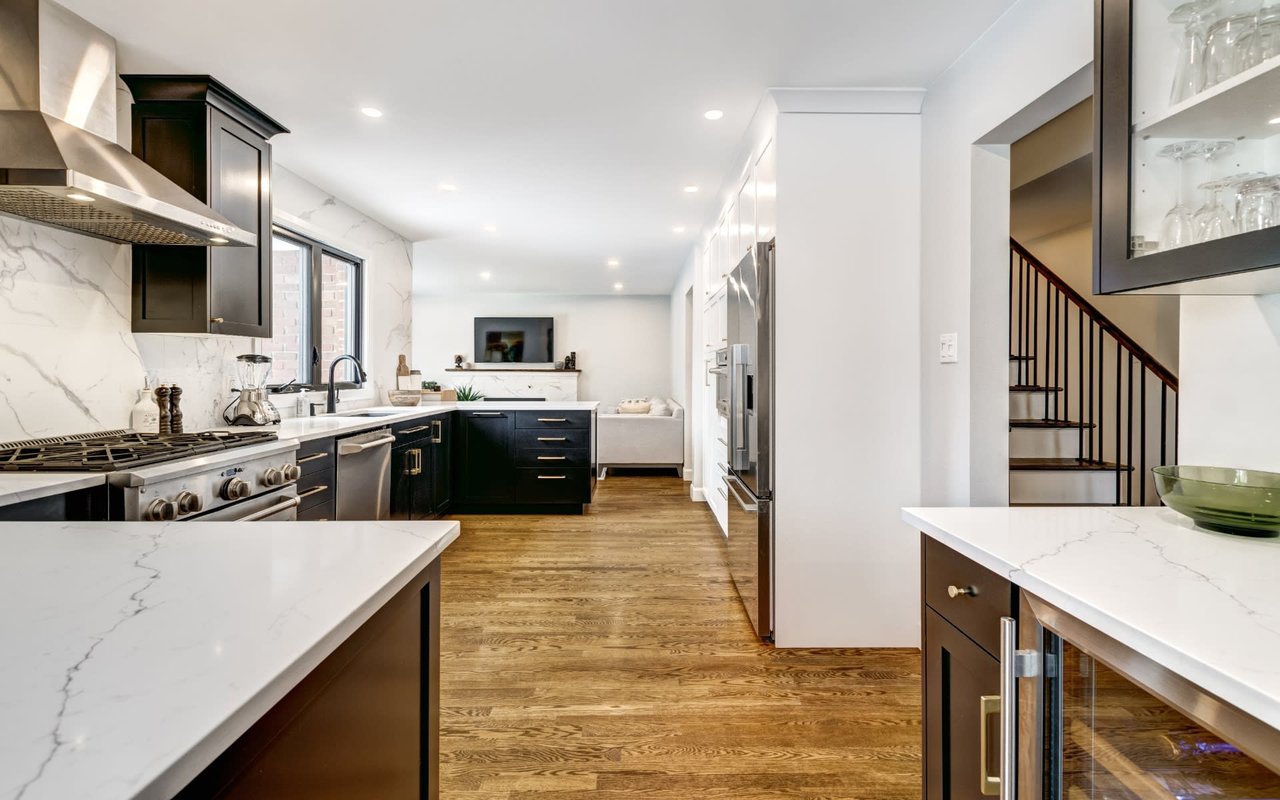
Buying a property that needs substantial interior modernization can be an opportunity for real estate investors, but only when the numbers, location, and renovation strategy make sense. In Northdale, a well-planned renovation may help transform an outdated home into a more competitive property. The key is knowing what to improve, how much to invest, and what buyers are likely to value when the work is finished.
At The Lewkowicz Group, Emeri Lewkowicz and Joe Lewkowicz bring more than 40 years of combined real estate experience to helping buyers and investors navigate the Tampa market. Their local knowledge helps investors look beyond dated kitchens, worn flooring, and aging bathrooms to evaluate a property's underlying potential.
Start With Northdale's Location and Buyer Appeal
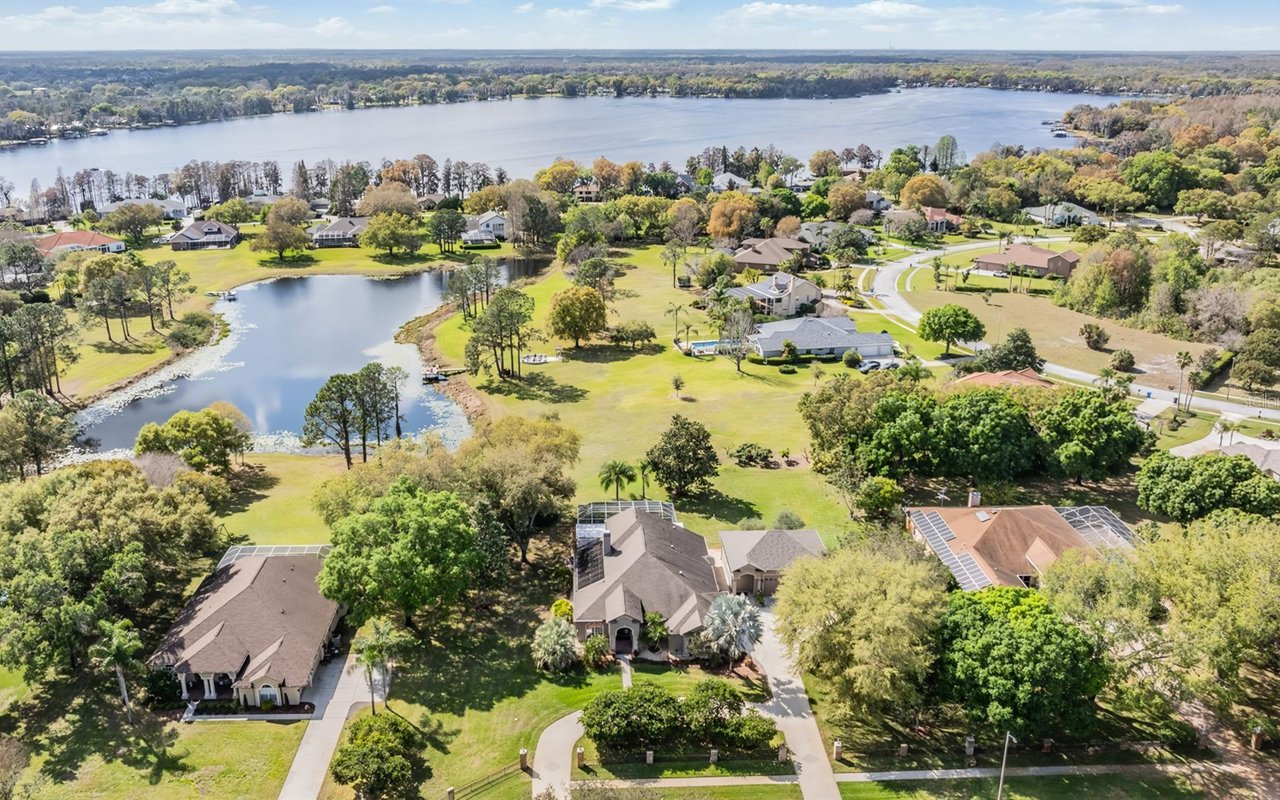
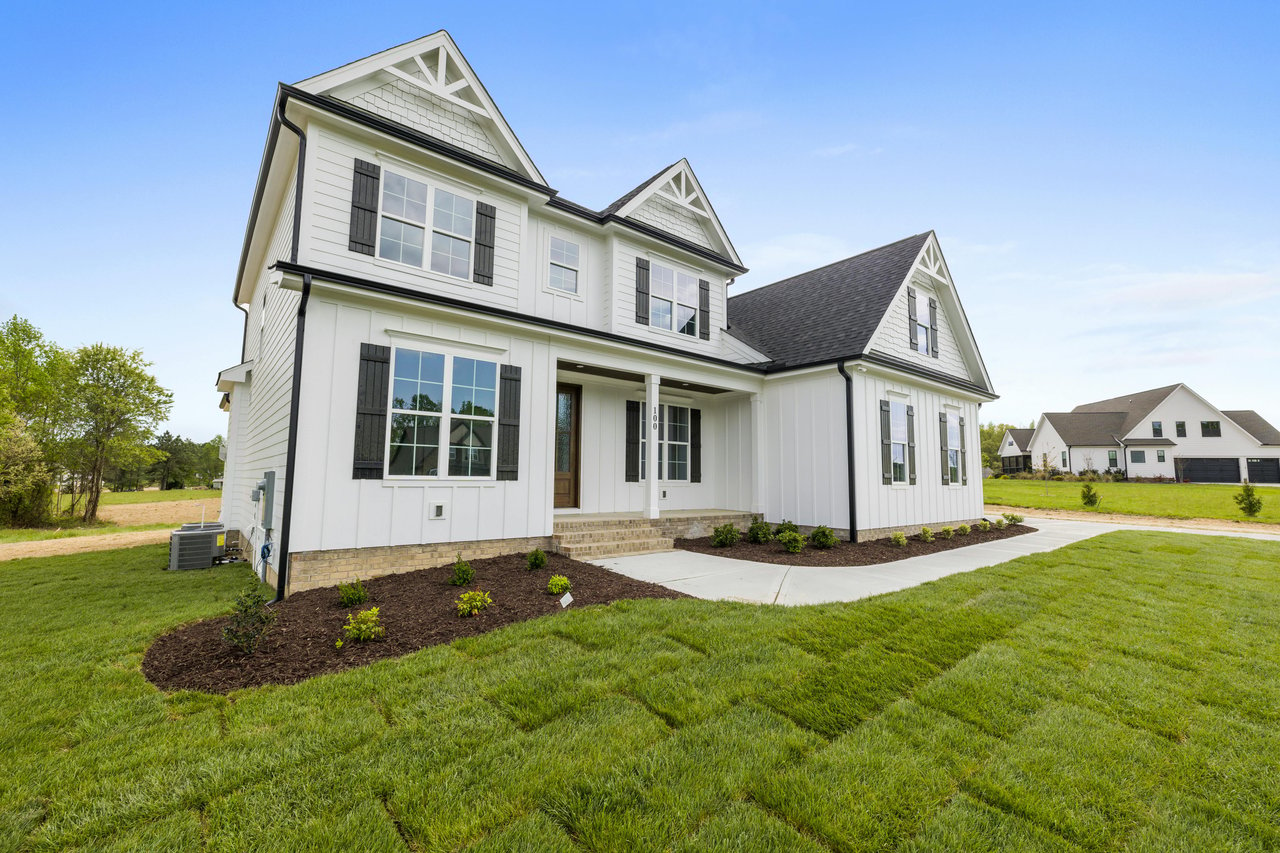
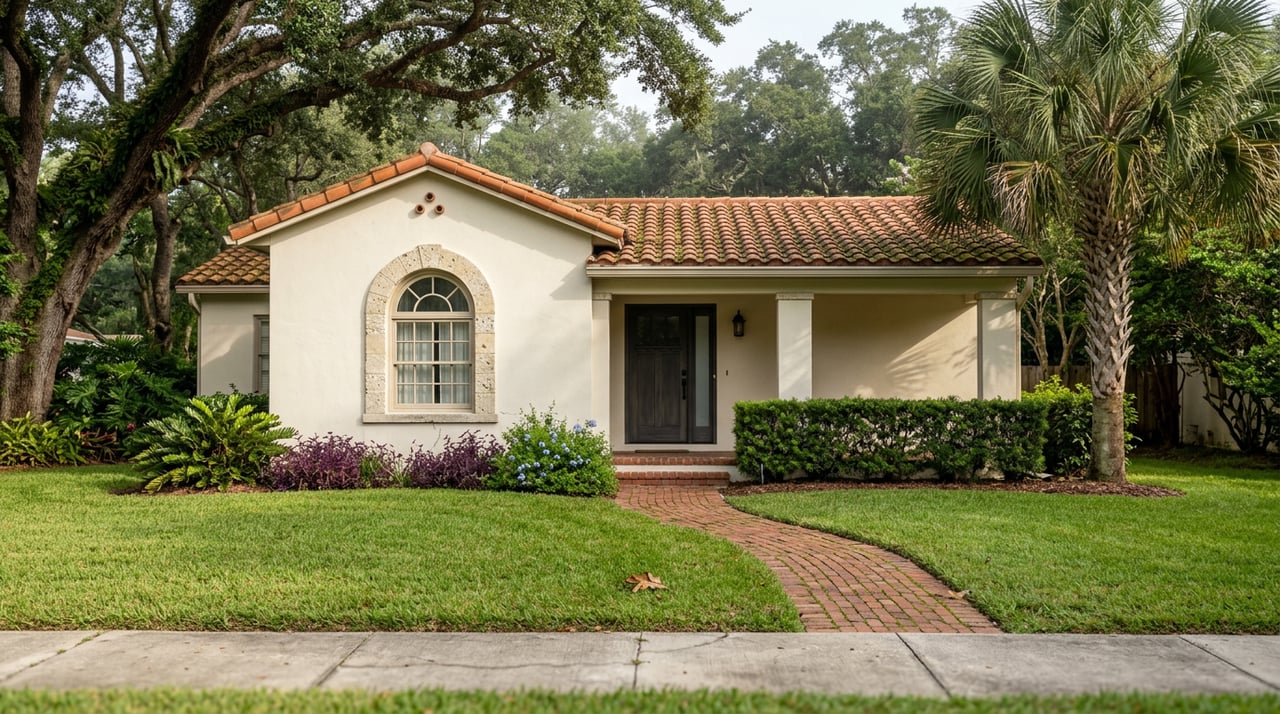
Before estimating renovation costs, consider the property's location within Northdale. This established Tampa-area community offers a suburban setting, established residential streets, and access to shopping, dining, parks, and major commuting routes.
However, not every property has the same investment potential. Emeri and Joe recommend looking closely at the surrounding homes, neighborhood condition, proximity to everyday conveniences, and the overall appeal of the specific street.
Ask yourself: Are renovated homes nearby attracting buyers? Do comparable properties support the price you would need after improvements? Is the home located in an area that appeals to your intended buyer or future tenant?
These questions help determine whether the property's location supports your investment strategy before you commit to a purchase.
Evaluate the Renovation Scope Before Making an Offer
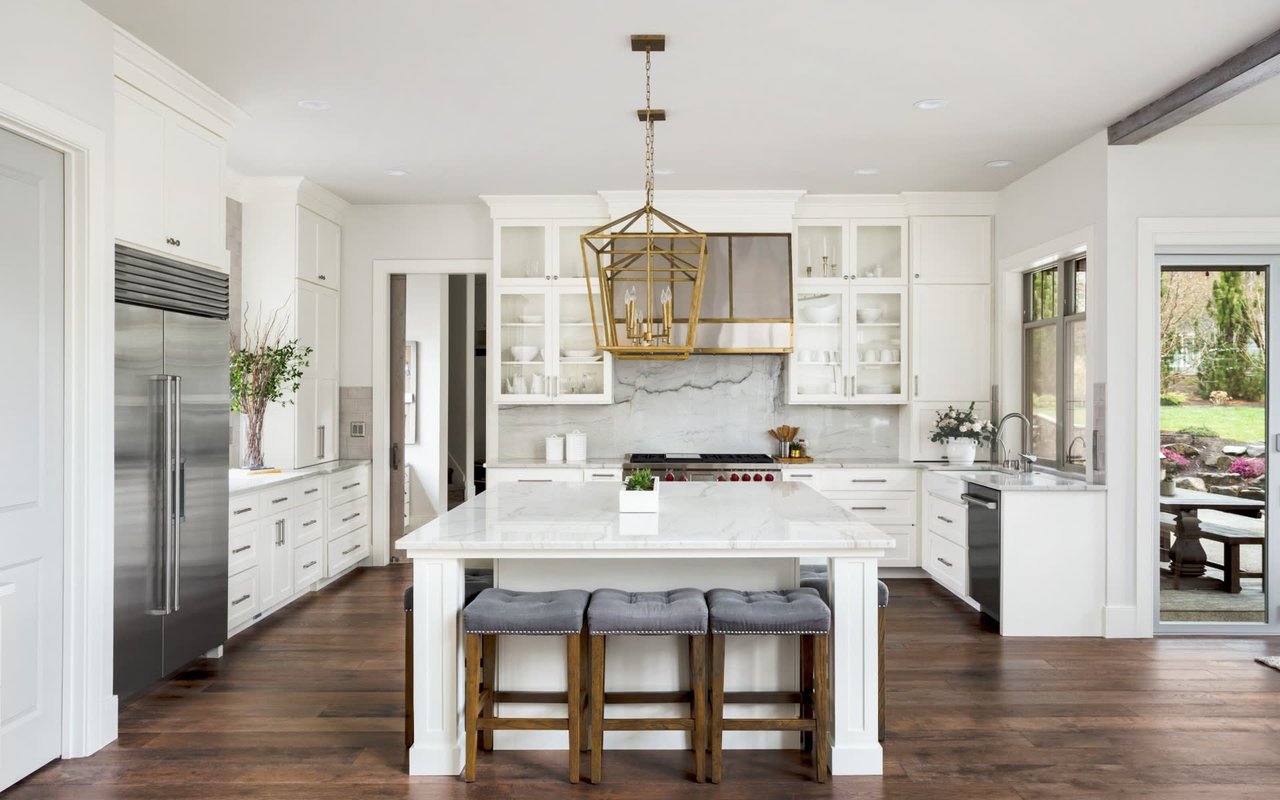
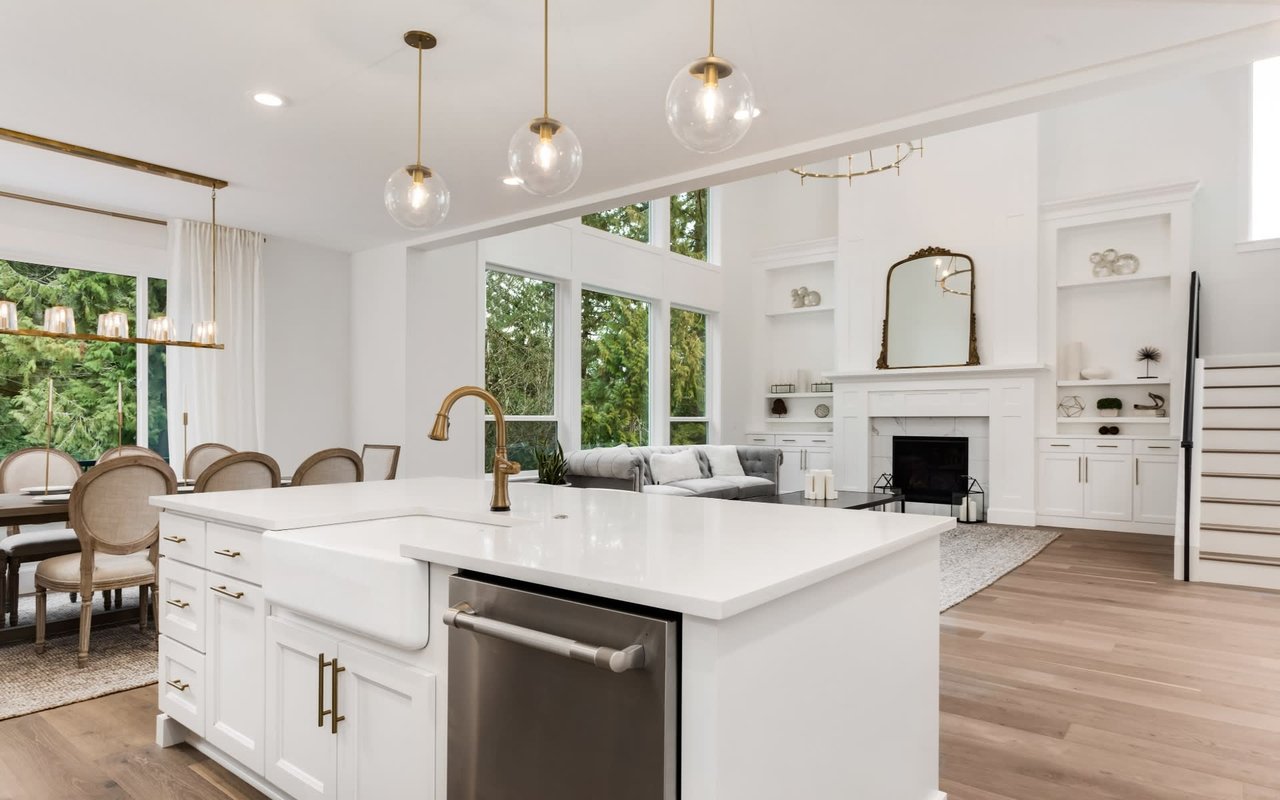
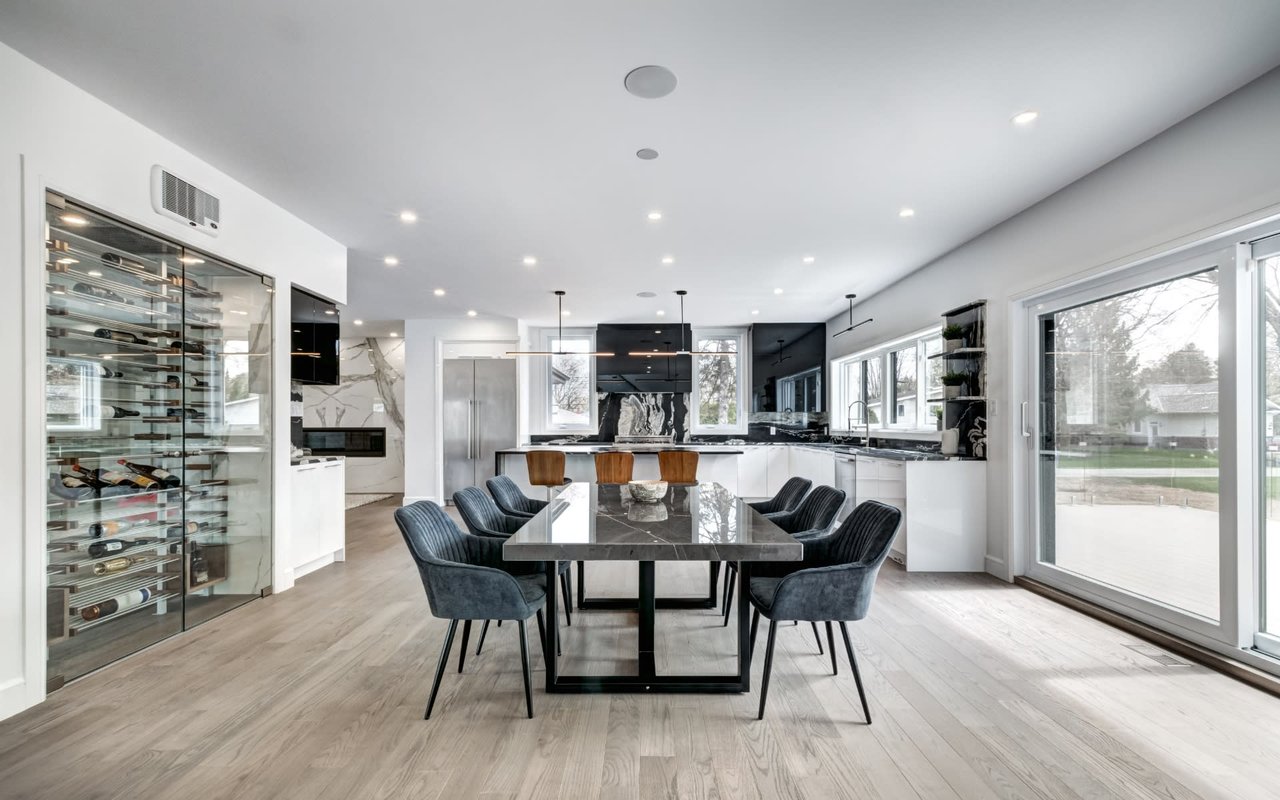
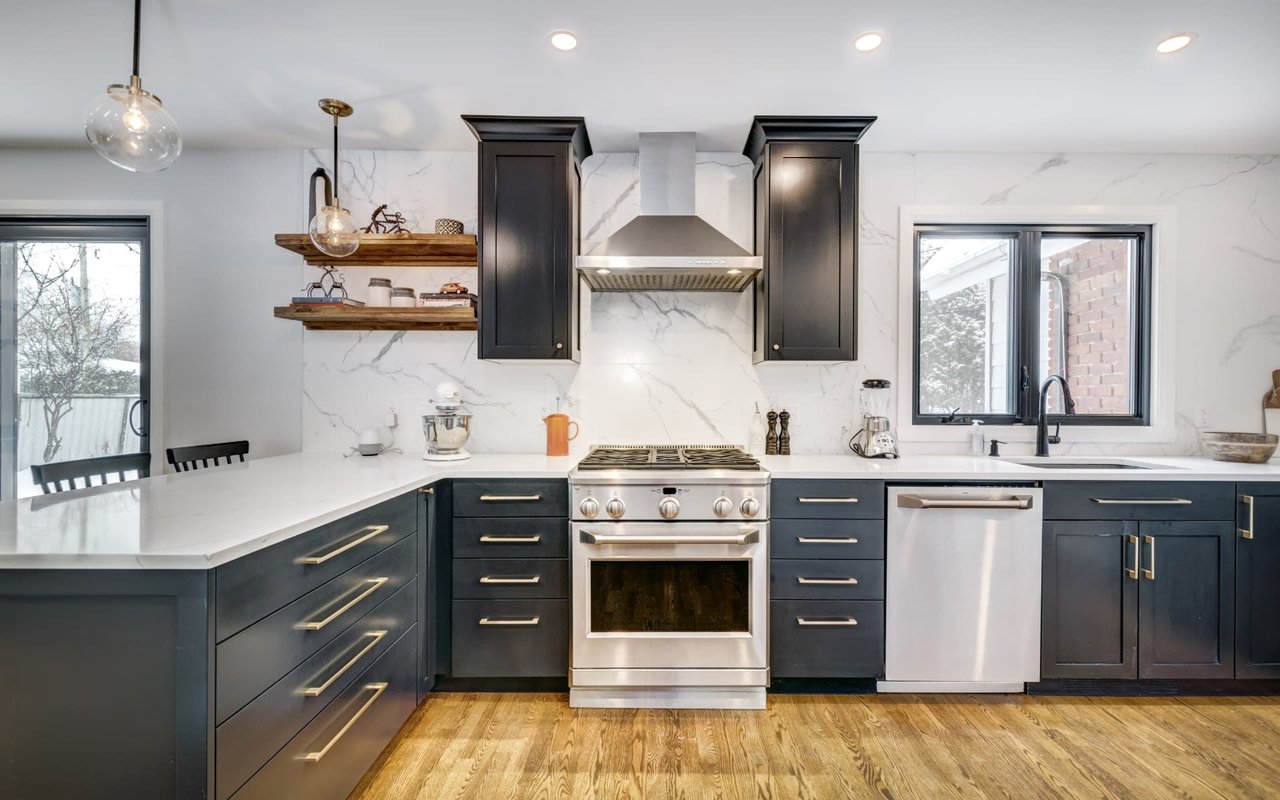
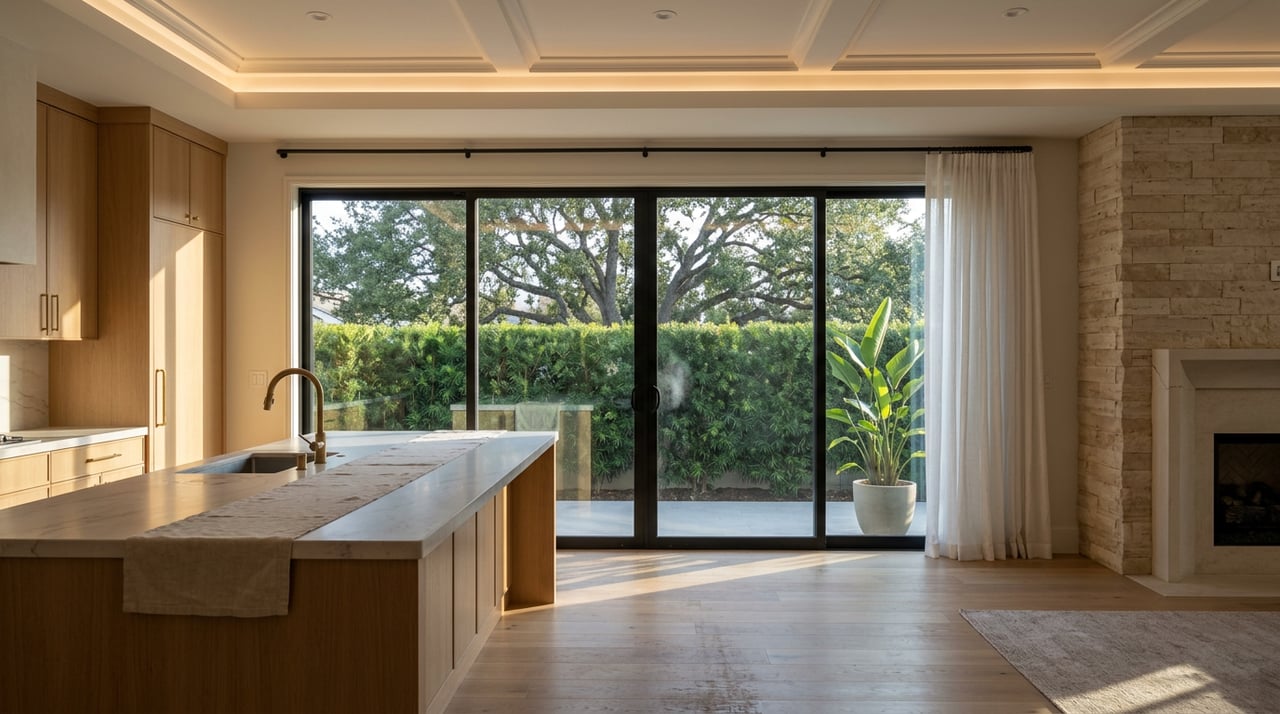
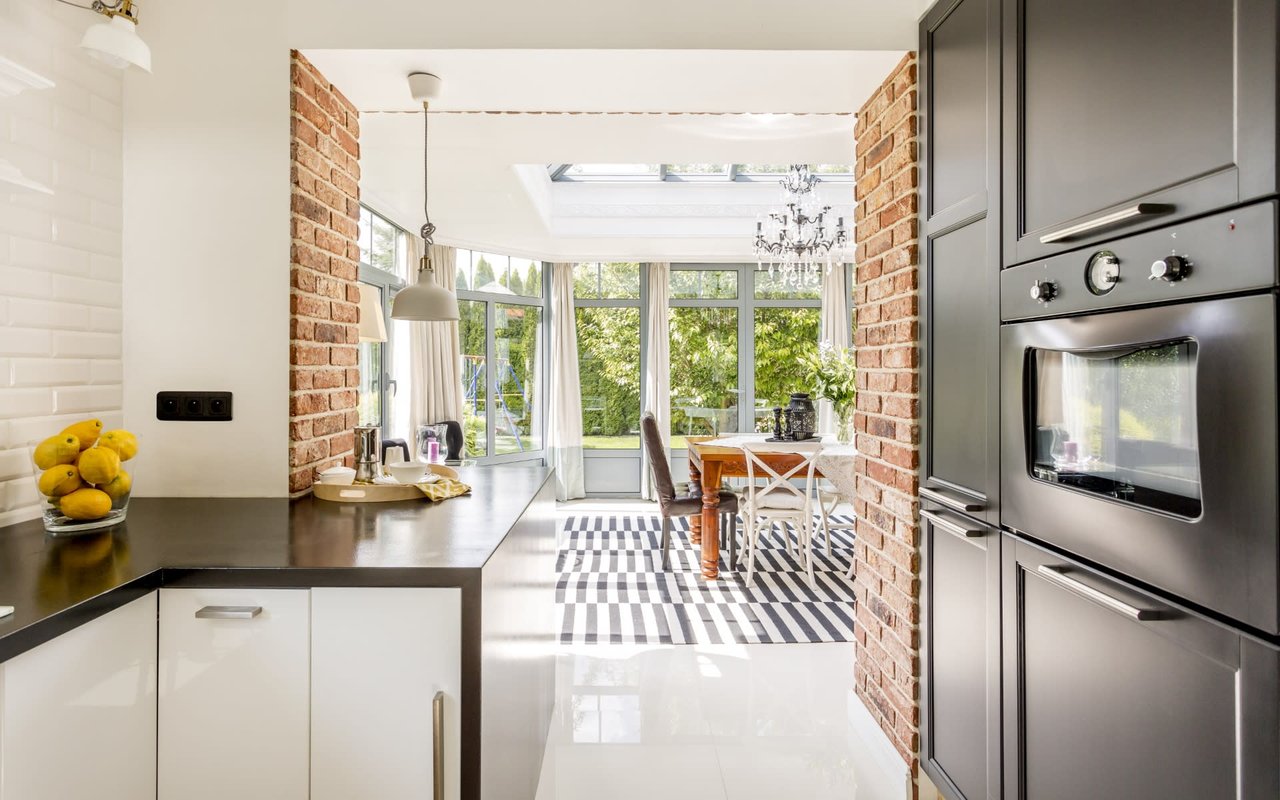
A home that needs cosmetic updates is very different from one requiring extensive interior reconstruction. Outdated cabinets, old countertops, worn flooring, and dated fixtures may offer opportunities to improve presentation. Plumbing problems, electrical deficiencies, water damage, or structural concerns can create substantially greater expenses.
Emeri and Joe encourage investors to arrange a thorough property inspection and obtain contractor estimates before finalizing their acquisition calculations.
Pay particular attention to:
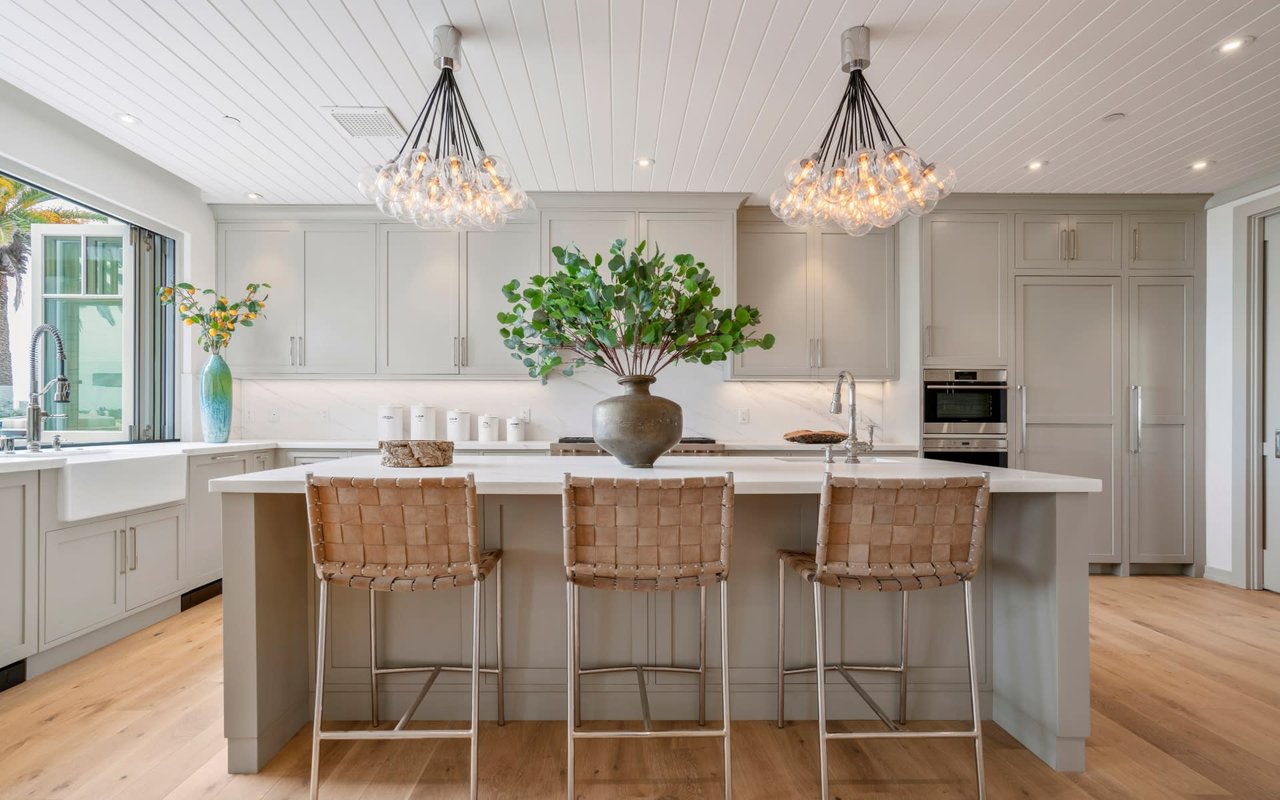
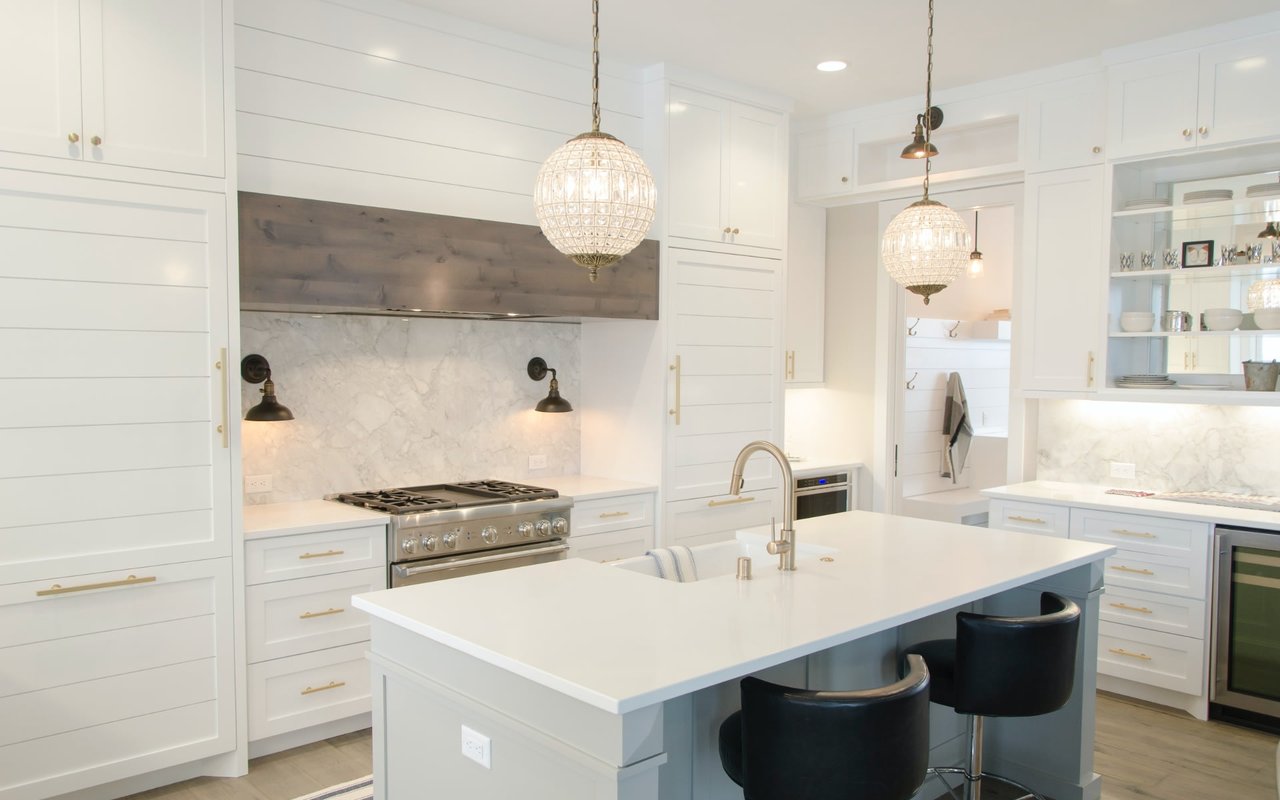
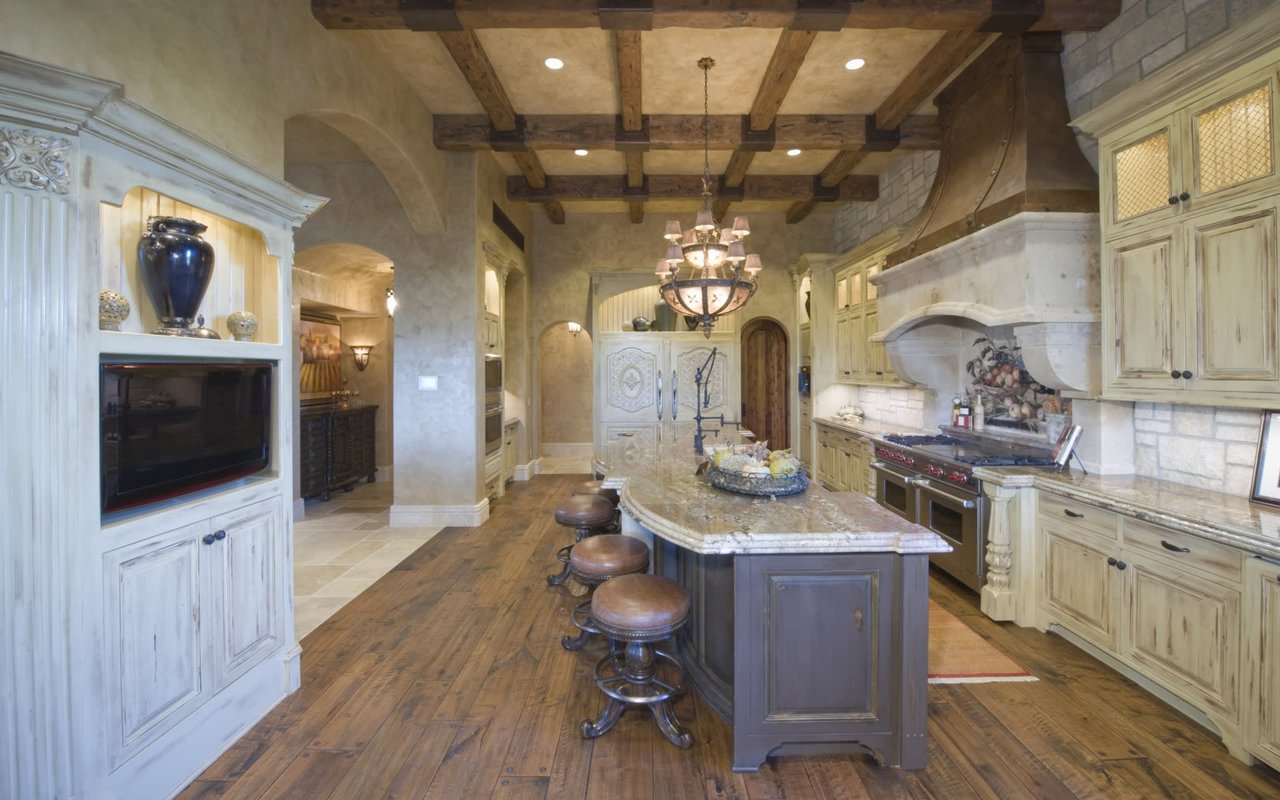
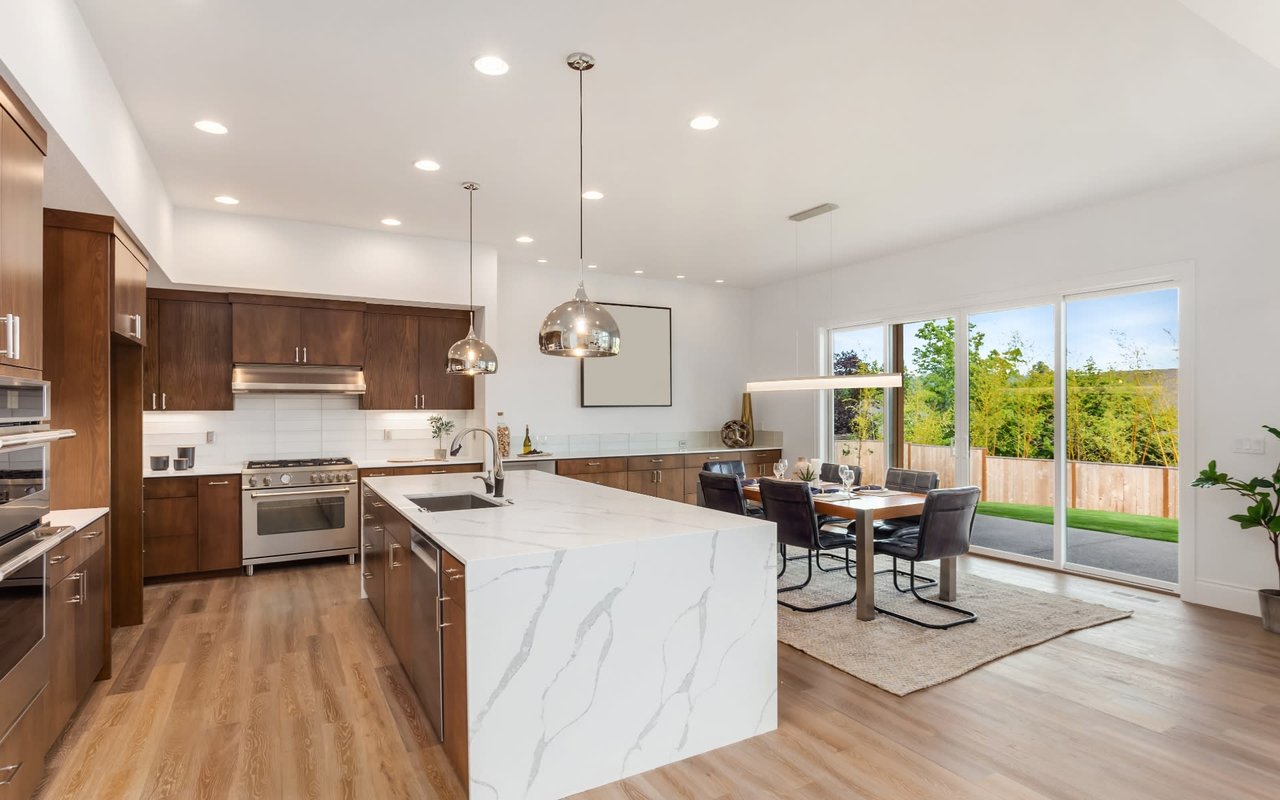
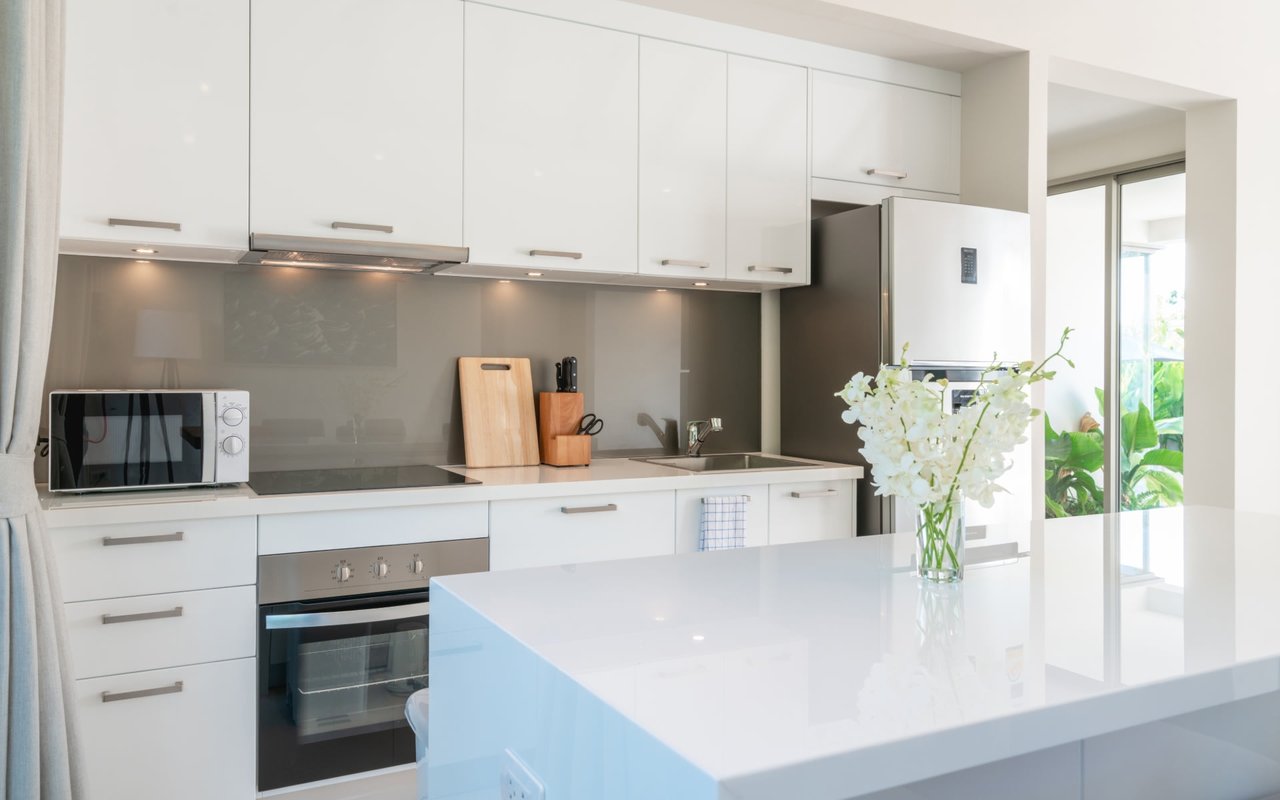
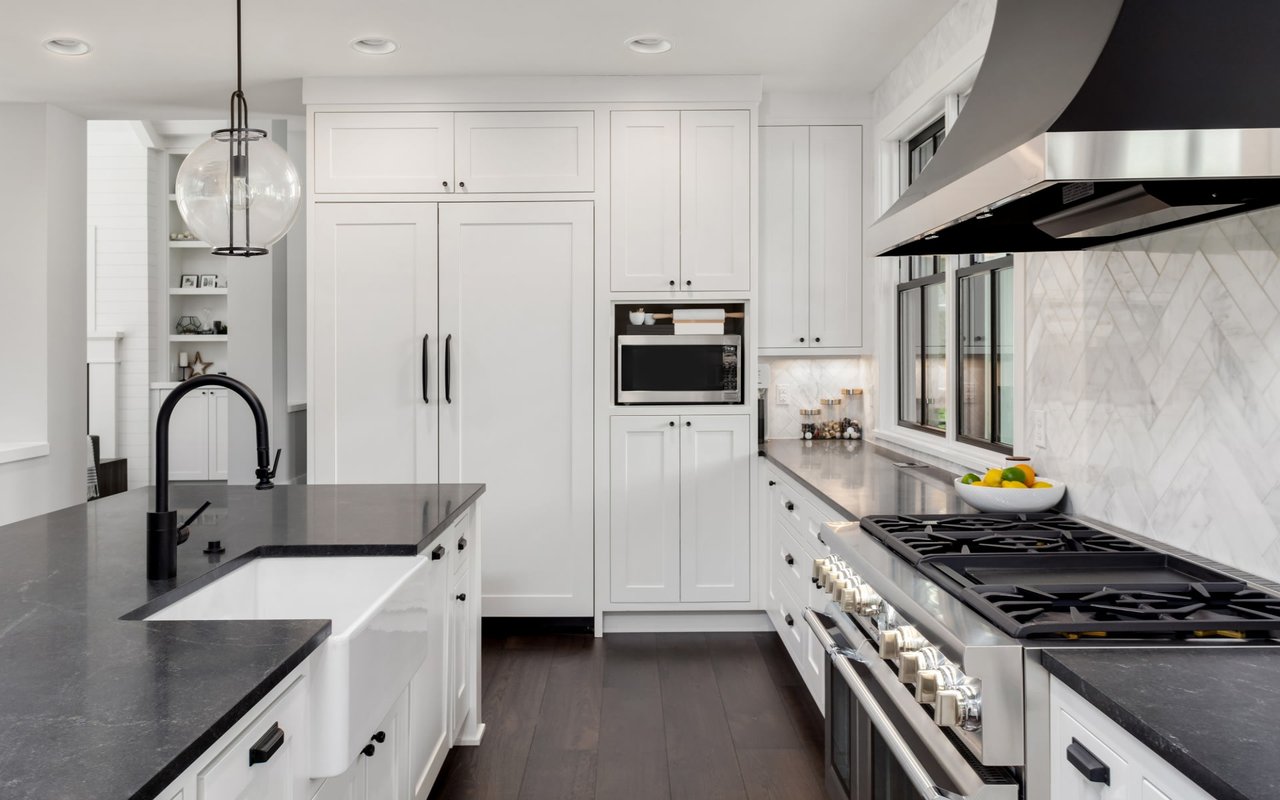
Kitchen and bathroom condition: These spaces can influence buyer perception, but the appropriate renovation level depends on comparable properties and your budget.
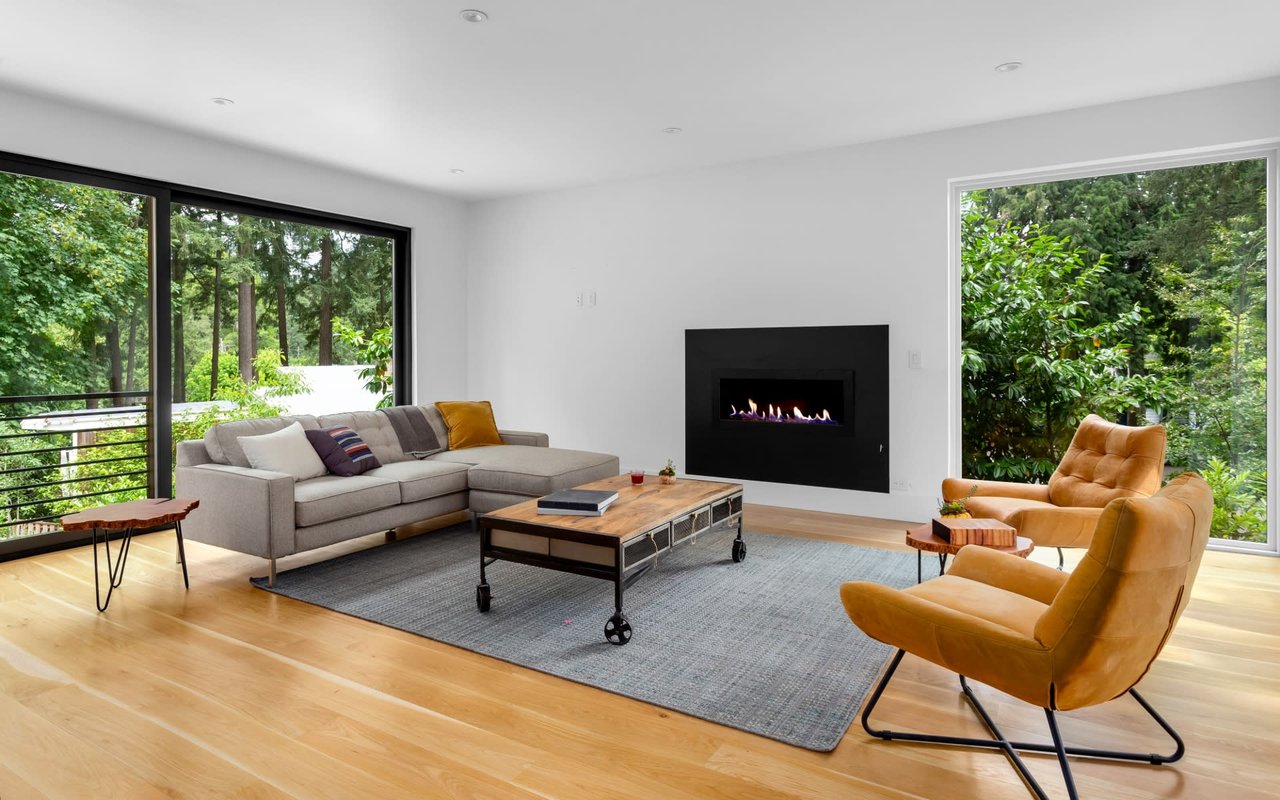
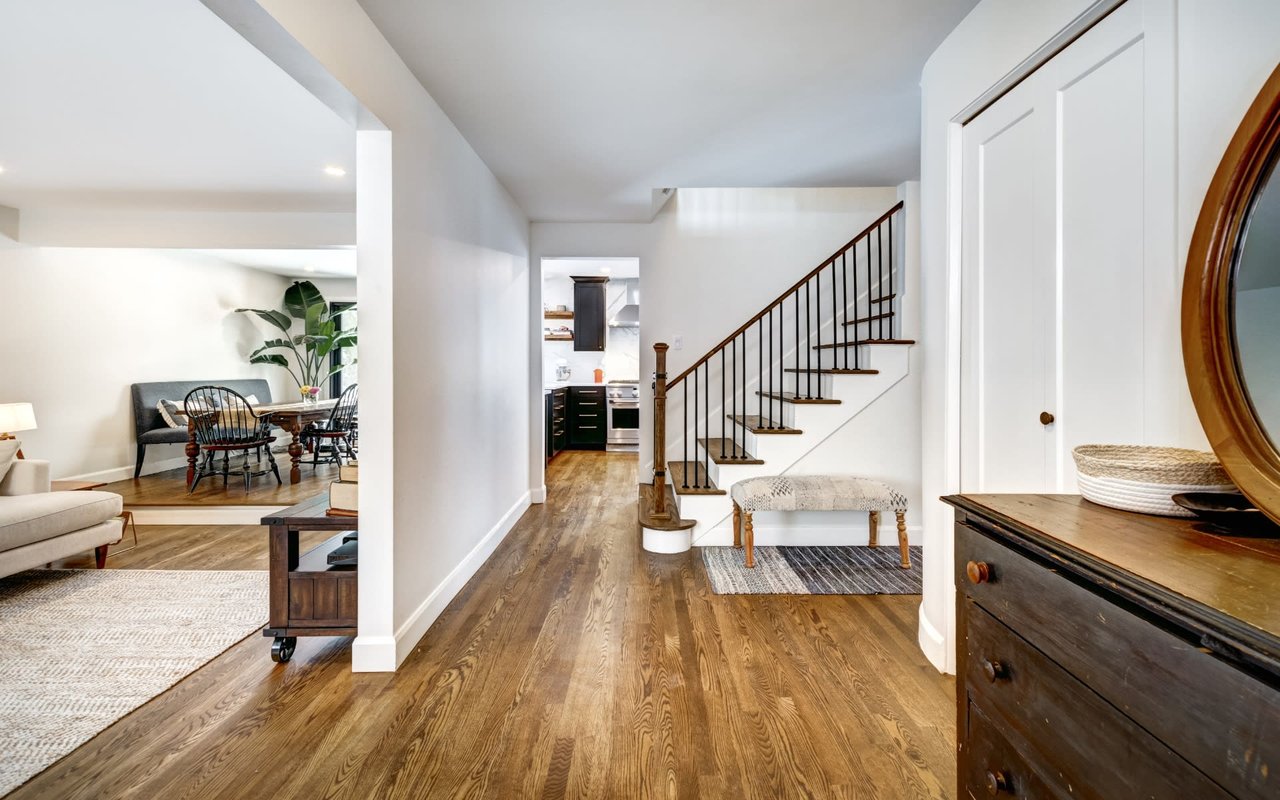
Flooring, paint, and lighting: Targeted improvements can make a home feel more current without requiring a complete redesign.
Plumbing and electrical systems: Hidden deficiencies can quickly undermine an otherwise attractive investment.
HVAC, roof, and moisture concerns: Confirm the condition of major systems and investigate signs of water intrusion before proceeding.
Permits and project timelines: Determine whether proposed work requires permits and account for potential delays.
The goal is to understand the property's true condition, not simply calculate the cost of making it look attractive.
Run the Numbers Before You Acquire the Property
A promising renovation project must work financially. Investors should calculate their total acquisition and improvement costs, including the purchase price, closing costs, renovation expenses, financing, insurance, taxes, utilities, and a contingency reserve.
Next, estimate the property's after-repair value (ARV), or its likely market value once the planned improvements are completed. This estimate should be grounded in recent comparable sales, particularly renovated homes with similar sizes, layouts, locations, and features.
For example, suppose a Northdale property costs $300,000, with $55,000 budgeted for renovations and $25,000 in closing, holding, and other project expenses. Your estimated total investment would be $380,000 before any additional contingency or selling costs. If comparable renovated homes support an estimated value of $420,000, the apparent $40,000 difference is not necessarily your profit. Selling expenses, unexpected repairs, financing costs, and market changes could reduce that margin considerably.
Emeri and Joe emphasize evaluating the complete financial picture rather than relying on an attractive purchase price alone.
Match the Modernization Strategy to the Exit Plan
Your intended exit strategy should guide every renovation decision. Investors planning to resell the property may prioritize broad buyer appeal, functional layouts, durable finishes, and a cohesive design. Those planning to hold the property as a rental should evaluate achievable rents, operating expenses, tenant demand, maintenance requirements, and long-term cash flow.
Avoid over-improving the home beyond what comparable Northdale properties can support. Premium finishes may look impressive, but they do not automatically translate into a higher resale price or stronger rental returns.
Make Your Acquisition Decision With Local Expertise
A property that needs substantial interior modernization can present a worthwhile opportunity, but success depends on disciplined analysis. Investors need to understand neighborhood values, renovation costs, realistic resale or rental potential, and the risks associated with the project.
Emeri and Joe Lewkowicz help investors look at these factors together, drawing on their combined 40+ years of real estate experience and understanding of the greater Tampa market.
Considering a Northdale investment property that needs updating? Connect with The Lewkowicz Group to evaluate comparable sales, assess the property's market position, and develop an acquisition strategy grounded in local knowledge and realistic financial expectations.