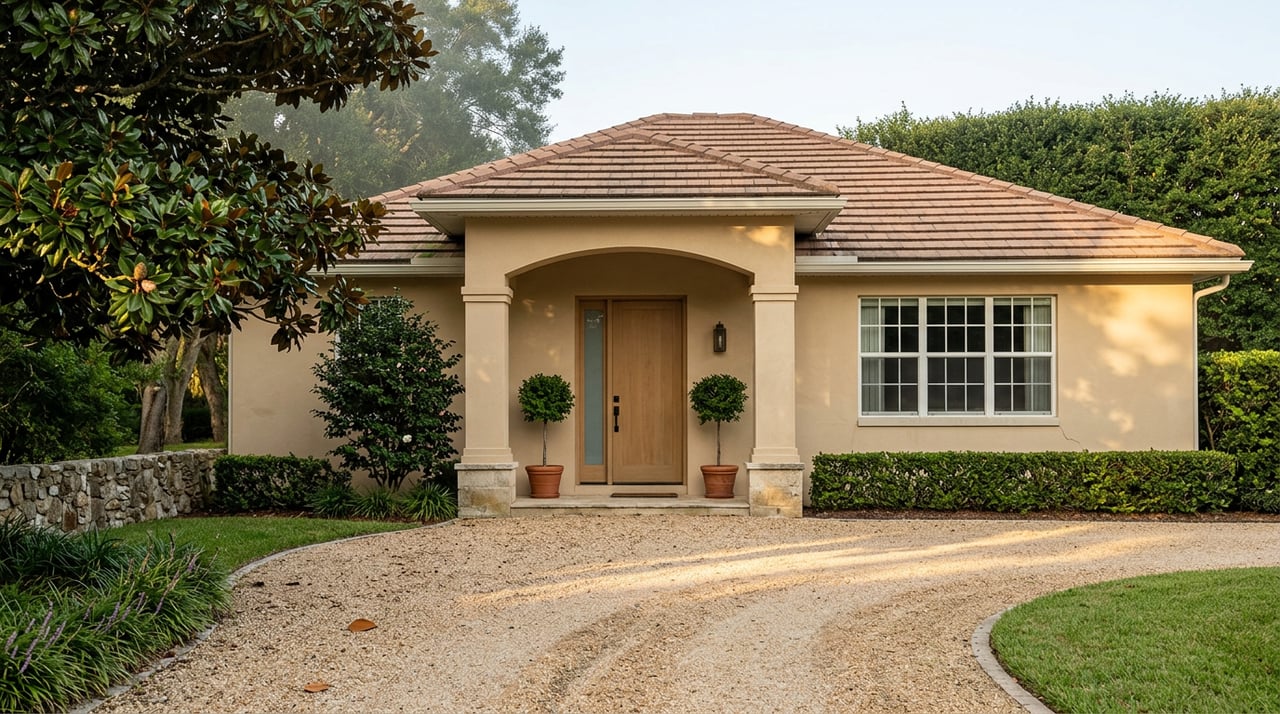
Buying a home in Odessa, Florida, can be an exciting opportunity, especially for buyers who value privacy, larger lots, and a more relaxed residential setting. However, some properties in Odessa are accessed through private roads rather than publicly maintained streets. While this arrangement can offer a quieter lifestyle, it also comes with important responsibilities that buyers should understand before making an offer.
At The Lewkowicz Group, Tampa real estate experts Emeri and Joe Lewkowicz bring more than 40 years of combined experience helping buyers navigate the local real estate market. Their advice is straightforward: never assume that road access is guaranteed, maintenance is covered, or ownership responsibilities are clearly defined simply because a property has an established driveway or access road.
Here is what buyers should verify before purchasing a home with private road access in Odessa.
Who Owns the Private Road?
One of the first questions Emeri and Joe Lewkowicz recommend asking is who legally owns the road serving the property. The road might be owned by an individual homeowner, shared among several property owners, controlled by a homeowners association, or held under a different ownership arrangement.
Understanding ownership helps buyers determine who has the authority to make decisions about repairs, improvements, and access. It can also reveal whether neighboring owners have shared responsibilities that should be addressed before closing.
Reviewing the property's title commitment, recorded plat, and relevant deed documents can help clarify these details. Buyers should work with their title company and, when necessary, a real estate attorney to resolve any uncertainty.
Is There a Recorded Legal Right of Access?
A visible road does not automatically guarantee a legally enforceable right to use it. Buyers should verify that the property has appropriate legal access through a recorded easement or another valid legal arrangement.
This is especially important for homes located on larger parcels, shared driveways, or properties set back from public roads. If access depends on crossing another owner's land, the terms of that arrangement deserve careful attention.
Emeri and Joe encourage buyers to confirm that access rights are properly documented, extend to the property being purchased, and accommodate ordinary residential use. Buyers should also determine whether the easement covers emergency vehicles, utility providers, and other necessary services.
Who Pays for Road Maintenance and Repairs?
Private roads do not necessarily receive routine maintenance from the county or municipality. Depending on the arrangement, homeowners may be responsible for grading, resurfacing, drainage improvements, pothole repairs, and other expenses.
Before committing to a purchase, ask whether there is a written road maintenance agreement. If several property owners share the road, determine how costs are divided, who approves repairs, and what happens if a neighbor refuses to contribute.
Joe and Emeri also recommend checking whether major repairs are anticipated. A road that looks perfectly acceptable during a showing could require significant work in the near future, potentially creating an unexpected expense for the new owner.
Can Emergency Vehicles and Service Providers Reach the Property?
Accessibility involves more than getting your car from the main road to your front door. Buyers should consider whether the road is wide enough for emergency vehicles, whether turning areas are adequate, and whether gates, bridges, or other obstacles could affect access.
Trash collection, package delivery, utility maintenance, and construction vehicles may also have specific access requirements.
In Odessa, where some properties feature larger lots and less conventional layouts, these practical considerations deserve attention. Buyers should verify any applicable access requirements with the appropriate local authorities rather than relying solely on the seller's assurances.
How Do Drainage, Utilities, and Future Improvements Affect Access?
Road conditions can influence more than convenience. Poor drainage, inadequate grading, or erosion can damage private roads and create recurring maintenance expenses. Buyers should inspect the road after rainfall when possible and ask about any history of flooding or drainage problems.
It is also worth confirming whether utility easements allow necessary infrastructure repairs and upgrades. If buyers plan to expand the home, build an additional structure, or make substantial improvements, they should investigate whether the existing access arrangement supports those plans.
Make Private Road Due Diligence Part of Your Buying Strategy
A home with private road access can be an excellent fit for the right buyer, but the details matter. Before closing, review recorded access rights, ownership documents, maintenance agreements, insurance considerations, and any known repair obligations. A qualified surveyor, title professional, real estate attorney, and appropriate inspectors can help address issues that a standard property tour will not reveal.
With more than 40 years of combined real estate experience, Emeri and Joe Lewkowicz understand that successful homeownership starts with asking the right questions before signing on the dotted line.
Their guidance for buyers exploring Odessa is simple: look beyond the home itself and understand the road that connects you to it. With proper due diligence and knowledgeable local guidance from The Lewkowicz Group, you can make a more informed decision and move forward with greater confidence.