When buying or selling a home in South Tampa’s ZIP Code 33606, the details of the transaction matter just as much as the big picture. One area that can create confusion—and sometimes unexpected disagreements—is the difference between personal property and fixtures.
After more than 40 years of combined real estate experience, Emeri and Joe Lewkowicz have seen how seemingly small questions about what stays with a home can become important during negotiations. In neighborhoods throughout 33606, including Hyde Park, Palma Ceia, and nearby South Tampa communities, buyers and sellers should be very clear about what is included in a sale.
What Is a Fixture?
A fixture is generally an item that has become attached to the property and is treated as part of the real estate. Florida law defines fixtures as items that become permanently attached to real property.
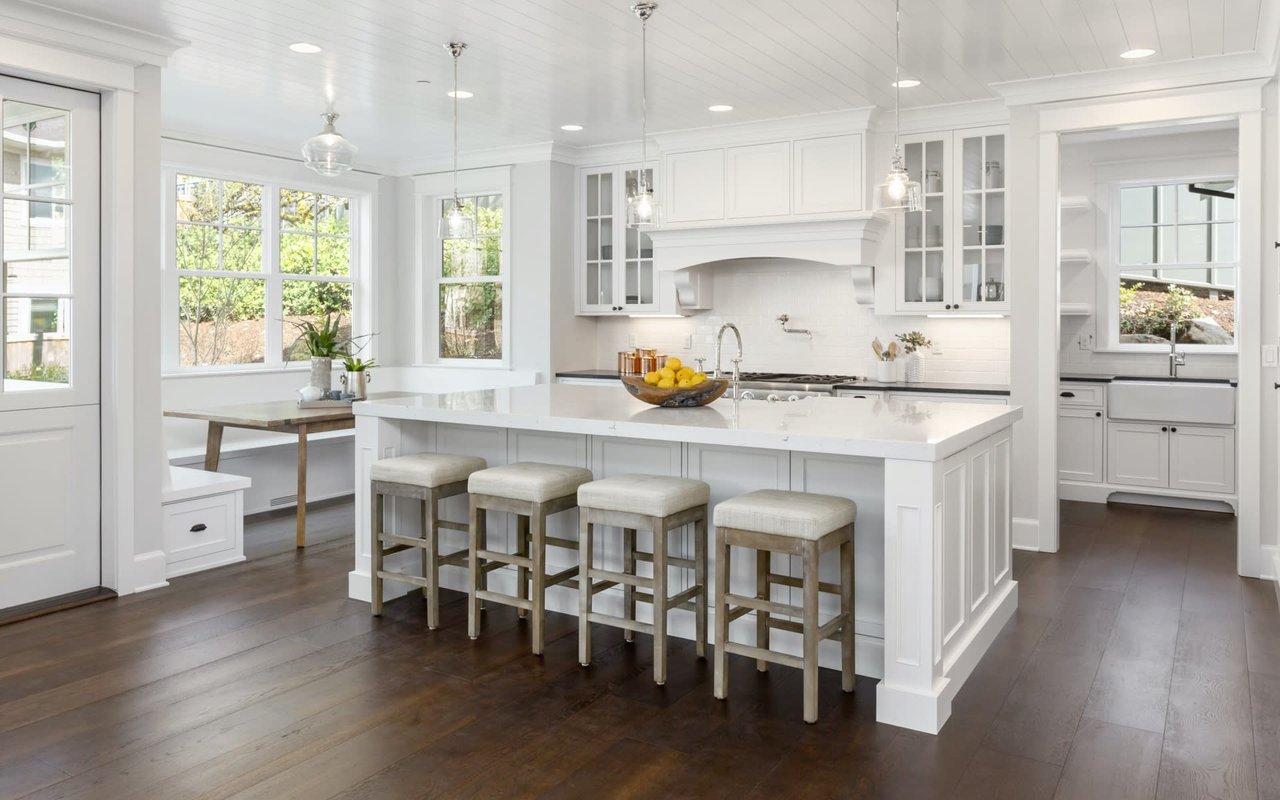
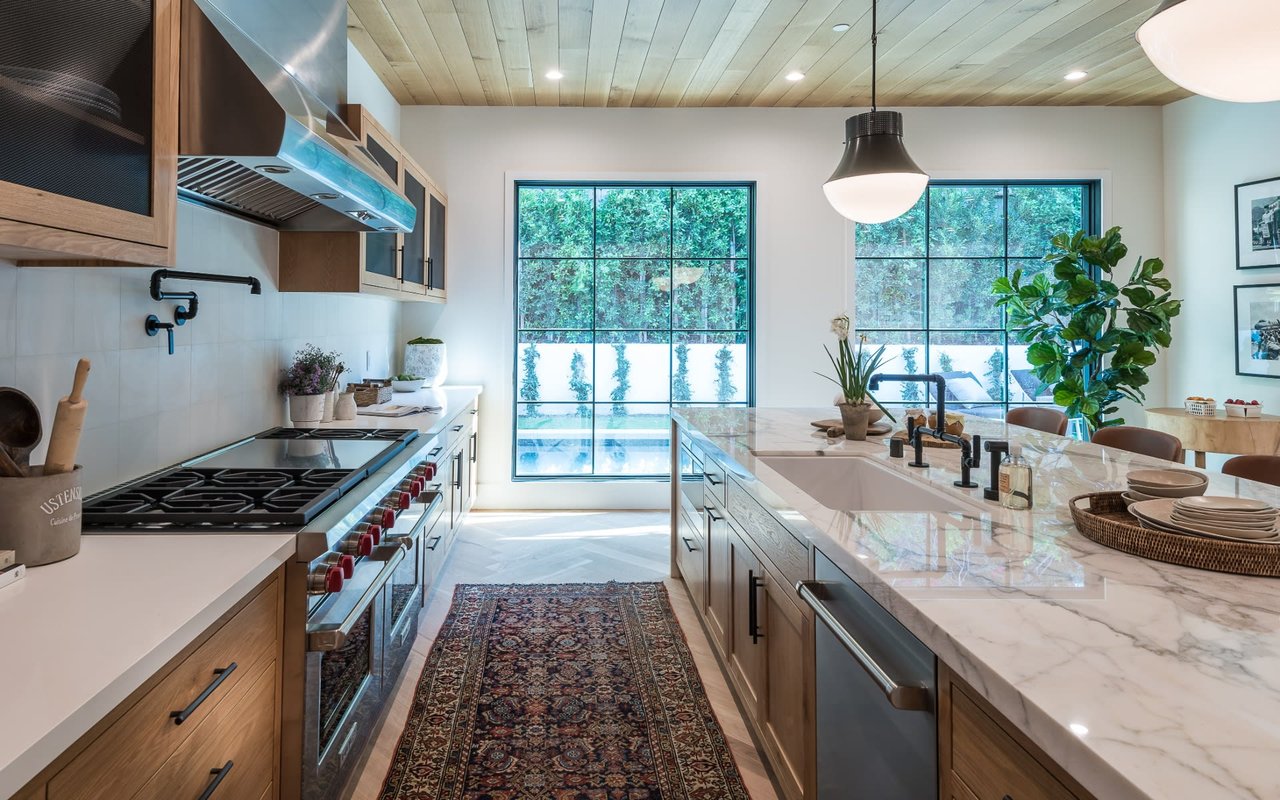
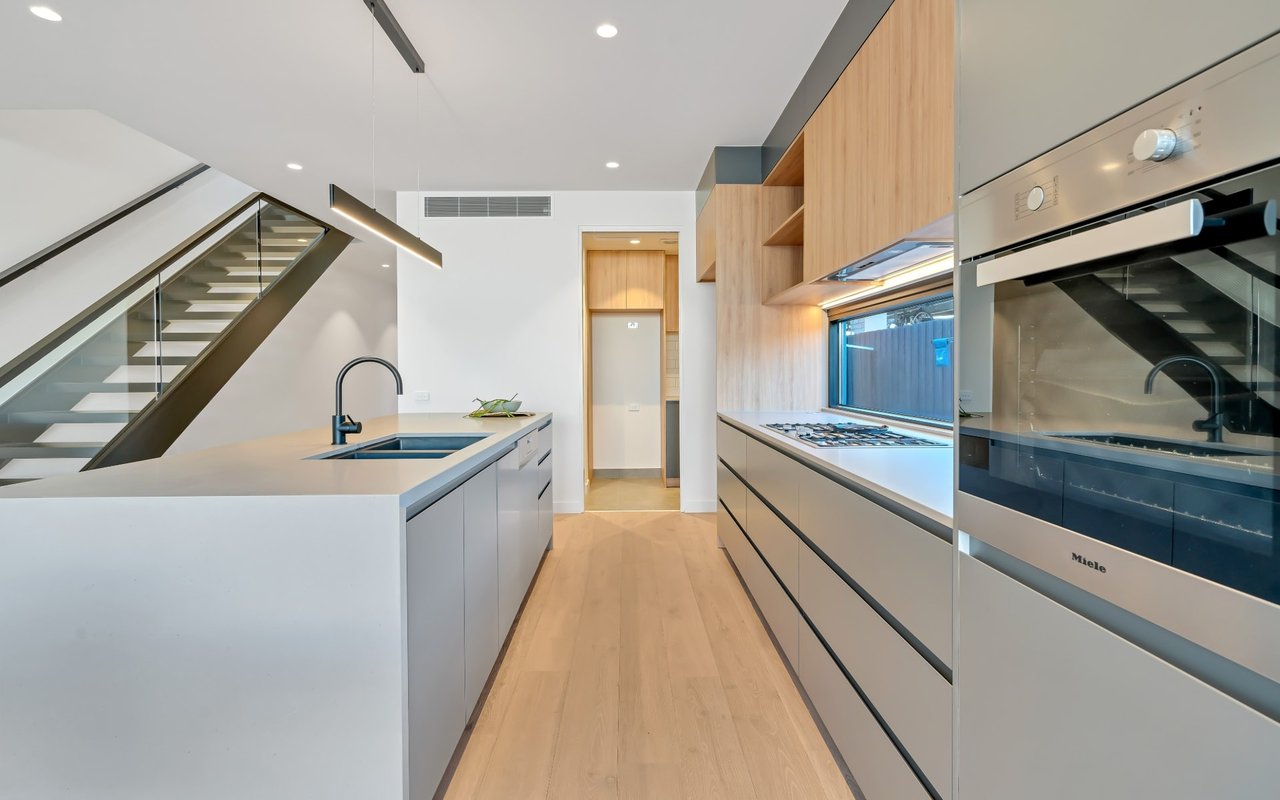
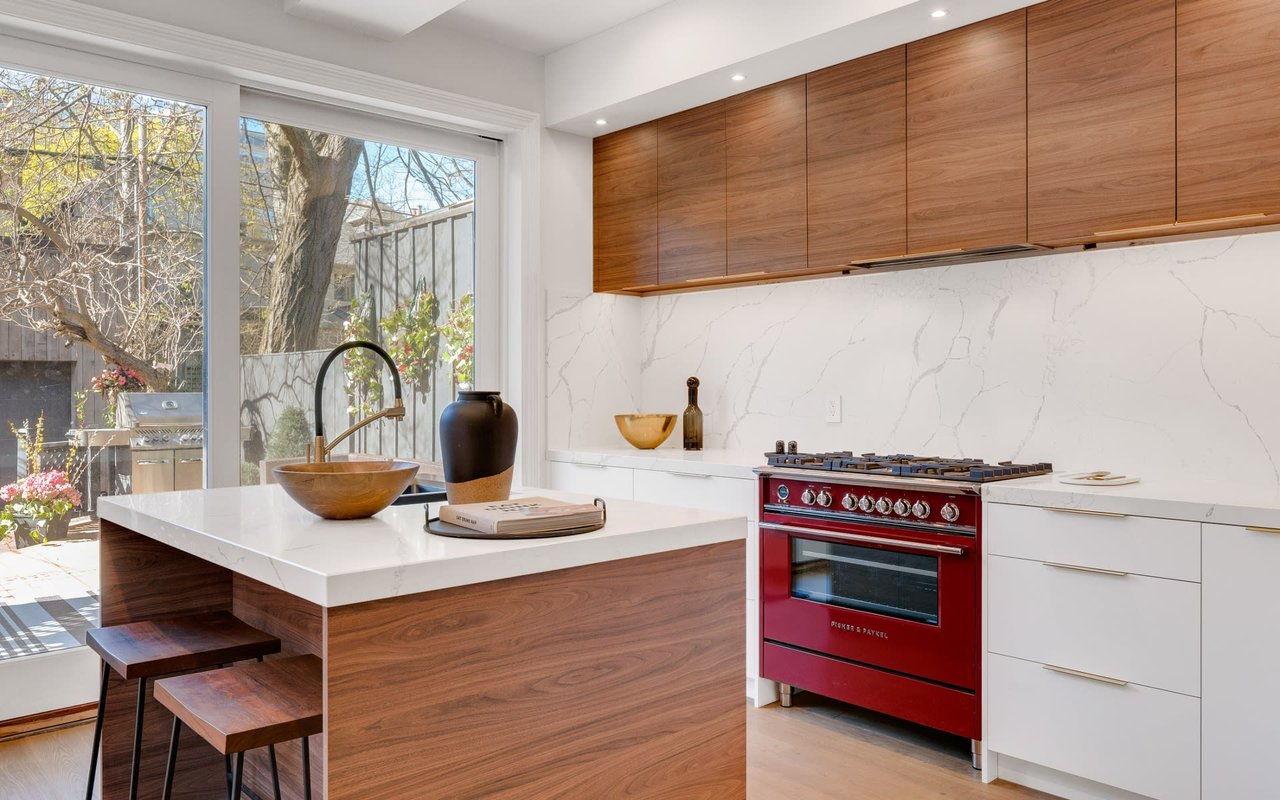
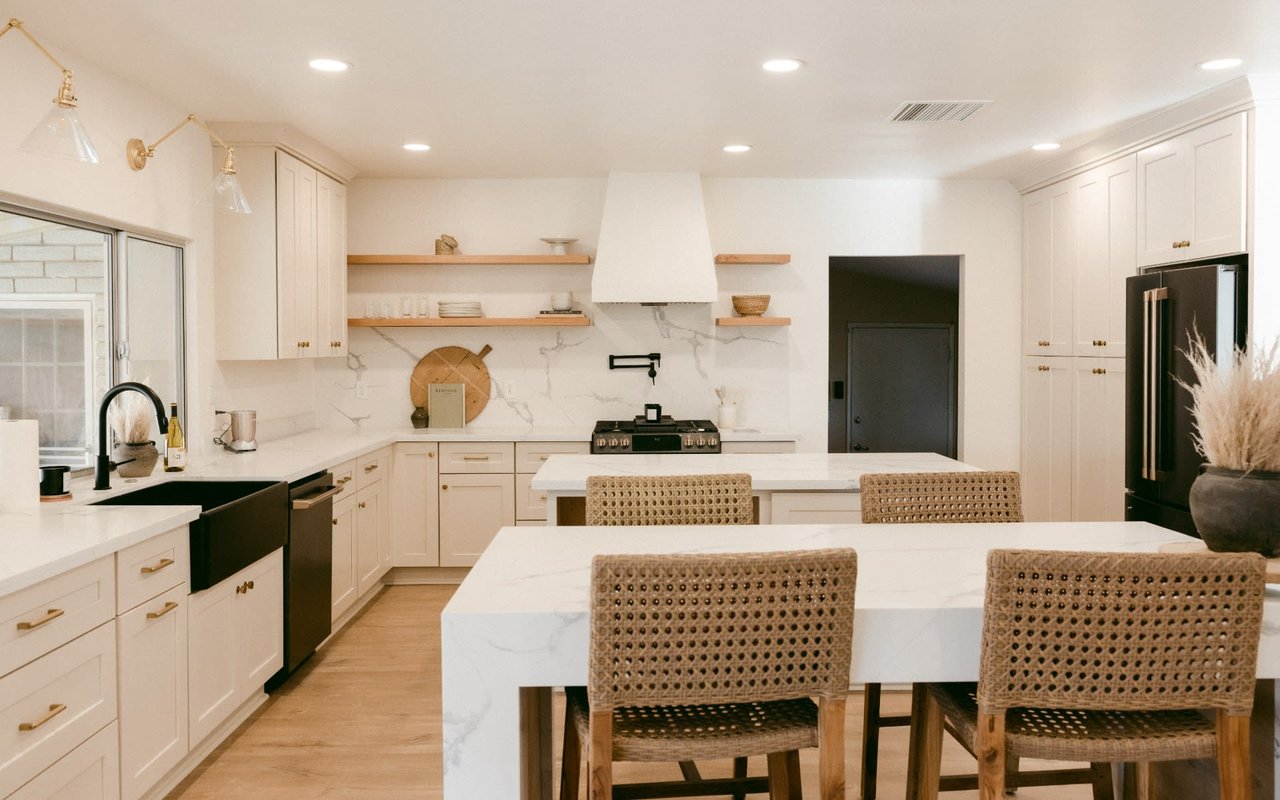
Think about items such as built-in cabinetry, certain built-in appliances, attached lighting, or other improvements that are physically incorporated into the home. Under the Florida Realtors/Florida Bar residential contract, the definition of Real Property includes existing improvements and fixtures unless they are specifically excluded from the agreement.
As Emeri and Joe often remind clients, if an item is attached to the home, don't assume the buyer or seller has the same understanding about whether it stays. The contract should make it clear.
What Is Personal Property?
Personal property is generally something that can be removed from the home without becoming part of the real estate.
Florida's standard residential contract specifically identifies certain personal property that may be included in a sale, including refrigerators, ranges and ovens, dishwashers, ceiling fans, draperies, blinds, garage-door openers, thermostats, doorbells and certain security devices.
However, the distinction isn't always as obvious as it sounds.
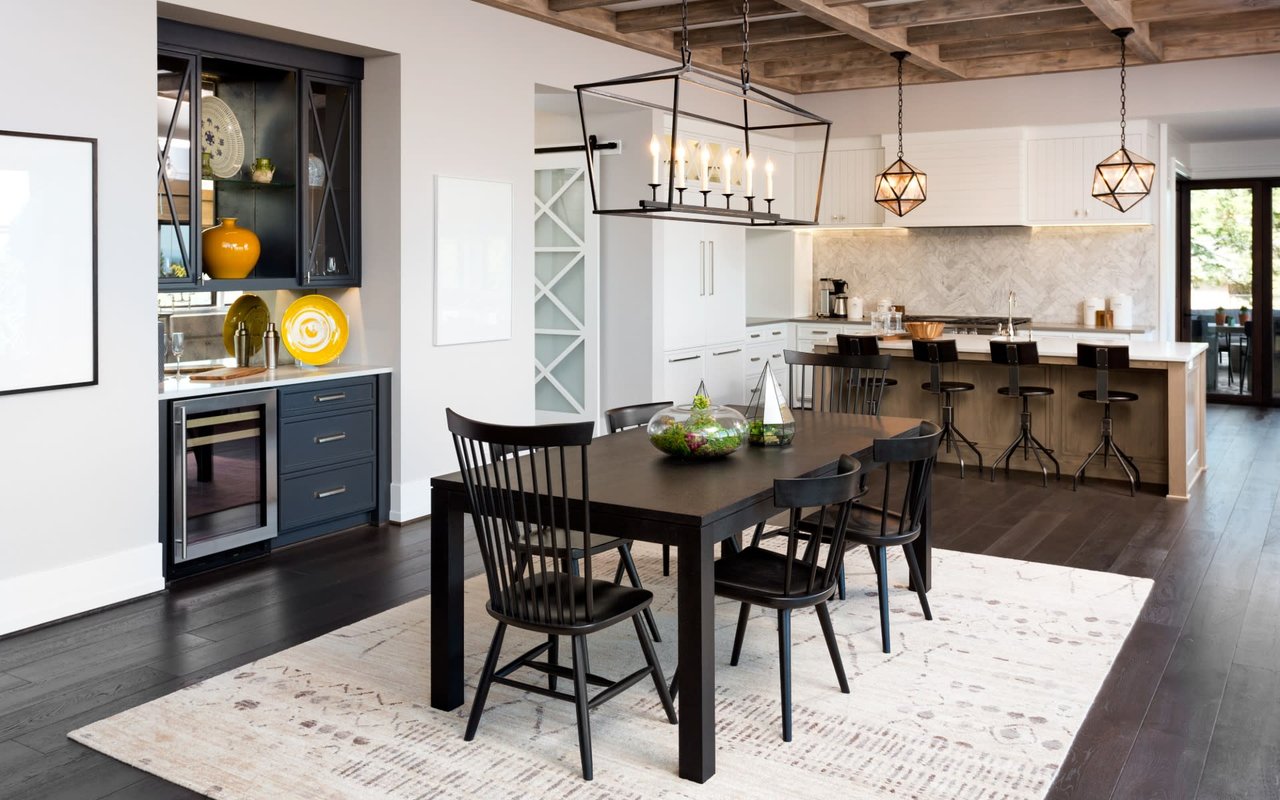
For example, a seller may consider a particular chandelier a personal possession because it has sentimental value. A buyer may assume it is staying because it is installed in the dining room. Florida Realtors notes that sellers who want to remove an heirloom chandelier should specifically exclude it from the contract.
That's exactly why Emeri and Joe encourage clients to discuss these items before an offer is finalized, rather than waiting until the final walkthrough.
Why This Matters in 33606
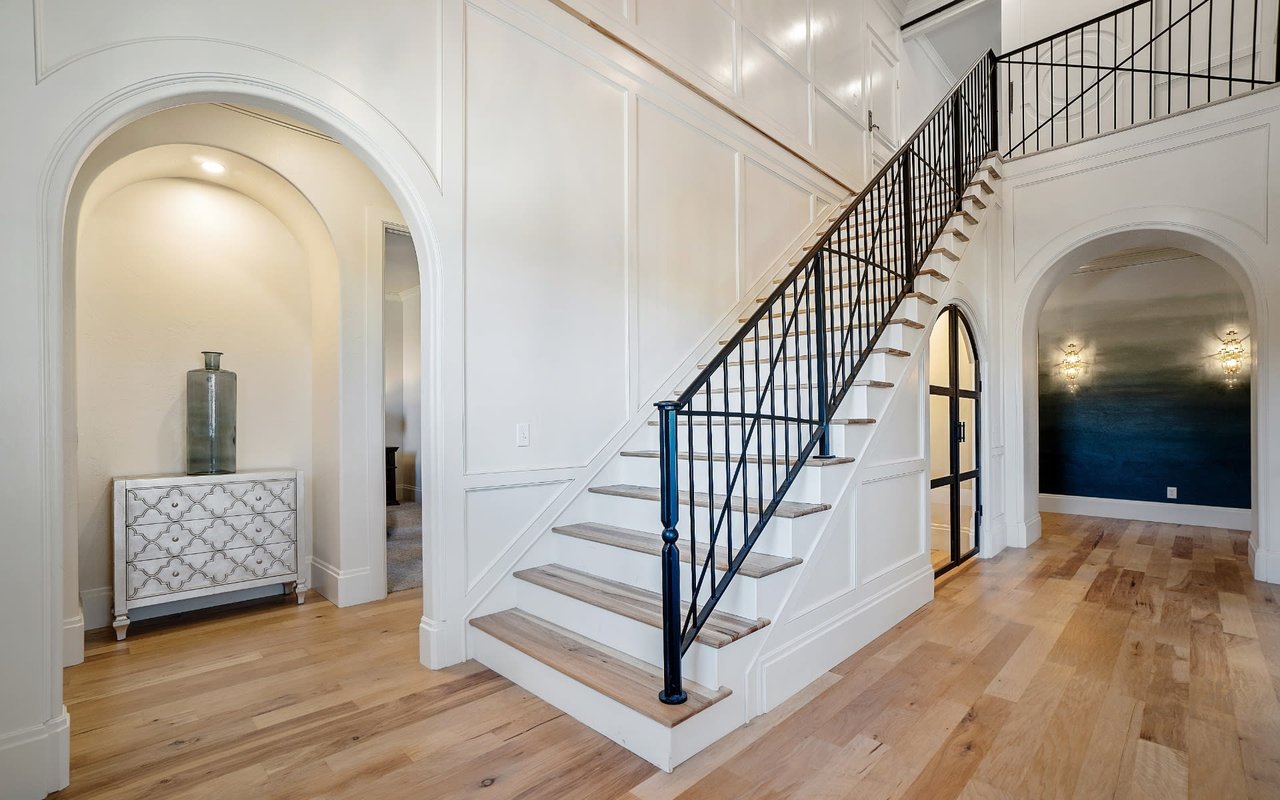
South Tampa homes can have distinctive architectural details, custom lighting, built-ins, outdoor improvements and upgraded appliances. A property may also have items that carry significant personal or financial value to the seller.
For buyers, it is important to ask questions about what will remain. For sellers, it is equally important to identify anything they intend to take with them.
The issue can extend beyond furniture. Items such as specialty appliances, mounted televisions, custom window treatments, outdoor equipment and solar systems may require particular attention. For example, Florida Realtors recently advised sellers with solar panels to determine whether the panels are owned, financed or leased and to address the transfer or payoff requirements before entering into a contract.
The Best Approach: Put It in Writing
For buyers, sellers and investors in ZIP Code 33606, the safest approach is simple: don't rely on assumptions.
If there is something you expect to remain—or something you definitely want to take—identify it in the contract or appropriate addendum. The Florida Realtors/Florida Bar contract provides mechanisms for excluding items and adding additional personal property to the transaction.
With more than four decades of combined experience, Emeri and Joe Lewkowicz understand that successful South Tampa transactions often come down to anticipating questions before they become problems. Their local knowledge helps buyers and sellers look beyond the asking price and square footage to the details that can affect the actual transaction.
In a 33606 home sale, clarity is valuable. Knowing the difference between fixtures and personal property—and documenting exactly what stays and what goes—can help create a smoother closing for everyone involved.