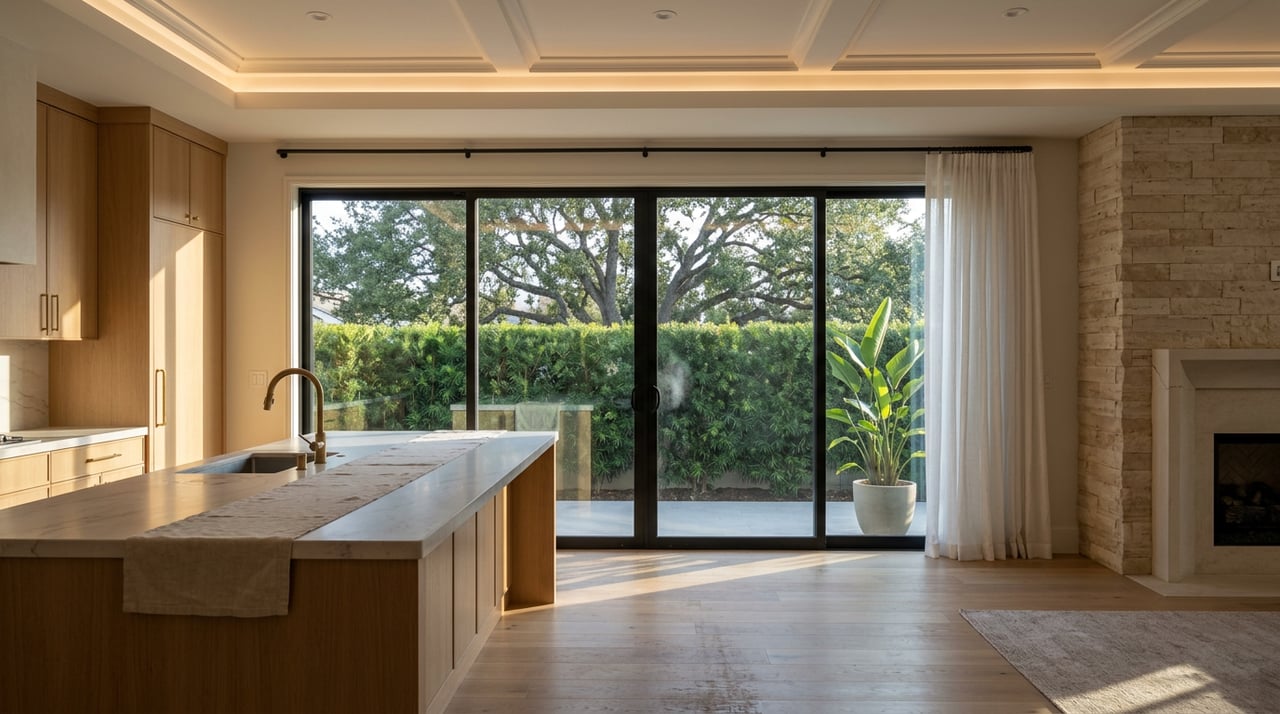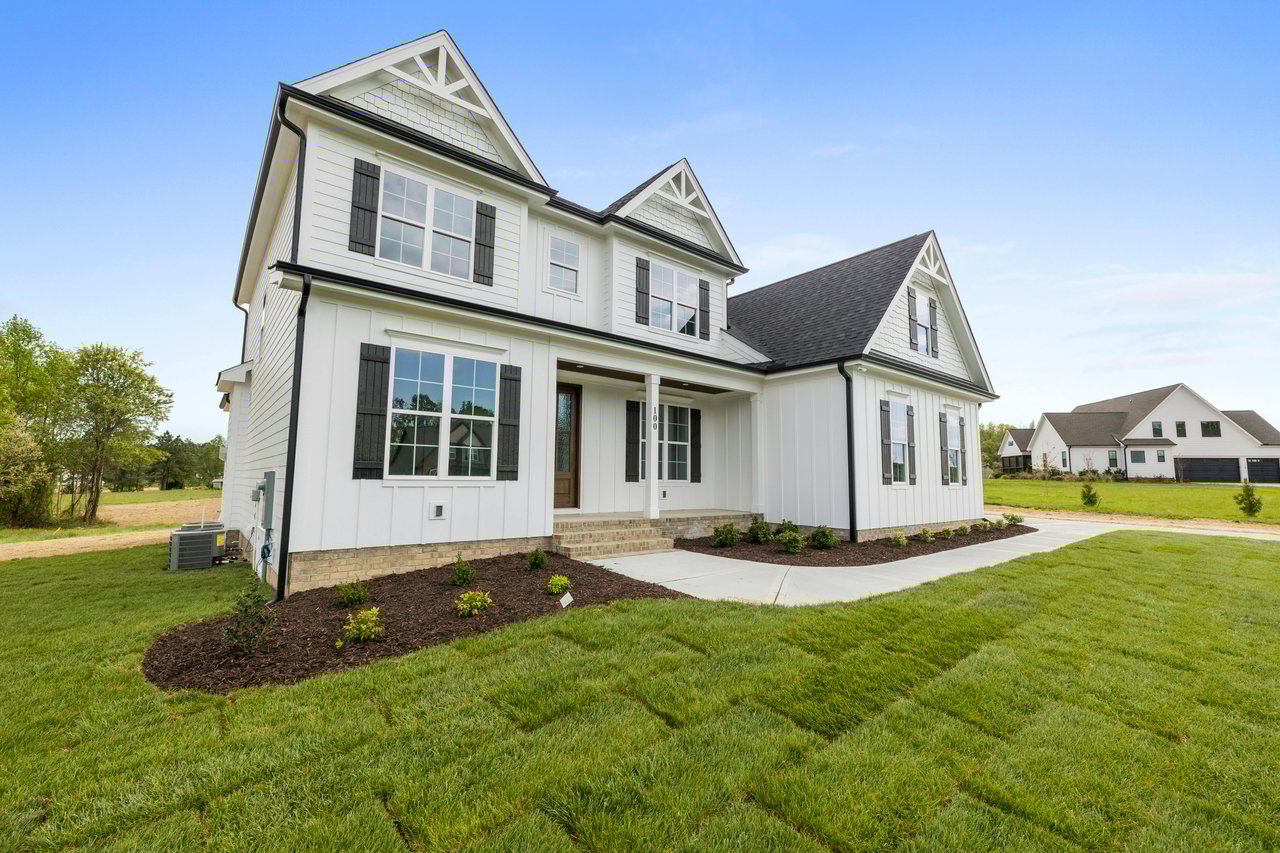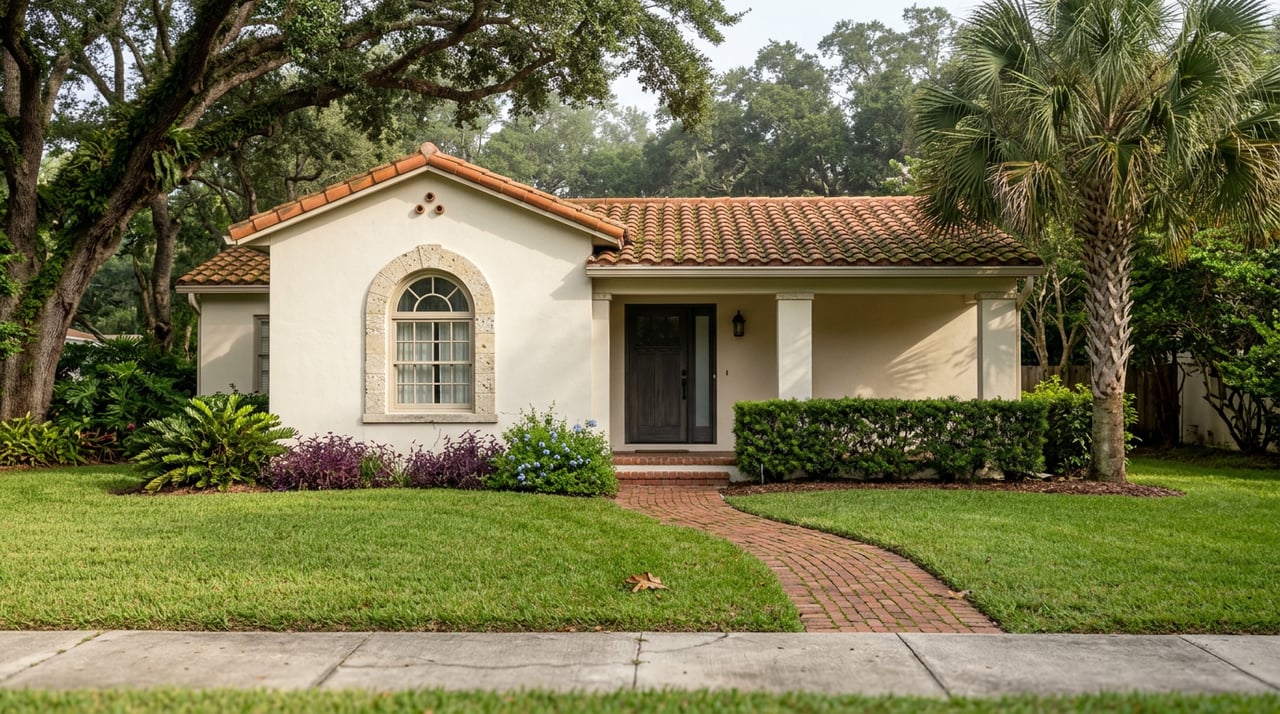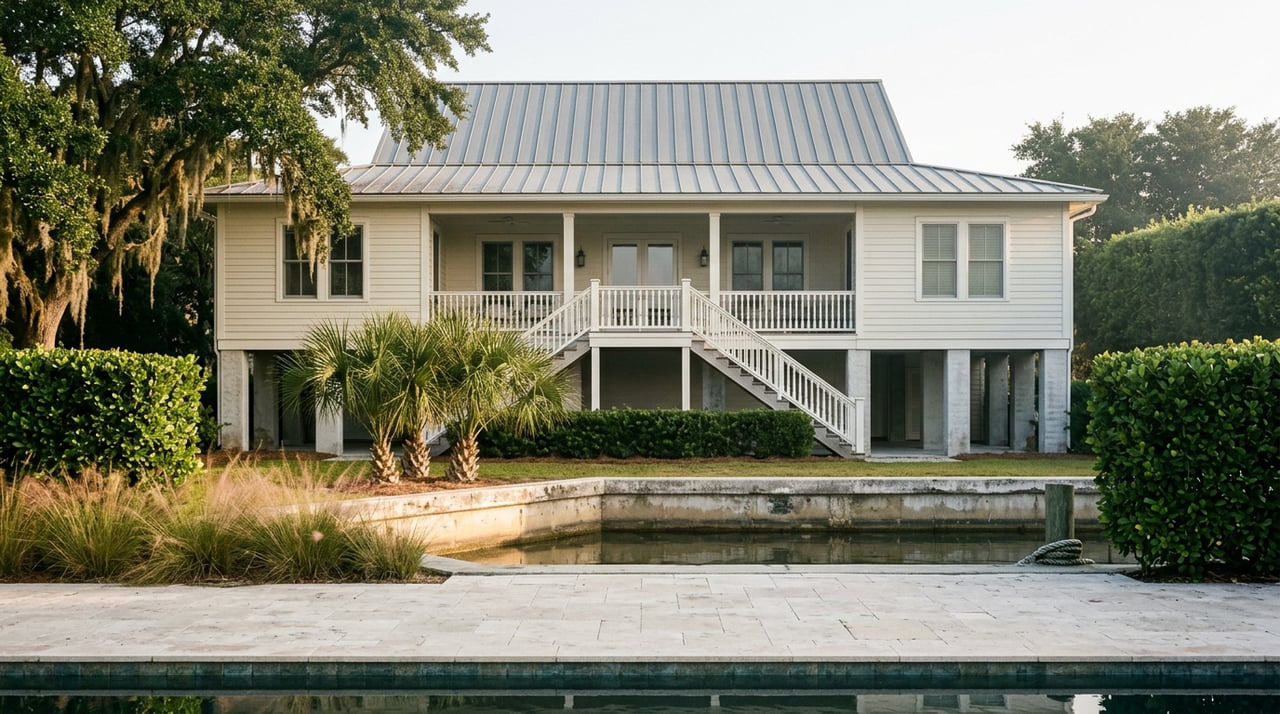
For homeowners in South Tampa’s ZIP Code 33611, energy efficiency can be more than a way to lower monthly utility bills. The right improvements can make a home more comfortable, potentially more attractive to future buyers, and better prepared for Florida’s heat and humidity. But before making a major investment, it is important to look beyond the “green” label and understand whether the improvement actually makes sense for the property.
After more than 40 years of combined real estate experience, Emeri and Joe Lewkowicz have seen firsthand that the best home improvements are not necessarily the most expensive ones. In 33611, they encourage homeowners to think strategically.
Start With the Home, Not the Improvement
“Before you decide what to install, understand what your house actually needs,” Emeri says.
That could mean getting a professional energy audit, evaluating the HVAC system, checking insulation and air sealing, or looking at the condition and efficiency of windows and doors. A newer air-conditioning system may sound like the obvious investment in Tampa, but if a home's insulation or ductwork is allowing conditioned air to escape, replacing the HVAC system alone may not deliver the expected savings.
Joe often advises homeowners to consider the age, construction, condition and layout of the property before committing to a major project. In 33611, where you find a mix of older homes, renovated properties and newer construction, the most effective improvement can vary significantly from one house to another.
Consider Tampa’s Climate
Florida homeowners have different energy priorities than homeowners in colder climates. In South Tampa, cooling efficiency is particularly important.
High-efficiency HVAC systems, improved insulation, energy-efficient windows, smart thermostats and better air sealing can all contribute to a home's overall performance. Solar may also be worth exploring, particularly for homes with favorable roof conditions and sufficient sun exposure.
The City of Tampa currently offers educational resources through its 2026 Switch Together Tampa solar program, giving homeowners an opportunity to learn about solar, batteries and EV chargers before making a commitment.
Look at the Financial Return—Not Just the Technology
One of Emeri and Joe's biggest recommendations is simple: run the numbers first.
Ask how much the improvement will cost, how much it is expected to save annually, how long the equipment should last and whether there are rebates, incentives or financing options available.
Tax incentives also need careful attention. Federal energy-credit rules have changed, and homeowners should verify current eligibility rather than assuming an older tax credit still applies. For example, IRS guidance states that several major federal residential energy credits had specific installation deadlines through 2025.
Florida also provides specific property-tax treatment for qualifying renewable energy improvements, so homeowners should understand how an improvement may affect their property's assessment before moving forward.
Think About Resale Value
For homeowners who may eventually sell, Emeri and Joe recommend considering how the improvement will be perceived by the next buyer.
A high-efficiency HVAC system, newer windows, solar panels or other upgrades can be meaningful selling points—but only when the improvement is appropriate for the home and well documented.
“Keep your receipts, warranties, permits and documentation,” Joe advises. “When you eventually sell, you want to be able to explain exactly what was installed and why it adds value.”
The Lewkowicz Group Perspective
Energy-efficient improvements can be smart investments in 33611, but homeowners shouldn't make decisions simply because a product is marketed as energy-saving.
With their combined 40+ years of experience and deep knowledge of South Tampa real estate, Emeri and Joe Lewkowicz look at improvements through both lenses: How will this affect the homeowner today, and how could it affect the property's marketability tomorrow?
The best improvement is ultimately the one that fits the home, the homeowner's budget, Tampa's climate and the property's long-term real estate strategy.