Buying property in Odessa, Florida, can open the door to a wide range of opportunities, from building a custom home on a spacious lot to investing in acreage with long-term potential. However, before you make an offer, there is one important detail you should never overlook: how the land is classified and what you are legally allowed to do with it.
As Tampa real estate experts with more than 40 years of combined experience, Emeri and Joe Lewkowicz of The Lewkowicz Group understand that purchasing land requires more than finding the right location or negotiating the right price. You need to understand how zoning, future land use, agricultural classifications, and property restrictions may affect your plans.
If you're considering buying land in Odessa, here's what we recommend evaluating before moving forward.
Understand the Difference Between Agricultural and Residential Land
One of the first things we tell buyers is that a property's current use does not necessarily determine what you can do with it in the future.
Agricultural land may be used for farming, livestock, crops, or other permitted agricultural activities. Residentially designated land, on the other hand, is generally intended for housing, subject to applicable zoning regulations and development requirements.
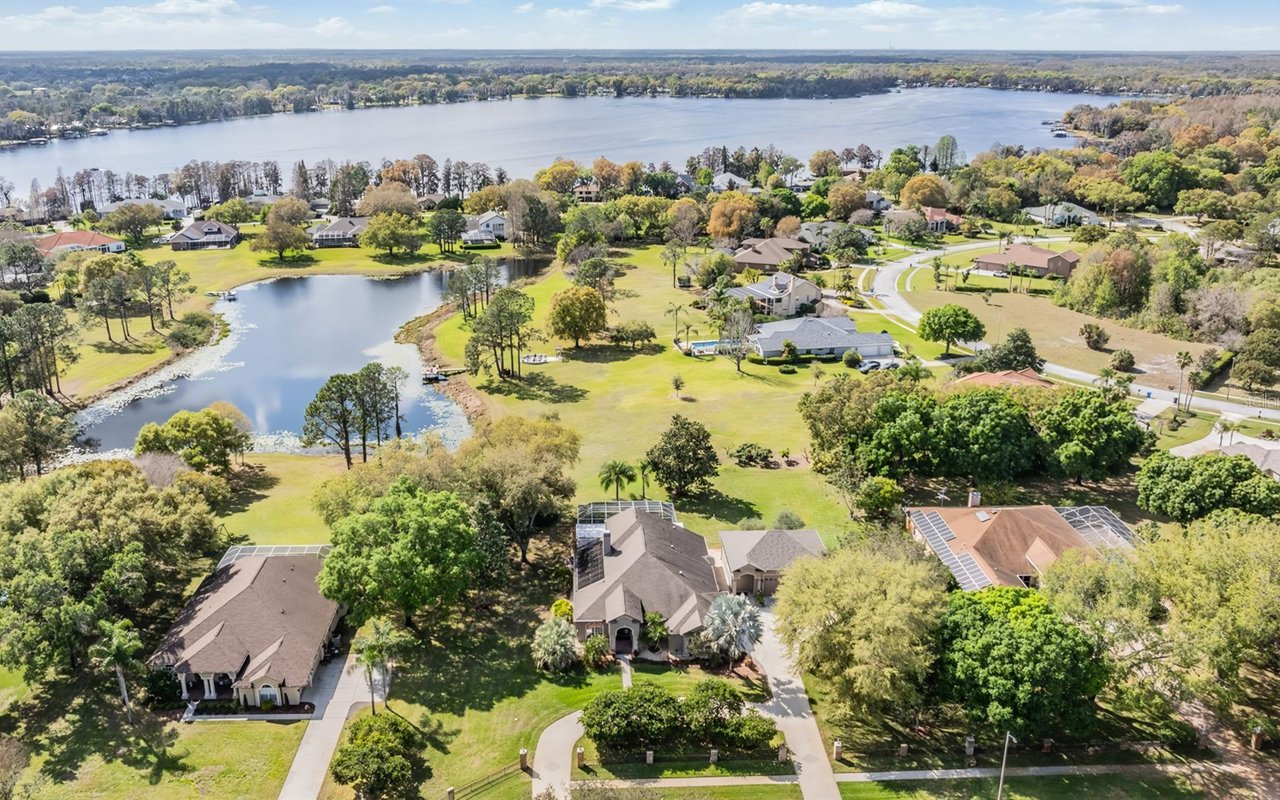
In Odessa, some properties offer a rural atmosphere with large lots, while others are located in established residential communities or areas experiencing development. Two neighboring parcels can have very different development opportunities, even when they appear similar.
Emeri and Joe's advice: Never assume that a property can accommodate a home, guesthouse, barn, or additional dwelling simply because nearby properties have those features. Confirm the applicable rules for the specific parcel before purchasing.
Check Both Zoning and Future Land Use
Zoning and future land use are related, but they serve different purposes.
Zoning establishes the rules for what can be built or operated on a property, including permitted uses, setbacks, building height, lot coverage, and other development standards. Future land use is part of a jurisdiction's comprehensive planning framework and helps guide how an area may develop over time.
This distinction matters when you're buying agricultural acreage with the intention of eventually building a home or pursuing a different use.
For properties in Odessa, determine whether the parcel falls under Hillsborough County or Pasco County jurisdiction. Depending on the location, different planning departments, zoning regulations, and development procedures may apply.
We encourage buyers to verify the property's zoning designation, future land-use category, minimum lot-size requirements, and any applicable overlays directly with the relevant county. If a proposed use is not permitted, don't assume that rezoning or a future land-use amendment will be approved.
Don't Overlook Agricultural Tax Classifications
Another important consideration is the difference between agricultural zoning and an agricultural tax classification.
Florida's agricultural classification may allow qualifying land to be assessed based on its agricultural use rather than its market value. However, this is a property-tax assessment provision, not permission to develop or use land in any way you choose.
Eligibility generally depends on whether the land is genuinely used for a qualifying bona fide agricultural purpose, along with other applicable requirements. Simply owning acreage, keeping a few animals, or intending to start a farm does not automatically guarantee approval.
Before relying on an existing agricultural tax benefit, ask the county property appraiser to confirm the property's current status, eligibility requirements, and how a change in ownership or land use could affect future assessments.
For investors, this is especially important when calculating operating costs and estimating potential returns.
Investigate Building Restrictions, Access, and Utilities
A large parcel may look like an excellent investment, but the cost of making it usable can change the numbers considerably.
Before purchasing, evaluate whether the property has legal road access, adequate drainage, and access to essential utilities. Some acreage properties may require a well and septic system rather than public water and sewer. In those cases, soil conditions, septic feasibility, well placement, and applicable environmental requirements can affect whether your building plans are realistic.
You should also investigate wetlands, flood zones, conservation restrictions, easements, and potential stormwater-management requirements. These factors can reduce the portion of a property that is actually suitable for construction.
Joe and Emeri recommend looking beyond the total acreage. The real question is how much of that land you can legally and practically use for your intended purpose.
Evaluate the Property as a Long-Term Investment
For investors, land-use classifications can influence appreciation potential, resale demand, and the range of future buyers.
Agricultural acreage may appeal to buyers seeking privacy, rural living, or qualifying agricultural operations. Residentially designated property may attract buyers looking to build or purchase a home, depending on its development potential and location.
However, land in an area experiencing growth is not automatically a good investment. Future development depends on planning decisions, infrastructure, environmental constraints, market conditions, and the feasibility of obtaining approvals.
Emeri and Joe encourage investors to compare similar properties with comparable zoning, permitted uses, access, and development constraints. A lower-priced parcel may ultimately cost more if it requires extensive site preparation or cannot accommodate the intended project.
Before making an offer, estimate carrying costs, insurance, property taxes, potential improvement expenses, and realistic resale scenarios. If your strategy depends on rezoning, subdivision, or future development, consult qualified planning and legal professionals before treating that outcome as part of your investment's value.
Work With Local Experts Before You Commit
Purchasing land in Odessa requires a clear understanding of both the property's current restrictions and its potential opportunities. The right due diligence can help you avoid expensive surprises and make a more informed decision.
At The Lewkowicz Group, Emeri and Joe Lewkowicz bring more than 40 years of combined real estate experience to helping buyers evaluate Tampa Bay properties. Their local market knowledge helps clients ask the right questions, compare opportunities, and look beyond the listing description to understand what a property may offer.
Our advice is simple: verify the facts before you buy. Review zoning and future land use, confirm agricultural tax eligibility with the county property appraiser, investigate environmental and utility constraints, and consult the appropriate professionals about your plans.
Thinking about purchasing land or an investment property in Odessa, FL? Connect with Emeri and Joe Lewkowicz at The Lewkowicz Group to discuss your goals and identify the questions worth answering before you invest.