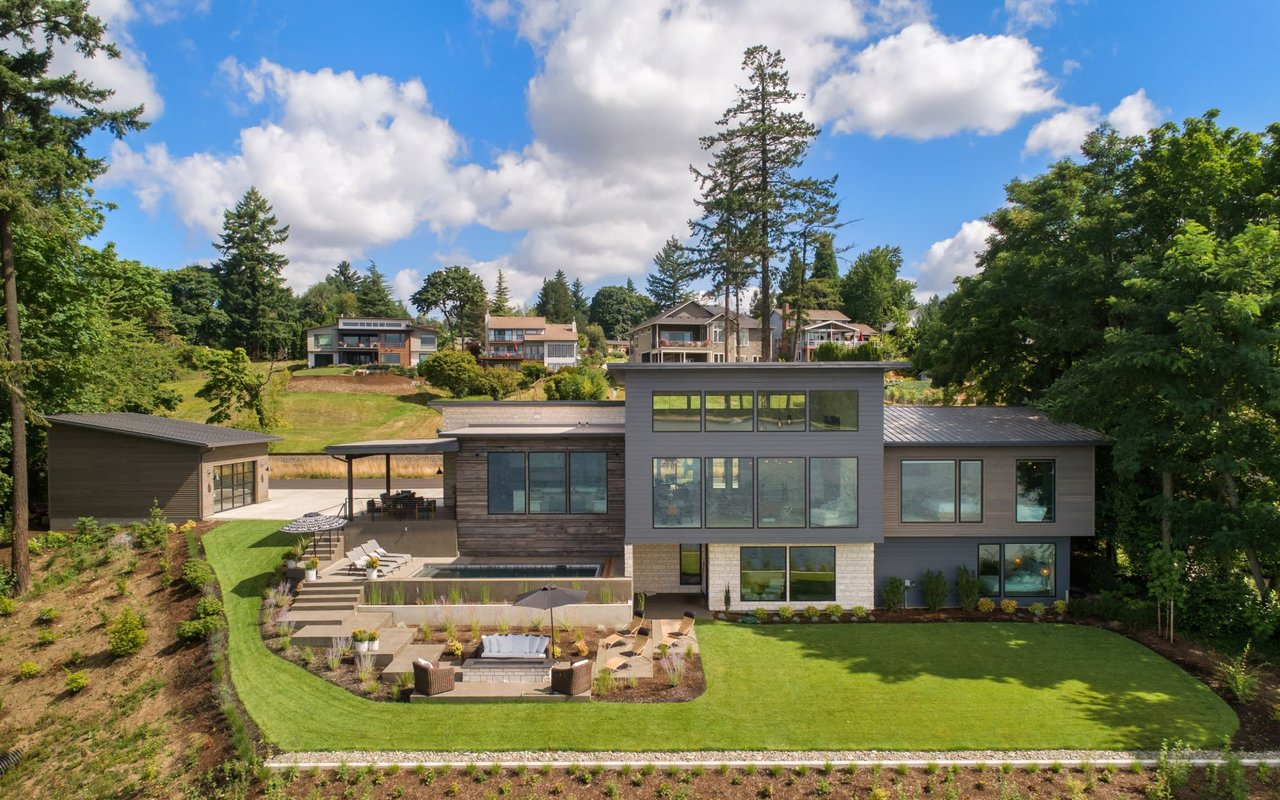
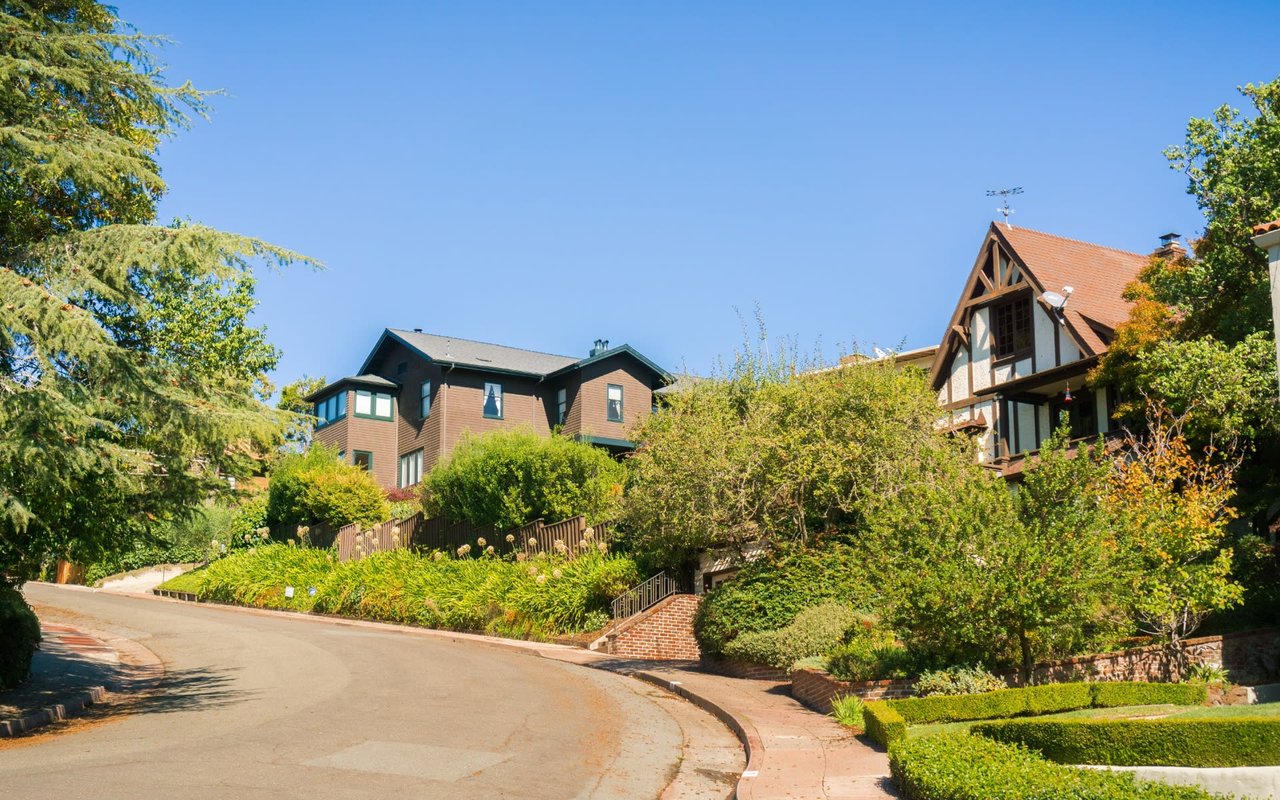
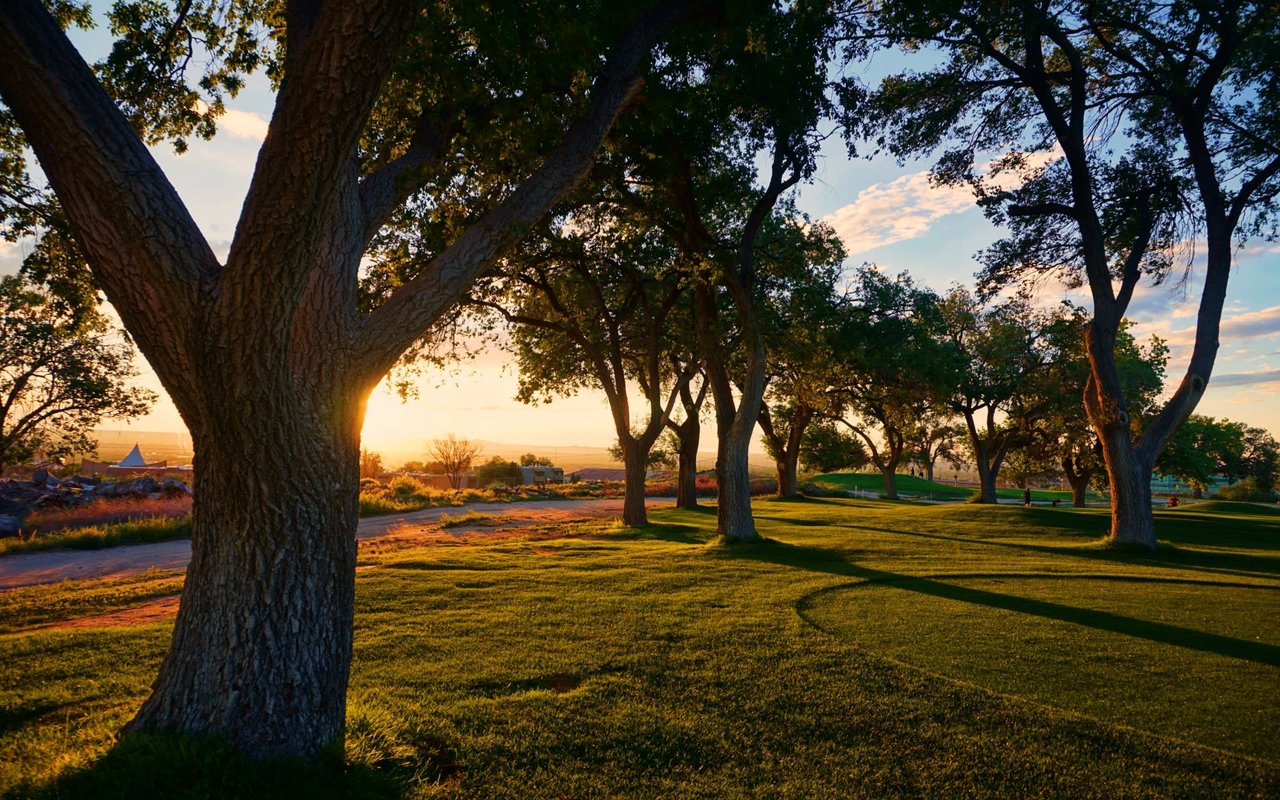
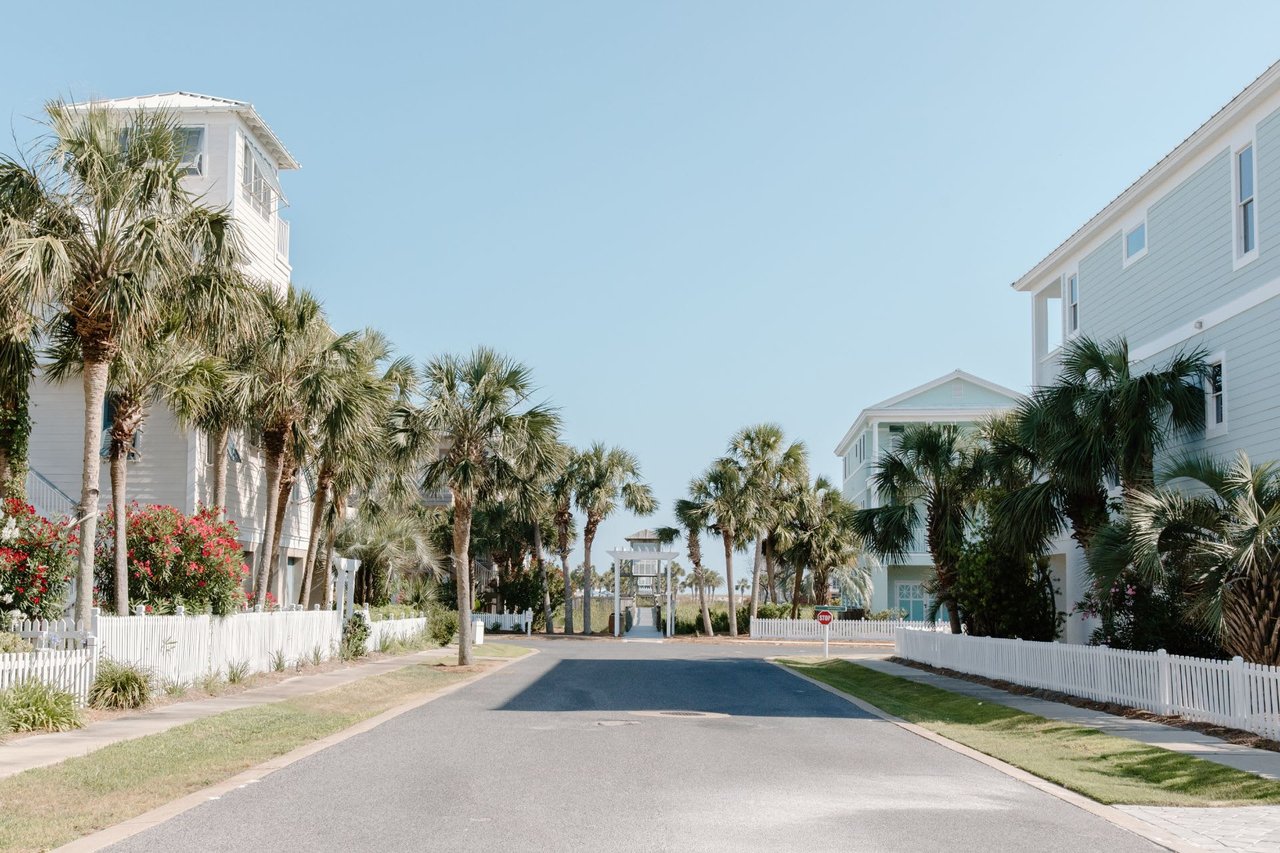
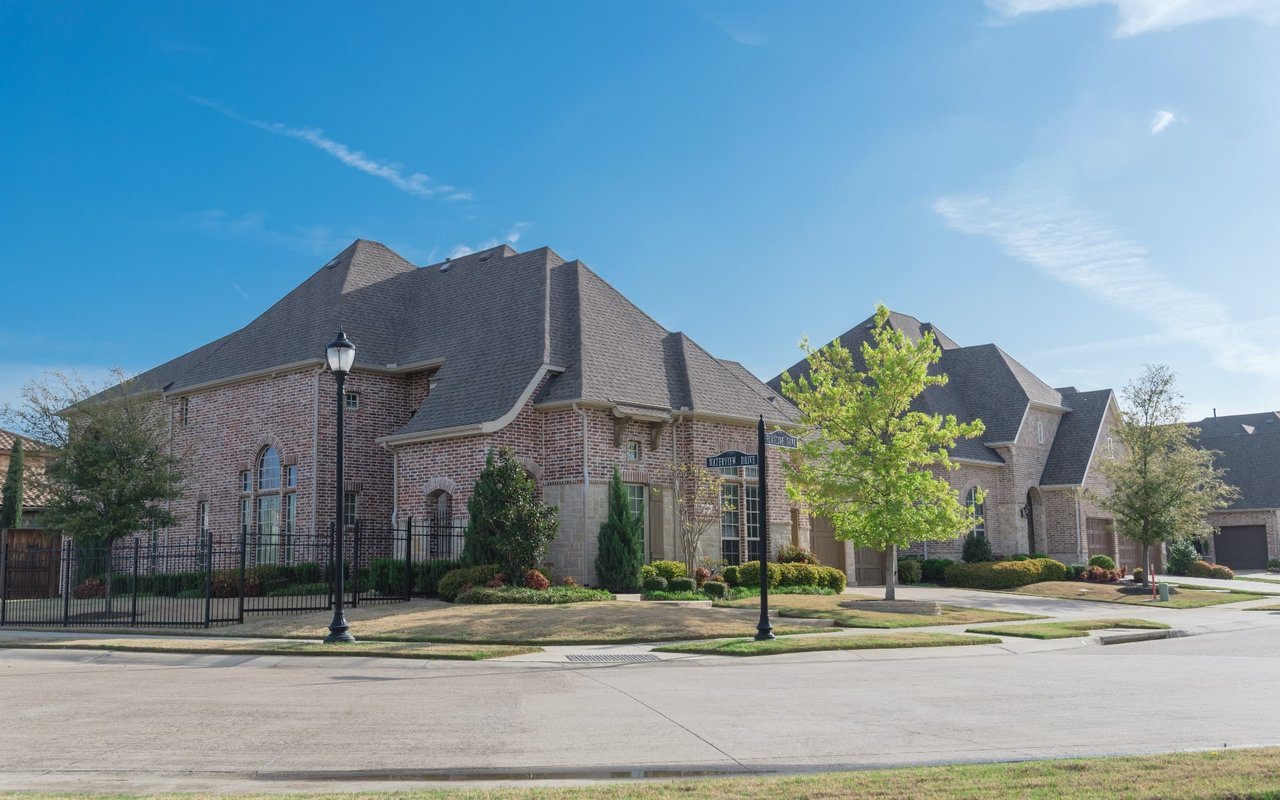
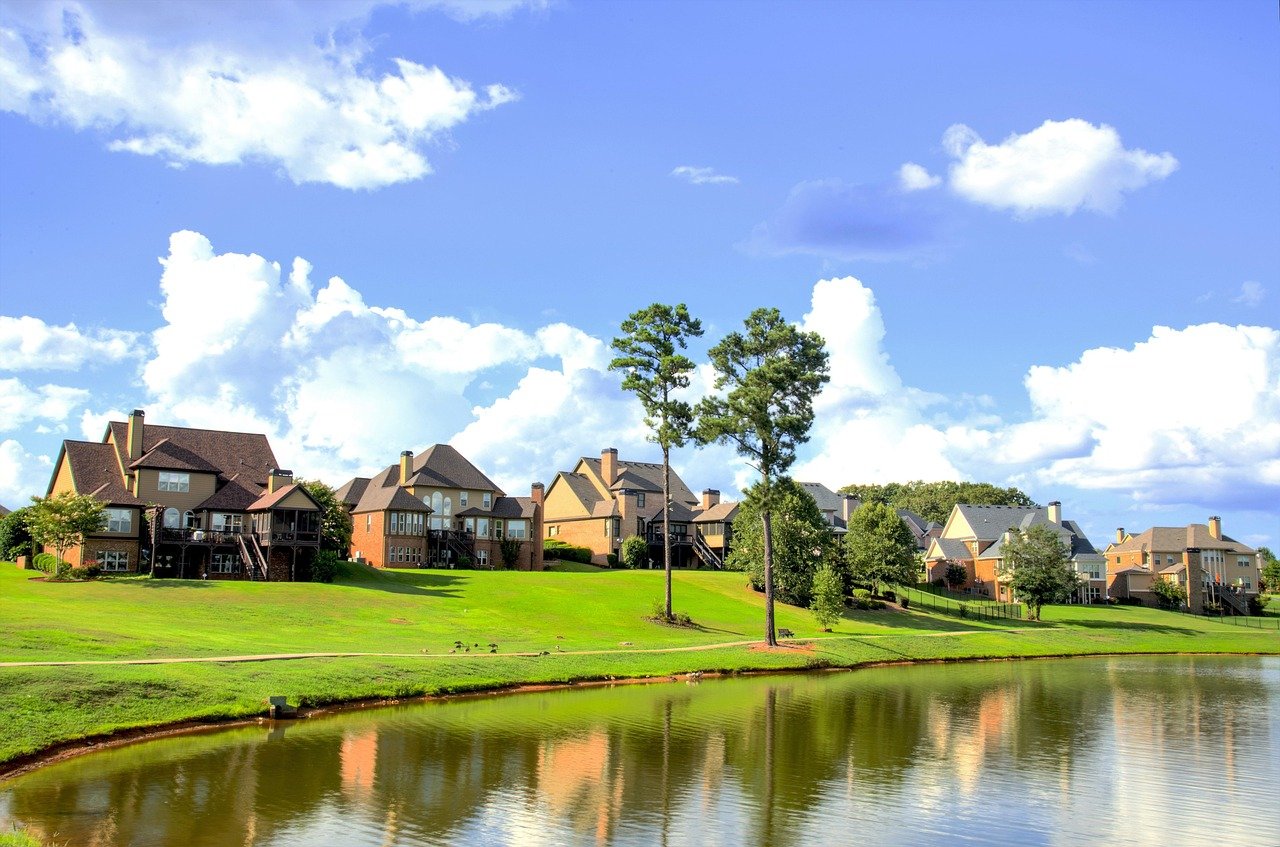
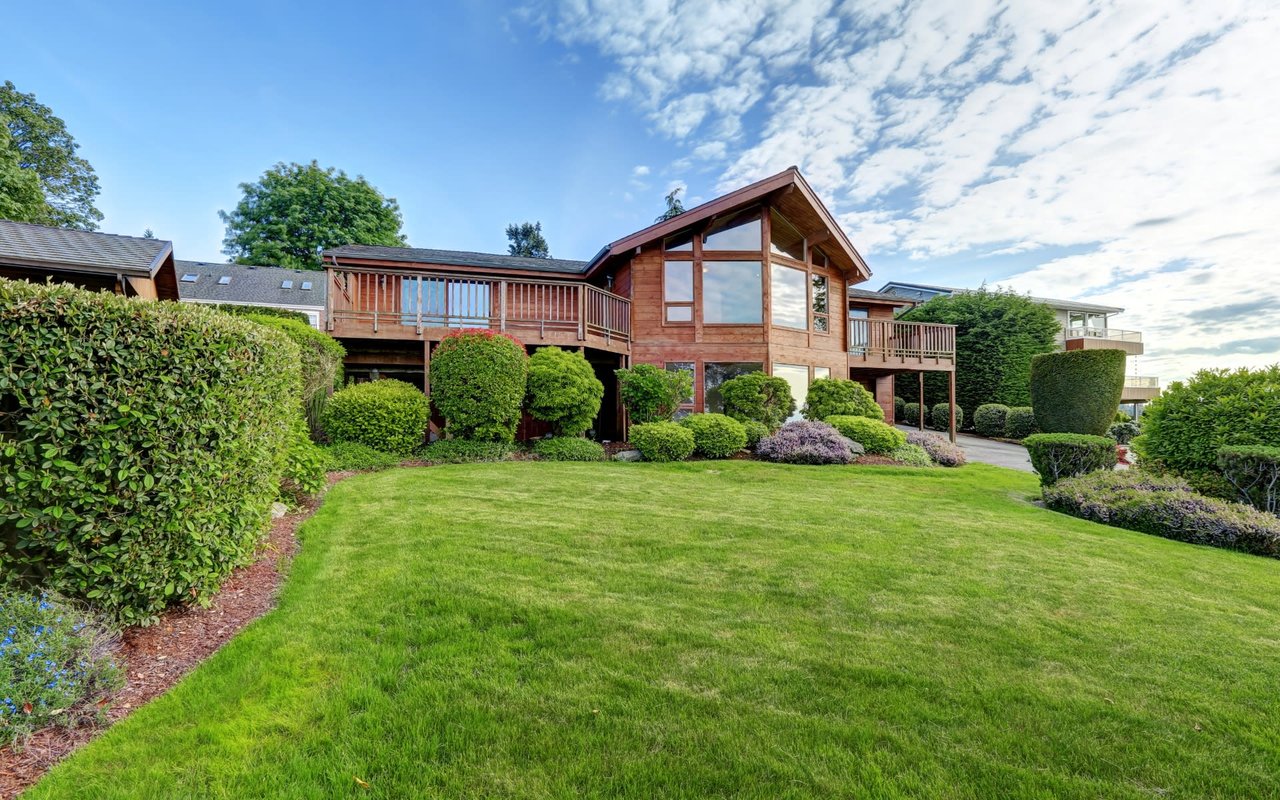
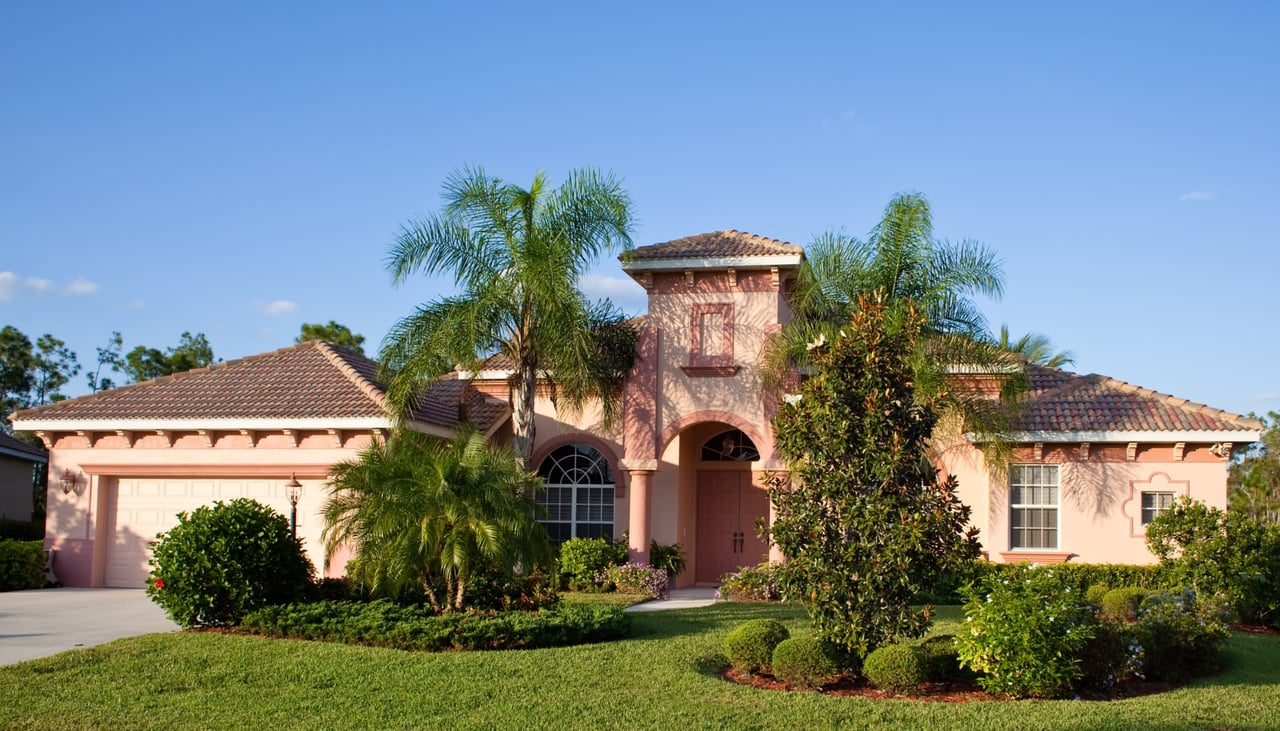
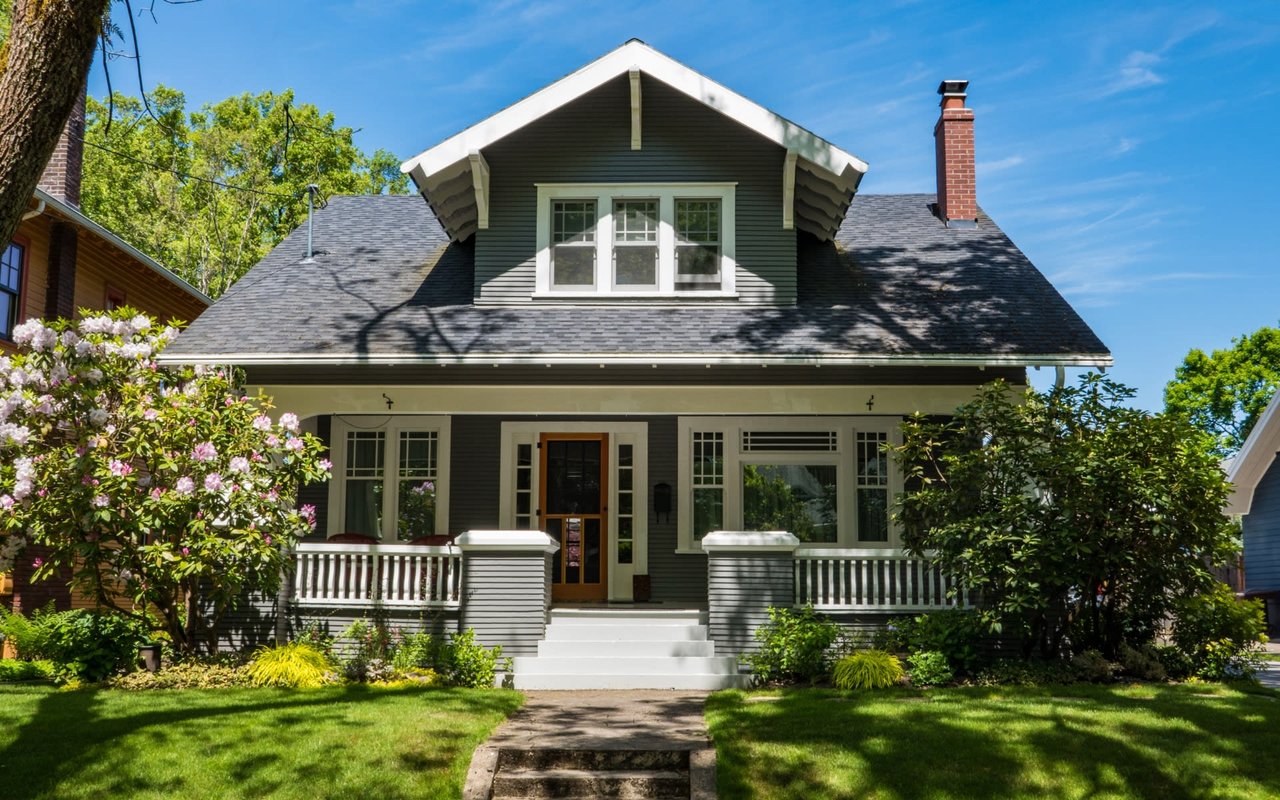
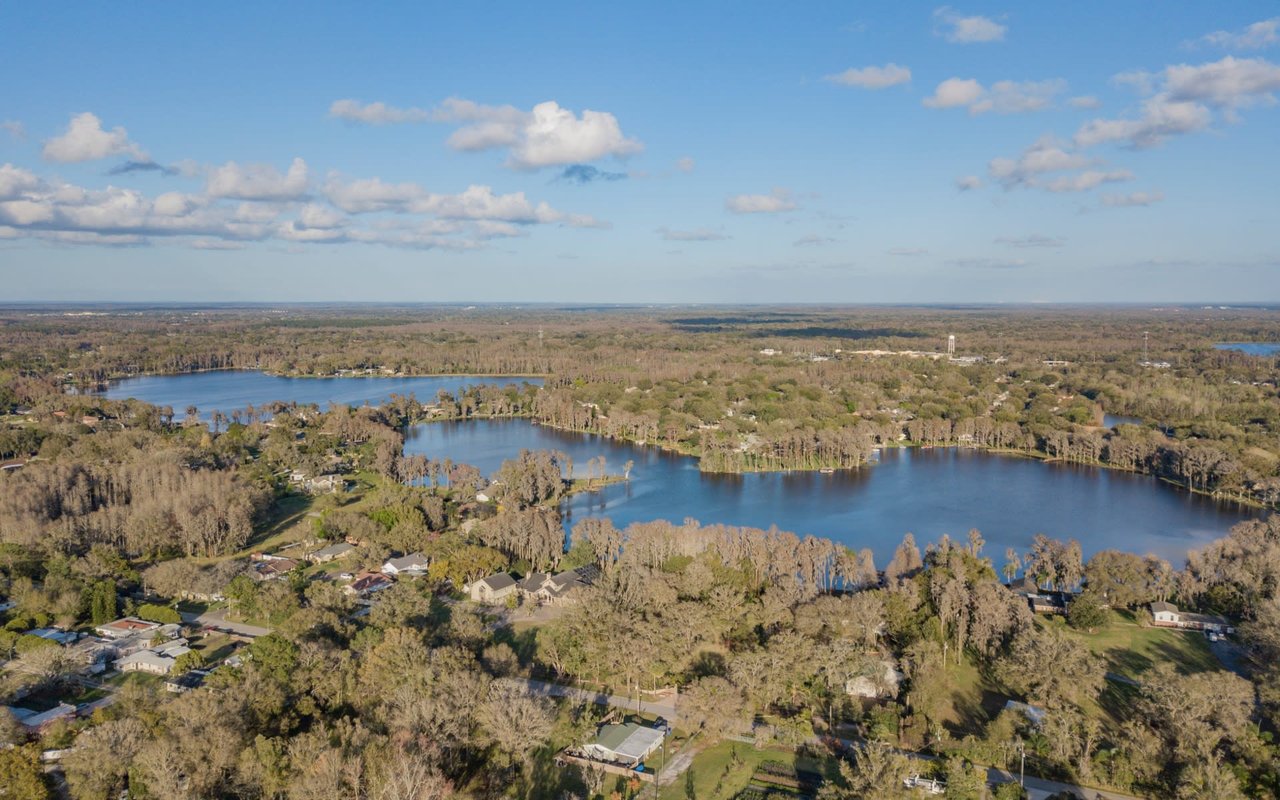
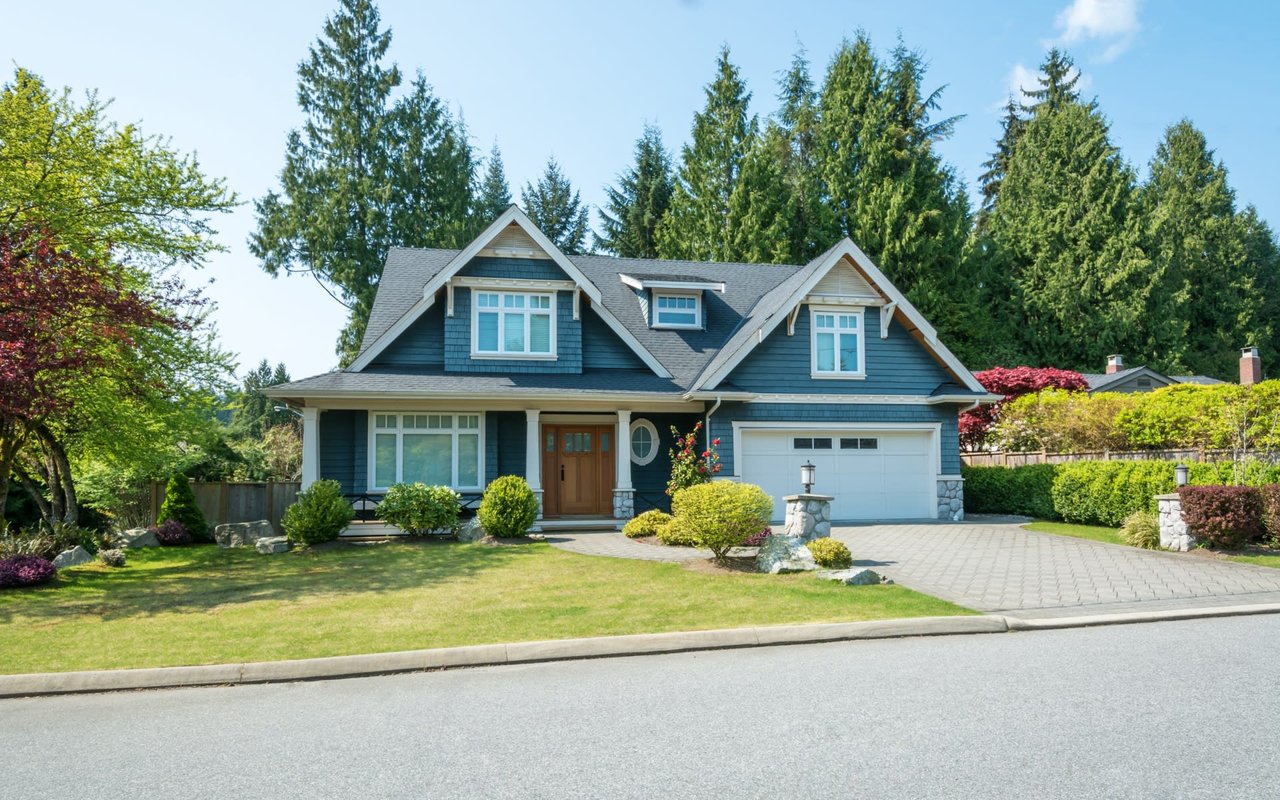
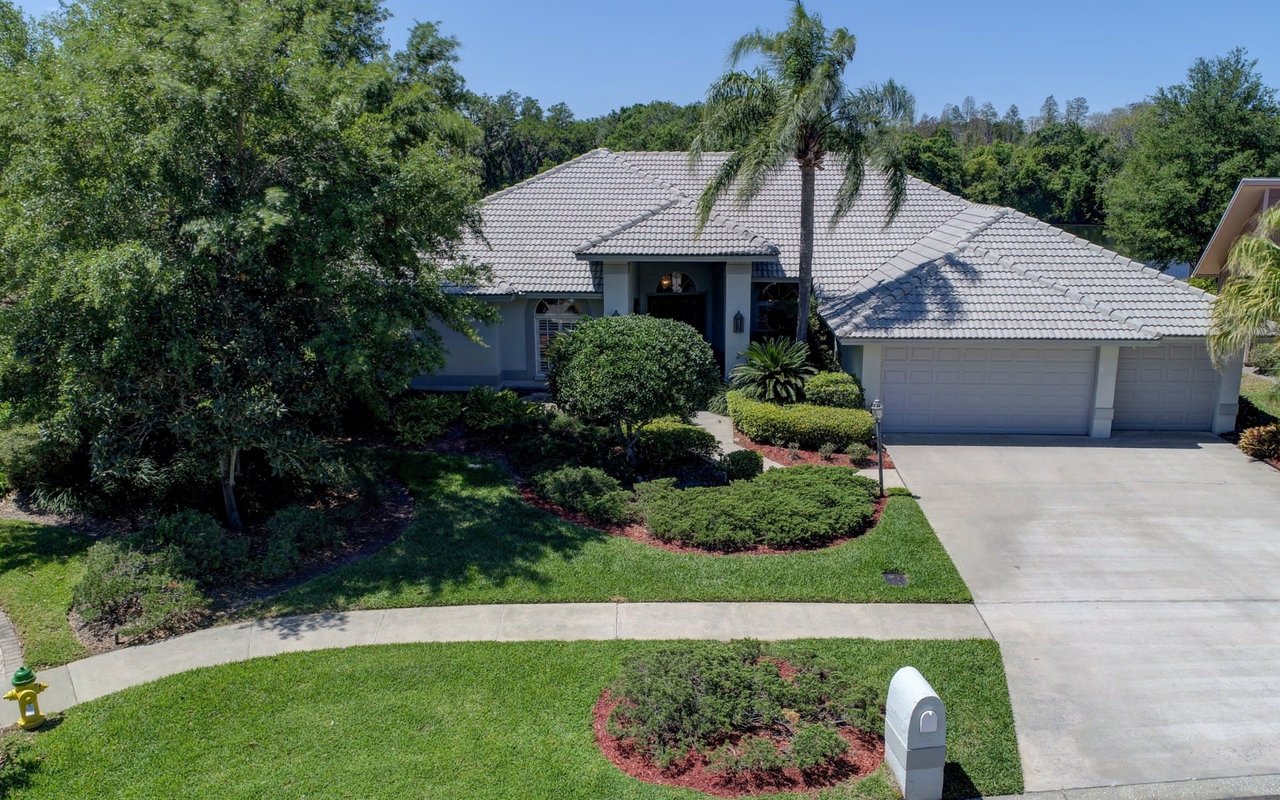
Carrollwood is a mature, well-established suburban enclave in northwest Hillsborough County, known for its tree-lined streets, classic Florida ranch homes, and a calm residential character that balances accessibility with a distinctly neighborhood-oriented lifestyle. Located just north of Tampa and bordered by major corridors like Dale Mabry Highway and the Veterans Expressway, it offers convenient connectivity to downtown Tampa, the Westshore business district, and Tampa International Airport while preserving a quieter, family-friendly environment. The community’s development began in the 1960s and 1970s, and that early planning—centered on lakes, winding roads, and generous lot sizes—created a suburban fabric that feels cohesive and lived-in rather than newly built or transient.
The population is a mix of long-term residents, young professionals seeking proximity to Tampa’s employment centers, and families drawn to reputable schools and stable housing stock. Retirees also remain a consistent presence, attracted by the slower pace and everyday conveniences. Carrollwood’s appeal rests on its blend of suburban comfort and urban reach: residents enjoy established parks, lake access, golf courses, and reliable commercial centers while still being minutes from major retail, dining, and entertainment hubs. The area’s canopy of mature oaks, strong neighborhood identity, and steady real estate market create a sense of permanence that differentiates it from newer master-planned communities. Overall, Carrollwood offers a grounded, community-focused lifestyle—quiet but connected, relaxed but well-served—making it a consistently desirable choice for those seeking stability and convenience in the Tampa metropolitan area.
Carrollwood’s history is tied to Tampa’s mid-20th-century suburban expansion, when population growth, highway improvements, and postwar demand pushed development north of the city. The area began to take shape in the late 1950s and 1960s when developer Matt Jetton and Sun State Homes launched one of Tampa’s first large-scale planned suburban communities centered around Lake Carroll. Their vision emphasized curving streets, recreational lakes, golf amenities, and uniform drainage and utility planning—features that distinguished Carrollwood from the denser, grid-pattern neighborhoods closer to downtown.
During the 1970s and early 1980s, Carrollwood expanded westward and northward, with Carrollwood Village becoming a significant addition to the area. This period introduced larger single-family homes, townhomes, and community-oriented amenities such as parks, tennis courts, and the Carrollwood Country Club. Architectural styles reflected the era’s suburban preferences: ranch homes, mid-century Florida designs, block construction, and later, split-level and contemporary variations. Mature landscaping and lake integration became defining features, giving Carrollwood a more established feel than newer developments emerging farther north.
By the 1990s and early 2000s, Carrollwood had become one of Tampa’s signature suburban districts, characterized by stability, strong schools, and a cohesive residential identity. Commercial corridors along Dale Mabry Highway grew to support the community, adding retail centers, medical offices, restaurants, and services that reduced the need for long commutes. While the neighborhood has evolved, it has retained the fundamental elements of its original plan: a balanced mix of housing, access to natural water features, and a suburban layout that offers both privacy and convenience. Today, Carrollwood stands as a mature, well-rooted community whose steady development and preserved architectural character reflect decades of incremental but intentional growth.
Carrollwood is situated in northwest Hillsborough County, roughly 10–12 miles from downtown Tampa, forming part of the broader Tampa metropolitan area. While there is no single official boundary, the neighborhood is generally defined by Lake Magdalene to the east, Citrus Park and the Veterans Expressway to the west, Northdale to the north, and the Egypt Lake–Leto area to the south. Dale Mabry Highway runs through the heart of Carrollwood and serves as its primary commercial spine, while roadways such as Fletcher Avenue, Gunn Highway, and Ehrlich Road provide east–west connectivity.
Its proximity to Tampa makes commuting straightforward: downtown Tampa is typically a 20–25 minute drive via Dale Mabry Highway or I-275, and the Westshore business district and Tampa International Airport are accessible within 15–20 minutes. The Veterans Expressway offers a fast north–south toll route for those commuting to Pasco County or heading toward the Gulf Coast suburbs. The community’s internal road network favors curved residential streets and cul-de-sacs rather than high-throughput grids, which contributes to quieter local traffic.
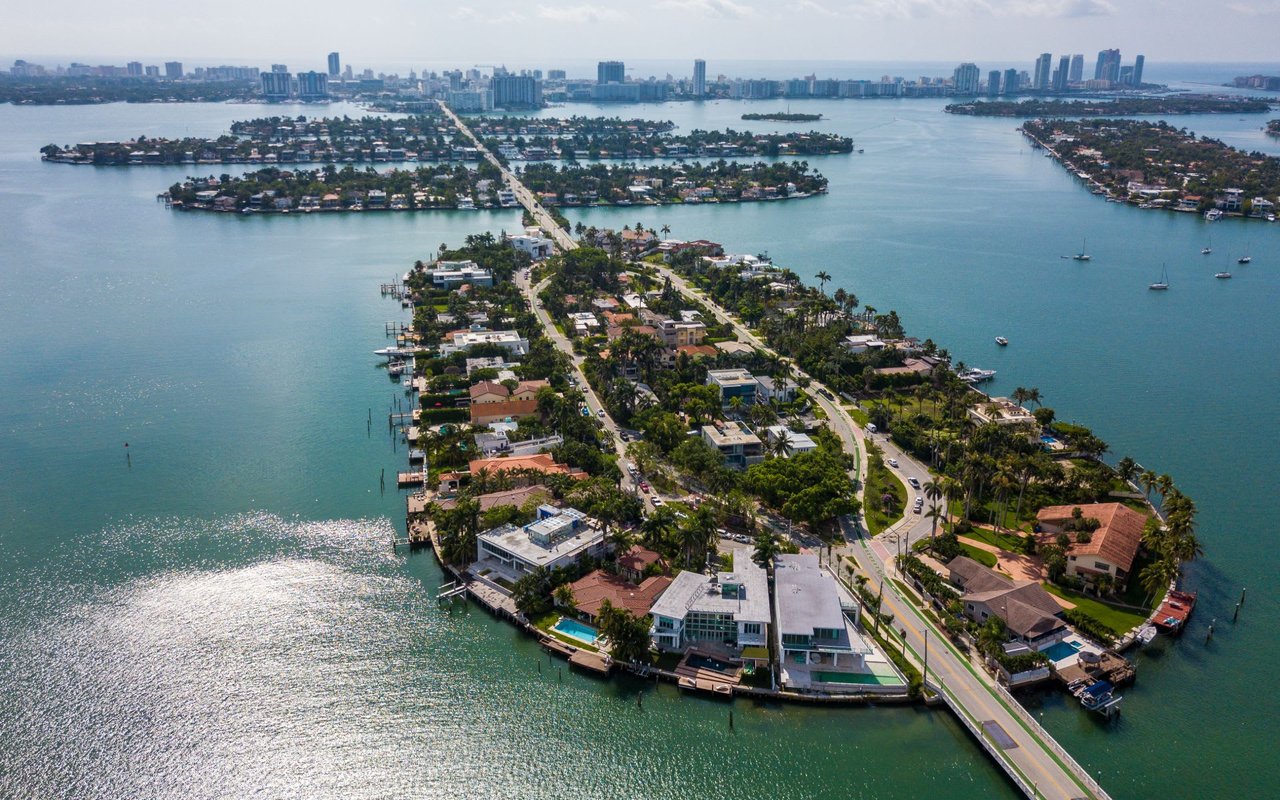
Geographically, Carrollwood embodies the low-lying, lake-dotted terrain typical of central Florida. Several natural lakes—most notably Lake Carroll, White Trout Lake, and Lake Magdalene—shape the community’s layout and provide waterfront residential pockets. Mature oak canopies and established landscaping dominate most neighborhoods, giving the area a verdant, shaded character. The climate is humid subtropical, with hot summers, mild winters, and a long growing season that supports dense vegetation. While the region receives significant rainfall during summer months, Carrollwood’s long-standing drainage systems and planned development around natural basins have helped manage the terrain’s water features. Overall, its location, natural lakes, and well-connected roadways contribute to a suburban environment that feels both sheltered and strategically positioned near Tampa’s major economic centers.
Carrollwood offers a broad, well-established dining and entertainment scene centered along Dale Mabry Highway and complemented by smaller neighborhood hubs. The area reflects Tampa’s diverse culinary landscape, with a mix of longstanding local institutions, national chains, and specialty restaurants that serve a wide range of tastes. Family-owned eateries, casual cafés, and international cuisines—particularly Latin American, Italian, Mediterranean, and Asian—are common, reinforcing the neighborhood’s reputation for reliable, everyday dining rather than nightlife-driven venues. Coffee shops, bakeries, and breakfast spots are well distributed, making it easy for residents to establish familiar routines close to home.
Entertainment in Carrollwood is more community-oriented than urban, with venues emphasizing culture, recreation, and family-friendly activities. The Carrollwood Cultural Center offers theater performances, art exhibitions, and classes, serving as a central cultural anchor. Local sports facilities, gyms, yoga studios, and golf at Carrollwood Country Club provide additional leisure options. For dining-meets-entertainment experiences, residents often frequent nearby breweries, casual pubs, and multi-cuisine restaurants that cater to social gatherings.
While Carrollwood itself isn’t a nightlife destination, its strategic location provides quick access to Tampa’s broader entertainment districts. Popular areas such as Midtown, SoHo, Seminole Heights, and downtown Tampa are all within a short drive, giving residents access to craft cocktail bars, live music venues, major sports events, and performing arts centers without sacrificing Carrollwood’s quieter residential environment. The result is a balanced lifestyle—local convenience for day-to-day dining and recreation, with immediate reach to the region’s premier entertainment offerings.
Carrollwood offers a strong mix of parks, lakes, and recreational amenities that reflect its planned suburban character and natural surroundings. The neighborhood’s defining outdoor features are its interconnected lakes—such as Lake Carroll, White Trout Lake, and Lake Magdalene—which support a range of water-oriented activities including kayaking, paddleboarding, fishing, and scenic lakeside walking. Many residential streets are built around these water bodies, giving the community an open, green backdrop and frequent views of natural Florida landscapes.
Carrollwood Village Park is the area’s primary recreational anchor. It features expansive green spaces, modern playgrounds, a splash pad, fitness stations, walking trails, picnic areas, and multi-use courts. The park’s design caters to all ages and supports everything from casual afternoons to structured sports. Nearby, the Carrollwood Country Club offers golf, tennis courts, swimming facilities, and social programming, serving as one of the community’s premier membership-based recreational venues.
Residents also benefit from direct access to county-run parks and trails just outside the neighborhood. Lake Park, located a short distance north, provides equestrian trails, BMX tracks, archery ranges, fishing spots, and shaded walking paths across more than 500 acres—making it a major attraction for outdoor enthusiasts seeking more expansive natural terrain. The Upper Tampa Bay Trail, accessible within a short drive, offers miles of paved pathways for cycling, jogging, and walking.
While Carrollwood doesn’t have beaches within the neighborhood, the Gulf Coast shoreline—Clearwater Beach, Honeymoon Island, and other popular destinations—is reachable in under an hour, offering an easy weekend escape. Overall, Carrollwood’s recreation profile emphasizes accessible, family-friendly outdoor spaces, lake-centered activities, and proximity to larger regional parks, supporting an active and balanced suburban lifestyle.
Carrollwood hosts a series of community-centered events and cultural programs that reinforce its established, neighborhood-driven identity. While it is not a major festival district, its annual traditions and recurring activities create a strong sense of continuity and local engagement.
The Carrollwood Cultural Center serves as the primary hub for year-round programming. Its calendar includes seasonal theater productions, art exhibitions, musical performances, and community workshops, many of which recur annually. Holiday-themed events—such as winter concerts, holiday markets, and family arts festivals—draw consistent neighborhood participation. The Center’s outdoor “Carrollwood-on-the-Green” performances and summer cultural series further anchor its role as a local arts institution.
Carrollwood Village Park enhances the community’s event landscape with regular outdoor activities and holiday gatherings. Seasonal celebrations—fall festivals, Halloween events, and spring family days—bring together residents from across the neighborhood. The park also hosts fitness events, charity walks, and recreational tournaments that repeat annually and encourage broader community use.
Local homeowner associations, particularly in Carrollwood Village, also maintain annual traditions such as neighborhood holiday lighting contests, seasonal block gatherings, and community yard sales. Though smaller in scale, these events contribute meaningfully to the neighborhood’s cohesive social environment.
For larger-scale festivals and citywide events, residents typically travel to nearby venues in Tampa—such as Gasparilla, the Tampa Riverwalk festivals, or regional holiday parades—while still benefiting from Carrollwood’s quieter, more residential setting. The net result is a calendar of consistent, community-shaped events that emphasize arts, family activities, and neighborhood engagement rather than high-traffic public festivals.
Carrollwood is served by Hillsborough County Public Schools, one of Florida’s largest districts, and benefits from a strong mix of well-regarded public schools, reputable private institutions, and an abundance of early childhood centers. This educational landscape is a major draw for families seeking stability and academic continuity.
Public schools in the Carrollwood area typically include Carrollwood Elementary, Essrig Elementary, Lake Magdalene Elementary, Adams Middle School, and Hill Middle School, depending on the specific neighborhood. These schools generally report solid academic performance, strong community involvement, and access to district-supported enrichment programs including STEM initiatives, gifted education, and arts integration. Nearby high school options often include Gaither High School and Chamberlain High School, both within a short drive and offering Advanced Placement coursework, athletics, and career/technical academies aligned with Hillsborough County’s broader curriculum.
Private education is also well-represented. Carrollwood Day School is one of the area’s most notable institutions, offering an International Baccalaureate program from early childhood through high school, along with a reputation for rigorous academics and global-focused learning. Additional private options—such as Village Square Learning Center, Christ the King Catholic School (a short drive south), and other faith-based schools—provide families with alternatives spanning various educational philosophies.
Preschools and early learning centers are abundant throughout Carrollwood, reflecting the neighborhood’s family-oriented character. Options range from Montessori programs to church-affiliated preschools to established childcare centers offering VPK (Voluntary Prekindergarten) and early developmental curricula.
For higher education access, Carrollwood is strategically located near several major institutions. The University of South Florida (USF) is approximately 15–20 minutes east and provides a comprehensive suite of undergraduate, graduate, and research programs. Hillsborough Community College’s Dale Mabry campus is also close by, offering associate degrees, technical certifications, and transfer pathways to USF. Together, these institutions support educational continuity from early childhood through advanced university studies.
Overall, Carrollwood’s educational network is characterized by academic diversity, strong public school infrastructure, and proximity to major universities—making it a consistently appealing choice for families prioritizing long-term educational opportunities.
Carrollwood offers strong regional accessibility, one of its key advantages for residents who work in Tampa or surrounding areas. The neighborhood’s primary north–south artery is Dale Mabry Highway, which connects directly to downtown Tampa, the Westshore business district, and major commercial corridors. This route provides a straightforward 20–25 minute commute to downtown under typical conditions and even faster access to Midtown and the Raymond James Stadium area. East–west mobility is supported by Fletcher Avenue, Ehrlich Road, and Gunn Highway, all of which link Carrollwood to adjacent communities and major highways.
Two significant expressways enhance broader regional connectivity. The Veterans Expressway (State Road 589) runs along the western edge of Carrollwood and provides rapid access to Tampa International Airport, Westshore, Citrus Park, and northern Hillsborough and Pasco counties. For those traveling to central or southern Tampa, I-275 is reachable within minutes via Fletcher Avenue or Dale Mabry Highway, offering direct routes toward downtown Tampa, St. Petersburg, and the I-4 interchange.
Public transportation is available through HART bus routes operating along Dale Mabry Highway and nearby major roads, although most residents rely on personal vehicles due to the neighborhood’s suburban structure. Ride-sharing services are widely accessible, and major employment centers remain within a practical driving radius.
The overall commuting experience in Carrollwood is defined by convenience and multiple routing options. Residents benefit from fast access to highways, predictable travel patterns, and central positioning within the Tampa metro area, making the neighborhood particularly appealing for professionals who need seamless connectivity to work, school, or regional transportation hubs.
People are drawn to Carrollwood for its balance of established suburban comfort, everyday convenience, and long-term stability. The neighborhood offers a mature setting with tree-lined streets, generous lot sizes, and lake-centered scenery that creates a peaceful, lived-in atmosphere uncommon in newer developments. Its central location—minutes from major employment centers, shopping corridors, and Tampa International Airport—adds another layer of appeal, allowing residents to enjoy a quiet residential lifestyle without sacrificing accessibility.
Quality of life is reinforced by strong schools, abundant parks, and recreational amenities such as Carrollwood Village Park, Lake Park, and the Carrollwood Country Club. Families appreciate the safe, community-oriented environment, while professionals value the predictable commute routes and proximity to major highways. Long-term residents often note the neighborhood’s sense of continuity: many homes have been owned for decades, and local institutions like the Carrollwood Cultural Center help maintain a cohesive community identity.
Emotionally, Carrollwood resonates with those who want a suburban home that feels rooted and authentic. Its mature landscaping, established architecture, and consistent neighborhood character create a sense of permanence and belonging. Convenience, stability, and a genuinely pleasant daily environment are the core reasons people choose Carrollwood—and often remain for generations.
Carrollwood is well suited for individuals and families who value a stable, established suburban environment with strong connectivity to Tampa’s major economic and cultural centers. It appeals to professionals seeking a calm residential base within a short commute of downtown Tampa, the Westshore business district, and the airport. Families are drawn to the reputable schools, abundant parks, and safe, community-focused neighborhoods, while retirees appreciate the mature setting, predictable pace, and convenient access to healthcare and daily services.
The neighborhood also fits those who prefer a quieter lifestyle without compromising on amenities. Its mix of dining, recreation, and cultural offerings supports a well-rounded daily routine, and the presence of lakes, walking paths, and shaded streets enhances its appeal to residents who value outdoor living. Carrollwood’s housing stock and long-standing community identity attract people looking for permanence rather than rapid growth or transient development.
Overall, Carrollwood is ideal for anyone seeking a comfortable, connected, and enduring suburban home—one that offers both practical convenience and a strong sense of place within the Tampa metropolitan area.
View More Homes For Sale