One of the most important – and often overlooked – factors that shapes a home’s desirability in the Tampa Bay area is neighborhood density. Simply put, density refers to how closely homes, businesses, and amenities are built together within a community.
As Tampa real estate professionals with more than 40 years of combined experience, Emeri and Joe Lewkowicz often explain to clients that density can dramatically influence everything from lifestyle and convenience to long-term property value.
For buyers, sellers, and investors exploring the Tampa market, understanding the difference between urban infill neighborhoods and suburban communities can help clarify what type of property will best align with your goals.
Understanding Urban Infill Neighborhoods
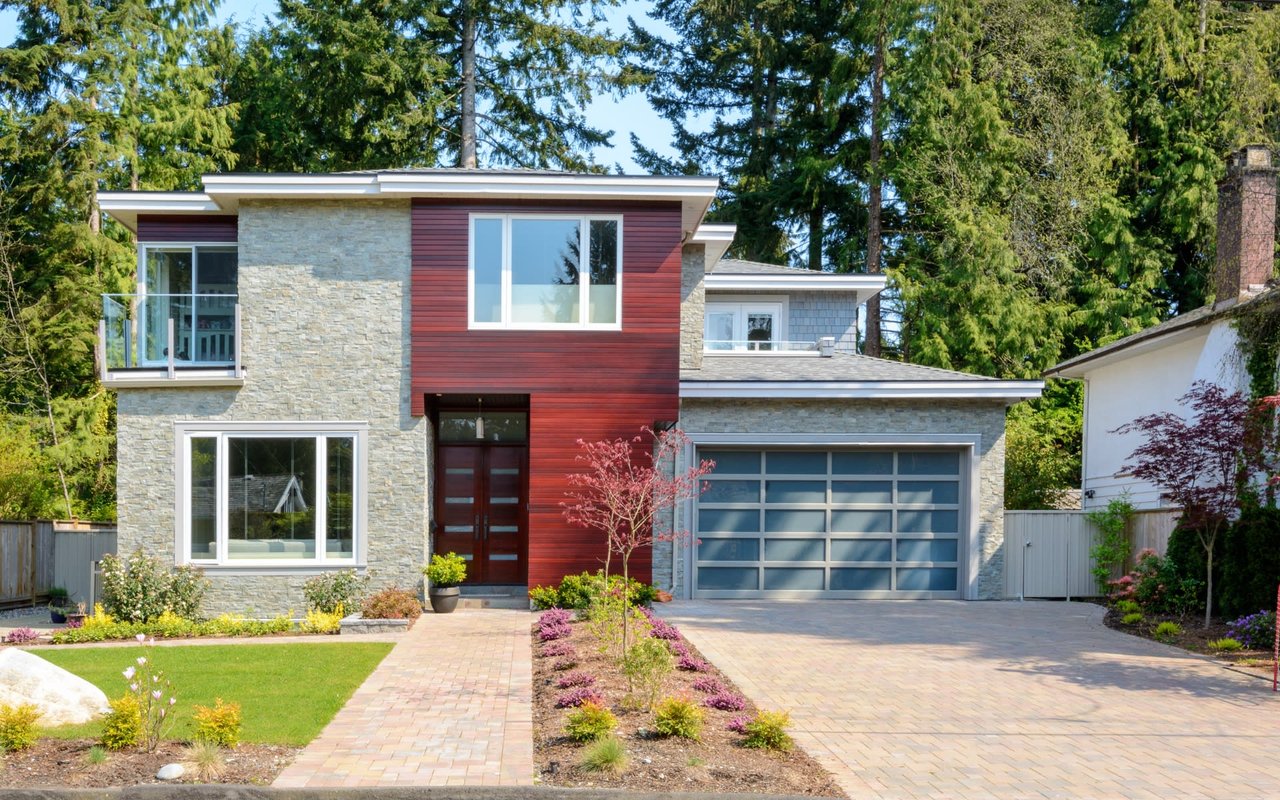
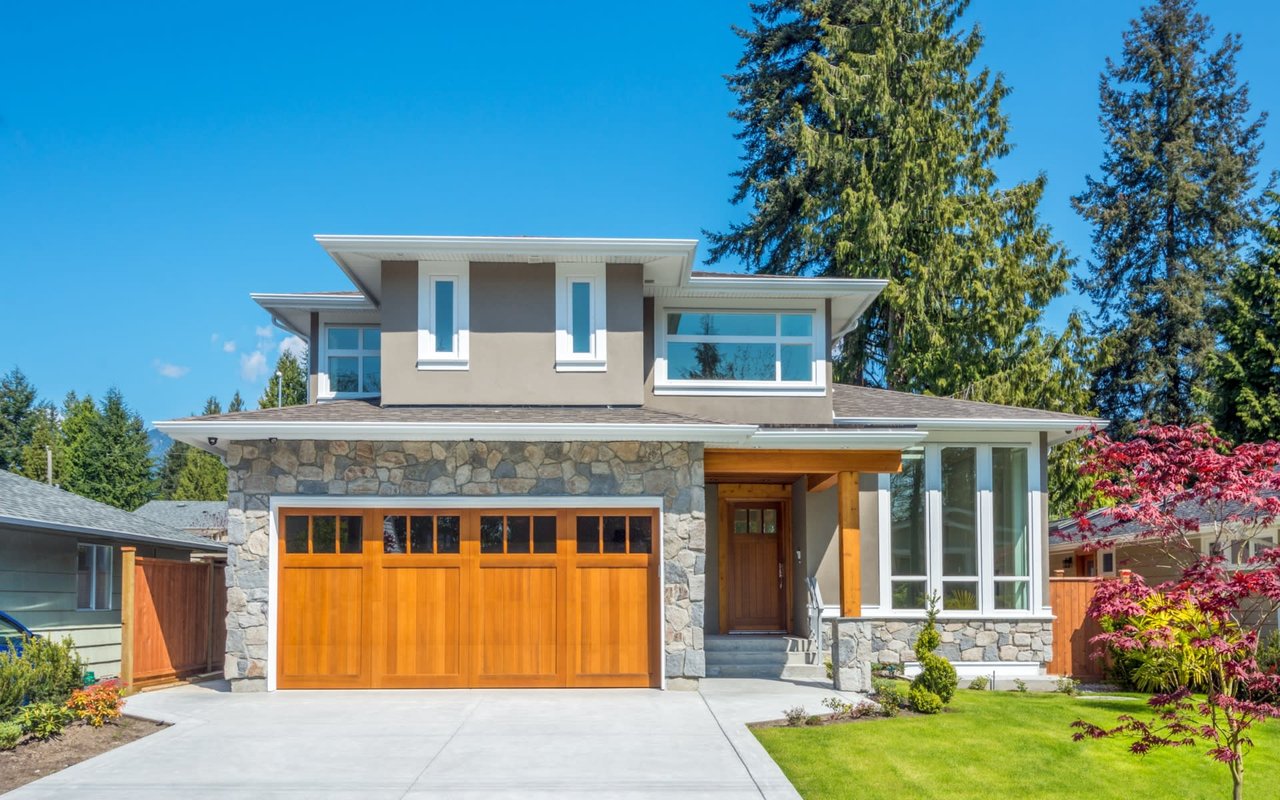
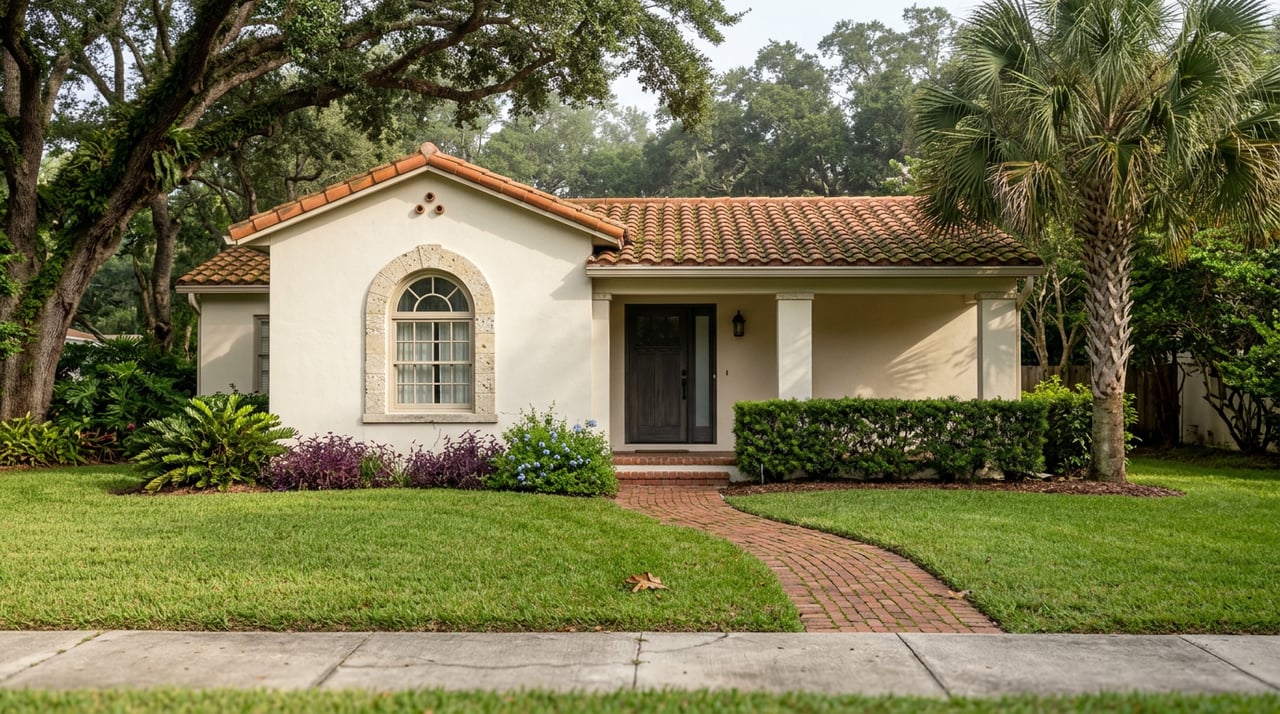
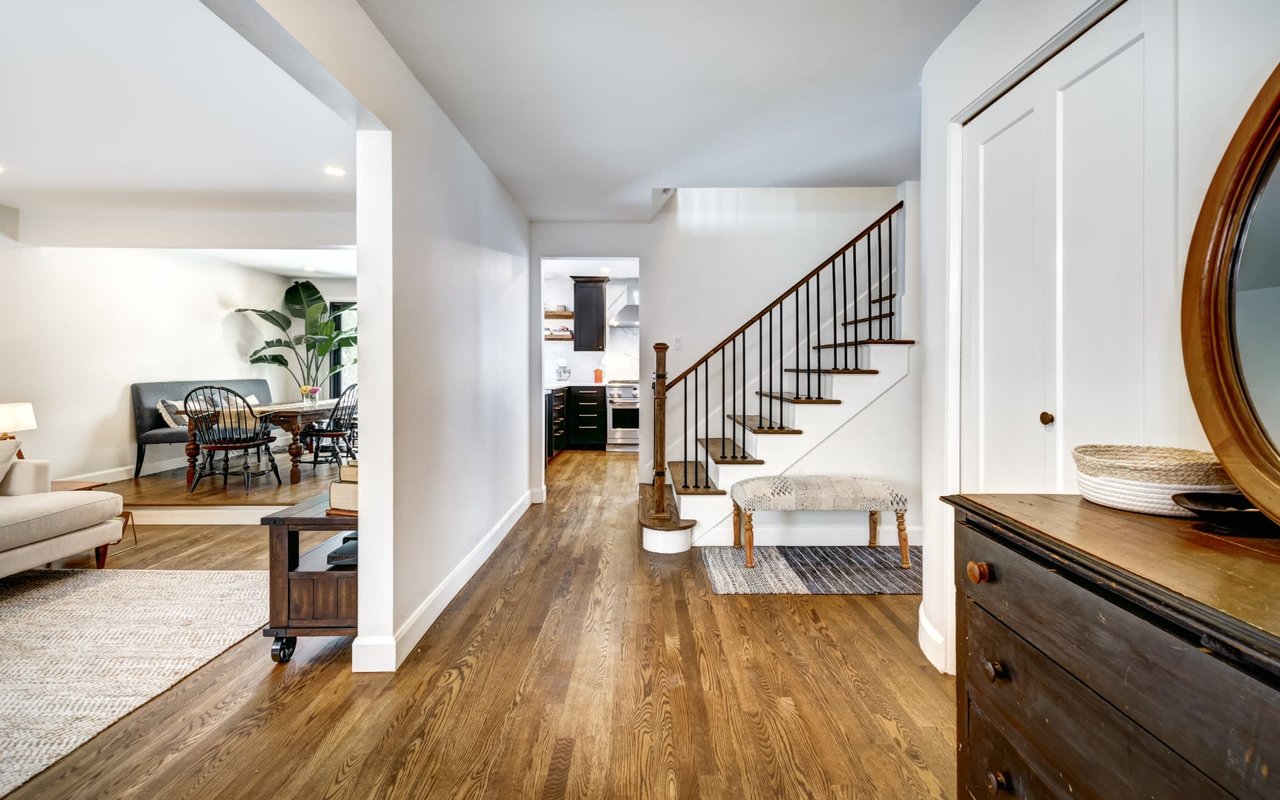
Urban infill refers to development that occurs within already established city areas, often by building new homes or renovating properties on existing lots. In Tampa, these areas typically feature higher density, meaning homes are closer together and surrounded by walkable amenities.
Neighborhoods like Hyde Park, Seminole Heights, Downtown Tampa, and parts of South Tampa are prime examples of areas where urban infill has significantly increased demand.
From Emeri Lewkowicz’s perspective, the appeal of these neighborhoods is simple:
“Buyers who prioritize lifestyle and convenience often gravitate toward Tampa’s more urban communities. Being able to walk to restaurants, parks, coffee shops, and entertainment is incredibly valuable.”
Urban infill areas tend to offer:
-
Walkability and easy access to restaurants and nightlife
-
Shorter commute times to major employment centers
-
Historic homes mixed with modern development
-
Strong appreciation due to limited available land
For investors, these neighborhoods can be particularly attractive because limited supply and high demand often drive property values upward over time.
However, density also means smaller lot sizes, closer neighbors, and sometimes higher purchase prices.
The Appeal of Suburban Space
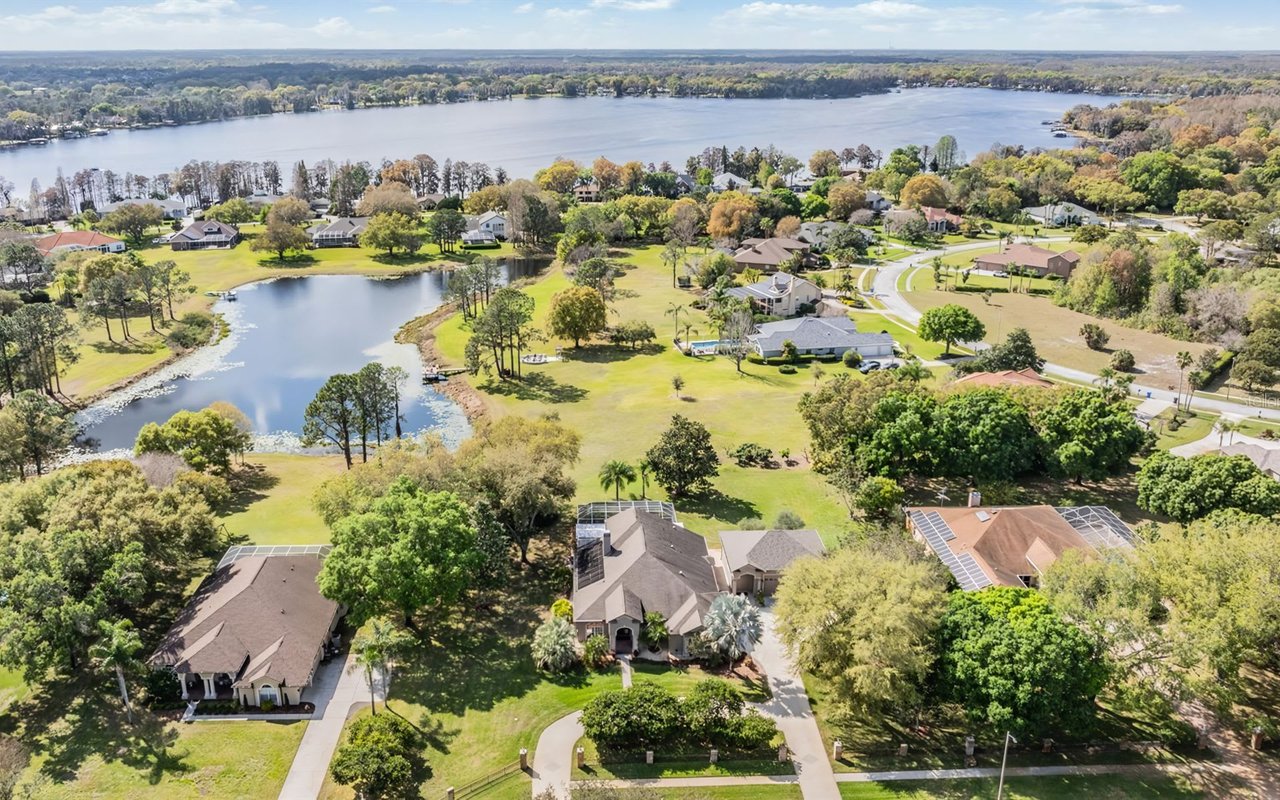
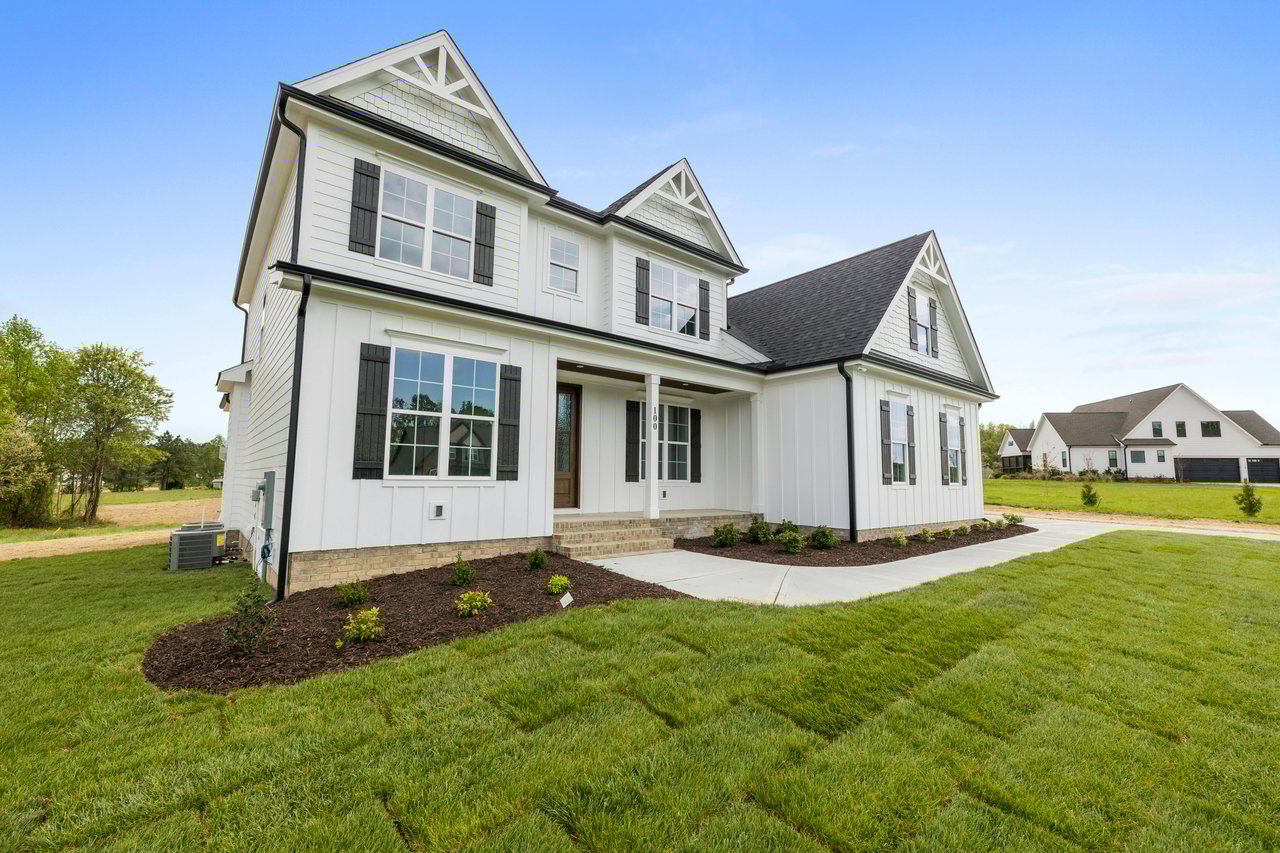
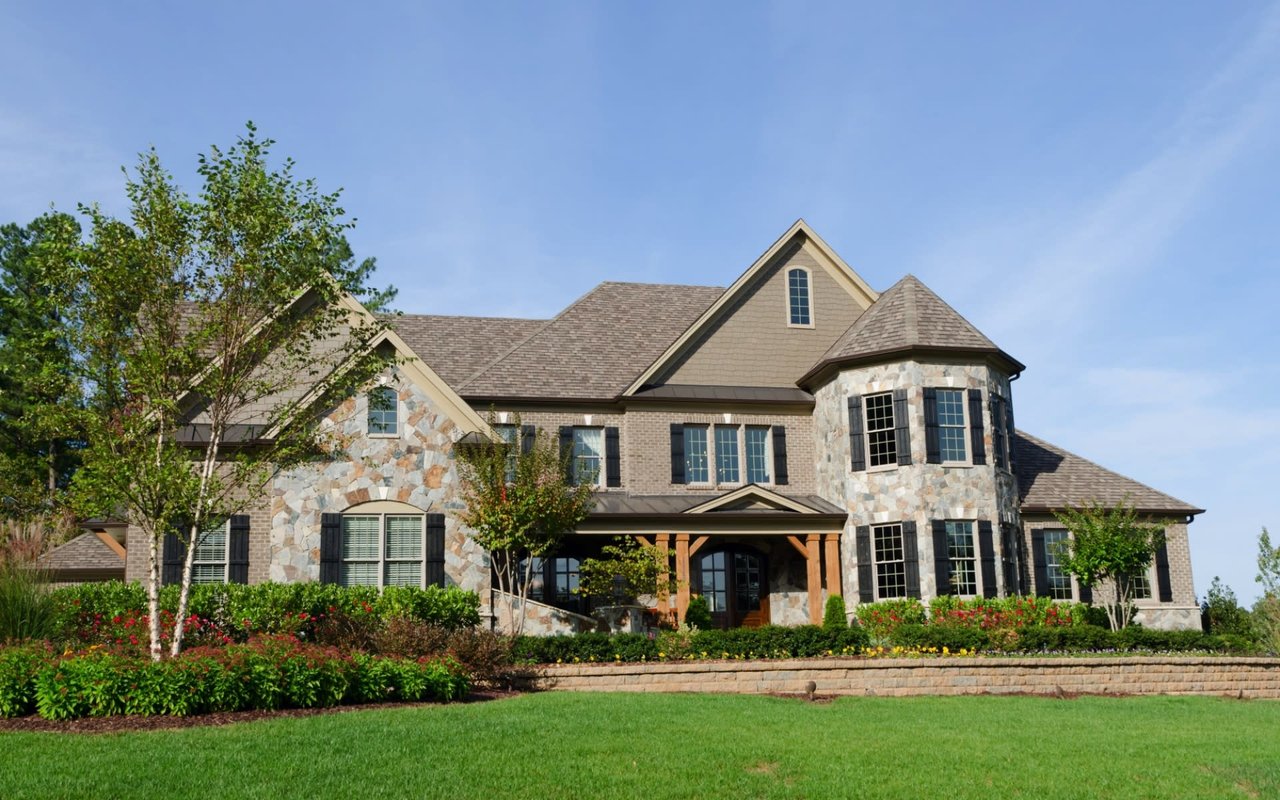
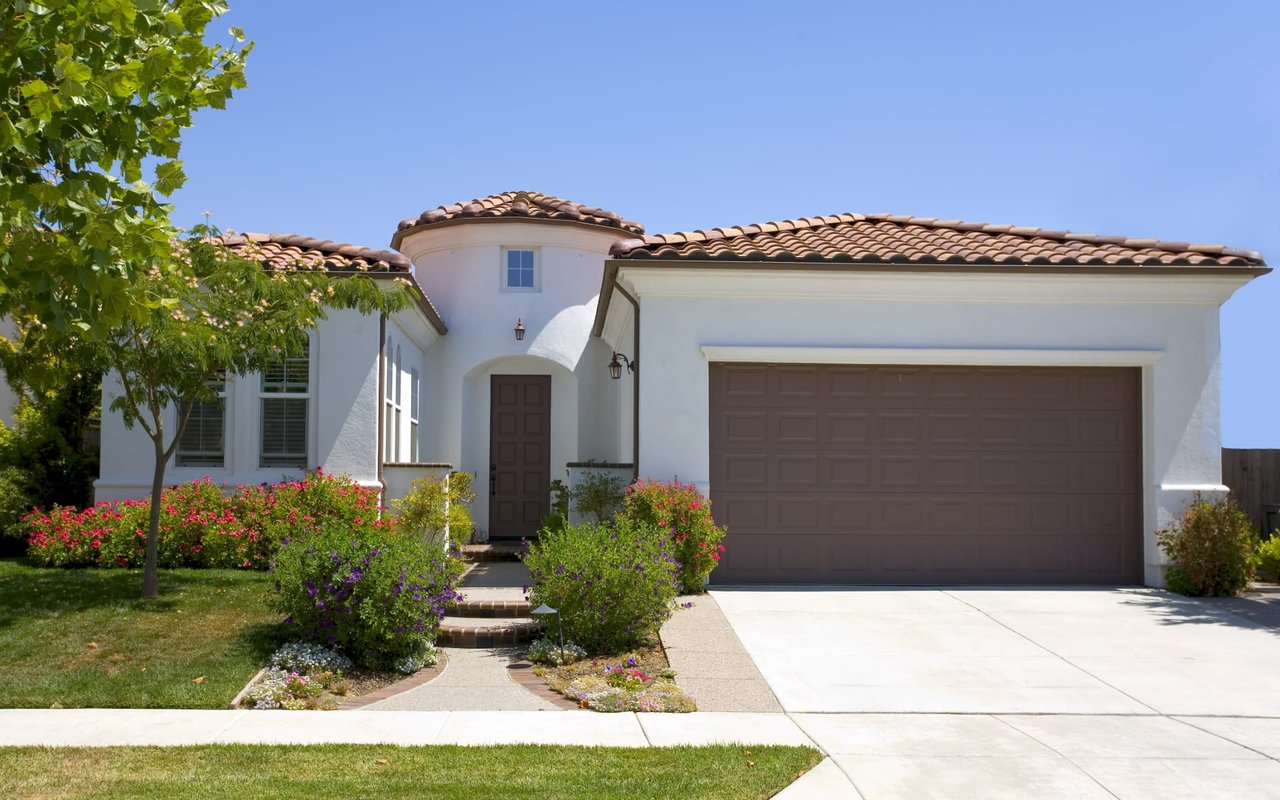
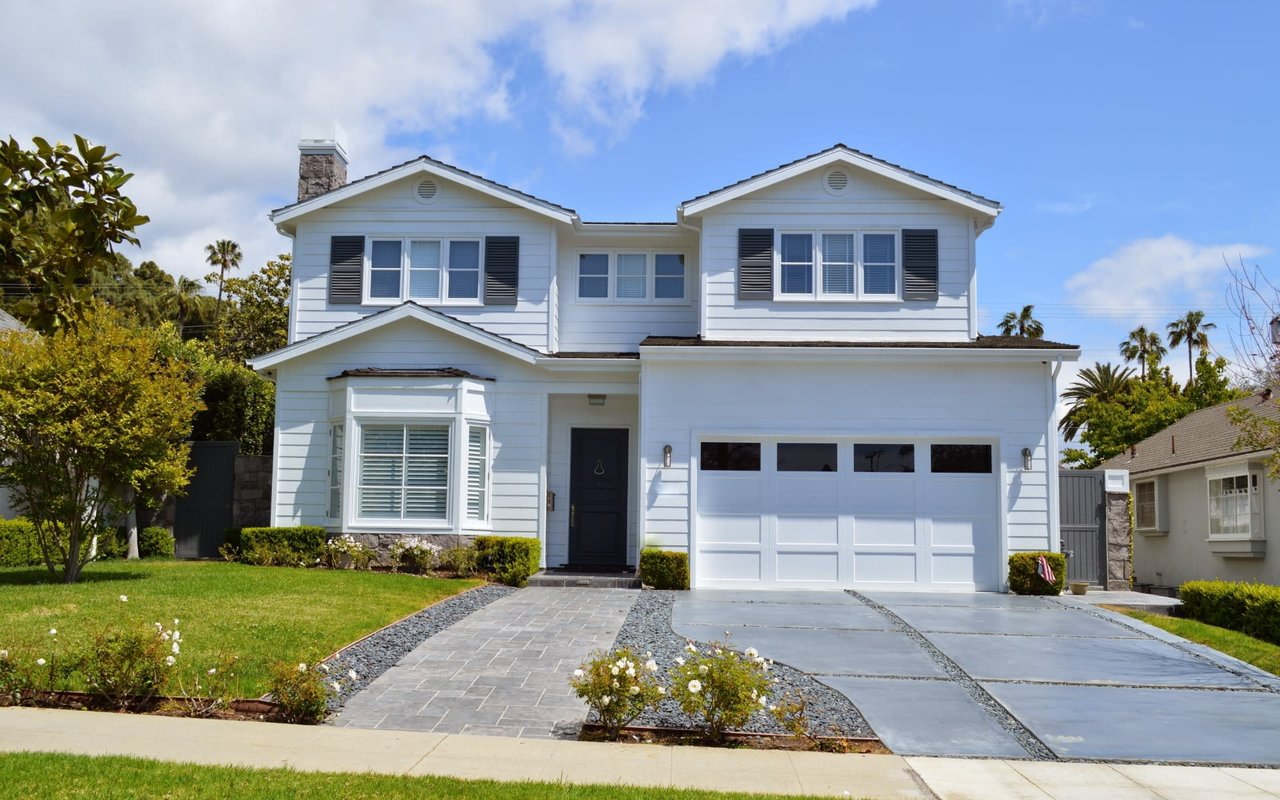
On the other side of the spectrum are Tampa’s suburban communities, where lower density allows for more space, larger homes, and quieter surroundings.
Areas like Wesley Chapel, Land O’ Lakes, Riverview, and parts of Brandon exemplify the suburban lifestyle many buyers seek when moving to the Tampa Bay area.
Joe Lewkowicz often points out that suburban neighborhoods appeal strongly to families and buyers looking for room to grow.
“Many of our clients relocating to Tampa are looking for space — larger yards, newer homes, and master-planned communities with amenities like pools, trails, and parks,” Joe explains.
Suburban areas often provide:
-
Larger homes and more spacious lots
-
Newer construction communities
-
Family-friendly amenities and planned developments
-
Generally lower price per square foot compared to urban cores
For many buyers, suburban density creates a balance between affordability and lifestyle, particularly for those who work remotely or commute only occasionally.
How Density Influences Home Values
Neighborhood density doesn’t just affect lifestyle — it also impacts property value trends.
Urban areas with limited space for development tend to experience stronger appreciation over time, especially as Tampa continues to grow and attract new residents.
Meanwhile, suburban communities often expand outward as builders develop new neighborhoods, which can keep prices more stable while still offering solid long-term growth.
Emeri Lewkowicz frequently advises clients to think about their long-term goals when considering density.
“If your priority is walkability and strong appreciation potential, urban neighborhoods can be incredibly compelling. But if you’re focused on space, lifestyle, and newer construction, suburban communities may offer better value.”
Tampa’s Growth Is Blending Both Worlds
One of the most interesting trends Emeri and Joe have observed over the years is how Tampa is blending urban and suburban living.
Mixed-use developments, revitalized neighborhoods, and thoughtfully designed master-planned communities are creating new options that combine walkability with space.
This evolution means buyers don’t necessarily have to choose strictly between dense urban living or suburban sprawl. Many Tampa communities now offer a hybrid lifestyle that provides both convenience and comfort.
Expert Guidance Matters in a Growing Market
With Tampa’s population continuing to grow and new development shaping the region’s housing landscape, understanding how neighborhood density influences desirability is more important than ever.
That’s where experienced local guidance makes a difference.
With more than four decades of combined real estate experience in the Tampa Bay market, Emeri and Joe Lewkowicz help buyers, sellers, and investors evaluate neighborhoods not just based on current conditions, but on how those areas are likely to evolve in the future.
Whether you’re drawn to the energy of Tampa’s urban neighborhoods or the spacious comfort of suburban communities, choosing the right location can make all the difference in both lifestyle and long-term value.