If you’ve been exploring homes in the Tampa Bay area, you’ve probably come across listings that mention “conservation views,” “protected wetlands,” or “backing up to nature preserve.” For many buyers, these properties are incredibly appealing—and for good reason. But purchasing a home near wetlands or conservation areas also comes with some important considerations.
As Tampa real estate experts with more than 40 years of combined experience, Emeri and Joe Lewkowicz of The Lewkowicz Group have guided countless buyers through these types of purchases. Here’s what they want every Tampa buyer to understand before making an offer.
The Benefits of Living Near Conservation Land
One of the biggest advantages of buying a home near wetlands or conservation areas is the lifestyle it offers.
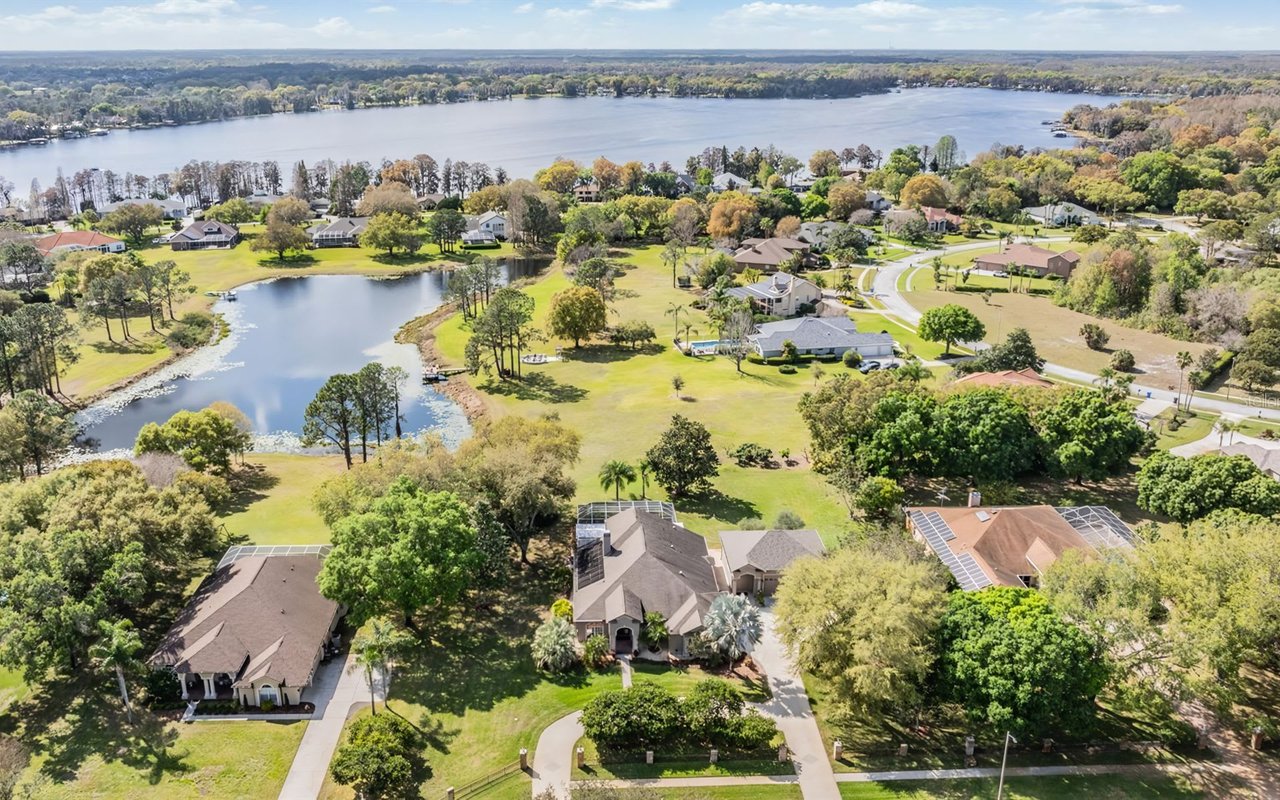
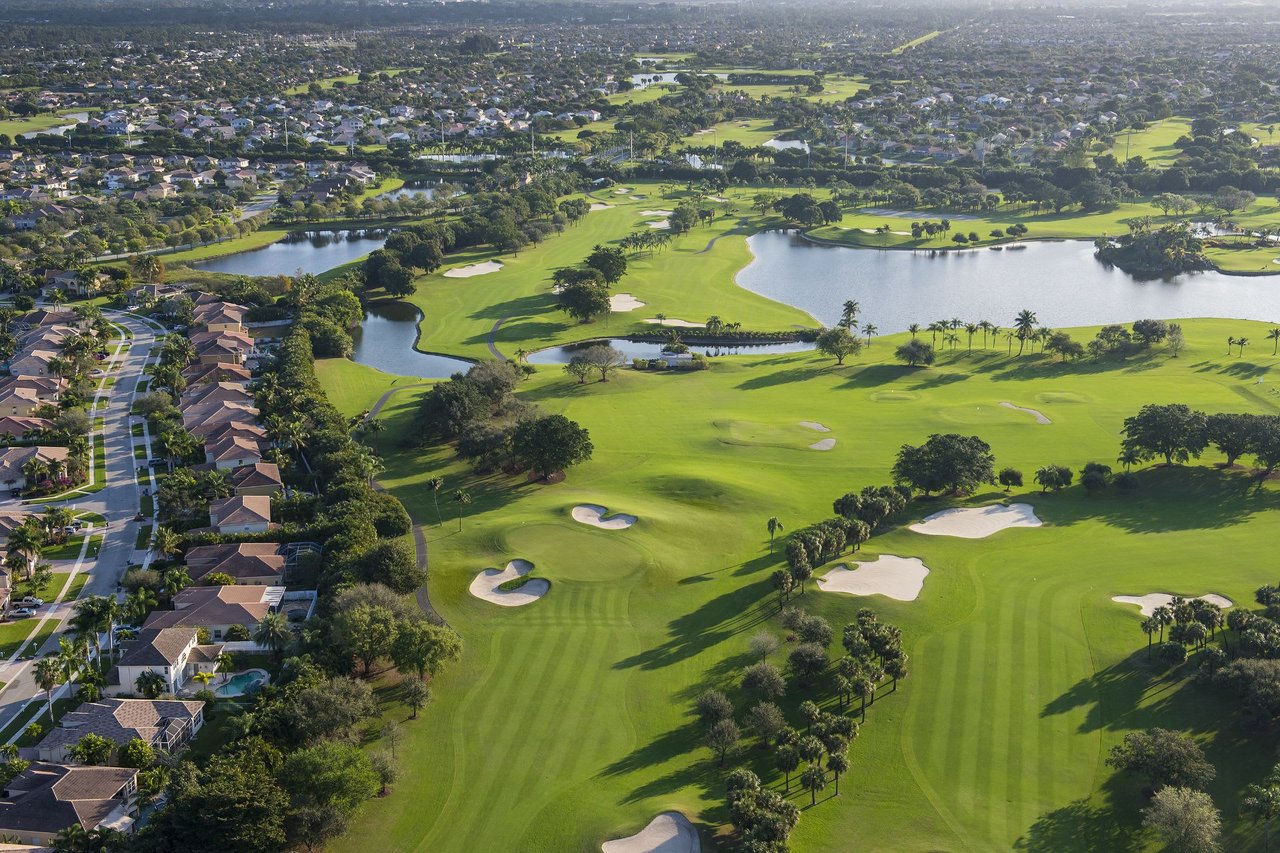
Many Tampa communities—especially in areas like New Tampa, Wesley Chapel, Land O’ Lakes, and parts of Riverview—were thoughtfully designed to preserve Florida’s natural environment. That means many homes enjoy peaceful wooded views, natural buffers between neighbors, and abundant wildlife.
Buyers often love the privacy that comes with conservation-backed homes. Instead of another house directly behind you, you may have protected green space that will remain undeveloped.
“Many of our clients specifically request homes with conservation views,” says Emeri Lewkowicz. “They love the idea of waking up to nature, having extra privacy, and knowing that land behind their home is protected.”
It can also help protect long-term property value. Because conservation land typically cannot be developed, buyers have more certainty about what their view will look like in the future.
Flood Zones and Environmental Regulations
However, homes near wetlands can sometimes come with additional regulations or environmental considerations.
In Tampa Bay, wetlands are protected by environmental agencies and local municipalities. This means certain activities—like expanding a backyard, building a pool, or installing a fence—may require additional approvals if the property borders protected land.
Joe Lewkowicz often advises buyers to fully understand these boundaries before purchasing.
“We always encourage buyers to review the survey and property boundaries carefully,” Joe explains. “Just because you see open space behind the home doesn’t necessarily mean you can use it or modify it.”
Another important factor is flood zones. Some homes near wetlands may fall within designated flood zones, which could require flood insurance depending on the lender and elevation of the property. However, not all conservation homes are in high-risk zones—this is where local expertise matters.
The Lewkowicz Group helps buyers evaluate FEMA flood maps, elevation certificates, and insurance requirements before moving forward with a purchase.
Wildlife and Natural Surroundings
Living near wetlands also means living closer to Florida’s natural ecosystem. While many homeowners enjoy seeing birds, turtles, and other wildlife, it’s important to understand what comes with that environment.
Depending on the location, residents may occasionally see deer, wading birds, or even the occasional alligator near ponds or marsh areas.
Emeri notes that this is simply part of living in Florida’s unique environment.
“Most of our clients see it as a positive,” Emeri says. “These communities are designed to coexist with nature. But we always make sure buyers understand what to expect so there are no surprises.”
Proper landscaping, secure fencing where permitted, and simple awareness of surroundings usually make this a very manageable aspect of living near conservation land.
HOA and Community Guidelines
Many Tampa communities built near wetlands are part of master-planned neighborhoods with homeowner associations. These HOAs often have guidelines designed to protect both the environment and the neighborhood’s aesthetics.
This can include rules about fencing types, landscaping restrictions, or backyard structures near conservation areas.
Joe emphasizes the importance of reviewing these rules during the homebuying process.
“HOA documents can tell you a lot about what’s allowed and what isn’t,” Joe says. “Our job is to help buyers understand those details before they commit to a property.”
Why Local Expertise Matters
Buying a home near wetlands or conservation areas isn’t necessarily complicated—but it does require the right guidance.
With more than four decades of combined experience in the Tampa market, Emeri and Joe Lewkowicz understand the nuances of these properties—from flood zones and permitting considerations to long-term resale value.
“Every home is different,” Emeri explains. “Some conservation properties are incredible opportunities, and others require a little more due diligence. Our goal is to help buyers make confident, informed decisions.”
For buyers who value privacy, natural scenery, and peaceful surroundings, conservation-backed homes can be some of the most desirable properties in the Tampa Bay area.
And with the right guidance from The Lewkowicz Group, navigating the process becomes much easier.