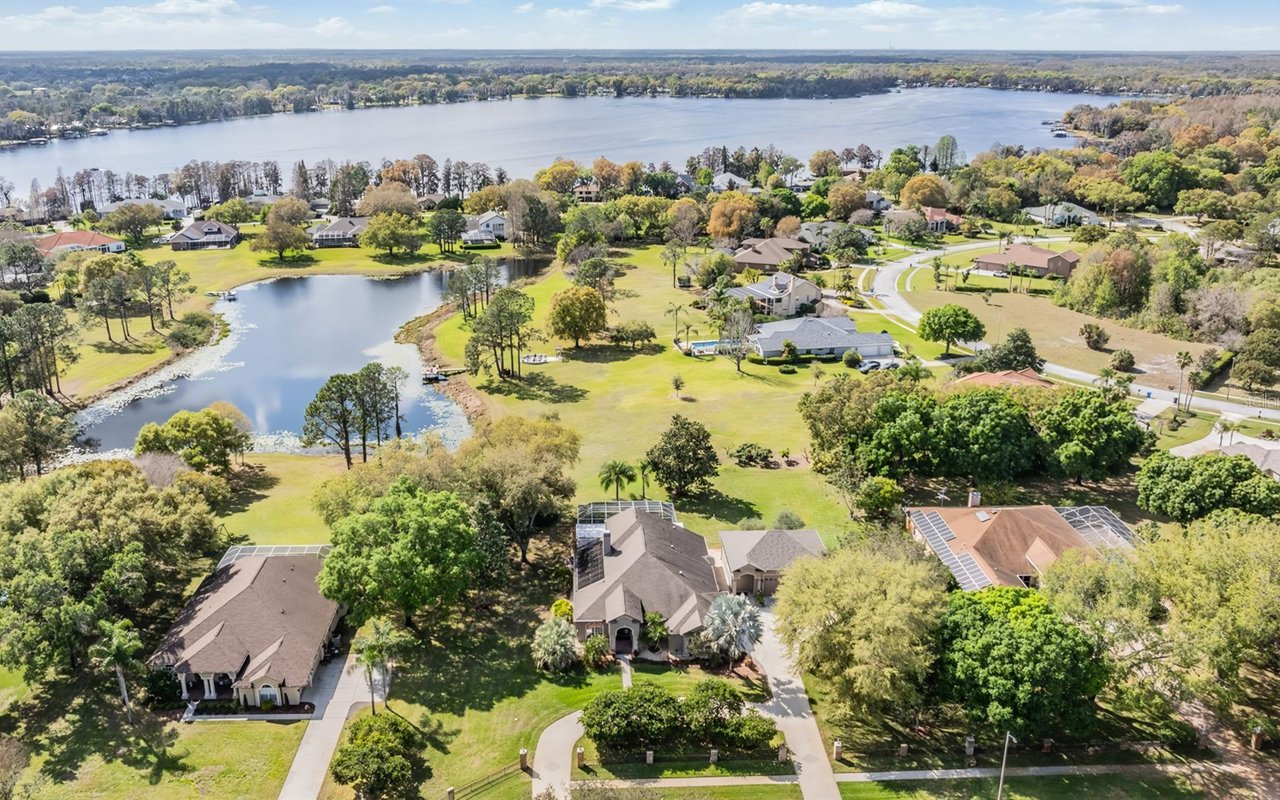
For real estate investors, purchasing a larger property in Odessa, Florida, can present an exciting opportunity. A parcel with substantial acreage may offer the potential to create multiple homesites, increase resale value, or develop a property in phases. However, before assuming that a large lot can be divided into smaller parcels, investors need to understand the zoning, land-use regulations, infrastructure requirements, and financial considerations involved.
As Tampa real estate experts, Emeri and Joe Lewkowicz believe that successful land investments start with thorough research—not assumptions. With more than 40 years of combined real estate experience, they understand the importance of looking beyond a property's size and purchase price to determine what the land can realistically support.
In Odessa, where larger residential properties, rural settings, and developing areas create different investment possibilities, understanding the subdivision process is especially important.
Here's what investors should investigate before moving forward.
1. Start With Zoning and Future Land Use Designations
The first step is determining whether the property can legally be divided under its current zoning classification.
A large Odessa property may look suitable for multiple homesites, but acreage alone does not determine how many parcels can be created. Investors need to examine:
Current zoning classification and permitted residential uses.
Future Land Use designation and allowable density.
Minimum lot size and width requirements.
Required front, side, and rear setbacks.
Maximum allowable residential density.
Whether rezoning or other land-use approvals would be necessary.
Emeri and Joe always encourage investors to verify these details before making an offer. Hillsborough County provides a Map Viewer where buyers can research zoning, future land use, and flood-zone information. Its Land Development Code outlines the regulations governing development and subdivision.
Hillsborough County, FL+1
It's also important to confirm which county has jurisdiction. Odessa includes properties in both Hillsborough and Pasco counties, and development requirements can differ depending on the property's exact location.
2. Evaluate the Property's Physical Layout and Survey
Once the zoning looks promising, the next step is understanding the actual dimensions and physical characteristics of the land.
A professional boundary survey can help investors determine whether the property can accommodate separate parcels while meeting local requirements.
Look closely at:
Total acreage and property boundaries.
Existing buildings, driveways, and structures.
Easements and recorded restrictions.
Road frontage and potential access points.
Wetlands, conservation areas, and drainage features.
Existing wells, septic systems, and utility connections.
Joe often emphasizes that the usable acreage is just as important as the total acreage. A property advertised as five acres may have considerably less developable land if portions are affected by wetlands, drainage requirements, easements, or other restrictions.
Emeri also recommends examining how each proposed parcel would function independently. A parcel that looks attractive on a survey still needs practical access, adequate space for a home, and the necessary infrastructure.
3. Investigate Access, Utilities, and Infrastructure
One of the biggest challenges in dividing larger properties is ensuring that every new parcel can be properly served.
Investors should investigate whether each proposed lot can access a public road or qualify for an approved access easement. They should also determine whether public water and sewer connections are available or whether individual wells and septic systems would be necessary.
For properties in unincorporated Hillsborough County, the certified parcel process includes requirements involving lot size, utilities, and legal access.
For example, the county identifies one-half acre as a minimum size for its septic-related certified parcel option, increasing to one acre within a wellfield protection area. These are specific certification criteria, not a guarantee that every parcel of that size can be subdivided.
Hillsborough County, FL+1
Road improvements, drainage, stormwater management, and utility extensions can also add substantial costs.
4. Understand the Subdivision Approval Process
Investors should not confuse creating separate tax parcels with obtaining legal approval to develop separate lots.
In Hillsborough County, a property owner seeking to create one additional lot may need certified parcel approval. If more than one additional lot is proposed, formal subdivision review may be required.
The county's development process generally involves zoning review, site and subdivision review, and building permitting. Engineering reviews may evaluate transportation, infrastructure, utilities, drainage, and natural resources.
Hillsborough County, FL+1
Emeri and Joe recommend consulting a local land-use attorney, surveyor, and civil engineer early in the process. Their expertise can help identify potential approval issues before investors commit significant money.
5. Calculate the Financial Feasibility
Even when subdivision is legally possible, investors need to determine whether it makes financial sense.
Consider the following expenses:
Land acquisition and closing costs.
Surveying and engineering fees.
Zoning and subdivision application fees.
Environmental assessments.
Road, drainage, and utility improvements.
Site preparation and permitting.
Construction costs, financing, and holding expenses.
Compare these expenses against the projected resale value of individual lots or the potential returns from developing homes on each parcel.
Emeri and Joe encourage investors to evaluate multiple exit strategies. Selling approved vacant lots may offer a different financial outcome than building homes and selling completed properties.
6. Study the Odessa Market Before Committing
Finally, understand who would actually purchase the newly created parcels.
Odessa attracts buyers looking for space, privacy, larger homesites, and convenient access to surrounding Tampa-area communities. However, demand can vary considerably depending on location, road access, parcel size, and nearby development.
With more than 40 years of combined experience, Emeri and Joe Lewkowicz bring valuable insight into evaluating local buyer demand, comparable property sales, neighborhood trends, and potential resale opportunities.
They can help investors look beyond the land itself and consider how each proposed parcel would compete in the local marketplace.
Make Your Next Odessa Land Investment a Smart One
Dividing a larger Odessa property into separate parcels can create an attractive investment opportunity, but success depends on understanding the regulations, physical limitations, development expenses, and market demand before moving forward.
At The Lewkowicz Group, Emeri and Joe Lewkowicz believe informed investors make better real estate decisions. Their extensive Tampa Bay market knowledge and more than four decades of combined experience can help buyers evaluate opportunities, identify potential challenges, and make decisions based on realistic investment goals.
Thinking about purchasing or subdividing land in Odessa, FL? Connect with Emeri and Joe Lewkowicz at The Lewkowicz Group. They can help you evaluate the opportunity and take a more informed approach to your next real estate investment.