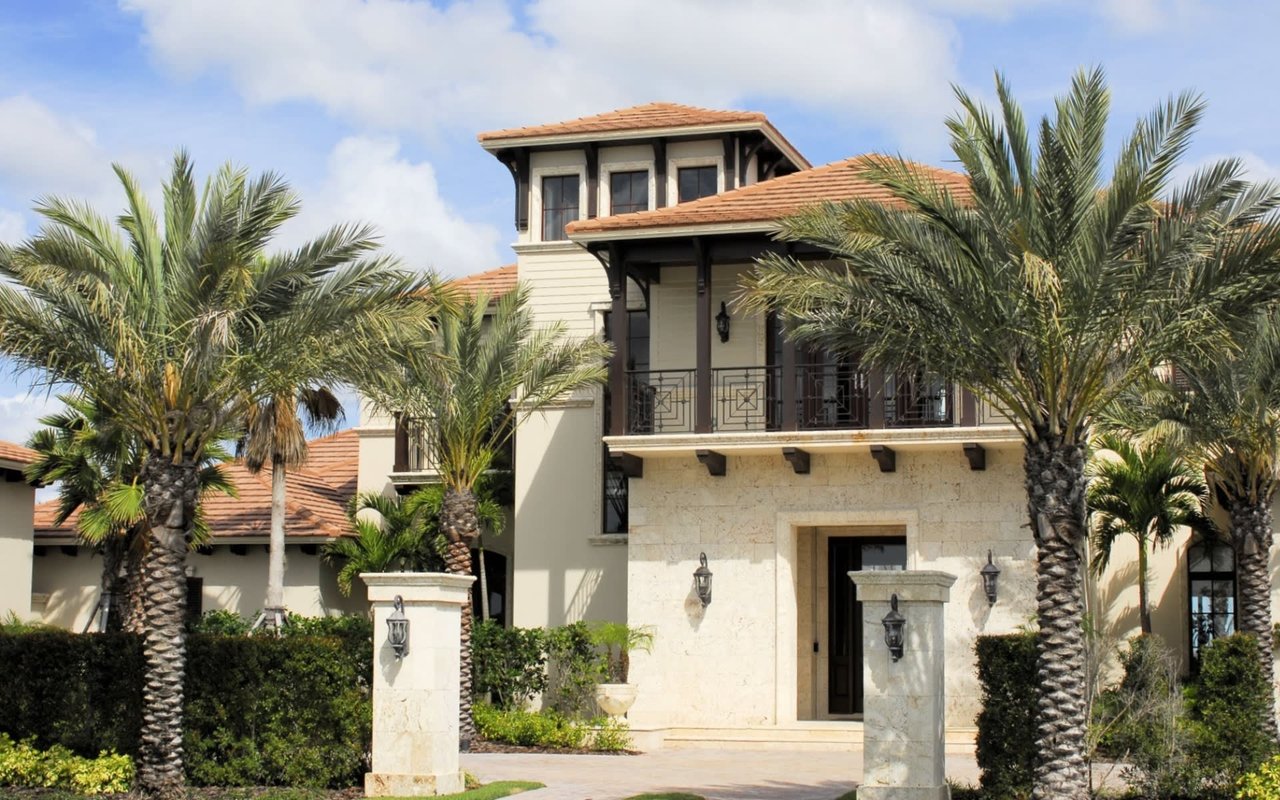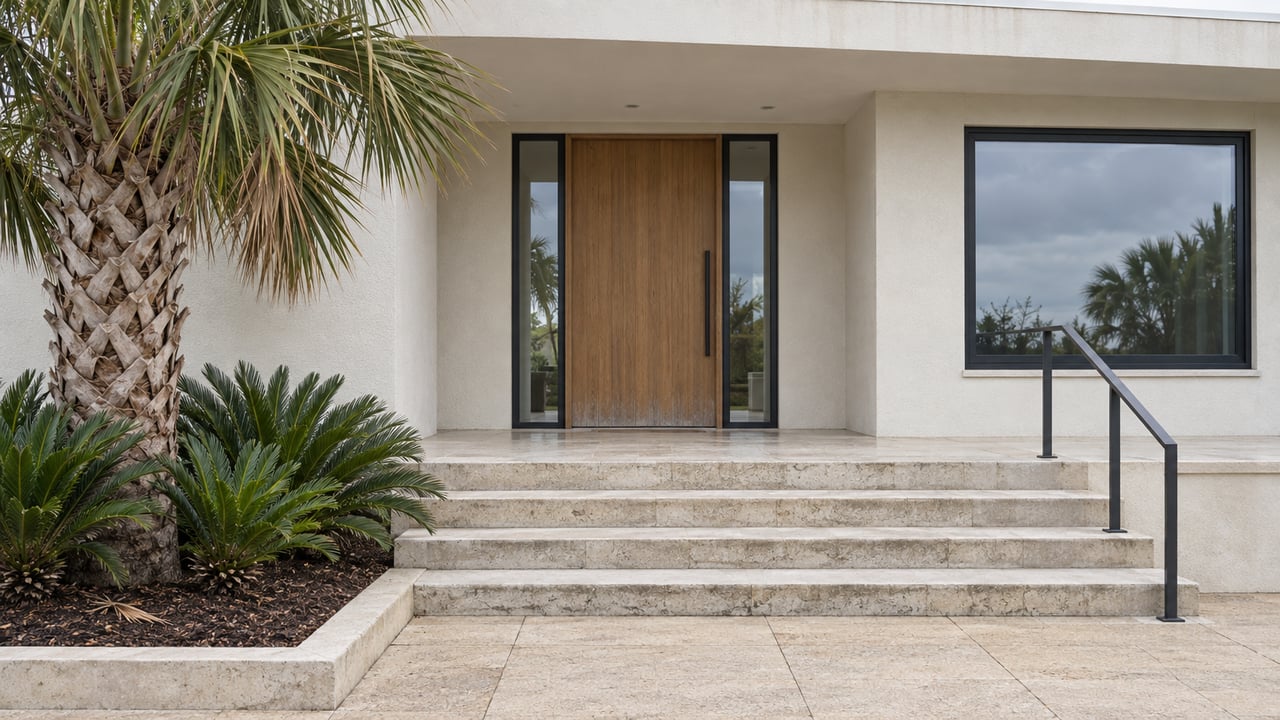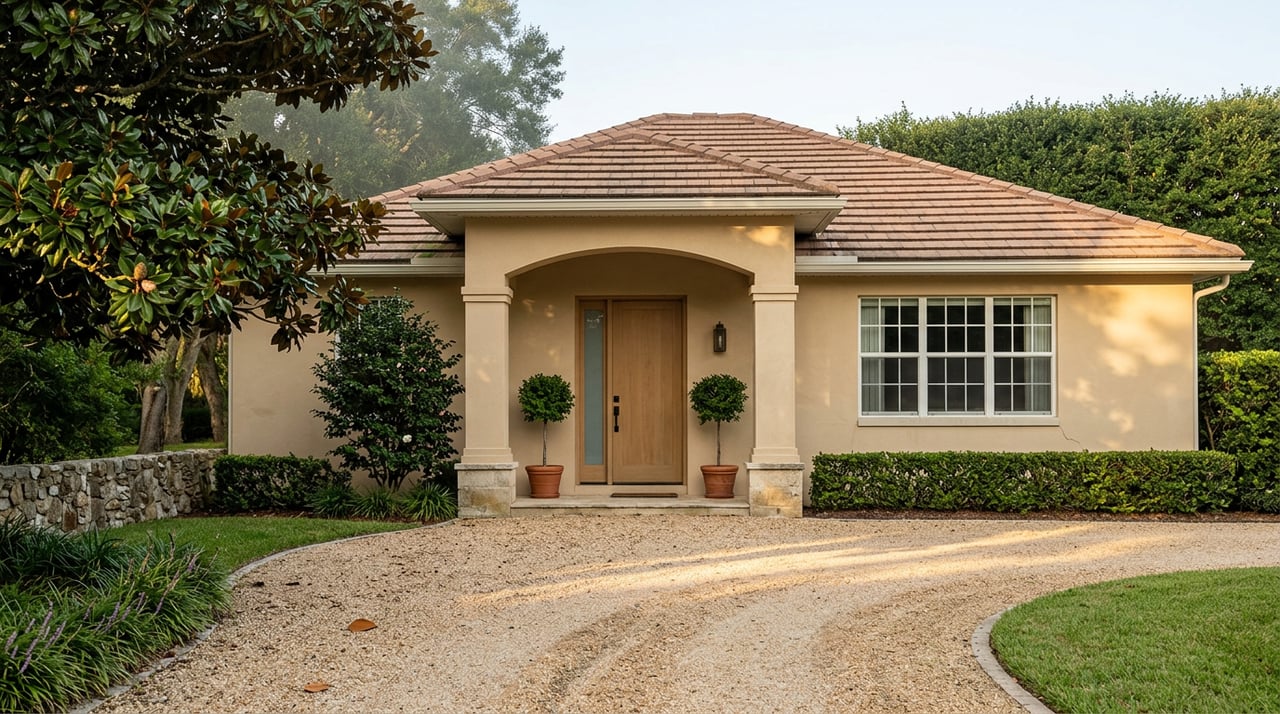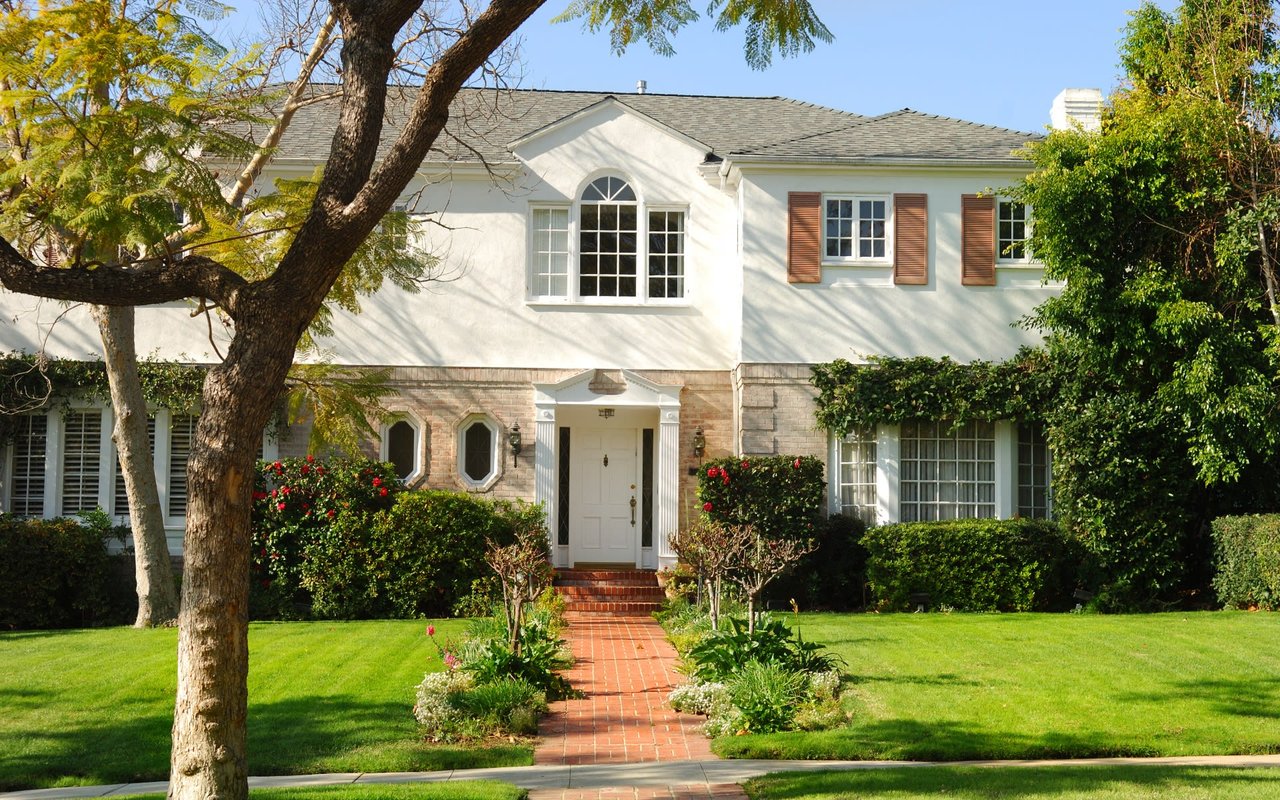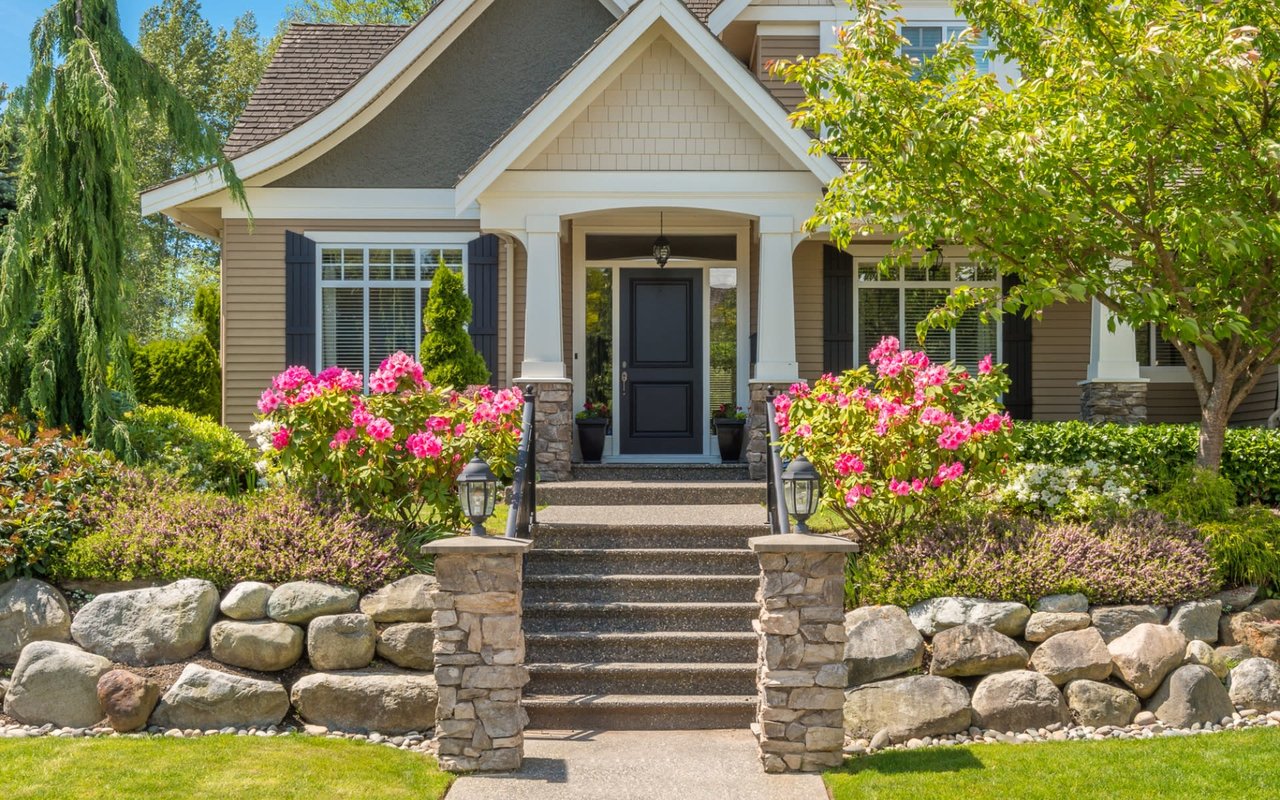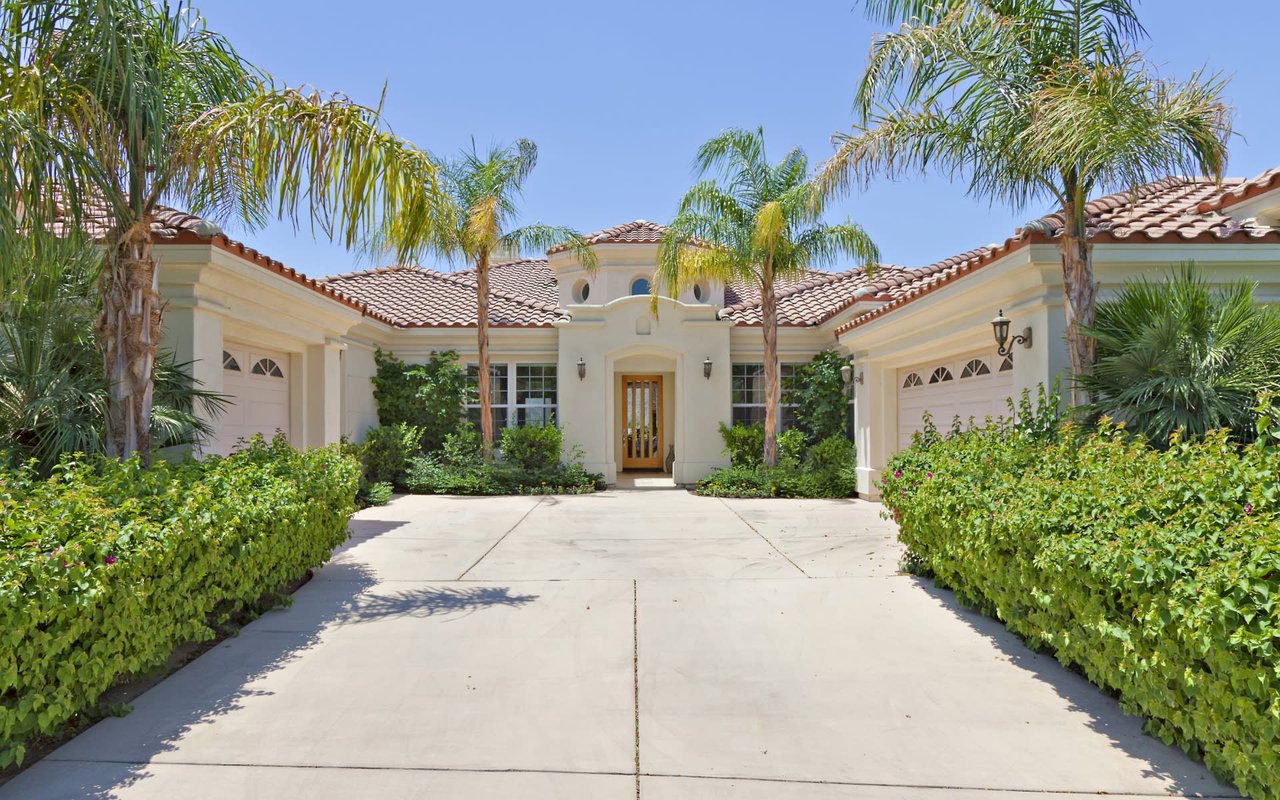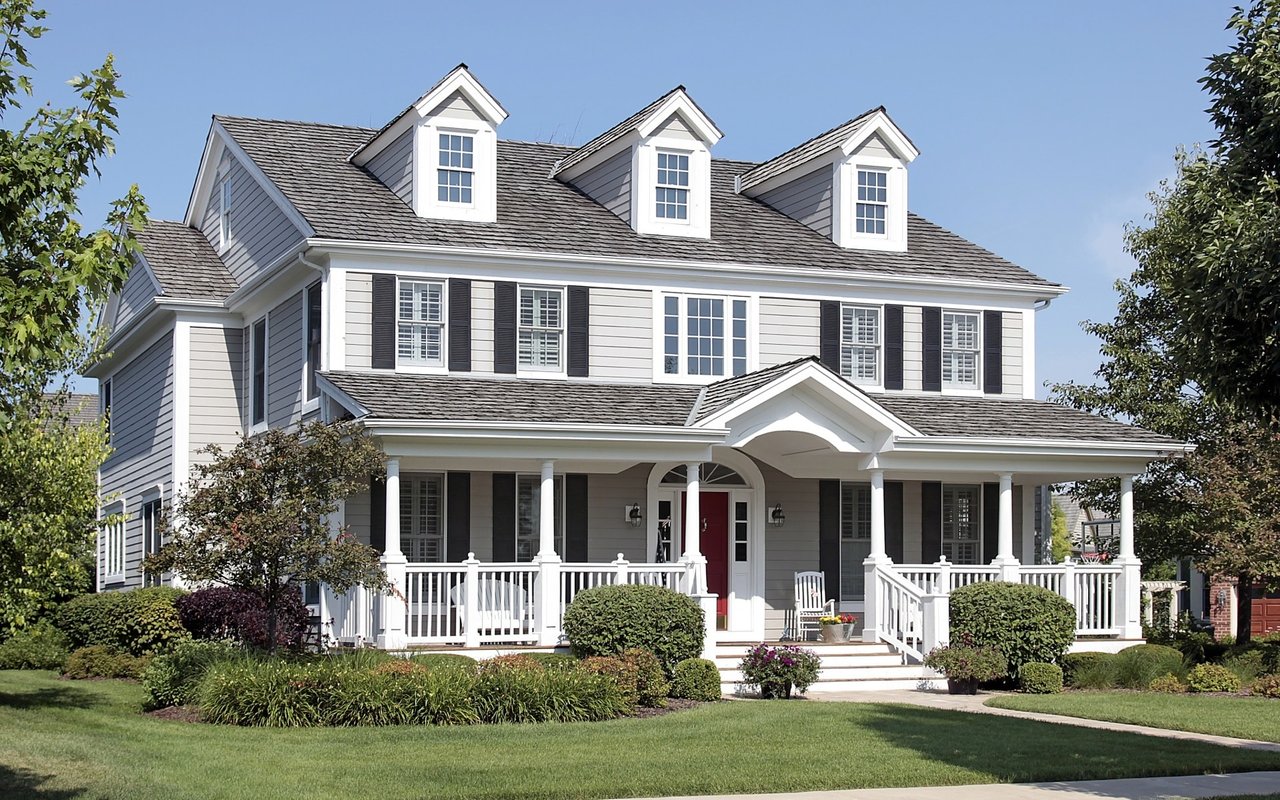
When buying a home in Odessa, Florida, it's easy to get caught up in the things you can immediately see: a beautiful backyard, spacious interiors, a quiet neighborhood, or a scenic waterfront view. But there's another important factor buyers should never overlook: how water moves across and around the property.
Drainage patterns and elevation changes can have a significant impact on a home's long-term condition, maintenance costs, and overall value. In an area like Odessa, where properties can range from established residential neighborhoods to larger homes on expansive lots and properties near lakes and conservation areas, understanding the land is just as important as evaluating the house itself.
As Tampa Bay real estate experts, we've spent more than 40 combined years helping buyers navigate this market. We're Emeri and Joe Lewkowicz of The Lewkowicz Group, and one thing we've learned is that a property's appeal should always be balanced with a careful look at what lies beneath the surface.
Here's what we recommend investigating before purchasing a home in Odessa.
Understand How Water Moves Across the Property
Florida's heavy seasonal rainfall makes proper drainage especially important. During the summer rainy season, a property that appears perfectly dry during a showing may experience standing water after several hours of intense rainfall.
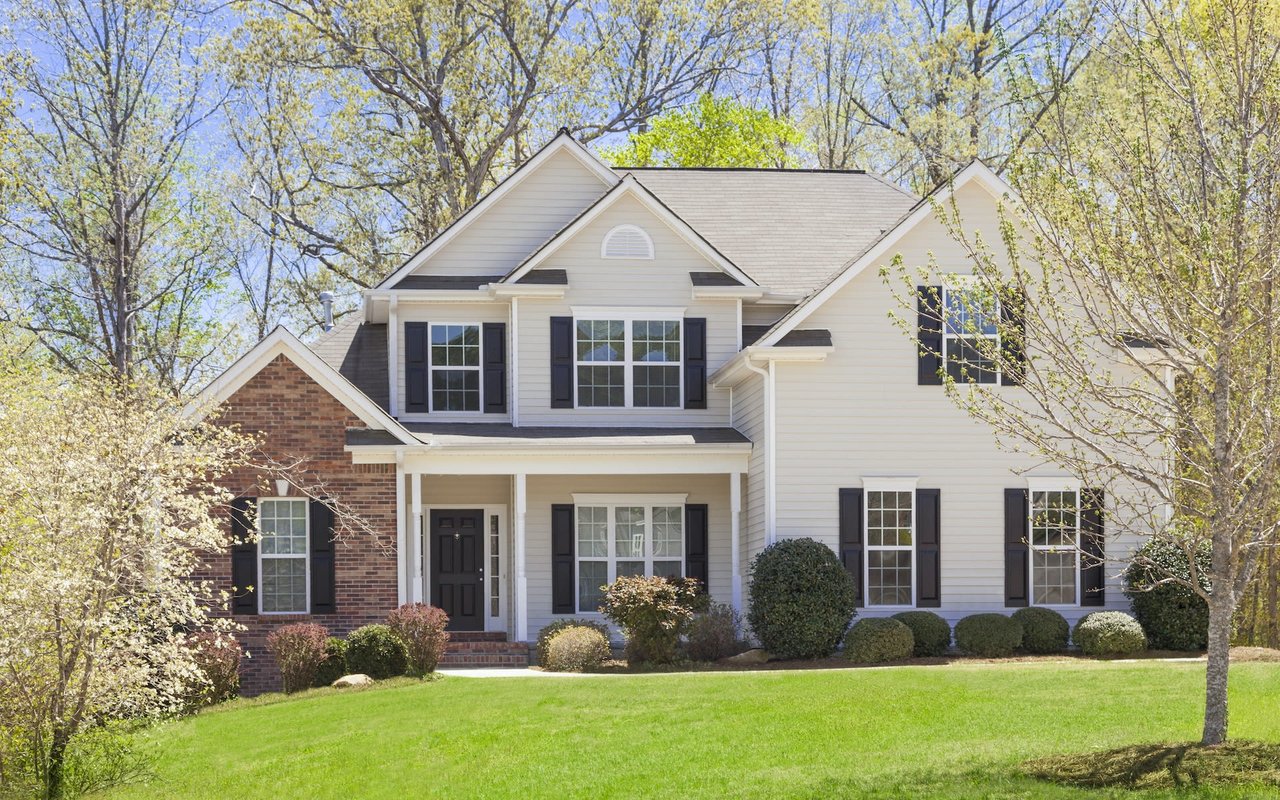
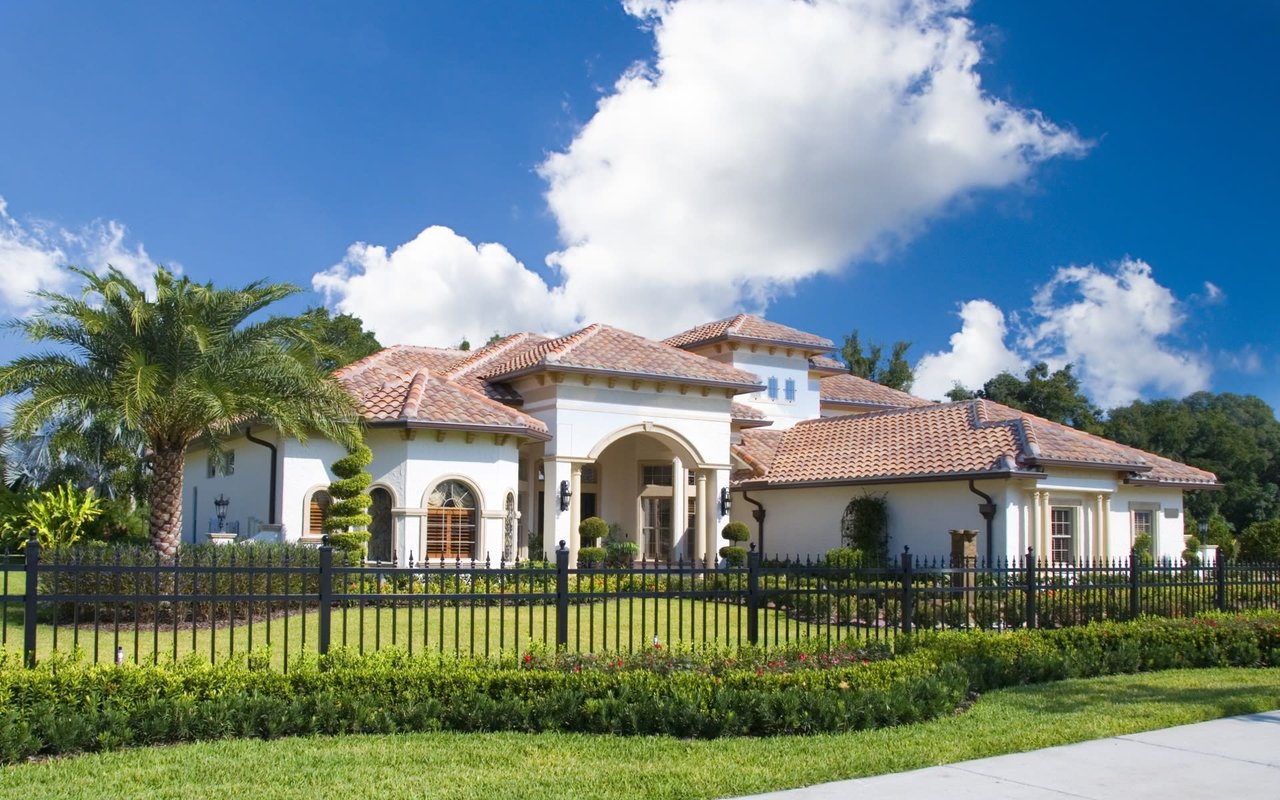
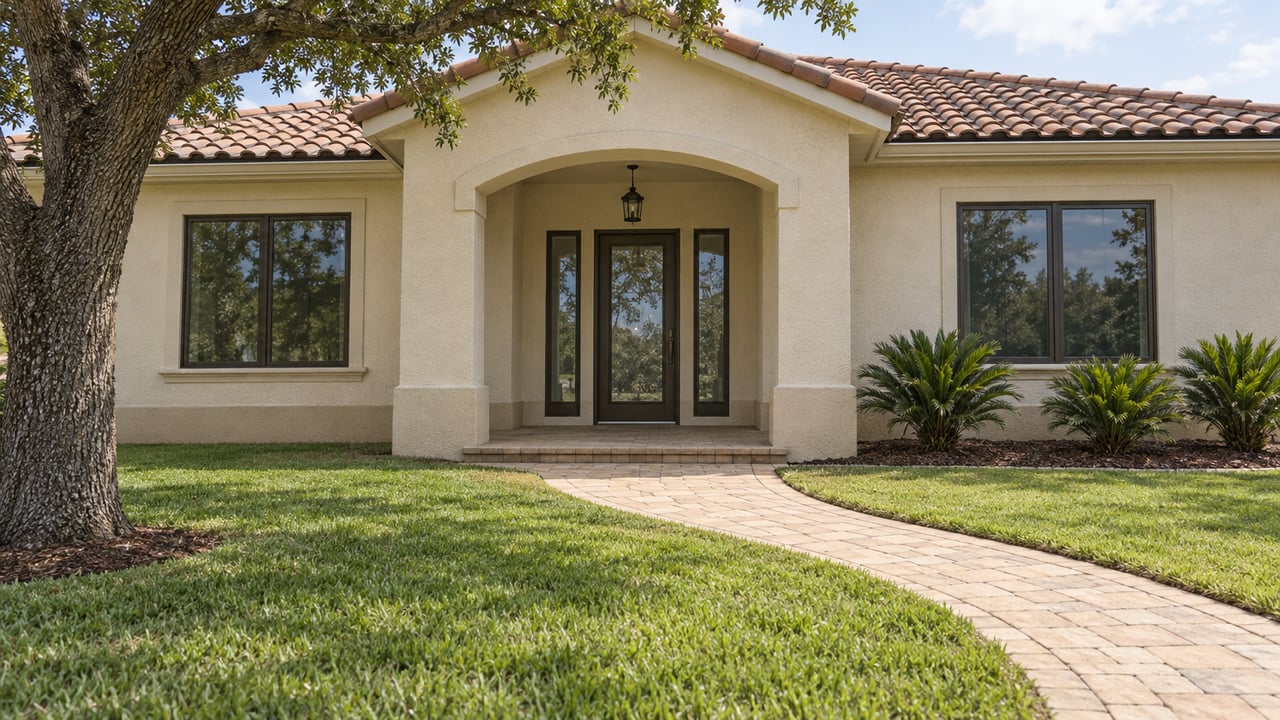
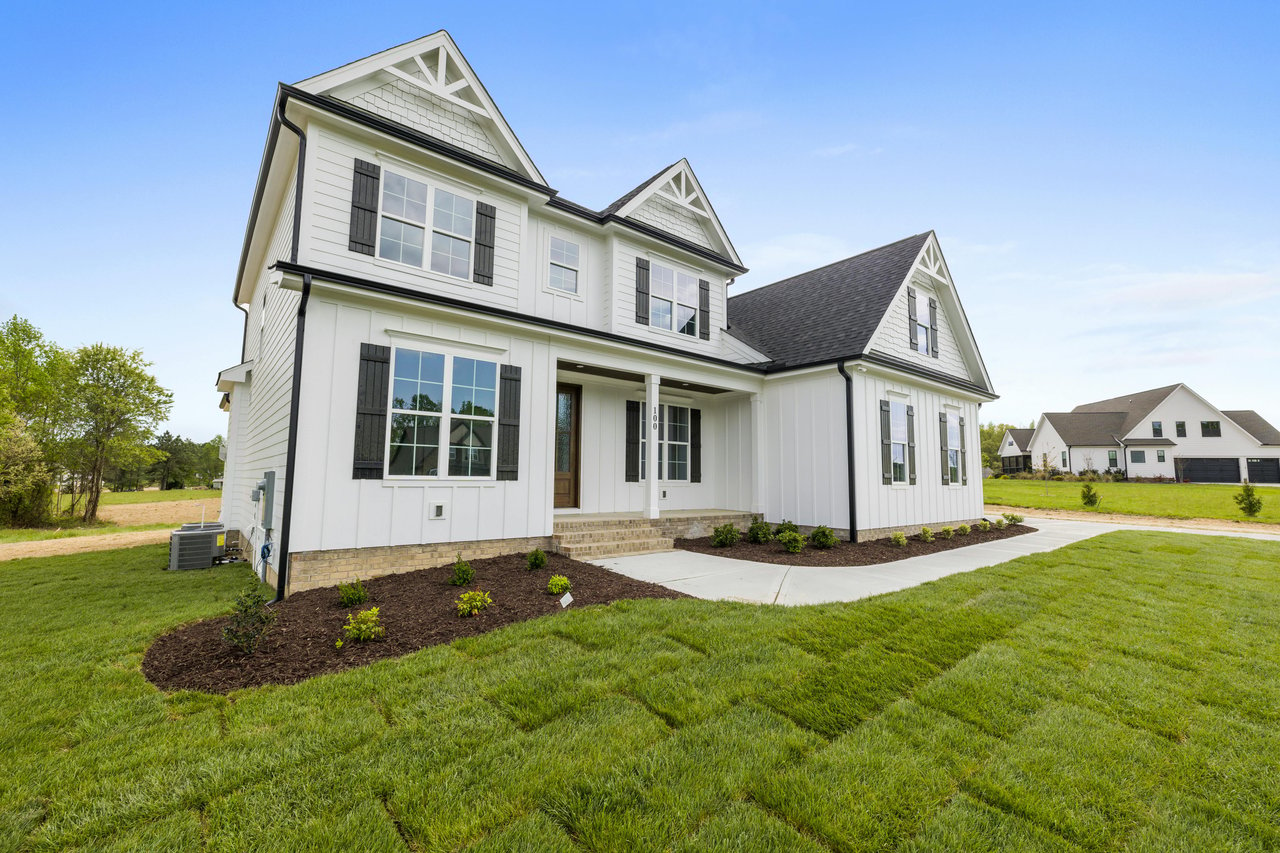
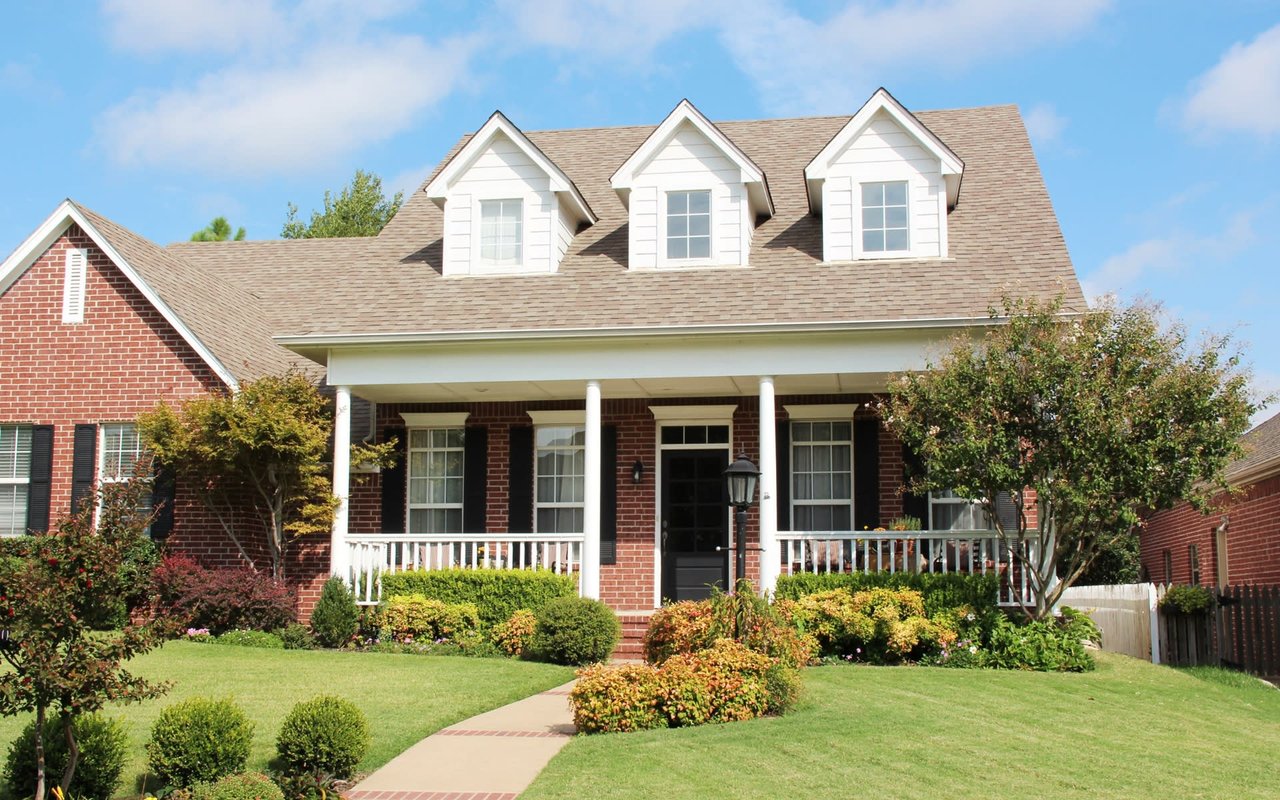
Start by examining the yard's grading. Does the land slope away from the home's foundation, or does it appear to direct water toward the structure? Look for low-lying areas, unusually soft soil, pooling water, and sections of the lawn that remain wet longer than others.
We also encourage buyers to pay attention to neighboring properties. Water doesn't stop at property lines. If surrounding lots sit at higher elevations, runoff may naturally flow toward the home you're considering.
Investigate Elevation Changes and Flood Exposure
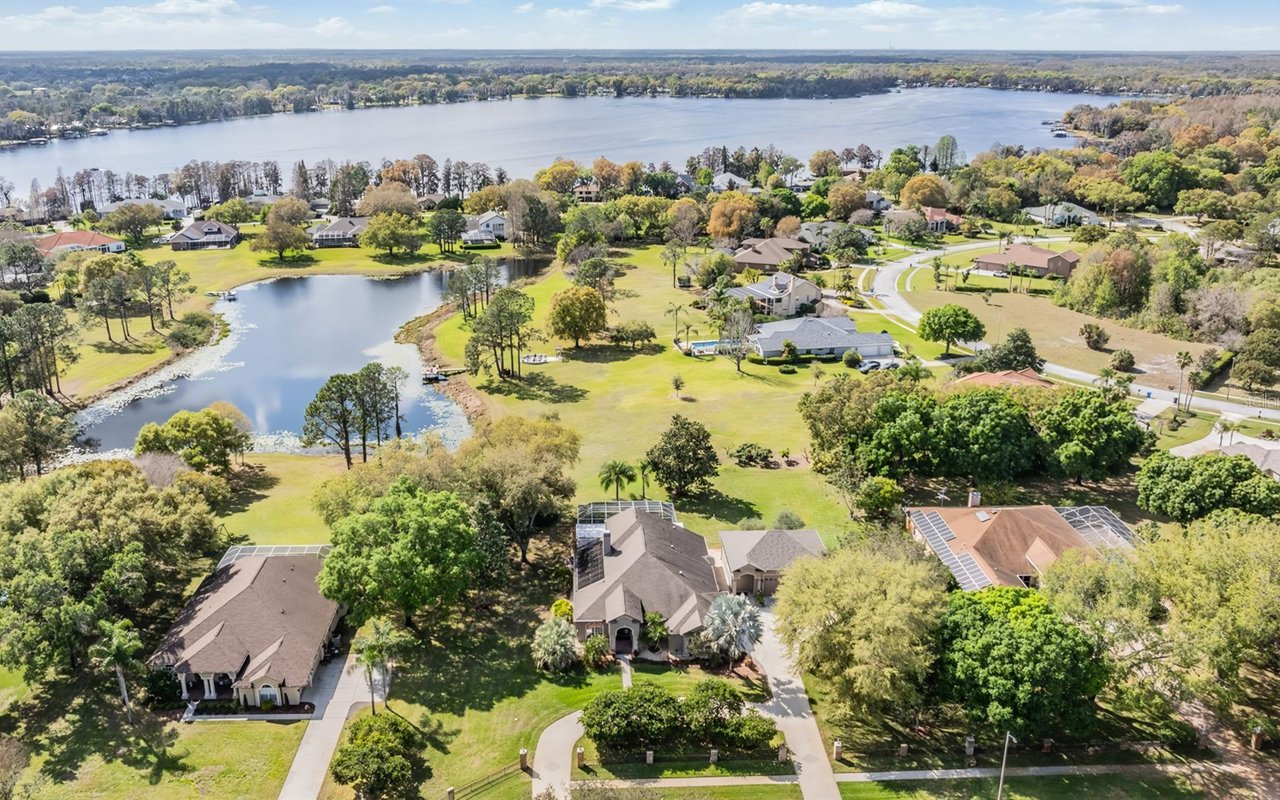
Not all properties in Odessa have the same elevation or drainage characteristics. Some homes sit on relatively level lots, while others feature noticeable slopes, natural depressions, or changes in elevation near lakes and ponds.
Buyers should review the property's FEMA flood zone designation and available flood maps. However, it's important to understand that being outside a designated high-risk flood zone doesn't automatically mean a property is free from flooding or drainage concerns.
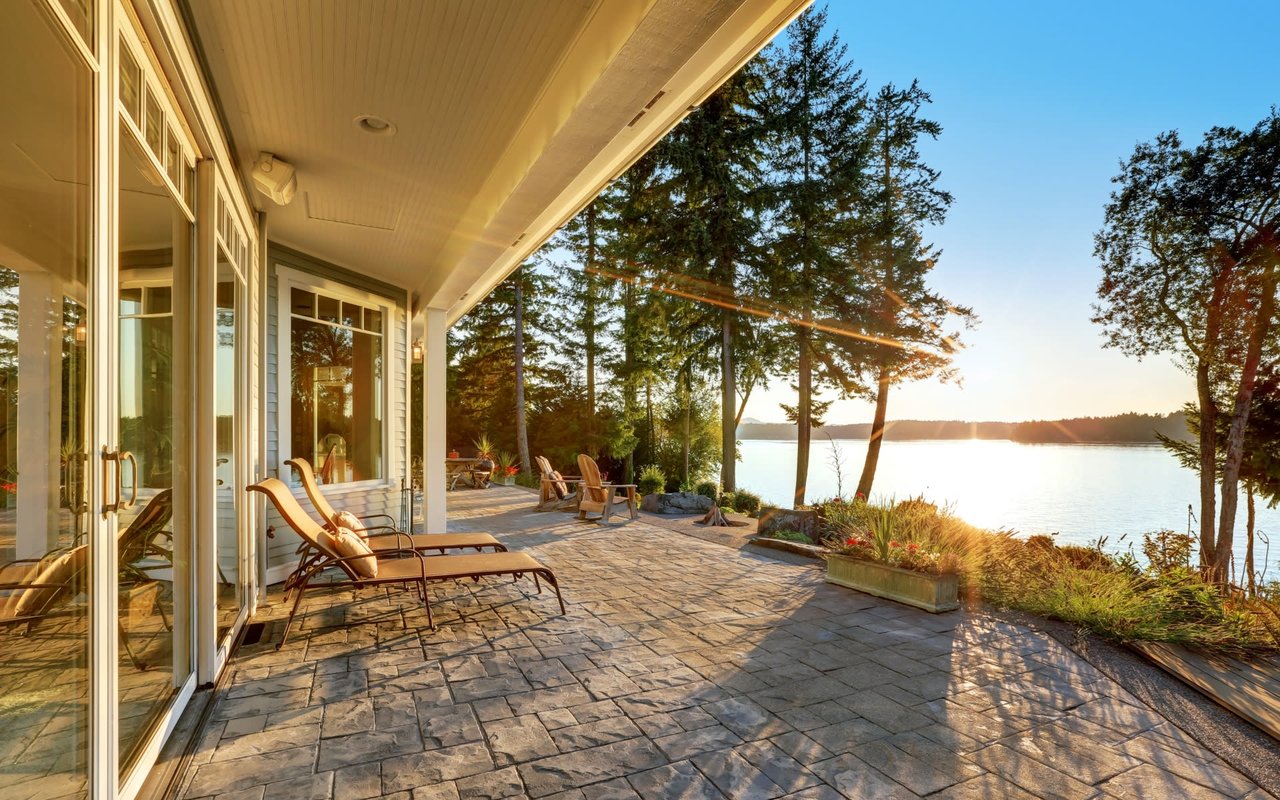
Ask whether the home has experienced water intrusion, yard flooding, or recurring drainage problems. If the property is near a lake, retention pond, or conservation area, investigate how water levels and surrounding land conditions may affect the lot.
Look Beyond the Landscaping
Fresh landscaping can make a property look exceptional, but it doesn't necessarily indicate that drainage is working properly.
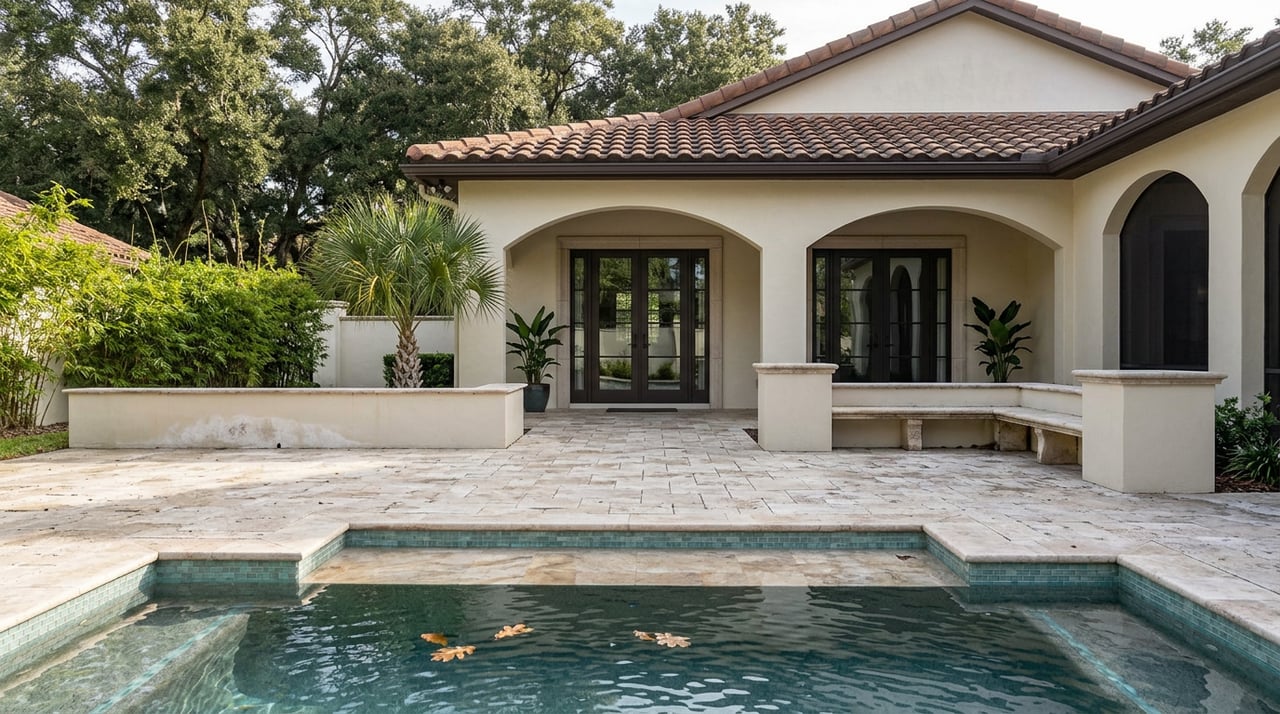
During a showing, look for signs such as eroded soil, exposed tree roots, mulch washed away from planting beds, sediment deposits, and areas where grass struggles to grow. Also inspect the driveway, walkways, retaining walls, and foundation for signs of water-related deterioration.
Pay attention to downspouts and gutters. They should direct roof runoff away from the home's foundation rather than allowing water to collect alongside the structure.
Review the Property's Drainage Infrastructure
Beyond the visible landscaping, ask about the property's existing drainage infrastructure.
Depending on the location and lot configuration, this may include:
French drains or underground drainage pipes
Swales and drainage easements
Retention or detention ponds
Culverts and roadside drainage channels
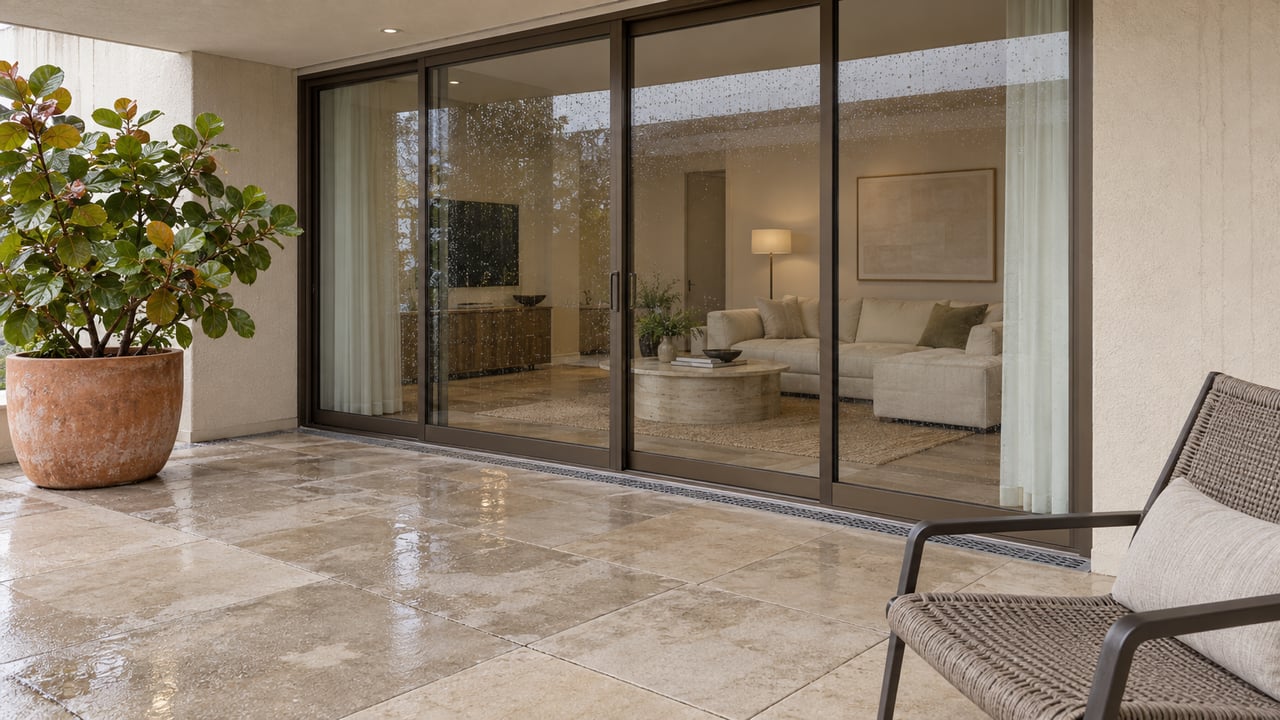
Sump pumps or other water-management systems
If a property relies on a private drainage system, find out who maintains it and whether it has required repairs or experienced recurring problems.
For homes in planned communities, ask the homeowners association about shared stormwater facilities, maintenance responsibilities, and any history of drainage complaints.
Check Permits, Surveys, and Previous Water Issues
Before moving forward, we recommend reviewing the property's survey, elevation information, permitting history, and seller disclosures.
A professional inspection should evaluate visible grading concerns, foundation conditions, roof drainage, and signs of moisture intrusion. For properties with more complicated elevation or drainage conditions, consider consulting a licensed land surveyor or qualified drainage professional.
We also suggest asking the seller whether the property has experienced standing water, flooding, erosion, or water intrusion during previous storms. Request documentation of any drainage improvements or repairs.
Remember, a recently installed drainage system isn't automatically a sign of a problem, but buyers should understand why it was installed and whether it has resolved the underlying issue.
Consider Long-Term Maintenance and Resale Value
Drainage isn't just a closing-day consideration. It can influence your ongoing ownership expenses and future resale opportunities.
A property with persistent water issues may require additional landscaping, drainage improvements, foundation repairs, or increased insurance costs. Even when a home is outside a high-risk flood zone, buyers should obtain insurance quotes and understand what their homeowners policy does and does not cover.
For investors, these considerations are particularly important. A property that looks attractive on paper may deliver a different return once drainage improvements, recurring maintenance, and potential insurance expenses are factored into the investment.
Make a More Informed Investment in Odessa Real Estate
Odessa offers buyers an appealing combination of spacious properties, established communities, natural surroundings, and convenient access to the greater Tampa Bay area. But purchasing wisely means looking beyond the home's appearance and understanding the land it sits on.
After more than 40 combined years in real estate, we've learned that successful purchases come down to asking the right questions before making a commitment.
At The Lewkowicz Group, Emeri and Joe Lewkowicz help buyers look at the bigger picture, from property condition and neighborhood characteristics to long-term value and potential ownership concerns.
Our advice? Don't just fall in love with the house. Understand the property, the surrounding land, and how it handles Florida's rainy season.
If you're considering buying a home or investment property in Odessa, let us help you evaluate the opportunity with the local knowledge and experience needed to make a confident decision.
Ready to explore Odessa real estate? Connect with Emeri and Joe Lewkowicz at The Lewkowicz Group. We're here to help you find a property that makes sense today and holds value for tomorrow.