How Do Renovation Trends in Tampa Affect Neighborhood Comparable?
If you’ve lived in Tampa long enough, you’ve seen it firsthand — one home gets a sleek modern renovation, another keeps its original 1990s finishes, and suddenly everyone on the street is wondering: Did that remodel just raise our property values?
As local real estate experts with over 40 years of combined experience, Emeri and Joe Lewkowicz are often asked how renovation trends impact neighborhood comparables — and the answer isn’t as simple as “yes” or “no.”
Let’s break it down.
First: What Really Drives Neighborhood Comps?
Comparables (or “comps”) are recent, similar homes that have sold nearby. They’re the backbone of pricing — whether you’re buying, selling, or refinancing.
But here’s what many homeowners miss:
Not all upgrades carry equal weight in every Tampa neighborhood.
A fully renovated home in South Tampa may command a premium. The same renovation in a more price-sensitive pocket of Temple Terrace may not see the same return.
Why? Because value is relative to what buyers expect in that specific area.
When Renovations Do Raise Neighborhood Values
There are clear situations where upgrades genuinely move the needle.
1. When the Renovation Matches Buyer Expectations
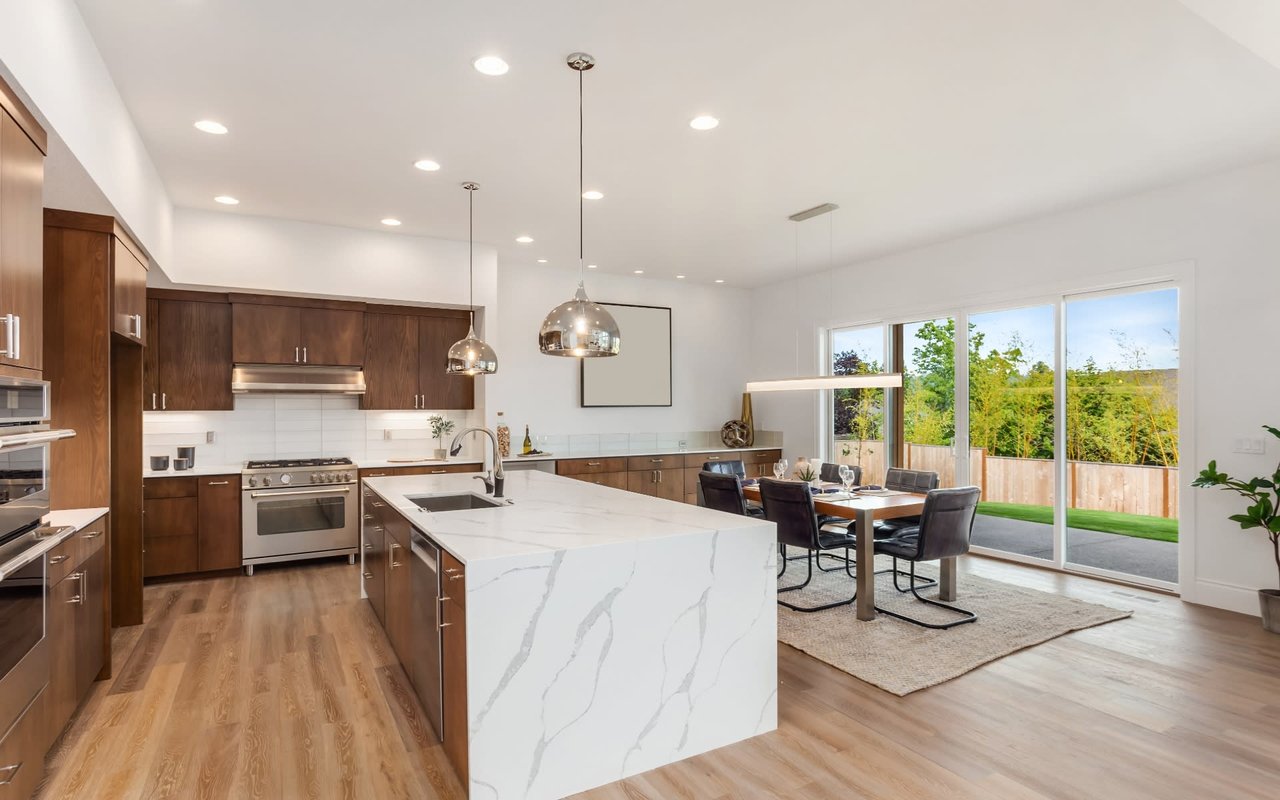
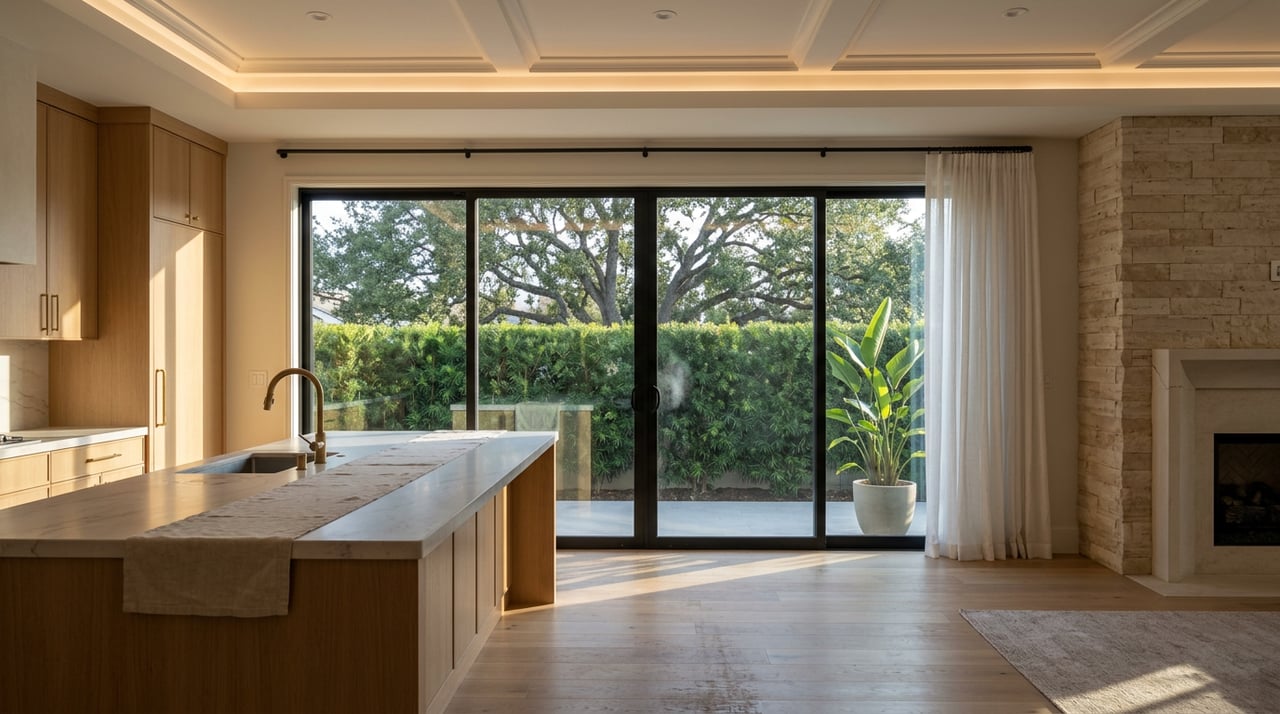
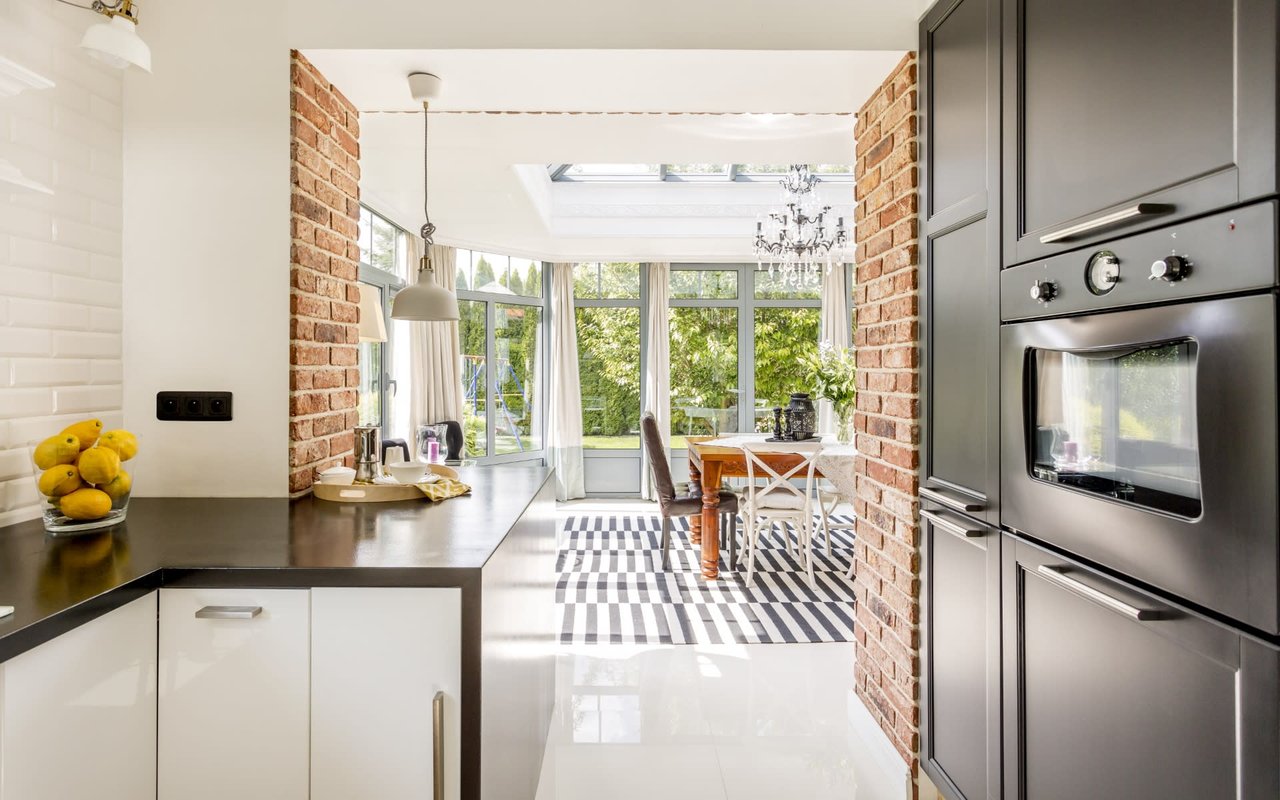
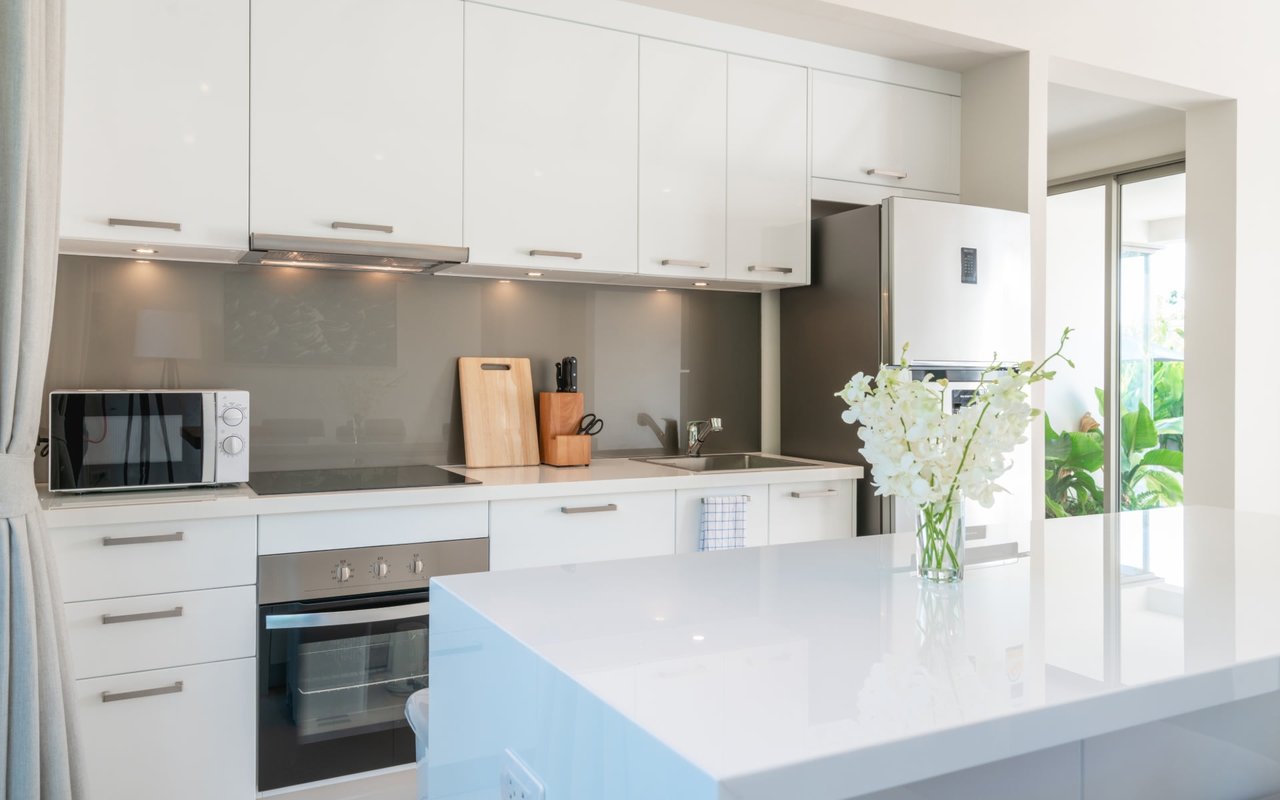
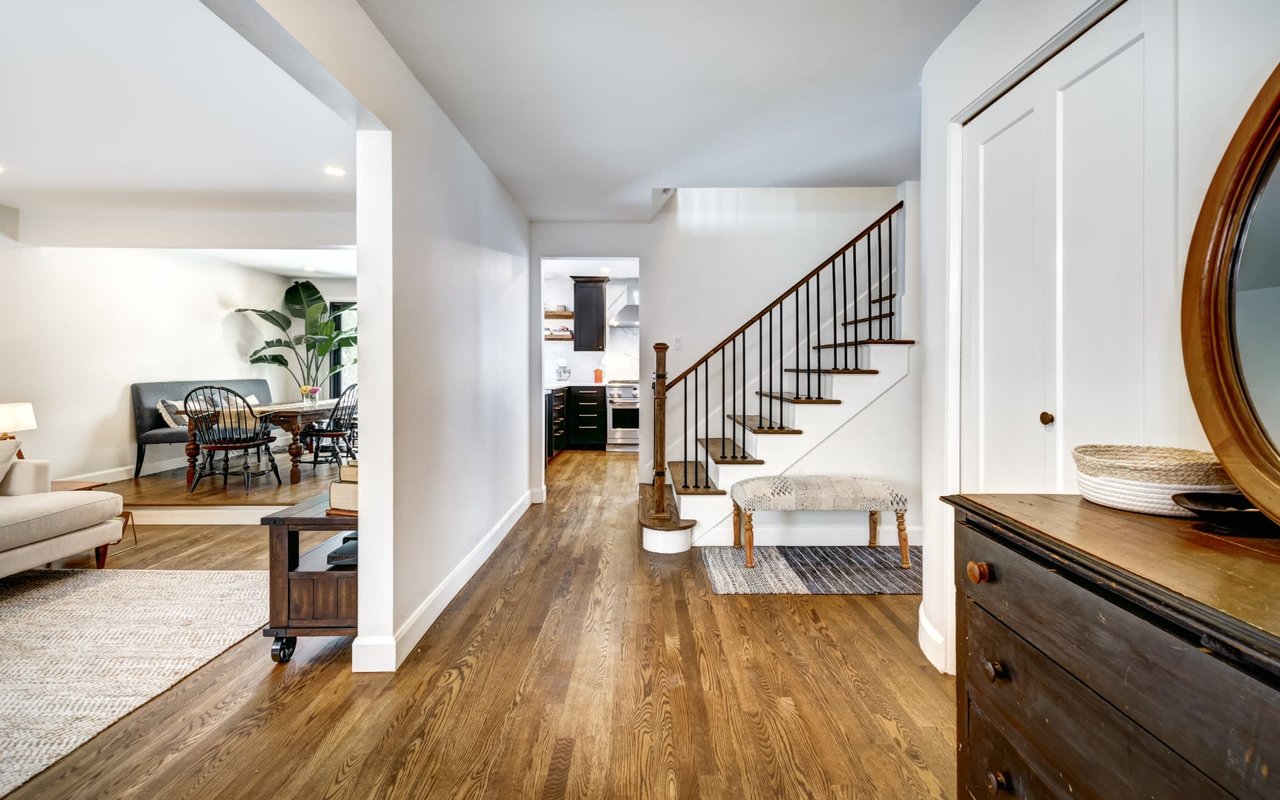
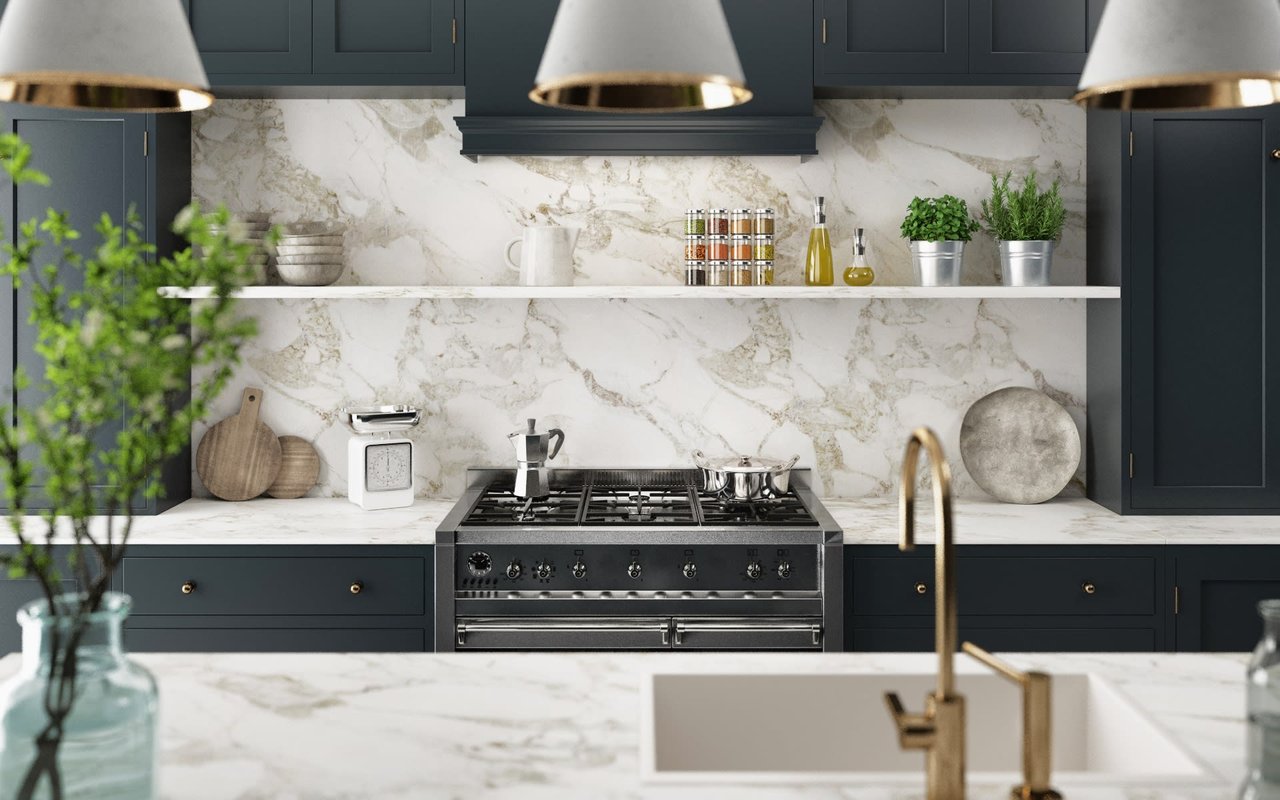
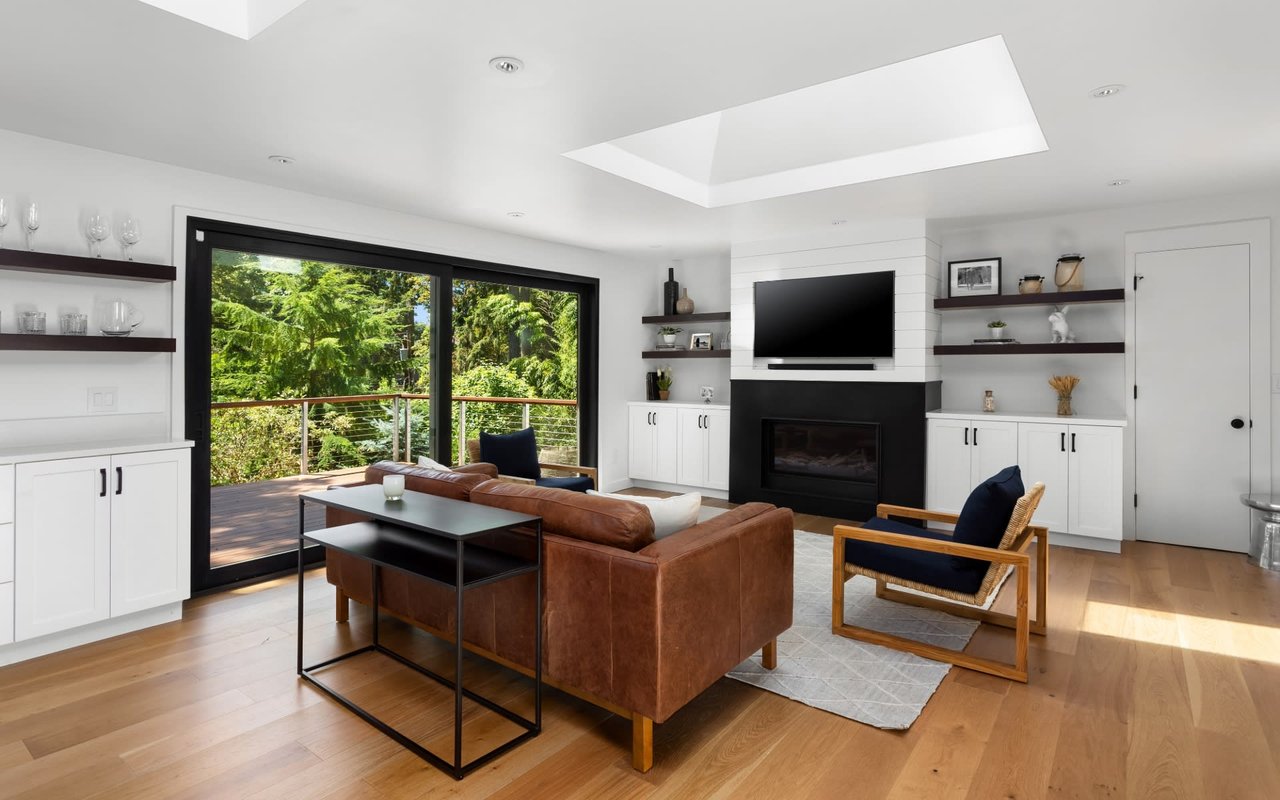
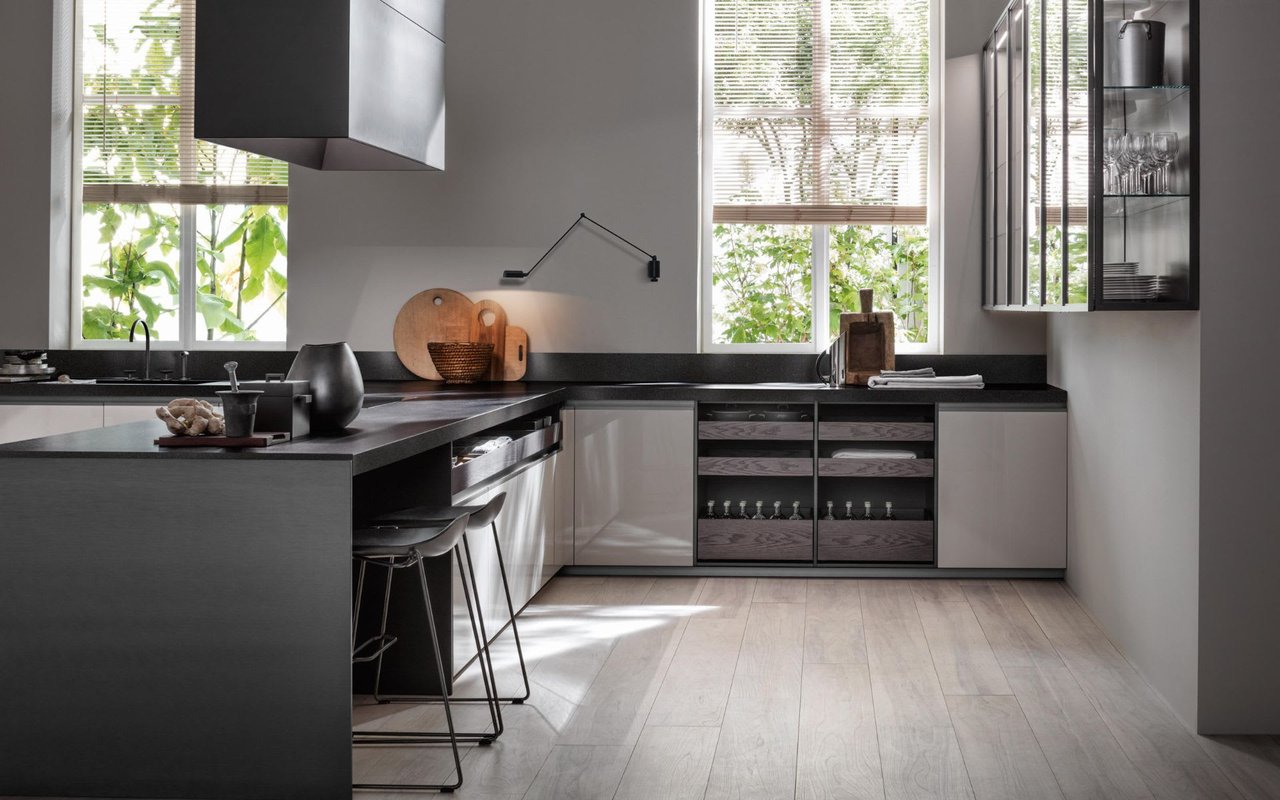
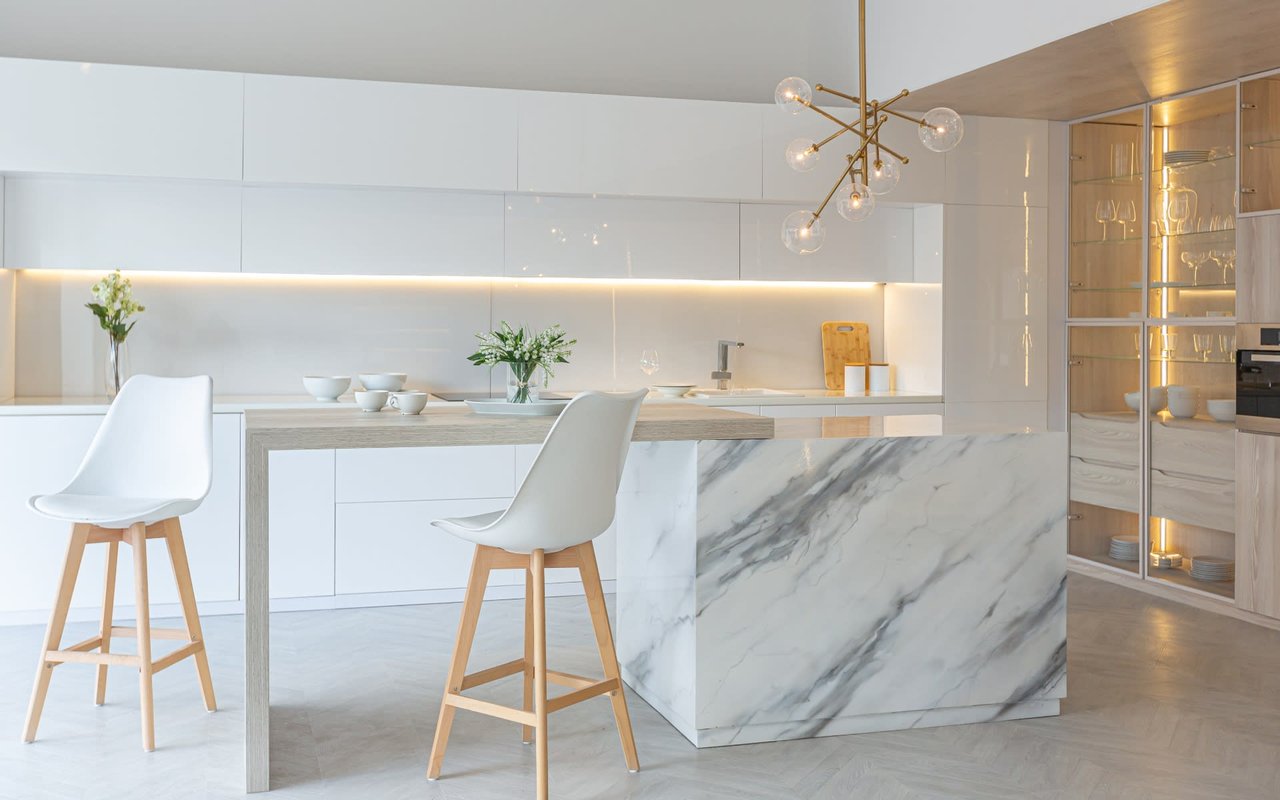
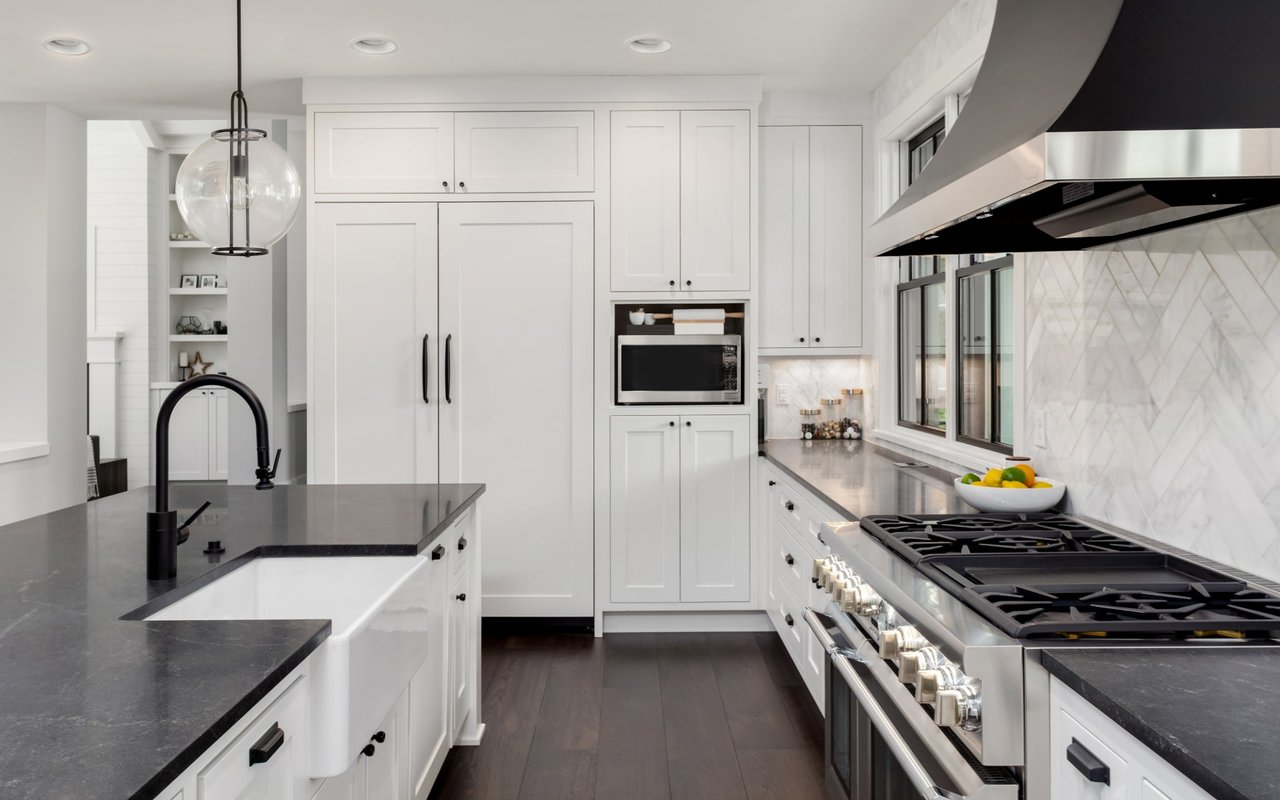
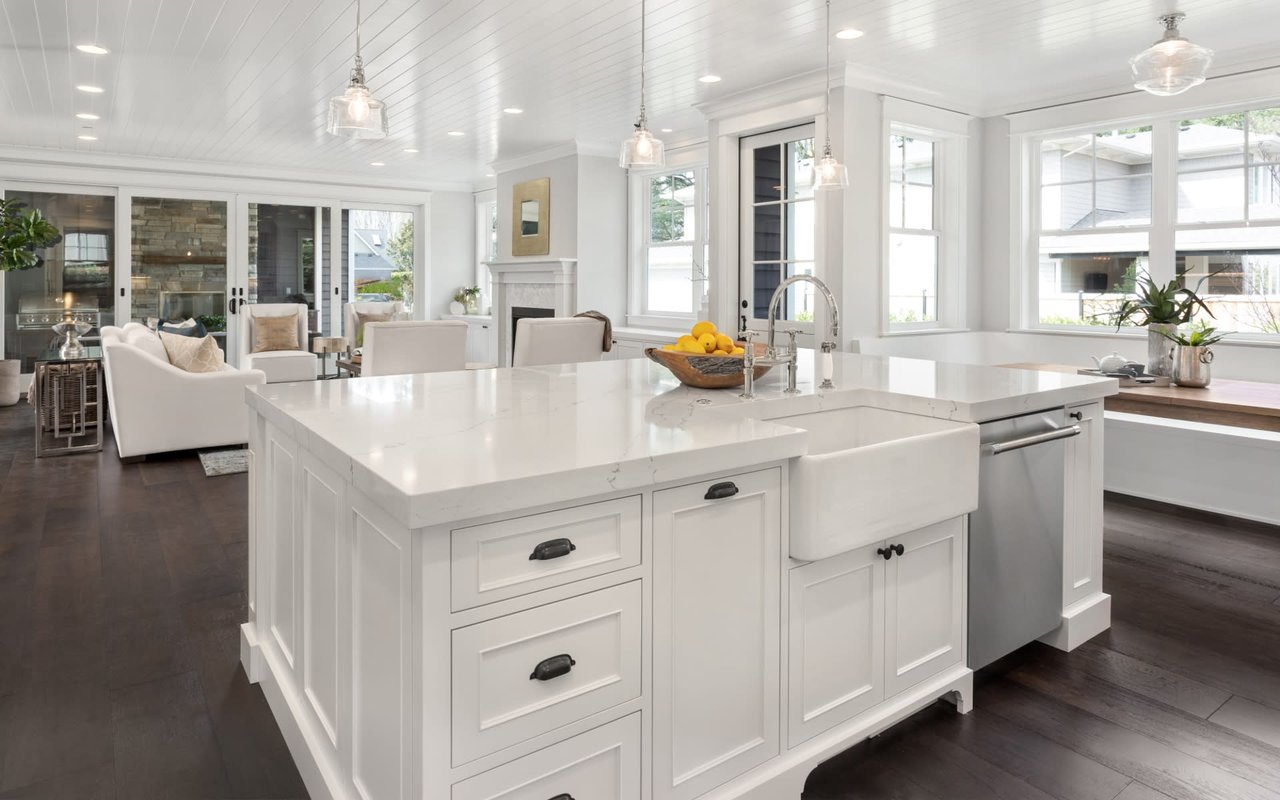
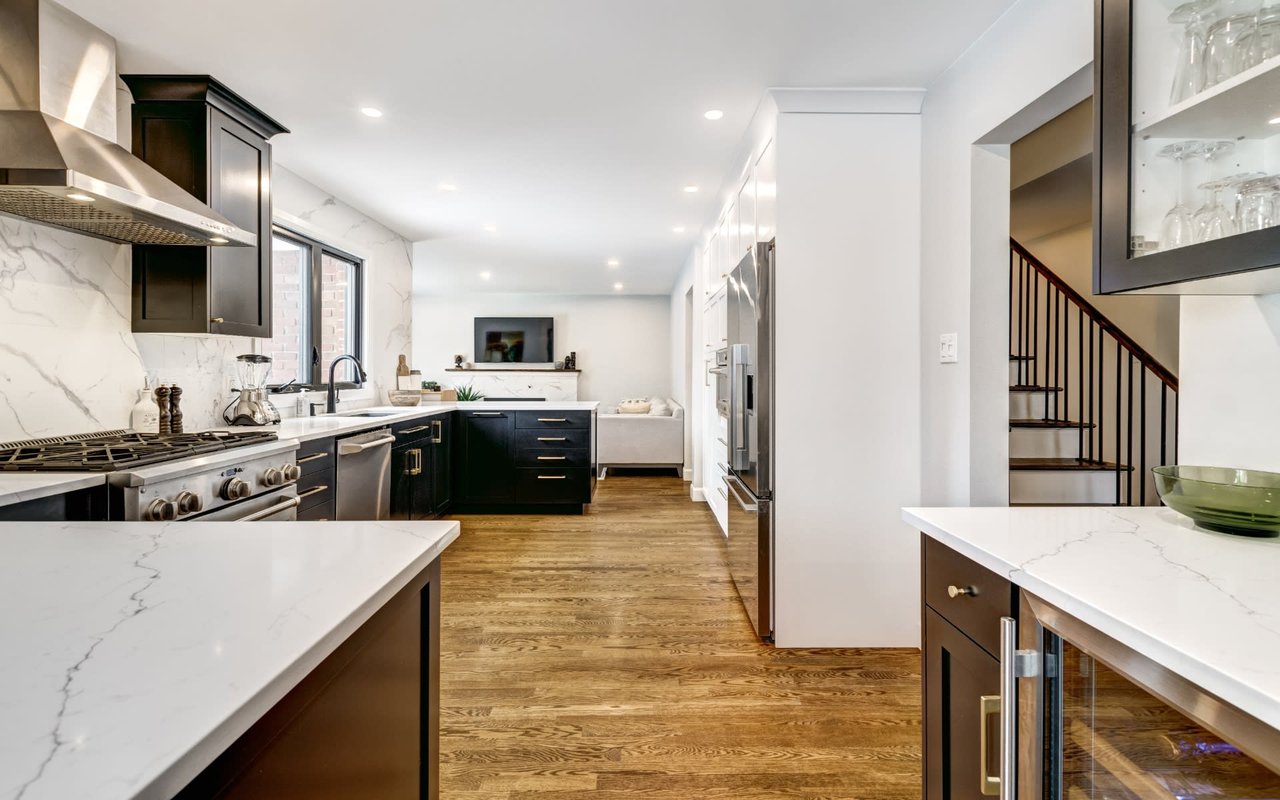
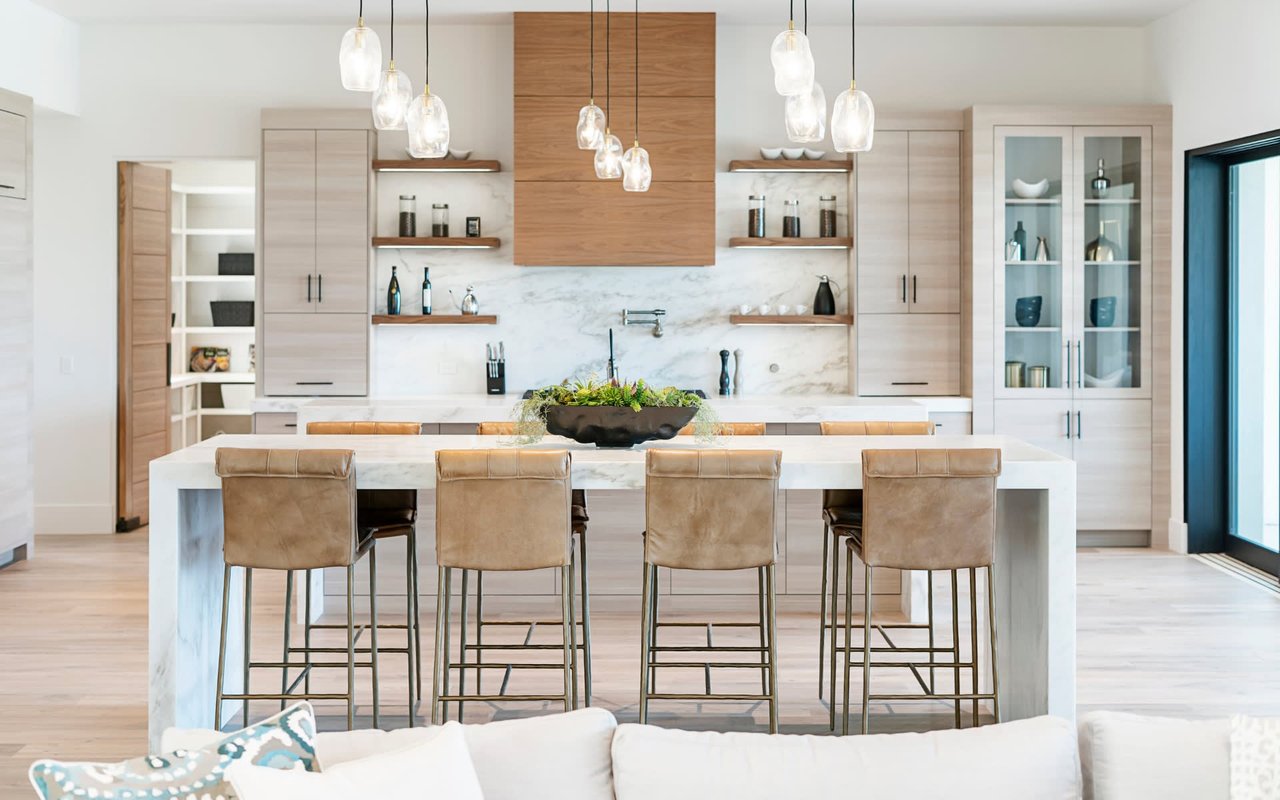
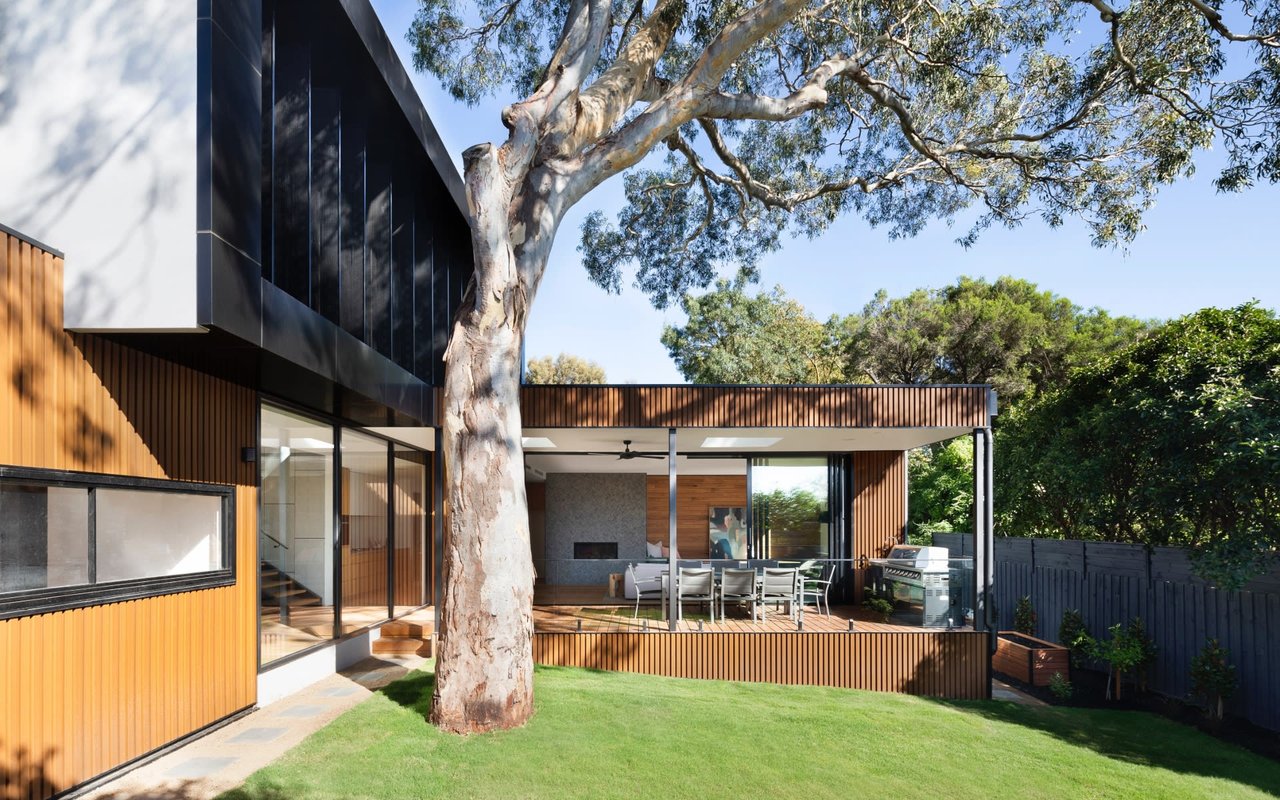
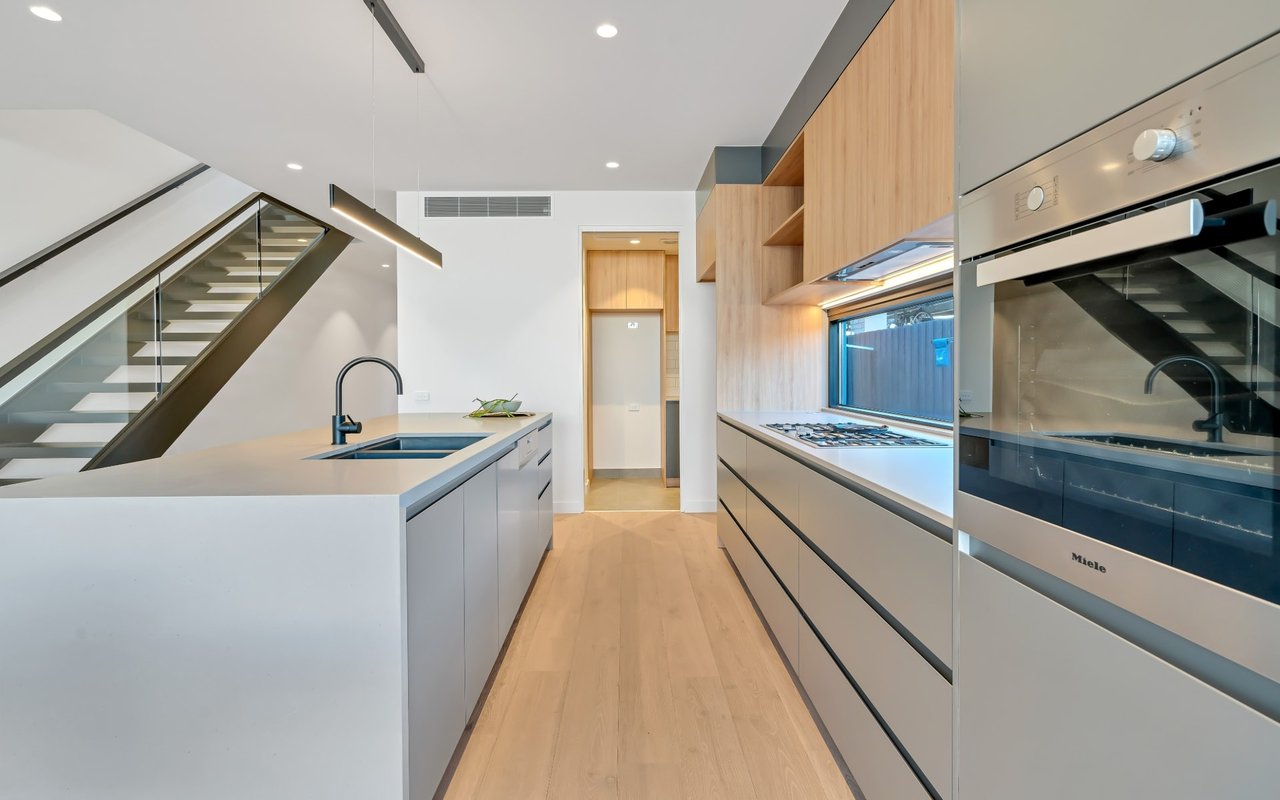
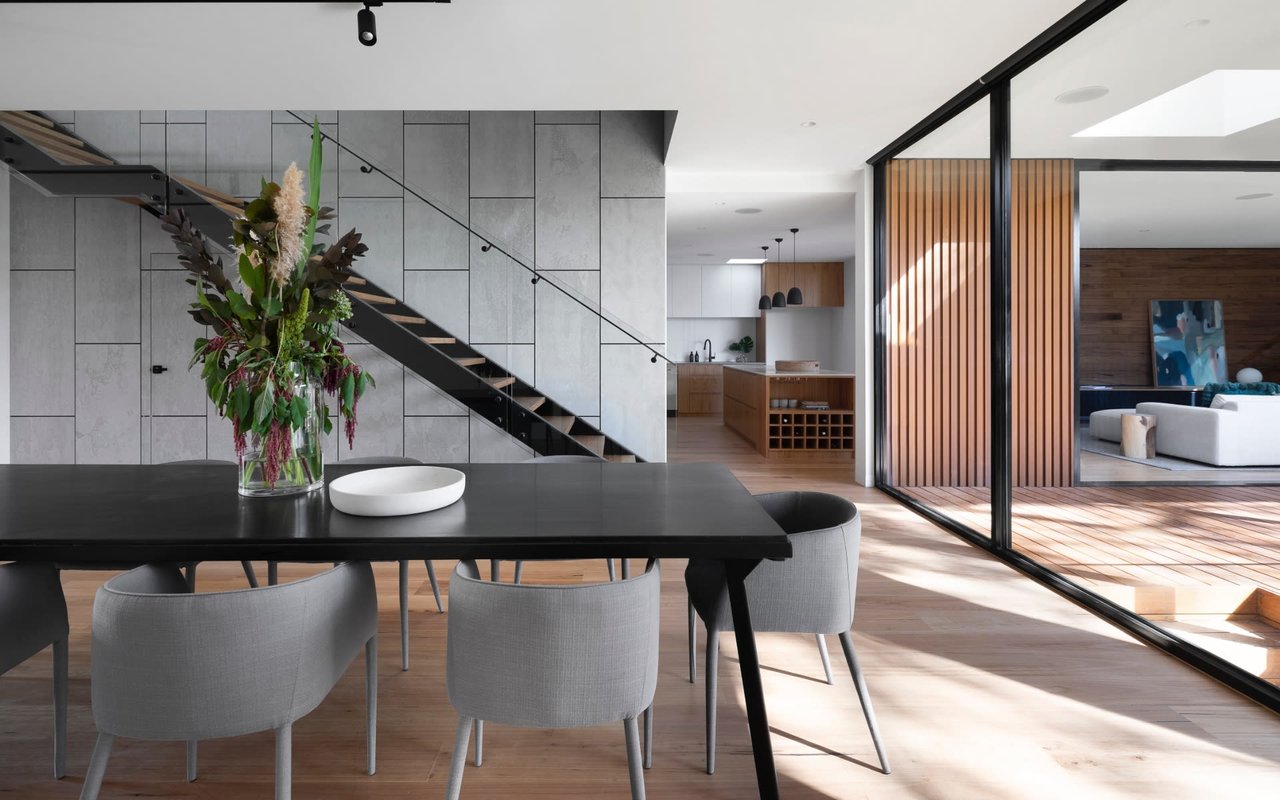
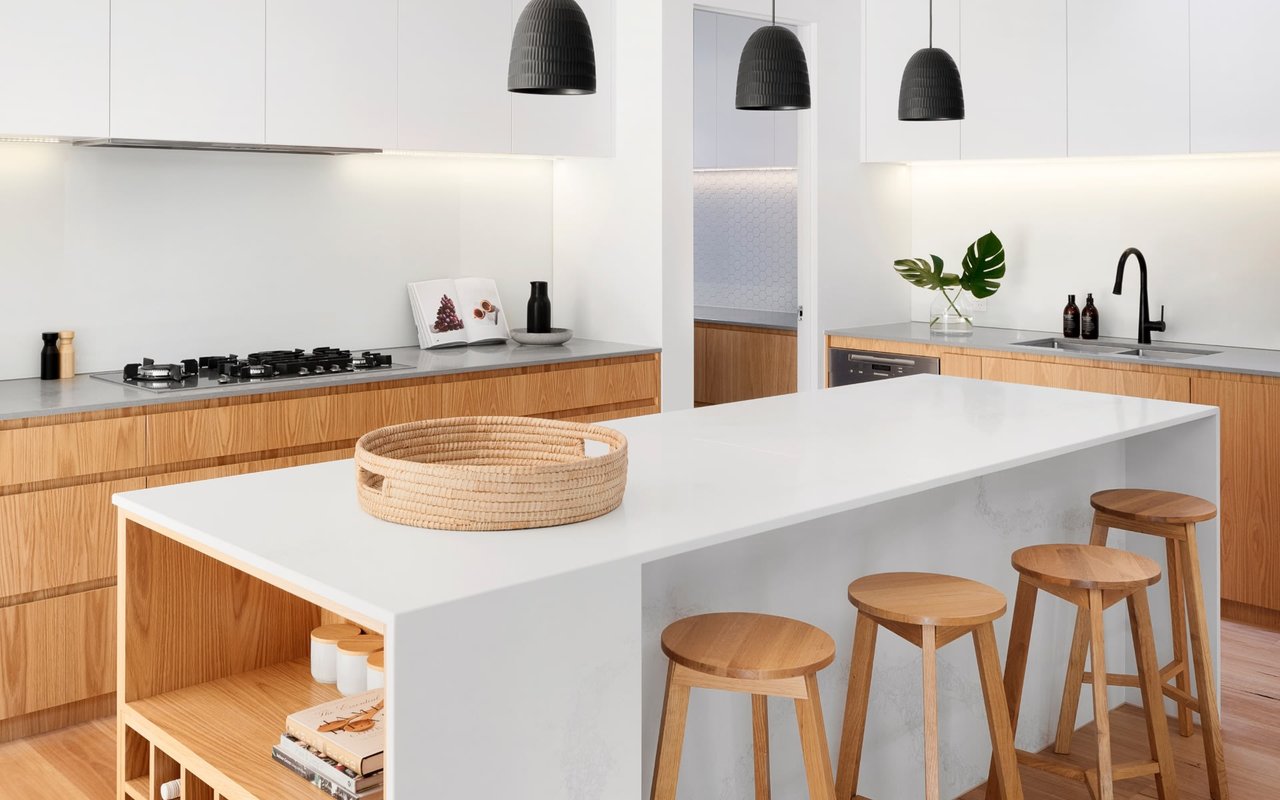
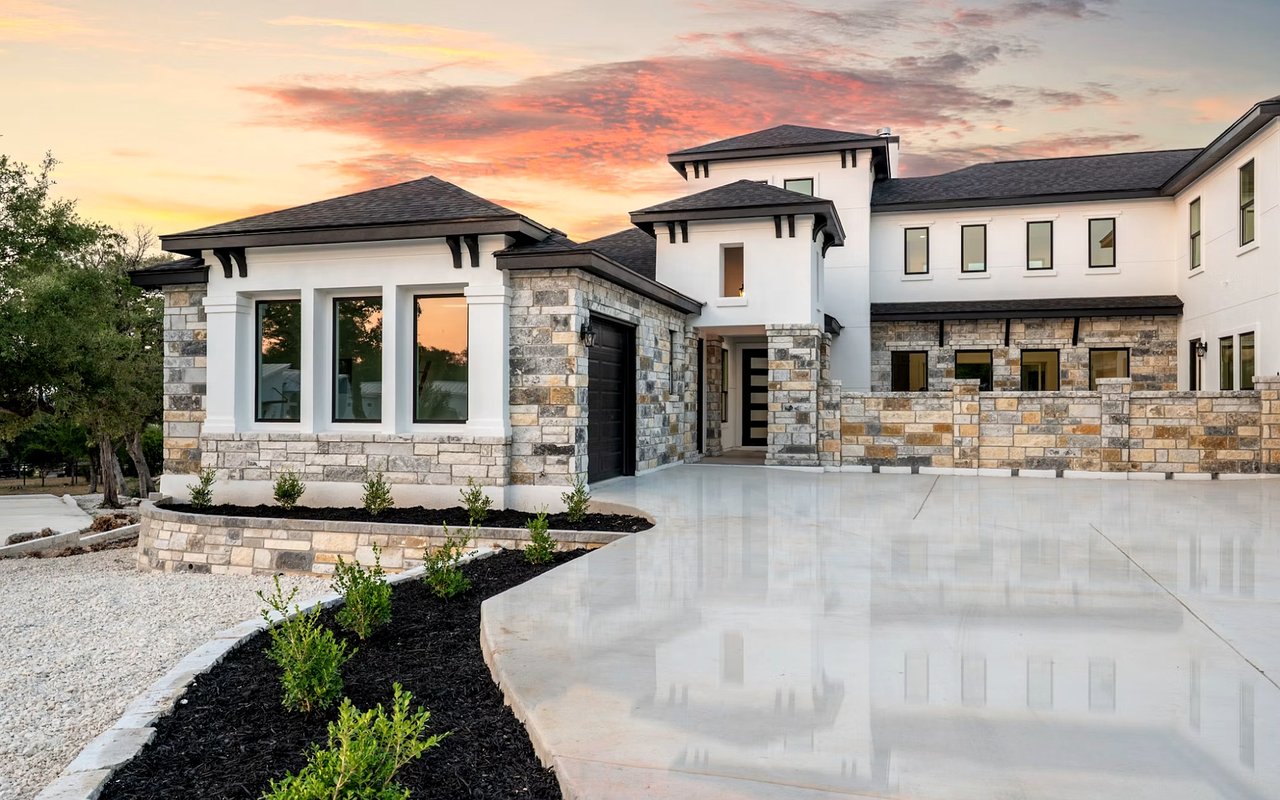
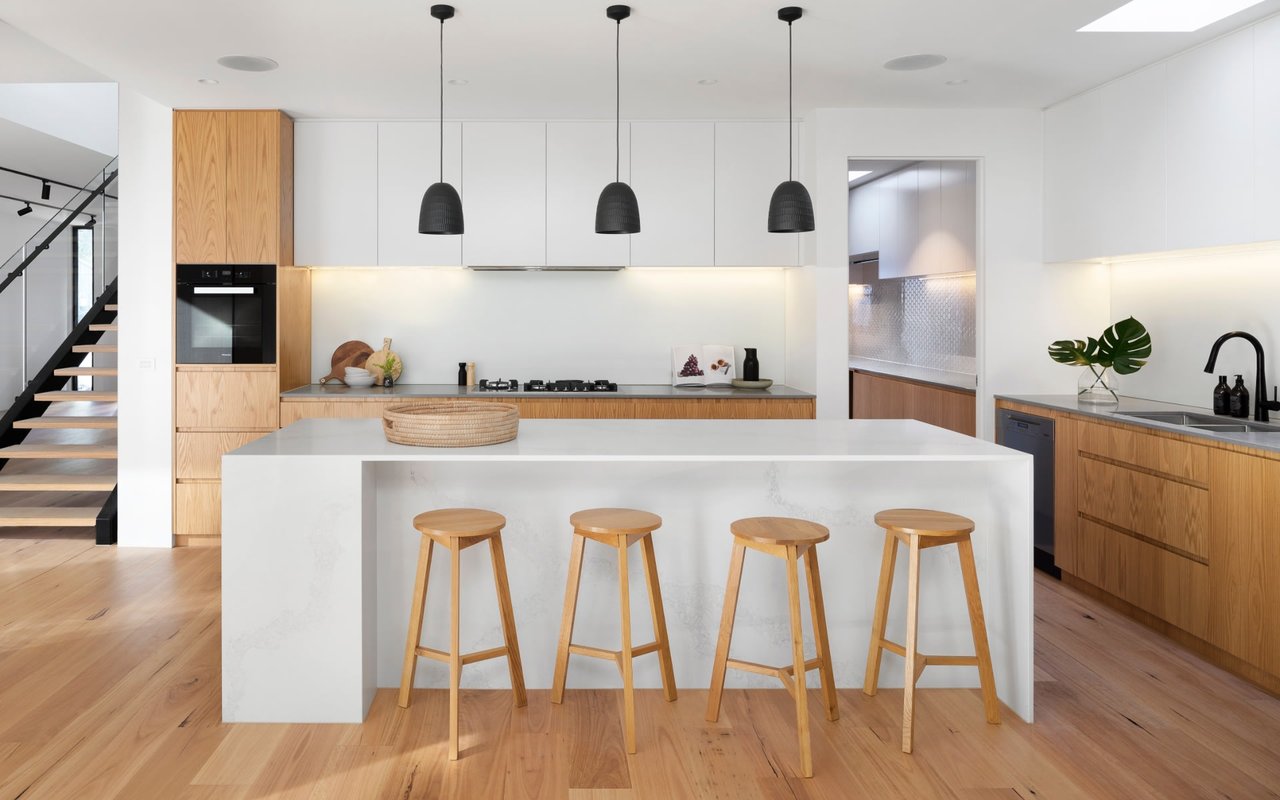
In neighborhoods like South Tampa, buyers often expect open-concept layouts, impact windows, quartz countertops, and spa-style primary bathrooms. A dated home surrounded by updated properties will likely sell at a discount.
When a seller brings their property up to — or slightly above — neighborhood standards, it can absolutely elevate comps.
2. When Structural & Functional Improvements Are Made
Cosmetic changes are nice. Structural improvements are powerful.
-
New roof
-
Updated HVAC
-
Modern plumbing & electrical
-
Energy-efficient windows
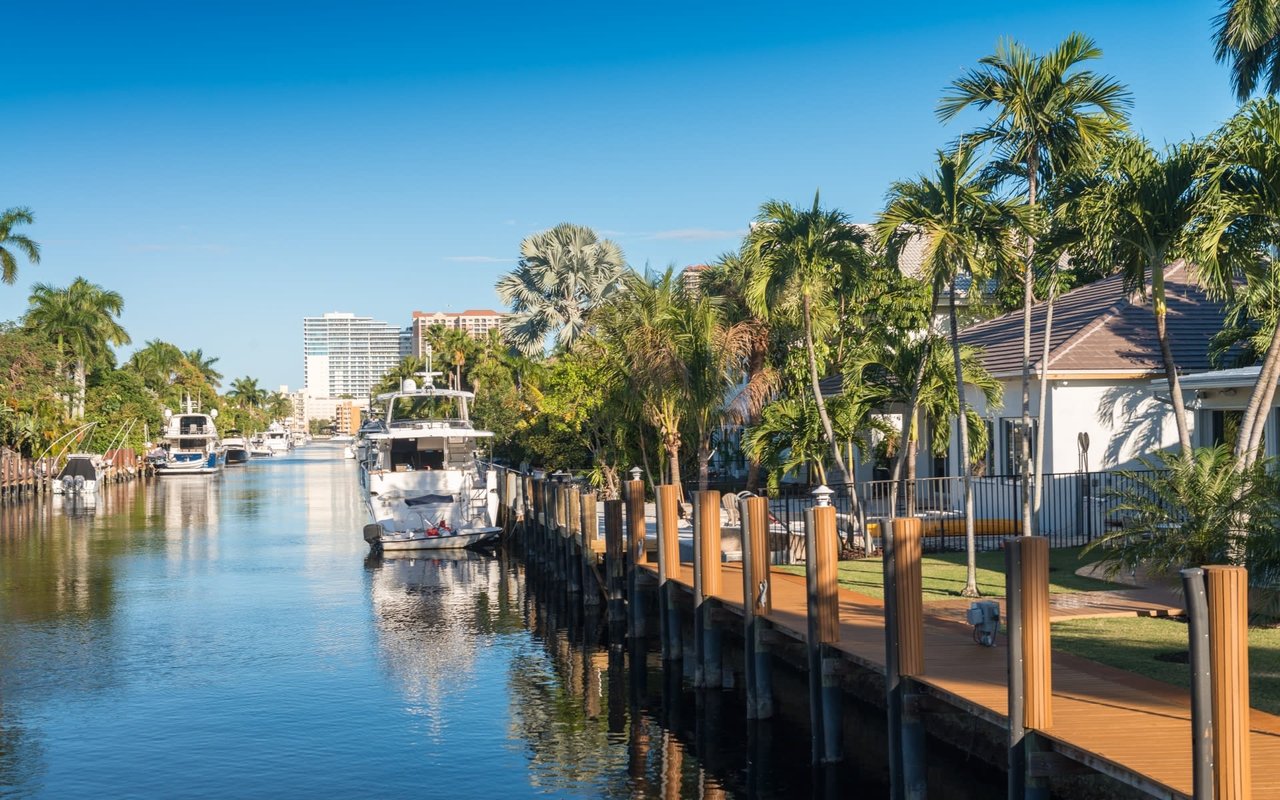
In coastal or storm-conscious areas near Davis Islands, resilience and insurance-friendly upgrades can significantly affect value. Buyers today are far more aware of long-term ownership costs.
3. When the Renovation Improves Layout
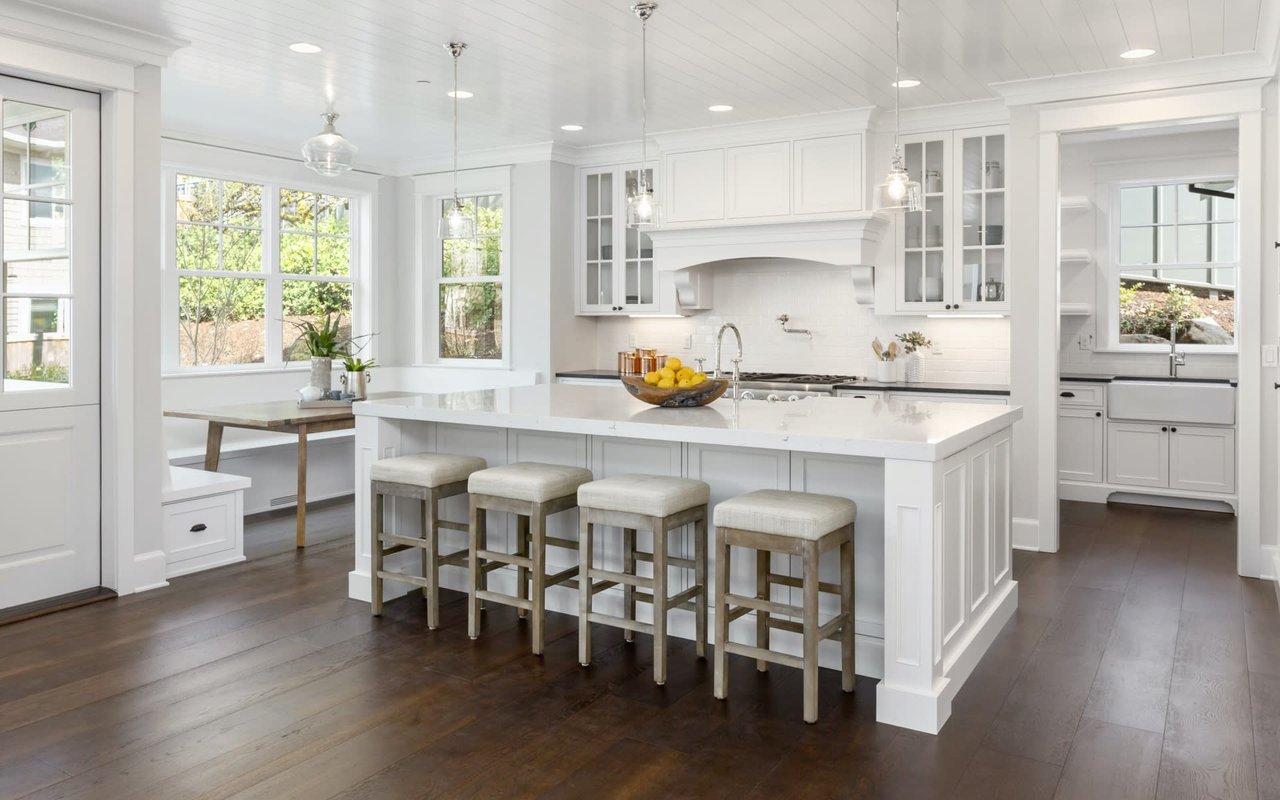
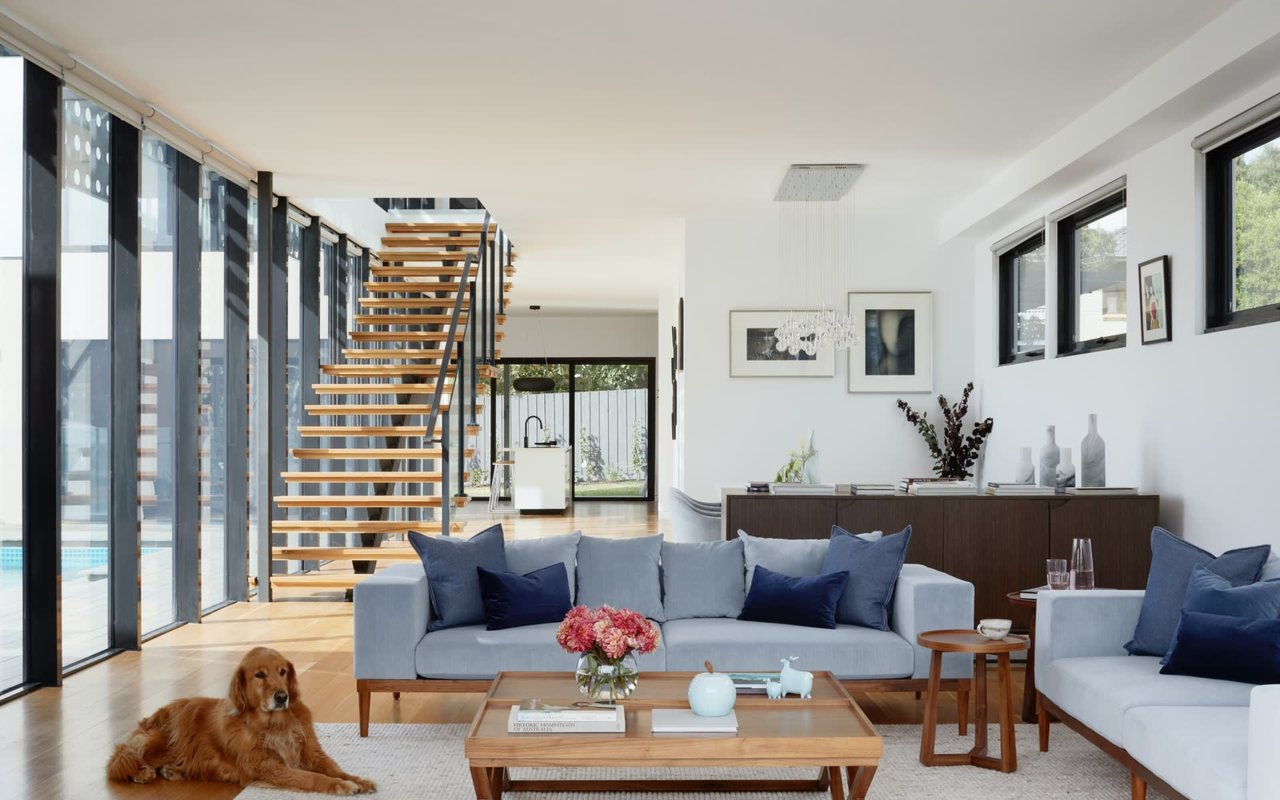
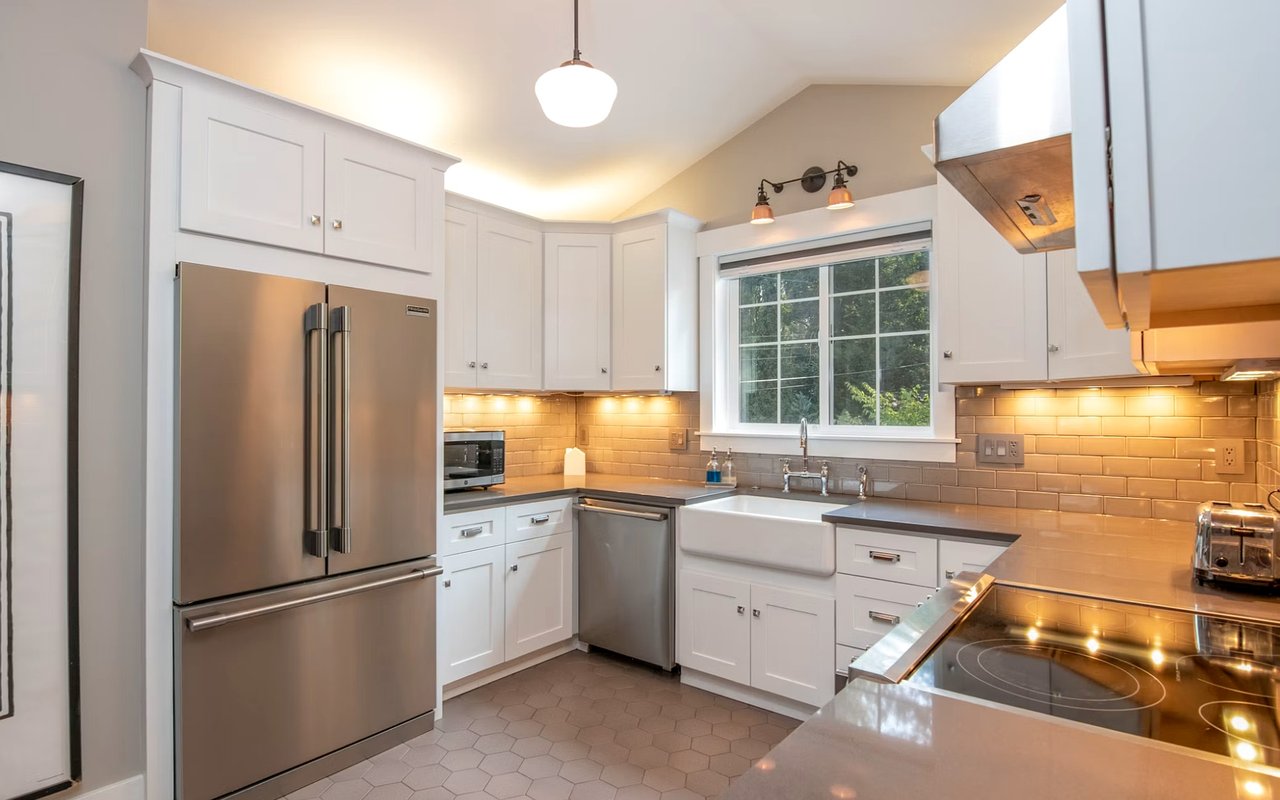
We’ve seen many 1980s and 1990s homes throughout Westchase and surrounding areas where removing a wall or redesigning a kitchen dramatically increases appeal.
Layout matters more than finishes.
If the flow improves, value often follows.
When Renovations Don’t Increase Value
This is where experience really matters.
1. Over-Improving for the Neighborhood
One of the biggest mistakes we see? A homeowner installs ultra-luxury finishes in a mid-range neighborhood.
If surrounding homes are selling in the $500s, spending $200,000 on top-tier designer upgrades may not yield a $200,000 increase in value.
The market has a ceiling.
Buyers compare homes against nearby alternatives. Even a stunning renovation won’t push far beyond what the neighborhood supports.
2. Highly Personalized Design Choices
Bold tile, dramatic wallpaper, ultra-specific built-ins — these can limit buyer appeal.
Neutral, timeless updates typically perform best. Renovations should broaden appeal, not narrow it.
3. Ignoring Outdoor & Florida-Specific Living
In Tampa, lifestyle is everything.
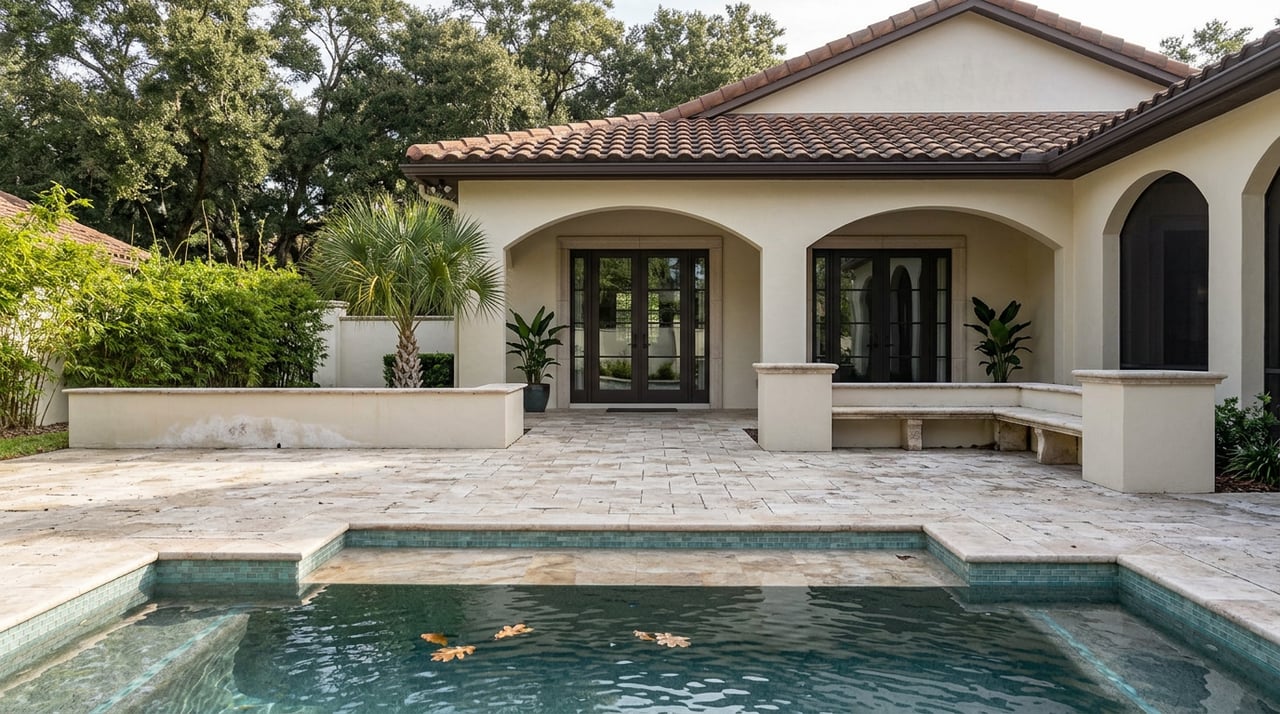
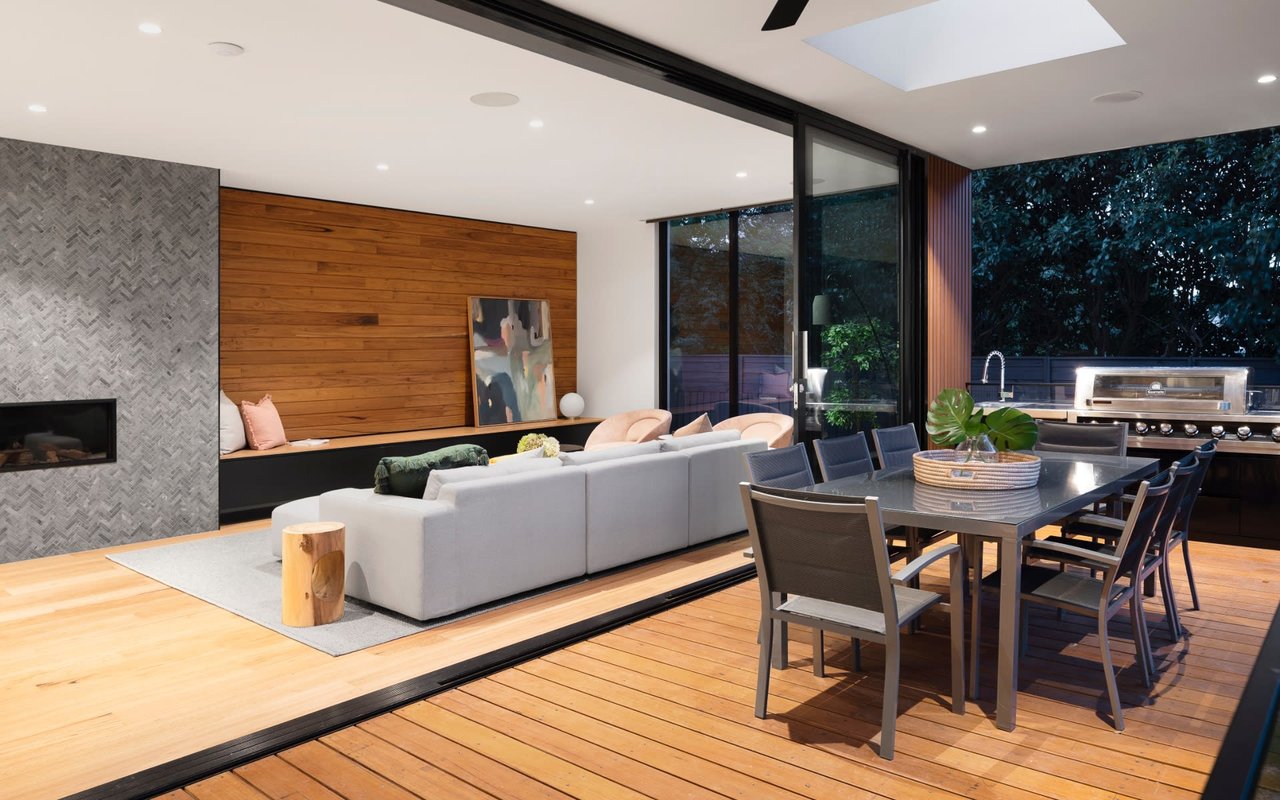
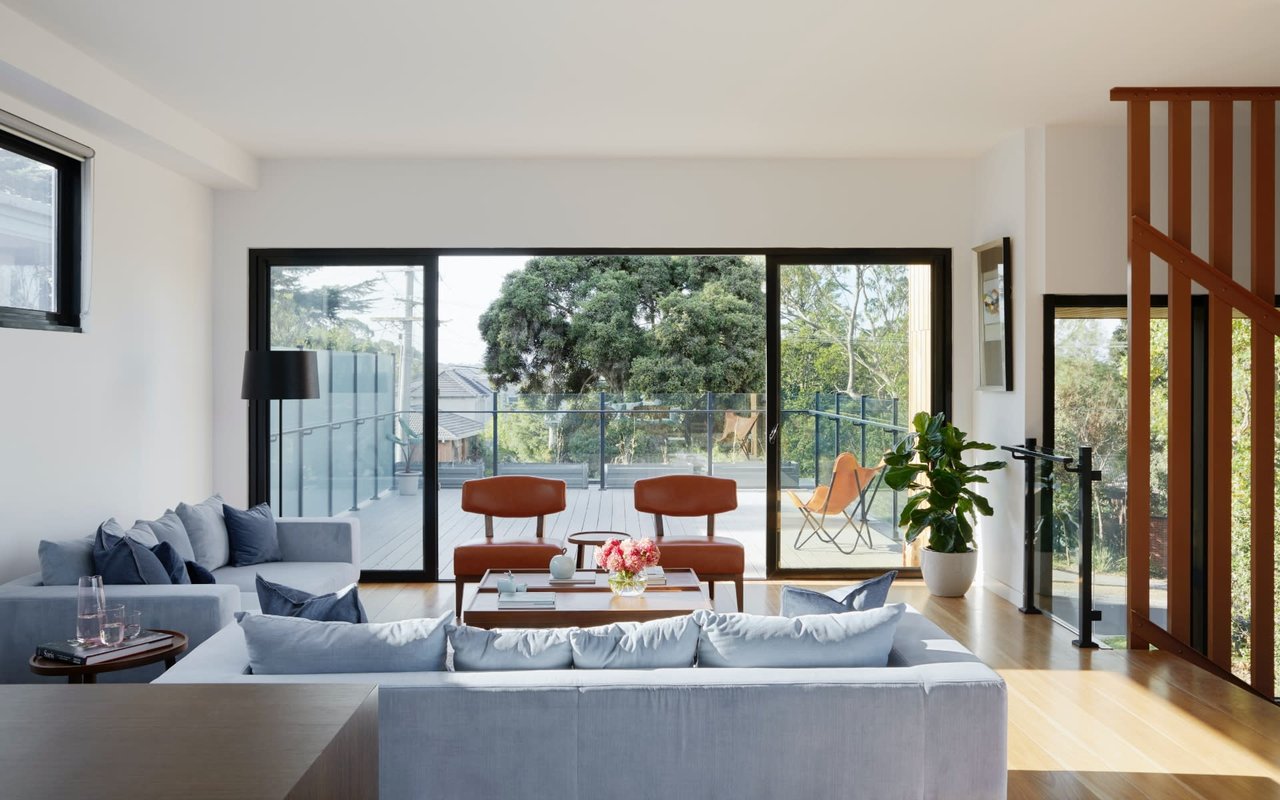
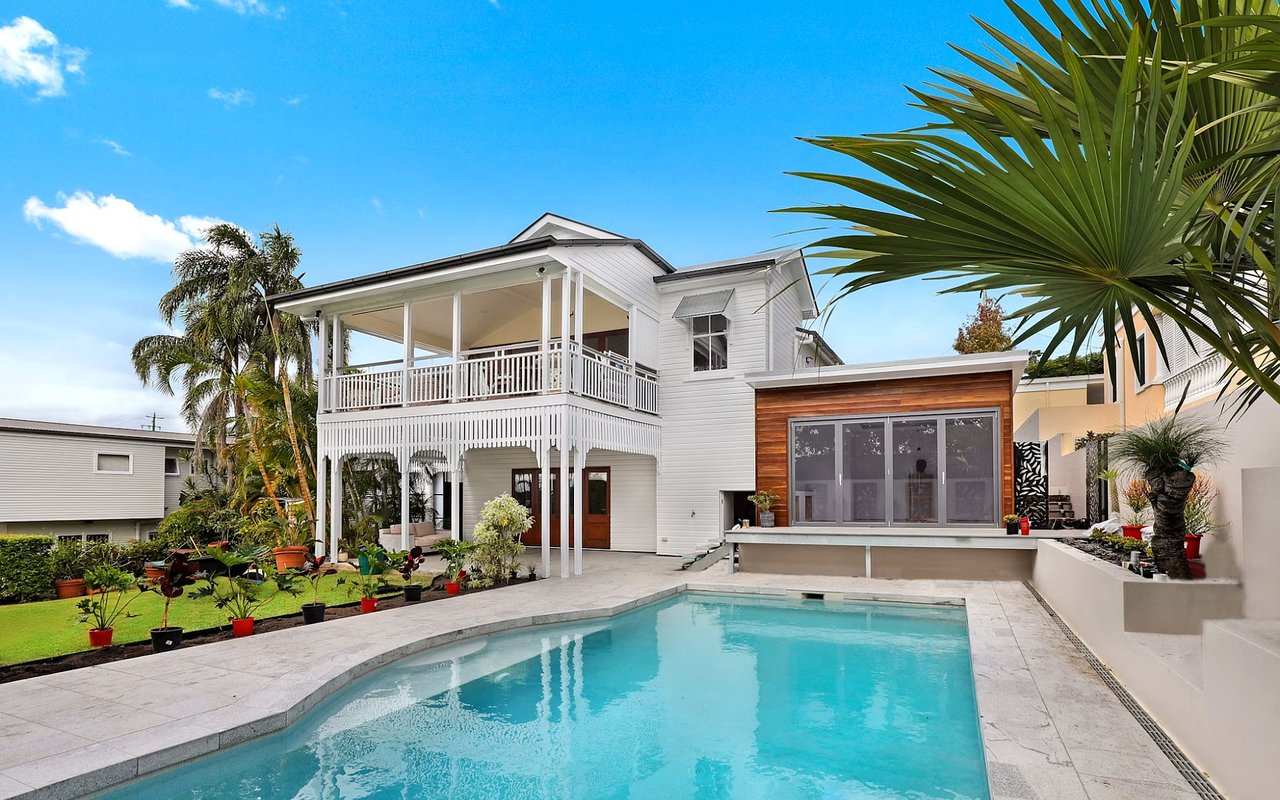
Homes without functional outdoor space, shade, or updated pool areas often underperform — even if the interior is beautiful. Buyers here prioritize indoor-outdoor flow. A modern kitchen won’t compensate for a neglected backyard.
The Investor Perspective
For investors flipping or repositioning properties, understanding neighborhood comparables is critical.
We always advise our clients to:
-
Study the top 3 recent sales
-
Analyze what those homes offered
-
Renovate to meet — not wildly exceed — that benchmark
In appreciating submarkets, thoughtful upgrades can push value upward. But in stable areas, returns are tighter and must be calculated carefully.
The Lewkowicz Approach
What separates smart renovation from costly over-improvement?
Local insight.
With decades of experience in the Tampa market, Emeri and Joe Lewkowicz evaluate:
-
Micro-neighborhood trends
-
Buyer demographics
-
Insurance impacts
-
School zones
-
Long-term appreciation patterns
Renovations absolutely influence comps — but only when they align with what Tampa buyers are actually willing to pay for.
Before renovating to sell — or buying a fully renovated home — it’s essential to understand where that property sits within its competitive set.
In Tampa real estate, upgrades raise value when they elevate a home to meet market demand. They don’t when they outpace it.
And knowing the difference? That’s where experience matters most.