If you’re selling a home in Tampa’s mid-range price point, here’s something we always tell our clients: buyers don’t just purchase with logic — they purchase with emotion first, then justify it with numbers.
After more than 40 combined years helping families, sellers, and investors navigate the Tampa Bay market, we can confidently say this: understanding buyer psychology is just as important as pricing strategy.
And in Tampa’s mid-range market? It’s everything.
The Mid-Range Buyer: Practical… But Emotional
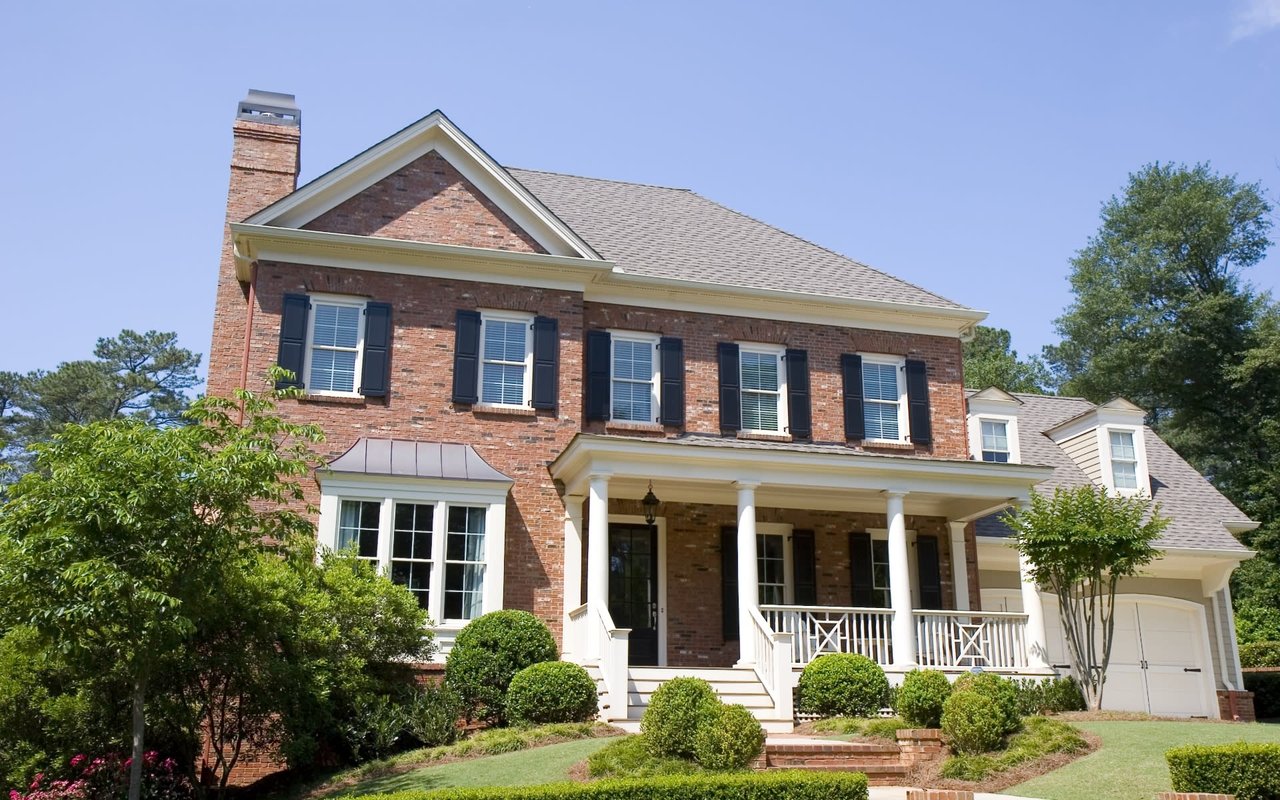
In neighborhoods across Tampa and surrounding communities like Wesley Chapel, Riverview, and Brandon, mid-range buyers are often families, relocating professionals, or first-time move-up buyers.
They have budgets.
They’re comparing options.
They’re watching interest rates.
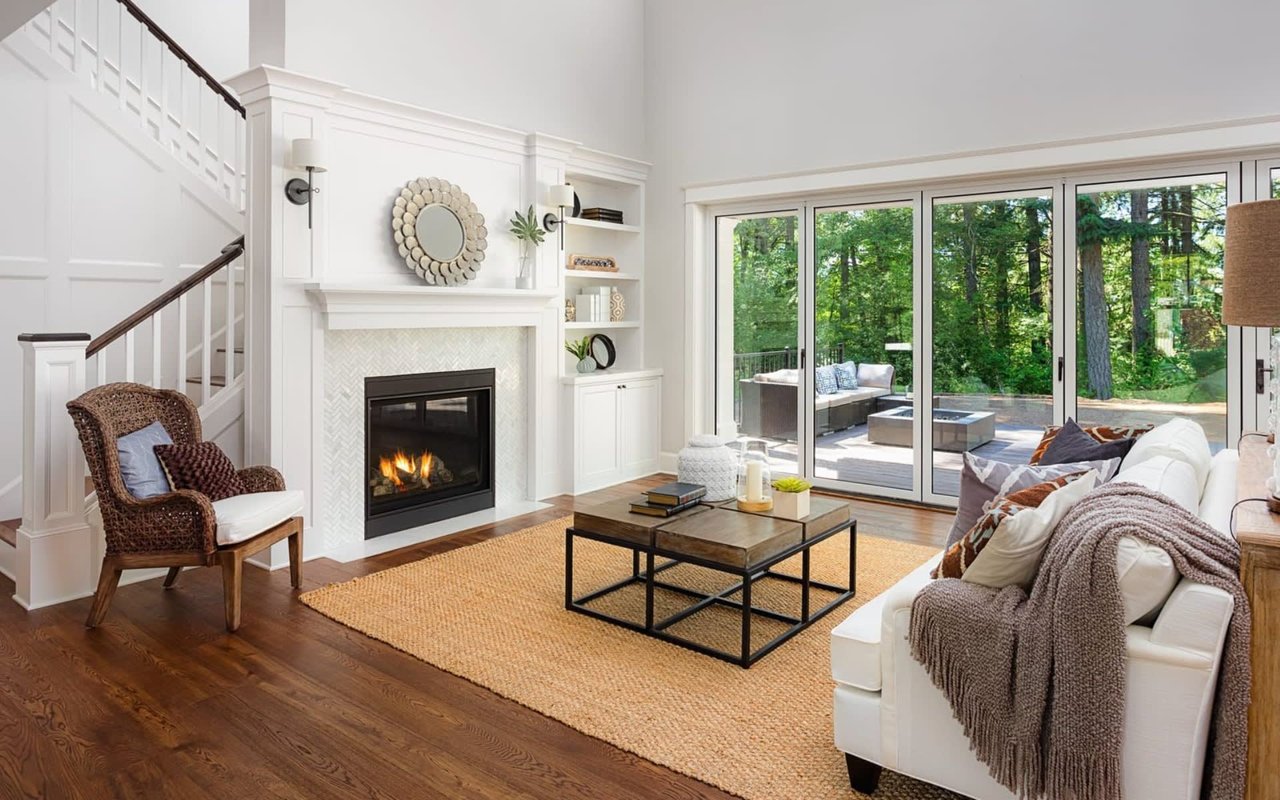
But they’re also picturing birthday parties in the backyard.
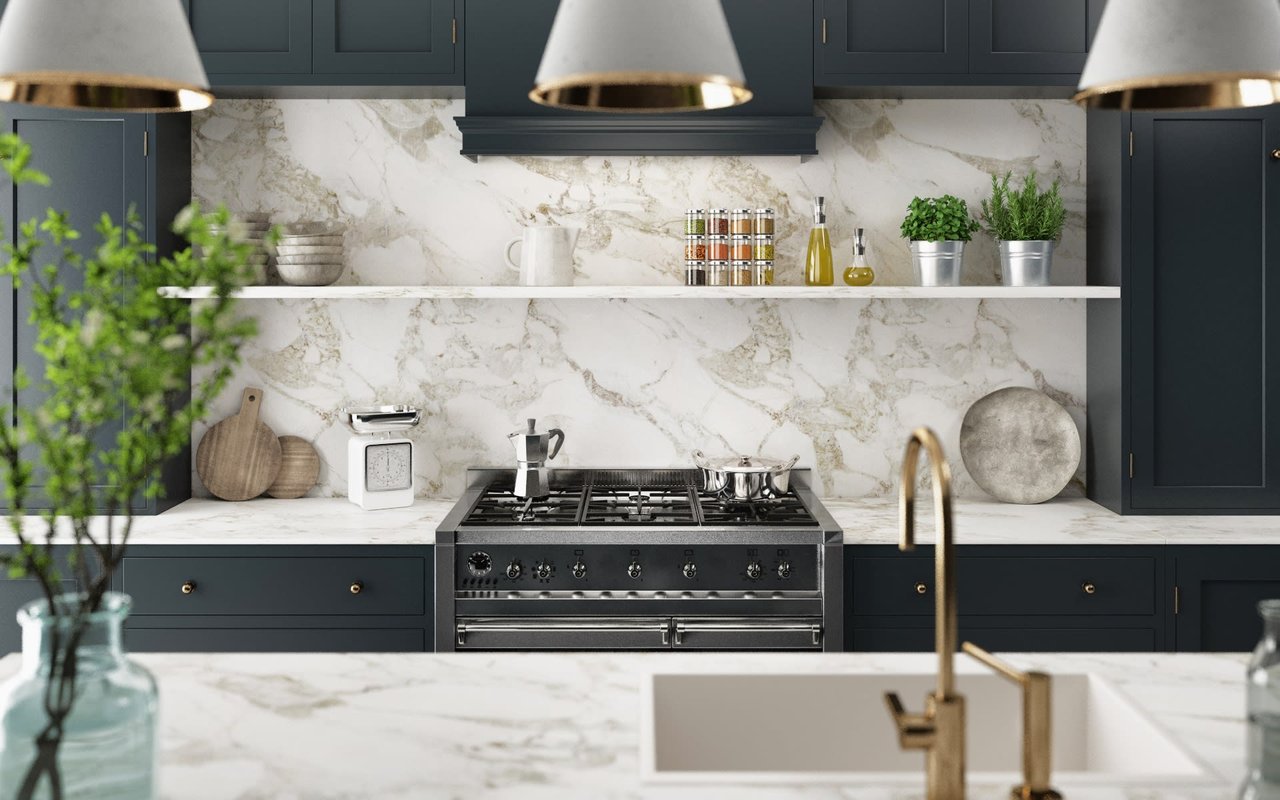
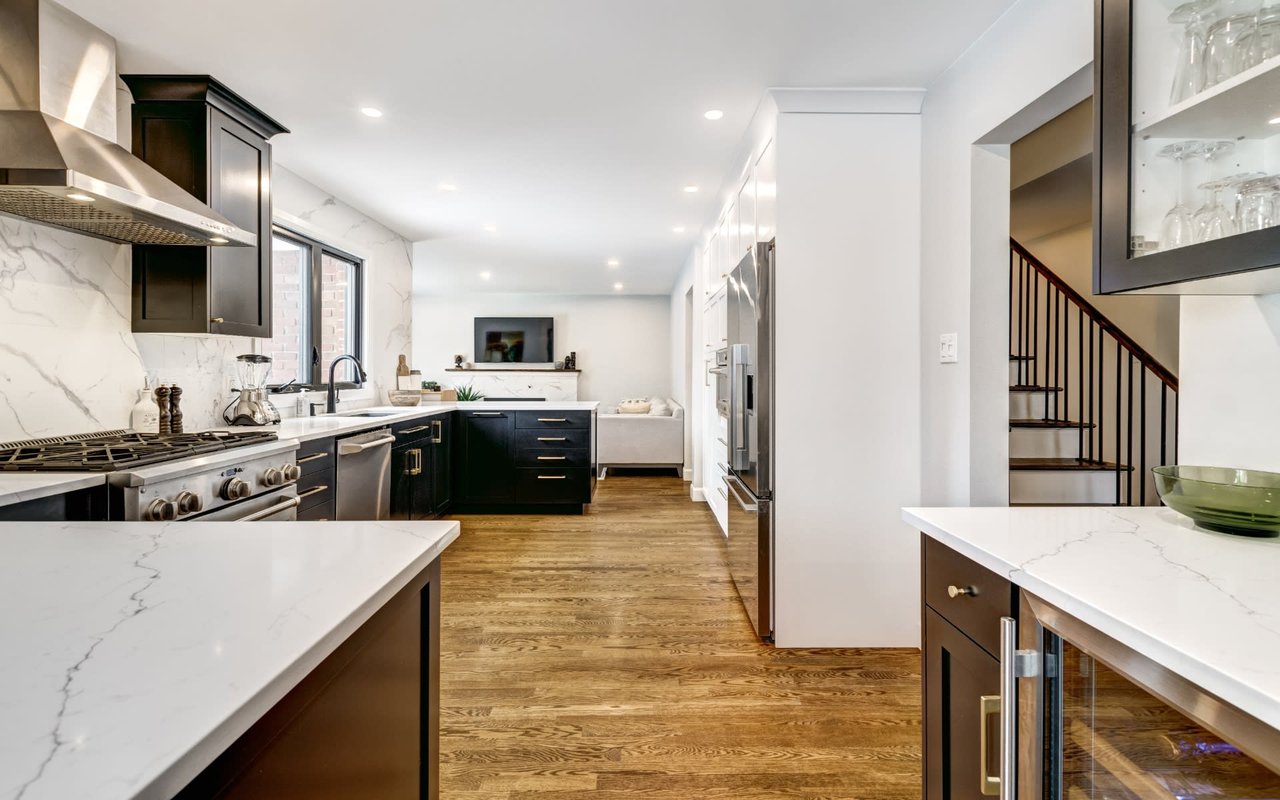
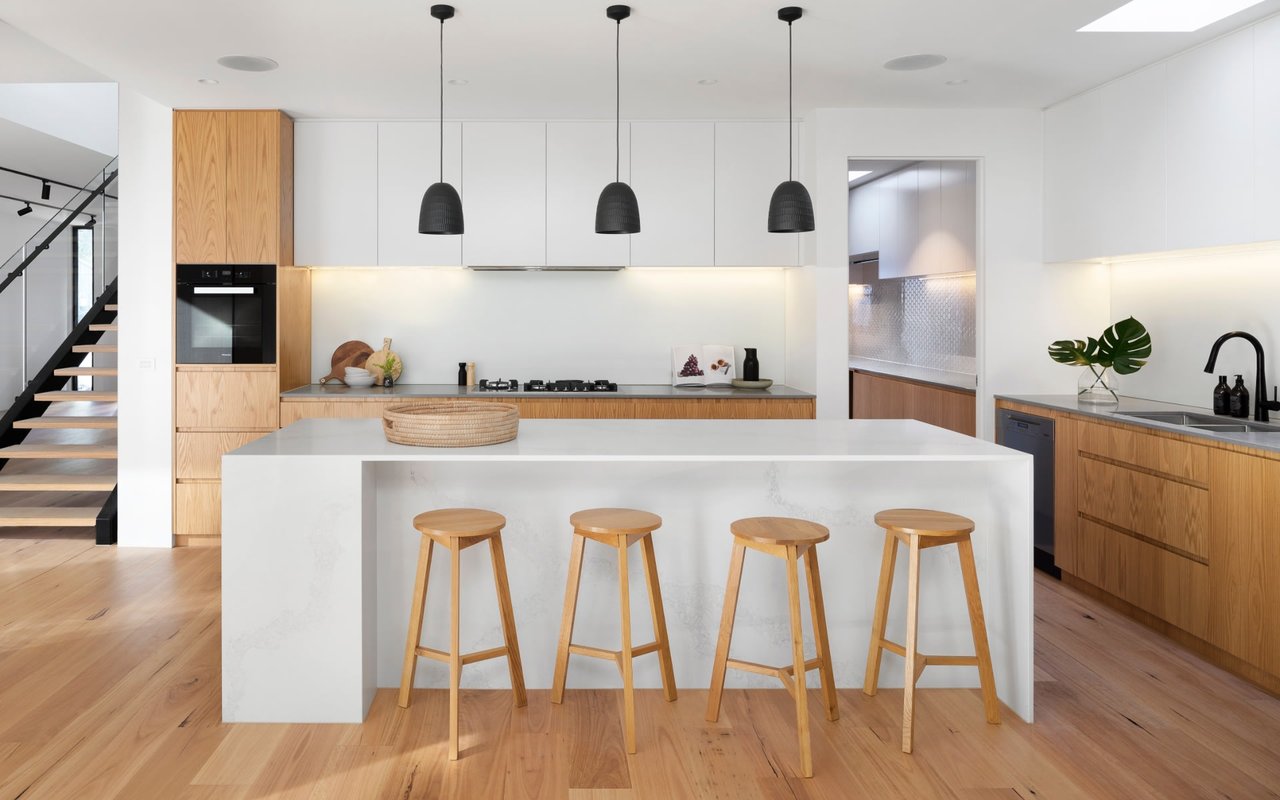
They’re imagining morning coffee in the kitchen.
They’re asking themselves, “Can I see my life here?”
That emotional connection is what drives strong offers — and sometimes aggressive negotiations.
First Impressions Drive Negotiation Power
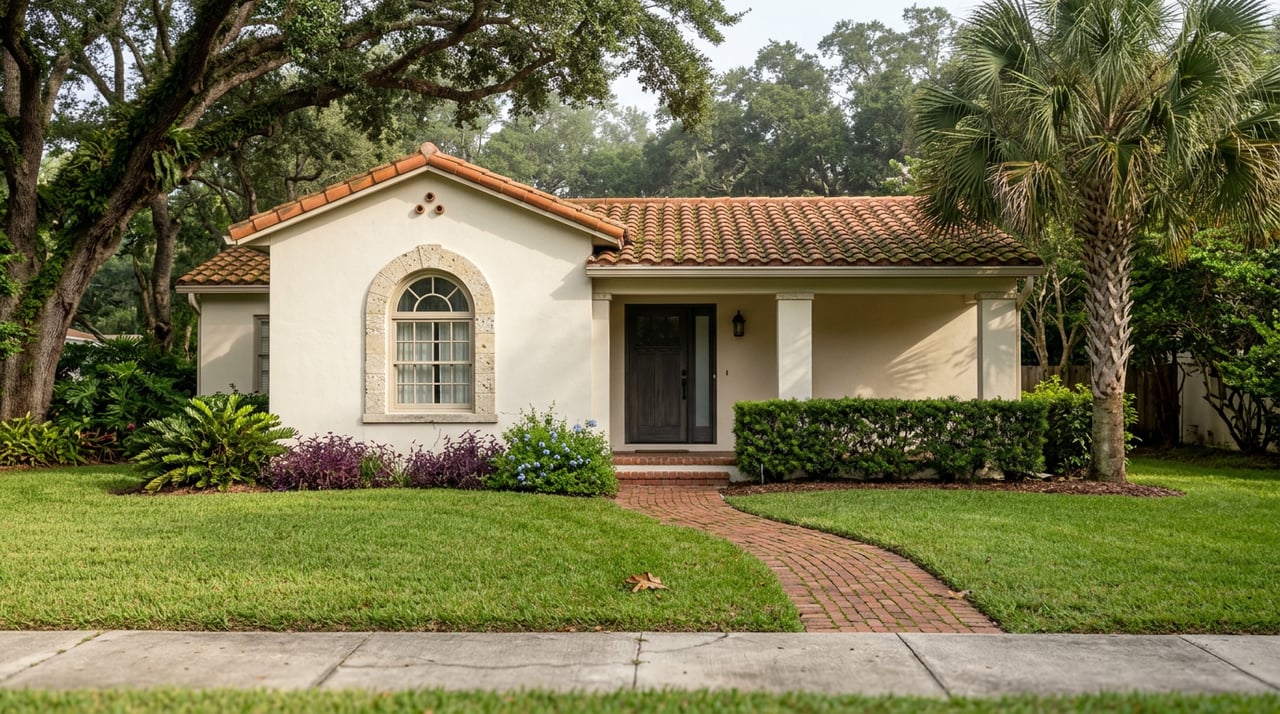
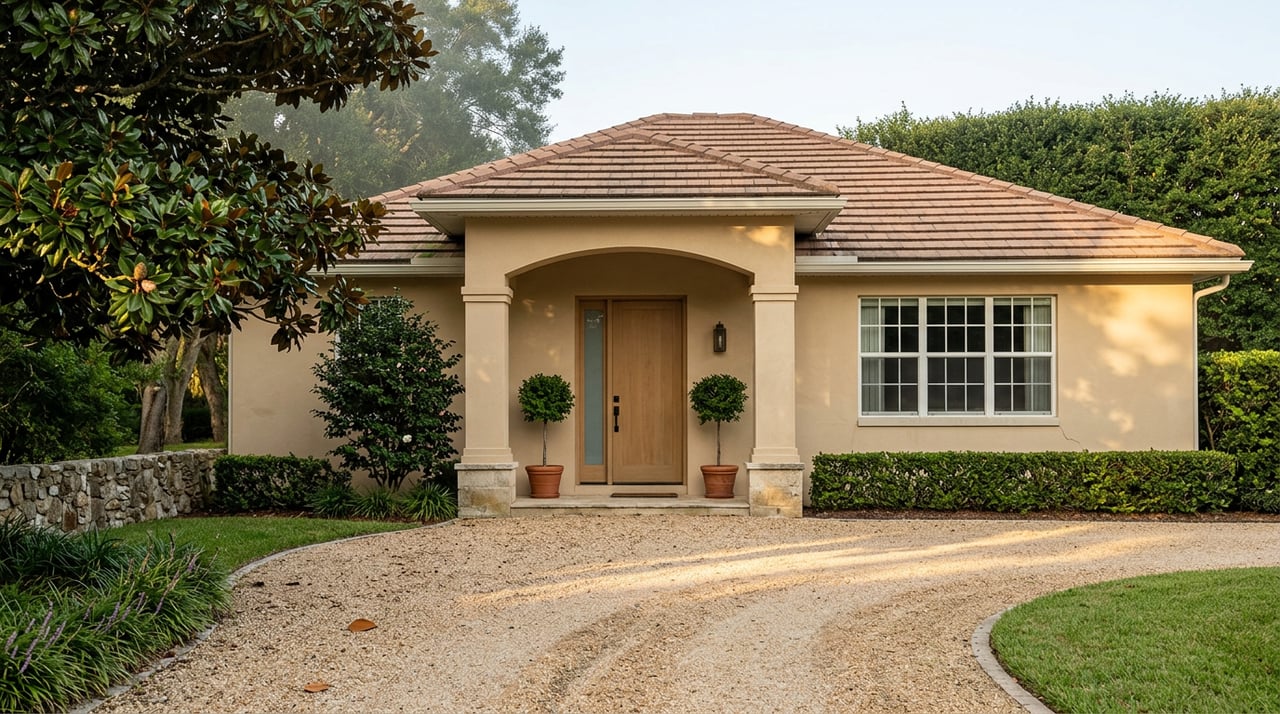
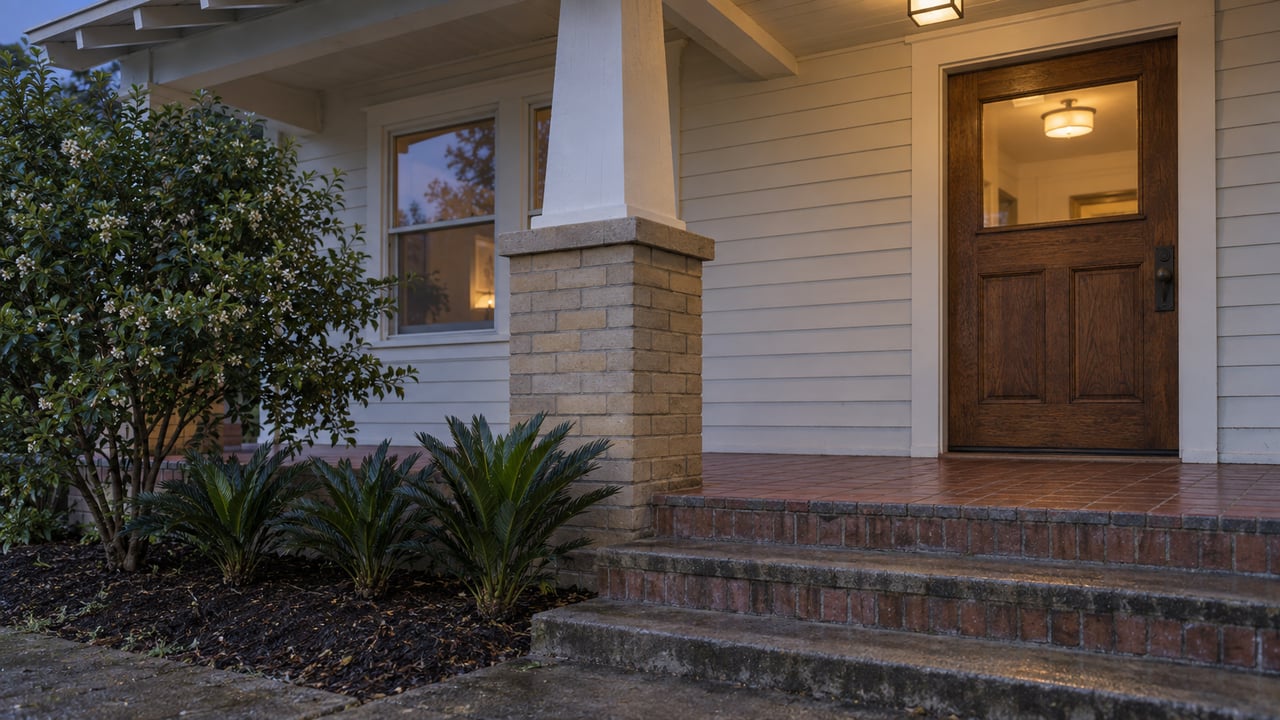
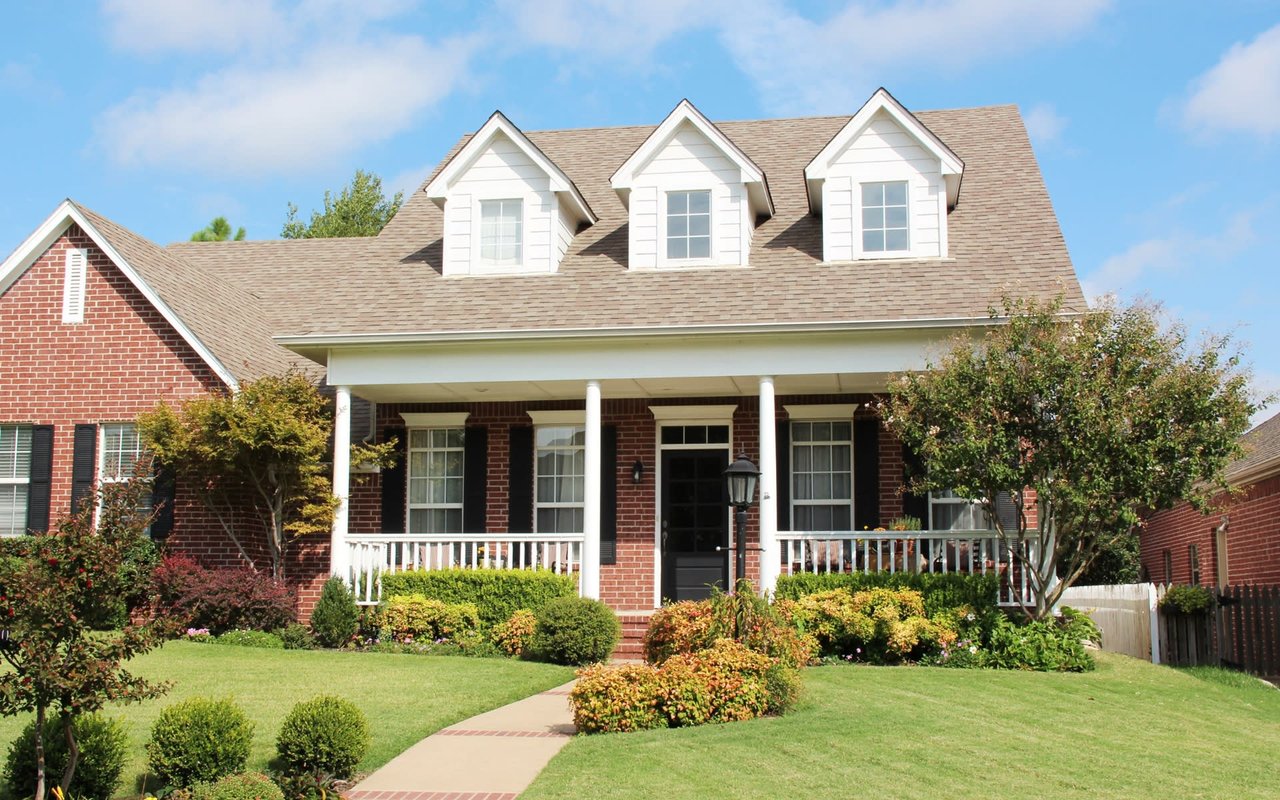
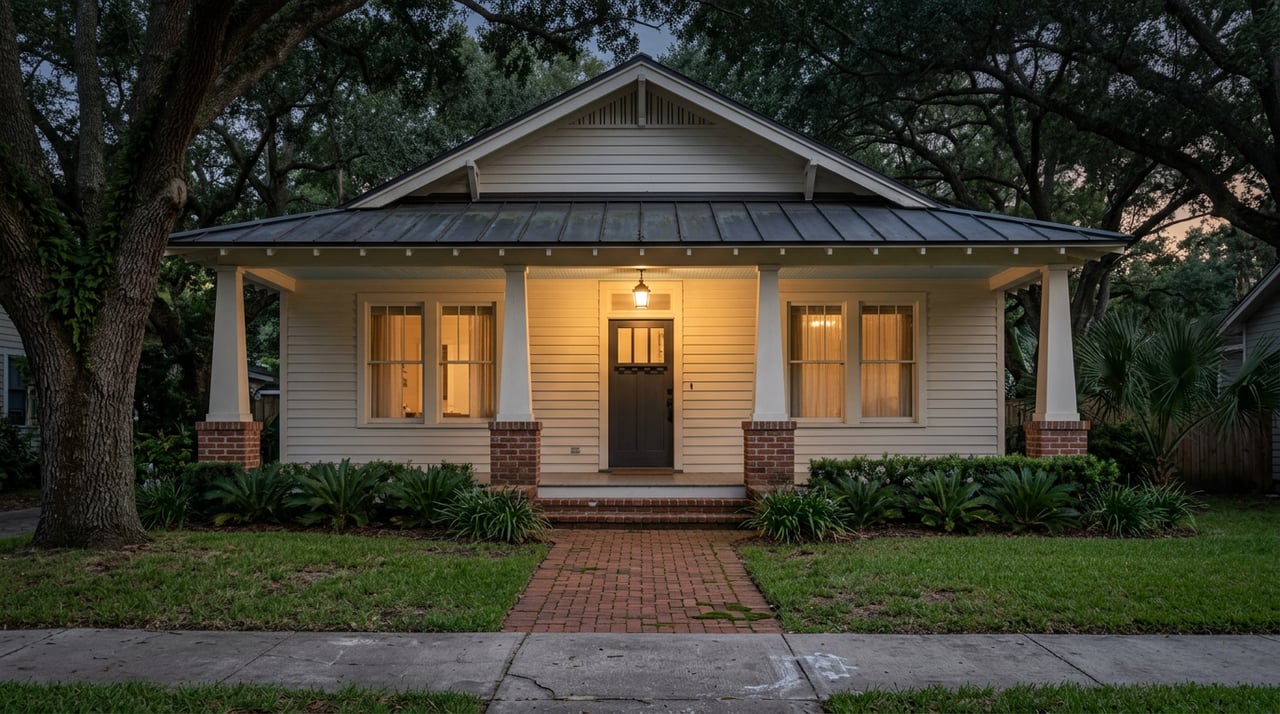
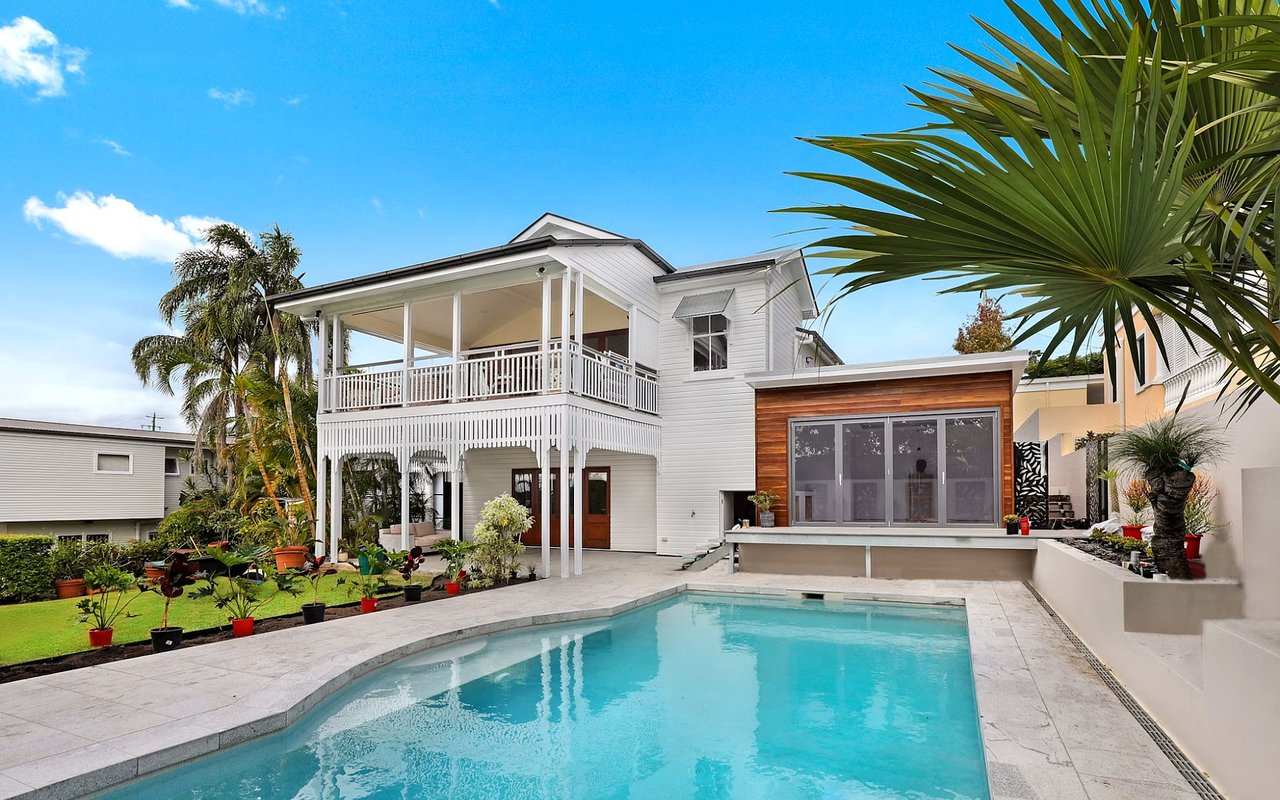
Here’s the truth: buyers decide how they feel about your home within minutes.
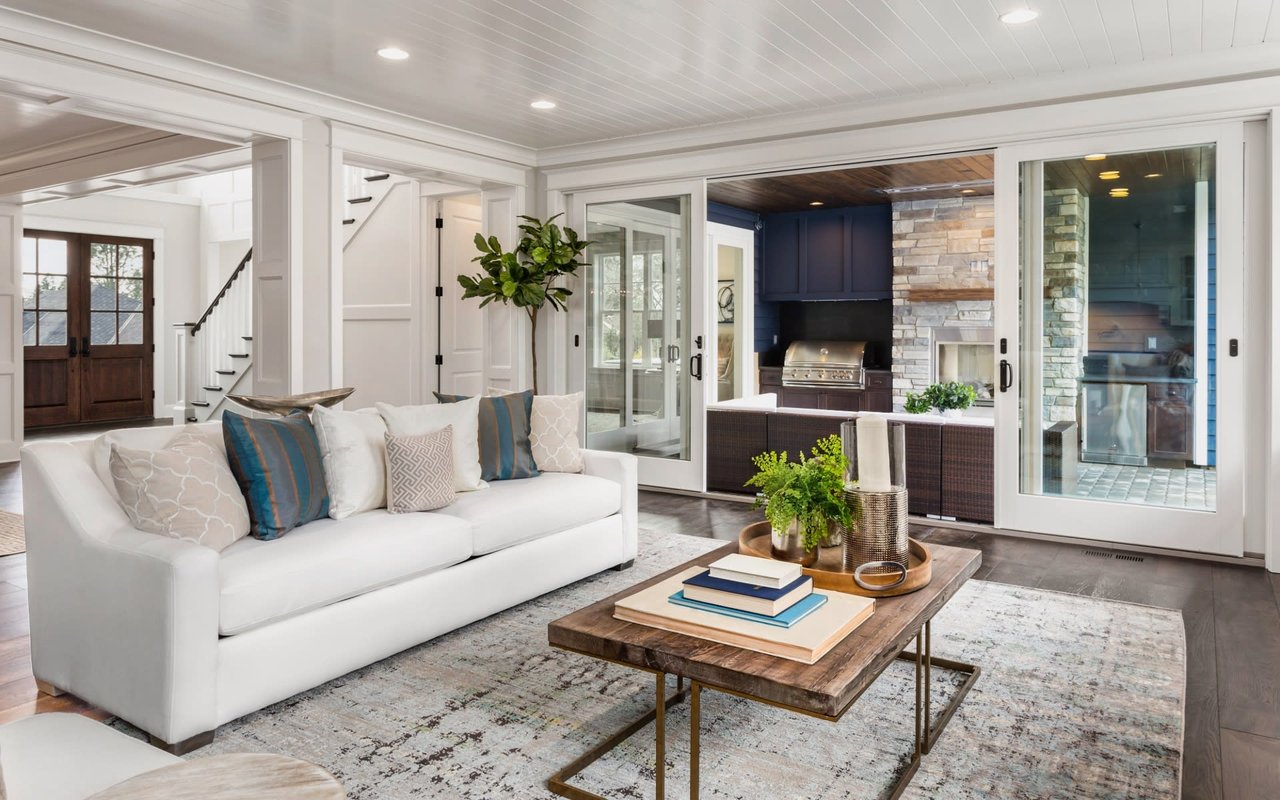
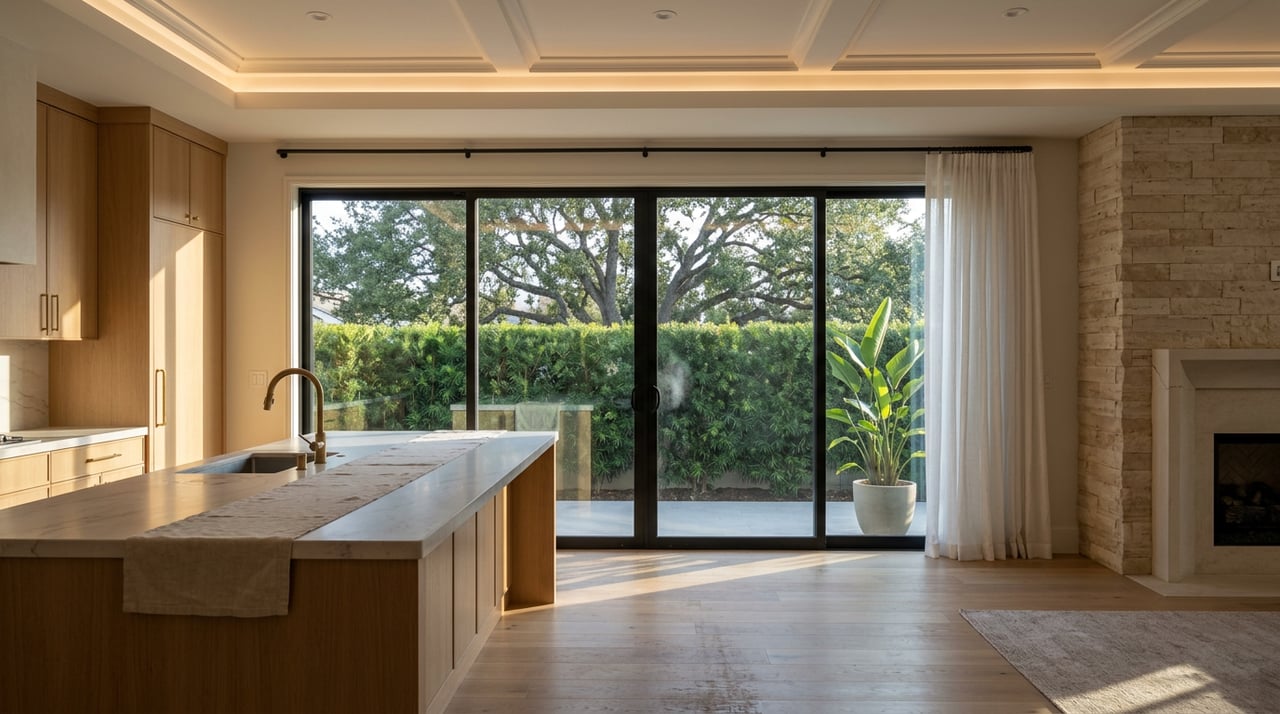
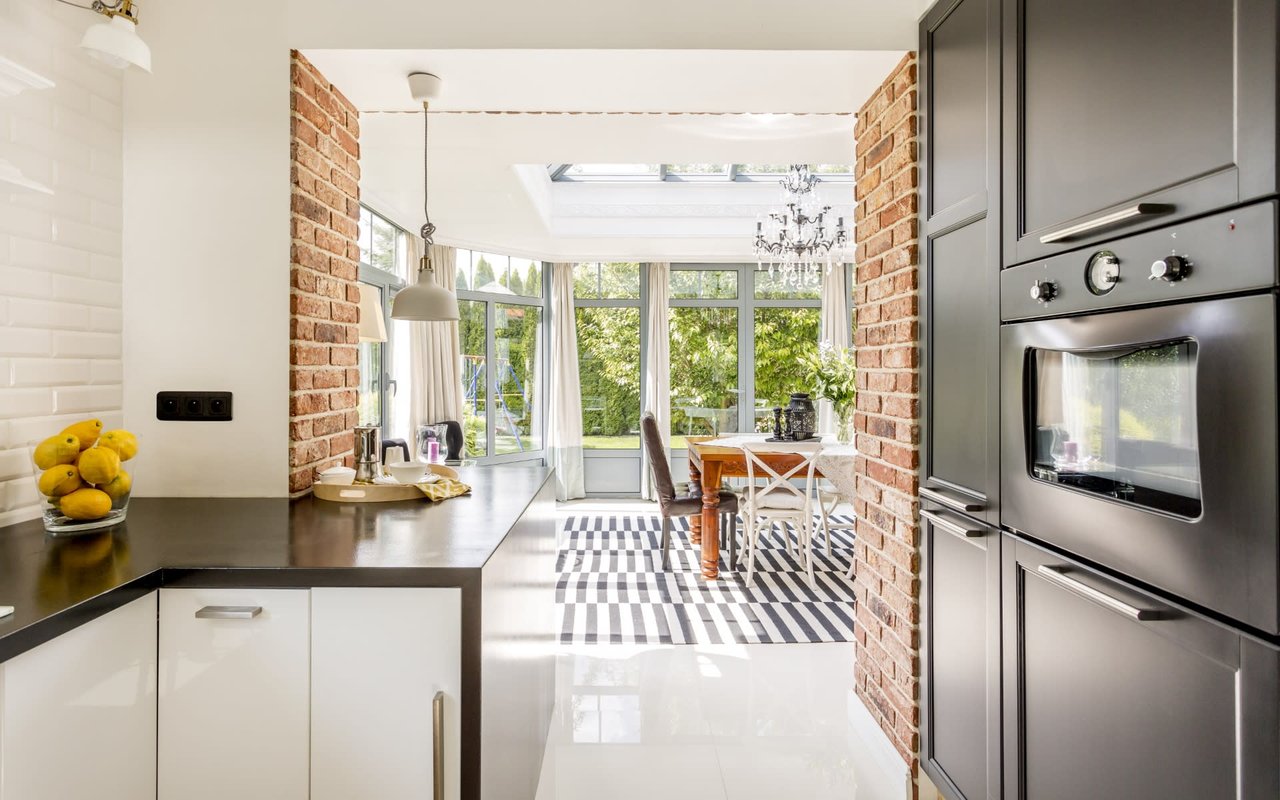
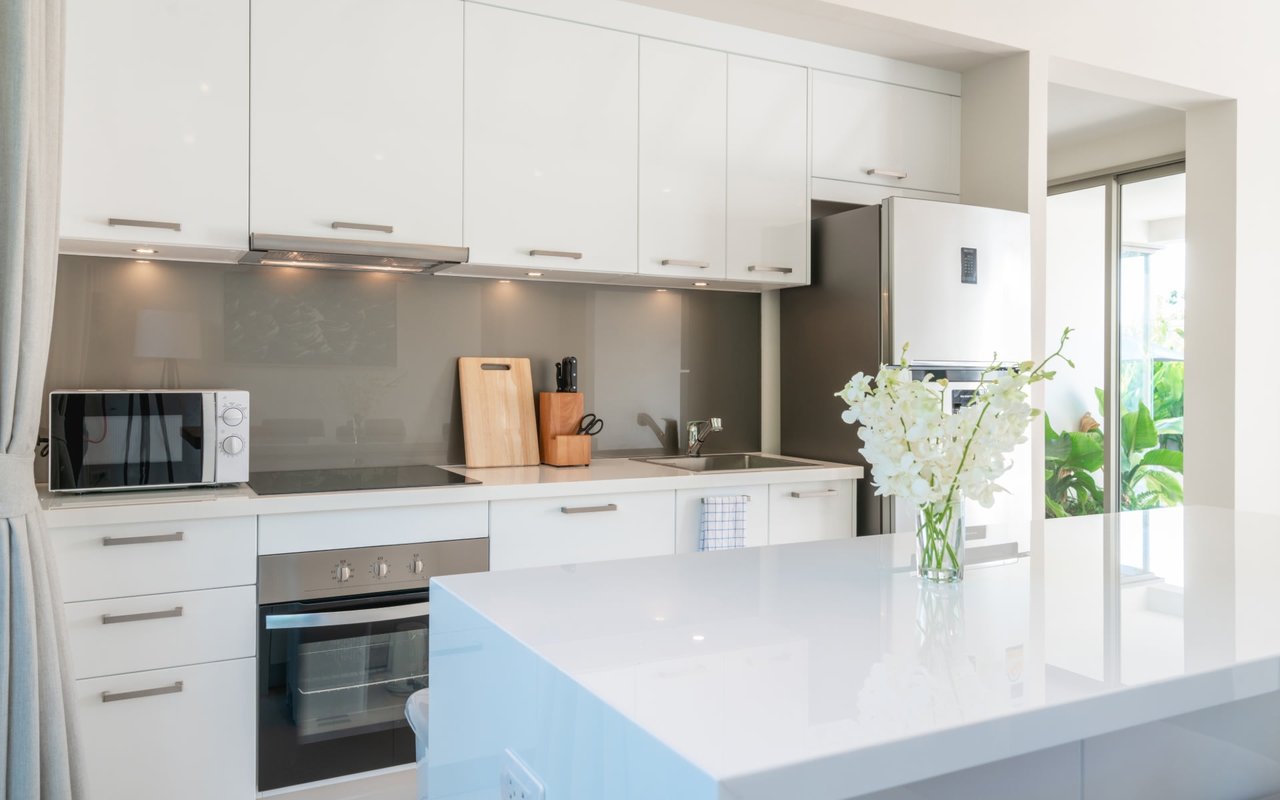
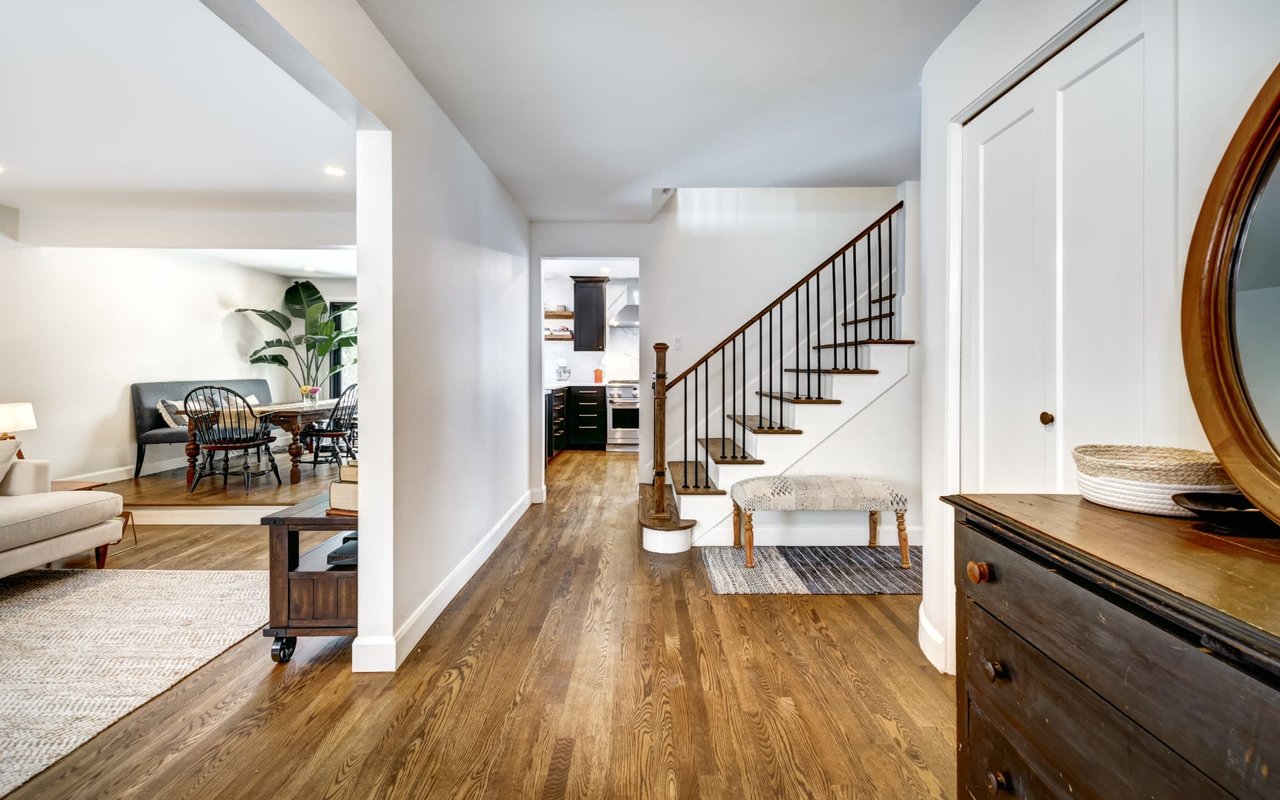
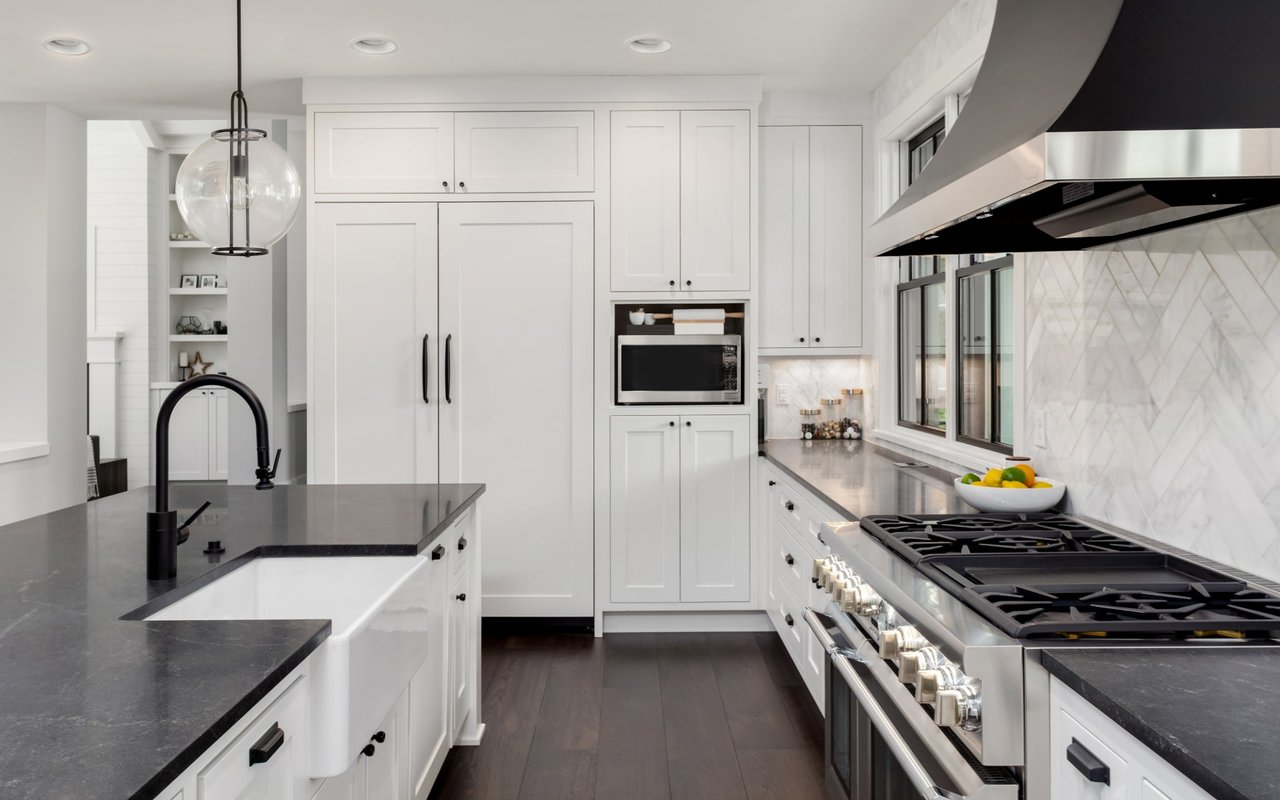
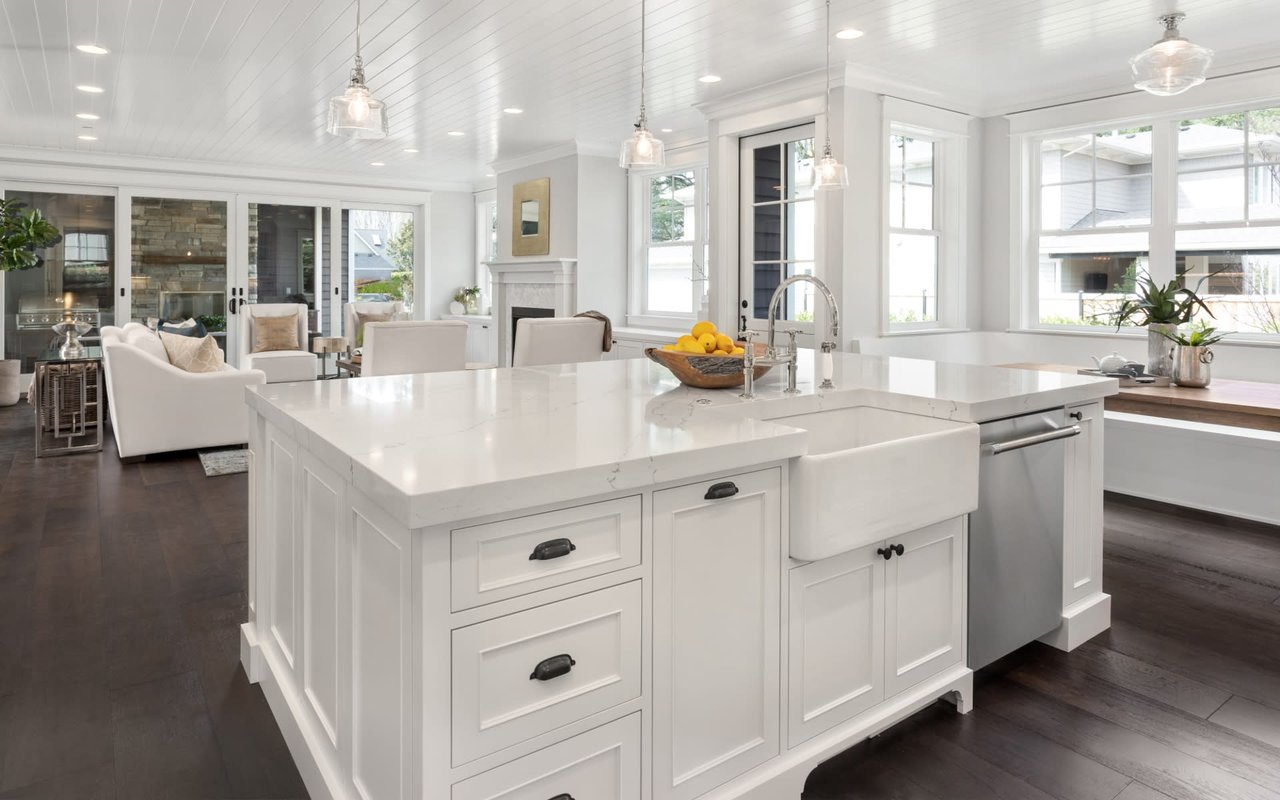
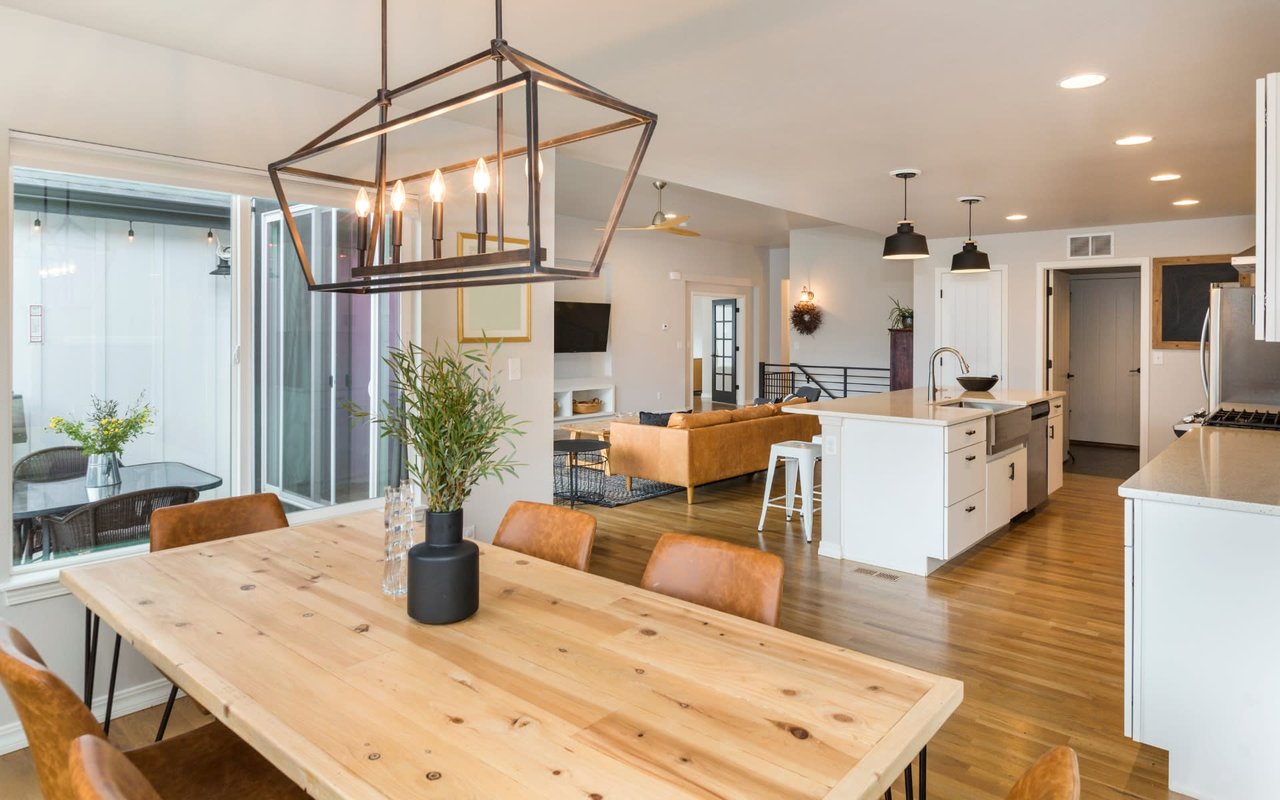
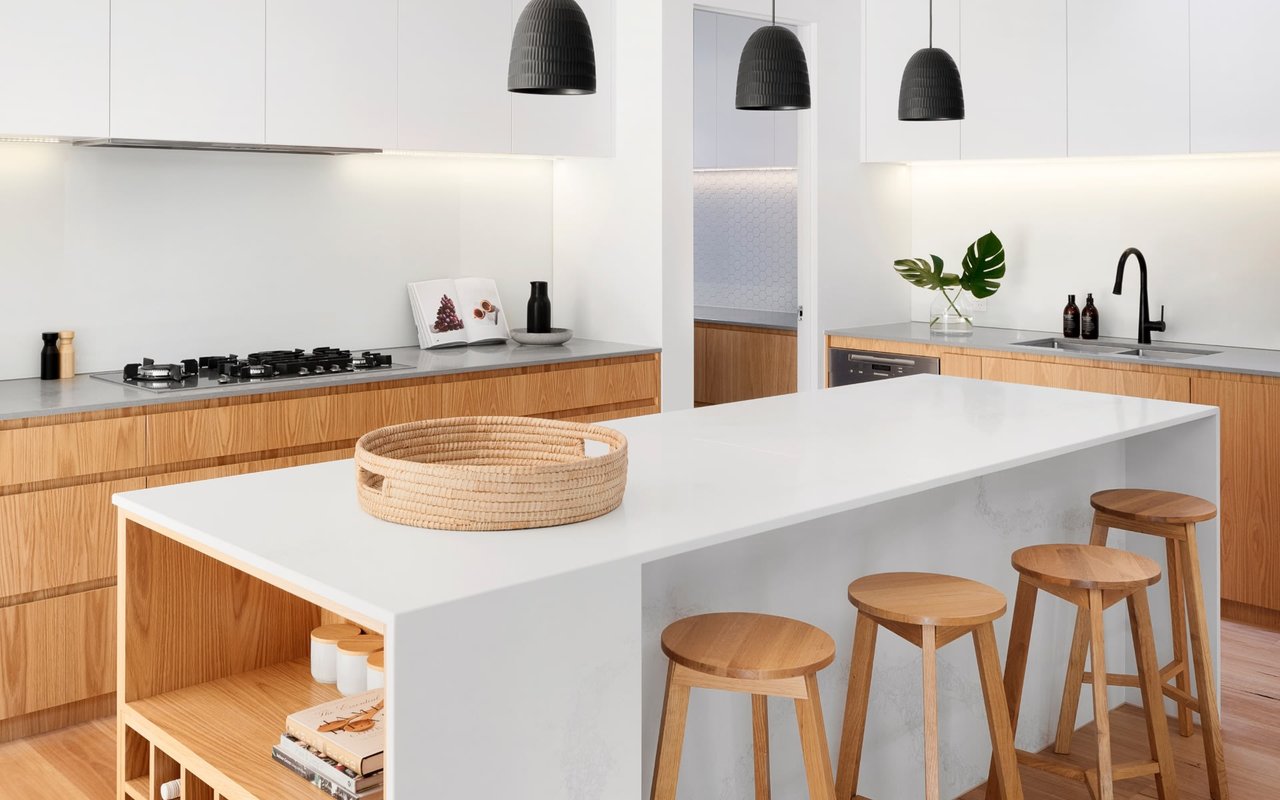
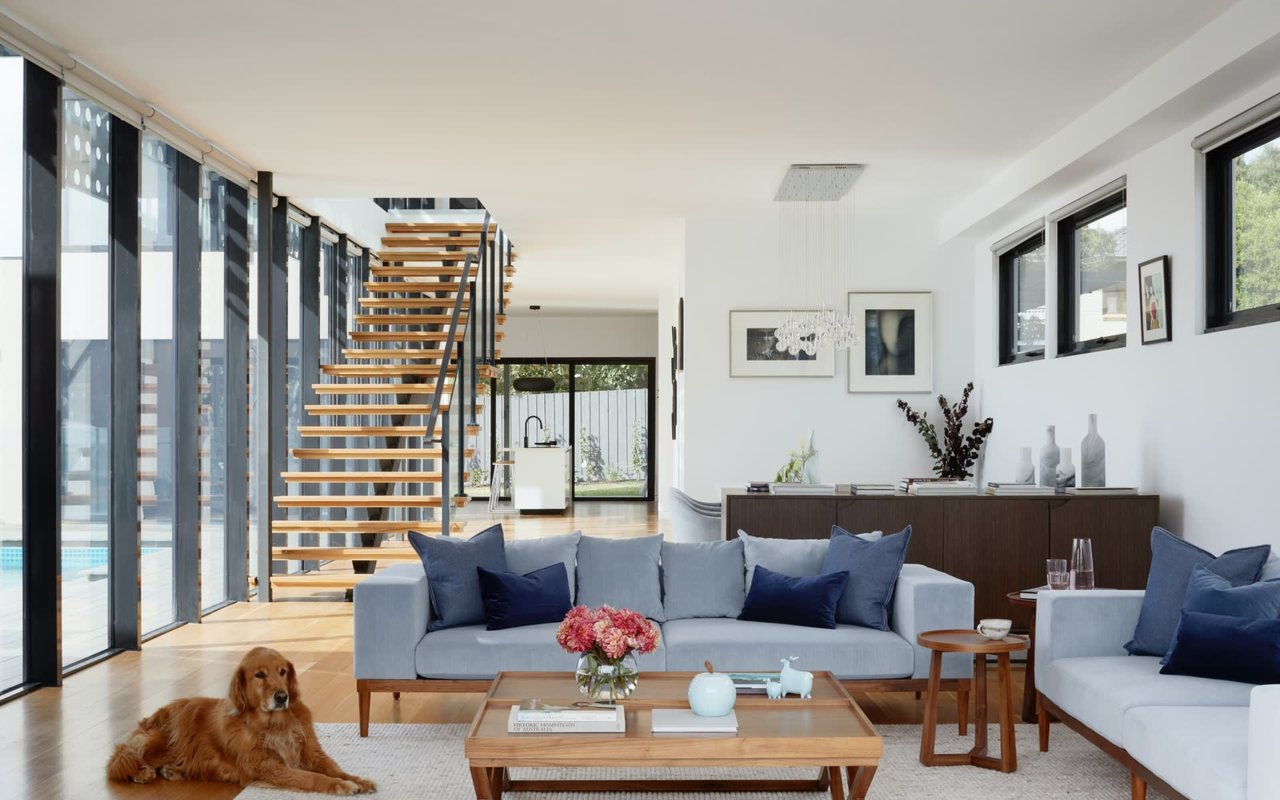
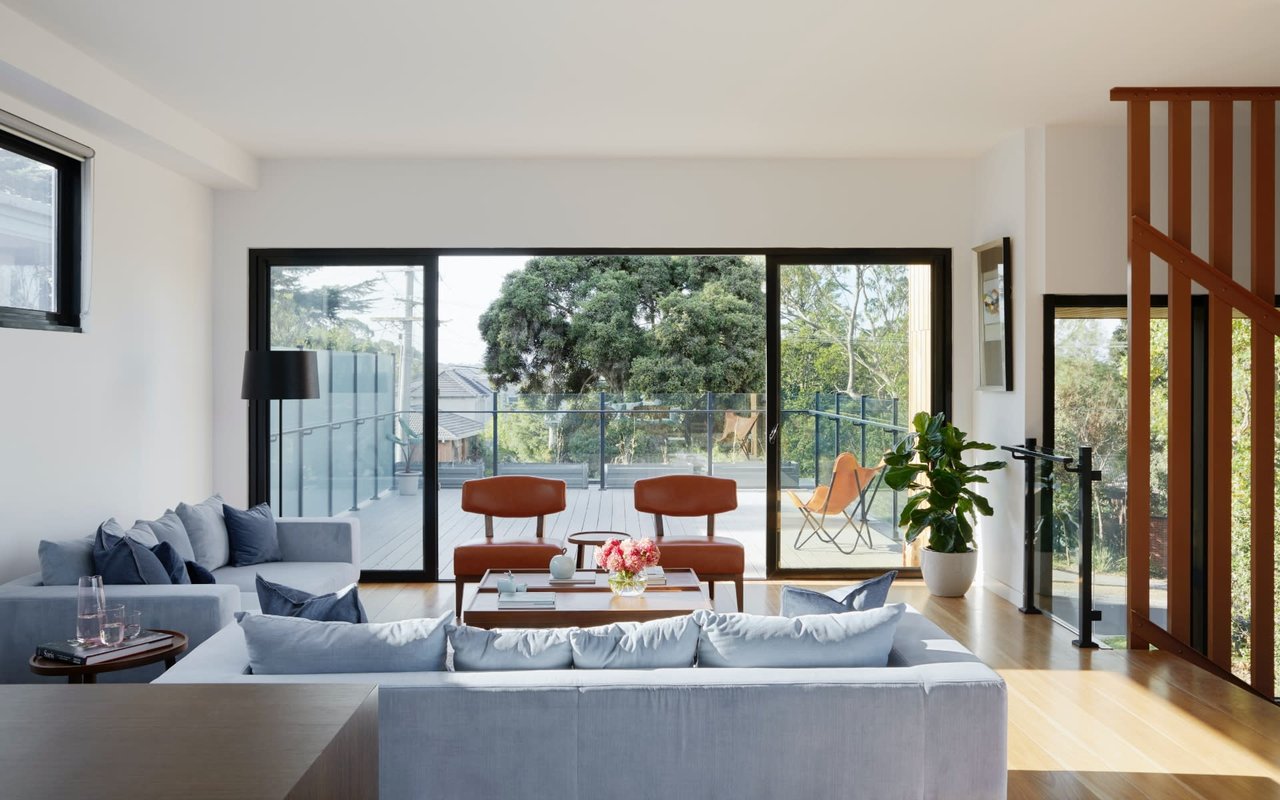
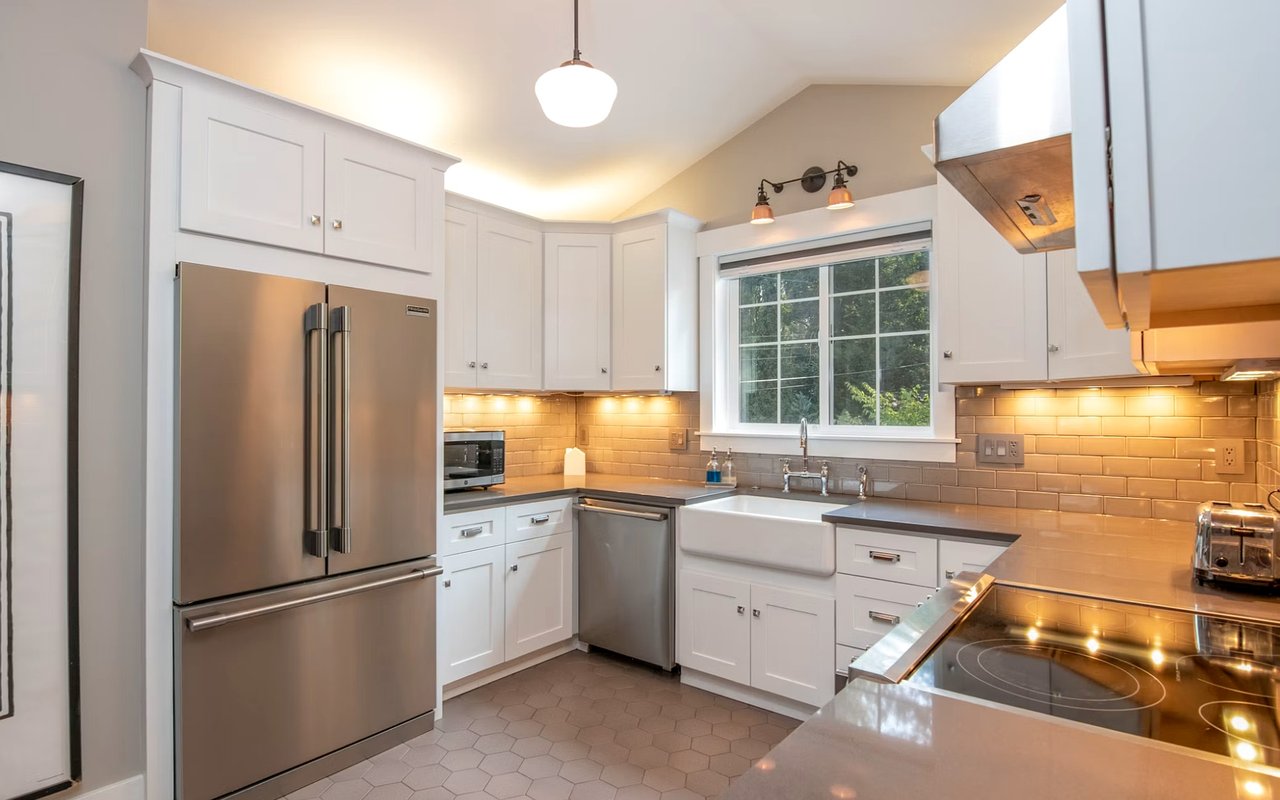
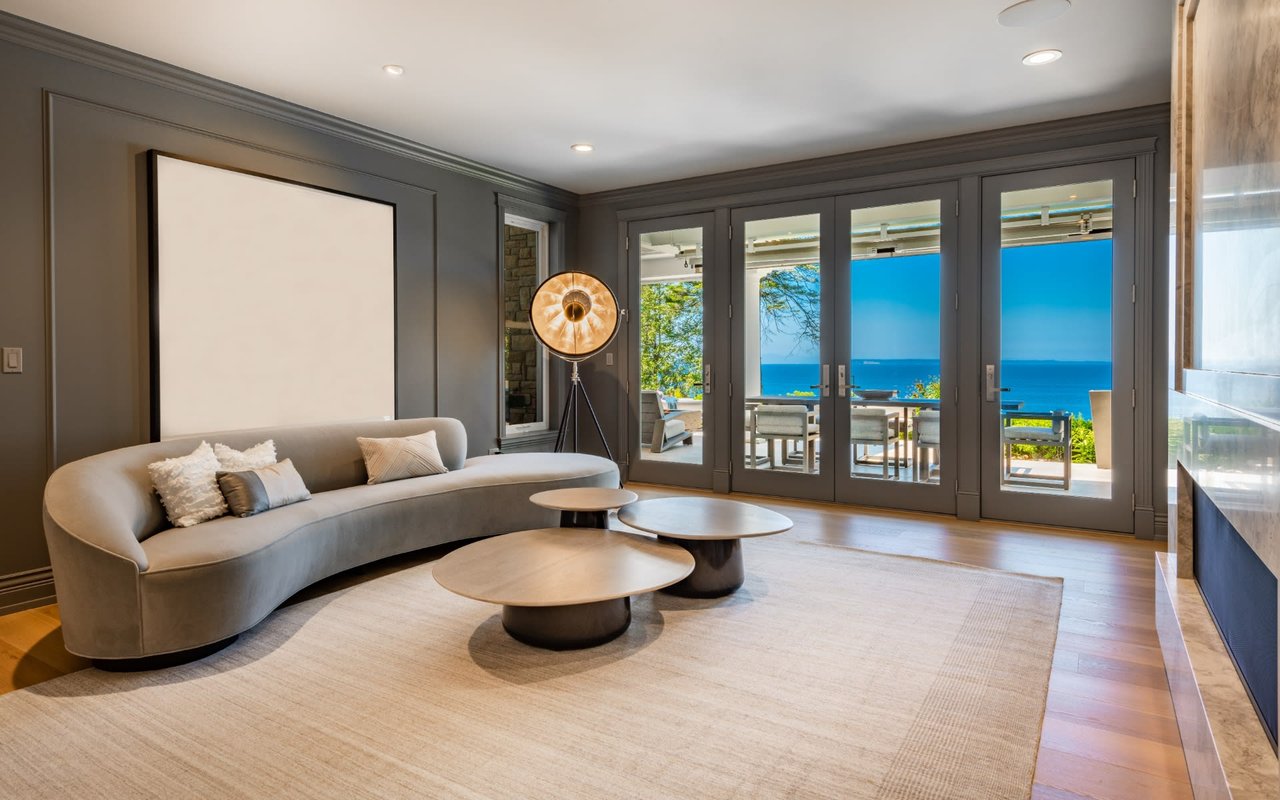
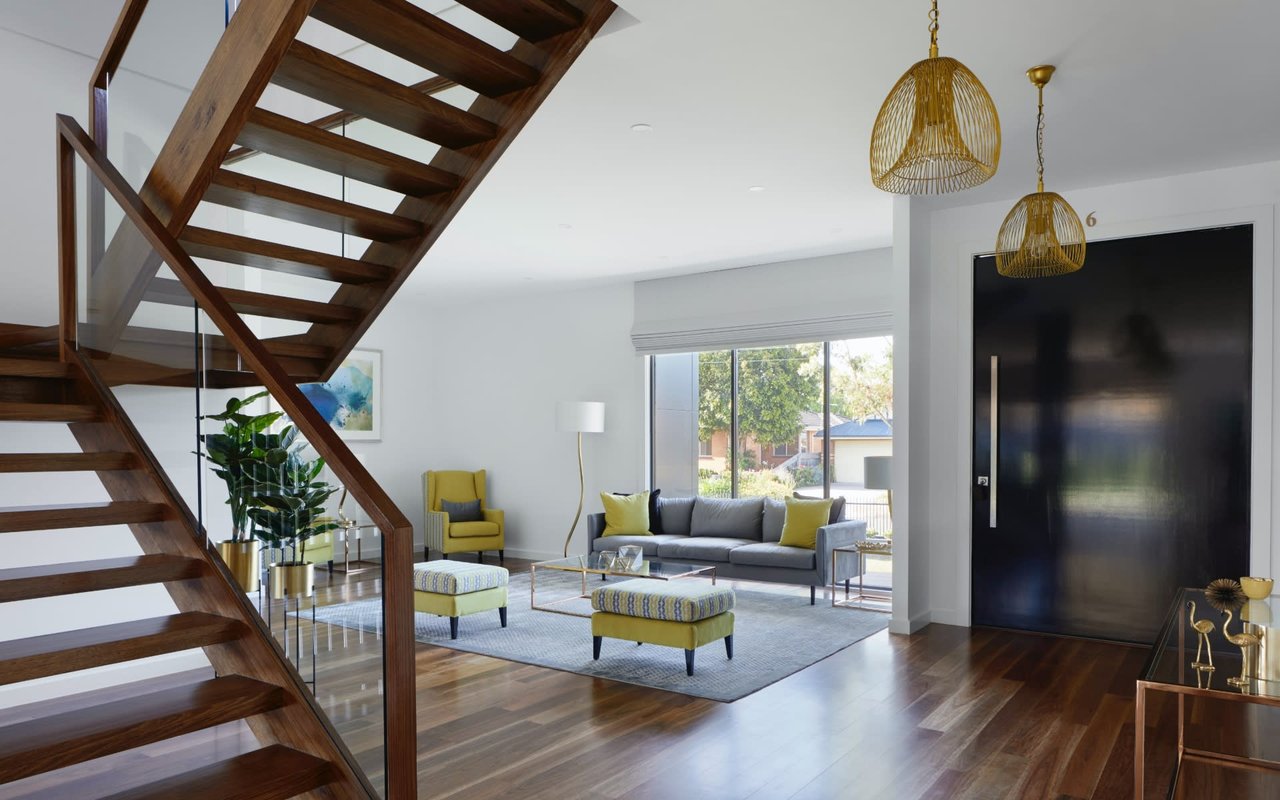
If they walk in and it feels bright, clean, and well cared for, they subconsciously assume the home has been maintained. That confidence reduces their need to “protect themselves” with lower offers or excessive repair demands.
On the other hand, if a home feels cluttered, dark, or dated, buyers immediately start calculating risk. And when buyers feel at risk, they negotiate harder.
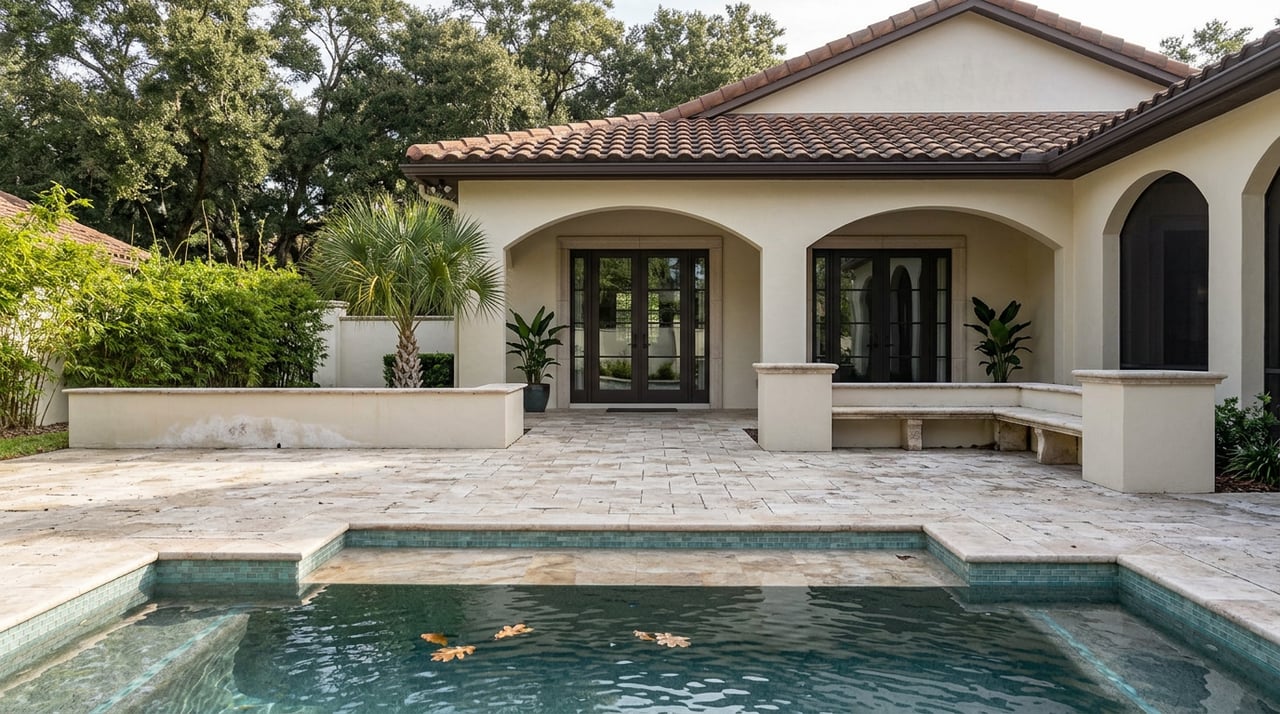
This is why we guide our sellers so intentionally on presentation — not because we want perfection, but because we understand perception.
In Tampa’s mid-range market, perception can easily shift your final sales price by thousands.
Pricing Triggers Emotion
Overpricing in this price band is one of the biggest psychological mistakes we see.
Mid-range buyers are comparison shoppers. They’re touring multiple homes in the same weekend. If your home feels slightly overpriced compared to similar options, the emotional response isn’t neutral — it’s resistance.
Instead of excitement, they feel skepticism.
Instead of urgency, they feel hesitation.
But when a home is priced strategically — right at or just under market value — something powerful happens: competition.
Competition creates urgency.
Urgency creates stronger offers.
Stronger offers reduce negotiation leverage for buyers.
This isn't a theory. We see it play out every week.
Inspection Negotiations Are Emotional, Too
Once you’re under contract, buyer psychology doesn’t disappear — it intensifies.
In the mid-range market, buyers are often stretching financially. After inspections, even minor issues can trigger anxiety. It’s rarely about the $300 repair. It’s about reassurance.
They’re asking:
“Did we make the right decision?”
“Are we overpaying?”
“Is this going to turn into a money pit?”
This is where experienced representation matters. We help our sellers understand when a request is emotional versus material. Not every repair request requires a full concession — sometimes it requires context, documentation, or a calm, strategic response.
Managing emotion — not escalating it — protects your bottom line.
Investors Think Differently — But Emotion Still Exists
Even investors in Tampa’s mid-range market aren’t purely analytical. Yes, they care about ROI, rental comps, and cap rates. But they’re also influenced by perceived ease.
If a property feels turnkey and low-stress, investors move faster and negotiate less aggressively.
If it feels complicated or uncertain, they discount heavily to account for perceived hassle.
Emotion shows up as risk tolerance.
What Sellers Should Take Away
-
Presentation influences perceived value.
-
Strategic pricing influences urgency.
-
Confidence reduces negotiation pressure.
-
Emotion doesn’t end at the offer — it intensifies during inspections.
The biggest mistake sellers make is assuming buyers are simply “trying to get a deal.” In reality, most buyers are trying to feel secure.
When we position your home to create confidence instead of doubt, negotiations shift in your favor.
That’s where our experience makes the difference. After decades in the Tampa market, we don’t just understand pricing — we understand people.
And in this market, psychology often determines profit.
If you’re considering selling and want a strategy built on more than just comps — one rooted in real buyer behavior — we’re here to guide you every step of the way.