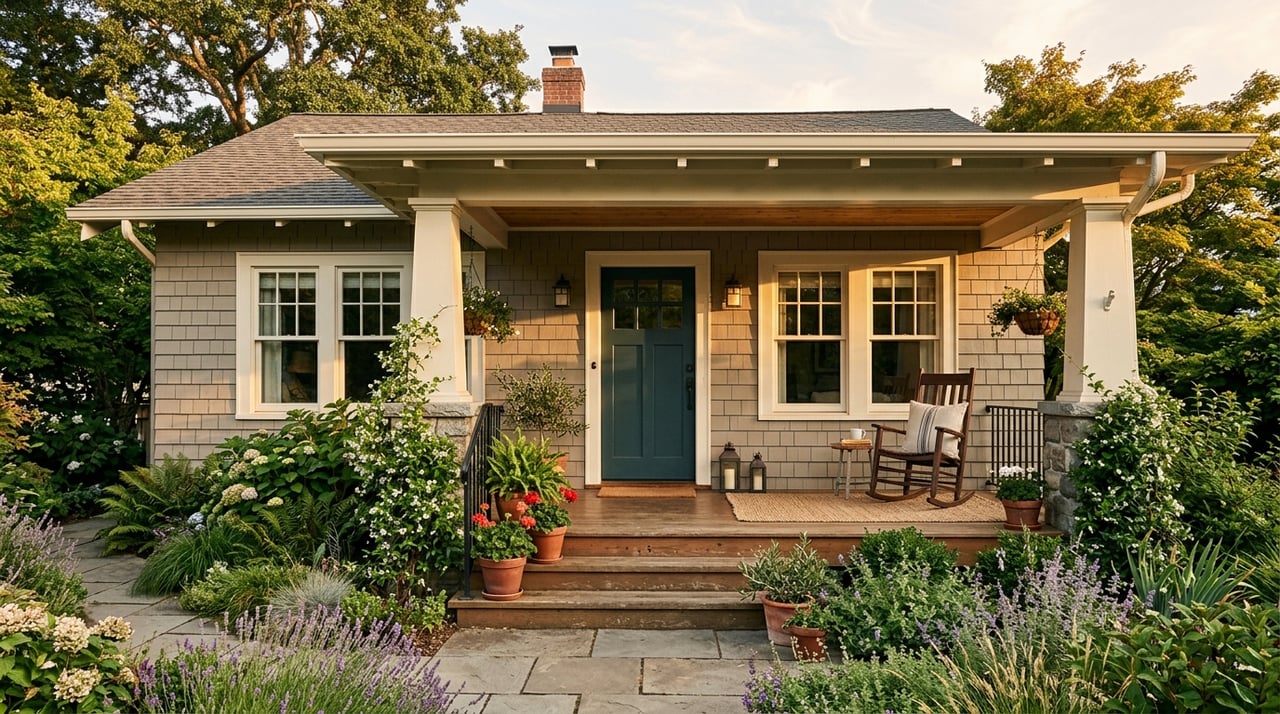
Wondering if Hyde Park is the right fit for your next home in Tampa? You are not alone. Many buyers love the idea of historic charm, walkable surroundings, and central city access, but they also want to understand pricing, upkeep, and what comes with owning in a historic area. This guide will help you compare Hyde Park home types, understand the tradeoffs, and know what to review before you buy. Let’s dive in.
Why Hyde Park Stands Out
Hyde Park is one of Tampa’s oldest neighborhoods, located west of downtown across the Hillsborough River. The City of Tampa describes the area as a neighborhood of historic homes that have been extensively renovated, with access to Old Hyde Park Village and Bayshore Boulevard.
That combination gives Hyde Park a very specific appeal. You get a central Tampa location with a housing mix that feels more established and distinctive than many newer communities. For buyers who want character and convenience, that is a big part of the draw.
What Homes Look Like in Hyde Park
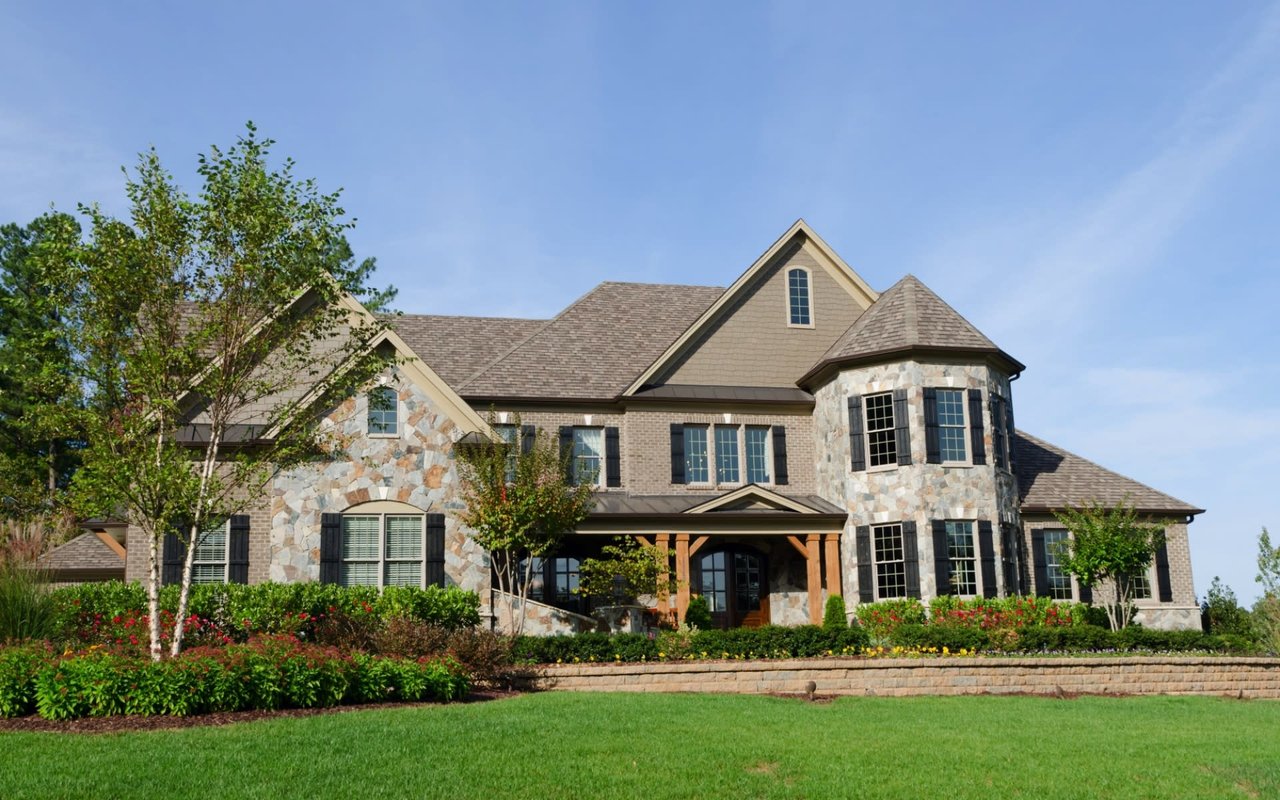
Hyde Park is not a one-size-fits-all market. Current public listings show a wide spread of property types and price points, from smaller condos to renovated single-family homes in the luxury range.
Zillow’s current snapshot shows 54 homes for sale in Historic Hyde Park, with homes in the 33606 area around about $1.08 million. That number helps set the tone for the area, but the real story is the range of options available.
Historic Single-Family Homes
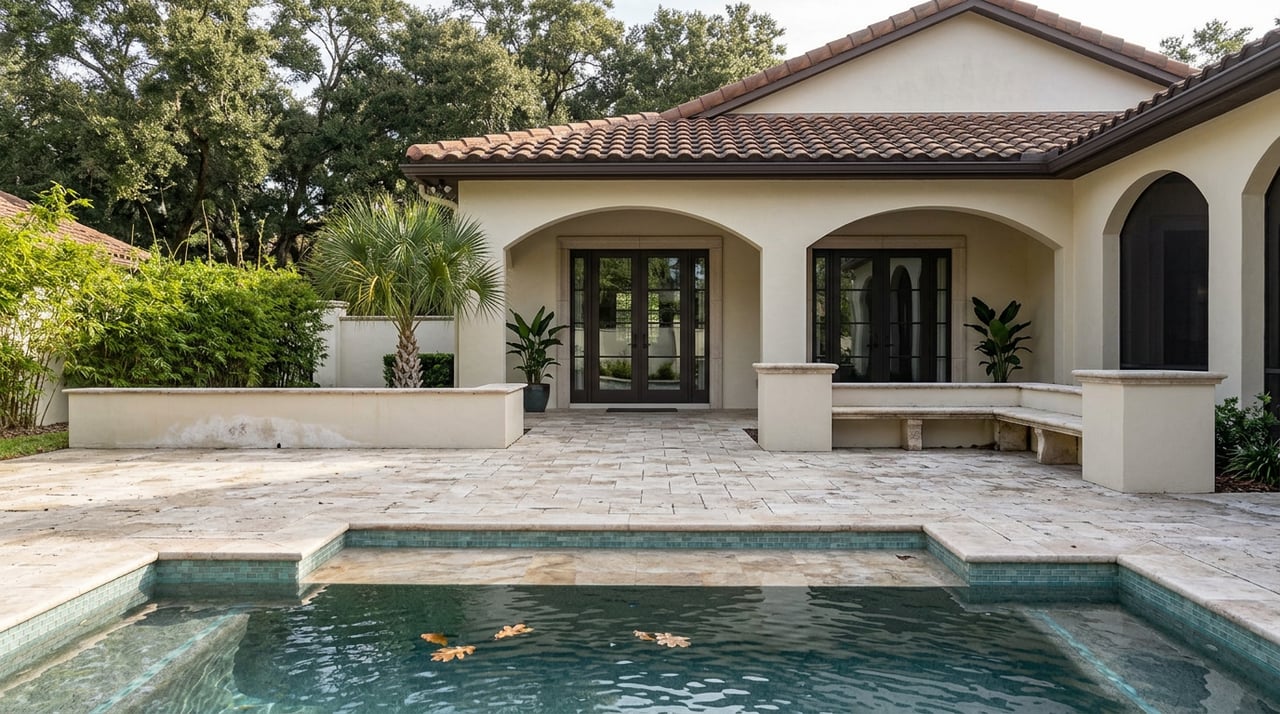
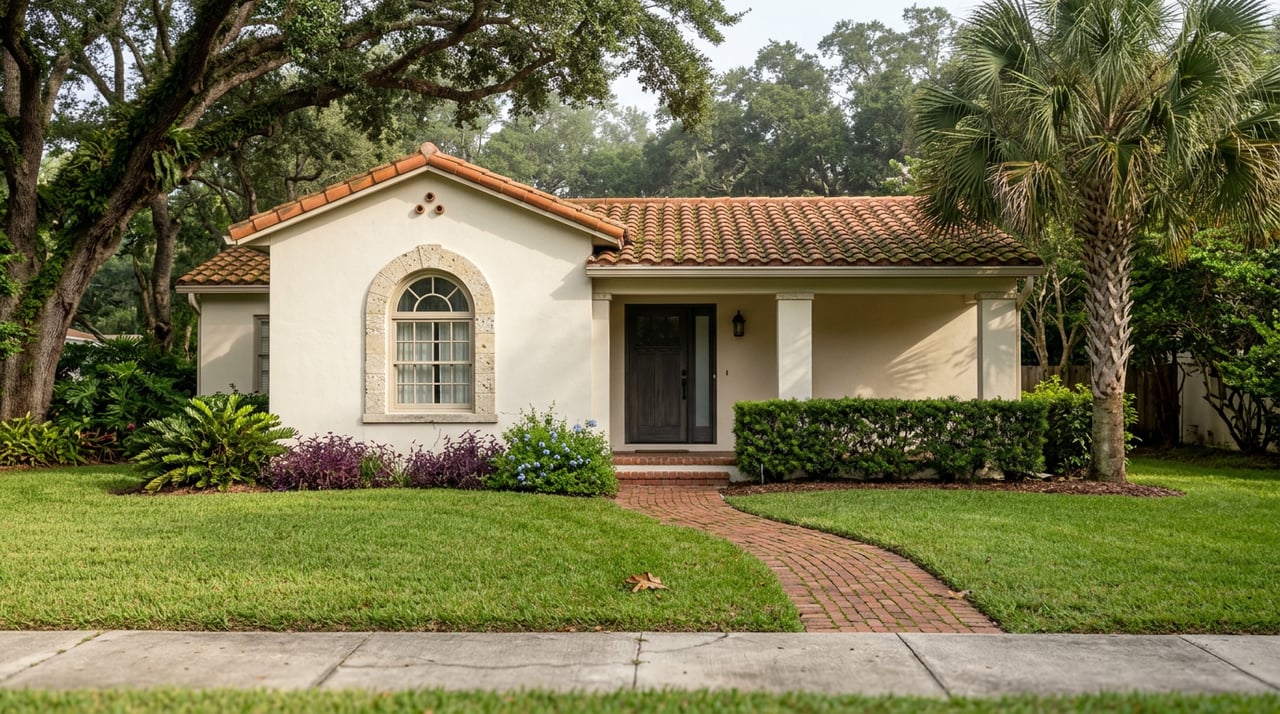
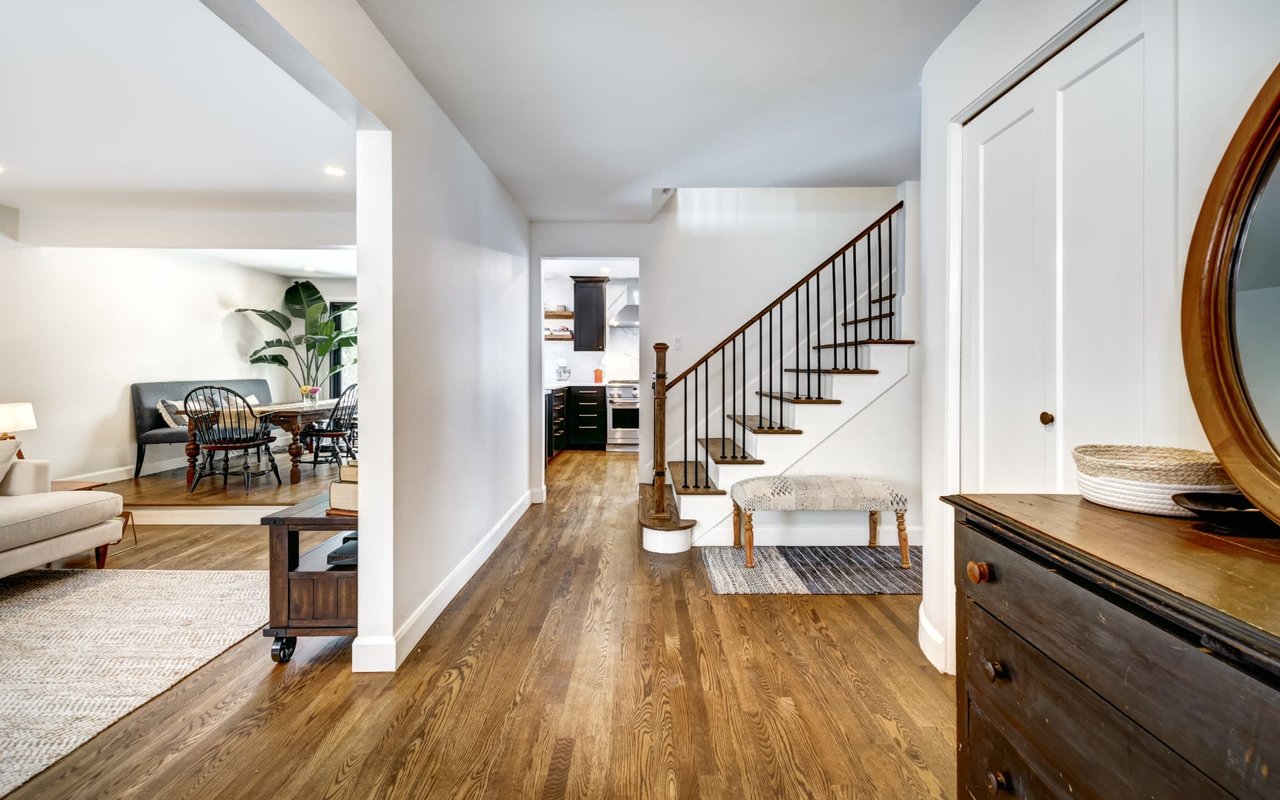
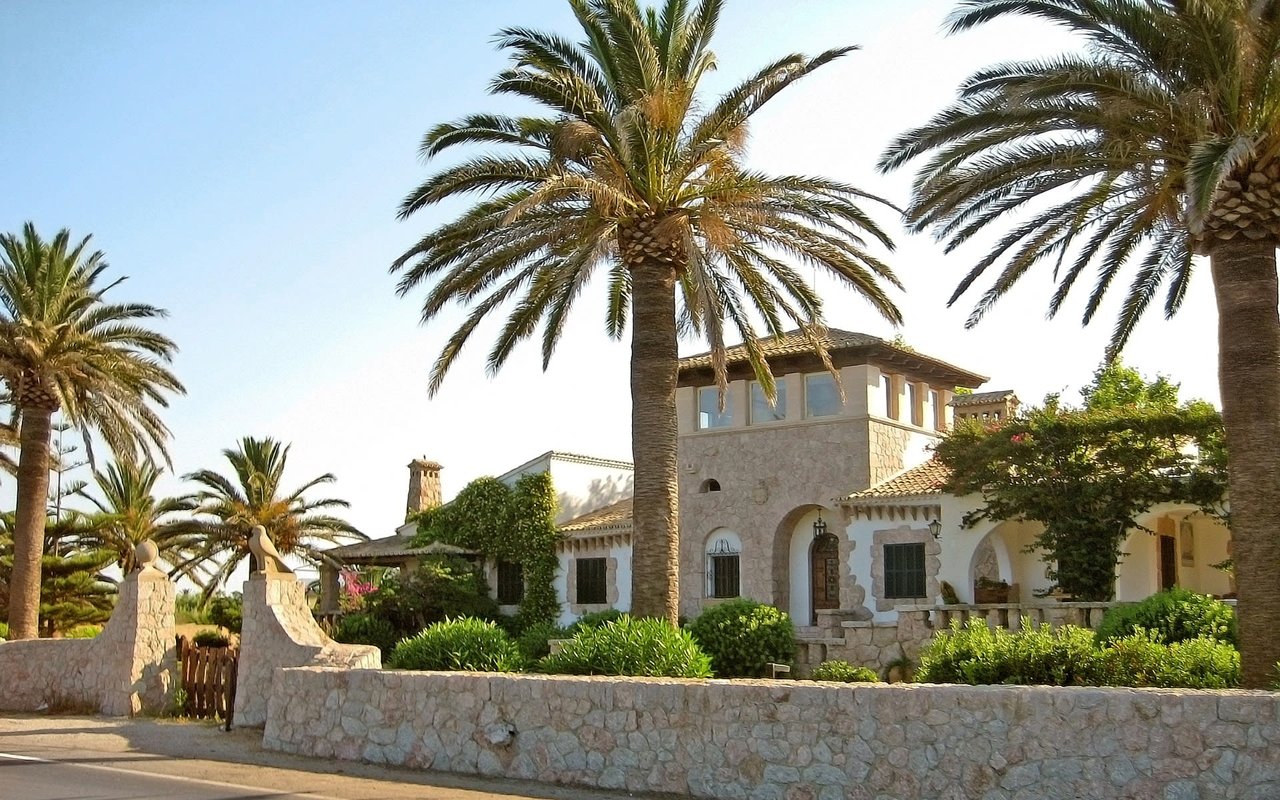
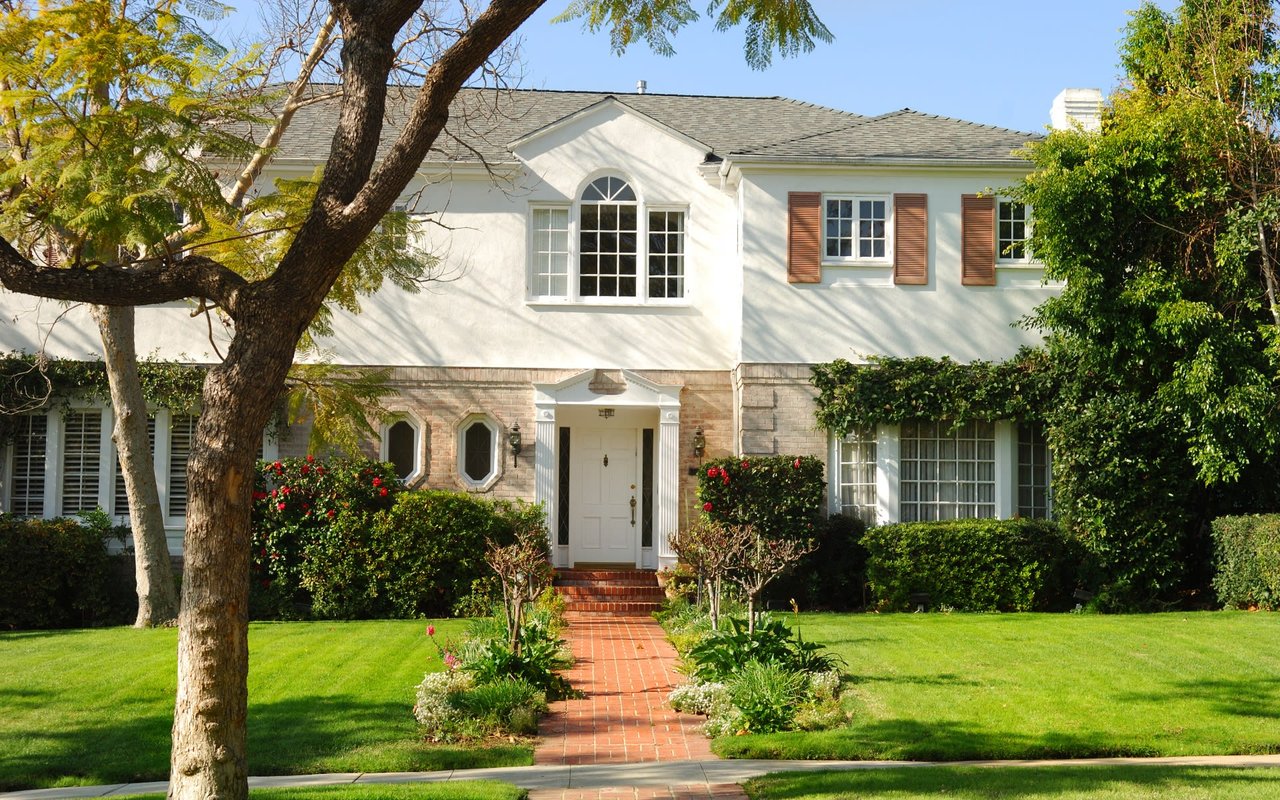
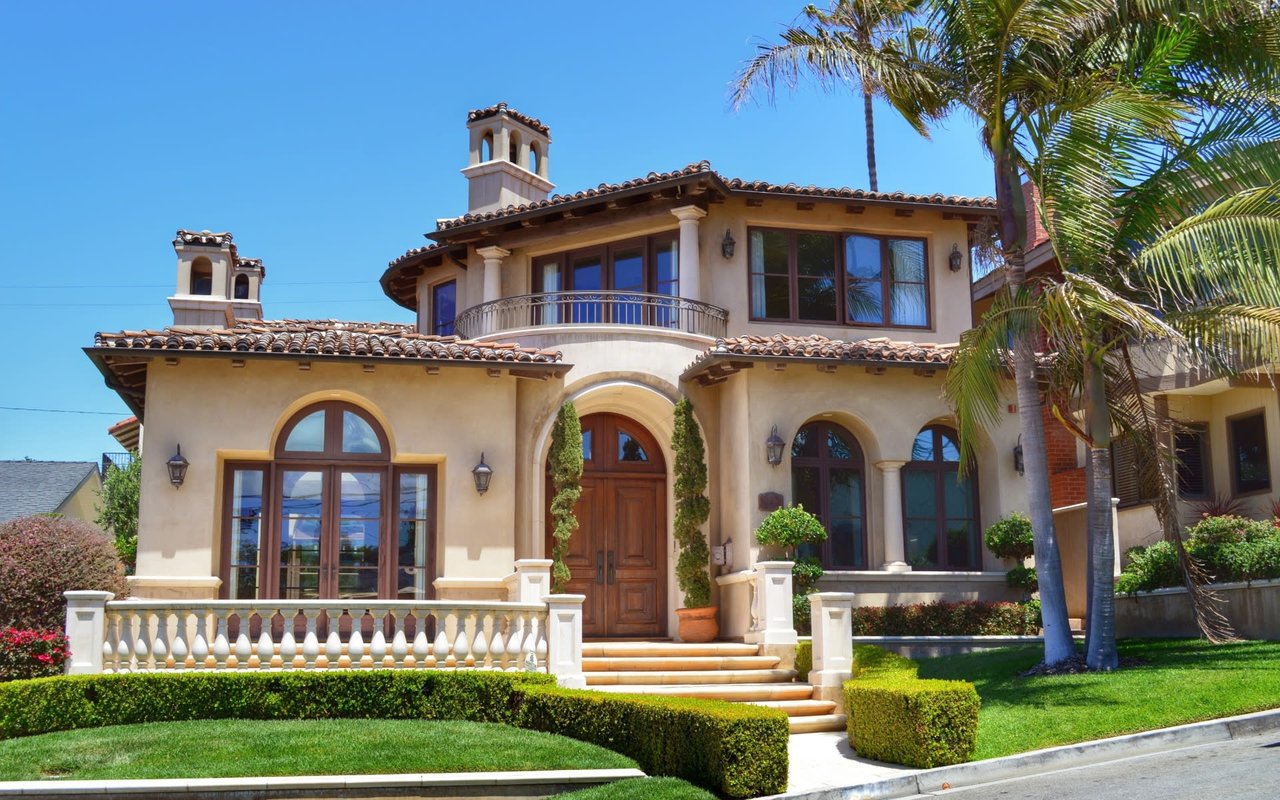
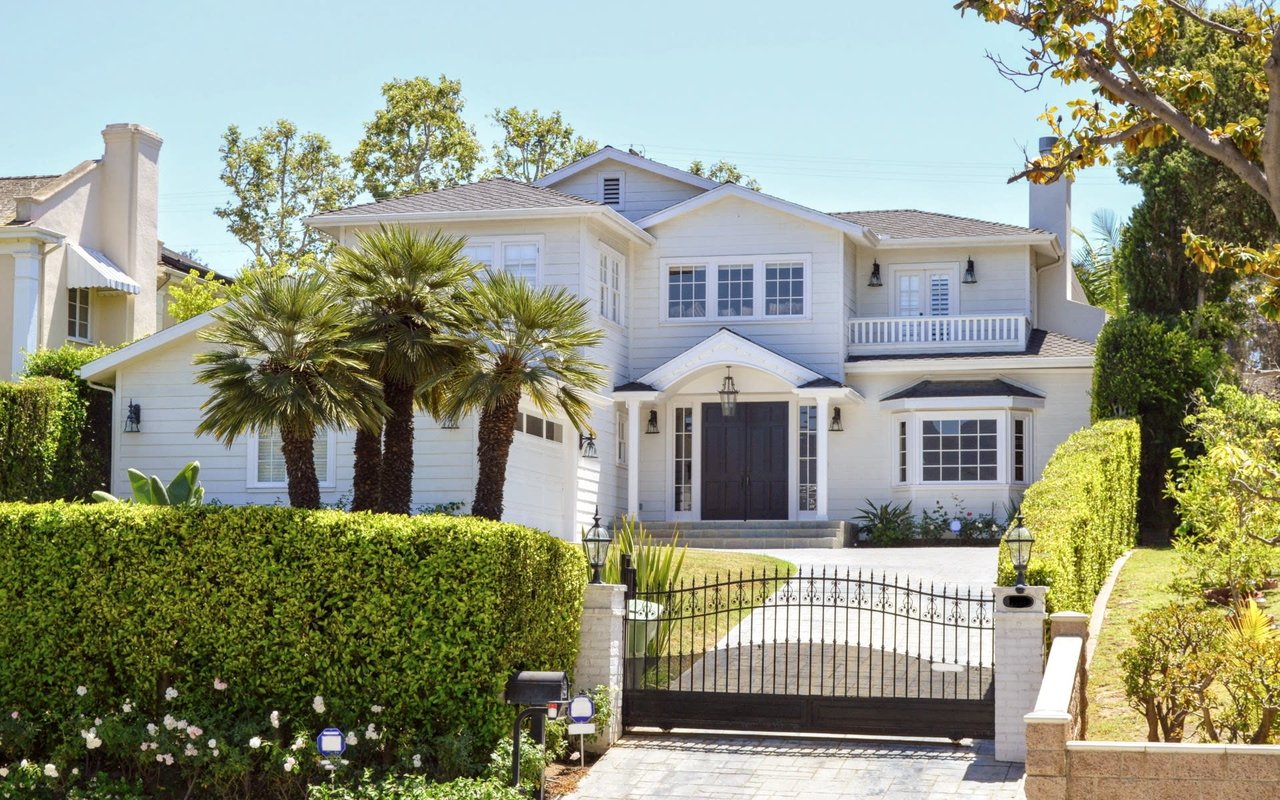
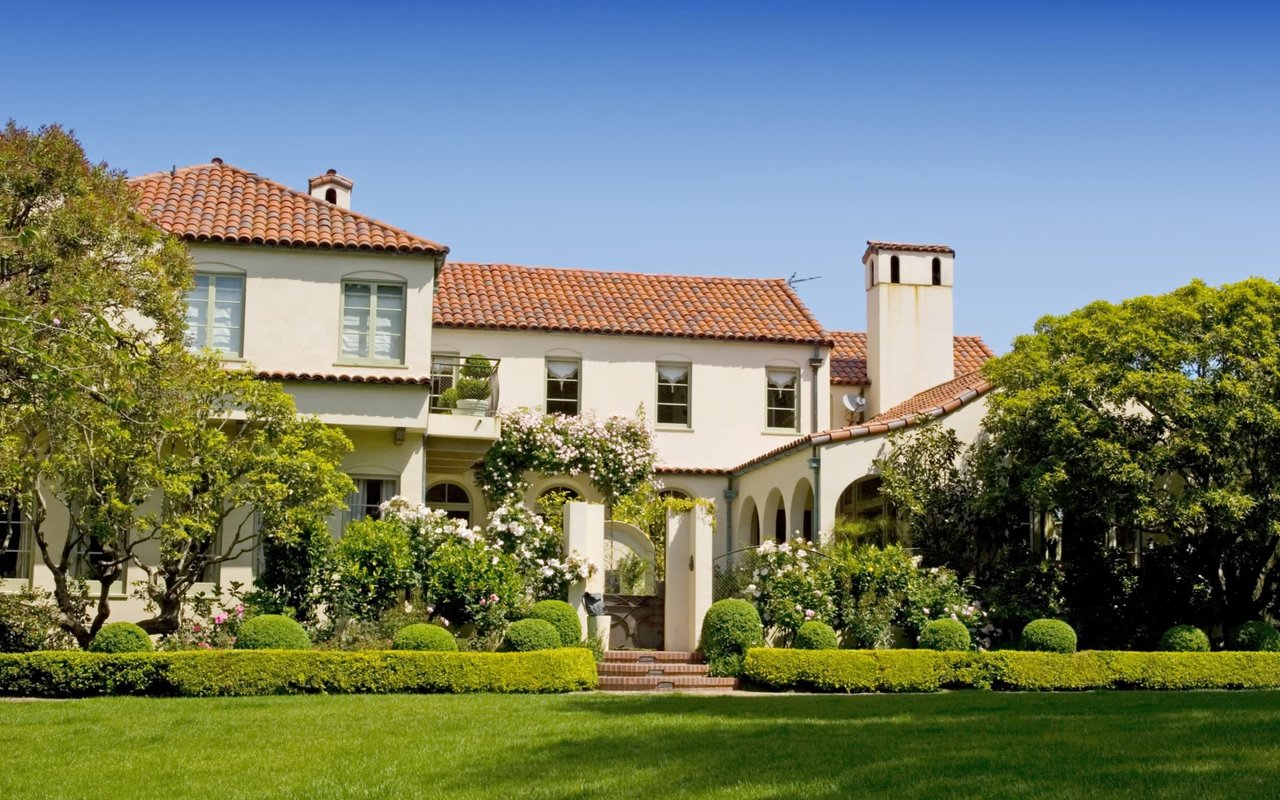
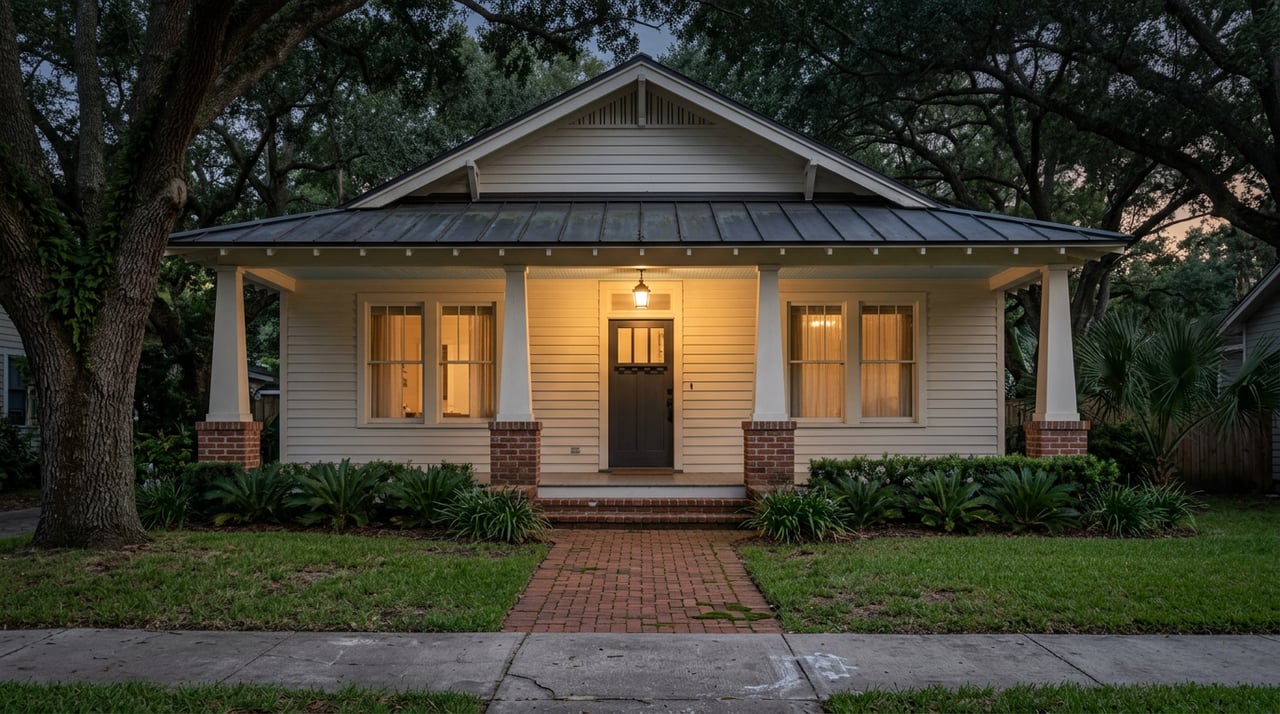
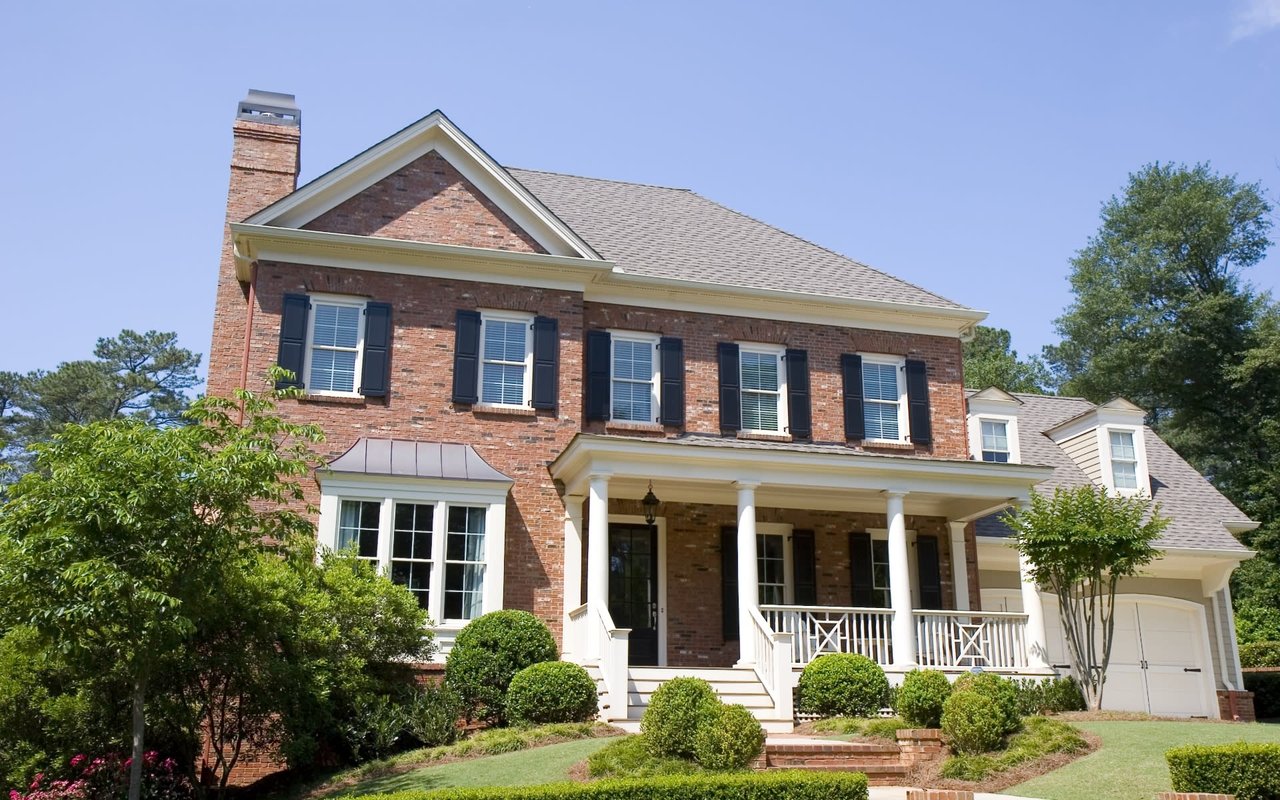
The neighborhood’s best-known housing stock is its older single-family homes. The City of Tampa points to 1920s and 1930s Florida architecture as part of Hyde Park’s identity, and many of these homes have been extensively renovated over time.
If you are drawn to original details, mature streetscapes, and homes with a stronger architectural personality, this is likely the segment that will catch your eye. These properties often deliver the most character, but they can also come with more maintenance and more rules if they sit within the local historic district.
Renovated Homes
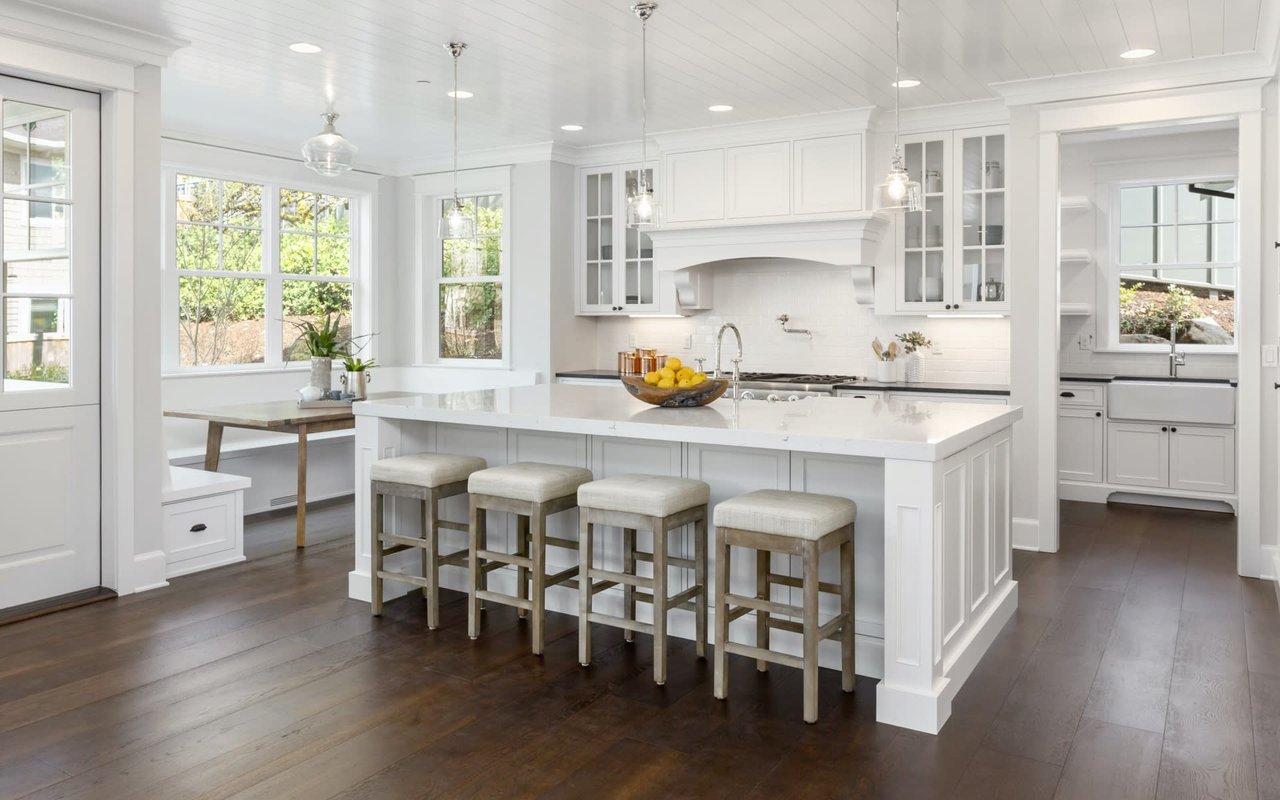
Renovated or restored homes are a major part of Hyde Park’s appeal. Current public listings include examples such as a 6-bedroom, 2-bath, 3,014-square-foot home at $1.175 million, a 4-bedroom, 3-bath, 2,492-square-foot home at $1.399 million, a 3-bedroom, 4-bath, 3,146-square-foot home at $1.999 million, and a 3-bedroom, 5-bath, 5,023-square-foot home at $3.299 million.
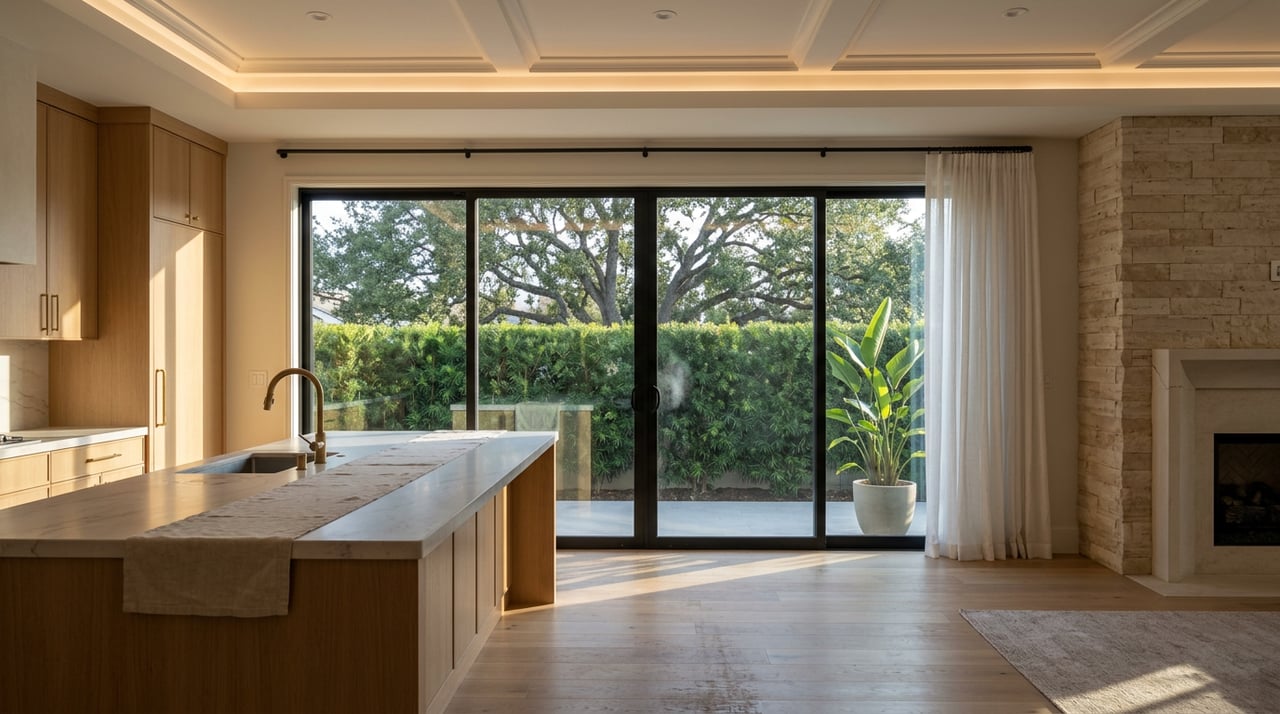
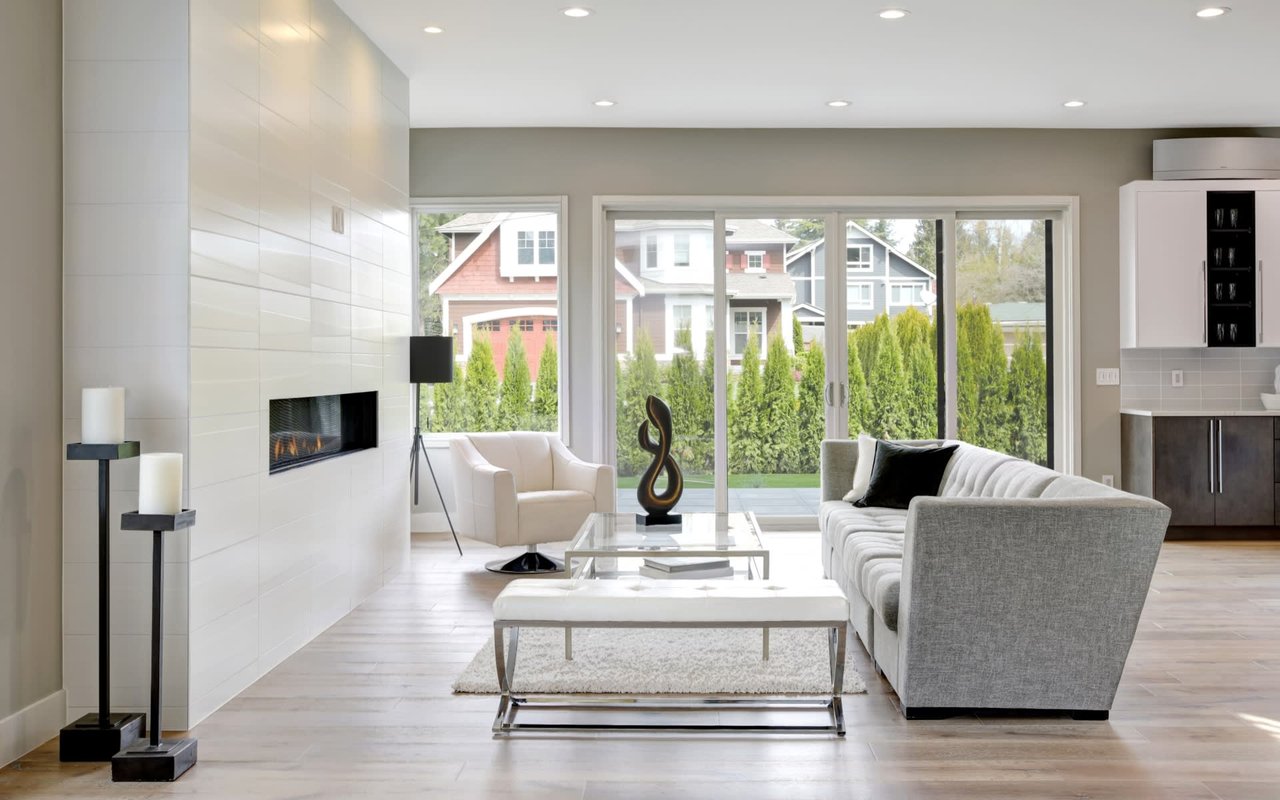
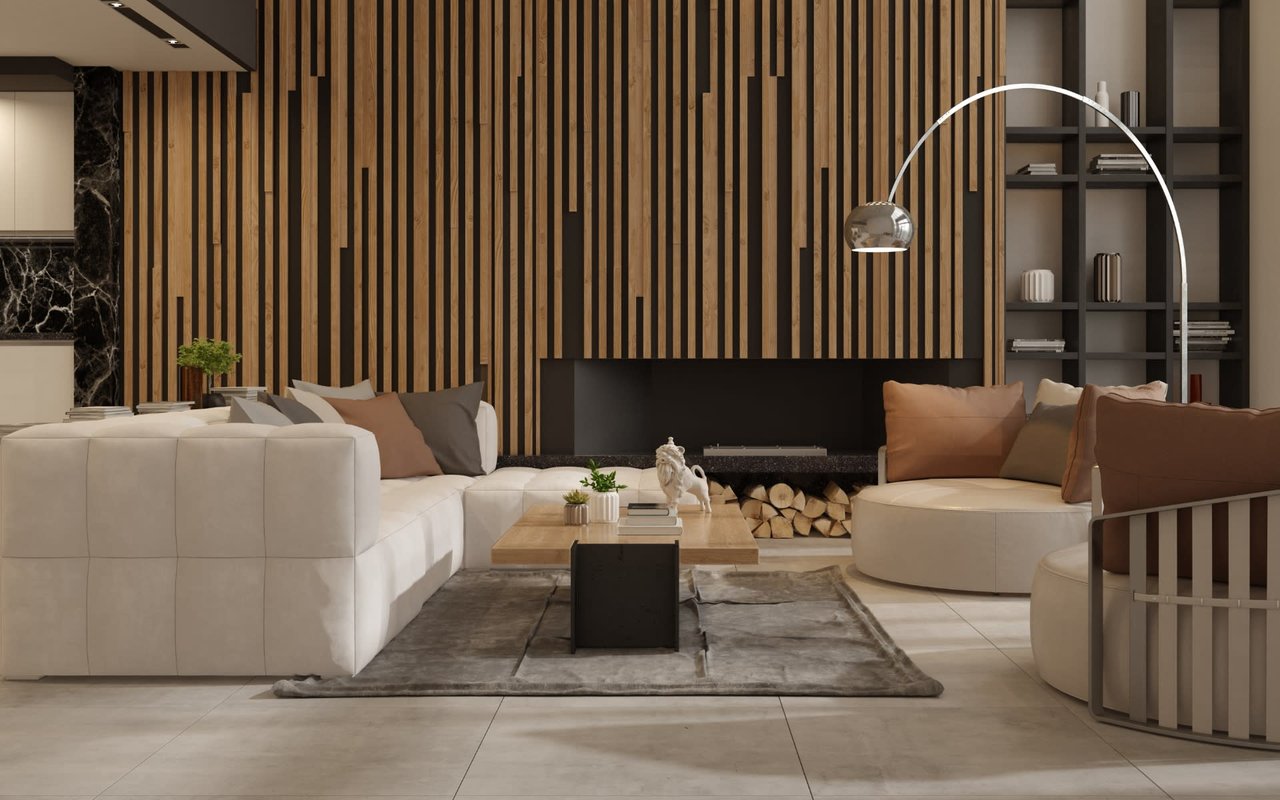
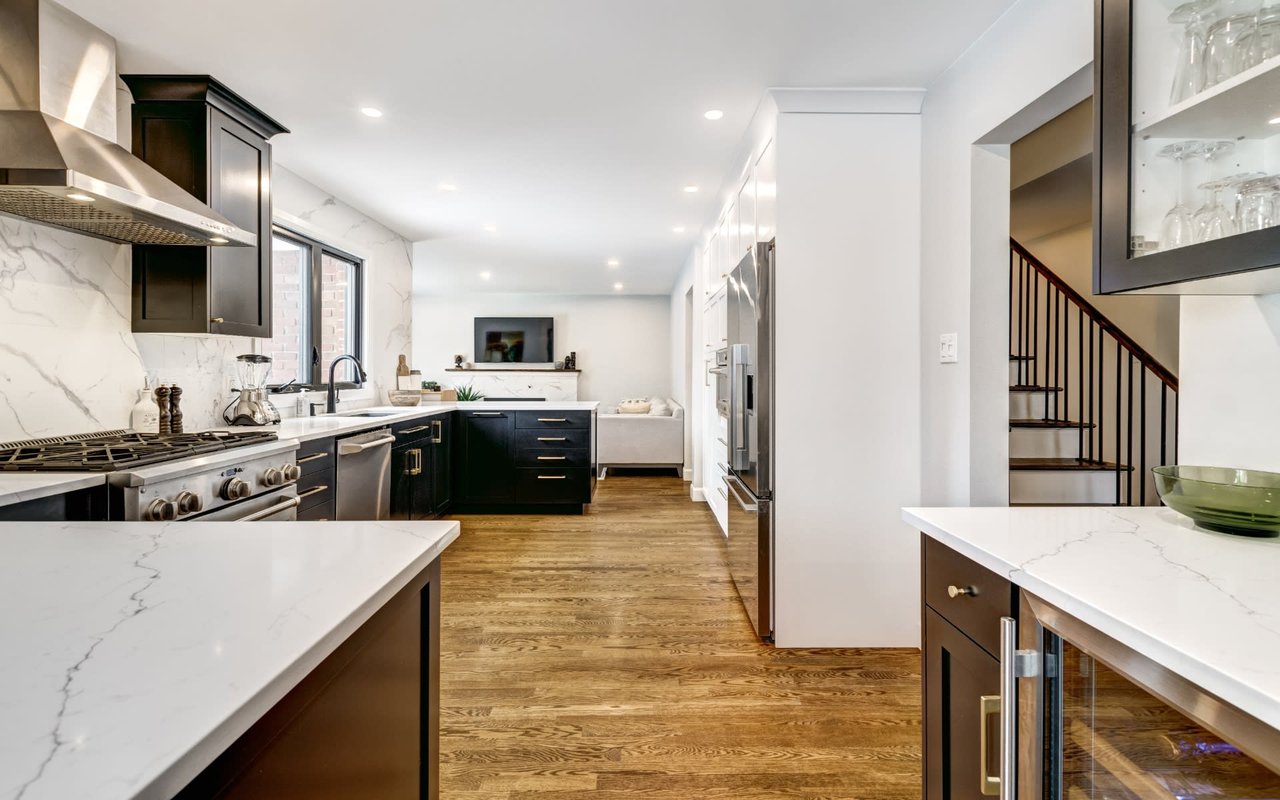
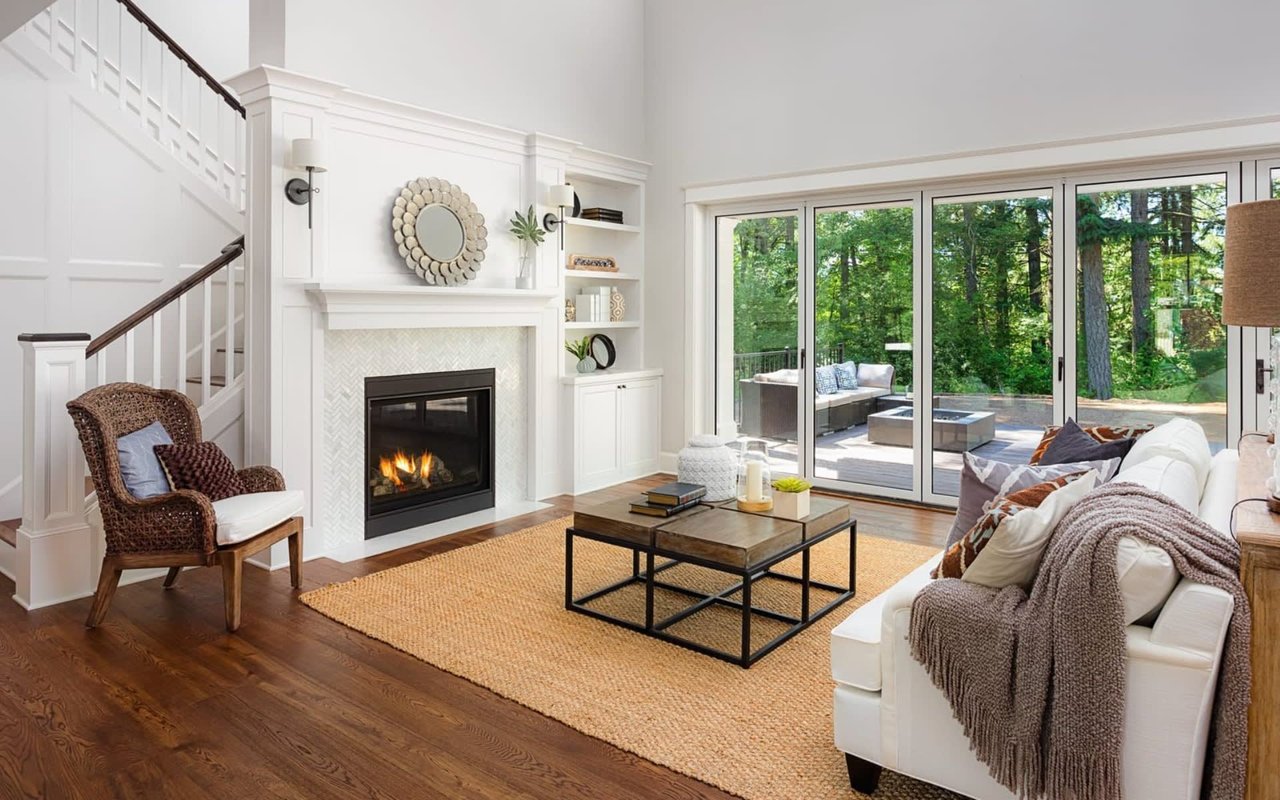
These homes often appeal to buyers who want older-home character with updated interiors, systems, or layouts. In practical terms, they can offer a middle ground between historic charm and modern comfort, though pricing reflects that balance.
Townhomes
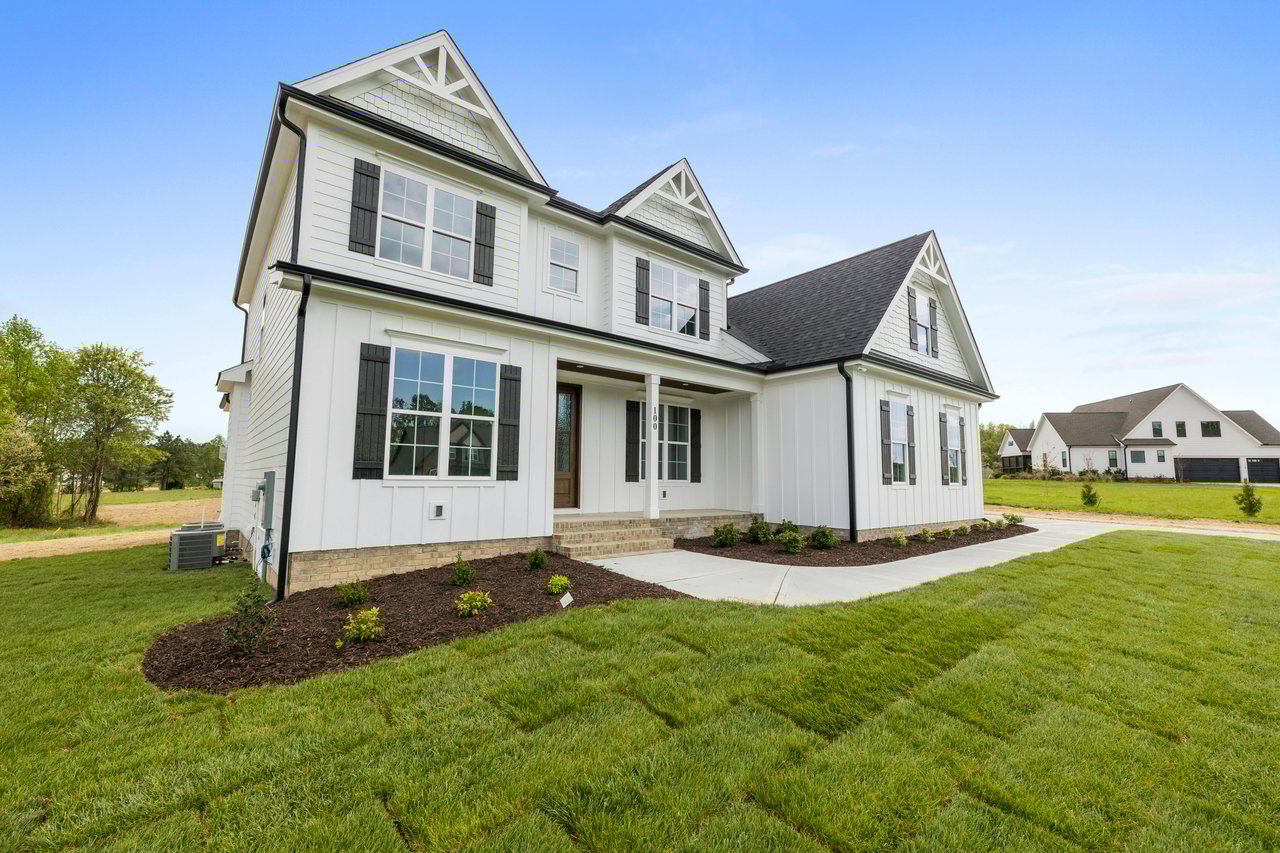
Townhomes sit in the middle of the current Hyde Park pricing ladder. A recent public example showed a 2-bedroom, 3-bath, 1,464-square-foot townhouse listed at $499,000.
For many buyers, a townhome can be a smart compromise. You may get more of a house-like layout than a condo, but without taking on all the exterior upkeep that often comes with a detached historic home.
Condos
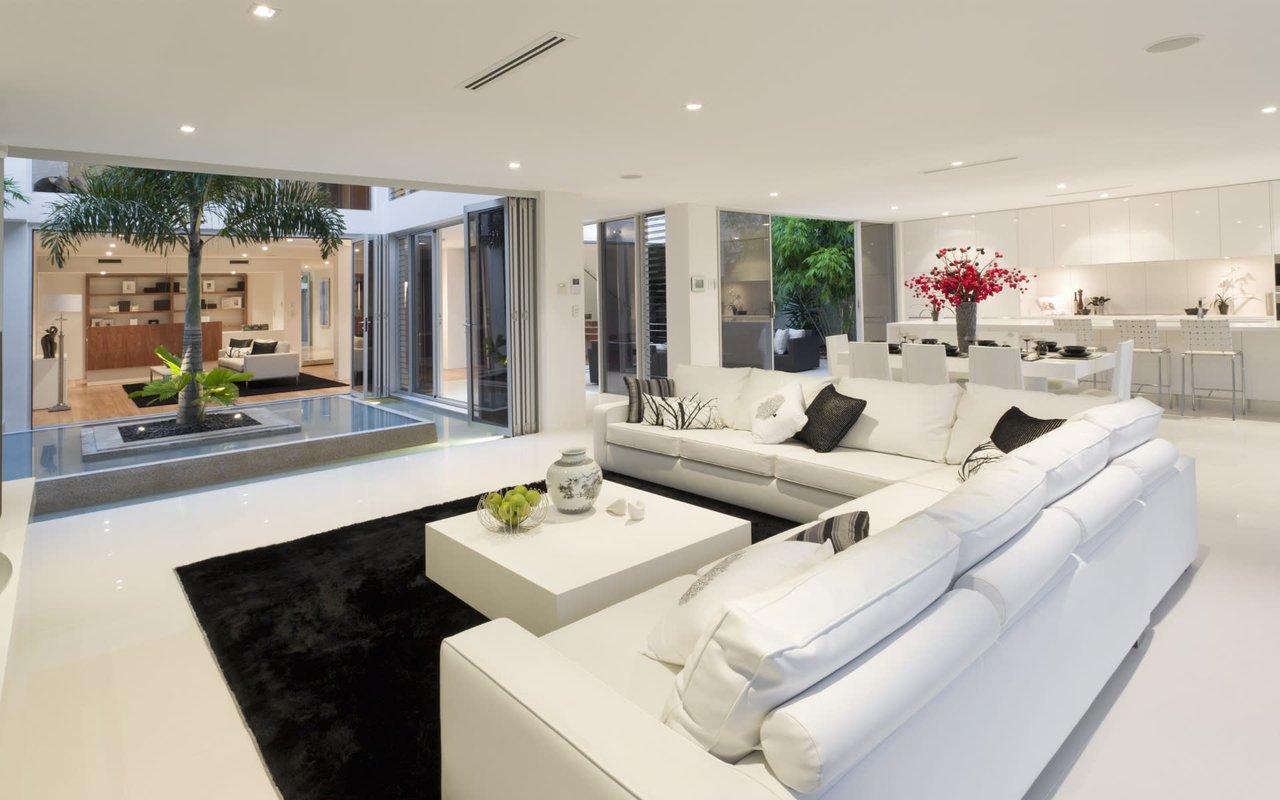
Condos are currently the lower-price entry point into Hyde Park. Public listings have included examples such as a 1-bedroom, 631-square-foot unit at $179,900, a 1-bedroom, 627-square-foot unit at $185,000, a 2-bedroom, 741-square-foot unit at $300,000, and a 1-bedroom, 673-square-foot unit at $374,999.
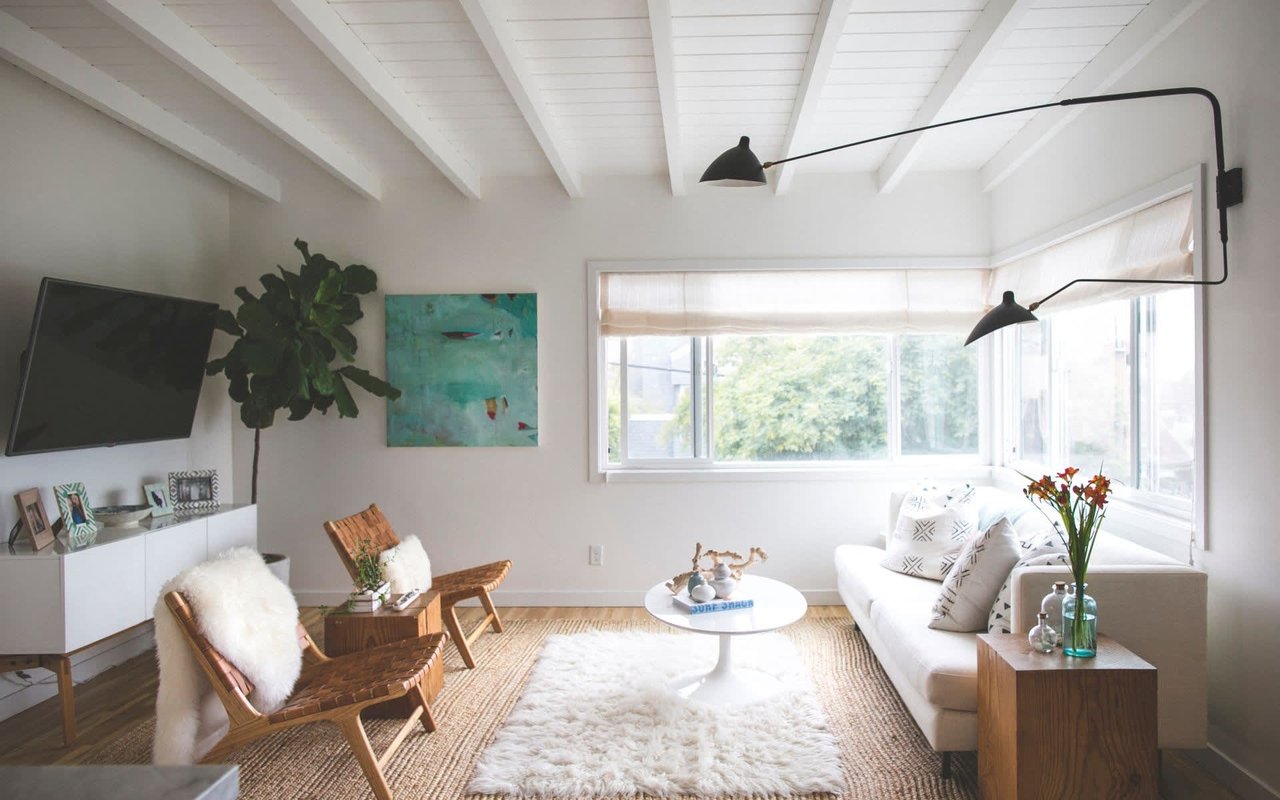
That makes condos especially relevant if you want Hyde Park’s location and lifestyle at a lower price point. Smaller units can still command meaningful pricing because of the neighborhood’s central location and access to surrounding amenities.
How Property Type Changes Your Experience
In Hyde Park, your choice is not just about square footage or bedroom count. It is also about how you want to live day to day.
A historic single-family home may offer the most privacy and architectural character. A condo may reduce exterior maintenance and create a simpler ownership experience. A townhome may land somewhere in between, giving you a more private layout while still involving association rules and shared decisions.
A useful way to think about Hyde Park is through tradeoffs. Some buyers are character-first and want a historic detached home. Others are convenience-first and prefer a condo or townhome. Some want both and focus on renovated houses that blend older style with modern updates.
Historic District Rules Matter
One of the most important questions in Hyde Park is whether a property is inside the local historic district. If it is, exterior work may be subject to review by the City of Tampa’s Architectural Review Commission using Hyde Park design guidelines.
Those guidelines cover more than major additions. They can apply to items such as screen enclosures, scale and massing, setbacks, materials, window patterns, porch projections, roof forms, fences, walls, street lights, and artificial siding.
For buyers, this matters because renovation freedom can vary from property to property. If you are hoping to make exterior changes, the location of the home within or outside the district should be part of your decision early in the process.
The District Recently Expanded
The local historic district expanded north in January 2023 to include 184 additional buildings. That means some homes that may not have been subject to the same level of design review in the past are now part of the district.
If you are comparing properties, it is worth confirming district status rather than assuming. This is especially important if your plans include updates to windows, porches, siding, roofing, or additions.
Why Location Supports Pricing
Hyde Park’s appeal is about more than the homes themselves. The neighborhood’s location west of downtown, along with its access to Bayshore Boulevard and Old Hyde Park Village, helps explain why demand remains strong across several property types.
That location premium shows up throughout the market. Even smaller condos can carry notable pricing, while renovated homes near Bayshore tend to sit at the top end of the range. In other words, you are often paying for both the property and the setting.
What Buyers Should Review Before Making an Offer
A smart Hyde Park purchase starts with due diligence that matches the property type. The right checklist for a condo is not the same as the right checklist for a historic single-family home.
For Historic Homes
If you are considering a detached home, start with the home’s historic district status and any likely exterior restrictions. If the home is inside the district, review what kinds of changes may require city approval.
You should also think practically about upkeep. Older homes can offer exceptional character, but they may involve a different maintenance rhythm than newer construction or attached housing.
For Condos and Townhomes
If you are buying a condo or townhome, association documents should be one of your first stops. Florida’s condominium regulator notes the importance of official records and reserve-related requirements, including structural integrity reserve studies for certain buildings.
A strong review usually includes:
- Declaration
- Bylaws
- Rules and regulations
- Meeting minutes
- Budgets
- Reserve schedules
- Relevant condo disclosures
These documents can help you understand maintenance responsibilities, monthly costs, reserve planning, and the potential for future assessments. Florida HOA law also allows members, under some conditions, to vote for no reserves or reduced reserves, which can affect long-term cost exposure.
For Flood and Insurance Checks
Flood and insurance review should also be part of your due diligence. The City of Tampa directs residents to flood-zone resources, and FEMA’s Flood Map Service Center is the official source for flood-hazard maps.
Because Hyde Park is west of downtown and includes homes with access near Bayshore Boulevard, it is smart to review flood maps on a lot-specific basis. It is better to verify than to make assumptions based on the neighborhood name or a home’s general location.
Is Hyde Park Right for You?
Hyde Park tends to work best for buyers who value a central Tampa location and are comfortable weighing style, maintenance, and flexibility together. The neighborhood offers real variety, but every option comes with a different balance of price, upkeep, and rules.
If you want the lowest-maintenance entry point, a condo may make the most sense. If you want more of a house feel without a detached-home workload, a townhome may fit. If you want historic presence and are ready for the responsibilities that can come with it, a single-family home may be the better match.
The key is not finding a perfect property type. It is finding the right tradeoff for your goals, budget, and comfort level.
Whether you are comparing condos, townhomes, or historic homes in Hyde Park, having a local guide can make the process much clearer. If you want help evaluating options in 33606 and across Tampa, connect with Joe Lewkowicz for thoughtful, neighborhood-level guidance.
FAQs
What types of homes are available in Hyde Park Tampa?
- Hyde Park offers historic single-family homes, renovated houses, townhomes, and condos, with current public listings ranging from sub-$200,000 condos to renovated homes priced in the millions.
What should buyers know about Hyde Park historic district rules?
- If a home is inside the local historic district, exterior changes may be reviewed under City of Tampa Hyde Park design guidelines covering items like materials, windows, porches, roofs, fences, and additions.
What is the current price range for Hyde Park homes?
- Current public listing examples show condos from about $179,900 to $374,999, a townhome around $499,000, and renovated single-family homes from roughly $1.175 million to $3.299 million.
What should condo buyers review in Hyde Park communities?
- Condo buyers should review association documents such as the declaration, bylaws, rules, meeting minutes, budgets, reserve schedules, and relevant disclosures before making an offer.
Why do Hyde Park homes command strong prices?
- Hyde Park’s pricing is supported by its historic character, central location west of downtown, access to Bayshore Boulevard, and proximity to Old Hyde Park Village’s retail and service mix.