Buying a second home in Indian Rocks Beach can sound simple at first: find a place near the water, close when the numbers work, and start planning your beach weekends. In reality, this barrier-island market comes with a few important layers that can affect how you use the home, what you pay to own it, and what you may need to do before or after closing. If you are thinking about a condo, townhome, or single-family property here, it helps to understand the local rules and coastal realities before you buy. Let’s dive in.
Why Indian Rocks Beach Appeals to Second-Home Buyers
Indian Rocks Beach sits on Sand Key, a barrier island between the Gulf and the Intracoastal Waterway. That setting is a big part of the appeal, but it also shapes nearly every ownership decision you will make.
For many buyers, the draw is a mix of water access, a laid-back coastal feel, and a housing market that already includes a meaningful amount of seasonal use. The city’s planning data counted 990 seasonal, recreational, or occasional-use housing units, which shows that part-time ownership is a familiar part of the local housing pattern.
The broader market profile also helps explain who tends to buy here. Pinellas County’s 2025 community profile estimates a 2024 median age of 58.7, average household size of 1.91, and 71.5% owner-occupied housing, with a median home value of $701,484. Those numbers suggest a mature, owner-heavy market that can fit buyers looking for a personal retreat, downsizing option, or future retirement home.
What Property Types You Will See
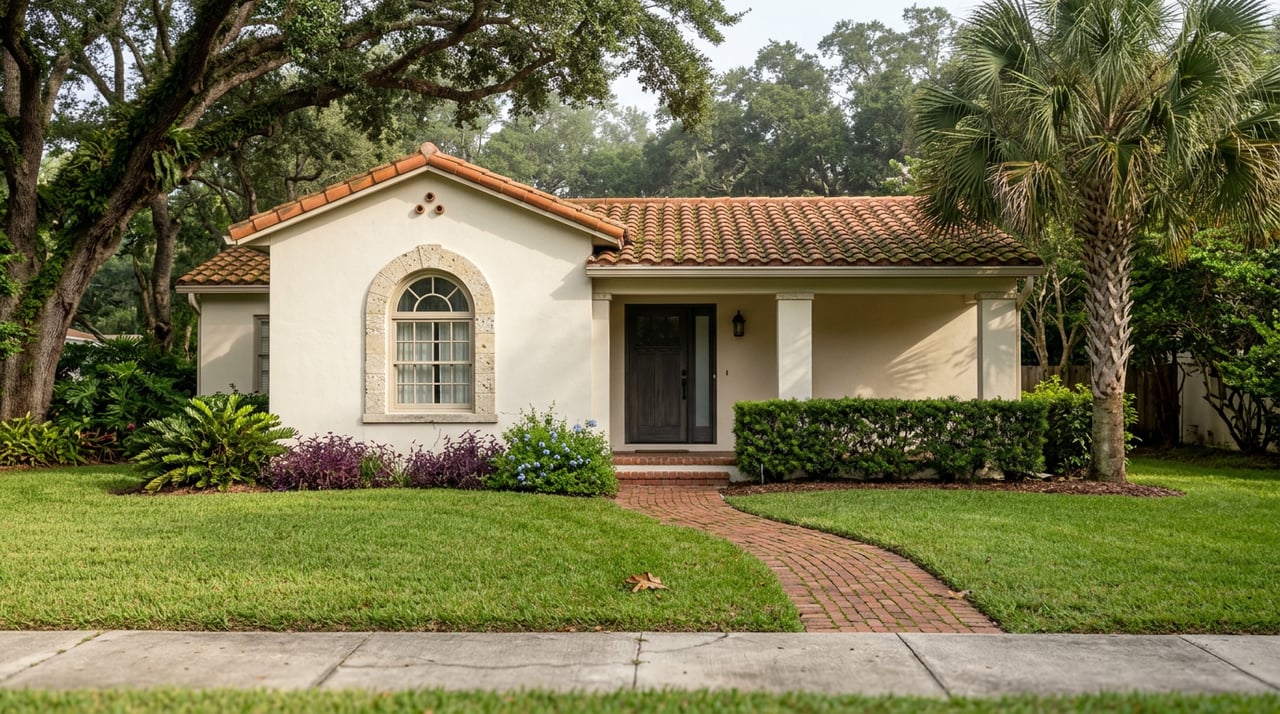
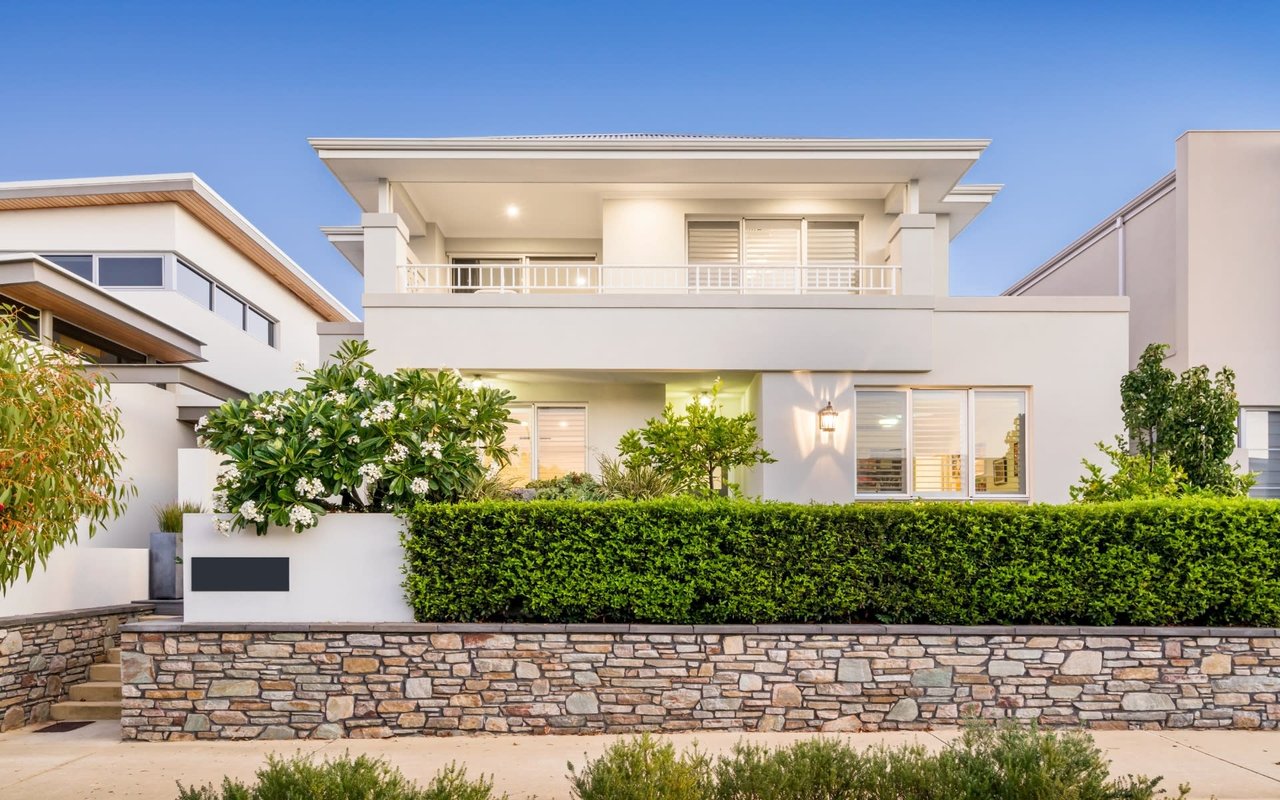
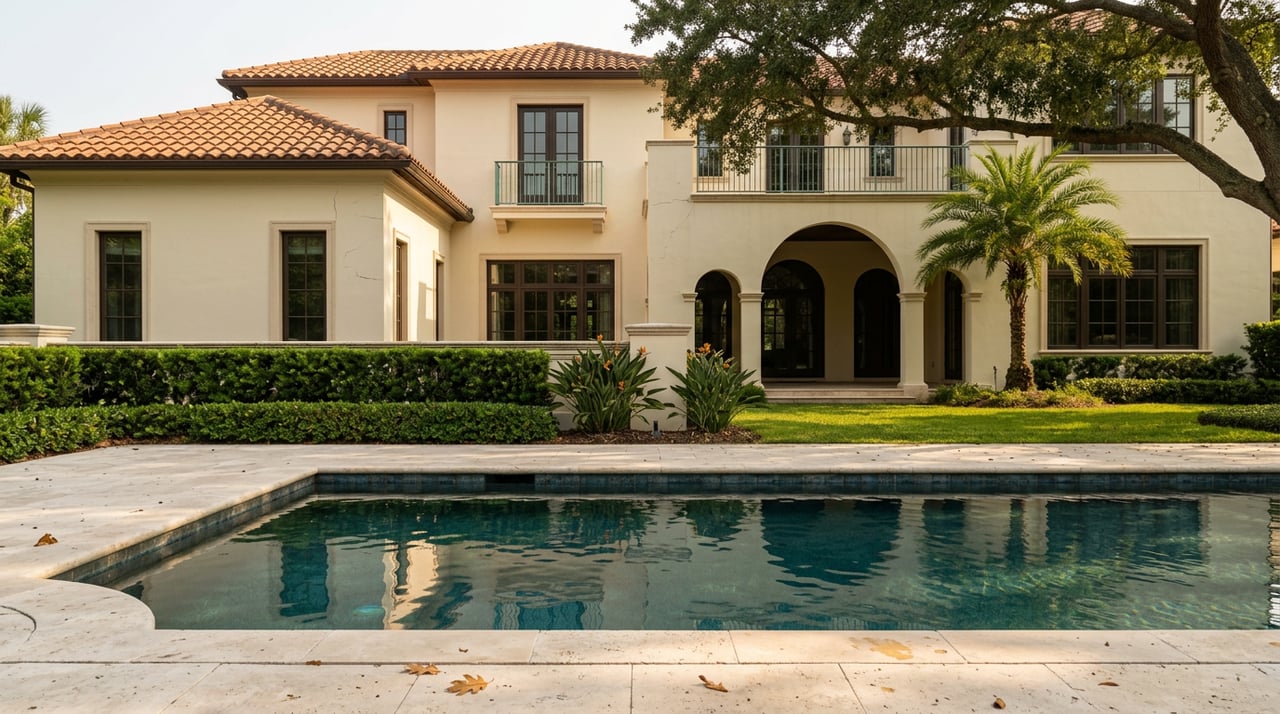
Indian Rocks Beach is described in city planning data as mostly multifamily housing, with single-family homes also present. That matters because many second-home buyers here start by comparing attached options, like condos or townhomes, against detached homes with more privacy or flexibility.
If you plan to use the property only for yourself, your search may focus more on layout, storage, parking, and storm-readiness. If you may rent it out when you are away, attached properties often require extra review because building rules and association restrictions can affect what is allowed.
The city’s vacation-rental packet includes a condo and townhome authorization form. That is a practical sign that if rental use is part of your plan, you need to verify both city requirements and property-specific approval early in the process.
Flood Zones Are Not a Side Issue
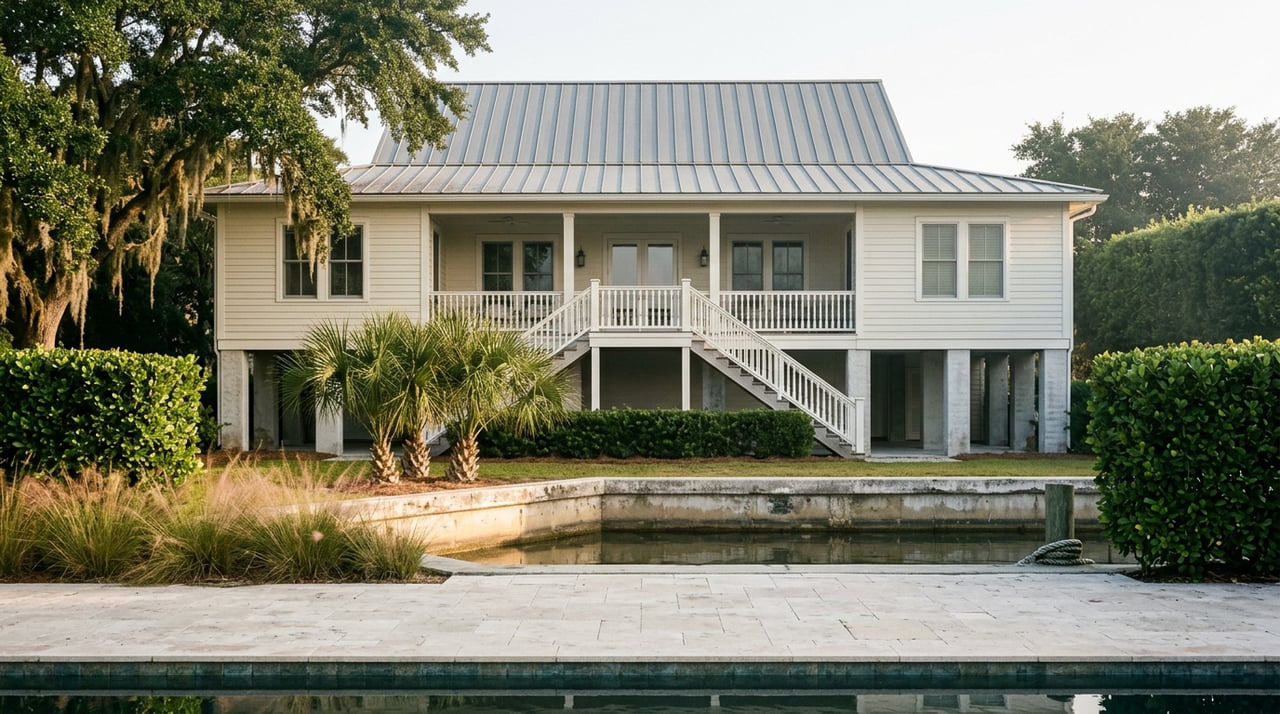
In Indian Rocks Beach, flood risk is not a minor detail to sort out later. The city says the entire city is in FEMA Special Flood Hazard Areas, mainly A and V zones, and the entire city is also in Evacuation Level A.
The city also notes that some areas can flood with only a high tide and west wind. That means your day-to-day ownership experience may be shaped not just by major storms, but by more routine coastal conditions as well.
Before you buy, it is worth checking the property’s flood zone, elevation information, and evacuation zone. Pinellas County’s Flood Map Service Center allows buyers to review flood zones, storm surge, evacuation zones, elevation certificates, and flood disclosure information, which can help you evaluate a property with a clearer picture of risk.
Flood Insurance and Timing Matter
Many second-home buyers focus first on purchase price and monthly payment, then look at insurance later. In Indian Rocks Beach, that order can create surprises.
The city states that flood damage is not covered by most standard homeowners policies. It also notes that flood policies typically have a 30-day waiting period, which is an important timing issue if you are trying to line up coverage near closing.
Because the city is in Special Flood Hazard Areas, flood insurance requirements can come into play depending on the loan and property details. Even when it is not just about loan compliance, understanding the likely insurance picture before making an offer can help you set a more realistic ownership budget.
Storm Exposure Comes With Barrier-Island Living
Barrier-island ownership can be rewarding, but it also requires a practical mindset. Pinellas County identifies hurricane season as June 1 through November 30, and evacuation planning should be part of your ownership plan from the start.
It also helps to understand the shoreline itself. Pinellas County says Sand Key nourishment projects create a buffer that erodes between replenishments, and that the Sand Key project along Indian Rocks Beach was last fully nourished in 2012. The county also authorized a one-time emergency beach nourishment project in 2025 that included Sand Key.
This does not mean every purchase is high-risk in the same way. It does mean shoreline conditions, storm surge exposure, and the property’s specific location on the island should be part of your due diligence.
Remodeling Rules Can Affect Your Plans
A second home often comes with a to-do list. You may want to update kitchens, refresh bathrooms, replace flooring, or make repairs soon after closing.
In Indian Rocks Beach, buyers should ask early whether planned work could trigger stricter standards. The city says all development requires permits, and substantial improvements at or above 50% of market value must meet new-construction standards.
That can matter if you are buying a property with the idea of doing a major renovation over time. A home that looks like a value-add opportunity on paper may come with added cost or complexity once permitting and flood-related construction standards are considered.
A True Second Home Usually Will Not Qualify for Homestead
Taxes are another area where beach buyers can make assumptions that do not hold up. In Pinellas County, the homestead exemption is for a permanent Florida residence on January 1 of the tax year.
The county states the benefit is $51,411 of assessed-value exemption, and the exemption ends if the property is sold, rented, or no longer used as a homestead. For most buyers purchasing a true second home, that usually means this benefit will not apply.
This is important when you estimate carrying costs. If you are comparing Indian Rocks Beach to another property or market, make sure your tax planning reflects second-home status rather than assuming homestead treatment.
Rental Plans Need Careful Review
Some buyers want a personal getaway. Others want a home they can enjoy part of the year and rent when they are away. In Indian Rocks Beach, intended use should be clear before closing.
The city’s short-term rental rules are a major part of that conversation. Indian Rocks Beach adopted Ordinance 2023-02 on May 9, 2023, and the city says owners who rent a dwelling unit must get state lodging licensing, register for Florida sales and use tax, register for Pinellas County’s 6% tourist development tax, and pay the annual city local business tax.
The city also says owner-occupied vacation rentals and homestead-designated properties are treated differently from other vacation rentals. If you are weighing occasional guest use, full seasonal renting, or a split personal-use model, those differences should be reviewed before you commit to a property.
Questions To Ask Before You Buy
A second-home purchase in Indian Rocks Beach usually goes more smoothly when you ask detailed questions early. A few smart ones include:
- What flood zone is the property in?
- Is the property in Evacuation Level A?
- Is flood insurance likely to be required, and what might coverage timing look like?
- Has the seller provided elevation or flood-disclosure information?
- If it is a condo or townhome, what approvals or restrictions apply to rentals?
- If I want to remodel, could the scope of work trigger new-construction standards?
- If I plan to rent the home, what city and county registrations would I need?
- Am I budgeting correctly without a homestead exemption?
These questions do not replace inspections, insurance quotes, or legal guidance where needed. They do help you narrow in on properties that match your goals and comfort level.
The Bottom Line on Buying Here
Indian Rocks Beach can be a great fit if you want a second home with real coastal access and a market where seasonal ownership is already part of the local pattern. At the same time, this is not a market where you want to gloss over flood zones, insurance timing, rental rules, or renovation limits.
The best purchases here usually happen when your lifestyle goals and the property’s actual rules line up. If you get clear on how you want to use the home before you buy, you can make a much more confident decision.
If you are exploring second-home options in Indian Rocks Beach or anywhere across Tampa Bay, Joe Lewkowicz can help you compare properties, understand local ownership considerations, and move forward with a strategy that fits your goals.
FAQs
What should second-home buyers know about flood risk in Indian Rocks Beach?
- The city says all of Indian Rocks Beach is in FEMA Special Flood Hazard Areas, mainly A and V zones, and the entire city is in Evacuation Level A.
What types of homes are common in Indian Rocks Beach for second-home buyers?
- City planning data describes Indian Rocks Beach as mostly multifamily housing, with single-family homes also present.
Can a second home in Indian Rocks Beach qualify for homestead exemption?
- Usually no, because Pinellas County says homestead exemption is for a permanent Florida residence on January 1 of the tax year.
What should buyers know about renting out a second home in Indian Rocks Beach?
- The city says owners who rent a dwelling unit must meet local and state requirements, including licensing, tax registration, and payment of the annual city local business tax.
Why do condo and townhome rules matter in Indian Rocks Beach?
- The city’s vacation-rental materials include a condo and townhome authorization form, which signals that attached properties may involve added approval or rental-use rules.
What should buyers know before remodeling a second home in Indian Rocks Beach?
- The city says all development requires permits, and substantial improvements at or above 50% of market value must meet new-construction standards.