Older commercial properties can offer investors something that newer developments sometimes cannot: location, established infrastructure, and the opportunity to create something entirely different from what was originally intended. Near Lake Magdalene in North Tampa, adaptive reuse—the process of converting an existing commercial building for a new purpose—can be an interesting investment strategy for those willing to look beyond a property's current condition.
But how do you know whether an older building is worth transforming, and more importantly, whether the numbers make sense?
According to Tampa real estate experts Emeri and Joe Lewkowicz of The Lewkowicz Group, evaluating an adaptive reuse opportunity requires more than recognizing a property's potential. It means understanding the local market, researching zoning and building requirements, estimating renovation costs, and identifying the type of property that will attract future tenants or buyers.
With more than 40 years of combined real estate experience, Emeri and Joe understand the importance of looking at both the opportunity and the challenges before making an investment decision.
Start With the Location and Its Surrounding Market
Before evaluating the building itself, investors should take a closer look at where it is located.
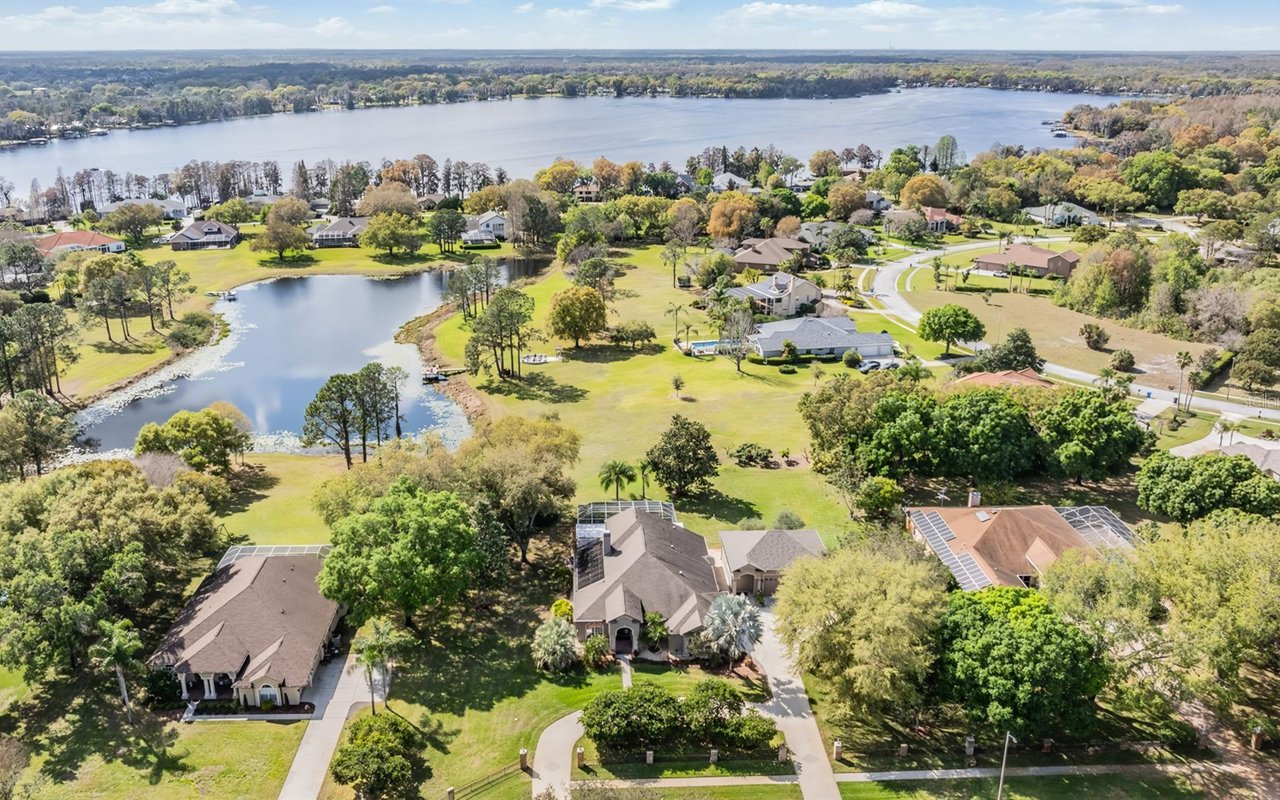
The Lake Magdalene area offers access to established residential neighborhoods, major roadways, retail services, and other parts of North Tampa. These surrounding uses can help create demand for commercial spaces that serve everyday community needs.
Emeri and Joe recommend examining the property's immediate surroundings rather than relying on general market trends. Is the building near established residential communities? Is it accessible from major roads? Are there nearby businesses, medical offices, restaurants, or service providers that could support a new use?
For example, an older office building might have potential as a professional services center, while a former retail property could be better suited for a medical practice, specialty business, or neighborhood-oriented service.
The goal is to identify a realistic use that fits the surrounding market.
Research Zoning and Permitted Uses Before Making an Offer
One of the biggest mistakes investors can make is assuming they can convert a commercial property into whatever they want.
Zoning regulations determine which uses are permitted, while building codes and other local requirements may affect what changes are possible. A property that looks ideal for a new concept could require special approvals, a rezoning application, or additional permits before the project can move forward.
Before purchasing, investors should verify the property's current zoning classification and investigate whether the intended use is permitted. In Hillsborough County, this may involve reviewing applicable land development regulations, future land use designations, and any relevant overlays or restrictions.
Joe emphasizes the importance of understanding these details early. A promising purchase price means very little if the proposed redevelopment cannot receive the necessary approvals.
Investors should also consult the appropriate local planning and building departments, architects, and land-use professionals before committing to a project.
Evaluate the Building's Physical Condition
Not every older commercial building is a good candidate for adaptive reuse.
A property's structure, roof, foundation, electrical systems, plumbing, HVAC, and accessibility features all deserve careful attention. Some buildings may need relatively straightforward improvements, while others could require extensive reconstruction.
Emeri and Joe recommend bringing in qualified inspectors, contractors, and architects to assess the property's condition before finalizing an investment.
Pay particular attention to:
Structural integrity and potential water damage.
Electrical capacity and plumbing infrastructure.
HVAC condition and energy efficiency.
Fire safety and emergency exits.
ADA accessibility requirements.
Parking availability and site circulation.
These factors can significantly influence renovation costs and determine whether the proposed conversion is financially practical.
Calculate the True Cost of Conversion
A lower acquisition price does not automatically mean a better investment.
Investors need to calculate the complete cost of bringing the property to market. This includes the purchase price, architectural and engineering fees, permits, construction, utilities, insurance, financing expenses, and contingency reserves.
It is also important to account for potential delays. Permitting, inspections, material availability, and unexpected construction issues can extend the timeline and increase carrying costs.
Emeri and Joe encourage investors to compare the total projected investment against realistic rental income, operating expenses, and potential resale value.
A feasibility analysis should include conservative financial projections, not just the most optimistic scenario.
Identify the Right Future Use
The most successful adaptive reuse projects are built around actual market demand.
Near Lake Magdalene, investors might explore opportunities involving professional offices, medical and wellness services, neighborhood retail, or other businesses that complement the surrounding community.
However, the right choice depends on the individual property's location, layout, parking, zoning, and competition.
Investors should study comparable commercial properties, local vacancy conditions, rental rates, and the types of businesses seeking space in the area. Speaking with experienced commercial real estate professionals can also provide useful insight into what tenants are looking for.
Work With Local Experts Before Moving Forward
Adaptive reuse can create exciting investment opportunities, but it requires careful planning and realistic expectations.
With more than 40 years of combined experience, Emeri and Joe Lewkowicz bring valuable Tampa market knowledge to the evaluation process. They understand that a property's potential is only one part of the equation. Location, market demand, regulations, renovation expenses, and long-term financial performance must all work together.
At The Lewkowicz Group, Emeri and Joe help investors look beyond the listing price and understand the bigger picture. Whether you're considering an older office building, a former retail space, or another commercial property near Lake Magdalene, having the right information before making a decision can make all the difference.
Thinking about investing in an older commercial property near Lake Magdalene? Connect with Emeri and Joe Lewkowicz at The Lewkowicz Group. Their local insight and experience can help you evaluate opportunities, ask the right questions, and determine whether an adaptive reuse project makes sense for your investment goals.