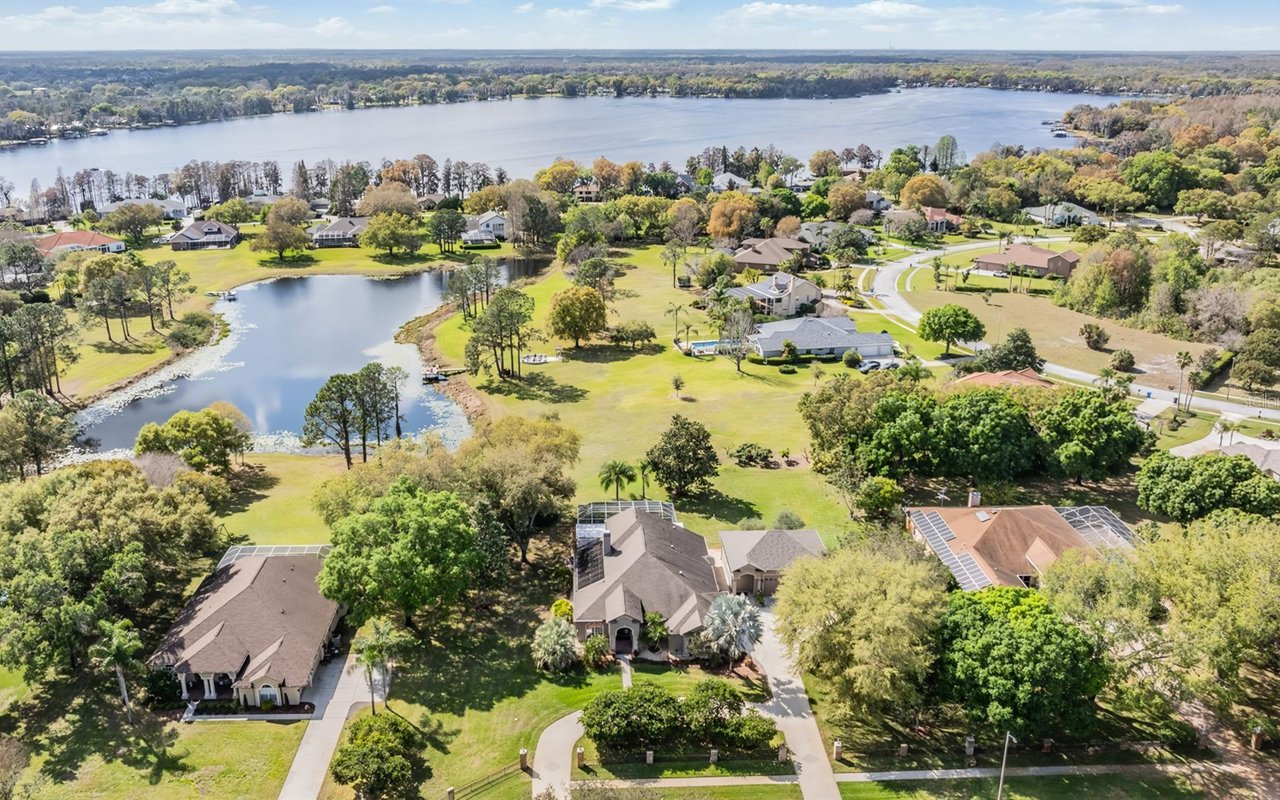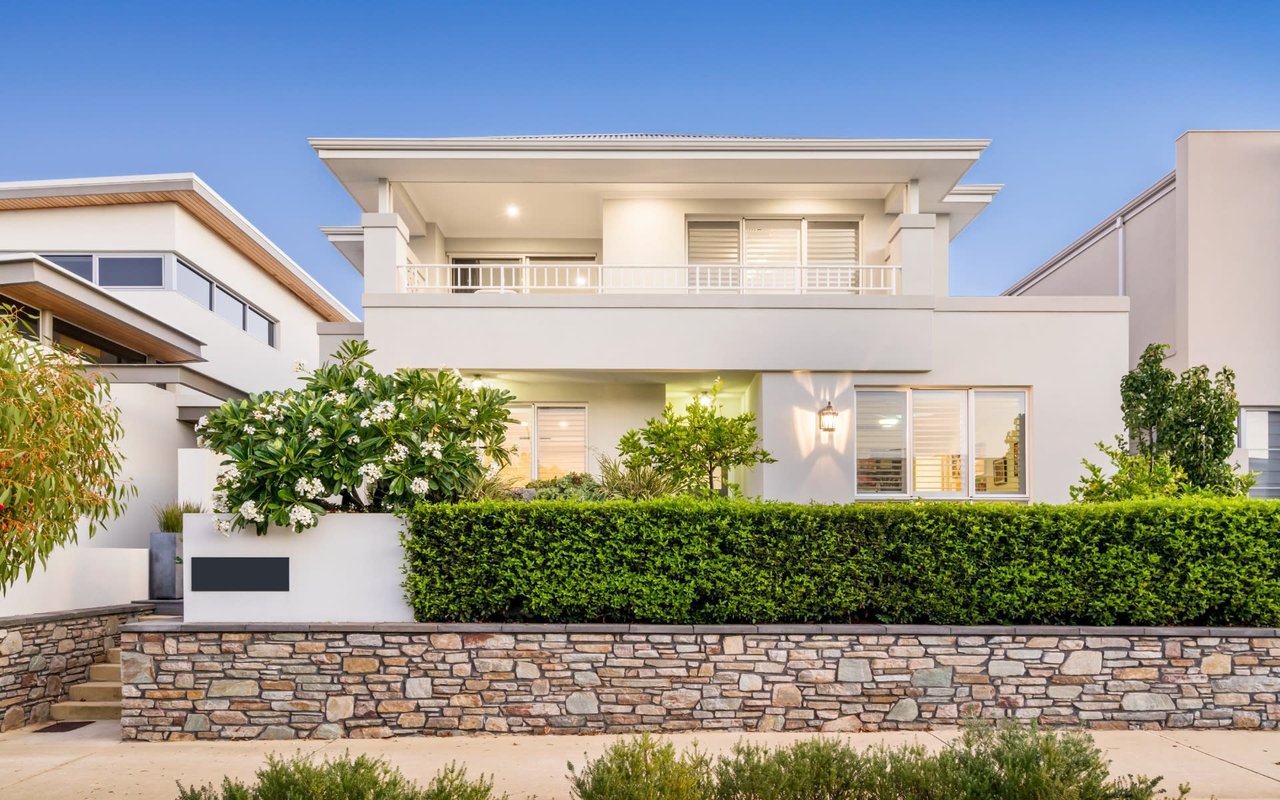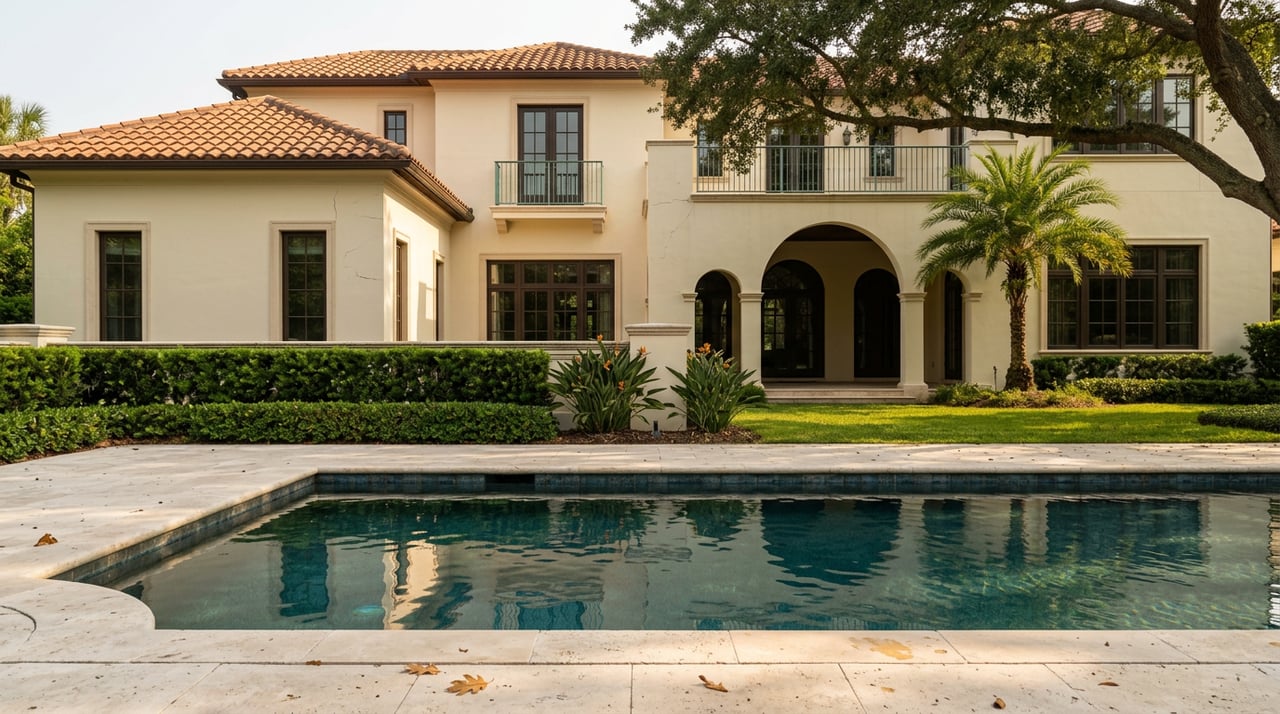
Buying a home in Lake Magdalene can offer something many Tampa buyers are looking for: a peaceful residential setting, mature landscaping, and a little more connection to nature. Some properties in this North Tampa community also back up to conservation areas, preserved green spaces, or natural buffers. While that can make a property especially appealing, there are a few important things buyers should understand before making an offer.
As Tampa real estate experts, Emeri and Joe Lewkowicz of The Lewkowicz Group have spent more than 40 combined years helping buyers, sellers, and investors navigate the local market. One thing we've learned is that a property's surroundings can be just as important as the home itself. When a conservation area borders your property, it's worth looking beyond the beautiful views and understanding exactly what you're purchasing.
Understand What a Conservation Area Means for Your Property
A conservation area generally refers to land designated for environmental protection, often to preserve natural habitats, wetlands, wildlife, or environmentally sensitive areas. In Lake Magdalene, buyers may encounter properties bordering wooded areas, protected land, drainage corridors, or other preserved natural spaces.
The biggest advantage is that these areas may remain undeveloped, providing a natural buffer between your home and future construction. However, buyers should never assume that every wooded area is permanently protected.
"We always encourage buyers to understand exactly what's behind the property," Emeri and Joe explain. "A beautiful tree line is appealing, but you want to know whether it's officially protected conservation land, privately owned property, or an area with potential development restrictions."
Reviewing property records, county maps, and applicable conservation designations can help establish what the land actually is and what may happen to it in the future.
Consider the Privacy and Lifestyle Benefits
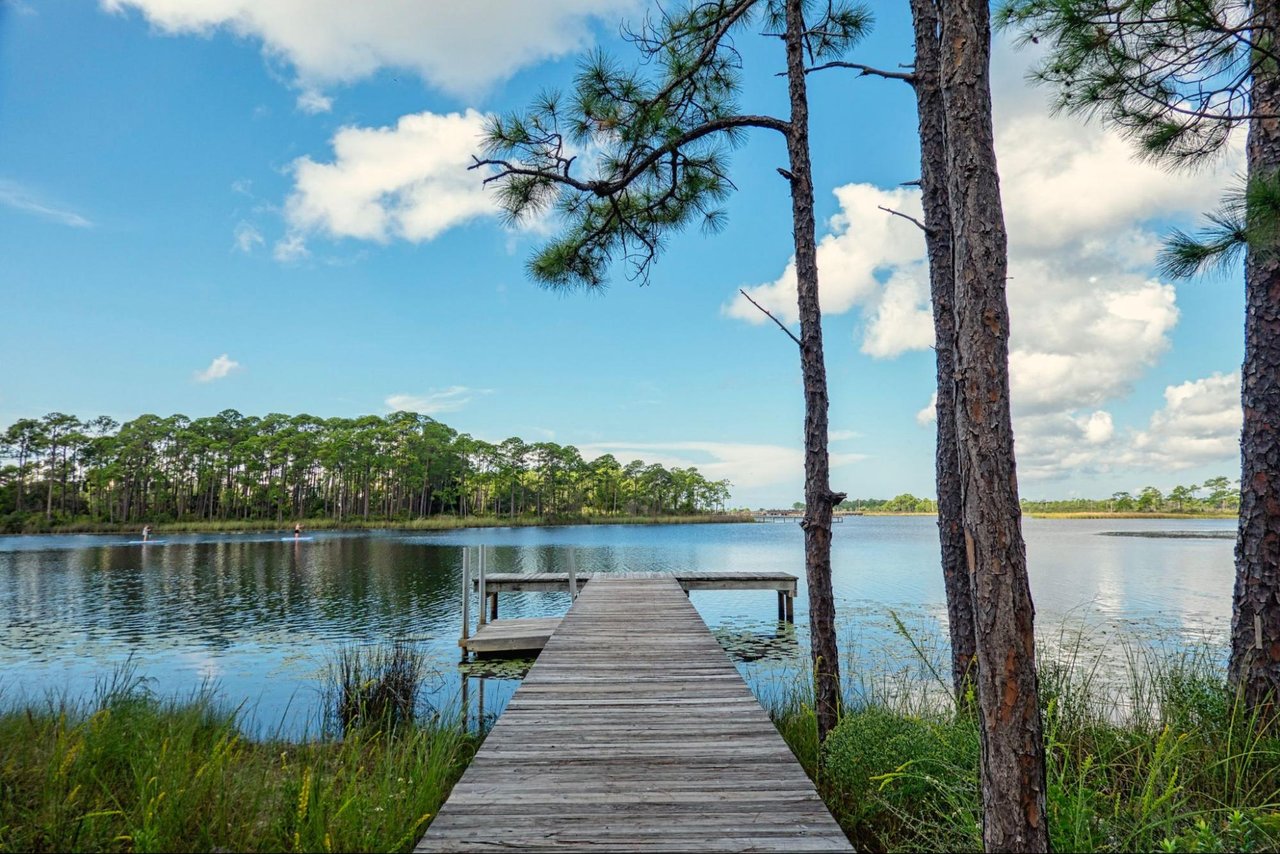
One of the biggest attractions of a Lake Magdalene home bordering conservation land is the added sense of privacy. Instead of looking directly into another backyard, you may enjoy mature trees, natural vegetation, and a more secluded outdoor setting.
For buyers who appreciate outdoor living, this can be a significant advantage. A natural backdrop can make a patio, screened lanai, or backyard feel more inviting.
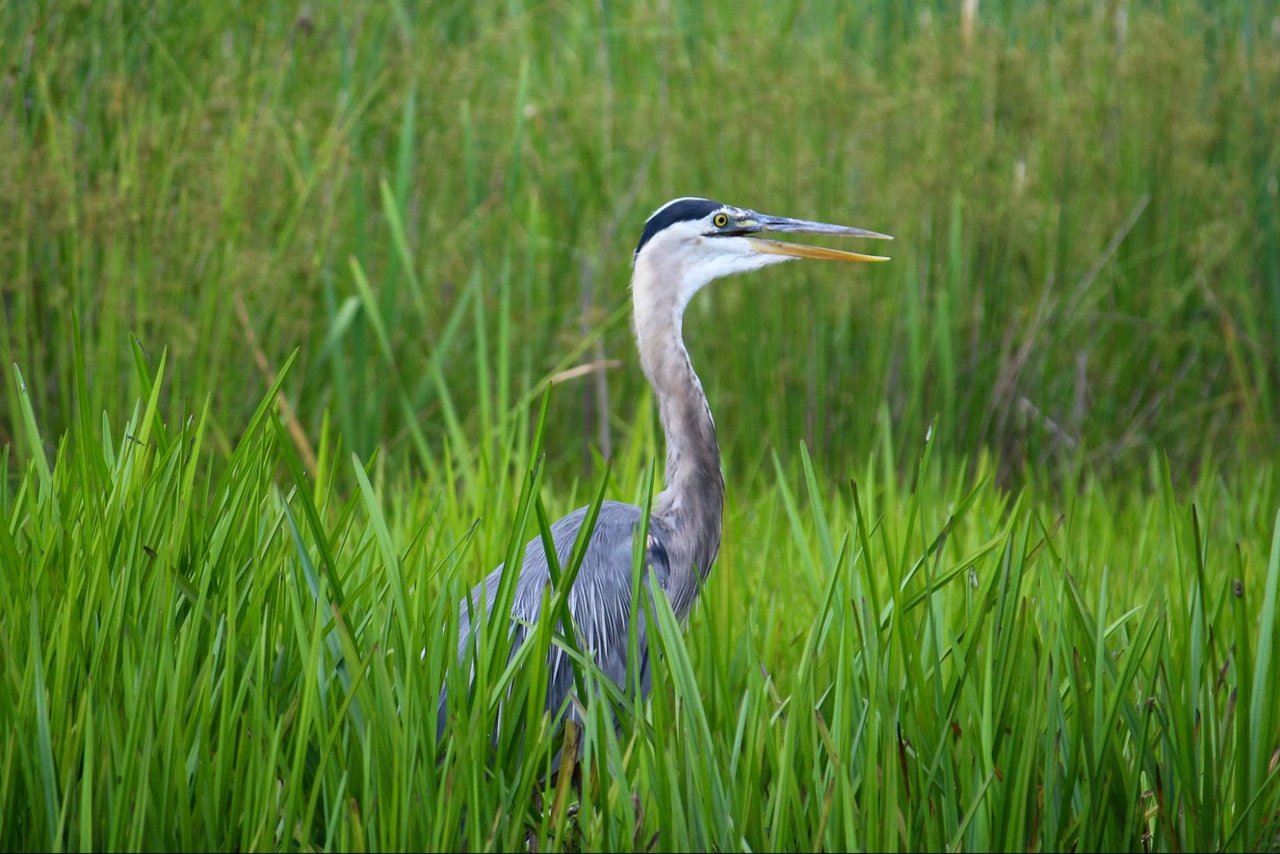
There may also be opportunities to enjoy local wildlife and the peaceful atmosphere that comes with living near preserved green space.
However, nature comes with its own considerations. Buyers should be comfortable with the possibility of insects, wildlife, fallen branches, seasonal changes in vegetation, and the maintenance that comes with living near a natural environment.
Investigate Flood Zones and Drainage Conditions
This is one area where buyers should pay particularly close attention.
Some conservation areas include wetlands, low-lying land, or natural drainage features. Although having protected land behind your home does not automatically mean your property is in a flood zone, it is important to understand how water moves through the surrounding area.
We recommend reviewing FEMA flood maps, Hillsborough County property information, drainage records, and available elevation information.
Buyers should also ask about previous flooding, standing water after heavy rainfall, and whether the property has experienced drainage problems.
Insurance is another important consideration. Depending on the property's location and risk profile, flood insurance may be advisable or required by a lender. Obtain insurance quotes early rather than waiting until the final stages of the transaction.
Understand Property Boundaries and Maintenance Responsibilities
Another detail buyers sometimes overlook is where their property actually ends and the conservation area begins.
A home may appear to have an expansive backyard because of the natural land behind it. However, that additional green space may not be part of the property's legal boundaries.
Before purchasing, review the property survey and confirm the location of easements, setbacks, drainage areas, and any applicable restrictions.
Also, ask who is responsible for maintaining the boundary. You may have restrictions on removing vegetation, installing fencing, extending landscaping, or making improvements near protected land.
These details can affect how you use your backyard and whether your future renovation plans are feasible.
Evaluate Long-Term Resale and Investment Potential
From an investment perspective, a conservation boundary can be an attractive selling feature. Buyers who prioritize privacy, natural surroundings, and limited neighboring development may find these properties particularly appealing.
However, the presence of conservation land does not automatically guarantee higher appreciation or stronger resale value.
Emeri and Joe encourage buyers to evaluate the entire property, including its condition, location, comparable sales, neighborhood demand, and overall maintenance costs.
In Lake Magdalene, understanding how a property compares with other homes in the surrounding area is especially important when determining whether the asking price reflects its actual market value.
Work With Local Experts Before Making an Offer
A conservation area can be a wonderful feature, but the key is understanding both its benefits and limitations before committing to a purchase.
With more than 40 years of combined real estate experience, Emeri and Joe Lewkowicz bring valuable local insight to buyers navigating Lake Magdalene and the greater Tampa market. They help clients look beyond the listing photos, ask the right questions, and evaluate how a property's location may affect its long-term value and enjoyment.
Thinking about purchasing a home in Lake Magdalene? Let Emeri and Joe Lewkowicz of The Lewkowicz Group help you evaluate the property, understand the surrounding area, and make a confident, well-informed decision. Because finding the right home isn't just about what you see today. It's about understanding what you're buying for the years ahead.