When most people think about Tampa real estate, elevation and topography aren’t the first things that come to mind. Beaches, sunshine, palm trees—absolutely. But after helping buyers, sellers, and investors navigate the Tampa Bay market for over 40 years combined, we can tell you this with confidence: elevation matters, and understanding Tampa’s landscape can directly impact your home’s value, insurance costs, long-term maintenance, and peace of mind.
Let’s break it down the way we explain it to our own clients.
Tampa Isn’t Flat—But It’s Not the Same Everywhere
While Tampa is often described as “flat,” that’s only partly true. The city and surrounding areas have subtle elevation differences that make a real difference in real estate decisions. Neighborhoods like South Tampa, Davis Islands, and parts of Westshore sit at lower elevations, while areas such as Carrollwood, New Tampa, Lutz, and Wesley Chapel tend to be slightly higher.
Those few extra feet of elevation can influence flood risk, drainage patterns, and even insurance premiums—things every buyer should understand before making an offer.
Flood Zones and Insurance: A Major Buying Factor
One of the biggest ways elevation affects home buying in Tampa is flood zones. FEMA flood maps are heavily influenced by elevation and proximity to water. Two homes just blocks apart can fall into completely different flood categories.
We’ve worked with countless buyers who were surprised to learn that a home they loved required flood insurance—sometimes adding thousands per year to ownership costs—while a similar home nearby did not. Understanding elevation early helps buyers budget accurately and avoid surprises after closing.
For sellers, this matters just as much. Homes in higher elevation areas or outside flood zones are often more marketable, especially with today’s insurance climate. We help sellers highlight these advantages clearly and accurately when positioning their property.
Drainage, Soil, and Long-Term Maintenance
Tampa’s topography also affects drainage and soil conditions. Lower-lying areas can be more prone to standing water after heavy rains, which may impact landscaping, foundations, and even driveways over time. Higher ground typically offers better natural drainage, reducing long-term maintenance concerns.
This is especially important for investors. Rental properties in well-draining areas often have fewer maintenance issues and more predictable expenses—something seasoned investors pay close attention to.
Waterfront vs. Elevated Living: Lifestyle Trade-Offs
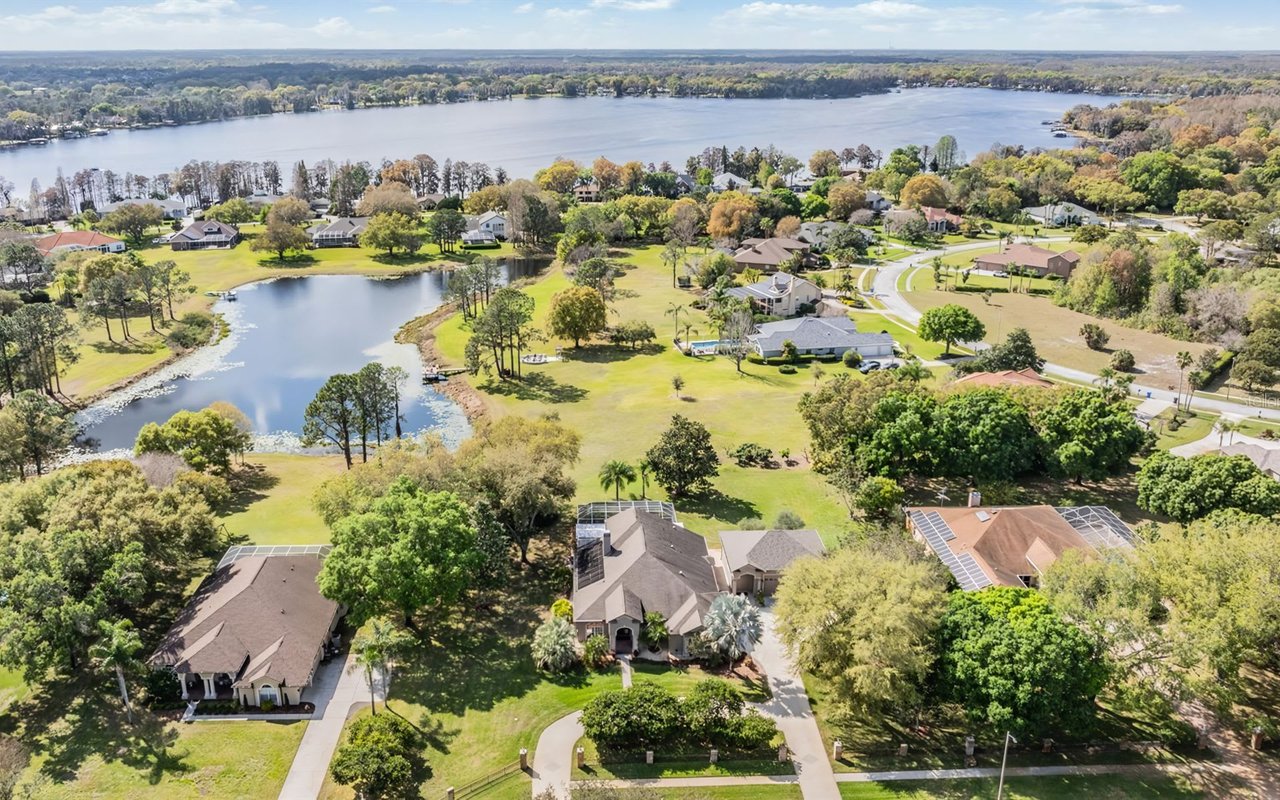
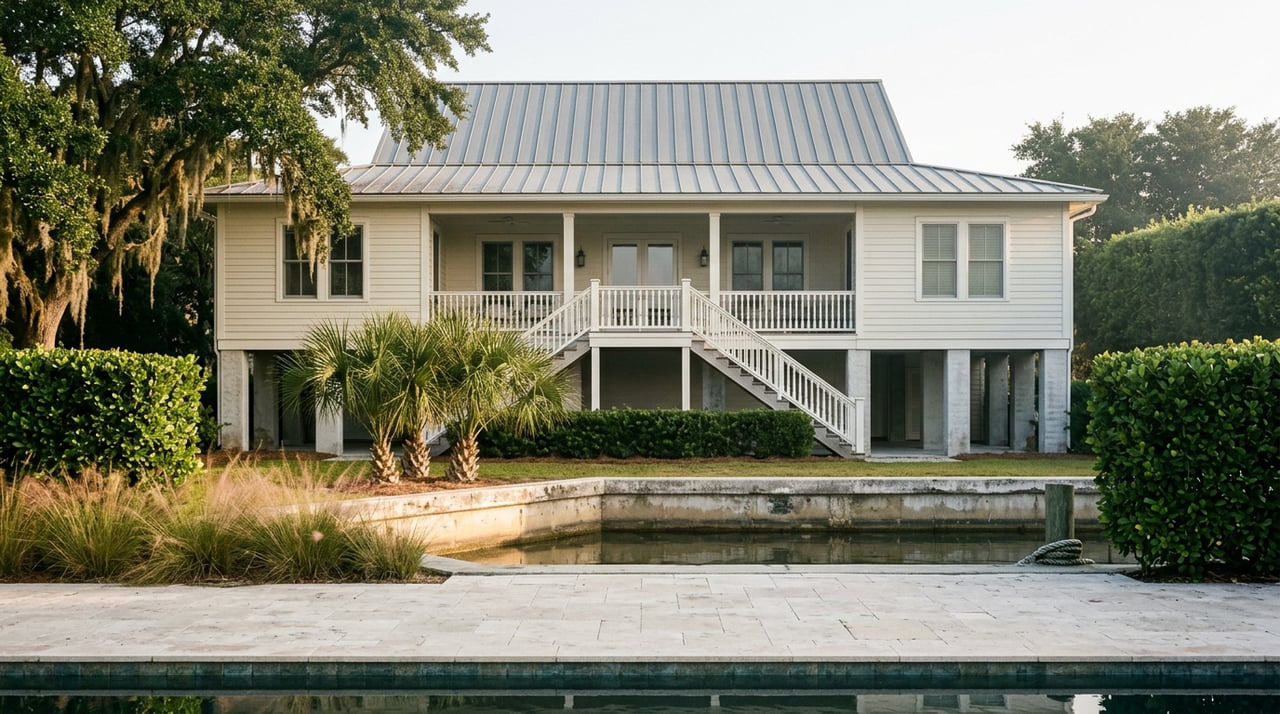
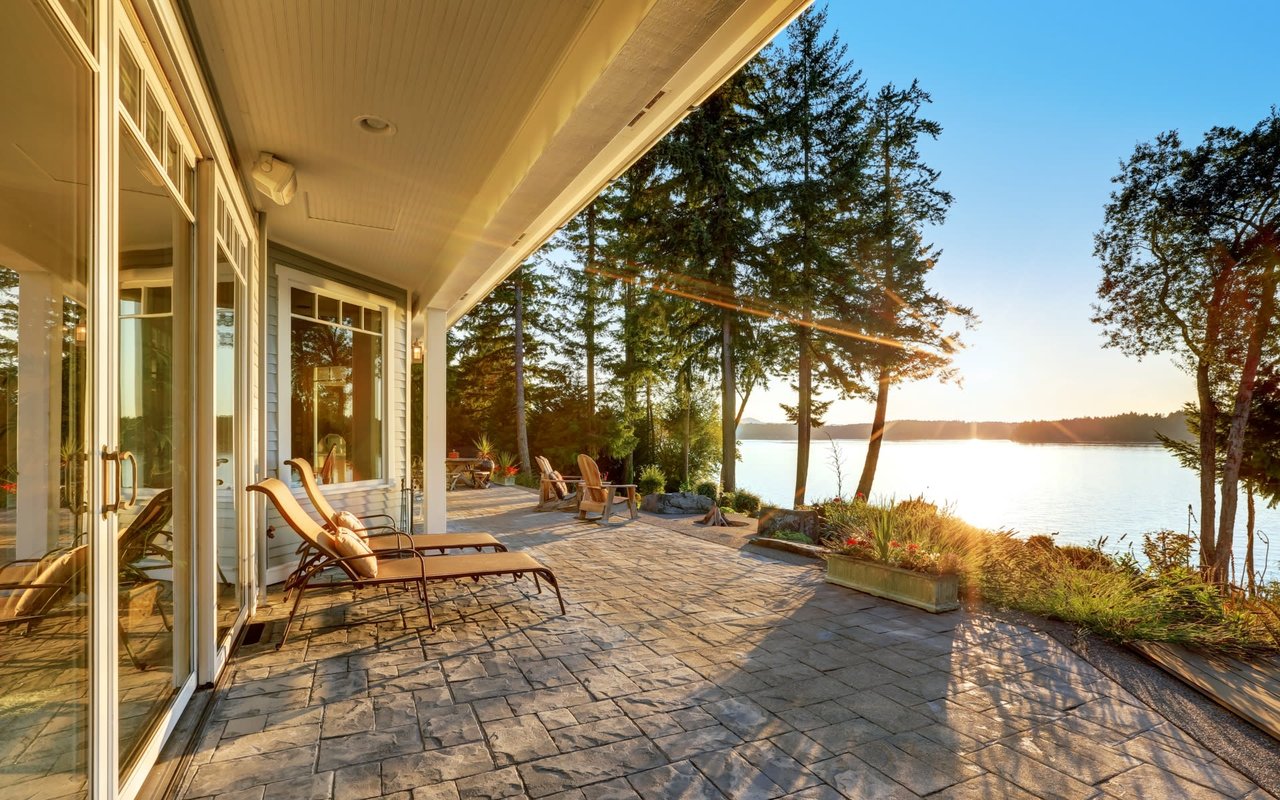
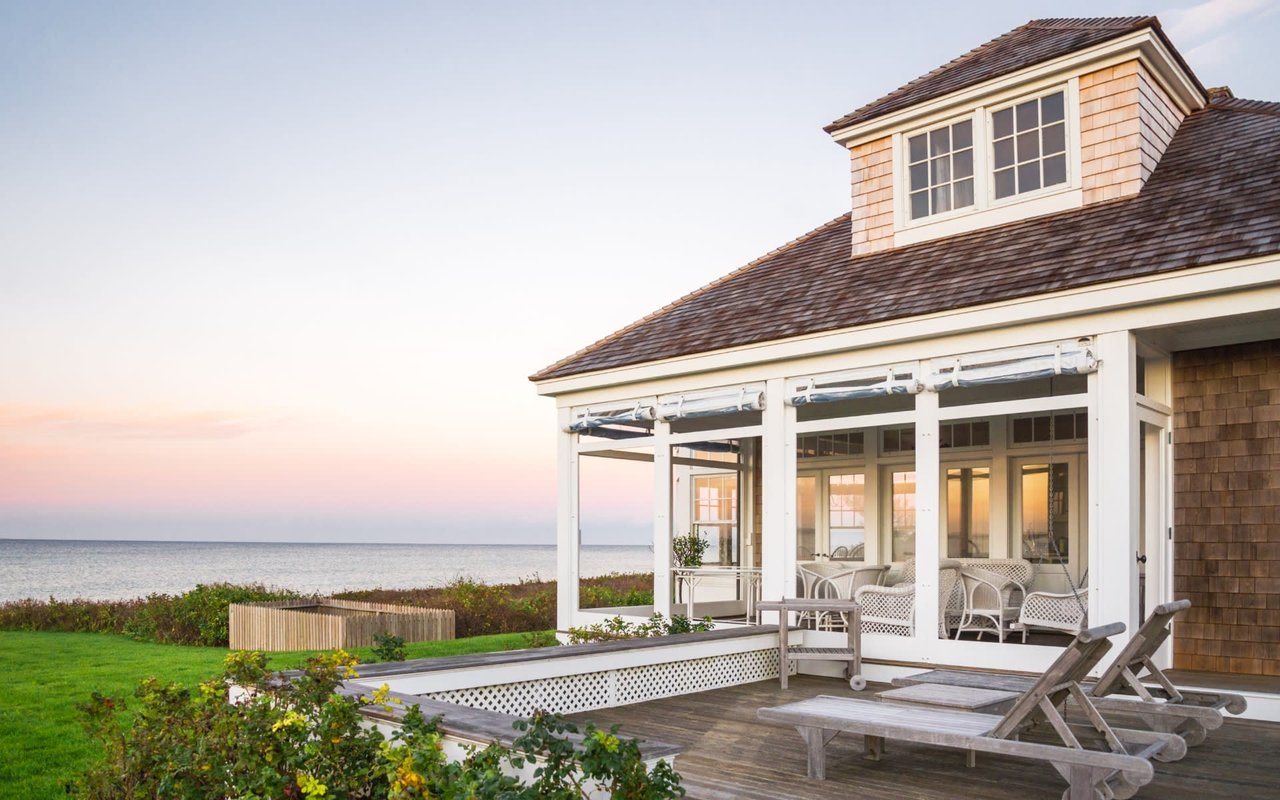
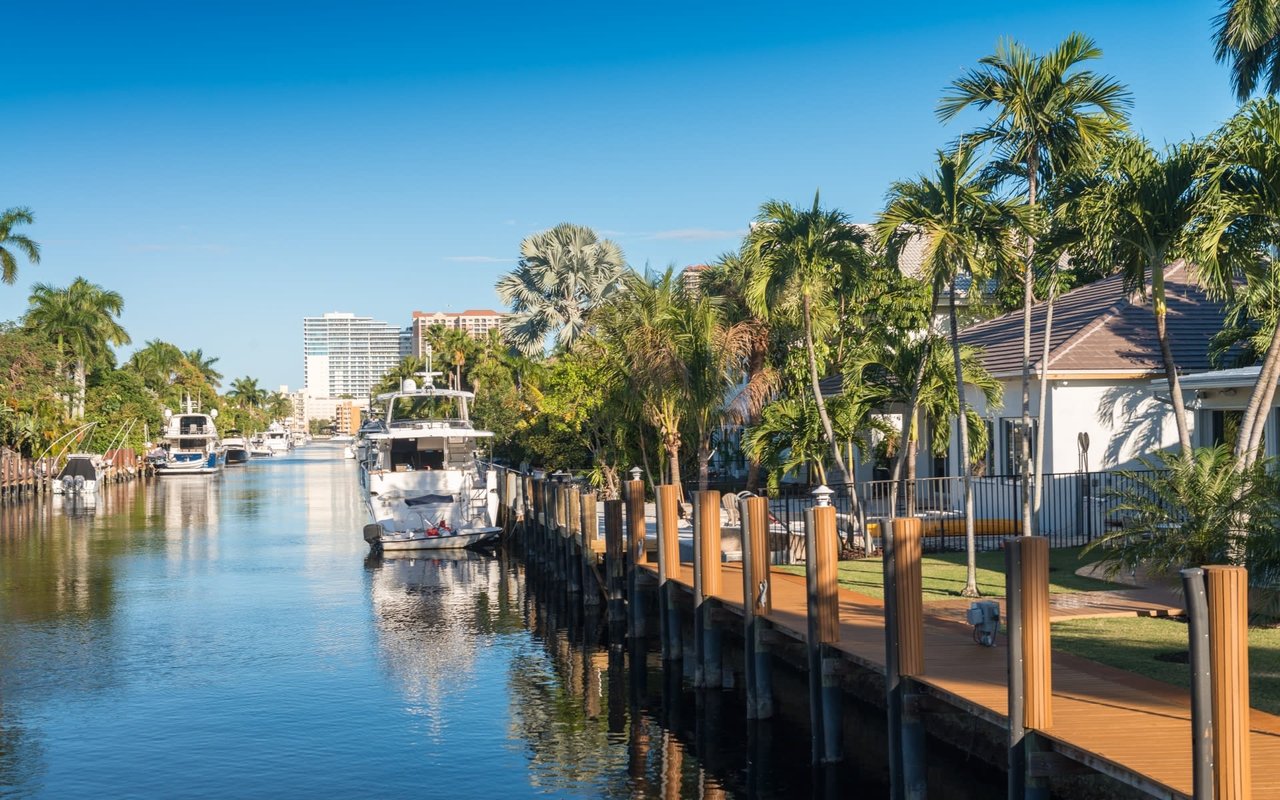
Many buyers come to Tampa dreaming of waterfront living, and we understand why—it’s beautiful. But waterfront properties almost always sit at lower elevations and come with trade-offs: higher insurance, stricter building requirements, and more exposure to storm surge.
On the flip side, elevated neighborhoods may not offer direct water access, but they often provide lower insurance costs, easier resale, and less storm-related stress. There’s no “right” answer—it comes down to lifestyle, risk tolerance, and long-term goals.
Our job is to help clients weigh those options realistically, not emotionally.
Elevation and Resale Value
From a resale standpoint, elevation is becoming more important every year. Buyers today are more informed, more cautious, and more focused on long-term ownership costs. Homes that sit higher, drain well, and fall outside flood zones are increasingly attractive—especially to out-of-state buyers relocating to Tampa.
We consistently see stronger demand and shorter days on market for homes that check these boxes.
Local Knowledge Makes the Difference
This is where working with true local experts matters. Elevation isn’t just about numbers on a map—it’s about how a neighborhood actually behaves during heavy rain, storms, and hurricane season. After decades of living and working in Tampa, we know which streets flood, which neighborhoods stay dry, and which areas offer the best balance of location, safety, and value.
Whether you’re buying your first home, selling a longtime property, or investing in Tampa real estate, understanding elevation and topography gives you a strategic advantage.
If you’re thinking about making a move in Tampa Bay and want guidance rooted in real experience—not guesswork—we’re here to help.
— Emeri & Joe Lewkowicz
The Lewkowicz Group