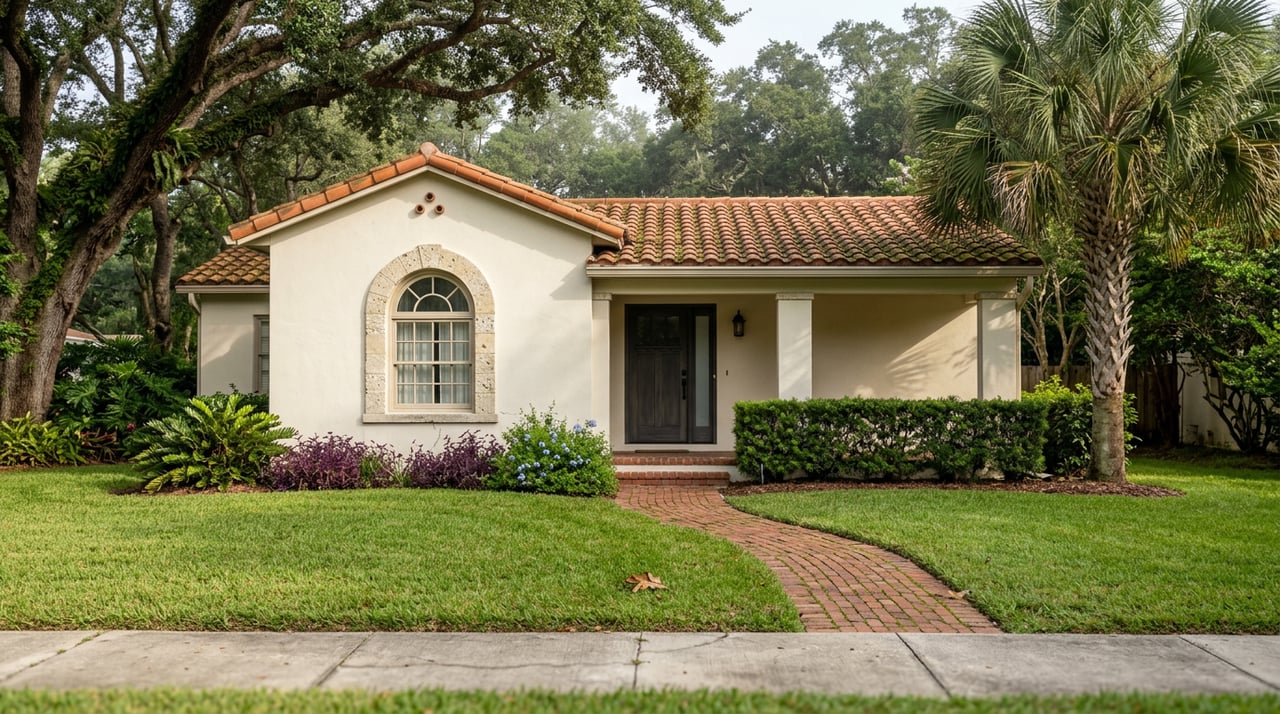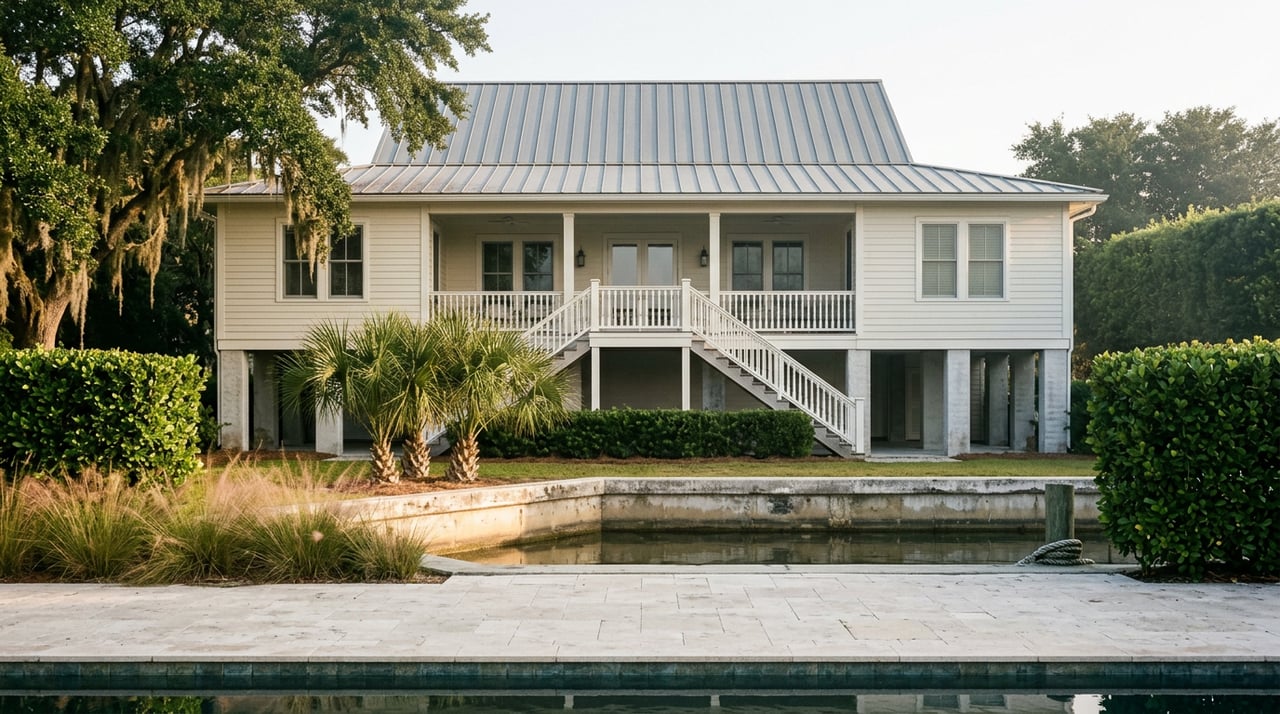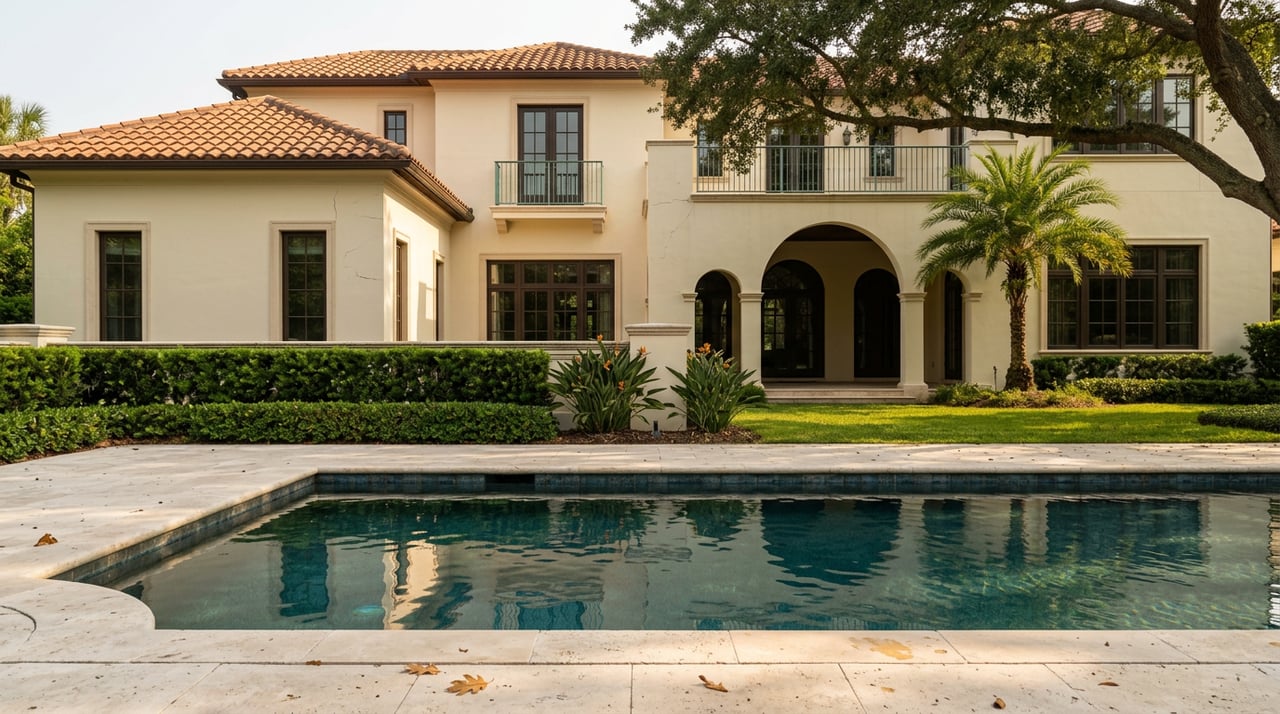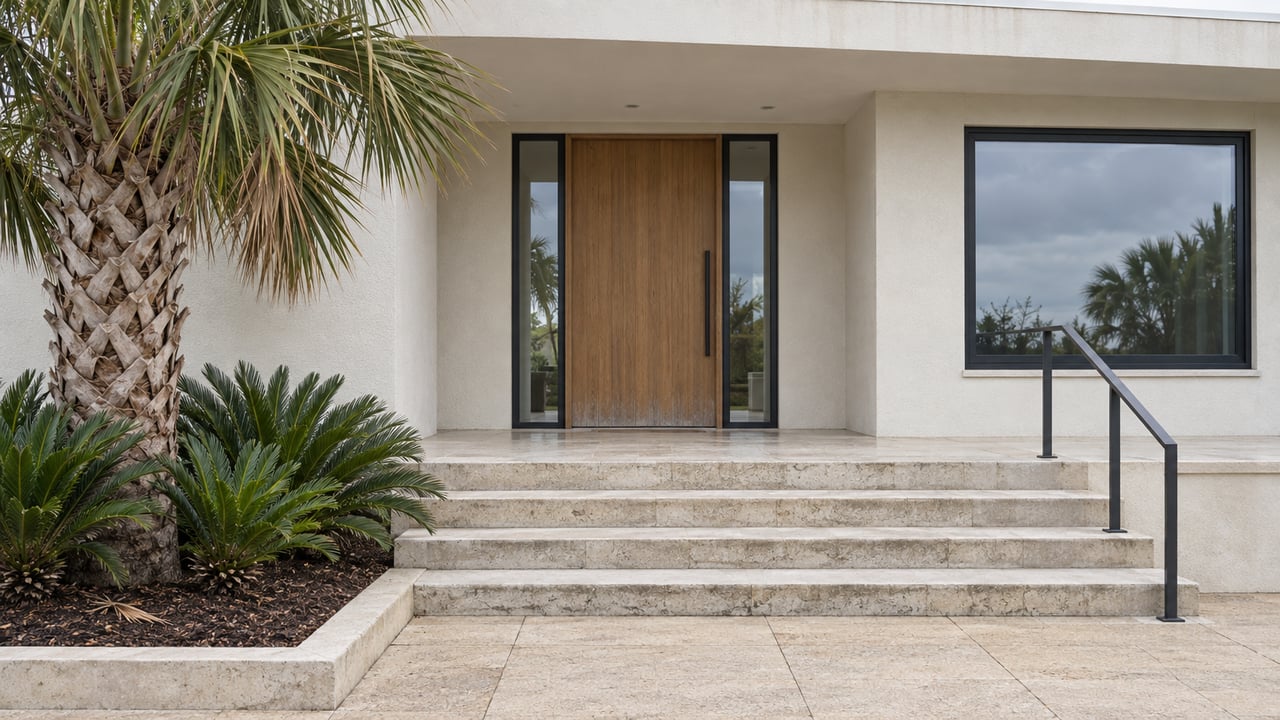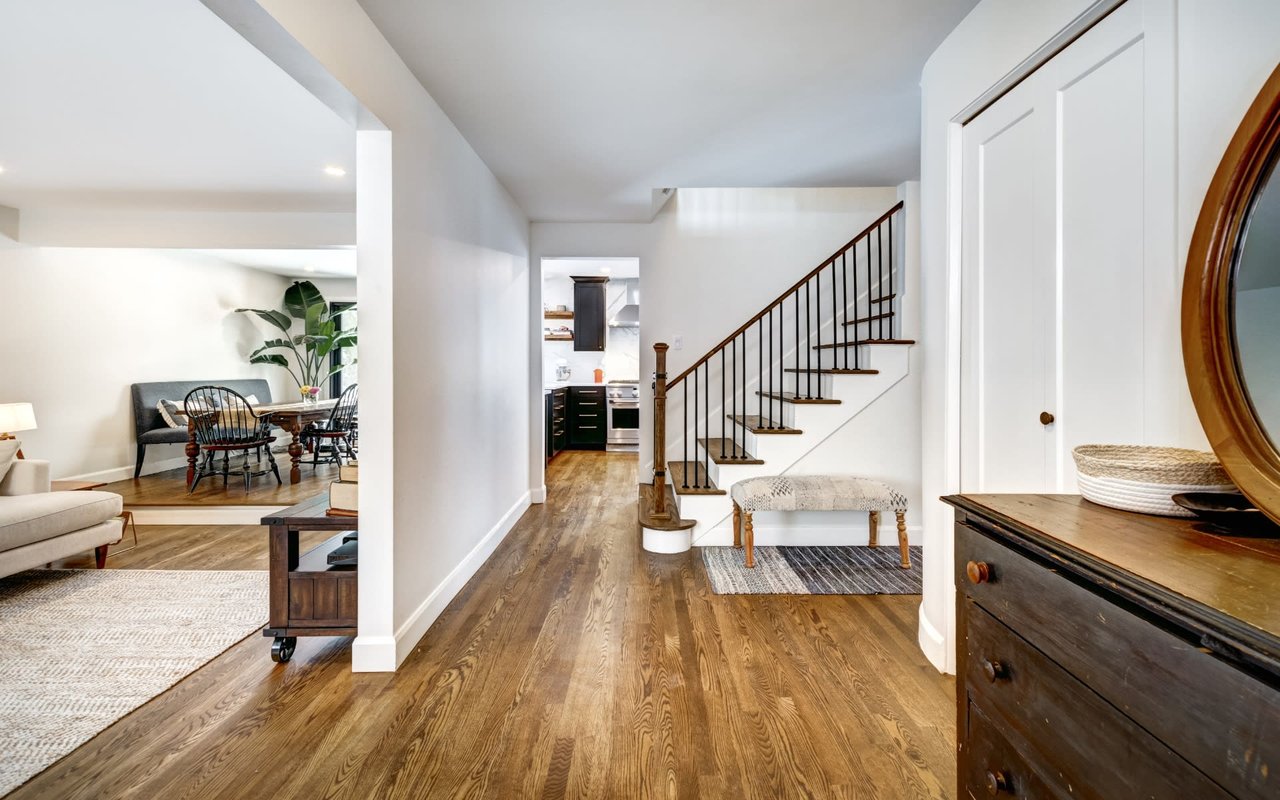
Palma Ceia is one of South Tampa’s most established and desirable neighborhoods, making it an interesting market for investors looking beyond traditional move-in-ready homes. From older properties with renovation potential to underutilized lots that may offer opportunities for redevelopment, the neighborhood presents several possibilities for investors who know what to look for. But identifying a property with potential is only the first step. Understanding its true value, development limitations, and long-term market appeal is what makes an investment worthwhile.
According to Tampa real estate experts Emeri and Joe Lewkowicz, who bring more than 40 years of combined real estate experience, successful investing in Palma Ceia starts with understanding the neighborhood as much as the property itself.
Look Beyond the Existing Structure
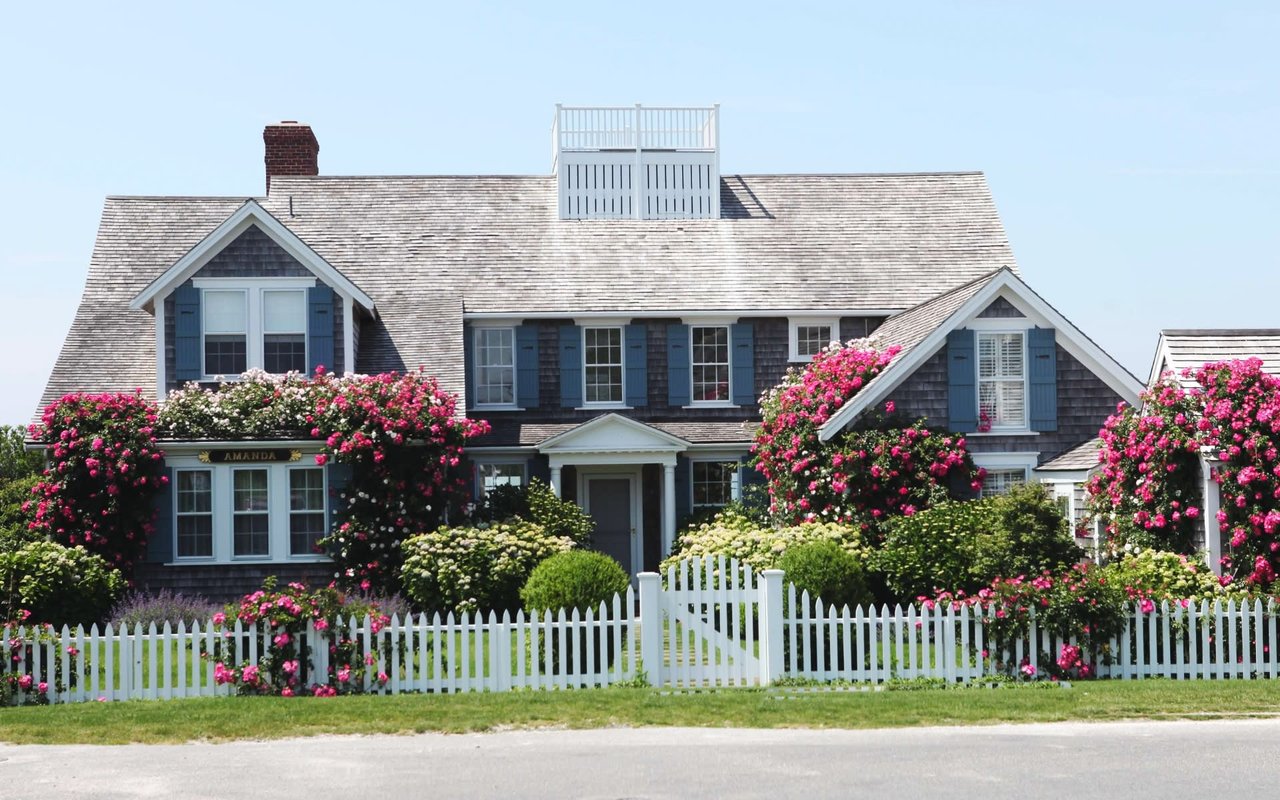
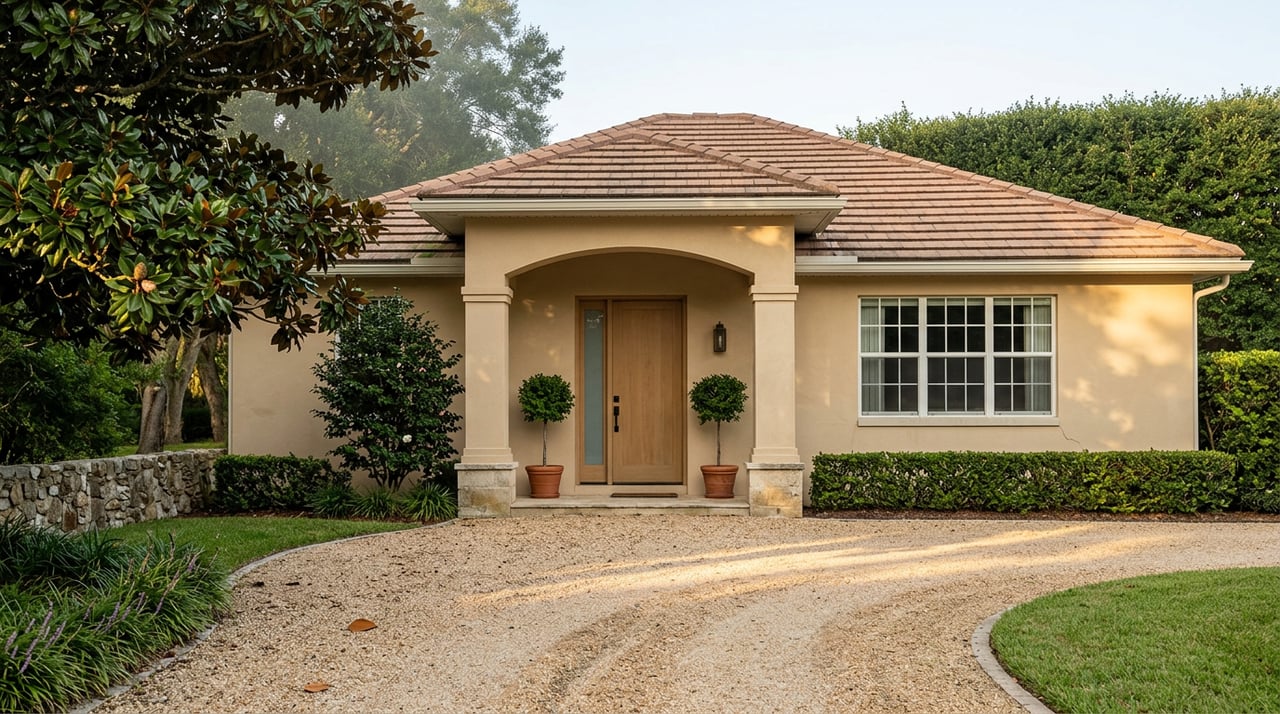
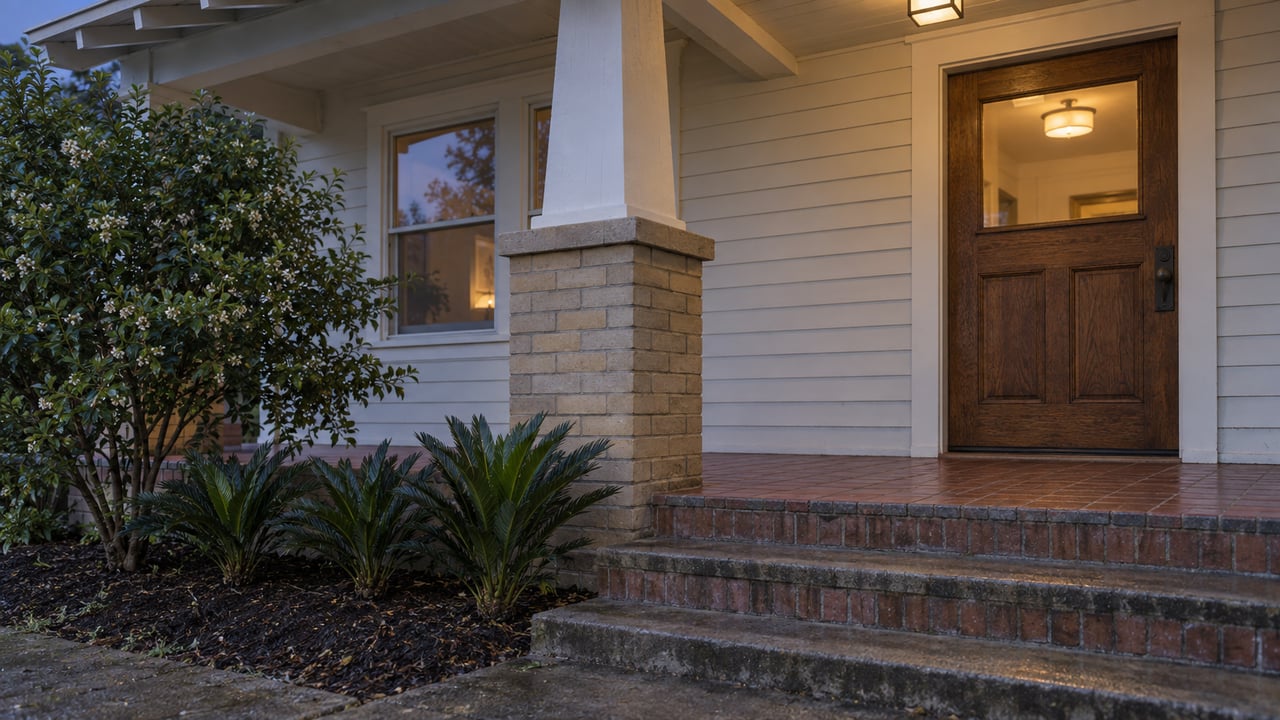
One of the first things investors should consider is whether a property's current condition reflects its full potential. Palma Ceia has a mix of older homes, renovated residences, and newer construction. Some properties may have outdated interiors, aging systems, or layouts that no longer meet today's buyer expectations.
Emeri and Joe Lewkowicz often encourage investors to look beyond cosmetic appearances. An older home that needs significant improvements may still represent an attractive opportunity if the lot, location, and surrounding property values support the investment.
However, there is an important distinction between a property that needs updating and one that offers genuine redevelopment potential. Investors should evaluate the home's structural condition, existing footprint, lot dimensions, and possible renovation or expansion options before making an offer.
Understand Zoning, Lot Restrictions, and Development Possibilities
When evaluating underdeveloped or underutilized residential properties, zoning is one of the most important considerations. Investors should never assume that a larger lot automatically allows for additional construction or that an existing structure can be expanded without restrictions.
Before moving forward, review applicable zoning classifications, setbacks, lot coverage requirements, building regulations, and any potential historic or neighborhood-specific restrictions. Flood zones, drainage requirements, tree protection regulations, and permitting considerations may also influence what can realistically be done with a property.
Joe and Emeri emphasize the importance of doing this research early. A property may look like an excellent redevelopment opportunity on paper, but unexpected restrictions or infrastructure requirements can significantly affect its financial feasibility.
Working with qualified local contractors, architects, surveyors, and zoning professionals can help investors understand what is actually possible before committing substantial capital.
Compare Nearby Sales and Future Market Demand
Location plays a major role in determining whether an investment will perform well. Palma Ceia's established residential character, convenient South Tampa location, and proximity to shopping, dining, schools, and recreational amenities contribute to its continued appeal.
Emeri and Joe Lewkowicz recommend studying comparable sales in the immediate area rather than relying on broad South Tampa averages. Look at recently sold renovated homes, newer construction, and properties with similar lot sizes and characteristics.
These comparisons help investors estimate a realistic after-renovation value or potential resale price. They also provide insight into which property features buyers are prioritizing.
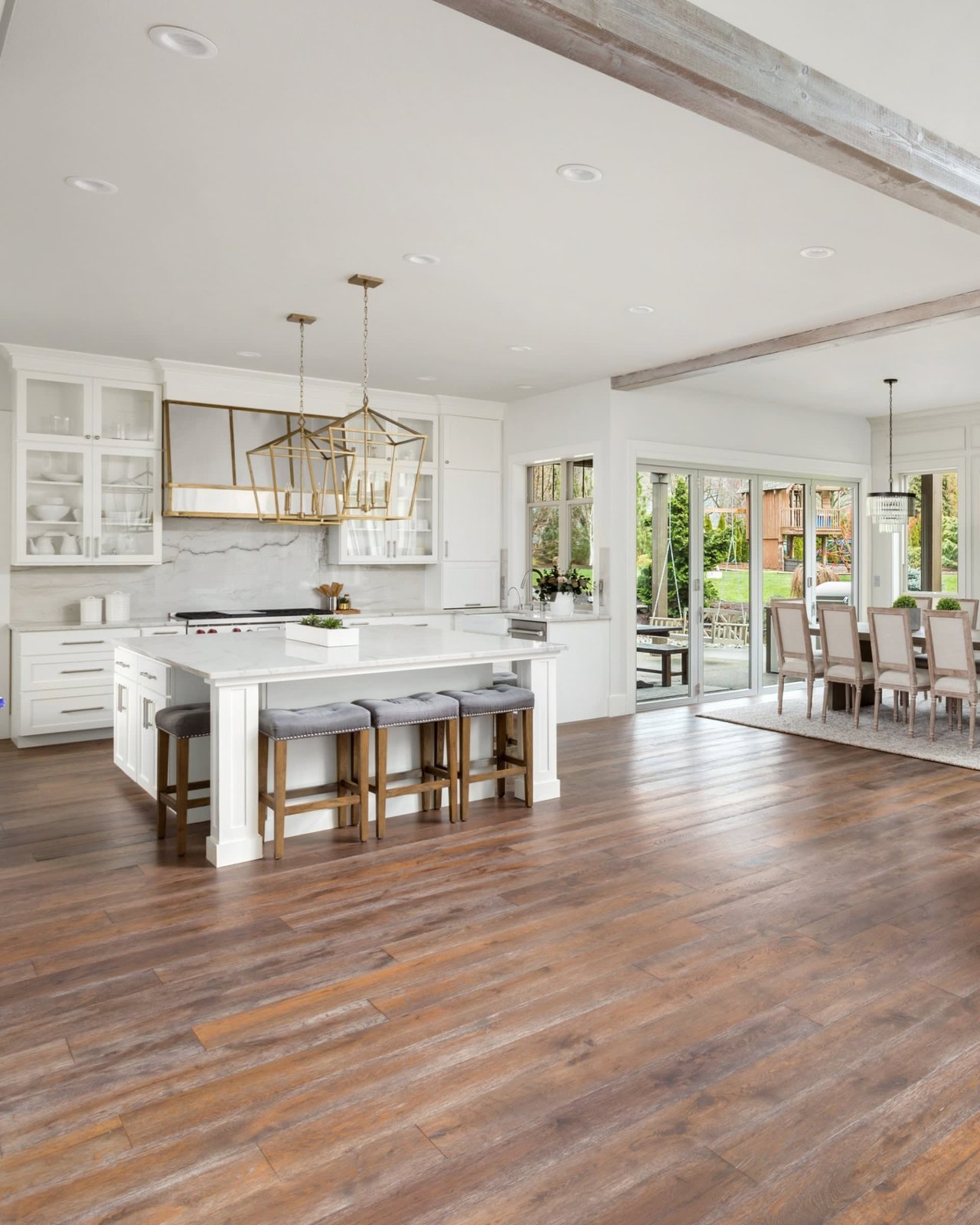
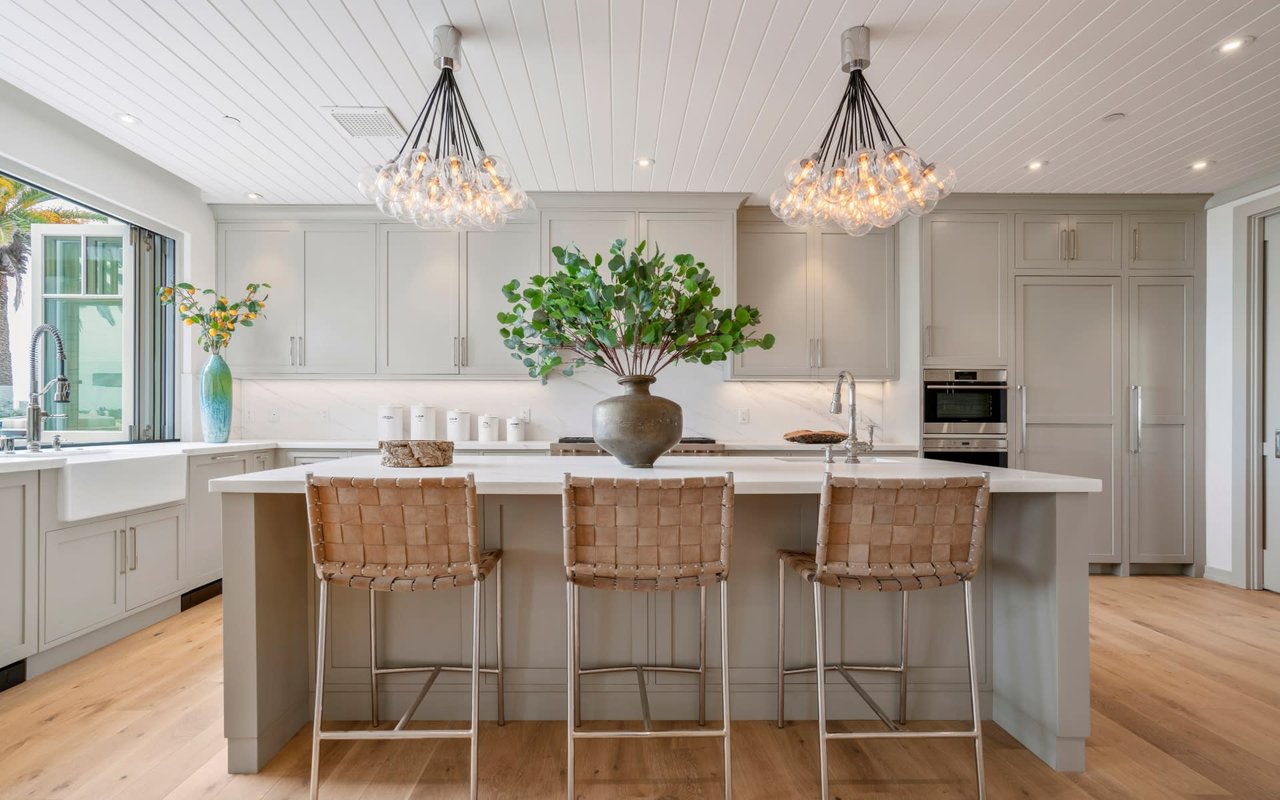
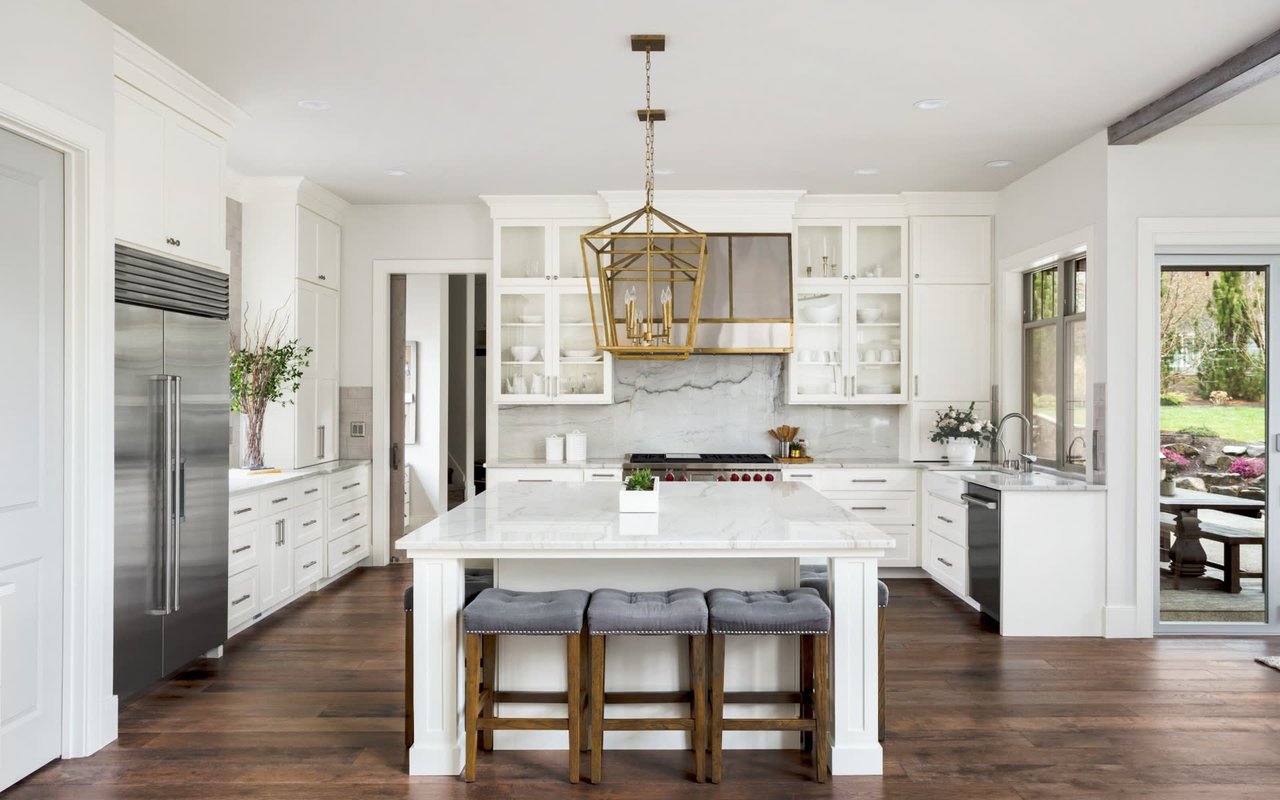
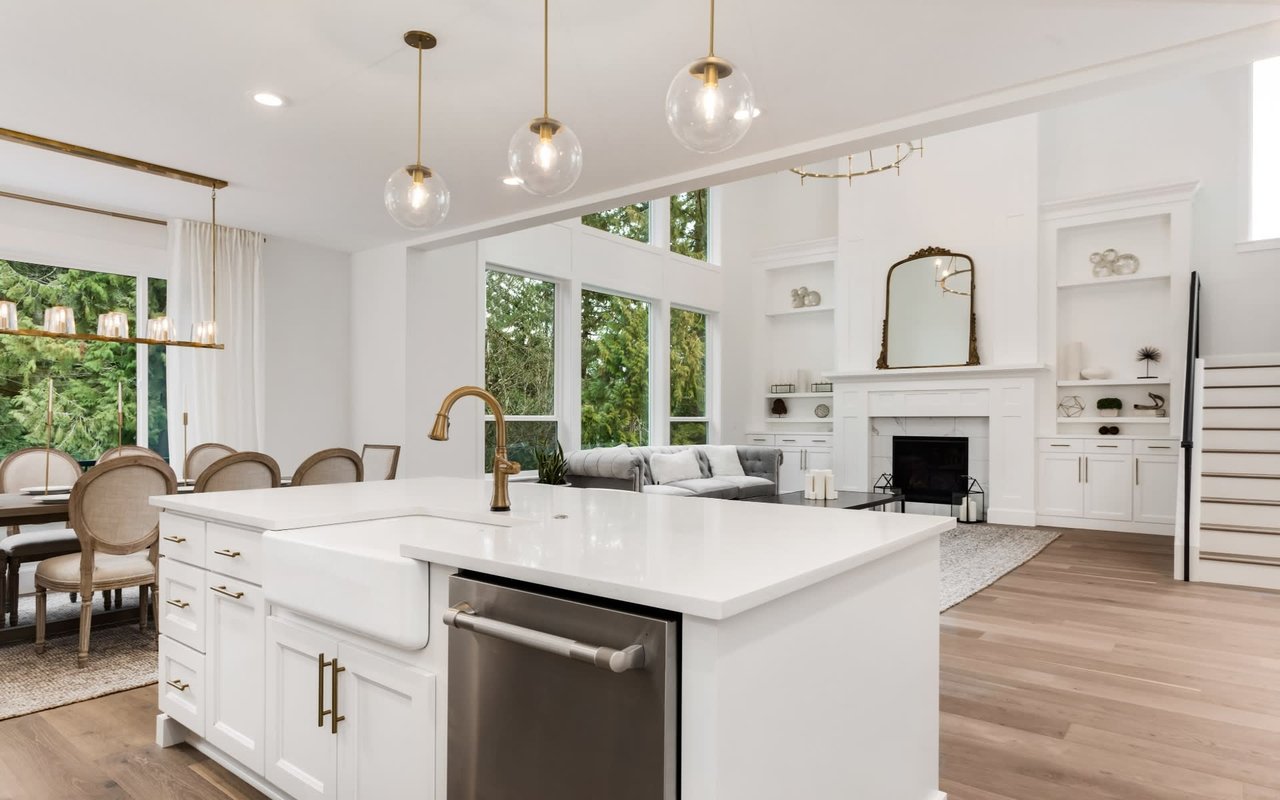
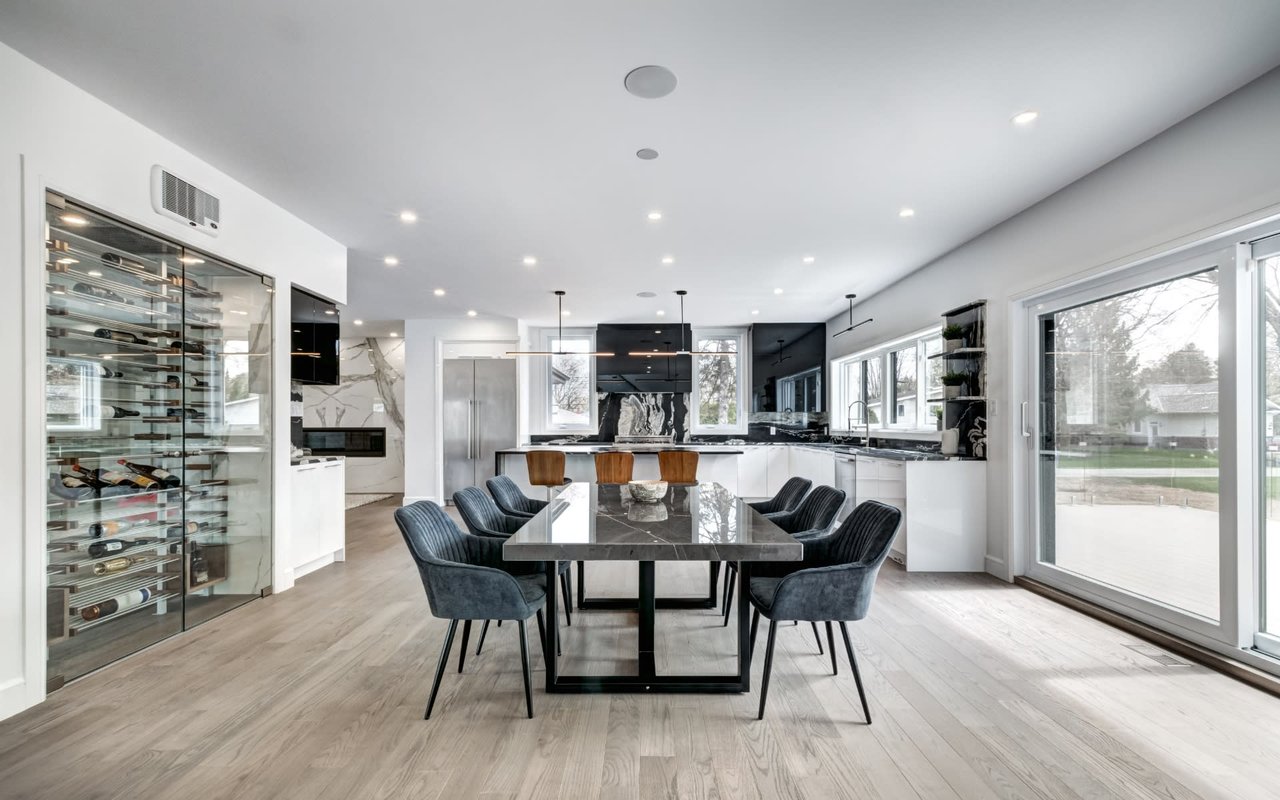
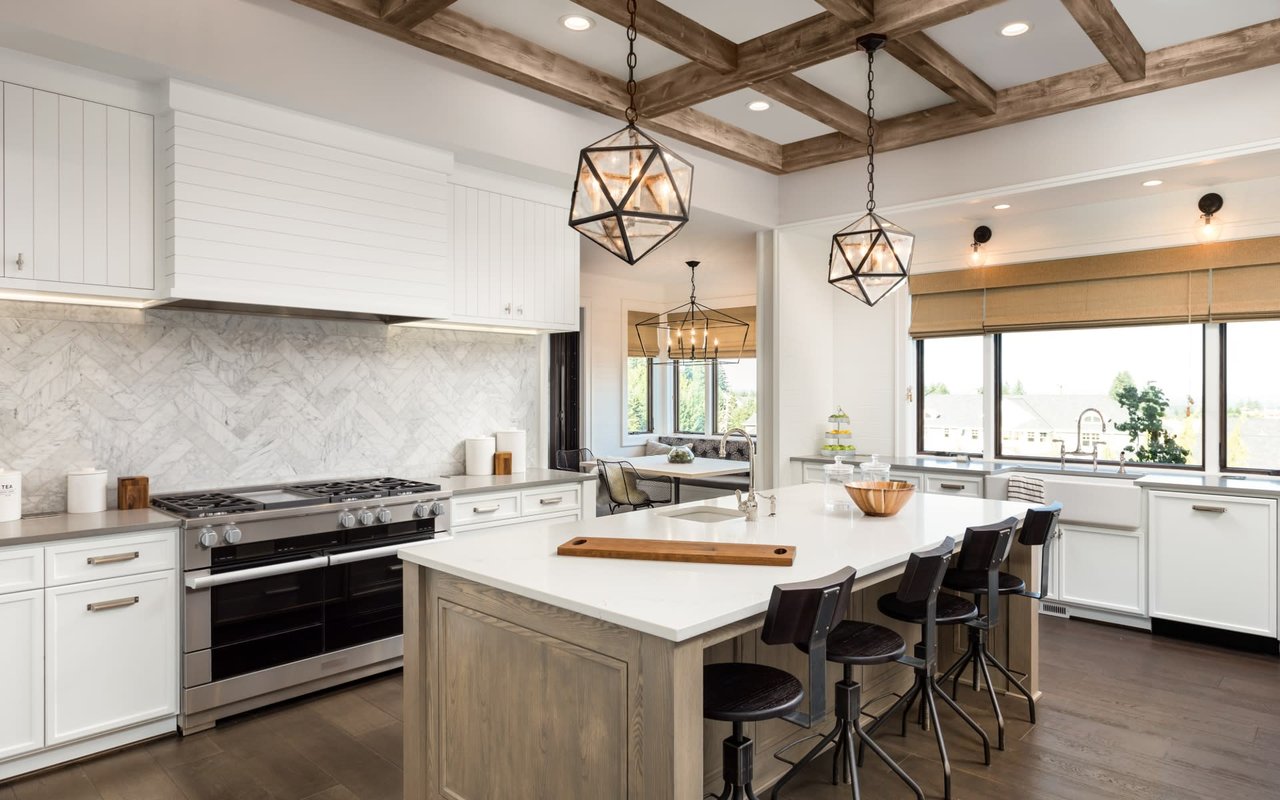
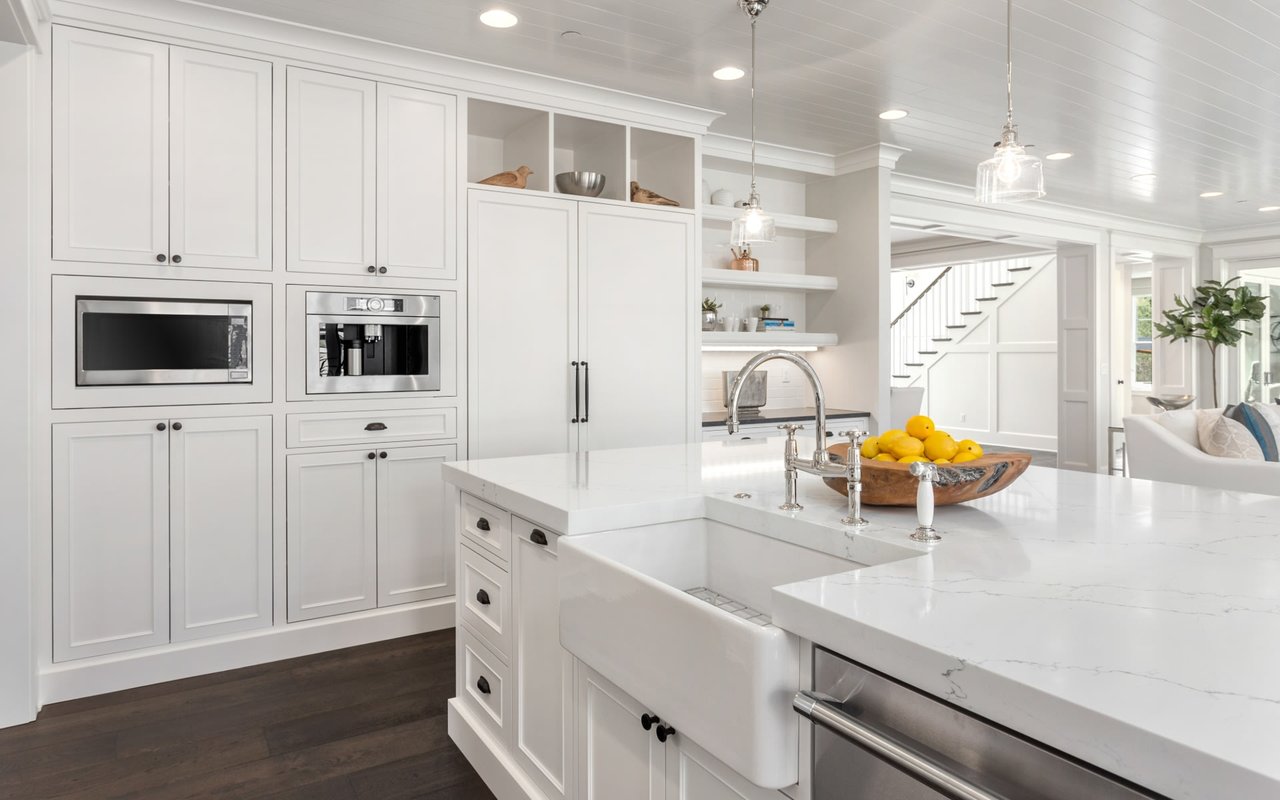
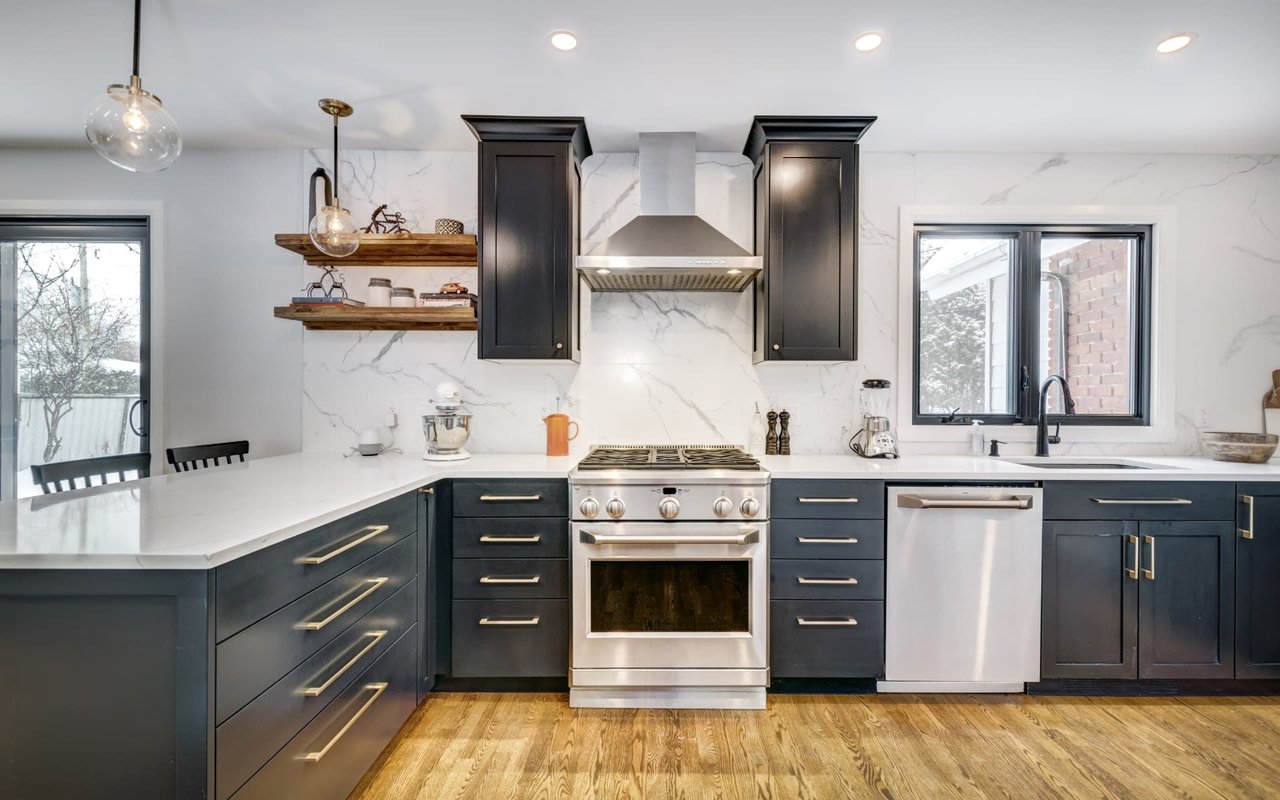
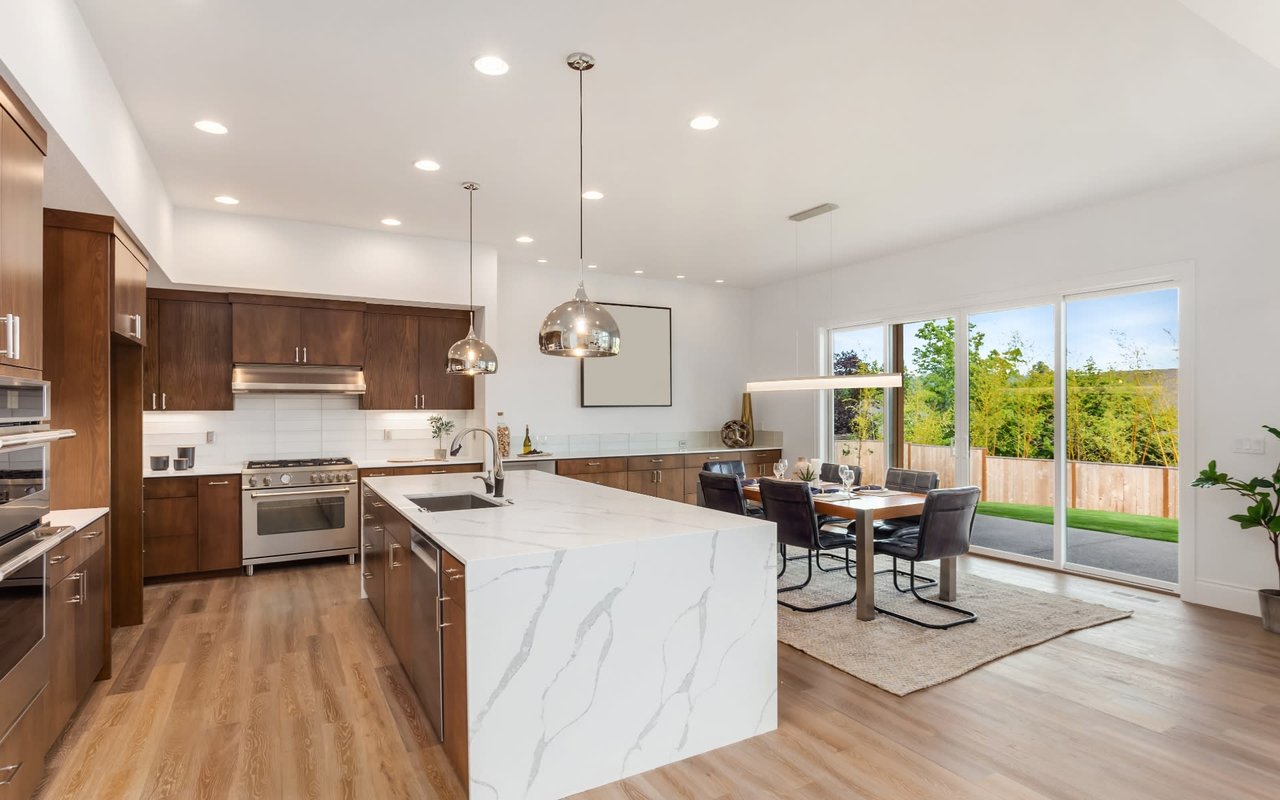
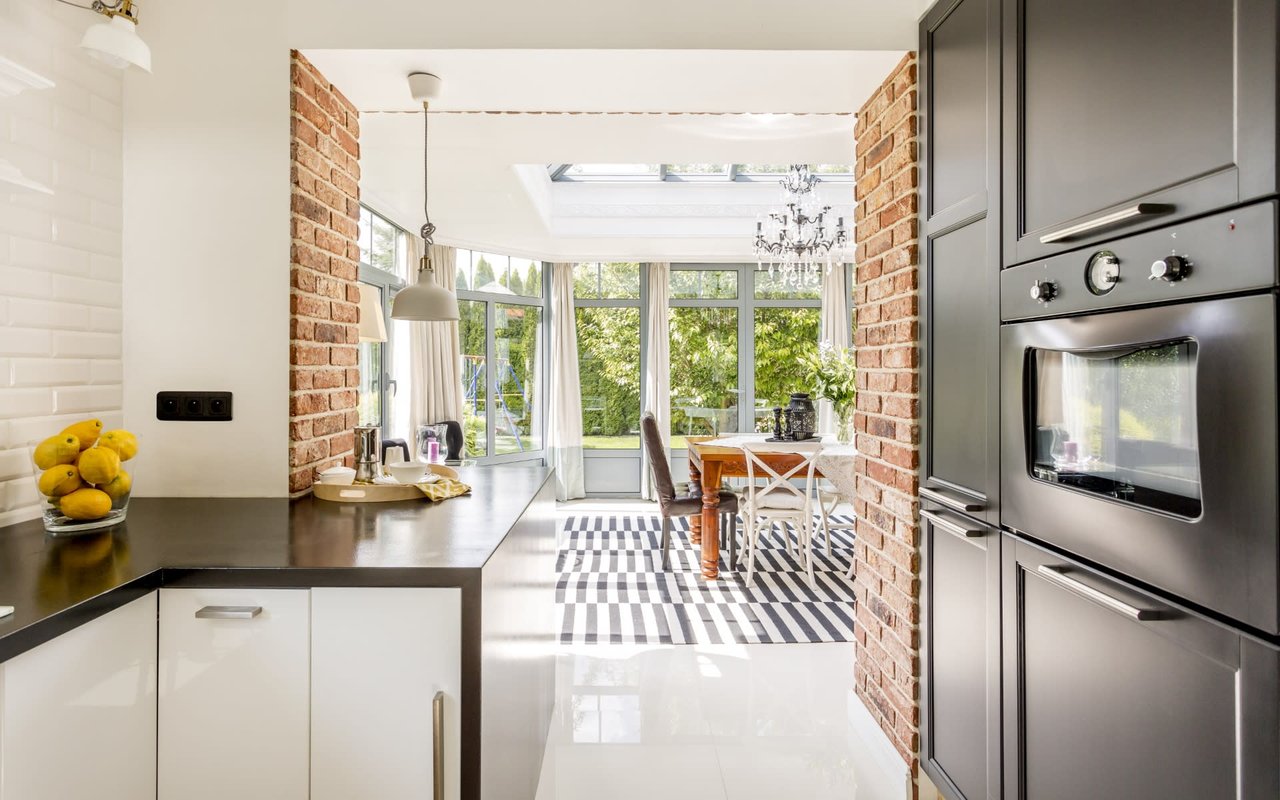
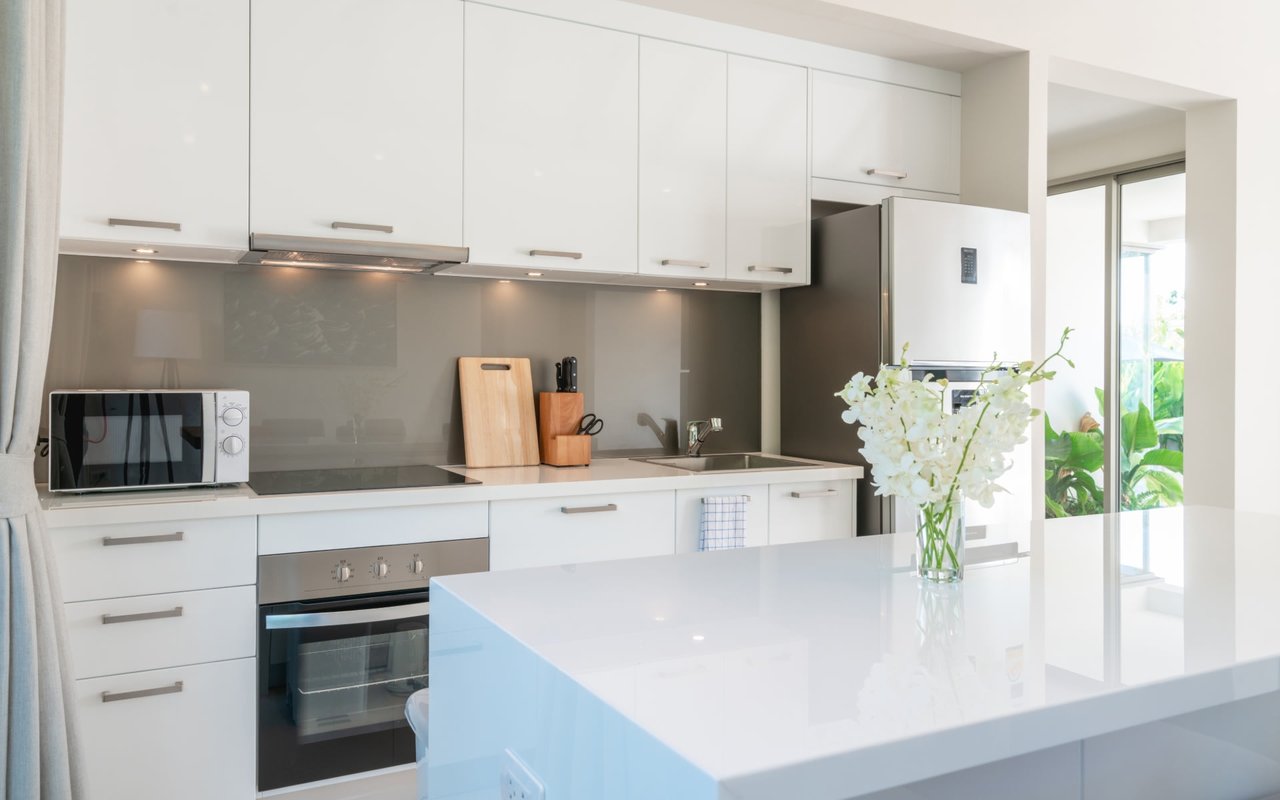
For example, an updated kitchen, functional floor plan, outdoor living space, and modern systems may make a renovated home more competitive. Investors considering new construction should also evaluate whether the expected finished product aligns with the surrounding neighborhood and buyer expectations.
Calculate the Numbers Before Making an Offer
A promising property is not necessarily a profitable investment. Investors need to account for the complete acquisition and development costs, including the purchase price, closing costs, architectural plans, permits, construction, financing, insurance, taxes, and an appropriate contingency budget.
Emeri and Joe encourage investors to run conservative numbers rather than build a strategy around the most optimistic resale estimate.
Consider multiple exit strategies, too. Would the property make more sense as a renovated resale, a long-term rental, or a redevelopment project? Comparing these possibilities can reveal which approach offers the strongest potential relative to the risk and capital required.
Evaluate Long-Term Neighborhood Appeal
Palma Ceia is not simply about finding an inexpensive property and making improvements. Its established neighborhood identity is part of what attracts buyers. Investors should consider how their plans fit into the surrounding residential environment and whether the finished property will appeal to the people most likely to purchase or rent it.
Understanding buyer preferences, neighborhood development patterns, and future market conditions can help investors make more informed decisions.
Work With Local Experts Who Know the Market
Ultimately, evaluating underdeveloped or underutilized residential properties in Palma Ceia requires more than reviewing listing photos and calculating renovation costs. It takes local market knowledge, careful research, and a clear understanding of what buyers value in this part of Tampa.
With more than 40 years of combined experience, Emeri and Joe Lewkowicz bring valuable insight into South Tampa's real estate market. They help investors look beyond a property's current condition, recognize opportunities, evaluate comparable properties, and make decisions based on realistic market expectations.
If you're considering investing in Palma Ceia, having the right guidance from the beginning can make a meaningful difference. Emeri and Joe Lewkowicz can help you identify promising opportunities, understand the local market, and determine whether a property aligns with your investment goals.