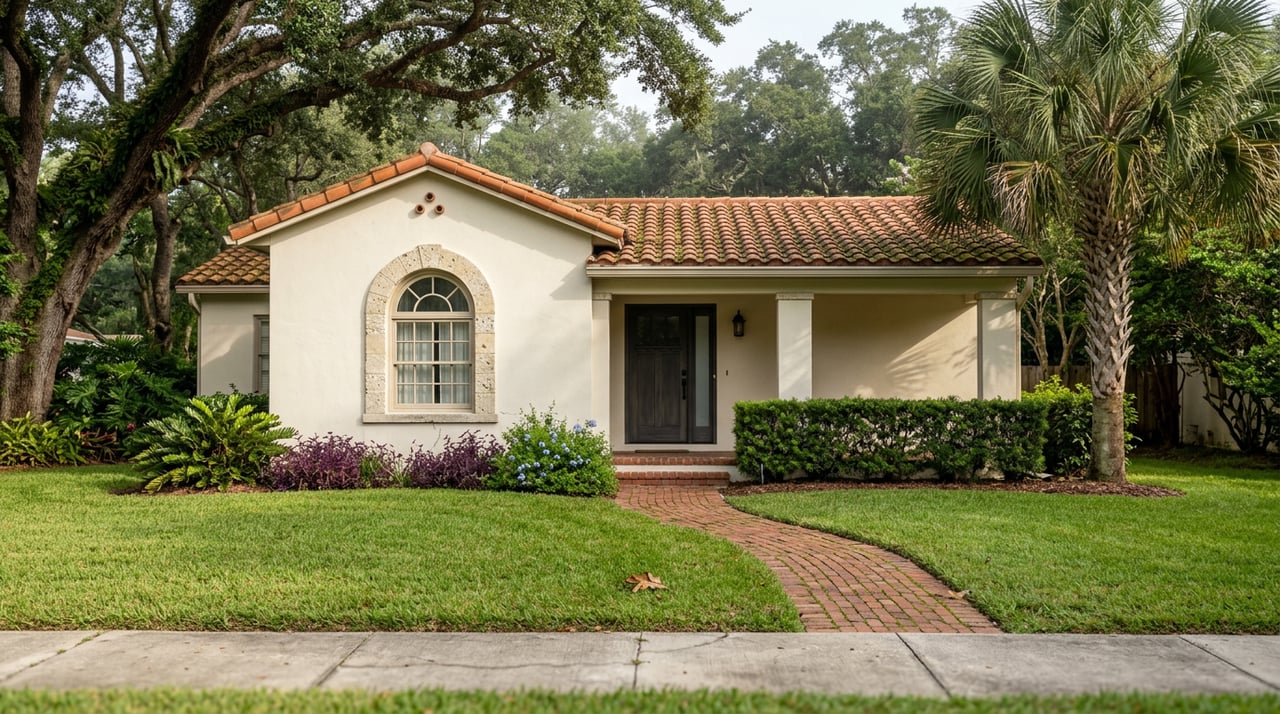
Restoring a historic property in Hyde Park can be an exciting real estate investment. With its beautiful early-20th-century architecture, tree-lined streets, proximity to Bayshore Boulevard, and convenient access to Downtown Tampa, Hyde Park has a distinctive appeal that continues to attract buyers who appreciate character and location.
But before investing in a historic home that needs significant work, there's one important question to answer: Will the numbers actually make sense?
After more than 40 years of combined experience helping buyers, sellers, and investors navigate Tampa's real estate market, we've learned that successful historic property investments require more than recognizing a beautiful house. You need to understand the renovation costs, local regulations, potential resale value, and long-term financial picture.
Here's how we recommend approaching a restoration project in Hyde Park.
1. Start With the Purchase Price and After-Renovation Value
The first step is determining whether you're buying the property at a price that leaves enough room for a profitable renovation.
We always encourage investors to look beyond the asking price and evaluate comparable properties in Hyde Park. Pay particular attention to recently renovated historic homes with similar square footage, architectural styles, lot sizes, and locations.
What could the property realistically sell for once the restoration is complete?
This estimated after-repair value (ARV) helps establish your maximum purchase budget. A property that initially looks like a bargain may become expensive once you account for restoration costs, holding expenses, and the neighborhood's resale price range.
Our advice is simple: Don't let the charm of a historic property influence your financial calculations.
2. Understand the True Cost of Historic Restoration
Restoring an older Hyde Park home can involve considerably more work than a typical cosmetic renovation.
Beyond kitchens, bathrooms, flooring, and paint, investors should budget for potential foundation repairs, outdated electrical systems, plumbing replacements, roof improvements, HVAC upgrades, and wood rot or termite damage.
We recommend bringing in qualified inspectors, licensed contractors, and restoration professionals before finalizing your investment.
It's also important to maintain a contingency fund. Older properties can reveal unexpected problems once walls, floors, and ceilings are opened up. Building a realistic financial cushion into your budget can help prevent surprises from turning a promising project into a costly mistake.
3. Research Hyde Park's Historic Preservation Requirements
This is particularly important when investing in Hyde Park.
Certain properties fall within Tampa's locally designated Hyde Park Historic District, where exterior alterations and restoration work may require review and approval from the City's Architectural Review Commission.
This can affect decisions involving windows, roofing, exterior materials, additions, and other architectural features.
We encourage investors to verify the property's historic designation and understand the applicable design guidelines before committing to a renovation plan. Approval requirements can influence both project costs and completion timelines.
Remember, preserving original architectural details isn't simply about meeting regulations. It's also part of what makes a restored Hyde Park property attractive to future buyers.
4. Calculate Holding Costs and Potential Returns
A restoration project doesn't stop costing money after the purchase closes.
Investors should account for property taxes, homeowners insurance, possible flood insurance, utilities, financing costs, contractor payments, and ongoing maintenance throughout the renovation.
If your strategy involves renting the property, research realistic rental rates and estimate vacancy periods, property management fees, and ongoing operating expenses.
If you're planning to resell, calculate your expected profit after subtracting acquisition costs, renovation expenses, closing costs, selling commissions, and financing expenses.
We always tell our investors to evaluate conservative scenarios rather than relying on the most optimistic projections.
5. Explore Historic Preservation Incentives
There may also be financial incentives worth investigating.
The federal Historic Rehabilitation Tax Credit offers a 20% credit on qualified rehabilitation expenses for eligible income-producing historic properties. However, the building and rehabilitation must meet specific requirements, and owner-occupied residential properties do not qualify.
Investors should consult a qualified tax professional and the Florida State Historic Preservation Office before including potential incentives in their financial projections.
6. Consider the Long-Term Appeal of Hyde Park
One of Hyde Park's biggest advantages is its established neighborhood identity. Its historic architecture, walkable surroundings, Hyde Park Village, and proximity to Bayshore Boulevard create an appeal that goes beyond the property itself.
A thoughtfully restored home that respects its original character while offering modern functionality can stand out in the marketplace.
However, appreciation is never guaranteed. Investors should make sure the property works financially even without assuming significant future price increases.
Final Thoughts From Emeri & Joe Lewkowicz
Restoring a historic property in Hyde Park can be a rewarding investment, but success comes down to preparation, realistic budgeting, and understanding the local market.
With our combined 40+ years of experience in Tampa real estate, we help investors look beyond a property's appearance and evaluate its actual potential. We understand how location, architectural character, renovation quality, and buyer demand come together to influence a property's marketability.
If you're considering purchasing a historic property in Hyde Park, we'd love to help you evaluate the opportunity, understand the neighborhood, and make a confident investment decision.
Emeri & Joe Lewkowicz | The Lewkowicz Group
Your trusted Tampa real estate experts.