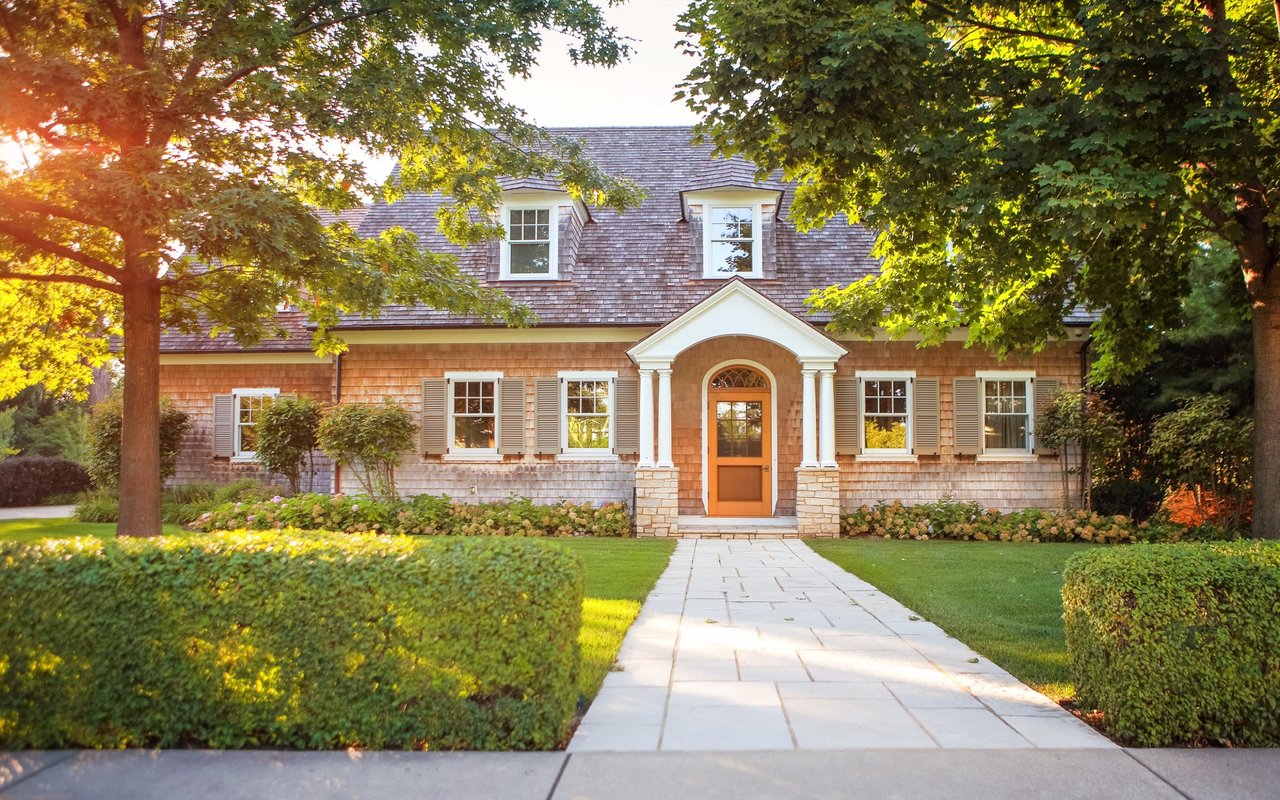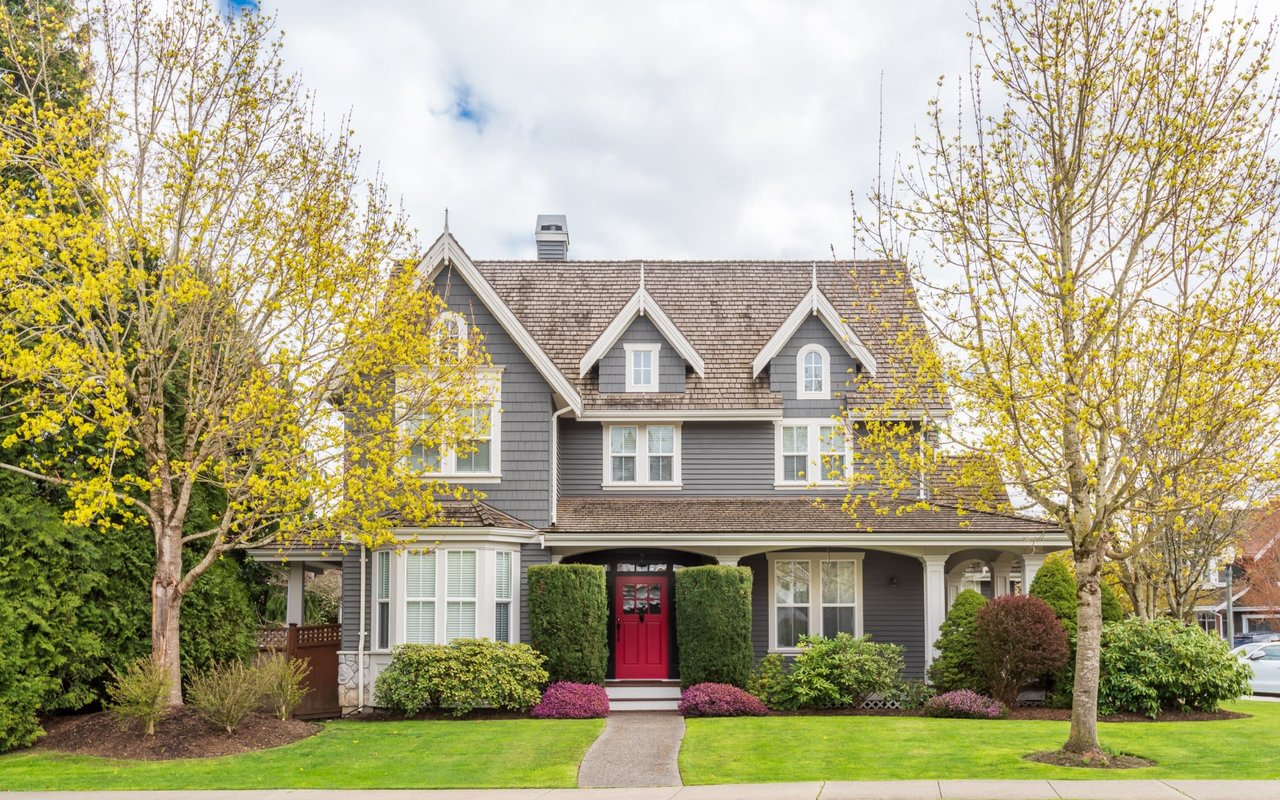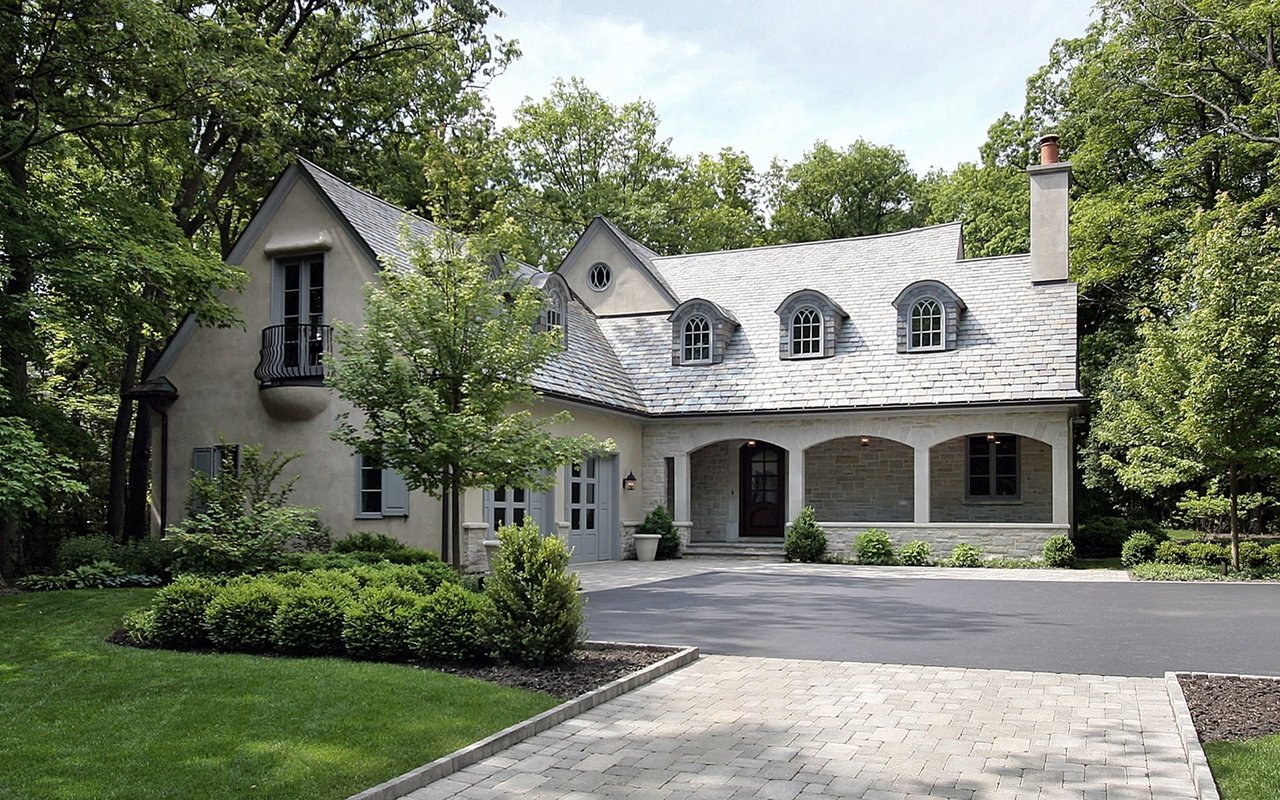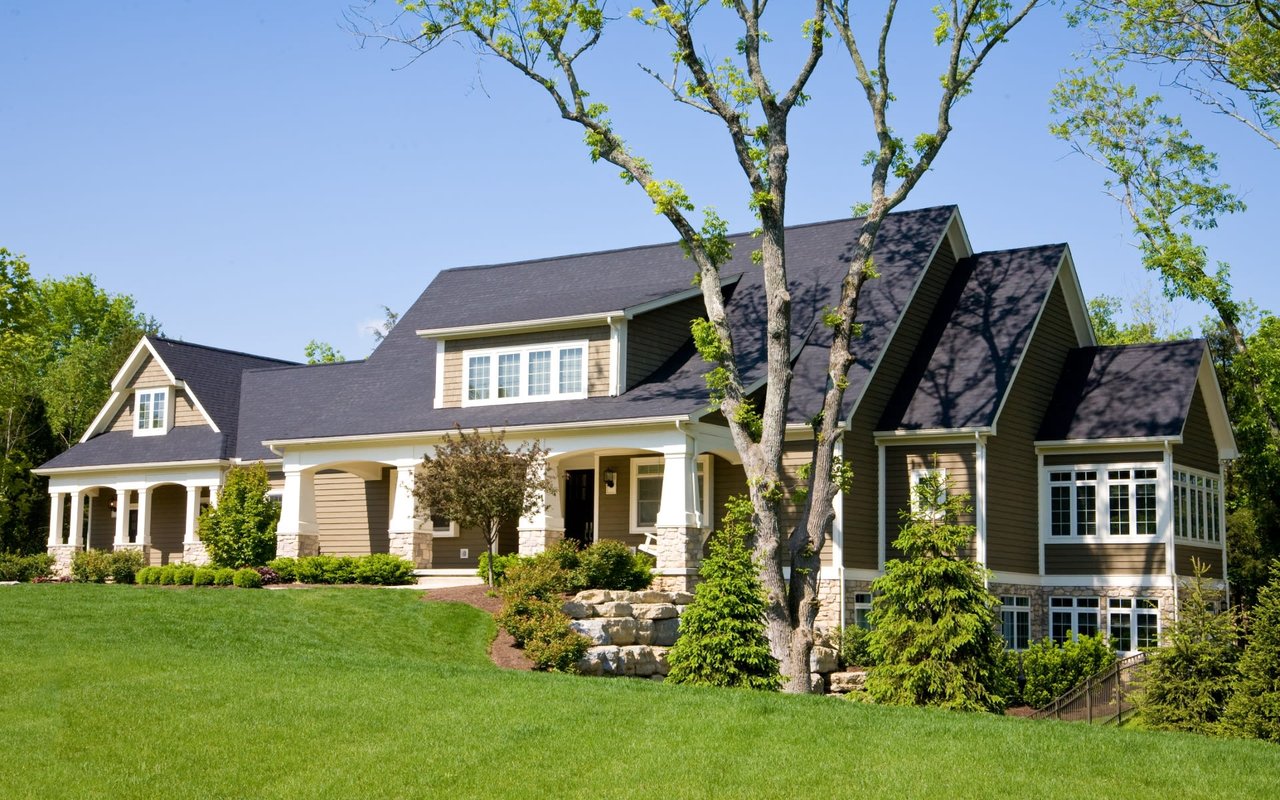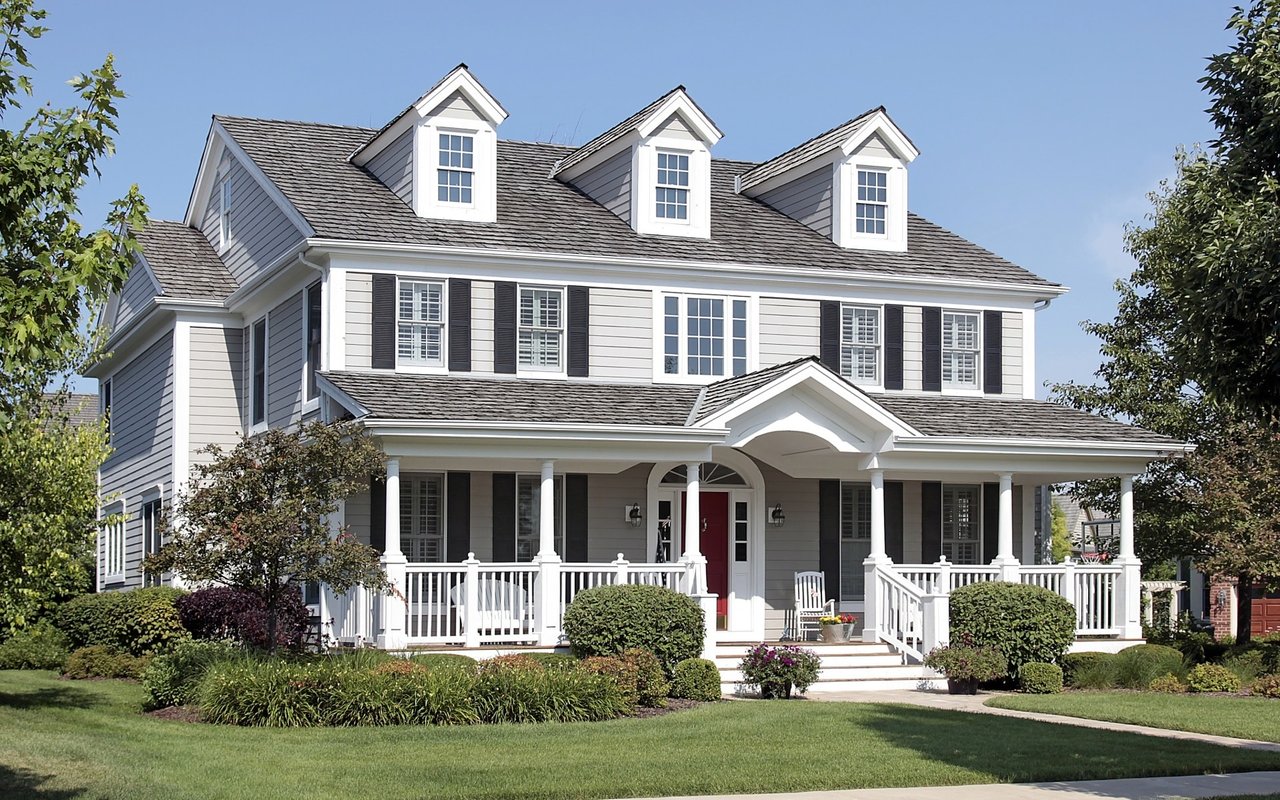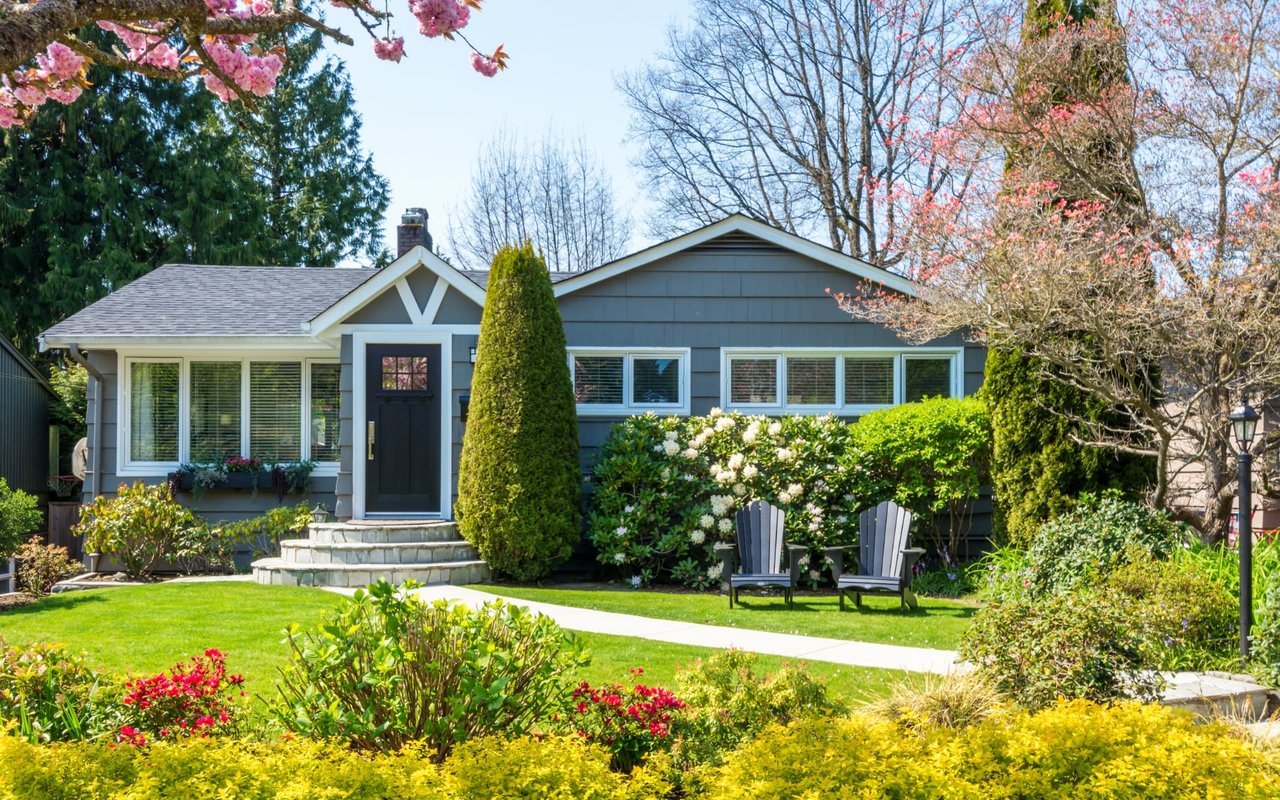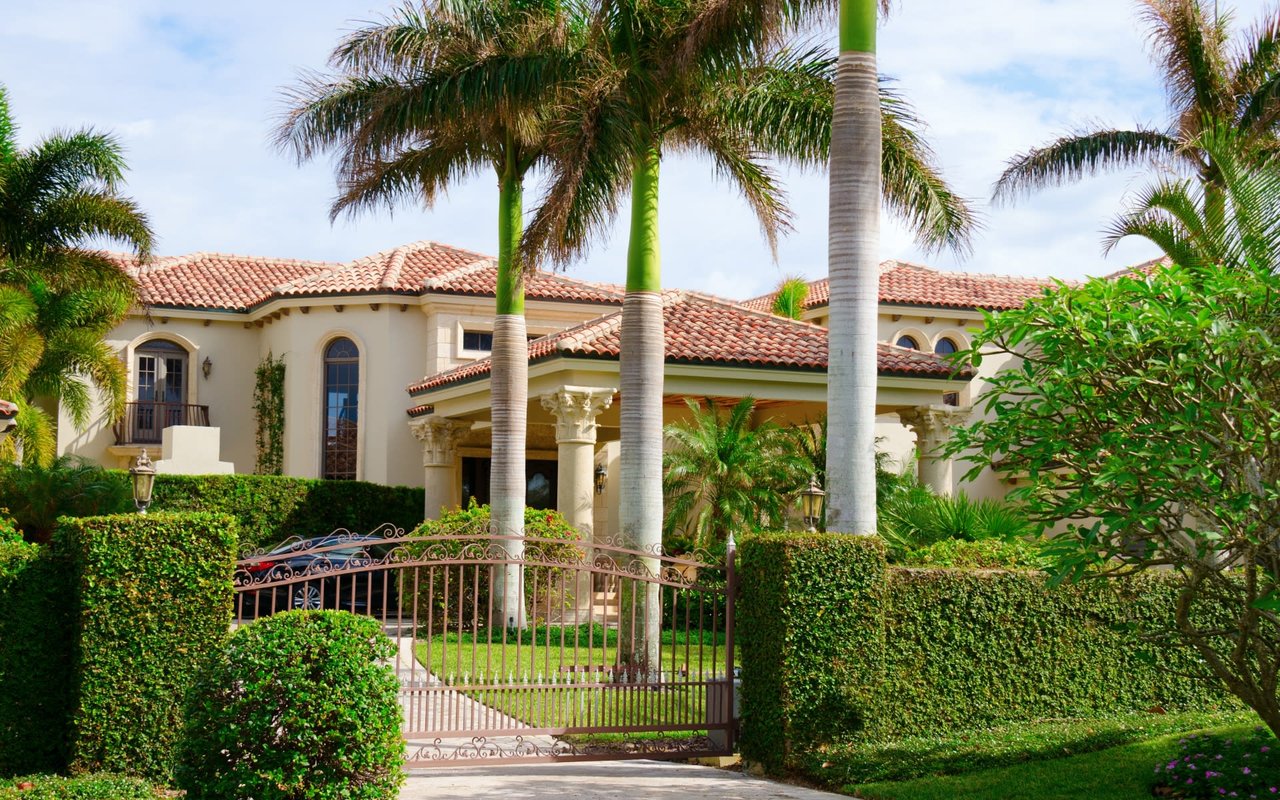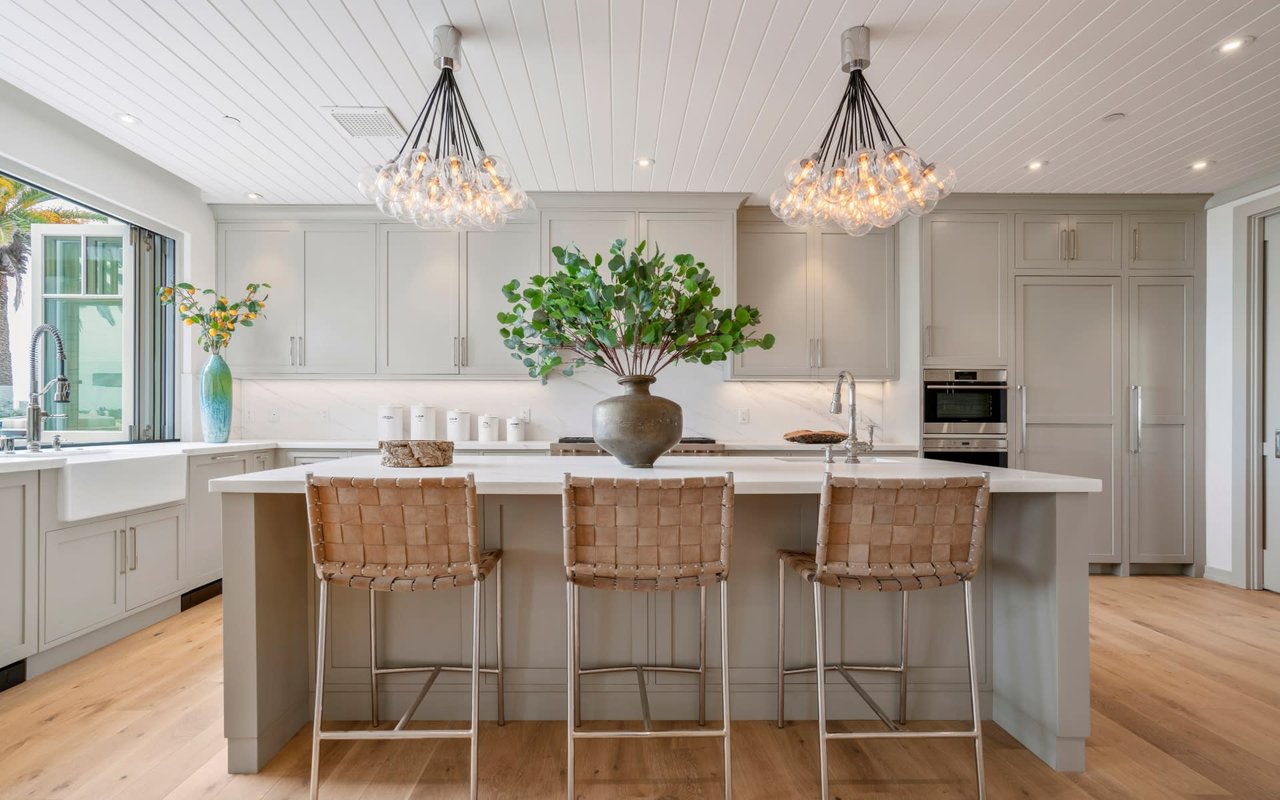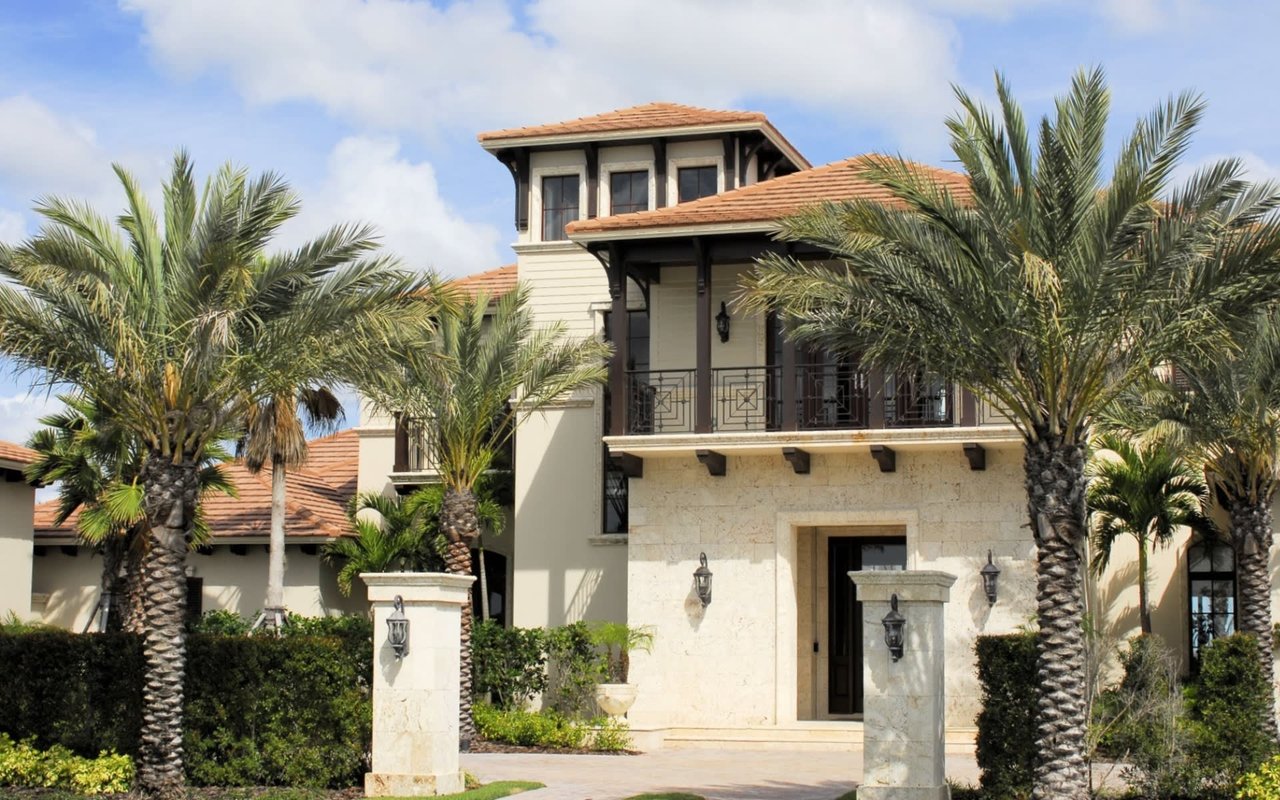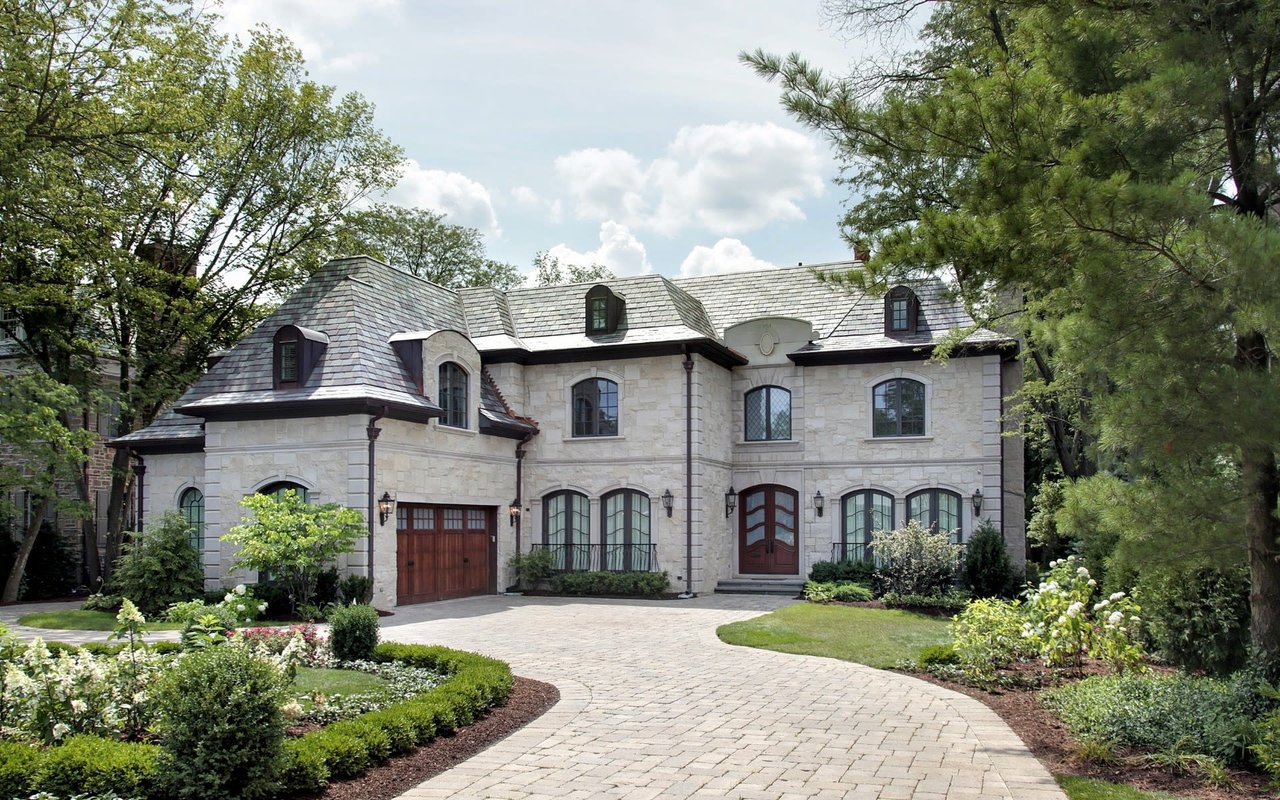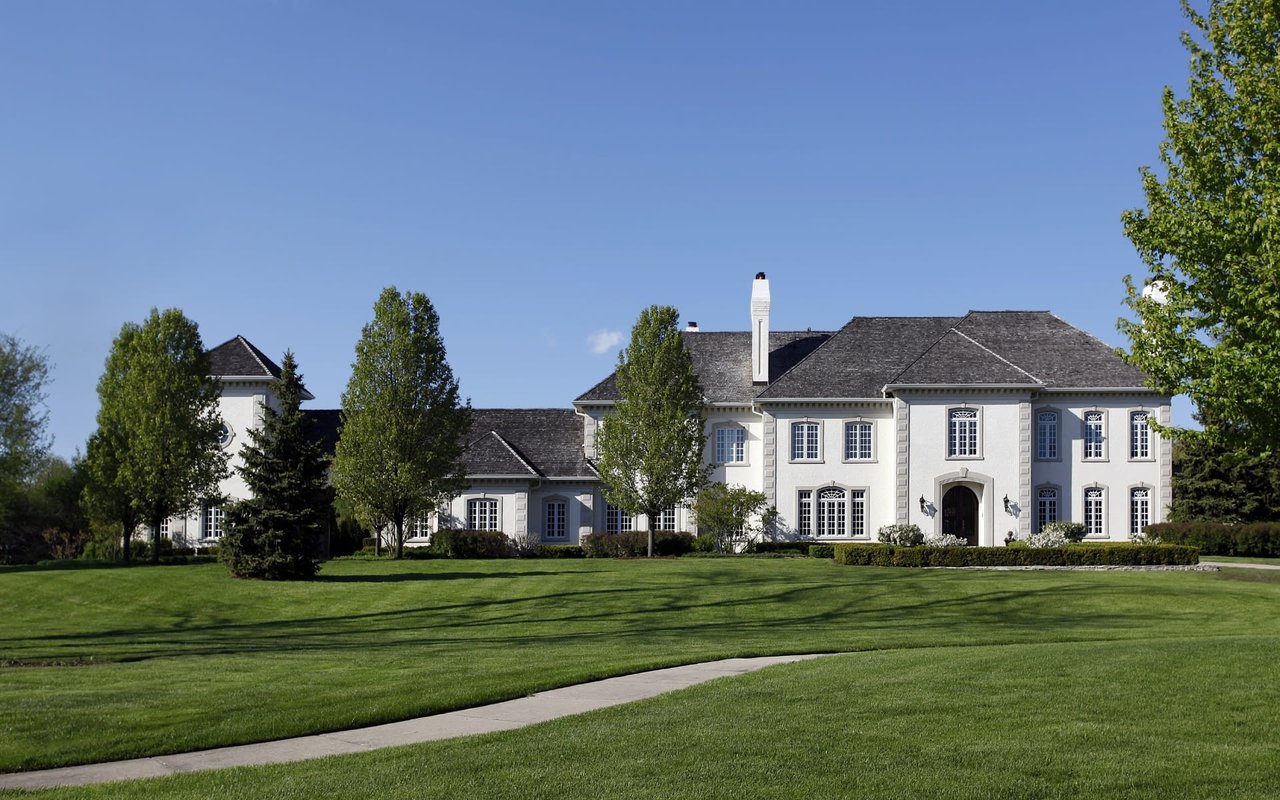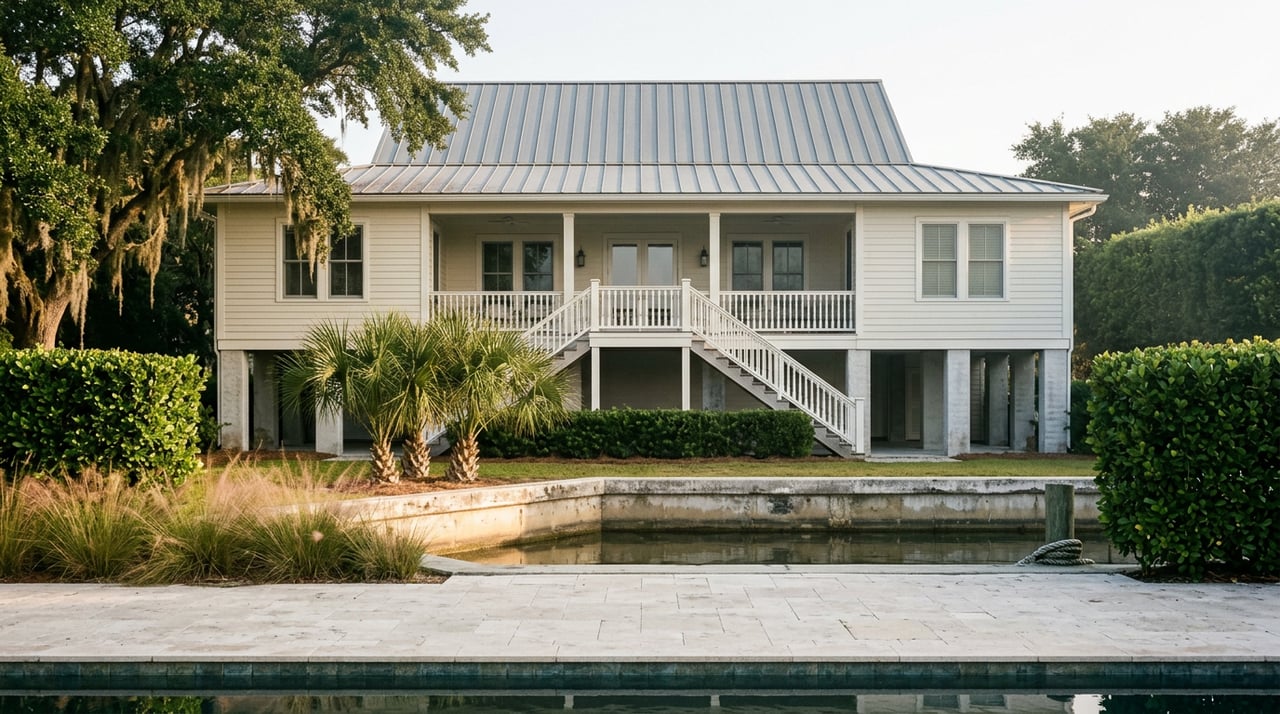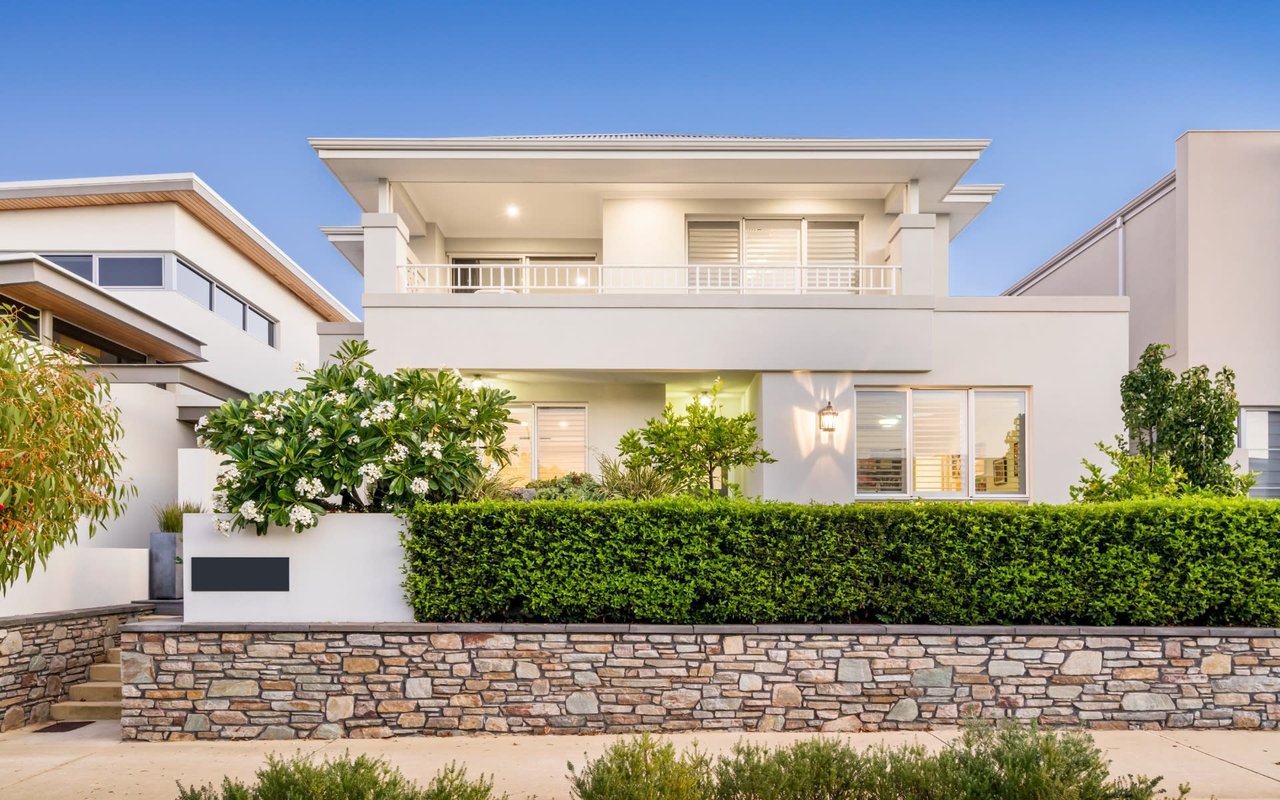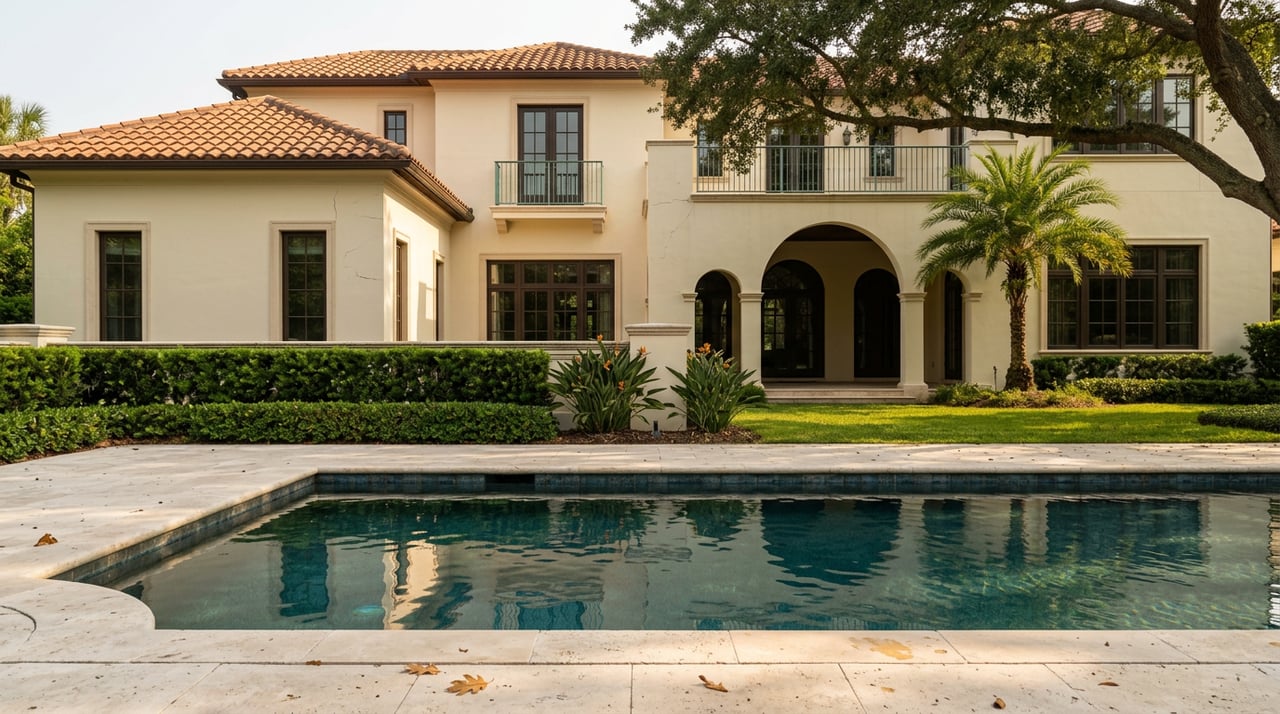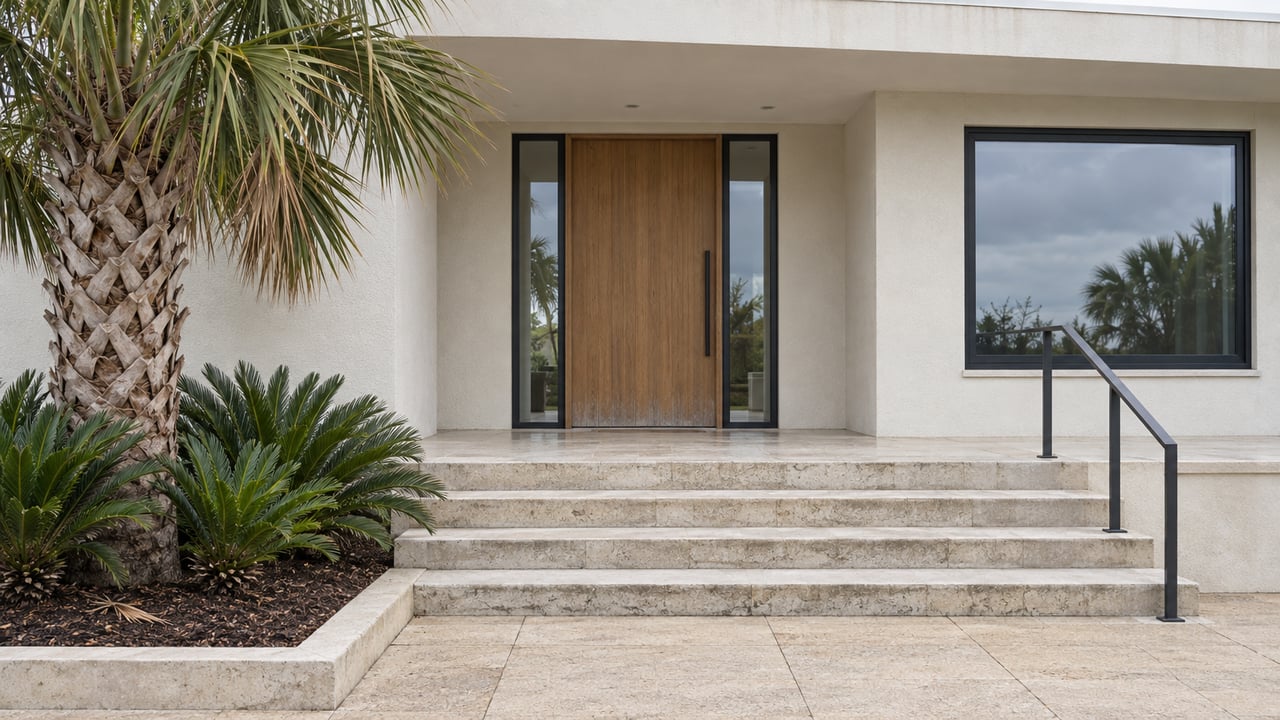
When exploring South Tampa real estate, it's easy to focus on the beautiful homes, established streets, and convenient location. But if you're considering buying a home in New Suburb Beautiful, understanding how the neighborhood was originally planned and developed can give you a much better appreciation of what makes this community so special.
At The Lewkowicz Group, we've spent more than 40 years of combined experience helping buyers, sellers, and investors navigate Tampa's real estate market. One thing we've learned is that a neighborhood's history often tells you just as much about its long-term appeal as its current homes and property values. New Suburb Beautiful is a perfect example.
A Neighborhood With Roots Dating Back to the Early 1900s
New Suburb Beautiful has a history that goes back further than many buyers realize. In 1906, developers Albert R. Swann and Eugene Holtzinger envisioned a residential community on approximately 200 acres that had previously been citrus groves and agricultural land.
The idea was to create an attractive residential setting that offered a quieter lifestyle while remaining connected to Tampa's growing urban center.
A significant milestone came in 1923, when the New Suburb Beautiful subdivision was formally platted. The original development included 211 residential lots along Sunset Drive and Prospect Road, with streets extending between Howard Avenue and what was then known as Lisbon Avenue, now MacDill Avenue.
This early planning helped establish the neighborhood's residential identity, which continues to influence its appeal today.
Understanding the Original Subdivision Layout
One of the most interesting things about New Suburb Beautiful is how its original layout reflected the residential planning priorities of its time.
Rather than developing as a large, uniform housing community, the original subdivision was organized around individual residential lots, established street lines, sidewalks, and thoughtfully arranged homes.
The original plat included Sunset Drive and Prospect Road, while Watrous Avenue reflected the area's earlier land ownership history. Interestingly, Marti and Georgia Streets had not yet been established when the original subdivision was first laid out.
For today's buyers, these details offer a glimpse into how the neighborhood evolved over time. The streets, lot configurations, and relationship between homes create a distinct residential character that separates New Suburb Beautiful from many newer South Tampa developments.
The Original Building Restrictions and Their Lasting Influence
Another important part of New Suburb Beautiful's development was its original deed restrictions.
When the subdivision was marketed in the 1920s, developers established guidelines intended to maintain the neighborhood's residential character. These included requirements for single-family homes with a minimum construction value of $6,000, consistent building setbacks, and restrictions against certain smaller dwelling types.
These standards reflected the developers' vision of an established residential community with a consistent streetscape.
Today, buyers can still appreciate the influence of that original vision through the neighborhood's collection of established homes, distinctive architecture, and residential atmosphere. However, buyers should always review current property records, applicable deed restrictions, and zoning regulations rather than assume historical restrictions remain legally enforceable.
How Historical Development Shapes Today's Real Estate Opportunities
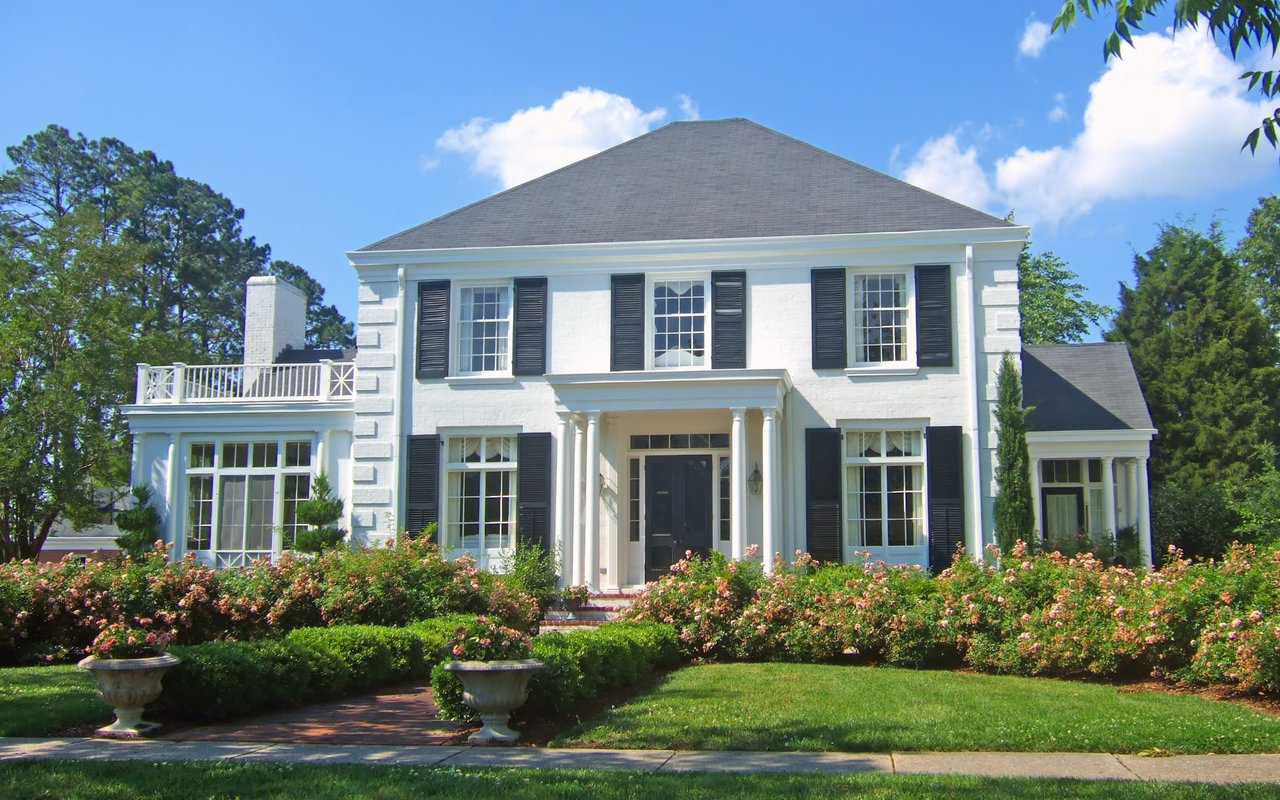
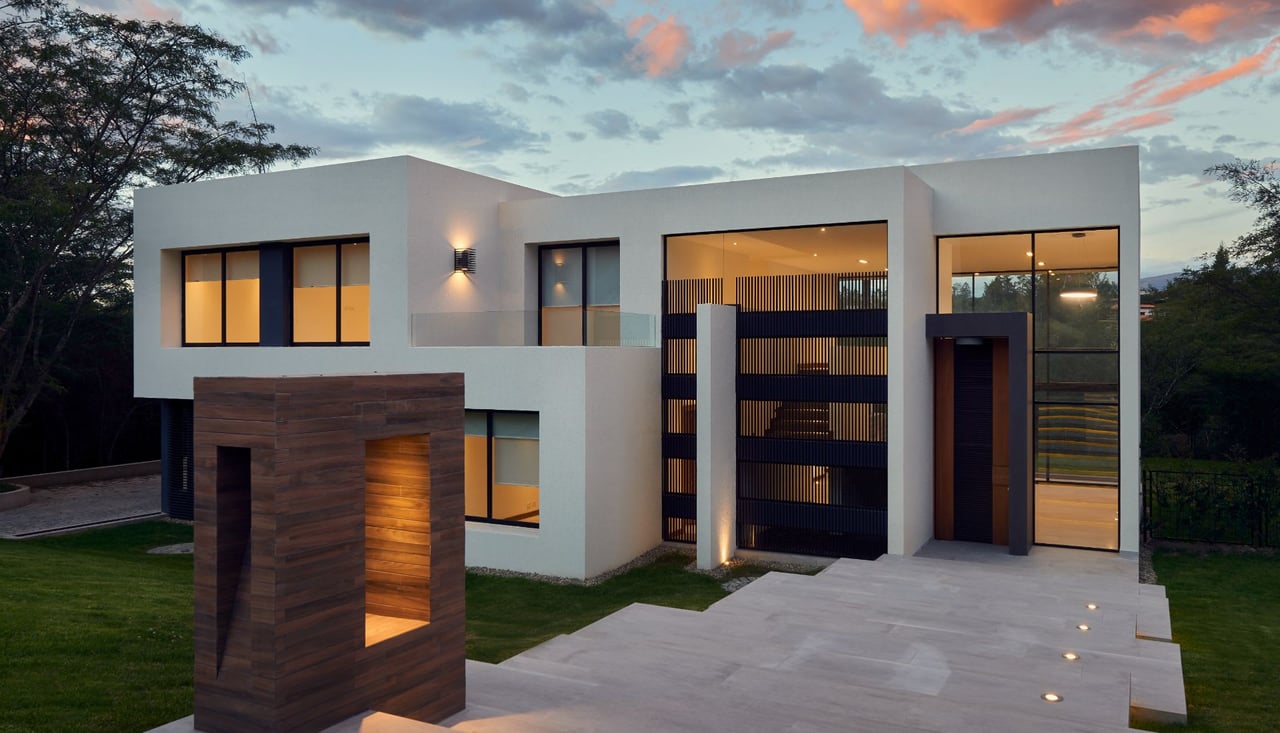
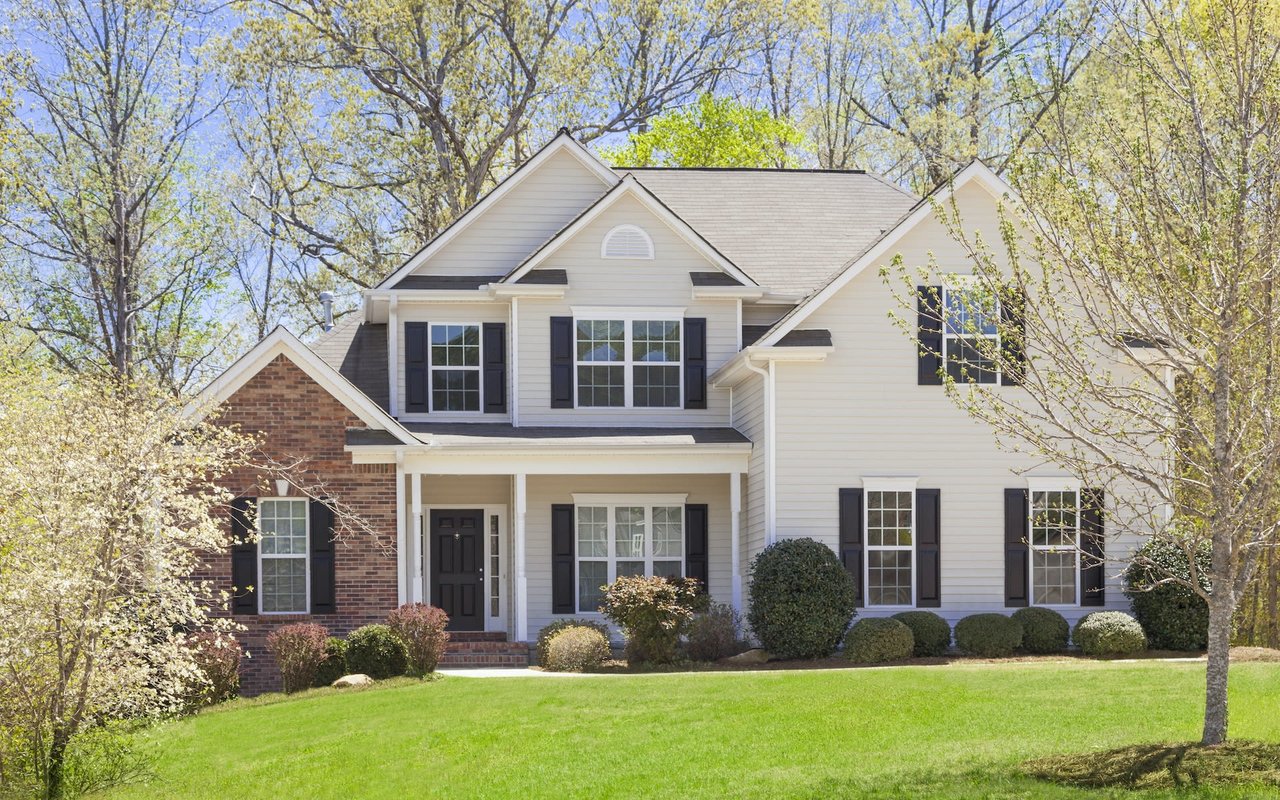
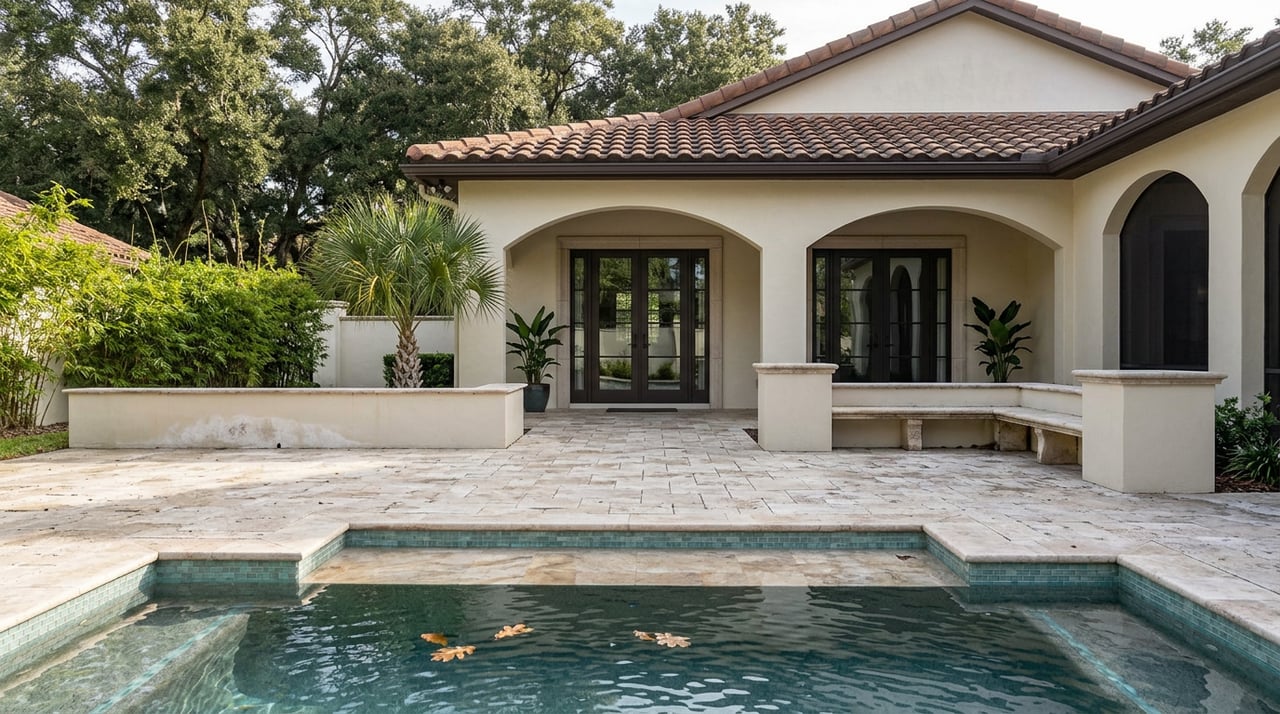
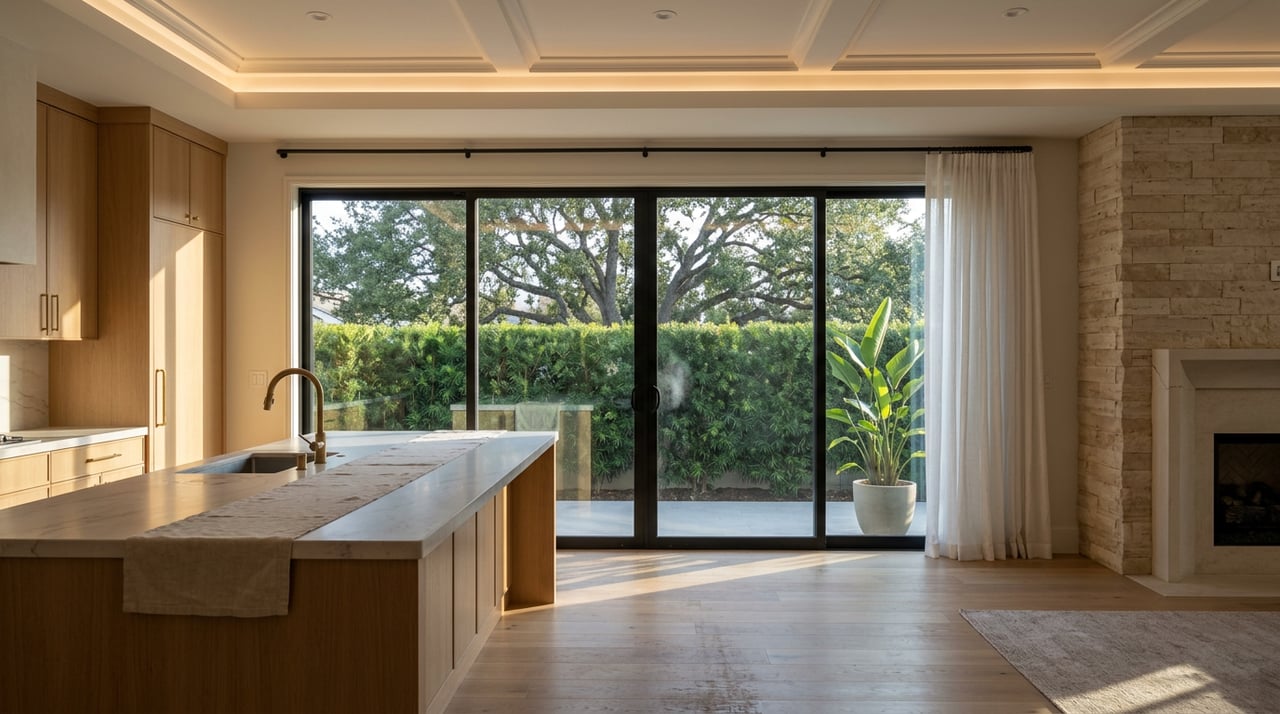
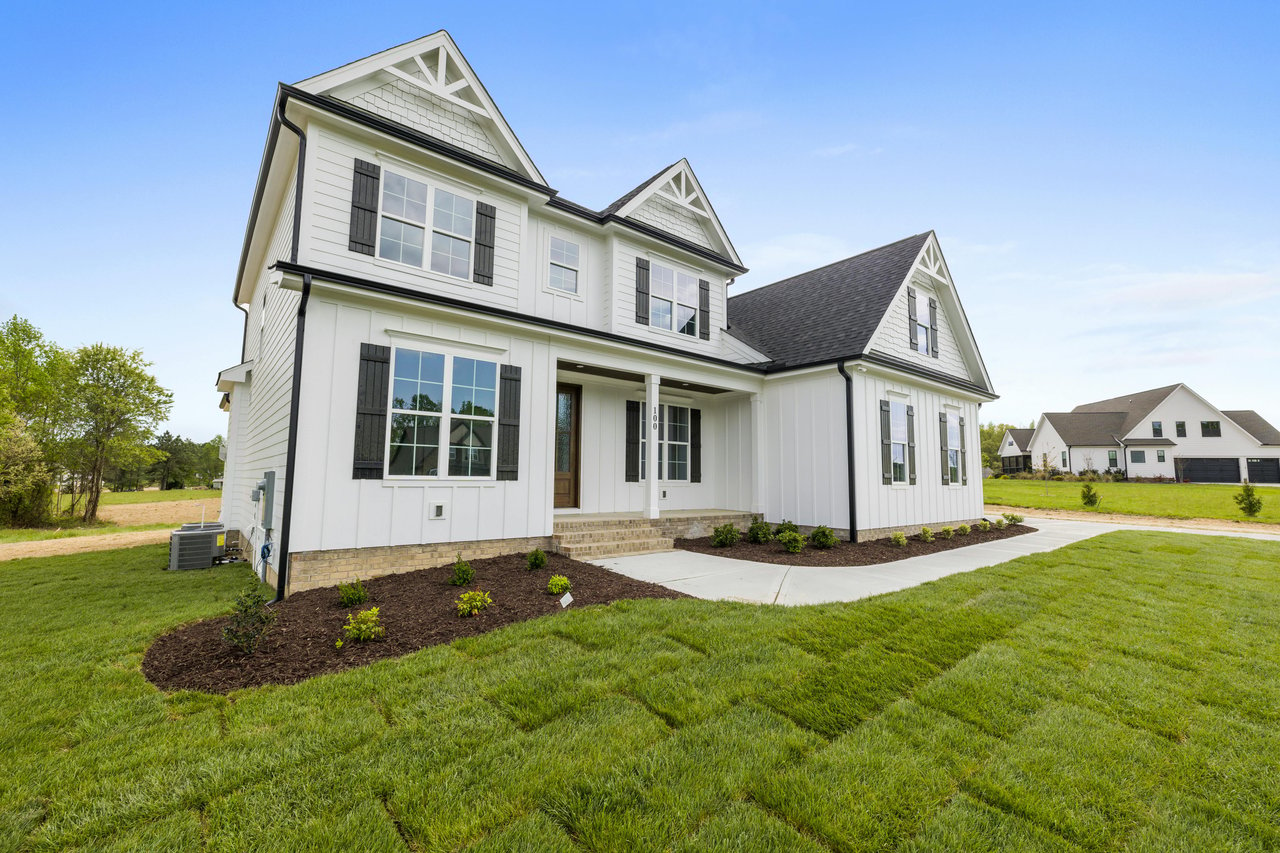
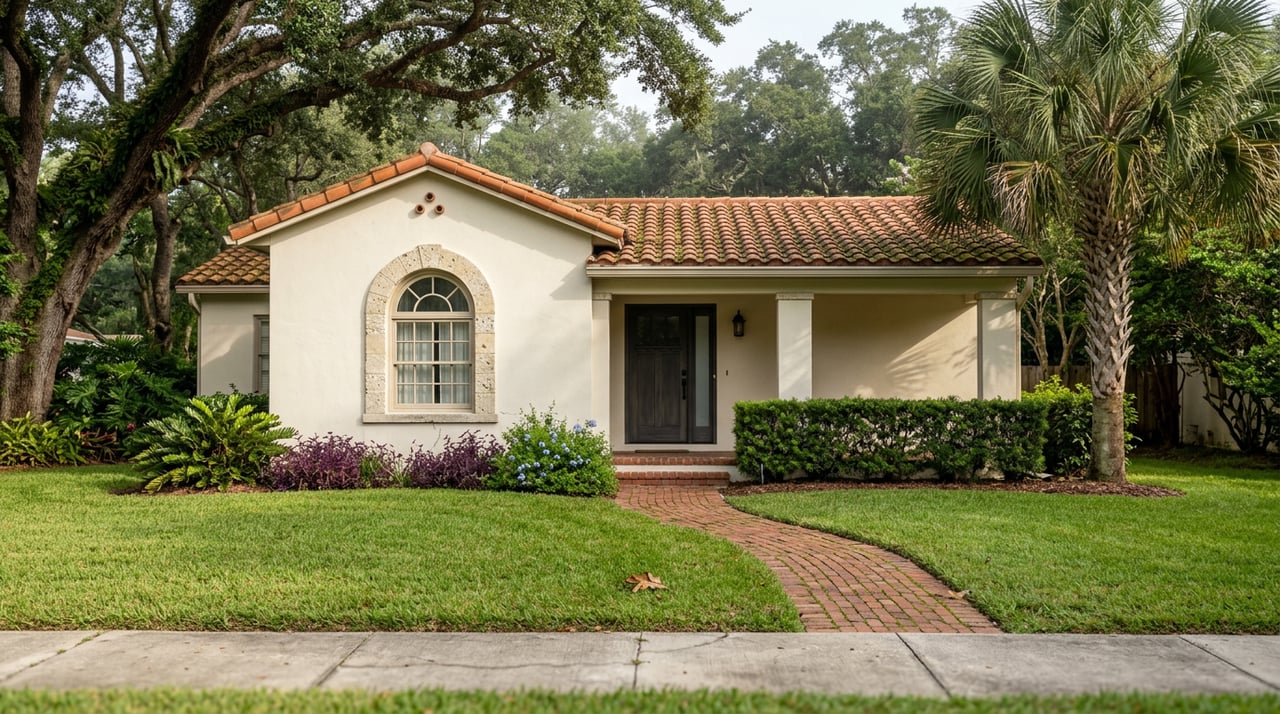
New Suburb Beautiful has continued to evolve, with historic residences, thoughtfully renovated properties, and newer construction contributing to its present-day housing mix.
For buyers, understanding the original subdivision layout can help when evaluating lot dimensions, property setbacks, renovation possibilities, and the architectural character of individual homes.
For investors, the neighborhood's established location and distinctive housing stock deserve attention. However, potential returns should be evaluated property by property, including renovation costs, zoning, insurance, flood exposure, and resale demand.
As Emeri and Joe often explain to clients, two homes in the same neighborhood can offer very different opportunities depending on their location, condition, lot characteristics, and potential for improvement.
Why Local Knowledge Matters When Buying in New Suburb Beautiful
New Suburb Beautiful is more than a collection of attractive homes. Its development history, original subdivision planning, and established residential character have helped shape the community buyers appreciate today.
With more than four decades of combined real estate experience, Emeri and Joe Lewkowicz understand how South Tampa neighborhoods have evolved and what buyers should look for when evaluating individual properties.
Our advice is simple: don't just fall in love with the house. Understand the lot, the surrounding streets, the property's history, and the neighborhood's long-term appeal.
If you're considering buying a home in New Suburb Beautiful, Tampa, let Emeri and Joe Lewkowicz help you look beyond the listing and make a well-informed real estate decision. At The Lewkowicz Group, we believe the right home starts with understanding the neighborhood behind it.