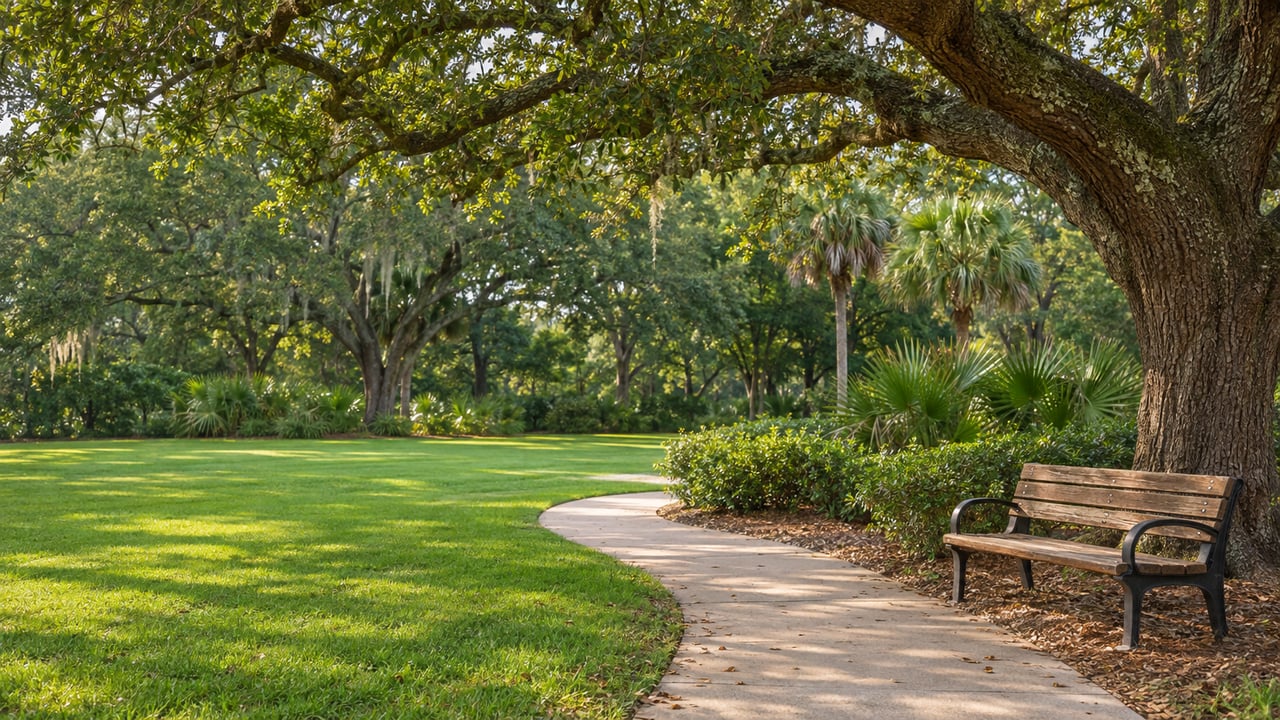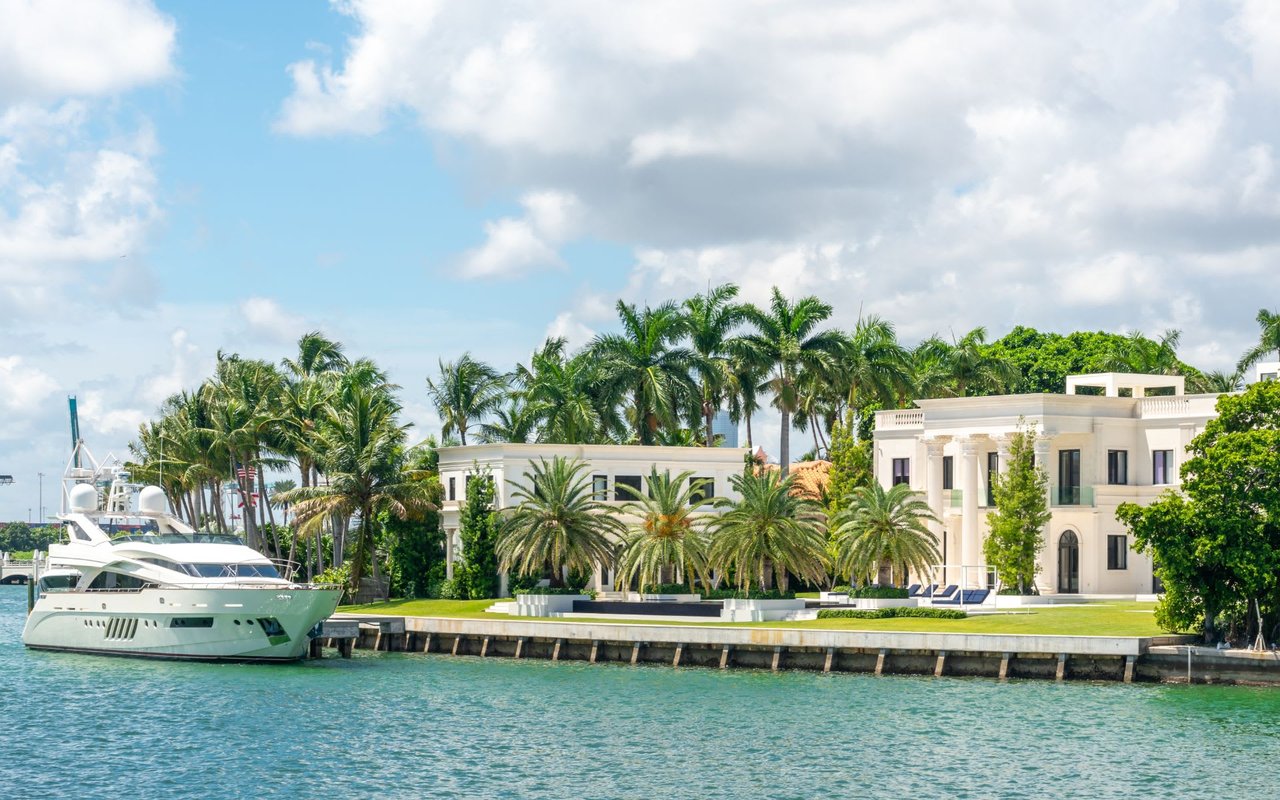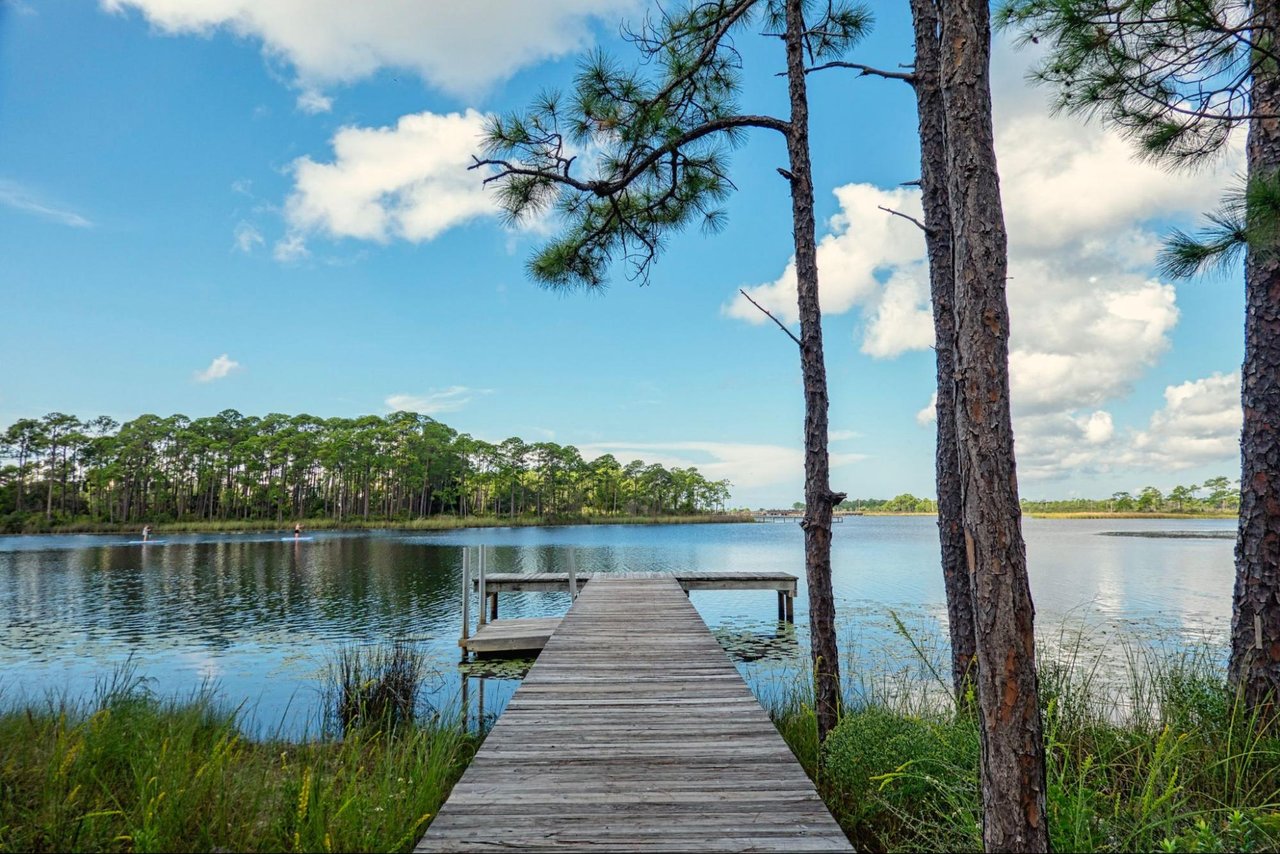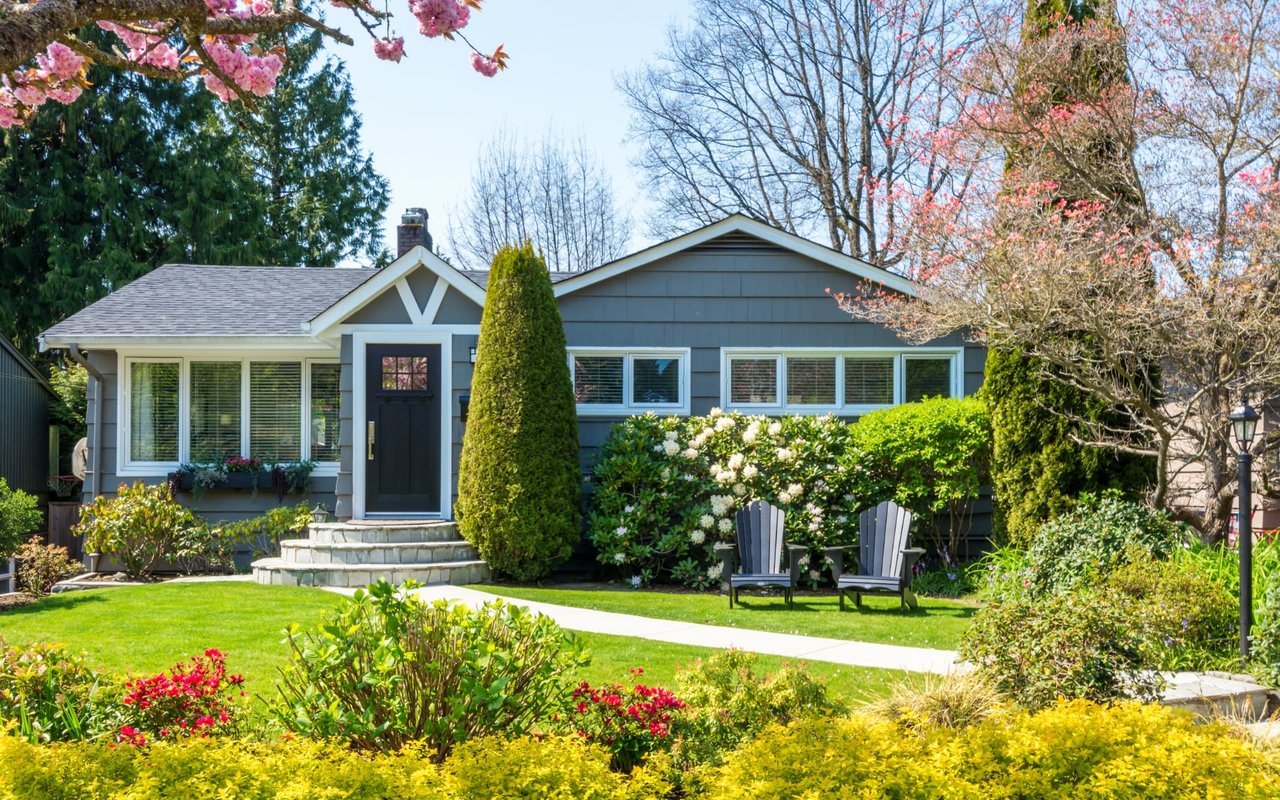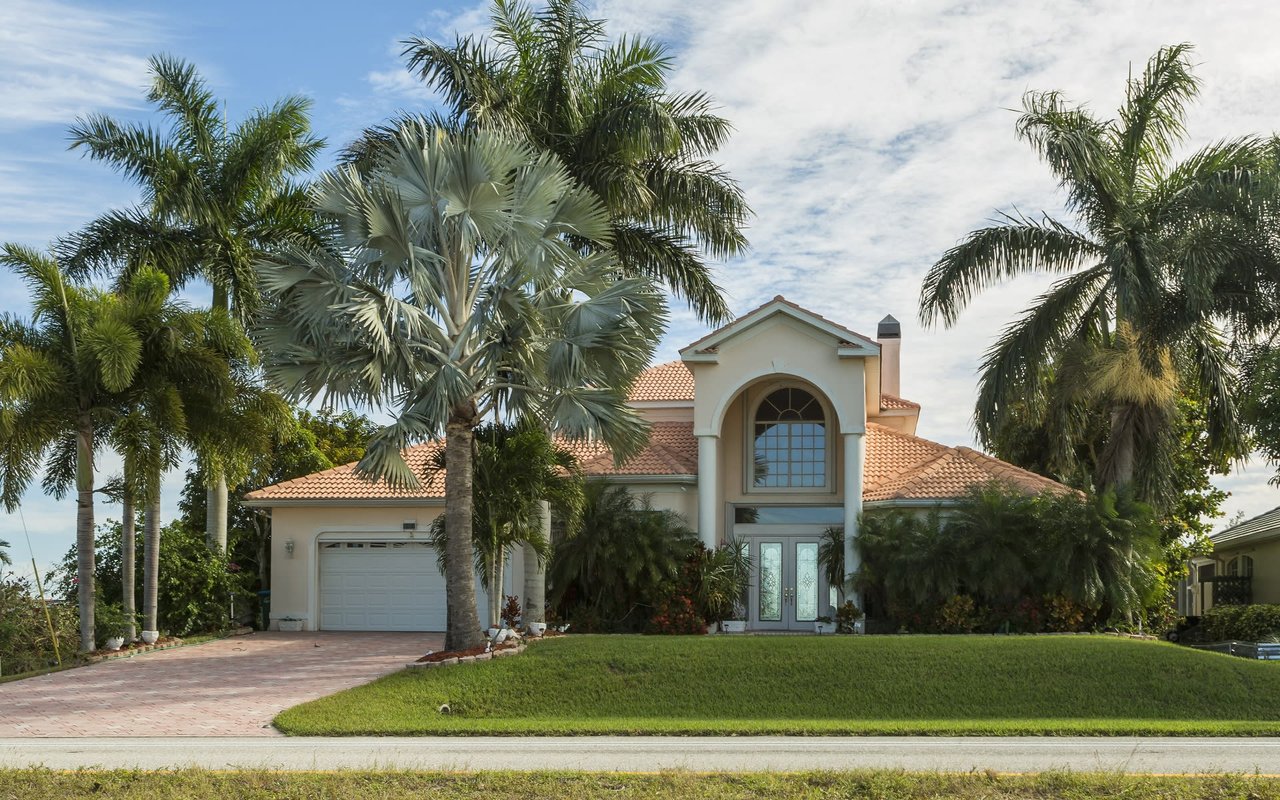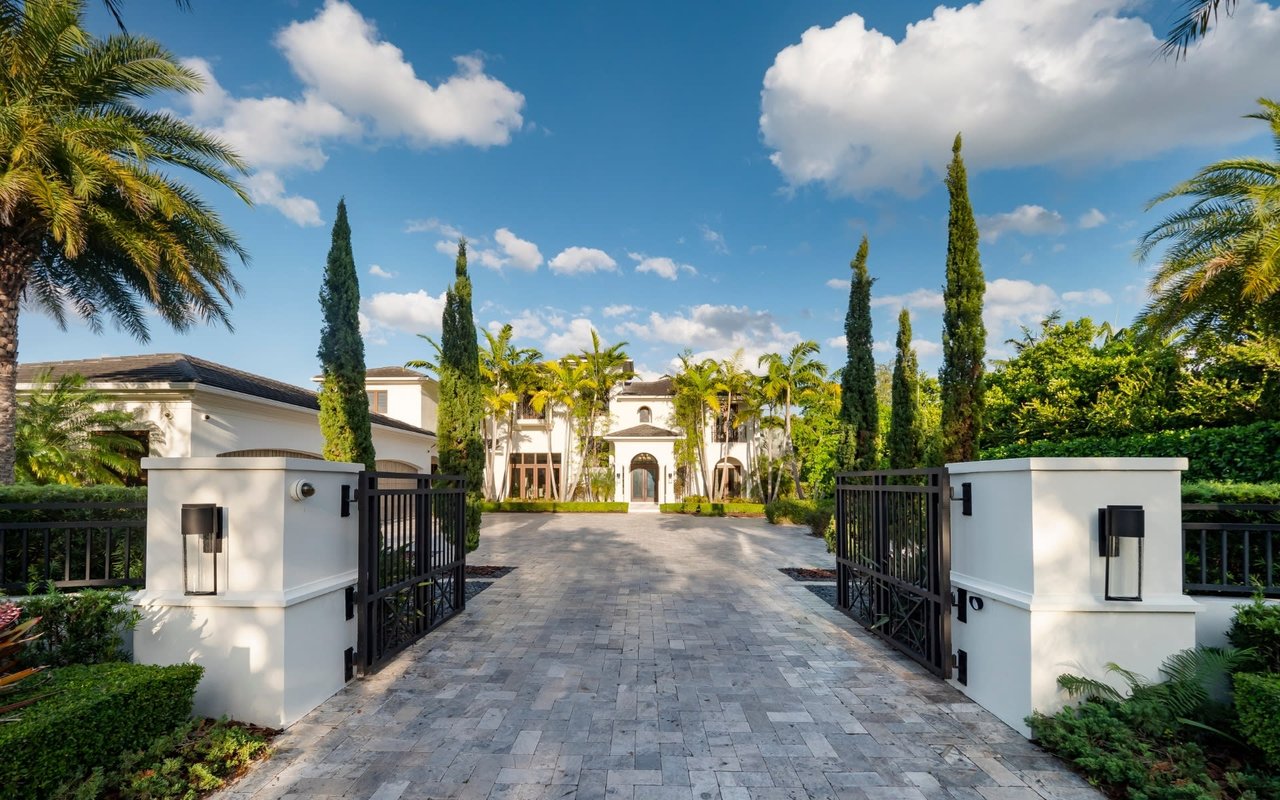
Buying a home in Lake Magdalene often means enjoying mature landscaping, established lawns, beautiful gardens, and outdoor spaces that make Florida living so appealing. But before falling in love with a property's curb appeal, there's one feature buyers should take a closer look at: the irrigation system.
Many homes in Lake Magdalene use private irrigation wells to supply water for lawns, landscaping, and outdoor plants rather than relying entirely on municipal water. While these systems can help homeowners manage outdoor watering costs, their condition, maintenance history, and overall performance deserve careful attention before closing.
At The Lewkowicz Group, Emeri and Joe Lewkowicz believe that understanding a property's less visible features is just as important as evaluating its kitchen, roof, or foundation. With more than 40 years of combined real estate experience in the Tampa market, they help buyers look beyond appearances and recognize the details that can affect long-term ownership costs.
Here's what buyers should know when evaluating a private irrigation well and landscape watering system in Lake Magdalene.
1. Start by Understanding How the Irrigation Well Works
The first step is finding out exactly how the property's irrigation system operates. Ask the seller whether the home has a dedicated private irrigation well, a municipal irrigation connection, or a combination of water sources.
If there's a private well, find out:
When was the well installed?
Who installed it, and are contractor records available?
Has the pump ever been replaced or repaired?
How frequently has the system been serviced?
Are there any known problems with water pressure or inconsistent watering?
Emeri and Joe recommend requesting any available installation documents, repair invoices, well construction records, and maintenance history. These records can help buyers understand the system's age and identify potential expenses that may not be obvious during a showing.
2. Have the Well Pump and Equipment Professionally Inspected
A private irrigation well is only as reliable as the equipment supporting it. The pump, pressure tank (if equipped), electrical connections, pressure controls, and associated piping should all be evaluated.
During an inspection, pay attention to unusual noises, excessive vibration, visible corrosion, leaks, or frequent pump cycling. These can indicate wear, electrical problems, pressure issues, or other mechanical concerns.
Buyers should consider hiring a qualified irrigation professional or licensed well contractor to test the pump's operation and evaluate whether it can provide adequate water for the property's landscaping.
As Emeri and Joe often emphasize, a system that turns on during a showing isn't necessarily a system that's functioning efficiently. A more thorough evaluation can reveal problems before they become the new homeowner's responsibility.
3. Test Every Irrigation Zone and Sprinkler Head
Even when the well and pump are working properly, the distribution system may have problems.
Ask the seller to demonstrate the irrigation system and, ideally, arrange for every zone to be tested. Walk around the property while the sprinklers are running and look for:
Sprinkler heads that fail to activate or rotate.
Uneven water coverage or weak spray pressure.
Broken, clogged, or misdirected sprinkler heads.
Leaking underground pipes or visible pooling.
Areas of the lawn that remain unusually dry.
Water spraying against the home's exterior, driveway, or walkways.
Also check whether the irrigation controller, rain sensor, and automatic scheduling functions work correctly.
For buyers considering larger Lake Magdalene properties with established gardens, mature trees, and extensive landscaping, these details matter. Replacing damaged irrigation lines or redesigning multiple watering zones can become an unexpected expense.
4. Look Beyond the Equipment: Consider Water Quality and Well Conditions
Private irrigation wells don't always produce clear water. Depending on local groundwater conditions, water may contain iron, minerals, or sediment that can leave reddish-brown stains on sidewalks, fences, exterior walls, and other surfaces.
Buyers should look for staining around sprinkler heads and areas where irrigation water regularly lands. Excessive sediment may also contribute to clogged filters and sprinkler components.
It's worth asking whether the well has experienced declining water pressure, reduced output, or changes in water appearance.
If the well is also used for drinking water, additional water-quality testing is important. Florida's Department of Health recommends testing private drinking-water wells for coliform bacteria and nitrates, among other parameters. An irrigation-only well should not automatically be treated as a drinking-water source.
Florida Department of Health+1
5. Understand Local Watering Restrictions and Ownership Responsibilities
One detail buyers sometimes overlook is that having a private irrigation well does not necessarily mean unrestricted watering.
As of November 2026, Hillsborough County's modified Phase III water shortage restrictions limit conventional irrigation to one day per week through March 31, 2027. These restrictions also apply to properties using private wells. However, watering schedules can differ depending on whether the property is in unincorporated Hillsborough County or within a municipality such as Tampa or Temple Terrace. Buyers should verify the rules applicable to the specific property.
Hillsborough County, FL+1
Emeri and Joe also recommend checking whether the property's alternative irrigation water source has been registered with the county, where applicable, and confirming any relevant permitting or contractor documentation.
6. Factor Potential Repairs Into Your Purchase Decision
A private irrigation well can be a valuable property feature, but buyers should understand its remaining useful life and potential maintenance requirements.
If an inspection identifies a failing pump, damaged underground lines, or an outdated controller, obtain repair estimates before finalizing negotiations. Depending on the findings, buyers may request repairs, negotiate a credit, or adjust their expectations about future ownership costs.
For investors, evaluating irrigation infrastructure is equally important. A property with attractive landscaping may have hidden maintenance expenses that affect renovation budgets, resale appeal, and overall investment returns.
Make an Informed Purchase With Local Real Estate Guidance
In Lake Magdalene, beautiful landscaping can add to a property's appeal, but the irrigation system behind it deserves just as much attention. A properly functioning private well and watering system can make maintaining an established outdoor space more convenient, while neglected equipment can create unexpected expenses after closing.
With more than 40 years of combined real estate experience, Emeri and Joe Lewkowicz of The Lewkowicz Group understand that successful home buying involves looking beyond what initially catches your eye. Their local knowledge helps buyers identify the right questions, evaluate property features, and make informed decisions throughout the purchasing process.
Thinking about buying a home in Lake Magdalene? Connect with Emeri and Joe Lewkowicz at The Lewkowicz Group. They'll help you look beyond the beautiful landscaping and understand the details that can make a real difference in your investment.