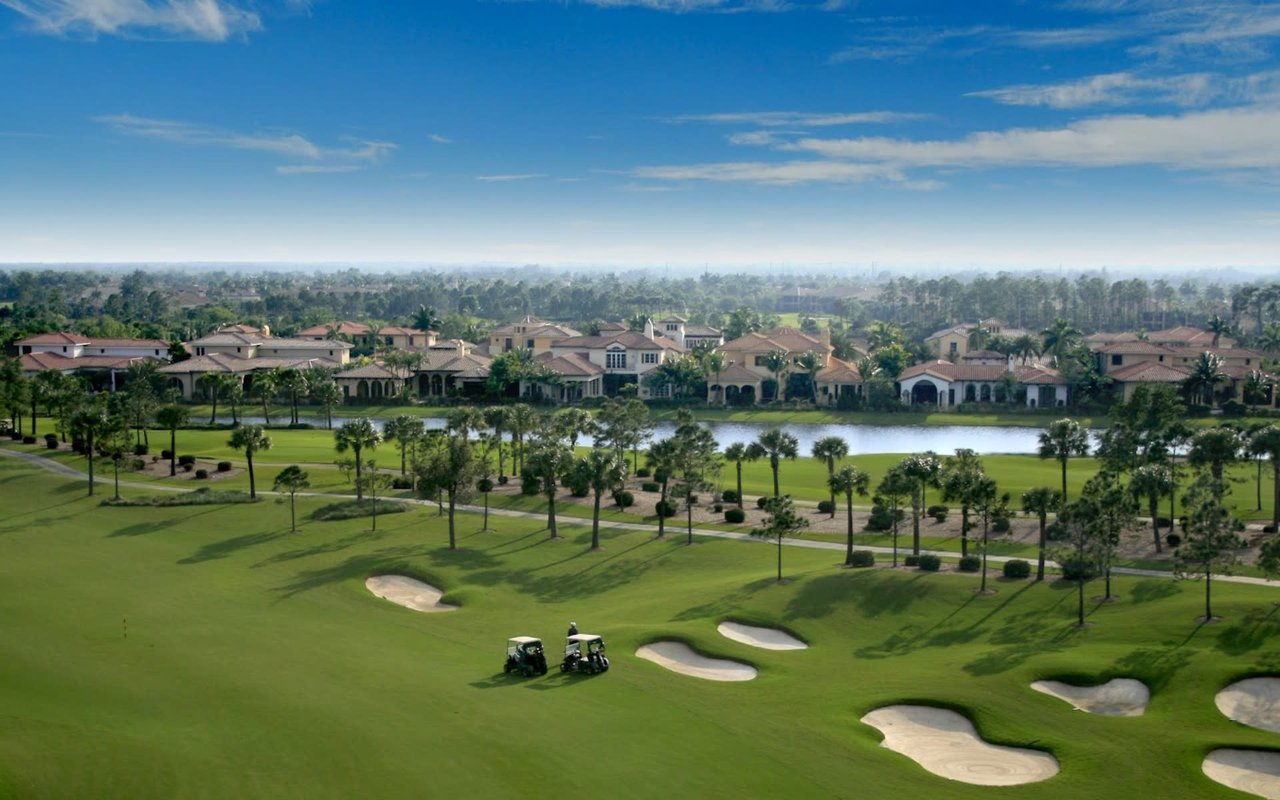
Buying land in Odessa, Florida, can be an exciting opportunity for real estate investors, particularly those looking to position themselves for future residential or commercial development. As the area continues to attract attention for its location, growth potential, and access to the greater Tampa Bay market, vacant land can present opportunities that more traditional real estate investments may not offer.
However, there is an important distinction between buying land with development potential and buying land that is actually approved for development.
According to Tampa real estate experts Emeri and Joe Lewkowicz, this is where investors need to be especially careful. With more than 40 years of combined real estate experience, they understand that a promising piece of land is not automatically a profitable investment. Before committing capital, investors need to understand what they are purchasing, what approvals may be required, and how much it could cost to hold the property while waiting for those approvals.
Start by Understanding the Property's Current Zoning
One of the first steps is determining what the property is legally permitted to support today. Investors should never assume that vacant land can automatically be used for the development they have in mind.
In Odessa, the applicable regulations depend on the property's exact location and jurisdiction. Some parcels fall under Hillsborough County, while others may be governed by Pasco County. Each has its own zoning requirements, comprehensive plan policies, and development review procedures.
Emeri and Joe recommend reviewing the current zoning classification, future land use designation, and any restrictions that could affect the proposed project. If an investor intends to build residential properties but the existing designation does not support that use, a rezoning or land use amendment may be necessary.
Even then, approval is never guaranteed.
Understanding the approval process before purchasing helps investors avoid paying a premium for development potential that may never materialize.
Calculate the Cost of Holding the Land
One financial risk investors sometimes underestimate is the cost of owning land while waiting for development approval.
Unlike an income-producing rental property, vacant land generally does not generate monthly revenue. Yet ownership expenses continue.
These may include property taxes, insurance where applicable, maintenance, vegetation management, security, professional consulting fees, and financing costs. If the property is purchased with borrowed funds, interest payments can become particularly expensive when the approval process takes longer than expected.
Emeri and Joe encourage investors to calculate their projected holding costs over several timelines, not just the most optimistic scenario.
For example, what happens if approval takes 12 months instead of six? What if additional studies or revisions extend the process to two years?
A realistic financial projection should account for these possibilities and ensure the investment remains manageable even when the timeline changes.
Investigate Environmental and Infrastructure Restrictions
Another important consideration is whether the land can physically support the intended development.
Certain parcels in the Odessa area may have wetlands, flood-prone sections, drainage limitations, protected natural resources, or soil conditions that require additional investigation.
Investors should budget for professional surveys, environmental assessments, geotechnical studies, and preliminary engineering reviews before finalizing their purchase.
Access to utilities is equally important. Water, wastewater, electricity, road access, and stormwater management can significantly affect development costs. A property may look attractive on paper, but the expense of extending infrastructure or meeting county requirements could substantially reduce its profitability.
As Emeri and Joe often emphasize, the real value of land is not simply how much acreage it offers. It is how much of that acreage can realistically and economically be developed.
Build a Financial Model With Multiple Scenarios
Rather than relying on a single projected resale value, investors should evaluate several possible outcomes.
A conservative financial model should include:
Best-case scenario: Development approval is secured within the expected timeframe, and construction or resale proceeds as planned.
Moderate scenario: Approval takes longer, additional expenses arise, and the project requires more capital.
Worst-case scenario: The requested development is denied, significantly reduced, or becomes financially impractical.
Investors should also compare the purchase price against recent comparable land sales, taking into account differences in zoning, location, accessibility, acreage, and development readiness.
This approach helps establish whether the potential return adequately compensates for the uncertainty involved.
Protect Your Investment Before Closing
Emeri and Joe strongly recommend building appropriate due diligence protections into the purchase agreement. Depending on the transaction, this could include sufficient time to investigate zoning, verify access and utilities, complete environmental studies, and evaluate development feasibility.
Investors should also work with experienced land-use attorneys, civil engineers, surveyors, environmental consultants, and local planning professionals.
Equally important is having an exit strategy. If the desired approval is denied or the project no longer makes financial sense, can the property be resold, held for another use, or repositioned for a different development opportunity?
Make Informed Decisions Before Investing in Odessa Land
Land investment can create meaningful opportunities, but the numbers need to make sense before the purchase, not after the money has already been committed.
With more than 40 years of combined experience, Emeri and Joe Lewkowicz bring valuable local market knowledge to investors evaluating opportunities throughout Tampa Bay, including Odessa. They understand the importance of looking beyond a property's asking price and considering its actual development potential, financial exposure, and long-term marketability.
Their advice is straightforward: Never invest based solely on what a property might become. Understand what it can legally, physically, and financially support first.
If you're considering purchasing vacant land in Odessa or exploring future development opportunities in the Tampa Bay area, connect with Emeri and Joe Lewkowicz at The Lewkowicz Group. Having knowledgeable local professionals help you evaluate an opportunity can make a meaningful difference in protecting your investment and making a more confident decision.