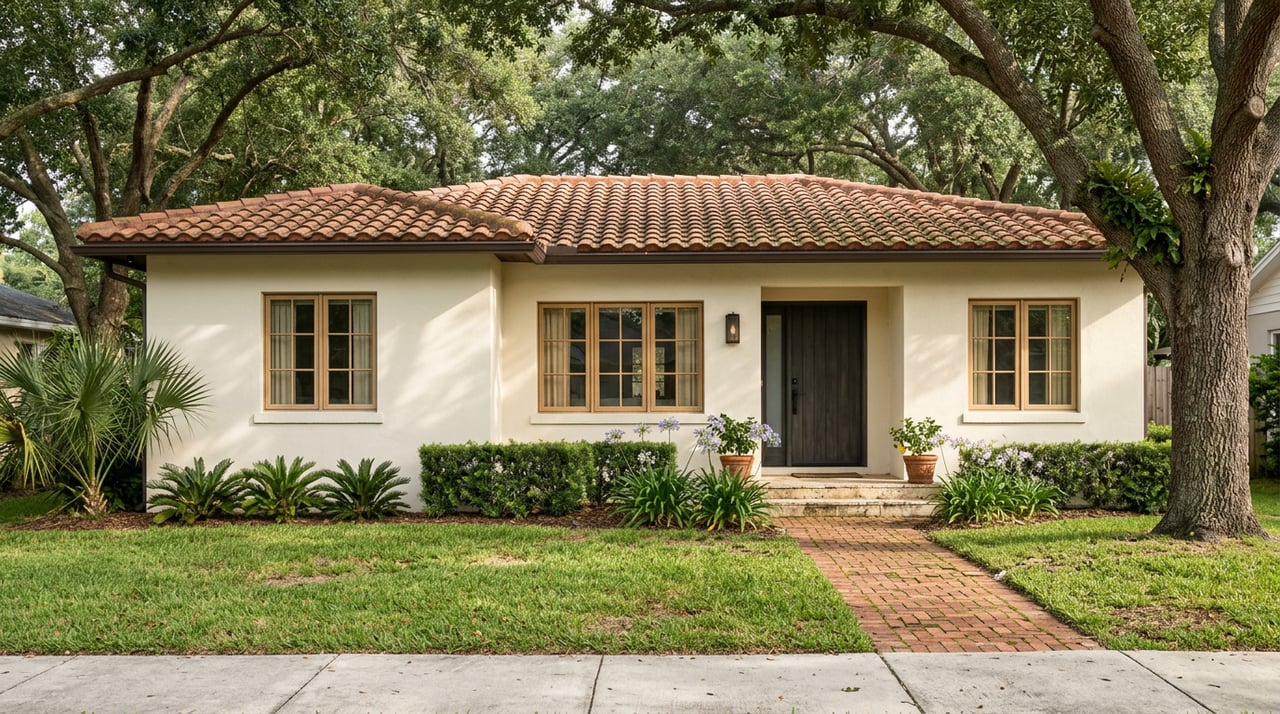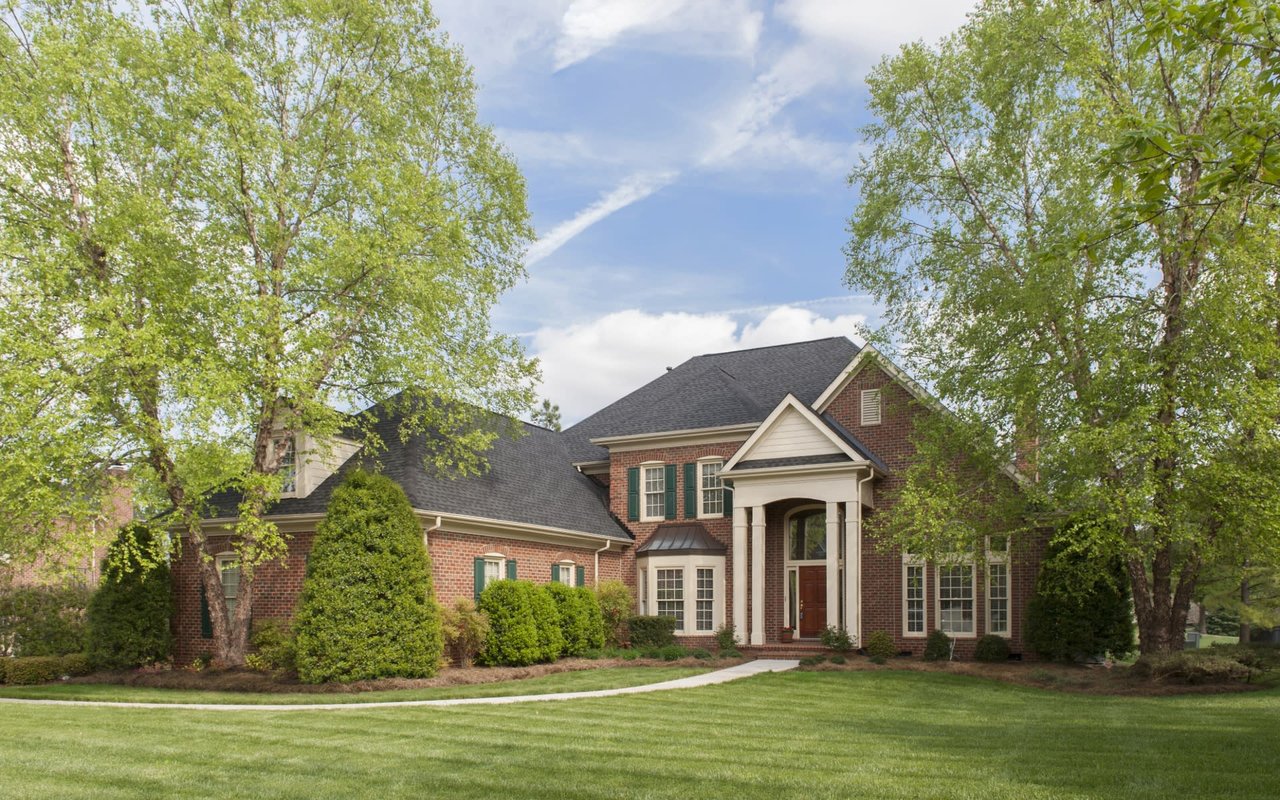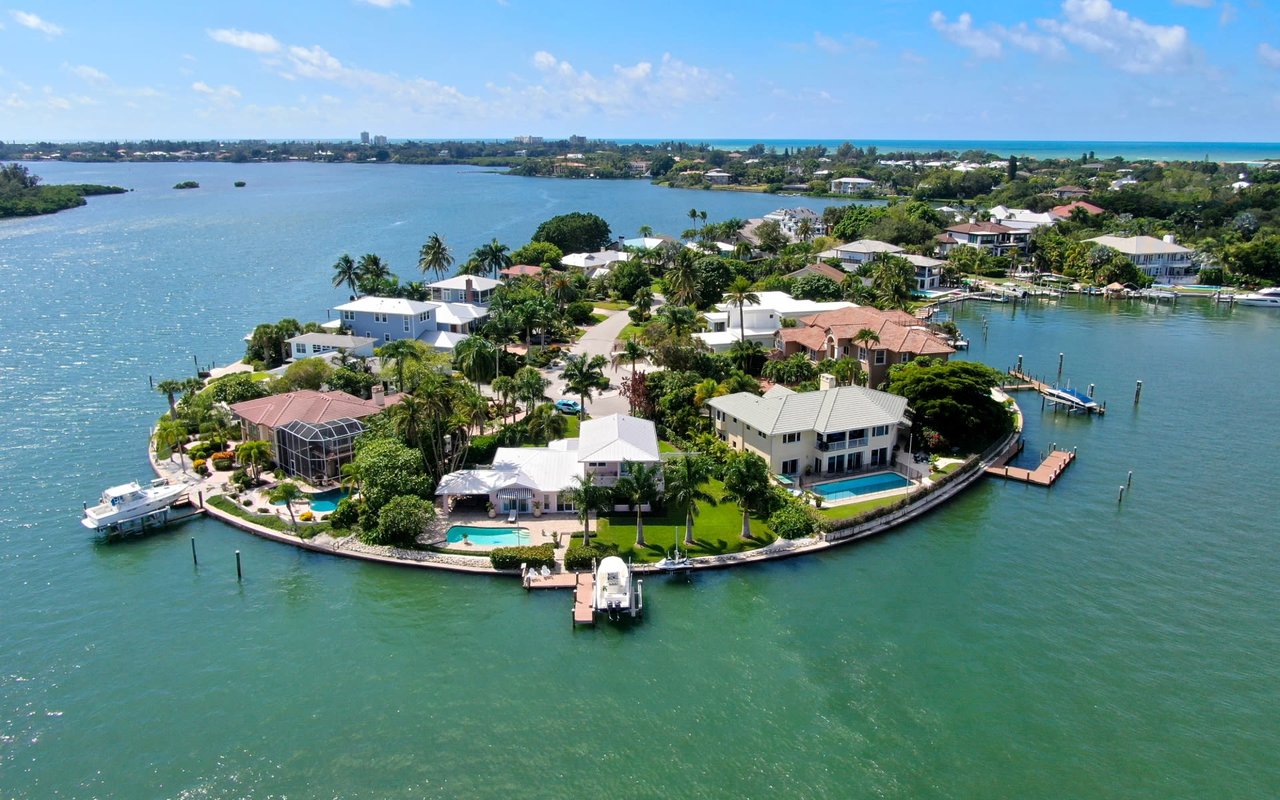
If you’re house-hunting (or investing) in Tampa right now, you’ve probably noticed something pretty quickly: the condo market and the single-family home market don’t always move the same way—even when they’re in the same neighborhood.
We’re Emeri and Joe Lewkowicz, and between the two of us, we’ve spent 40+ years helping buyers, sellers, and investors navigate Tampa real estate. One of the biggest mistakes we see people make is assuming condos and single-family homes follow the same rules. They don’t—and understanding the difference can save you money, stress, and time.
Let’s break it down.
1. Condos Are Lifestyle-Driven. Single-Family Homes Are Space-Driven.
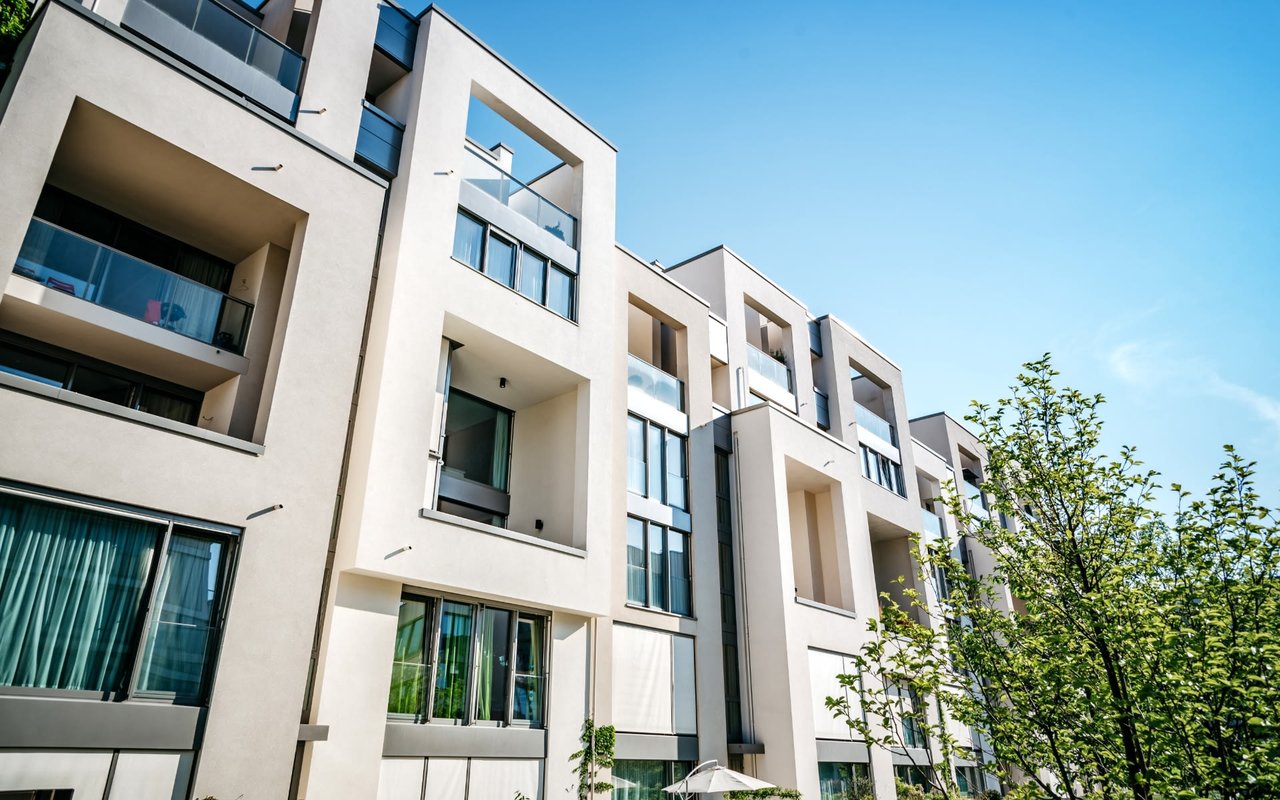
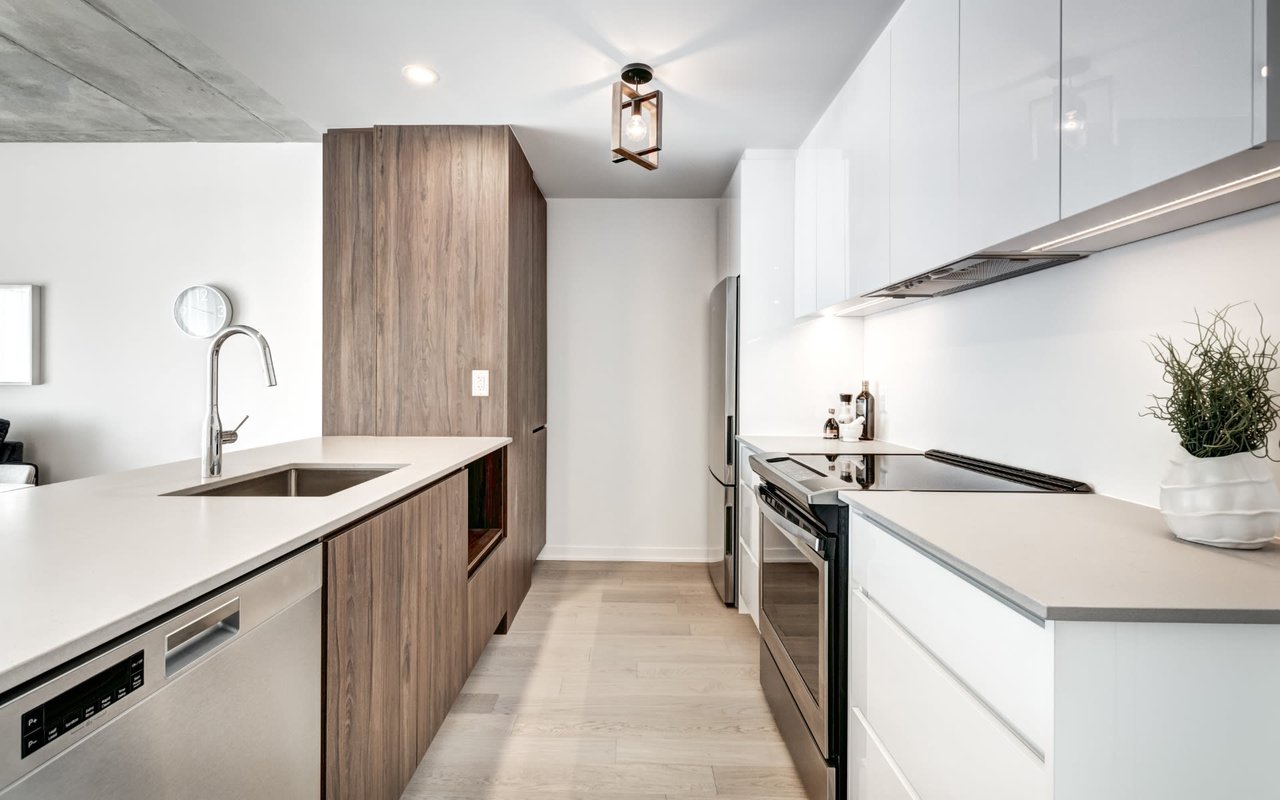
In Tampa, condo buyers tend to shop for lifestyle first.
They’re usually looking for:
-
Walkability
-
Water views or downtown access
-
Low-maintenance living
-
Amenities like pools, gyms, concierge services, and security
Condos are especially popular in areas like Downtown Tampa, Channelside, Harbour Island, and parts of South Tampa where location is everything.
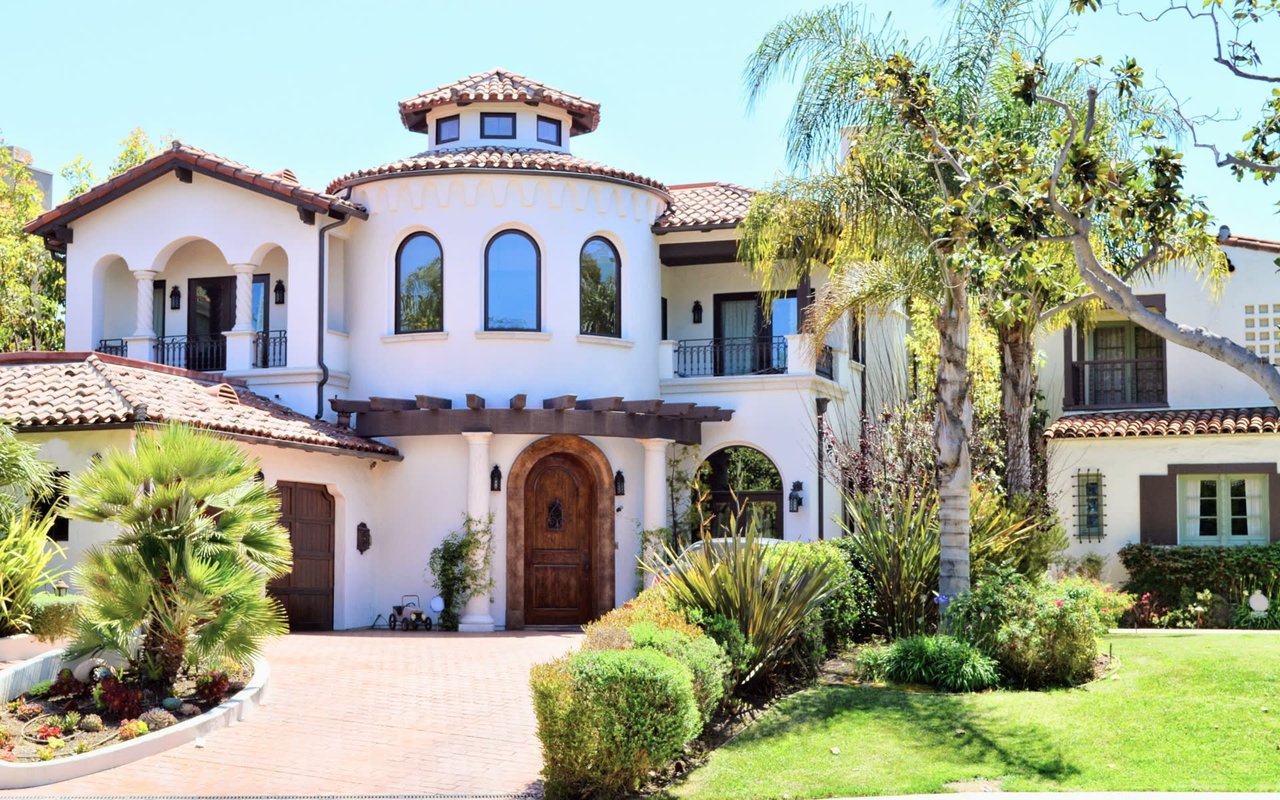
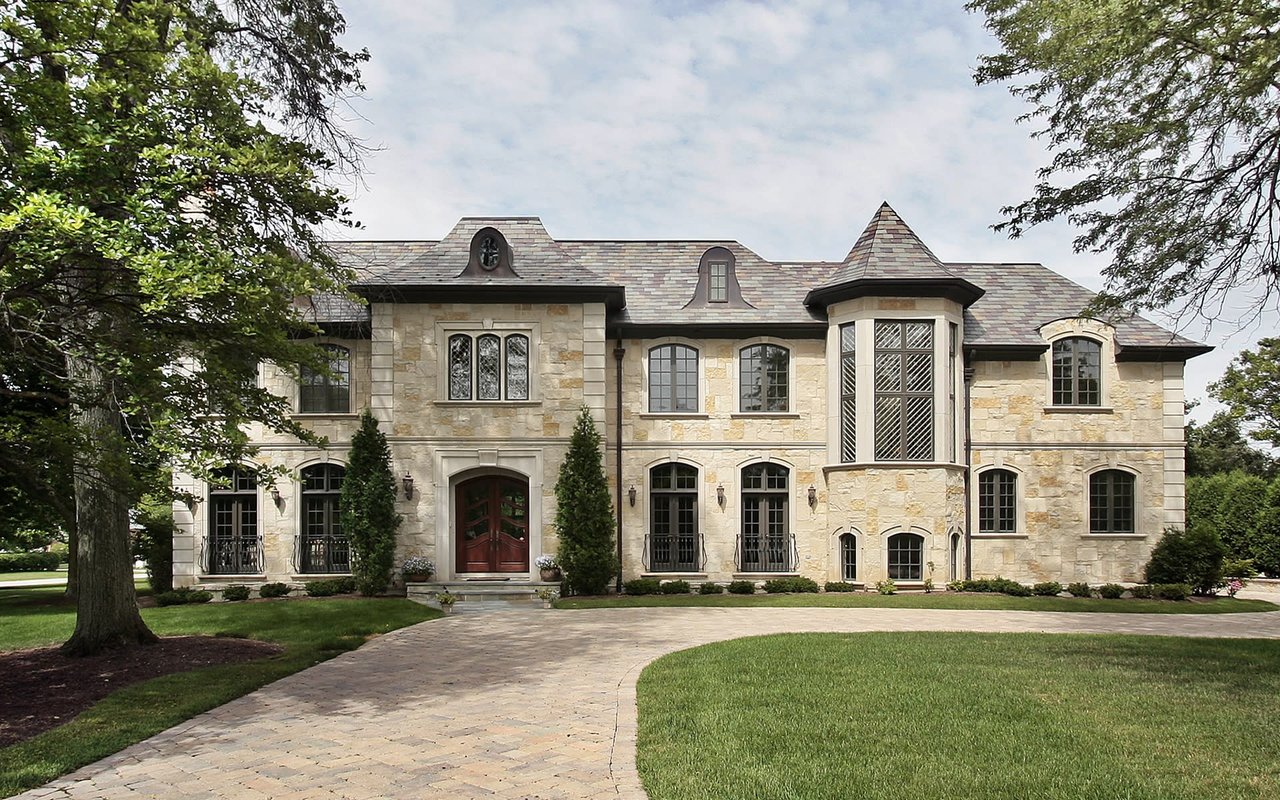
Single-family home buyers, on the other hand, usually prioritize:
-
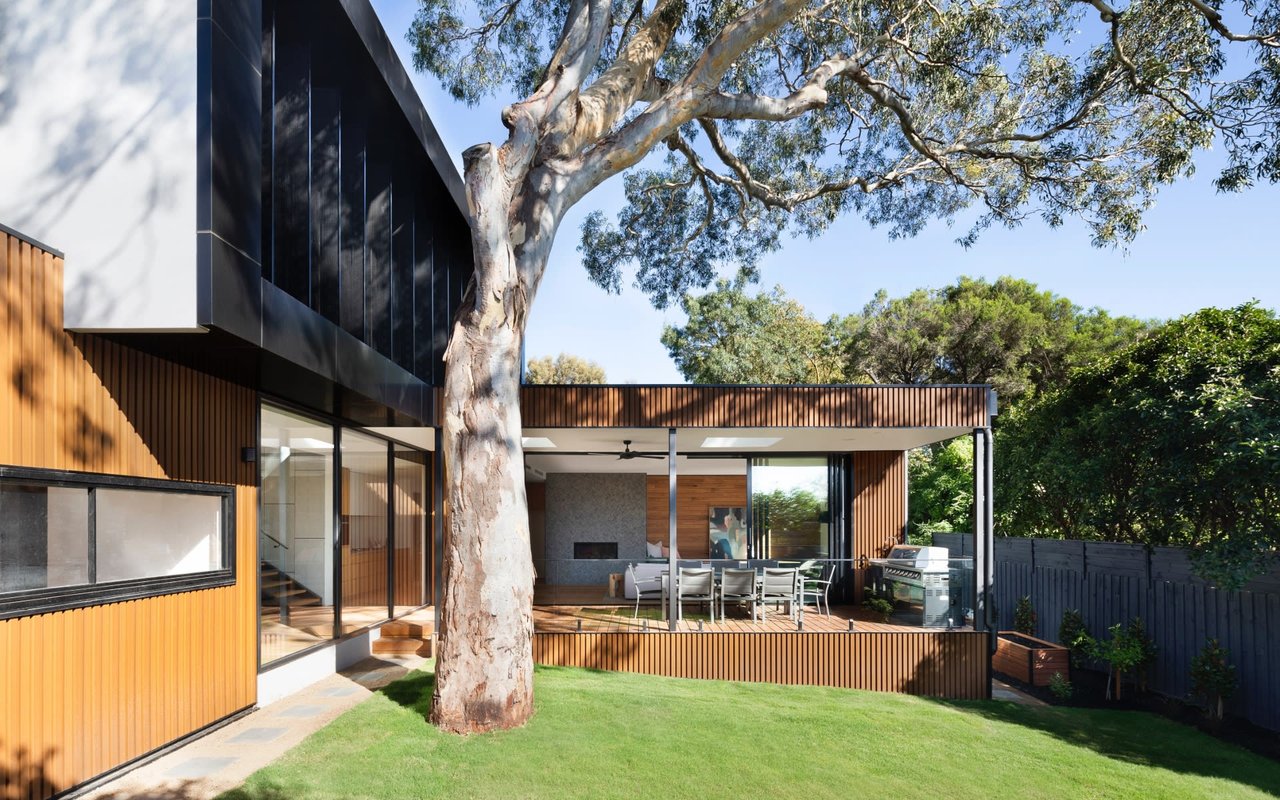
Yard space
-
Extra bedrooms or office space
-
Privacy
-
Parking and storage
-
Room to grow into
We often see families or long-term buyers leaning toward single-family homes because they’re thinking ahead—schools, pets, entertainment, and flexibility.
Bottom line: condos sell a lifestyle, while single-family homes sell space and long-term function.
2. Pricing Works Differently (And So Does “Value”)
One of the biggest differences we explain to clients is this:
Condos are priced by “building value.”
That means your price depends on things like:
-
Floor level
-
View (waterfront, skyline, pool-facing, etc.)
-
Building reputation and condition
-
Amenities and monthly fees
-
HOA financials and reserves
Even two condos with the same square footage can sell at very different prices based on these factors.
Single-family homes are priced by “land + structure value.”
For homes, the lot matters a lot:
-
Corner lot vs. interior lot
-
Flood zone considerations
-
Renovation potential
-
Outdoor space
-
Neighborhood comps
In many Tampa neighborhoods, land value plays a major role in pricing, especially in desirable pockets of South Tampa.
Condo value = building + lifestyle.
Home value = land + flexibility.
3. Condos Come With HOA Fees (But Also Built-In Benefits)
Let’s talk about the topic everyone asks about: HOA fees.
Condos almost always have higher monthly HOA fees because they typically cover:
-
Exterior maintenance
-
Roof
-
Landscaping
-
Building insurance (sometimes partially)
-
Amenities and shared utilities
-
Security or concierge services
Single-family homes may have an HOA too, but it’s usually lower and often covers limited community upkeep.
Here’s what we tell clients:
A condo HOA fee isn’t “bad,” but it needs to make sense.
We always review:
-
What the fee covers
-
The HOA budget and reserves
-
Any upcoming assessments
-
Rental restrictions
-
Pet rules and policies
This is especially important for investors—because condo rules can impact your ability to rent and your overall ROI.
4. Appreciation Trends Can Look Different
In Tampa, single-family homes often have stronger long-term appreciation potential because:
-
Land is limited
-
Homes offer more flexibility
-
Demand stays consistent with families and relocating buyers
Condos can absolutely appreciate too—but they can be more sensitive to:
-
New construction competition
-
HOA increases
-
Building reputation
-
Insurance changes
-
Special assessments
We’ve seen condo markets shift faster than single-family markets in certain cycles. That doesn’t mean condos are a bad investment—it just means the strategy needs to be smarter and more building-specific.
5. Financing and Insurance Can Be More Complex for Condos
This surprises a lot of buyers: condo financing isn’t always as simple as home financing.
Depending on the building, lenders may look at:
-
Owner-occupancy rates
-
HOA reserves
-
Pending litigation
-
Insurance coverage
-
Building maintenance history
Single-family homes typically have fewer approval hurdles, which can make the transaction smoother.
Insurance is another big difference. Condo owners usually insure the interior (“walls-in”), while the building has a master policy—but the details matter, and we always recommend buyers understand exactly what’s covered.
6. Condos Can Be Great for Part-Time Living and Investors (With the Right Rules)
Condos can be an excellent fit if you’re:
-
A snowbird or part-time resident
-
A busy professional who wants low maintenance
-
Downsizing and simplifying
-
Investing in a prime location
But here’s the key: not all condos allow short-term or flexible rentals, and some have strict approval processes.
Single-family homes typically offer more freedom for:
-
Renting long-term
-
Renovating and adding value
-
Future expansion
-
Personalization
Final Thoughts from Emeri & Joe
If you’re deciding between a condo and a single-family home in Tampa, the best choice comes down to your goals:
-
Want low maintenance and prime location? Condo life may be perfect.
-
Want space, privacy, and long-term flexibility? A single-family home may be the move.
-
Want to invest? We’ll help you evaluate the numbers, rental rules, and resale potential.
The Tampa market has opportunities in both categories—but the approach is different, and that’s where experience matters.
If you’re ready to explore Tampa condos, single-family homes, or both, we’d love to guide you through it—with honest advice, local insight, and a strategy built around your lifestyle and your long-term plan.