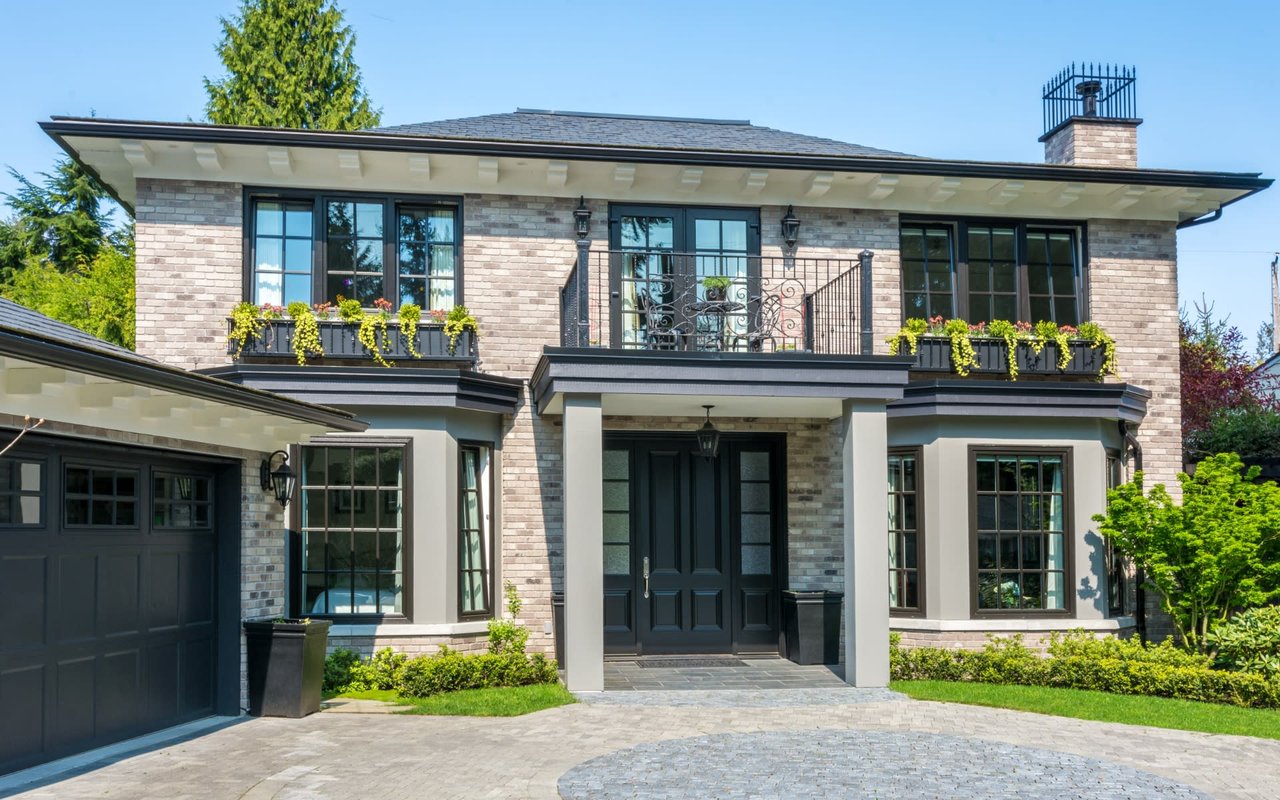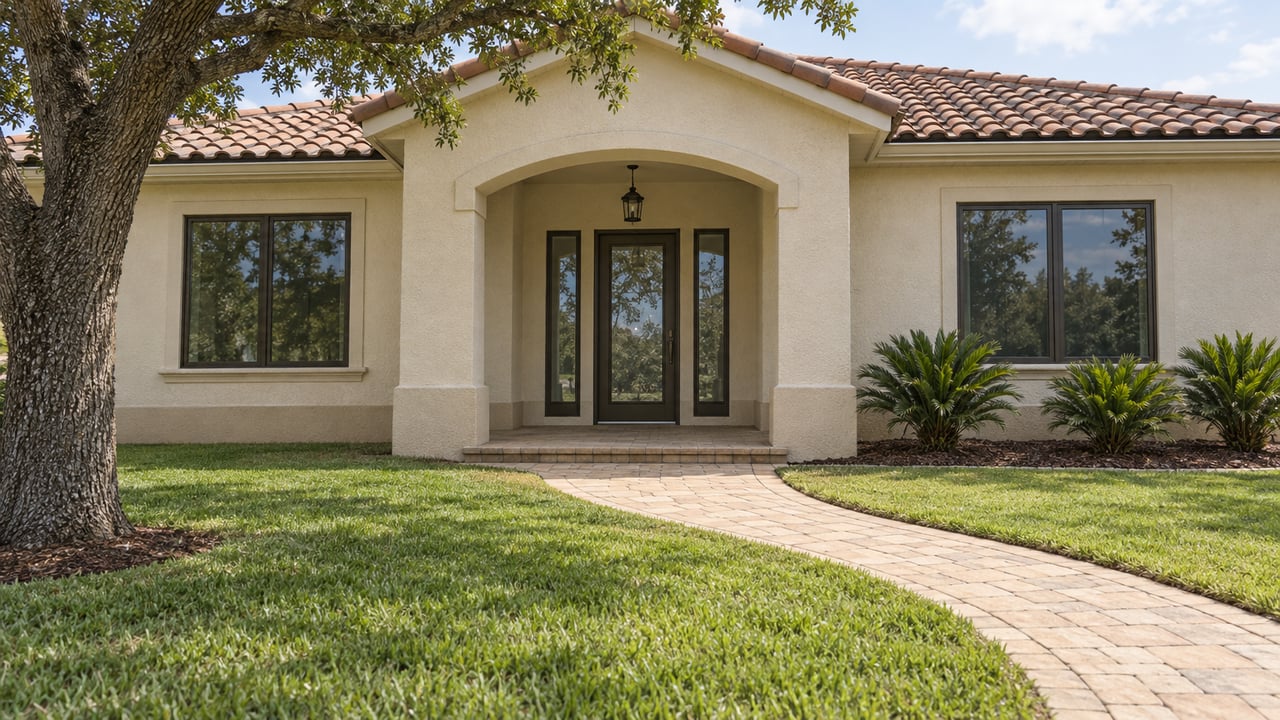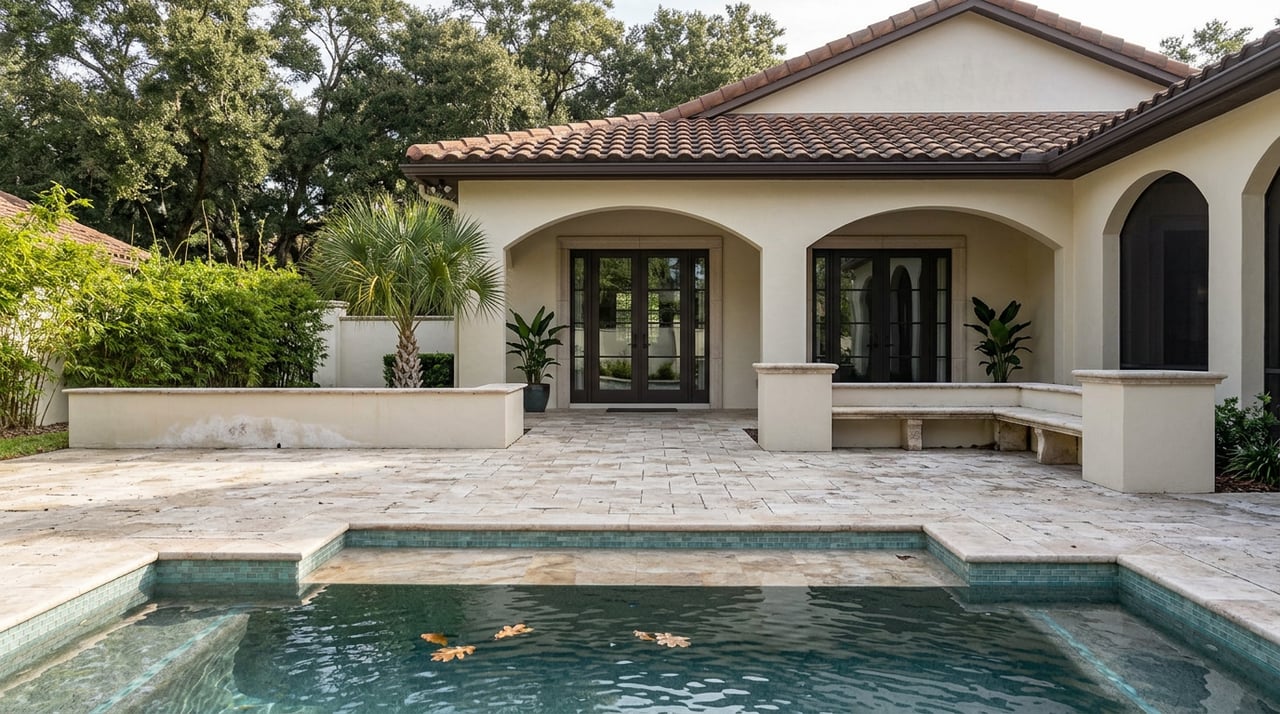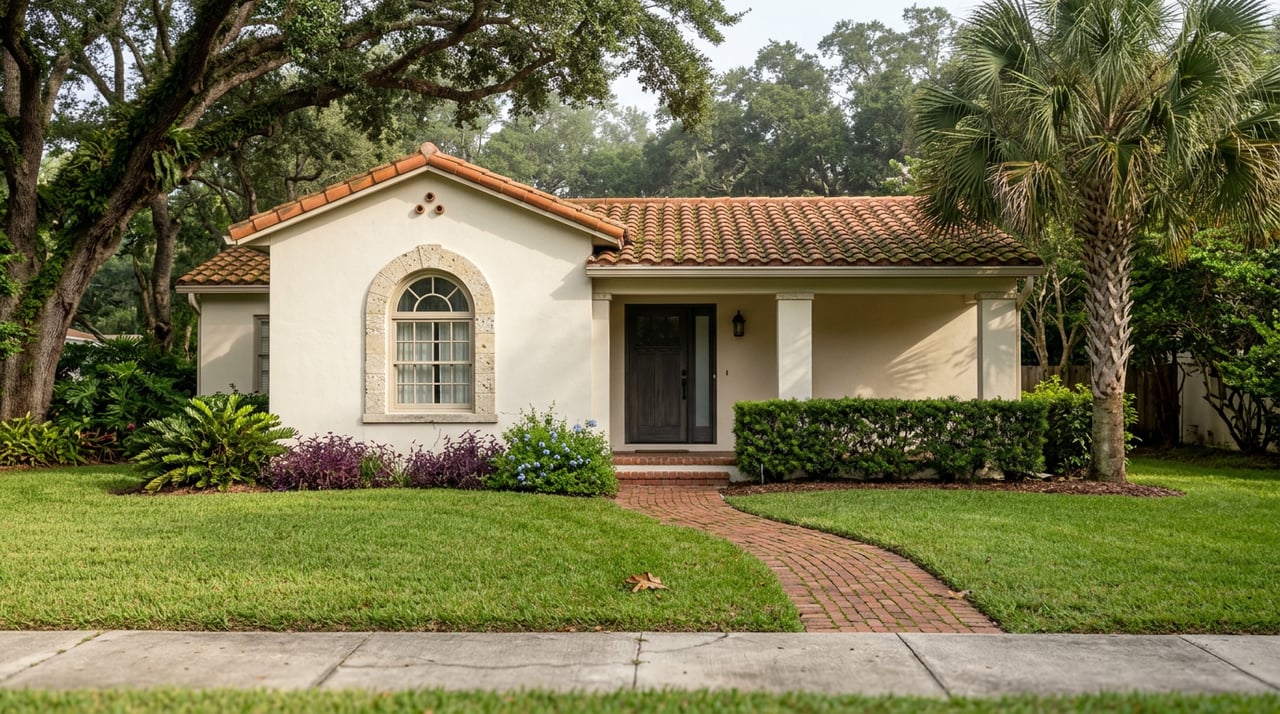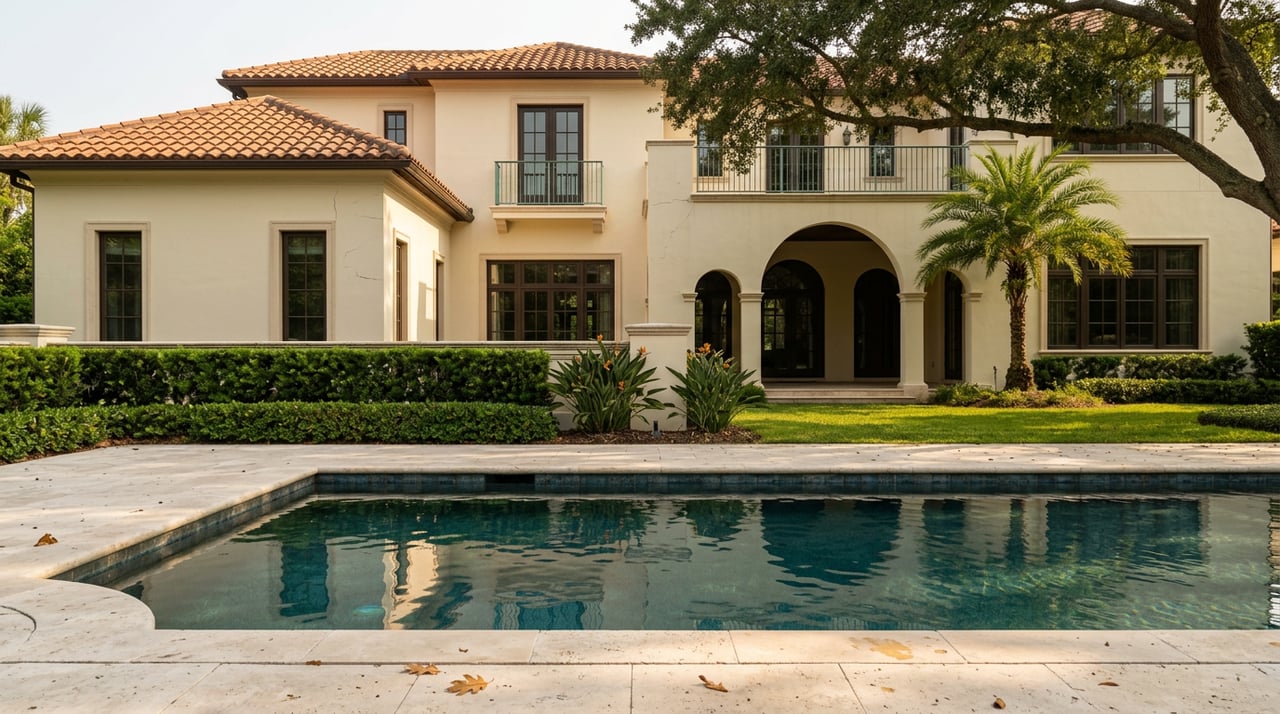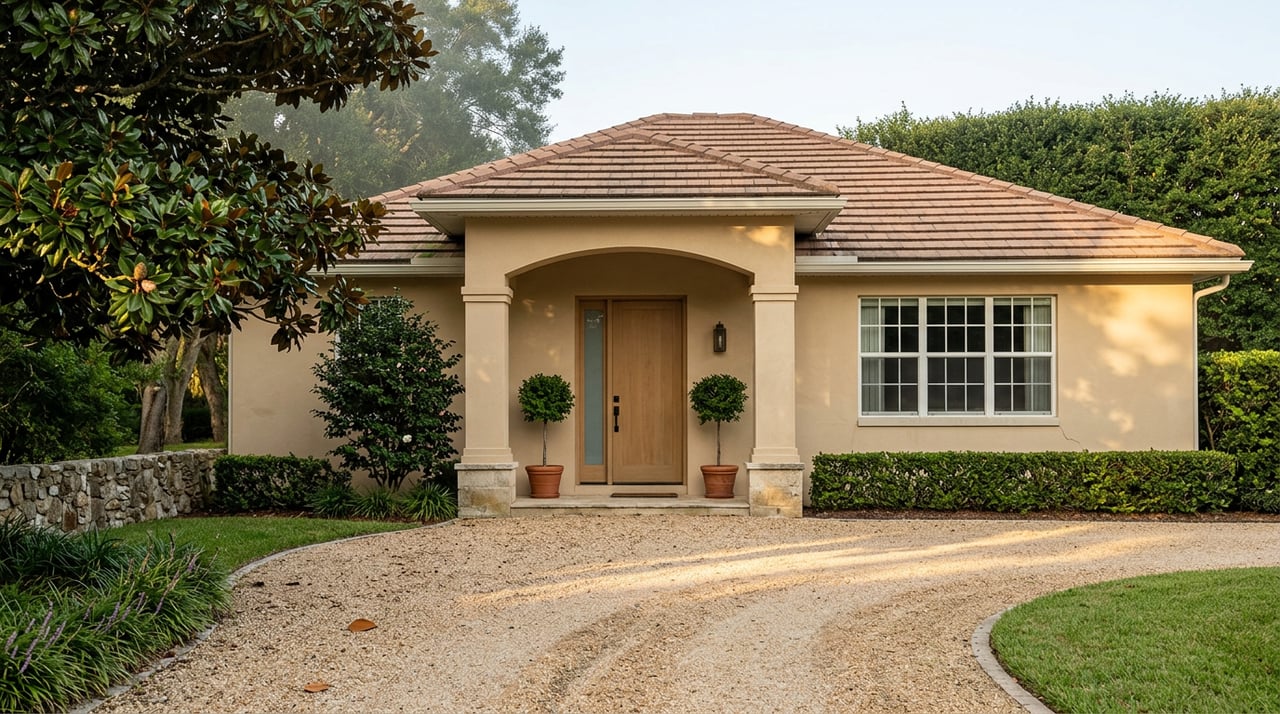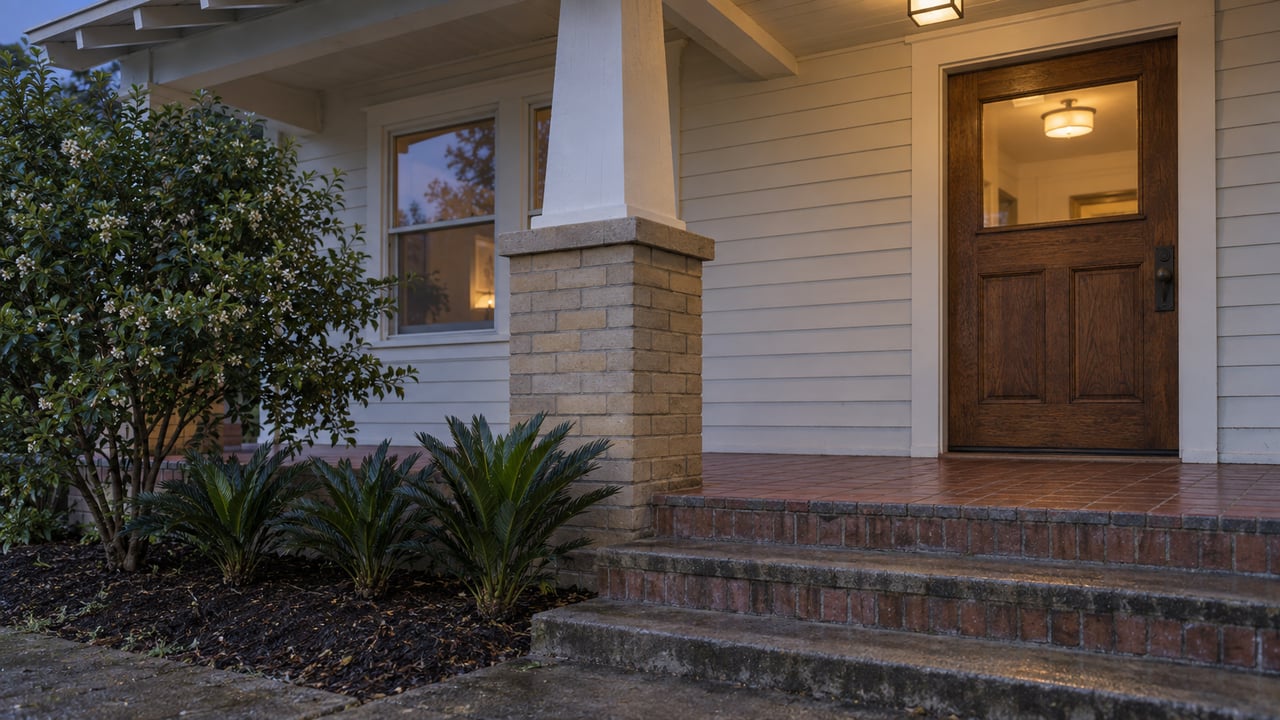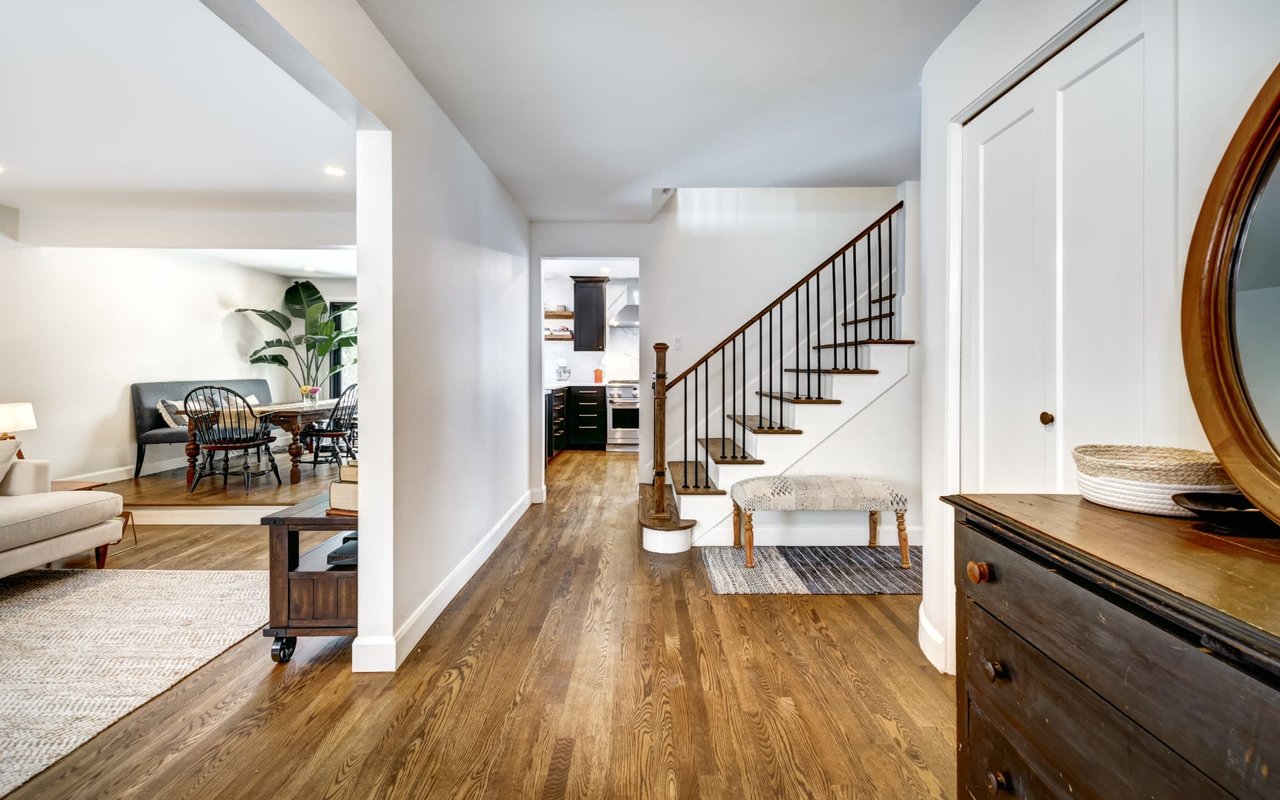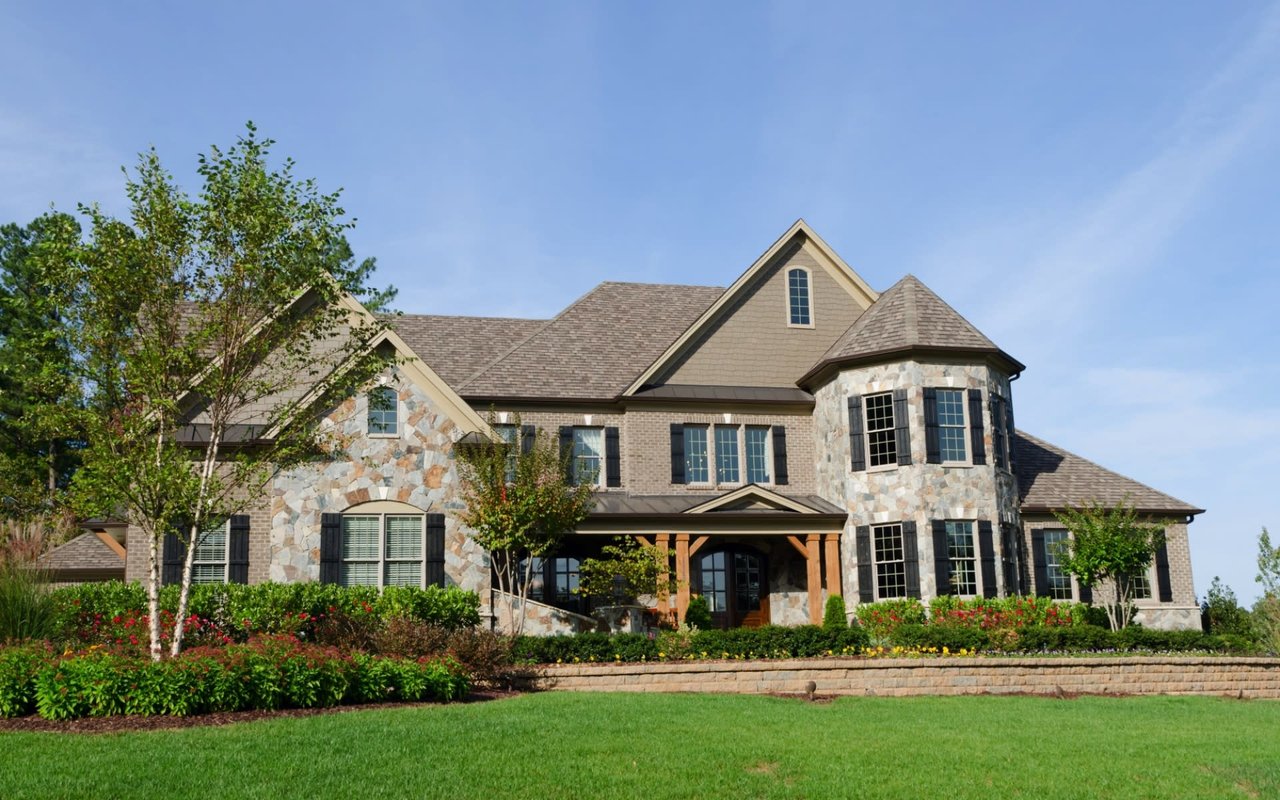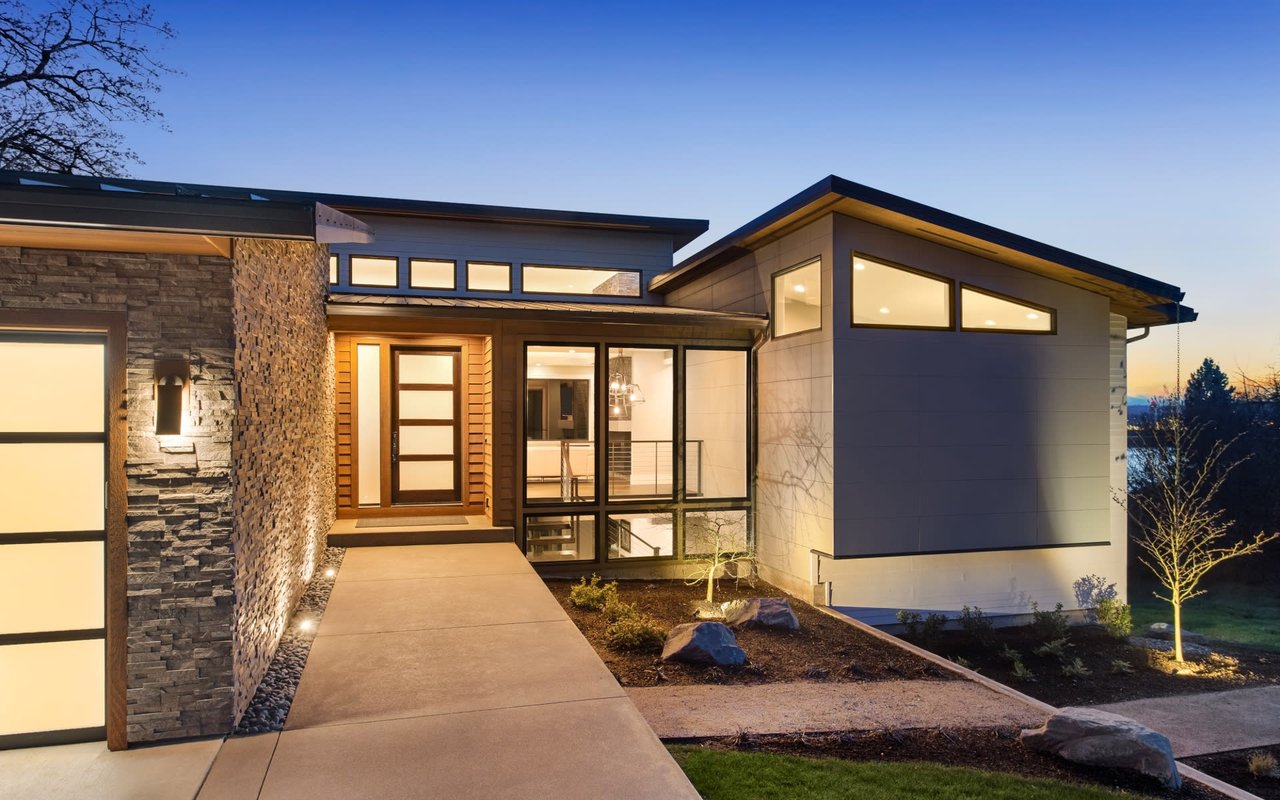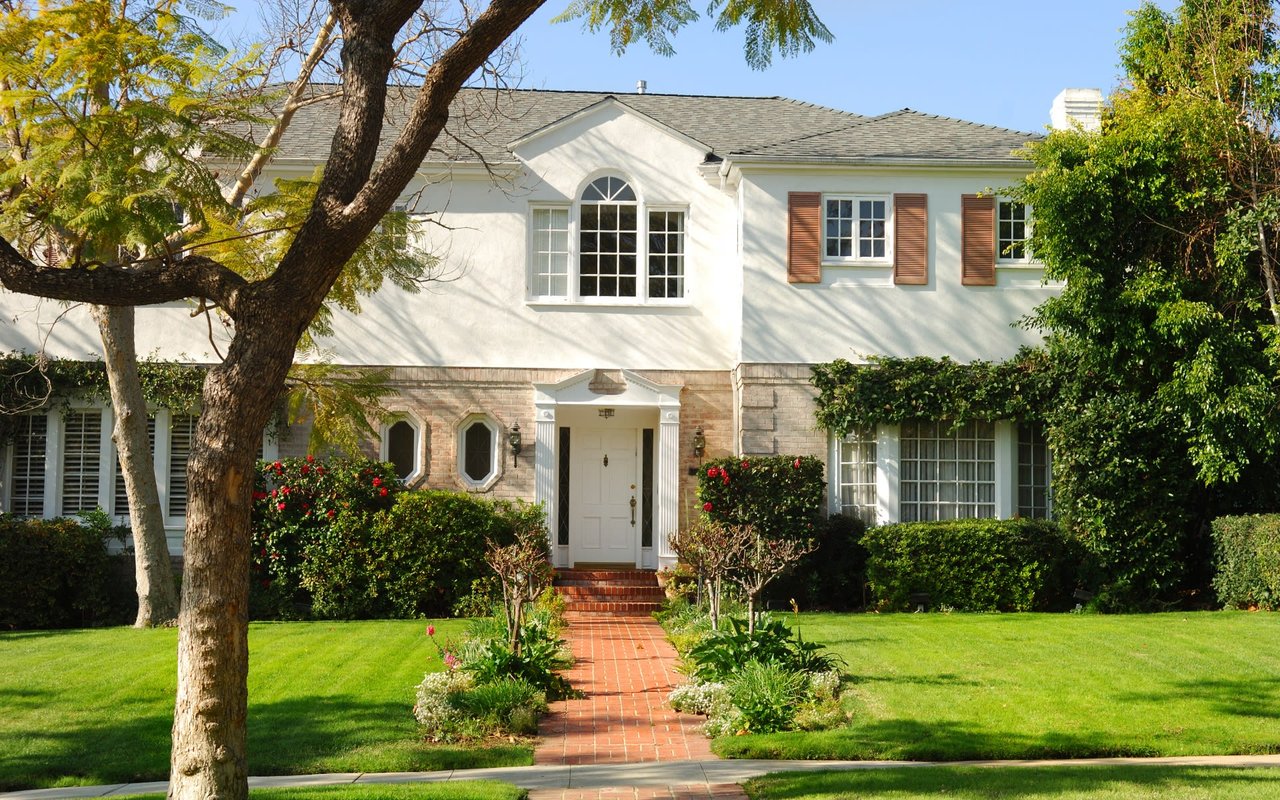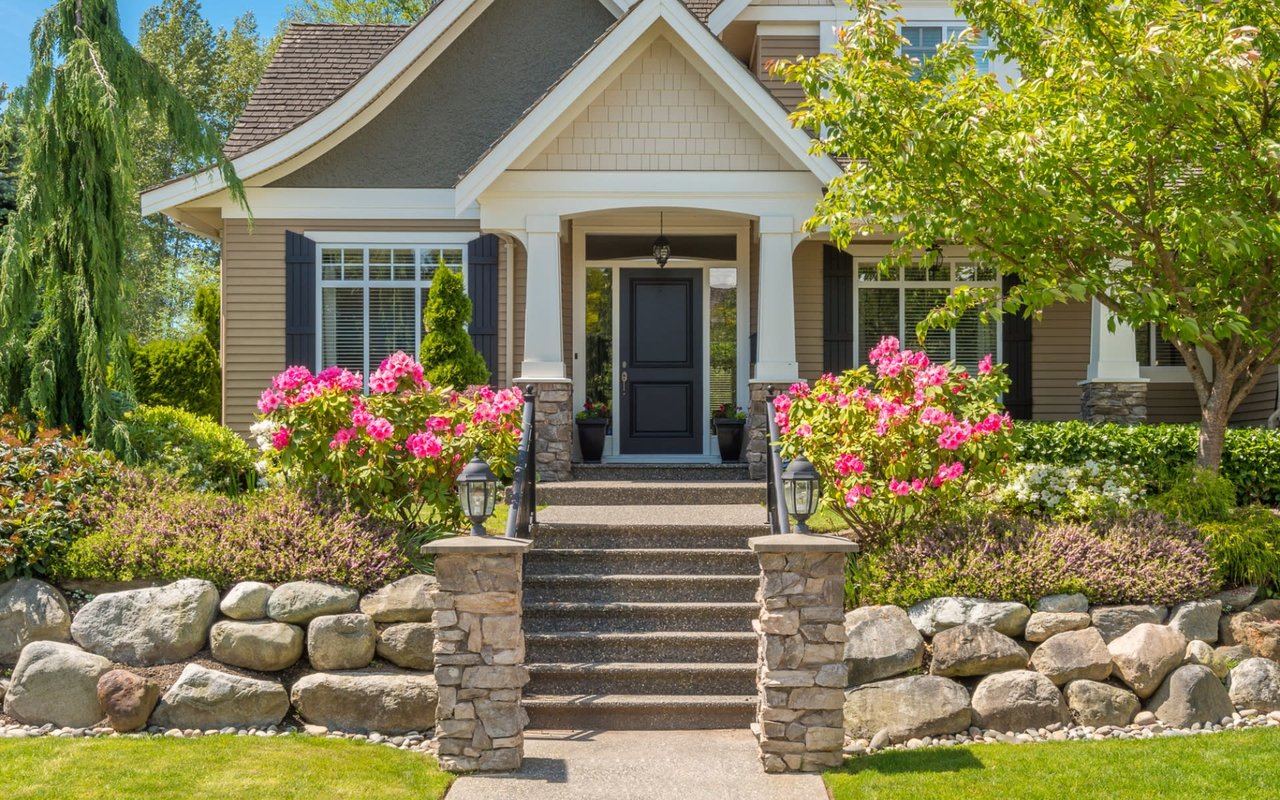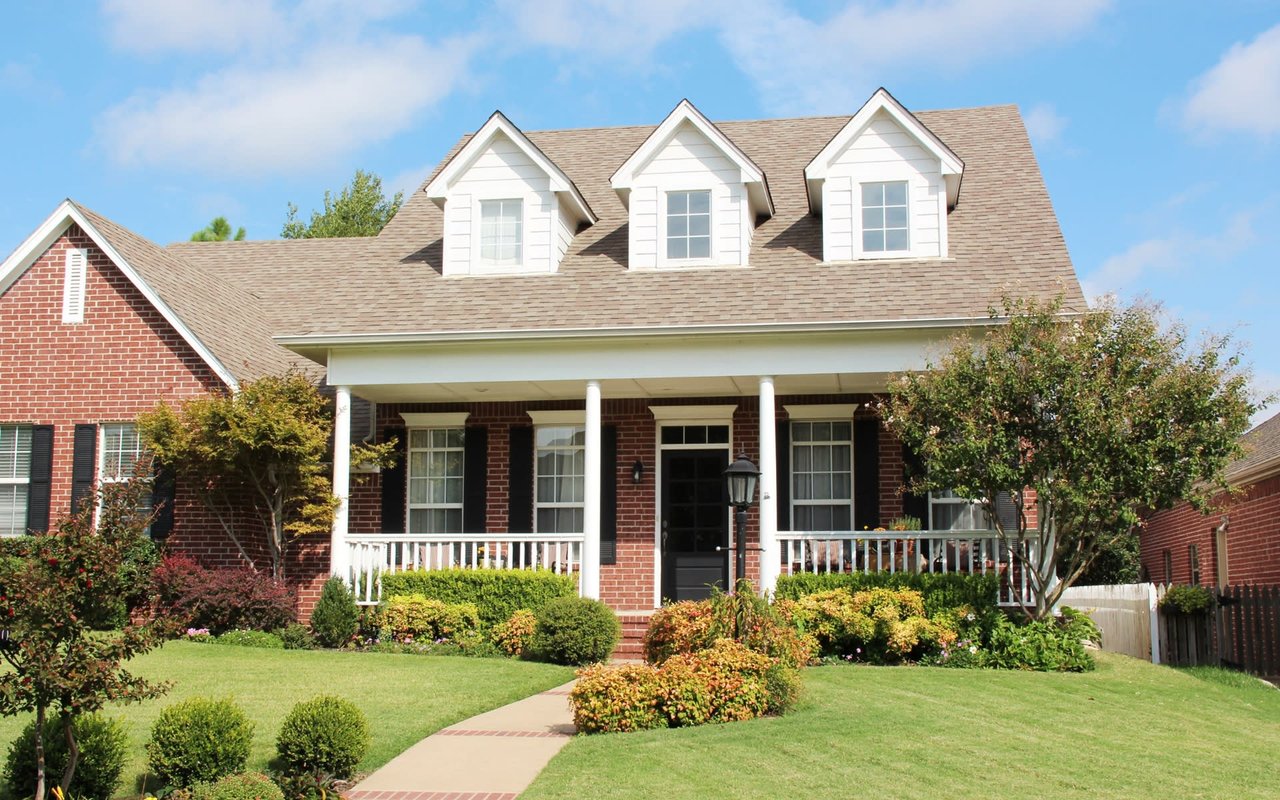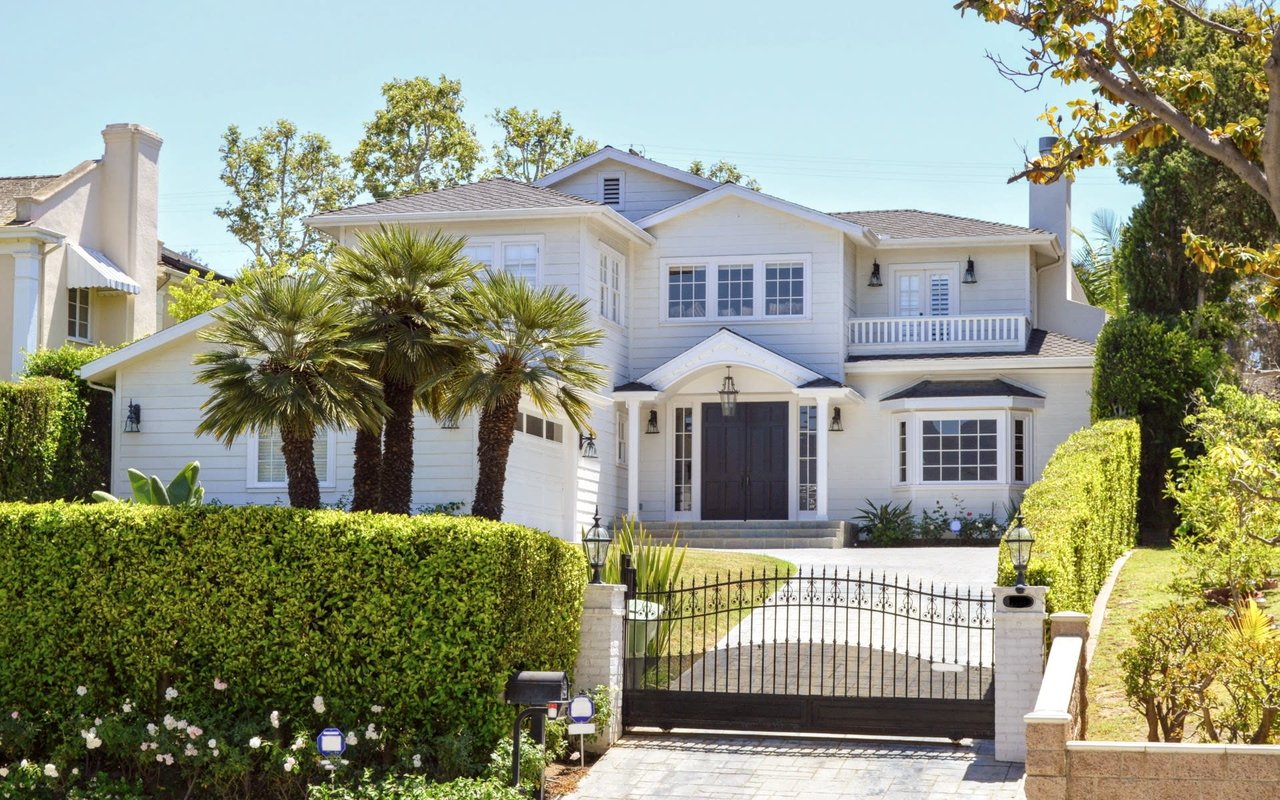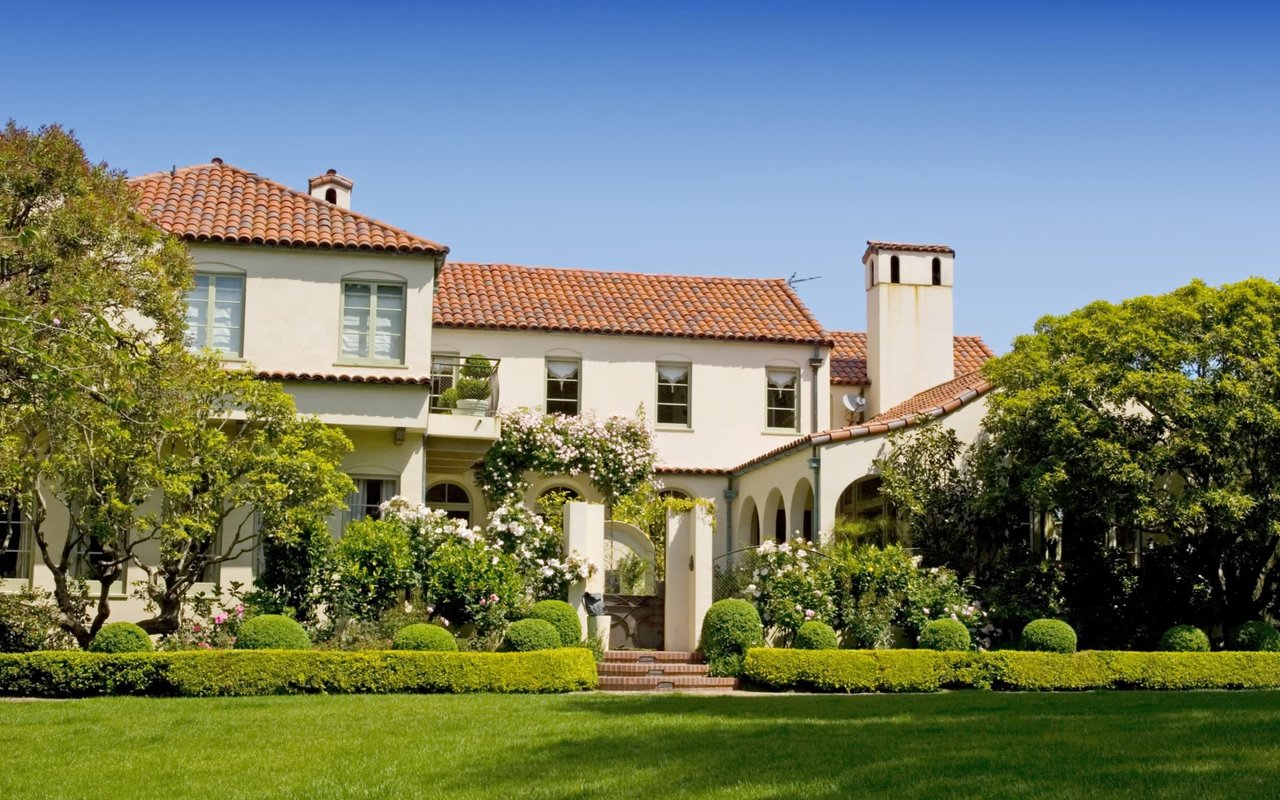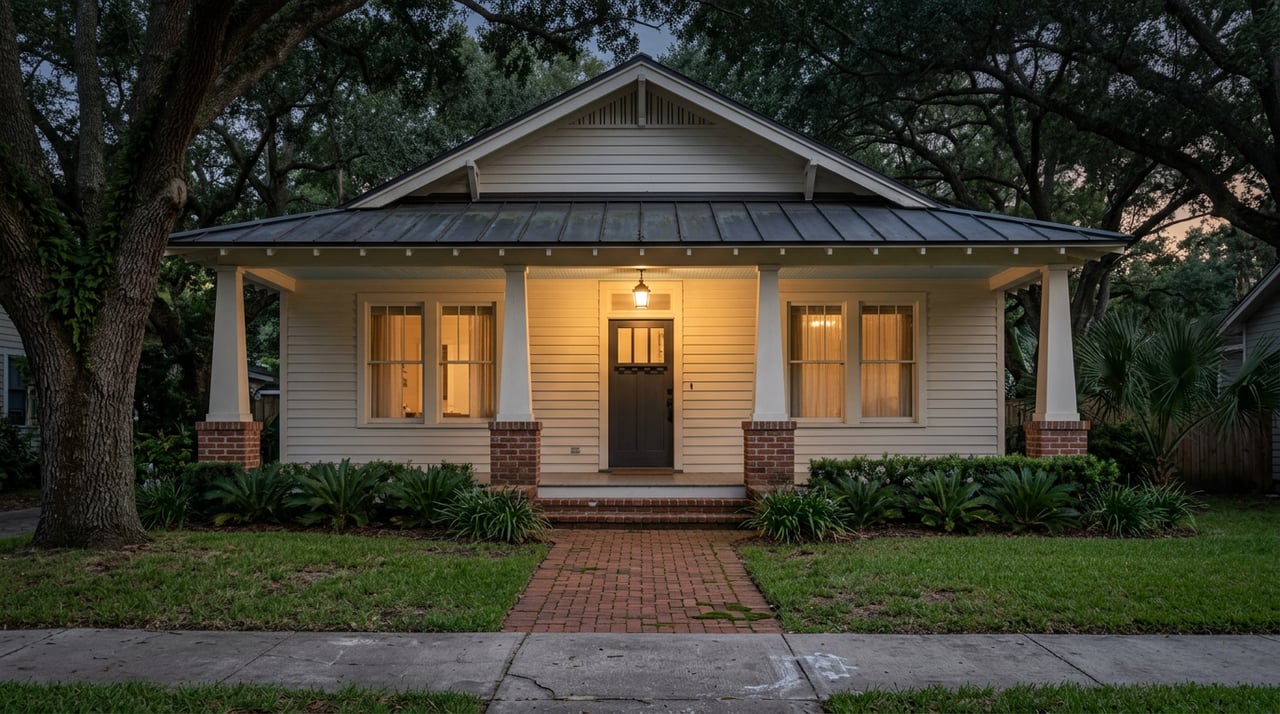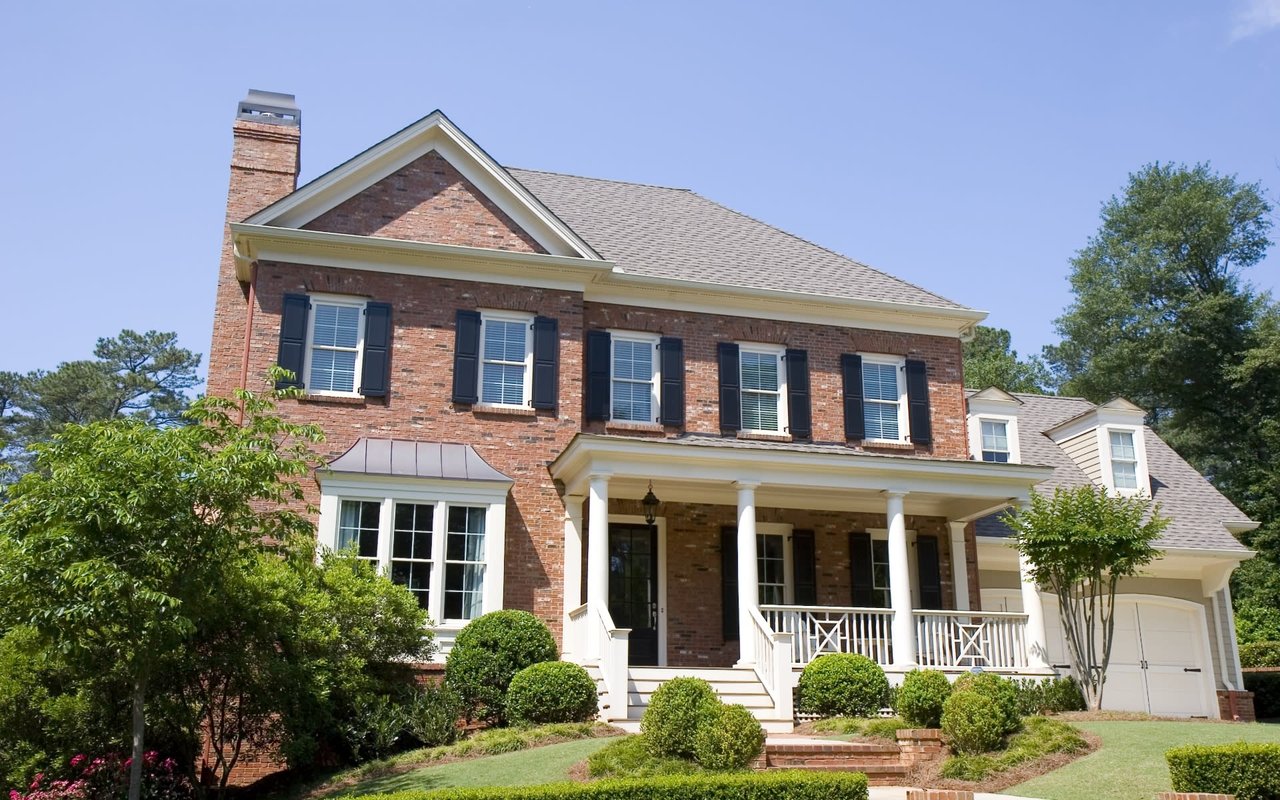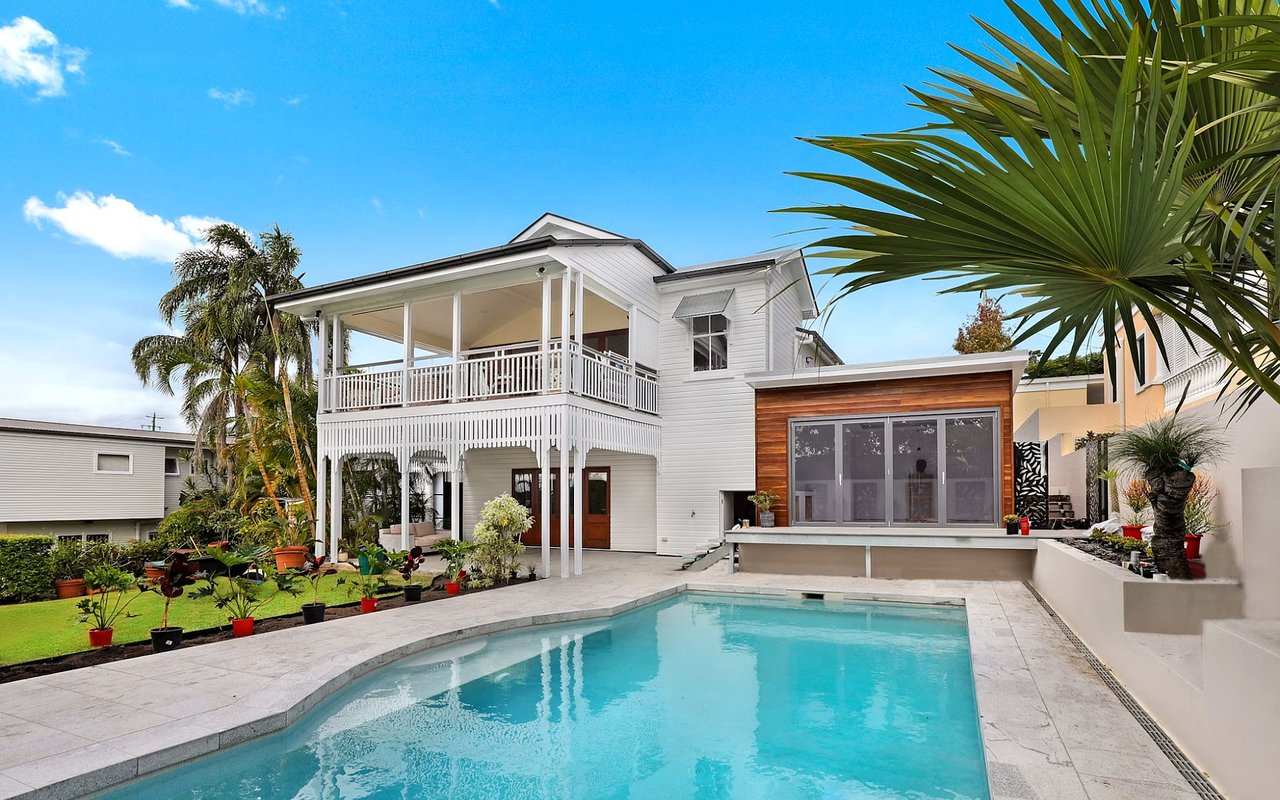
If you’ve ever driven through neighborhoods like Hyde Park, Seminole Heights, Tampa Heights, or parts of Ybor City and thought, “This is the kind of home I want,” you’re not alone. Tampa’s historic districts have a charm you just can’t replicate—brick streets, mature oak trees, wraparound porches, and architecture with real personality.
But here’s the thing: buying in a historic district is not the same as buying a newer home in a master-planned community.
We’re Emeri and Joe Lewkowicz, and with 40+ years of combined real estate experience here in Tampa, we’ve helped countless buyers navigate historic home purchases the right way—without surprises, regrets, or expensive lessons learned the hard way. If you’re thinking about buying a historic home, here’s what you need to know before you fall in love with the front porch (even though we totally get it).
1. Know the Difference: “Historic Home” vs. “Historic District”
A lot of buyers assume a home is “historic” just because it’s old. But in Tampa, there’s a big difference between:
-
A home that’s older and charming, and
-
A home that’s located inside a designated historic district with specific guidelines
If the property is in an official historic district, there may be rules around exterior changes—everything from paint colors to window replacements to fence styles. That doesn’t mean you can’t renovate or improve the home… it just means you may need approvals and must follow preservation standards.
Our advice: Before you make an offer, confirm whether the property is in a local historic district, a national historic district, or both—because each can affect what you can and can’t do.
2. Renovations Can Be More Complicated (and More Expensive)
One of the biggest surprises for buyers is how renovation costs can change in a historic district. Want to replace windows? Add an addition? Update the exterior? It may require specific materials or designs that match the original character of the home.
That can mean:
-
Longer timelines
-
Higher contractor costs
-
Extra permits and approvals
We always tell buyers: historic homes are worth it when you love the character and respect the process. If you want a blank slate or quick upgrades, you may feel restricted.
3. Inspections Matter More Than Ever
In newer homes, inspections are important. In historic homes, they’re everything.
Some common inspection issues we see in Tampa historic properties include:
-
Older plumbing (cast iron or galvanized pipes)
-
Outdated electrical systems (including older panels)
-
Roof age and structural integrity
-
Termite damage or wood rot
-
Foundation settling
-
HVAC updates that weren’t done properly
The home may look stunning—but you want to know what’s behind the walls.
Pro tip from us: Always work with an inspector who has experience with older Tampa homes. A standard inspection is good, but a historic home specialist is even better.
4. Insurance Can Be Different Than You Expect
Home insurance in Florida is already a major conversation, and historic homes add another layer. Older roofs, older systems, and replacement costs can all impact premiums and coverage options.
In some cases, buyers may need:
-
Additional coverage endorsements
-
Wind mitigation reports
-
Four-point inspections
-
Higher deductibles
This is why we recommend getting insurance quotes early in the process, not after you’re already emotionally committed.
5. Historic District Living Comes With Lifestyle Perks
Now let’s talk about the fun part—because there’s a reason people dream about these neighborhoods.
Buying in a Tampa historic district often means:
-
Walkability to local coffee shops, restaurants, and parks
-
True neighborhood energy (porch conversations are real here!)
-
Homes with craftsmanship you don’t see today
-
Strong resale appeal due to limited inventory and high demand
We’ve seen time and time again that buyers who choose historic districts aren’t just buying a home—they’re buying a lifestyle and a story.
6. Your Long-Term Value Can Be Strong—If You Buy Smart
Historic homes can hold value extremely well, especially in sought-after areas of Tampa where land is limited and demand stays high.
But here’s the key: not all historic homes are equal investments.
We help our buyers look at:
-
Quality of past renovations (were they permitted?)
-
Lot size and layout potential
-
Flood zone and elevation concerns
-
Neighborhood trends and future development
-
What improvements will add value vs. over-improve
With the right strategy, a historic home can be a beautiful place to live and a smart long-term financial move.
Final Thoughts from Emeri & Joe
If you’re considering purchasing a home in a Tampa historic district, our biggest advice is this:
Fall in love with the charm—but buy with a plan.
Historic homes are special, and when you understand the rules, the renovation realities, and the true condition of the property, they can be some of the most rewarding homes to own in the entire Tampa Bay area.
And if you want a team that knows these neighborhoods inside and out, we’d love to help you find the right historic home—one that fits your lifestyle, your budget, and your long-term goals.
Let’s make sure your Tampa dream home is as smart of a purchase as it is beautiful.