When people ask us why certain Tampa neighborhoods seem to “take off” while others lag behind, our answer is almost always the same: community planning matters more than most buyers and investors realize.
After more than 40 combined years in Tampa real estate, we’ve watched neighborhoods evolve in real time—some thoughtfully, some haphazardly. The difference shows up clearly in long-term home values, buyer demand, and overall quality of life.
Community Planning Is the Foundation of Appreciation
At its core, community planning is about intentional growth. It’s how cities decide where homes, schools, parks, businesses, roads, and public spaces belong—and how they work together. In Tampa, neighborhoods with strong planning tend to appreciate more steadily and recover faster during market shifts.
Why? Because buyers aren’t just purchasing a house—they’re buying into a lifestyle.
Well-planned communities offer walkability, green space, traffic flow that makes sense, nearby retail and dining, and access to schools and employment hubs. These are the factors that keep demand strong year after year, even when the market cools.
Tampa’s Neighborhood Success Stories
We’ve seen this play out across Tampa firsthand. Areas like Westchase, Downtown Tampa, Channelside, and parts of South Tampa didn’t grow by accident. Their appreciation is tied directly to zoning decisions, mixed-use development, infrastructure investment, and long-term vision from city planners.
Take mixed-use development, for example. When residential spaces are integrated with retail, dining, and office space, neighborhoods become more self-sustaining. That convenience attracts both end-users and investors—and sustained demand drives appreciation.
On the flip side, neighborhoods without clear planning often struggle with congestion, inconsistent development, or limited amenities. Even well-built homes can stagnate in value if the surrounding infrastructure doesn’t support long-term livability.
Infrastructure Drives Value (More Than Granite Countertops)
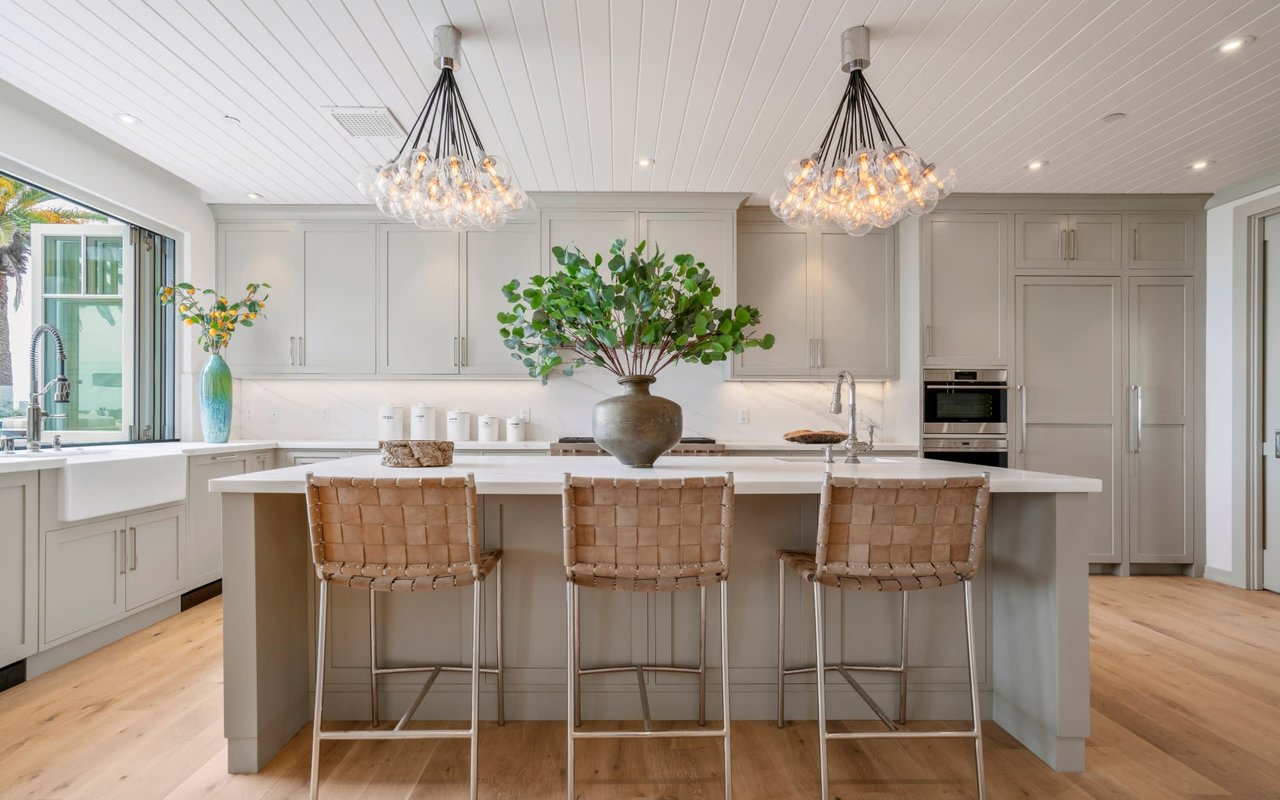
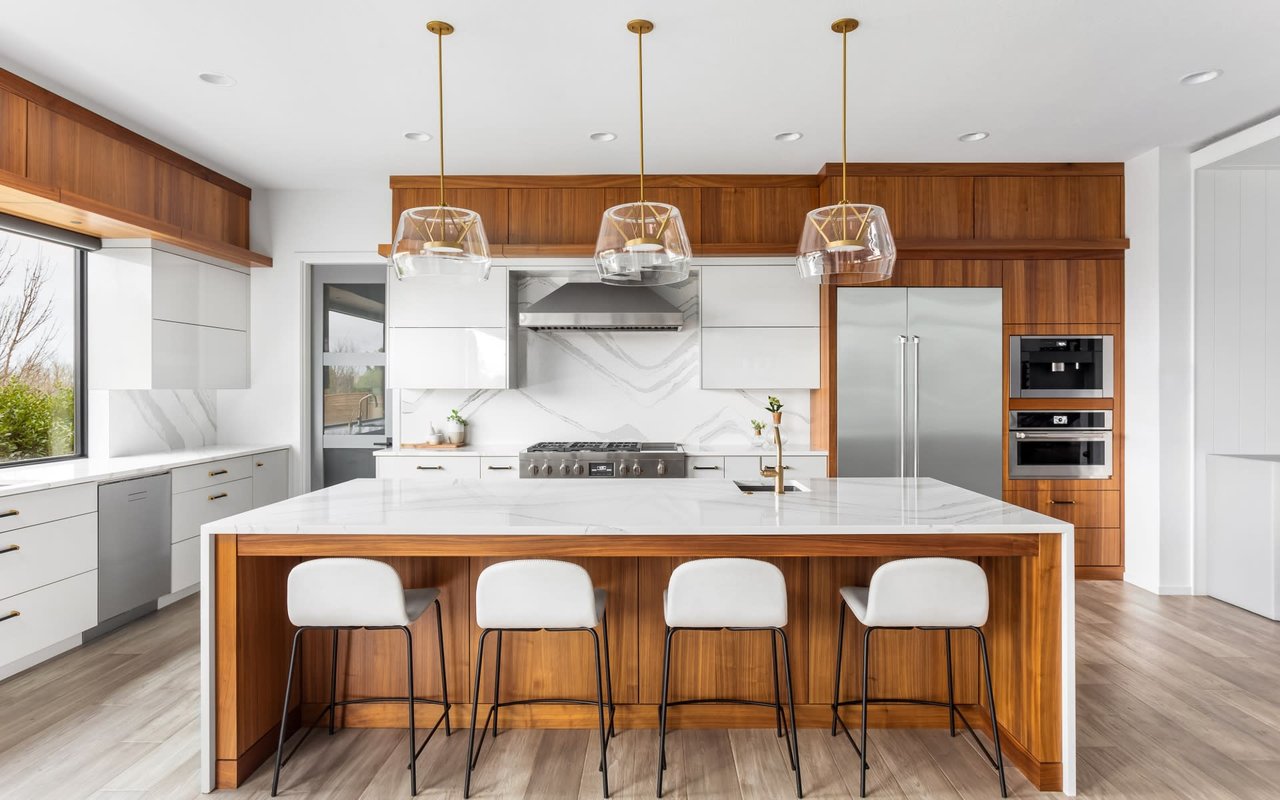
Buyers love renovated kitchens—but roads, drainage, transit, and utilities have a far bigger impact on appreciation over time.
In Tampa, neighborhoods that benefit from:
-
Road expansions and traffic improvements
-
Flood mitigation and stormwater upgrades
-
Access to public transportation and walkable corridors
-
Proximity to employment centers and healthcare hubs
consistently outperform areas that lack those investments.
As local experts, we track these improvements closely. Often, the biggest appreciation opportunities exist before construction is complete—when plans are approved but values haven’t fully caught up yet.
Schools, Parks, and Public Spaces Matter
One of the most overlooked aspects of community planning is how it shapes everyday life. Parks, trails, waterfront access, and school placement all influence how long people stay in a neighborhood—and how much they’re willing to pay to live there.
Families want stability. Investors want low turnover. Both benefit from thoughtful planning.
In Tampa, neighborhoods with accessible parks, strong school zones, and community gathering spaces tend to attract long-term residents, not just short-term buyers. That stability creates a healthier resale market and stronger price growth over time.
What Buyers, Sellers, and Investors Should Watch For
When we advise clients, we always encourage them to look beyond the listing and ask bigger questions:
-
Are there upcoming zoning changes or redevelopment plans?
-
Is the city investing in infrastructure nearby?
-
Are new businesses and employers moving into the area?
-
Is density increasing in a controlled, intentional way?
These details tell us where a neighborhood is headed—not just where it’s been.
Our Take as Tampa Real Estate Experts
Community planning is the invisible force behind appreciation. It doesn’t show up in listing photos, but it determines whether a neighborhood thrives for decades or plateaus after a few years.
At The Lewkowicz Group, our job is to connect the dots for our clients—using deep local knowledge, long-term perspective, and real-world experience to guide smarter decisions. Whether you’re buying your first home, selling a longtime property, or investing for the future, understanding how Tampa plans its neighborhoods can make all the difference.
And if you ever want to know which areas are poised for growth next—we’re always happy to talk.