If you own property in Tampa — or you’re thinking about buying — this is a conversation you can’t afford to ignore.
We’re Emeri and Joe Lewkowicz of The Lewkowicz Group, and after more than 40 years combined in the Tampa Bay real estate market, we’ve seen firsthand what happens when homeowners underestimate insurance coverage in a coastal region like ours.
Let’s be direct: underinsuring a property in Tampa is one of the most expensive financial mistakes you can make.
And the consequences aren’t always immediate — they show up when you least expect them.
1. You May Not Be Covered for Full Rebuilding Costs
Many homeowners insure based on purchase price or market value.
That’s a mistake.
Insurance is about replacement cost — what it would cost to rebuild your home today, with current labor and material prices. In a coastal Florida market, construction costs can spike dramatically after major storm events. If you’re underinsured by even 15–20%, you could be responsible for tens — or hundreds — of thousands of dollars out of pocket.
We’ve seen situations where a homeowner thought they were properly covered… until a hurricane revealed they weren’t.
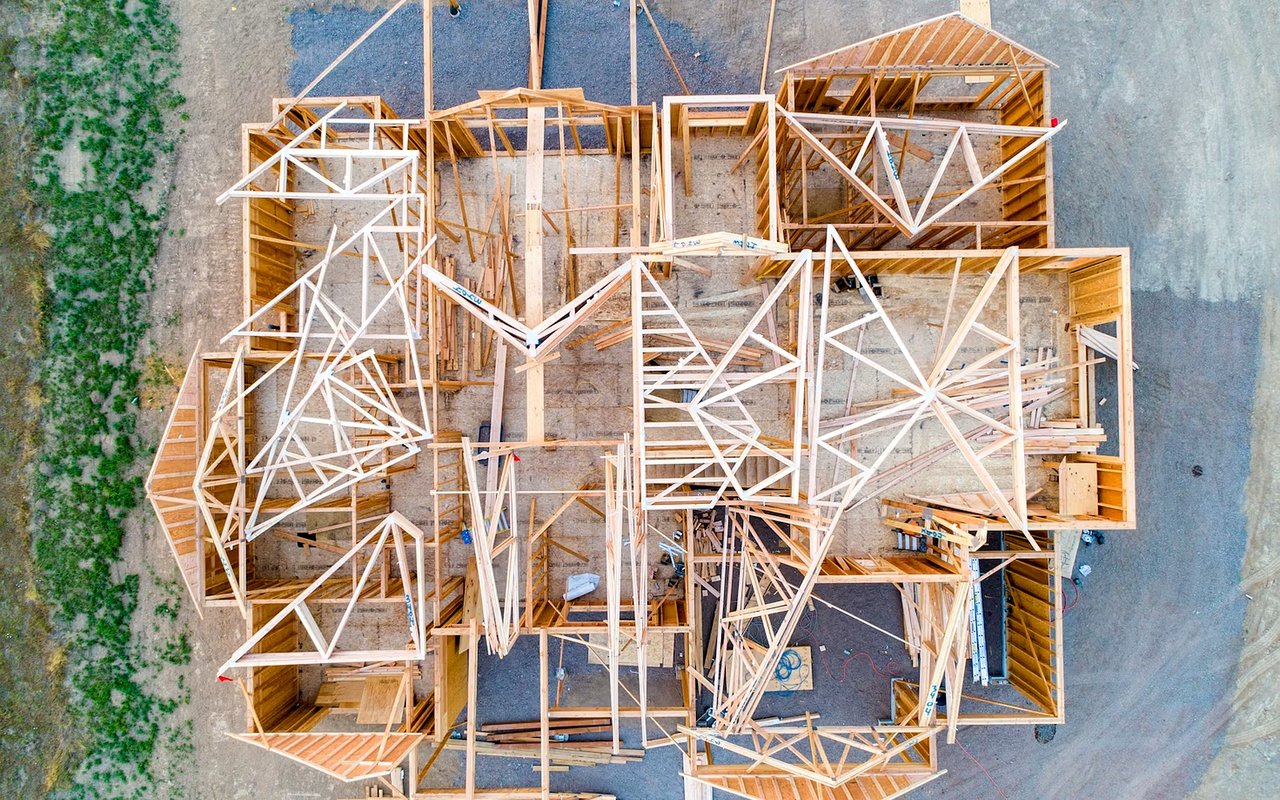
In Tampa Bay, rebuilding isn’t cheap. Updated building codes, wind mitigation requirements, elevation standards — all of these impact reconstruction costs.
2. Hurricanes & Flood Risk Are Not The Same Thing
One of the biggest misconceptions we encounter involves storm coverage.
Standard homeowners insurance does not automatically cover flooding. In a coastal market like ours — especially in areas near Tampa Bay — storm surge and flood risk are very real.
If you’re in or near a flood zone and don’t carry proper flood insurance, you’re essentially self-insuring against one of Florida’s most expensive risks.
We always advise buyers and investors to look at FEMA flood maps, elevation certificates, and historical storm patterns before closing — not after.
3. Out-of-Pocket Gaps After Deductibles
Many Florida policies carry percentage-based hurricane deductibles — often 2% to 5% of the insured value.
If your home is insured for $800,000 with a 5% hurricane deductible, that’s a $40,000 out-of-pocket expense before coverage even begins.
Now imagine that combined with underinsurance.
That’s a financial double hit.
As local experts, we help clients evaluate not just the monthly premium — but the true exposure. A cheaper policy often means higher long-term risk.
4. Long-Term Equity Erosion
This is something investors especially need to hear.
If a storm damages your property and insurance doesn’t fully cover repairs, you may:
-
Delay necessary restoration
-
Use high-interest financing to rebuild
-
Sell at a discount due to unresolved damage
All of these outcomes erode equity.
In strong neighborhoods across St. Petersburg, Clearwater, and the greater Tampa area, values have appreciated steadily. But insurance gaps can wipe out years of appreciation in a single event.
That’s not dramatic — that’s reality in a coastal market.
5. Mortgage & Compliance Issues
Lenders require minimum insurance coverage. But minimum doesn’t mean optimal.
If rebuilding costs rise and your coverage lags behind, you could fall below required replacement thresholds. In some cases, lenders can force-place insurance — which is typically far more expensive and less comprehensive.
We’ve helped clients avoid this scenario by proactively reviewing coverage during annual real estate check-ins.
6. The Market Is Getting Stricter
Florida’s insurance market has tightened significantly in recent years. Carriers are pulling back, underwriting standards are stricter, and premiums reflect coastal exposure.
If your home suffers major damage and you were underinsured, not only will rebuilding be stressful — requalifying for affordable insurance afterward can be even harder.
The long-term cost isn’t just repair. It’s future insurability.
Our Advice After 40+ Years in Tampa Bay
Insurance isn’t the exciting part of real estate. But in coastal Florida, it’s foundational.
Here’s what we consistently advise our buyers, sellers, and investors:
-
Insure for full replacement cost — not purchase price
-
Review policies annually (especially after renovations)
-
Understand hurricane deductibles clearly
-
Carry flood insurance when exposure exists — even outside mandatory zones
-
Work with local insurance professionals who understand Tampa’s building requirements
Real estate here is still one of the strongest long-term investments you can make. We believe that wholeheartedly. But protecting that investment is part of the strategy.
If you’re unsure whether your current coverage truly protects your asset, let’s talk. We’re not insurance agents — but after decades in this market, we know the right questions to ask.
In a coastal market like Tampa Bay, underinsuring isn’t saving money.
It’s borrowing risk from your future.