If you’re buying a home in Tampa, one topic that doesn’t get talked about enough — but absolutely should — is easements.
Over the past 40+ years helping buyers and investors across Tampa Bay, we’ve seen easements range from completely harmless to deal-changing. The key isn’t avoiding properties with easements altogether — it’s understanding them before you close.
Let’s break this down the way we do with our own clients.
First — What Is an Easement?
An easement is a legal right that allows someone else to use a portion of your property for a specific purpose.
That doesn’t mean they own it. It just means they have certain usage rights.
In Tampa, the most common types we see are:
-
Utility easements (TECO power lines, water lines, sewer lines)
-
Drainage easements
-
Access or ingress/egress easements
-
Shared driveway easements
-
Conservation or environmental easements
In neighborhoods throughout Tampa — especially in established communities like South Tampa, Carrollwood, and waterfront areas — easements are extremely common.
The important question isn’t “Is there an easement?”
It’s “How does it affect your plans for the property?”
Utility & Drainage Easements (Very Common in Tampa)
Most homes have utility easements running along the side or rear of the lot. In fact, if you look at your survey, you’ll often see a 5–10 foot strip labeled for utilities.
In many Tampa neighborhoods, especially those near the bay or low-lying areas, drainage easements are also standard. With our heavy rain seasons and storm patterns, proper drainage planning is critical.
Here’s what we tell buyers:
-
You typically can’t build permanent structures in these areas (no pools, additions, or enclosed structures).
-
Utility companies have the legal right to access that strip if repairs are needed.
-
Landscaping is usually fine — but fences and sheds may need approval.
For most buyers, this has little to no lifestyle impact. But if you’re planning a pool or expansion, it matters a lot.
Waterfront & Conservation Easements
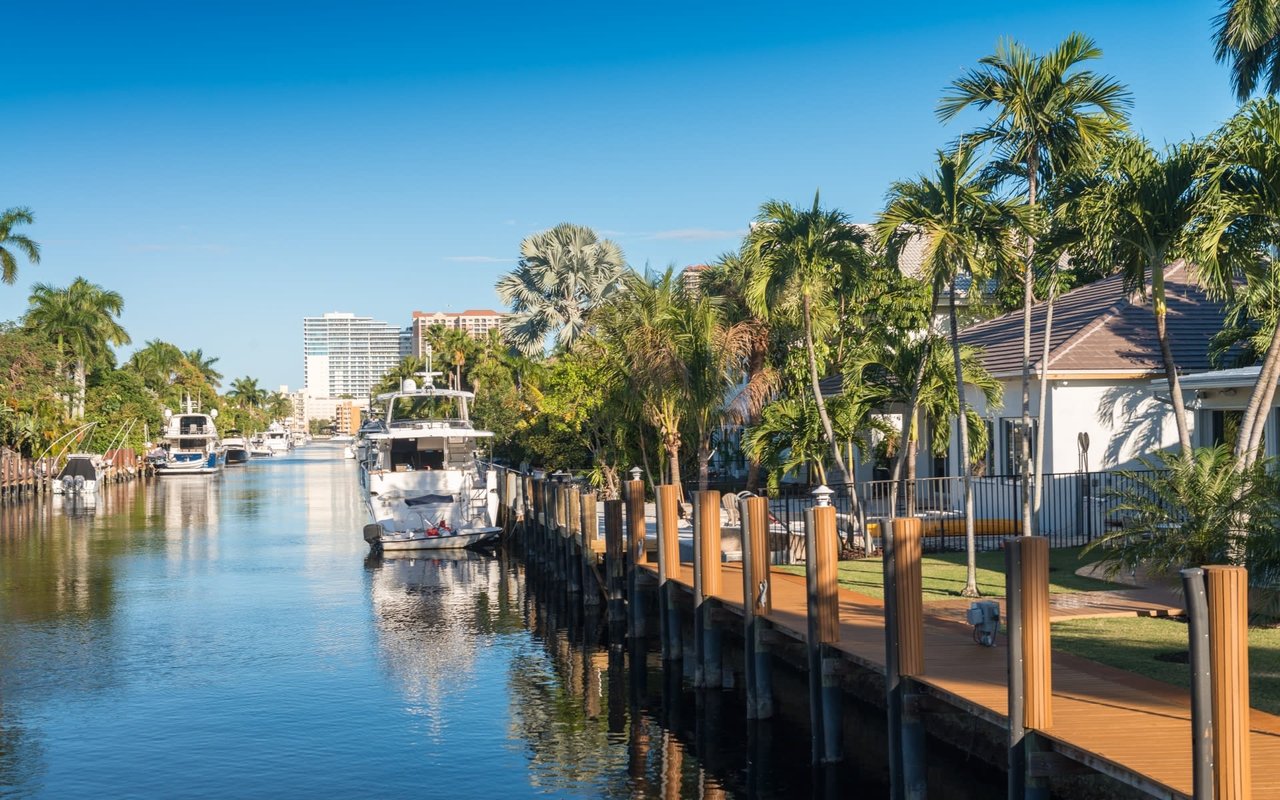
If you’re buying near the water — which many Tampa buyers are — easements become even more important.
In waterfront communities near Tampa Bay, you may see:
-
Seawall maintenance access
-
Environmental setback restrictions
-
Mangrove protection zones
-
Dock access rights
We always review these carefully with buyers because they can affect:
-
Dock installation
-
Boat lift additions
-
Expanding your backyard footprint
-
Future resale value
Conservation easements are also common in master-planned communities. These protect wetlands or preserve green space. The upside? Privacy and natural views. The downside? You can’t clear or build in those areas.
Shared Driveways & Access Easements
This is where things get more nuanced.
In historic pockets of Tampa and certain infill neighborhoods, properties sometimes share driveways. An access easement legally allows both parties to use the space.
These can work beautifully — or they can become contentious if not clearly defined.
We advise buyers to review:
-
Maintenance responsibilities
-
Parking rights
-
Width and usage limitations
A clearly written easement recorded with the county is key.
Why Surveys Matter (Especially in Tampa)
This is where experience really counts.
We always recommend reviewing the property survey before your inspection period ends. In Tampa’s competitive market, some buyers are tempted to skip details to win a deal. That’s a mistake.
The survey will show:
-
Exact easement locations
-
Setback lines
-
Encroachments
-
Fence placements
-
Structure compliance
We’ve seen cases where a previous owner built a shed partially inside a utility easement. That becomes your issue after closing.
Should Easements Scare You?
Almost never.
In 90% of Tampa transactions we handle, easements are routine and manageable. The difference is having a team that knows what’s normal — and what’s a red flag.
What makes us confident guiding buyers through this? Decades of local experience. We’ve reviewed surveys in nearly every Tampa neighborhood. We understand how city permitting works. And we know when to bring in a real estate attorney for clarity.
Buying in Tampa isn’t just about the house — it’s about the land, the layout, the long-term plan.
Our Advice to Tampa Buyers
If you’re considering a property:
-
Ask for the survey early.
-
Tell us your future plans (pool? addition? fence? dock?).
-
Let us review easements with your goals in mind.
Easements aren’t inherently bad. They’re simply part of how property ownership works — especially in a coastal, growing city like Tampa.
The right guidance turns potential confusion into confident decision-making.
And that’s exactly what we’re here for.