Migration, Waterfront Access & Economic Trends — Insights from Emeri & Joe Lewkowicz
If you’ve been watching the Tampa luxury market over the past few years, you already know — this isn’t just a moment. It’s a shift.
As Tampa real estate experts with over 40 years of combined experience, we’ve seen cycles come and go. But what’s happening in the high-end segment today isn’t random. Luxury home demand in Tampa is being shaped by three powerful forces: migration, waterfront access, and economic trends. And understanding how these work together is critical whether you’re buying, selling, or investing.
Let’s break it down.
1. Migration: Who’s Moving to Tampa — and Why It Matters
One of the biggest drivers of luxury demand is migration into the Tampa Bay area. Over the last several years, we’ve seen a significant influx of buyers relocating from high-tax, high-cost states like New York, New Jersey, and California.
Why Tampa?
• No state income tax
• Year-round waterfront lifestyle
• Growing business environment
• Relative affordability compared to other luxury coastal markets
Buyers who sell a $3M home in Manhattan or Southern California often find they can purchase a larger waterfront estate in Tampa and still come out ahead financially.
Neighborhoods like Tampa, St. Petersburg, and Clearwater have all benefited from this trend — especially in luxury enclaves such as Davis Islands, Beach Park, Snell Isle, and waterfront communities along the Intracoastal.
We’re not just seeing retirees. We’re seeing executives, entrepreneurs, remote professionals, hedge fund managers, and second-home buyers who want both lifestyle and investment upside.
And importantly — many of them are paying cash.
2. Waterfront Access: The Scarcity Factor
In luxury real estate, scarcity drives value. And in Tampa, waterfront property is finite.
True deep-water access with no fixed bridges? That’s rare. Wide-open bay views? Limited. Gulf-front sand? Even more exclusive.
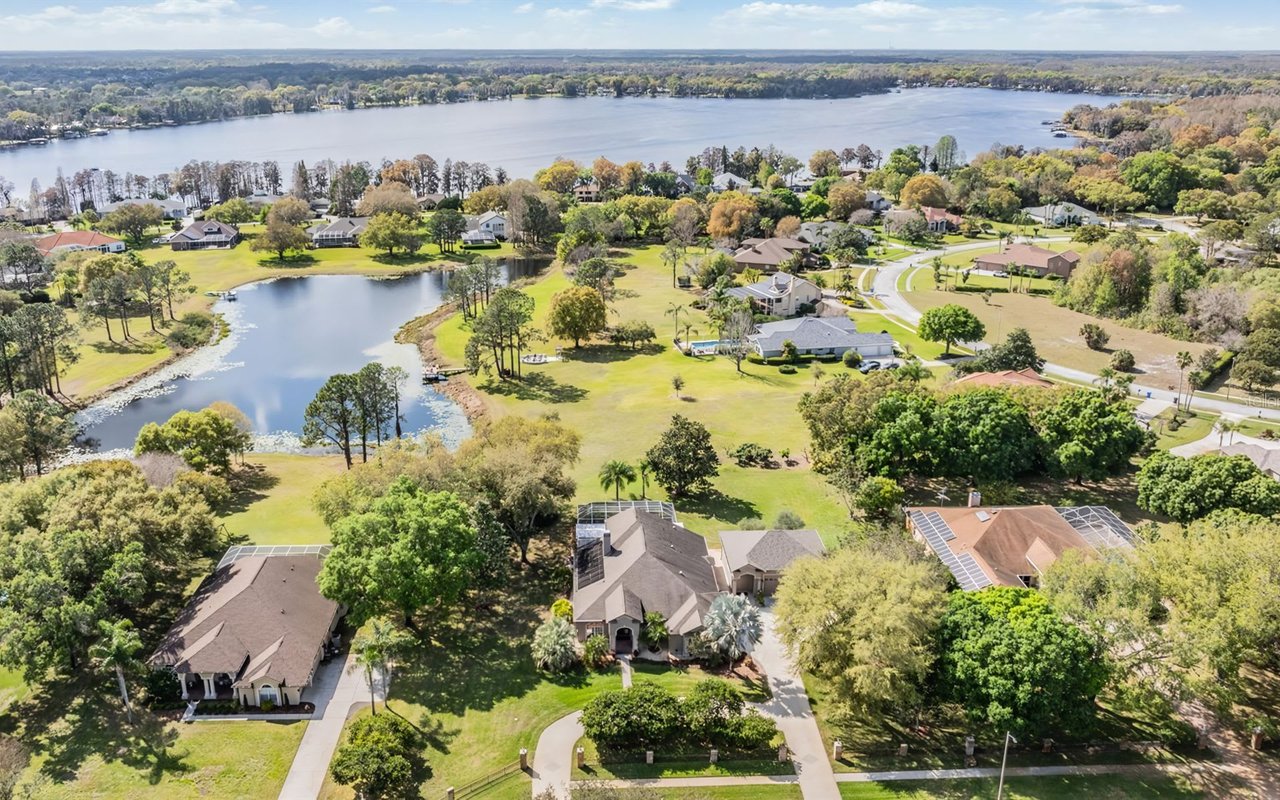
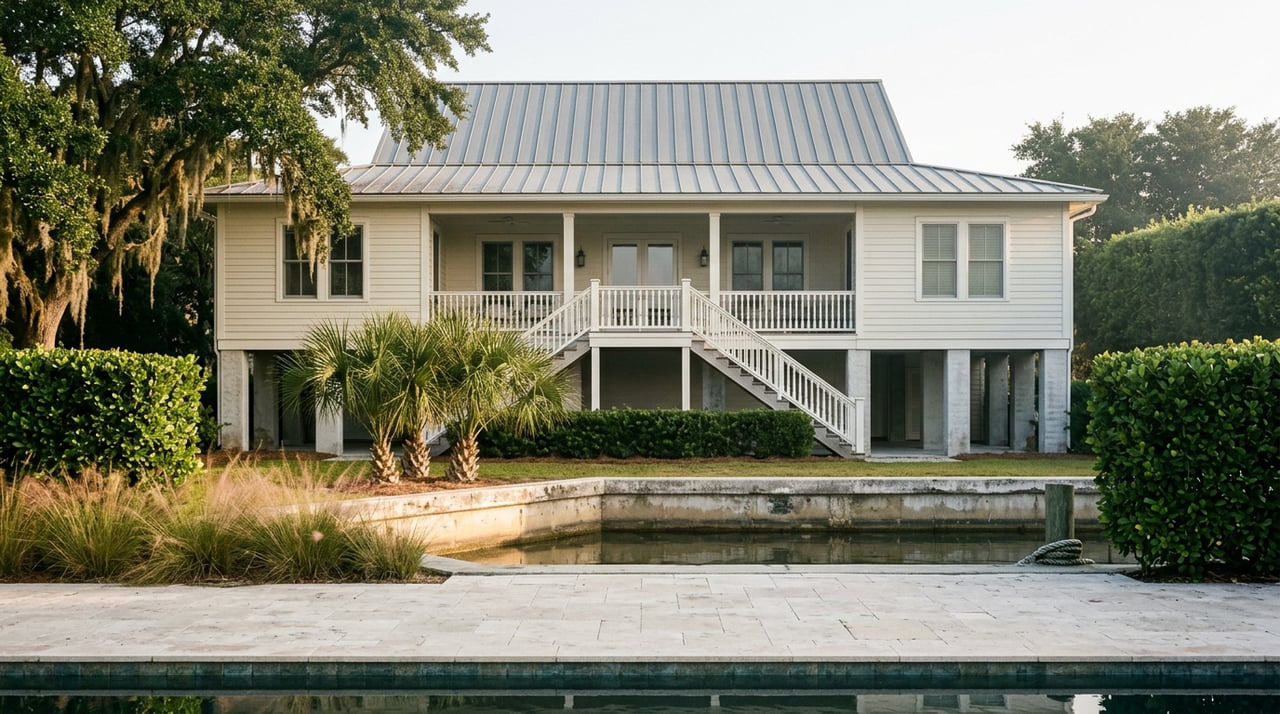
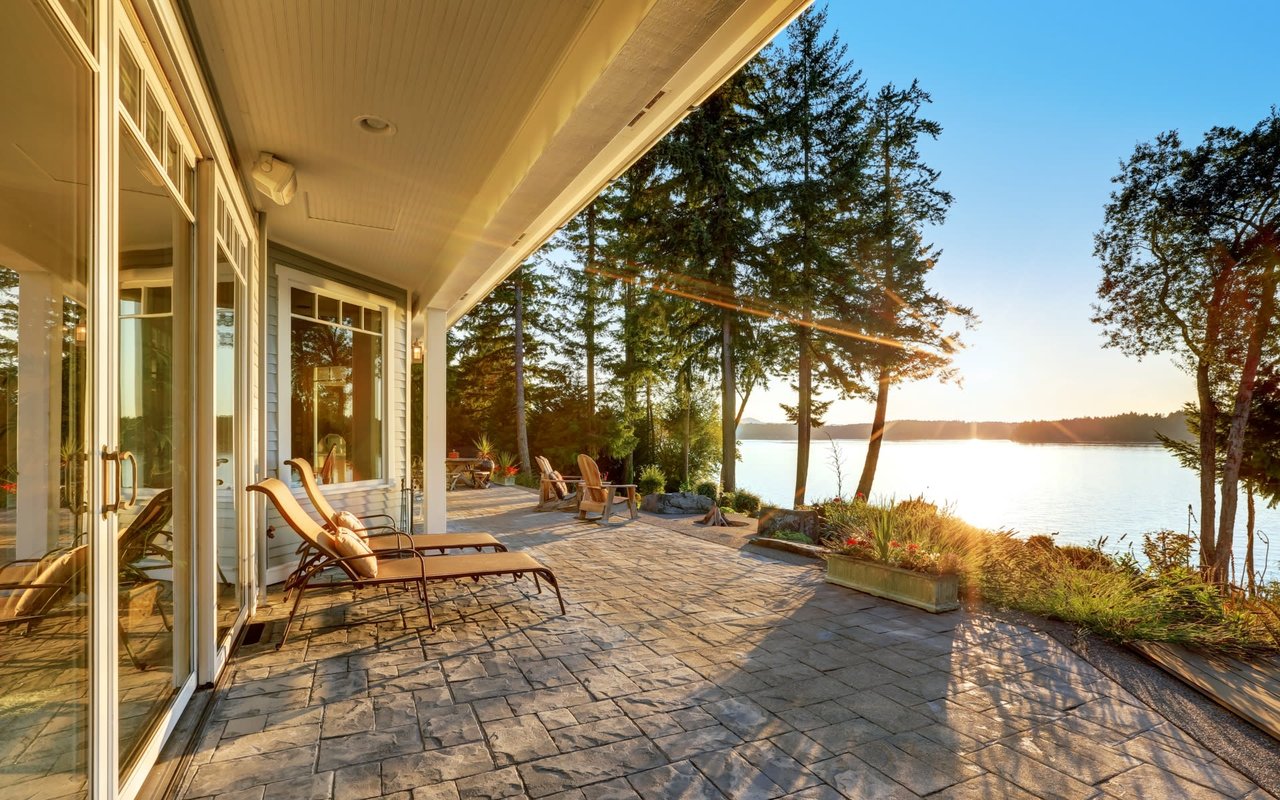
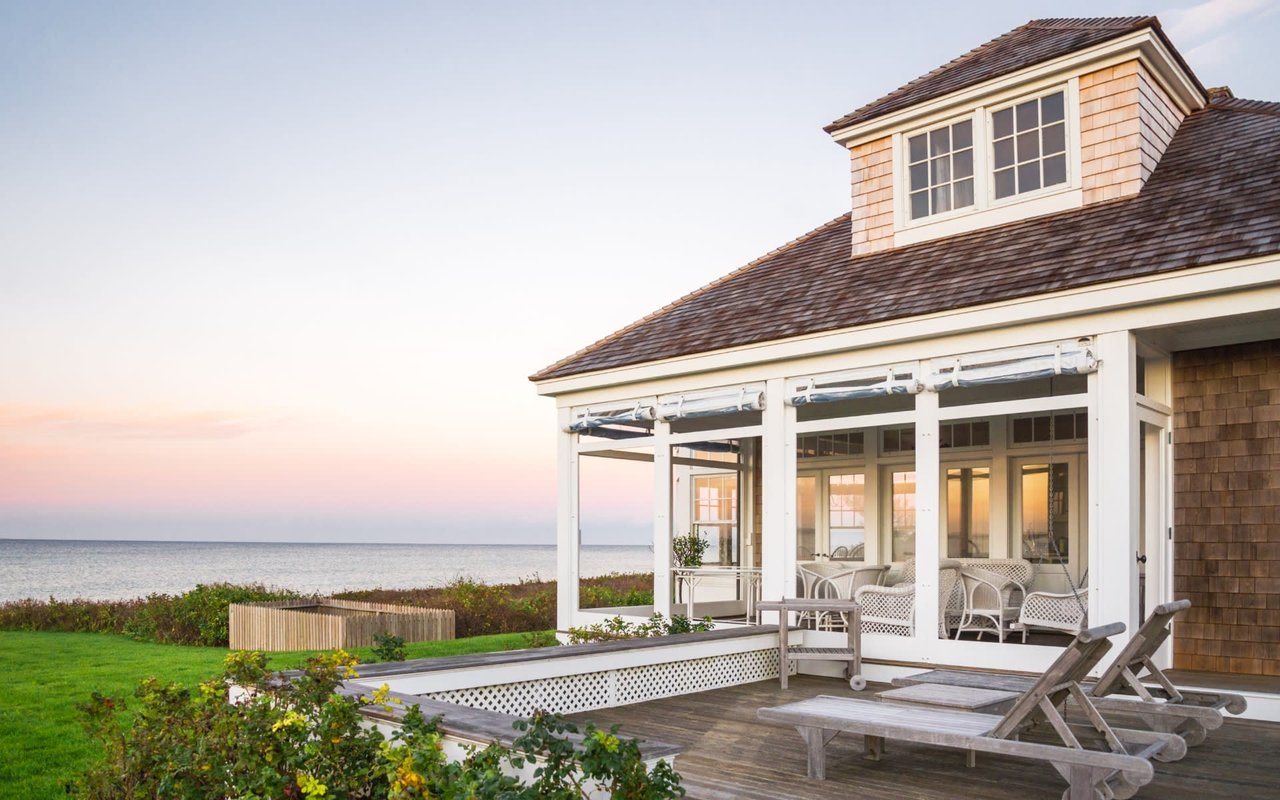
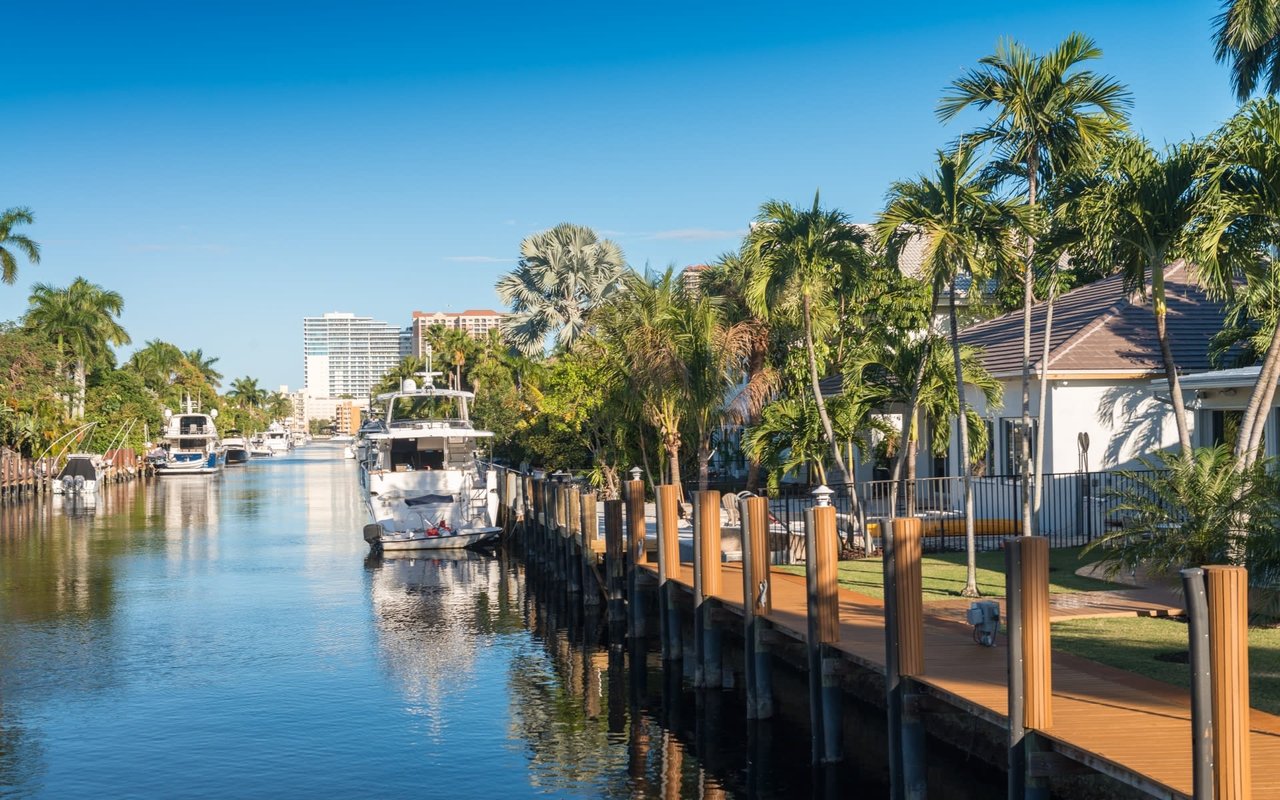
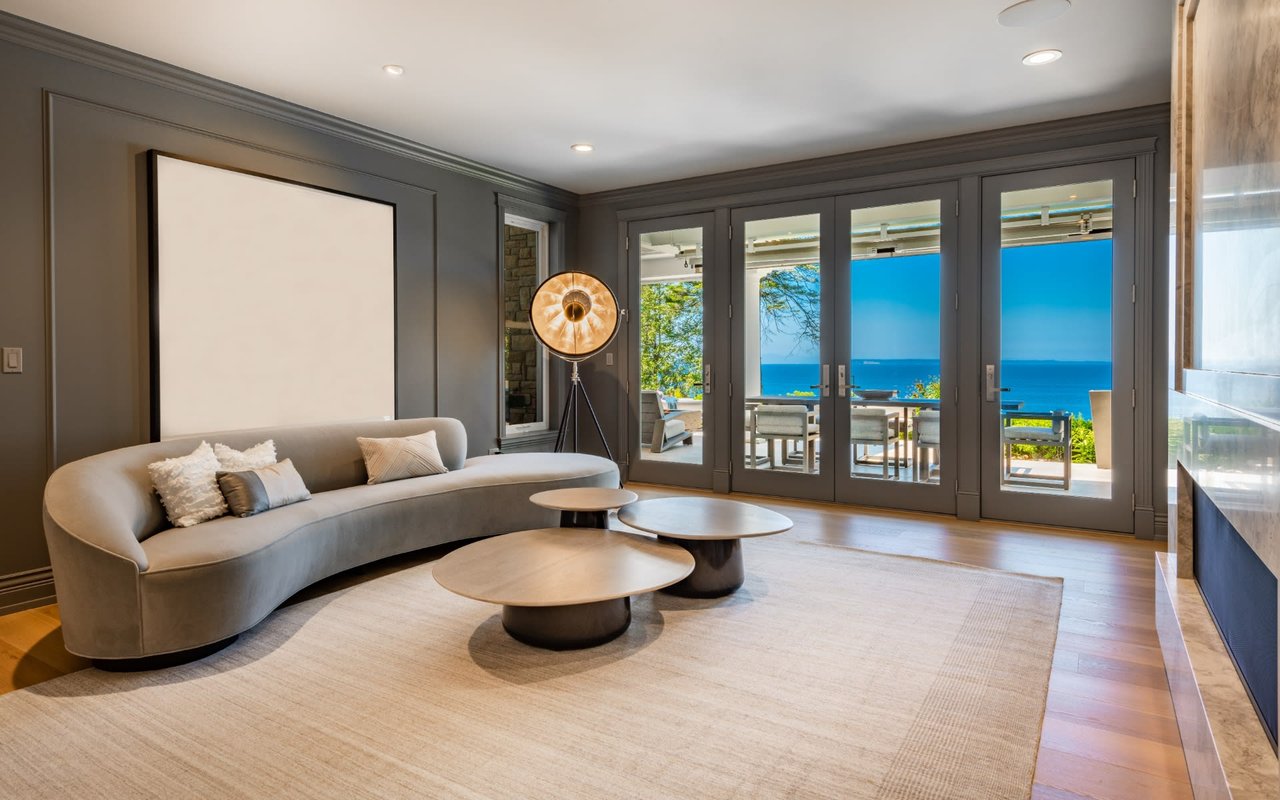
Properties with direct access to Tampa Bay or the Gulf of Mexico consistently command premium pricing. Boat lifts, new seawalls, elevated construction, and panoramic sunset views significantly increase buyer competition.
We always tell our clients: you can renovate a home, but you cannot manufacture location or water access.
Waterfront demand isn’t just emotional — it’s strategic. Many luxury buyers view these properties as long-term stores of value. Even during market corrections, premium waterfront homes tend to hold value better than inland properties.
We’ve personally negotiated high-end waterfront deals where the difference between a standard canal lot and open-bay frontage was well into the seven figures.
That’s the power of positioning.
3. Economic Trends: Tampa’s Growth Engine
Luxury demand doesn’t exist in a vacuum — it follows economic strength.
Tampa’s job market, healthcare sector, tech expansion, and financial services growth have created a stable base of high-income earners. Major employers and investment in infrastructure continue to support long-term growth.
In addition, Tampa’s relative affordability compared to markets like Miami, Palm Beach, or Naples makes it attractive for investors looking for upside.
When interest rates fluctuate, luxury behaves differently than entry-level housing. Many high-end buyers are less rate-sensitive. Cash transactions and large down payments cushion the market from volatility.
However, what does influence demand is stock market performance, business confidence, and corporate relocation activity. When those sectors are strong, luxury demand strengthens. When uncertainty increases, buyers become more selective — but they don’t disappear.
4. Lifestyle & Long-Term Investment Appeal
Luxury buyers today are focused on more than square footage.
They’re looking for:
• Smart home technology
• Energy efficiency and storm resilience
• Outdoor entertaining space
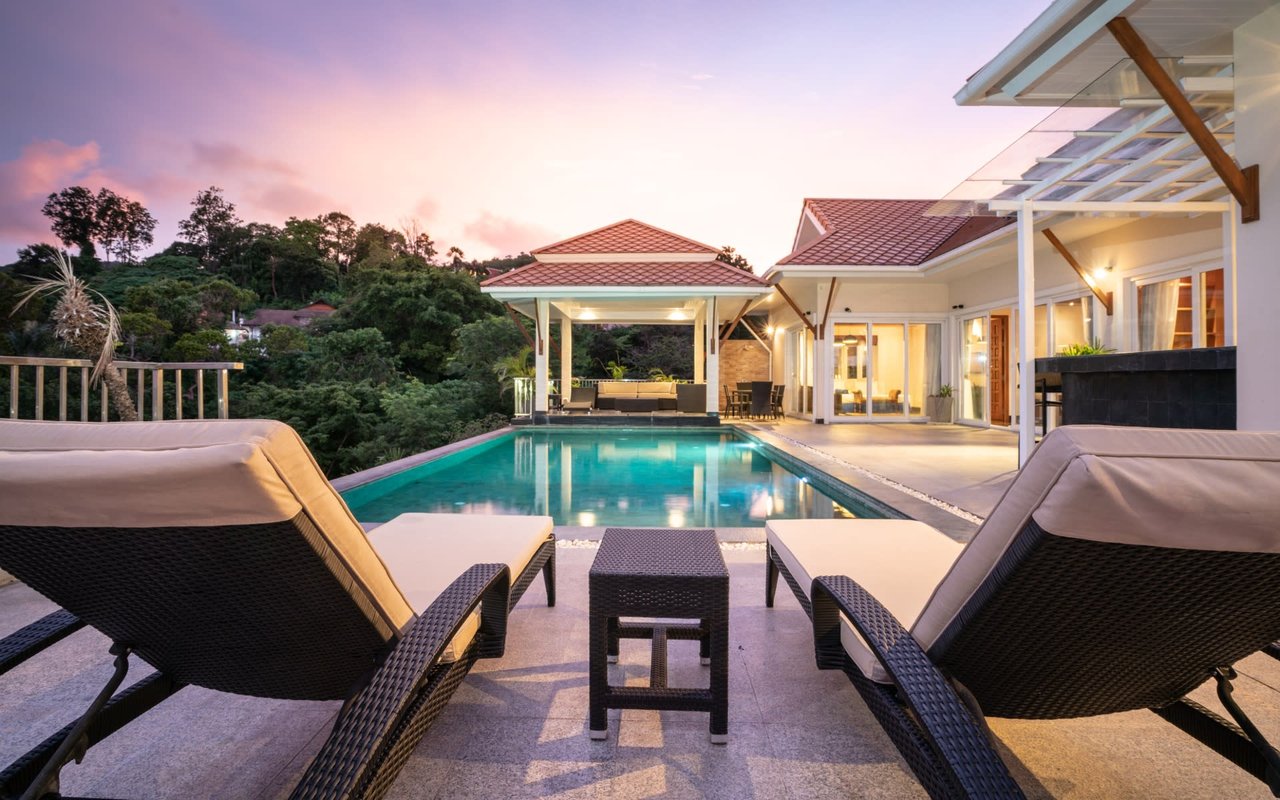
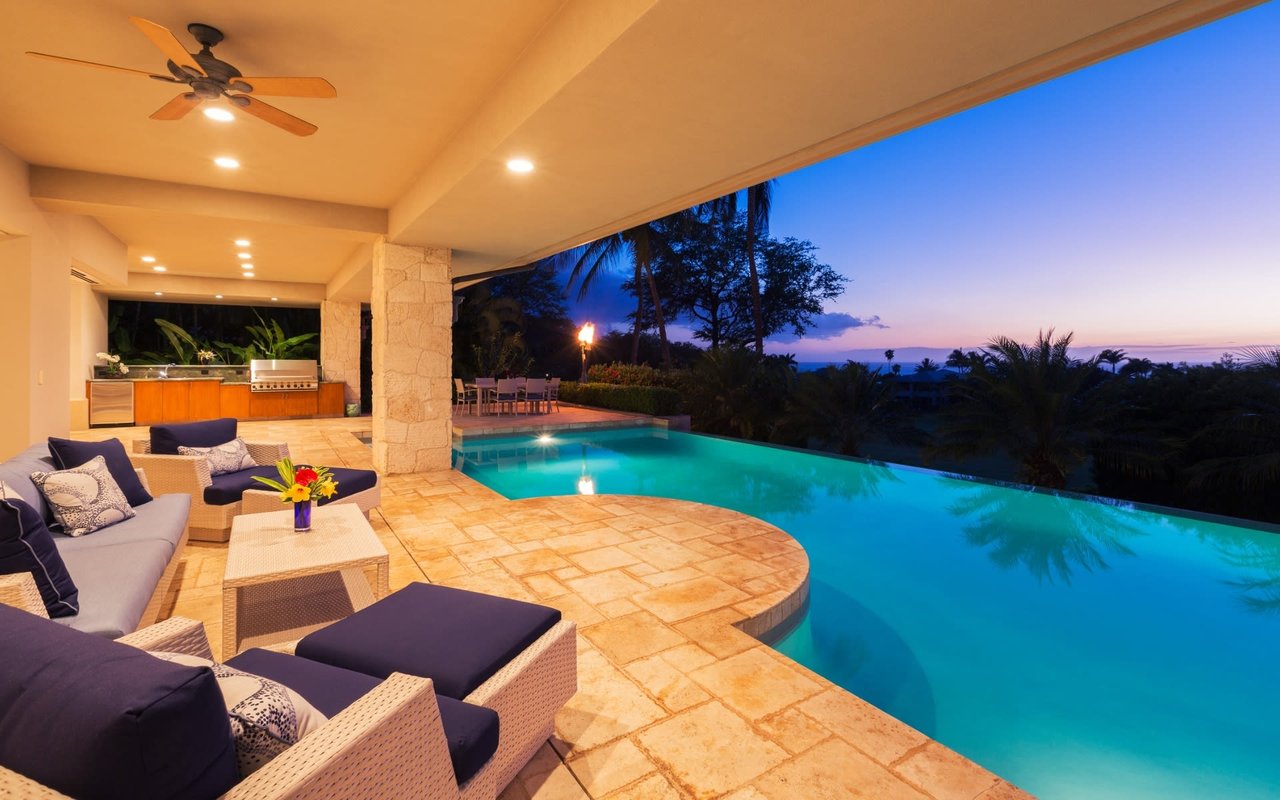
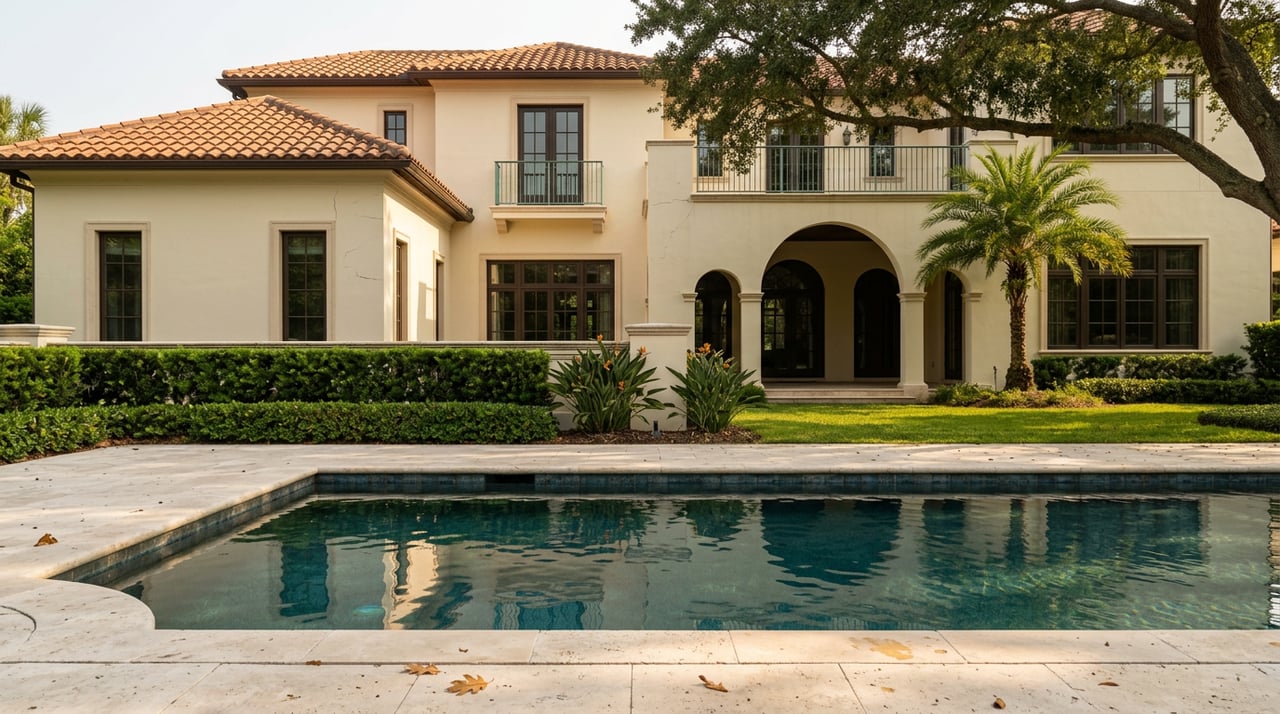
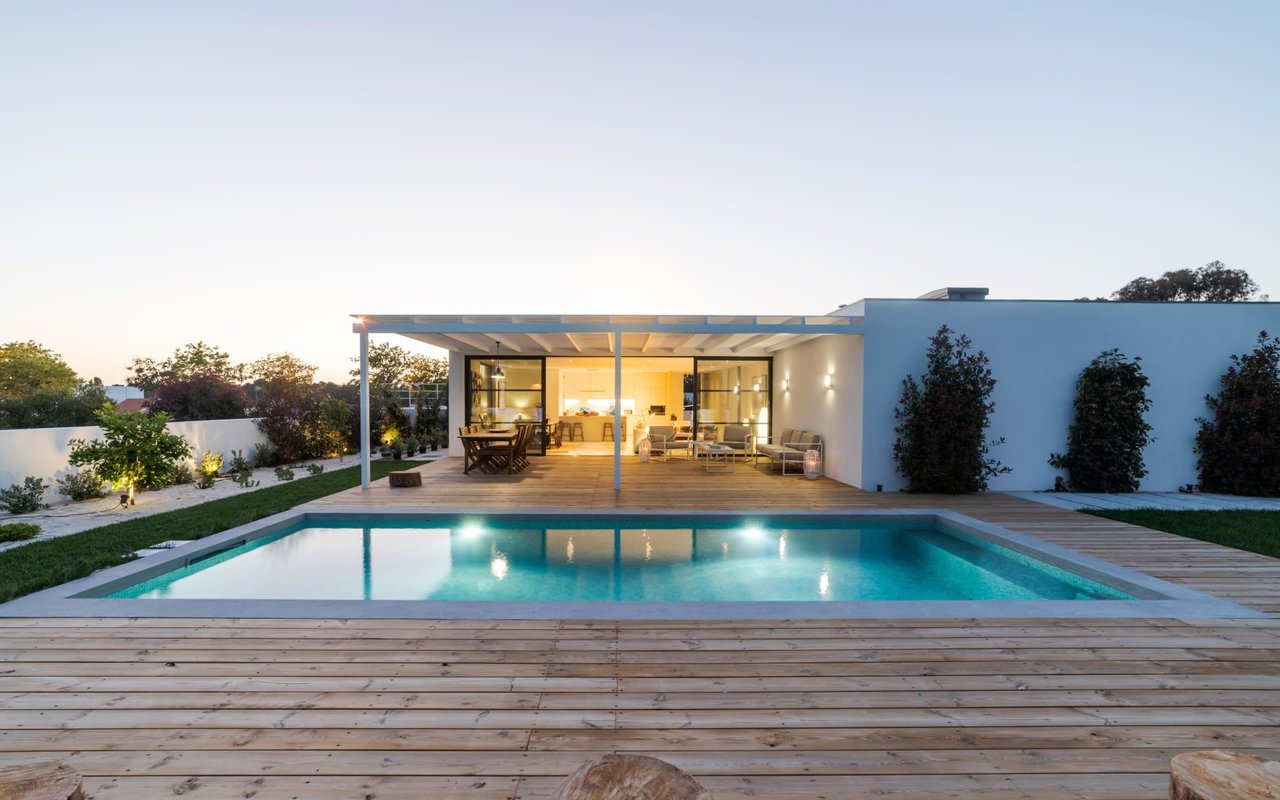
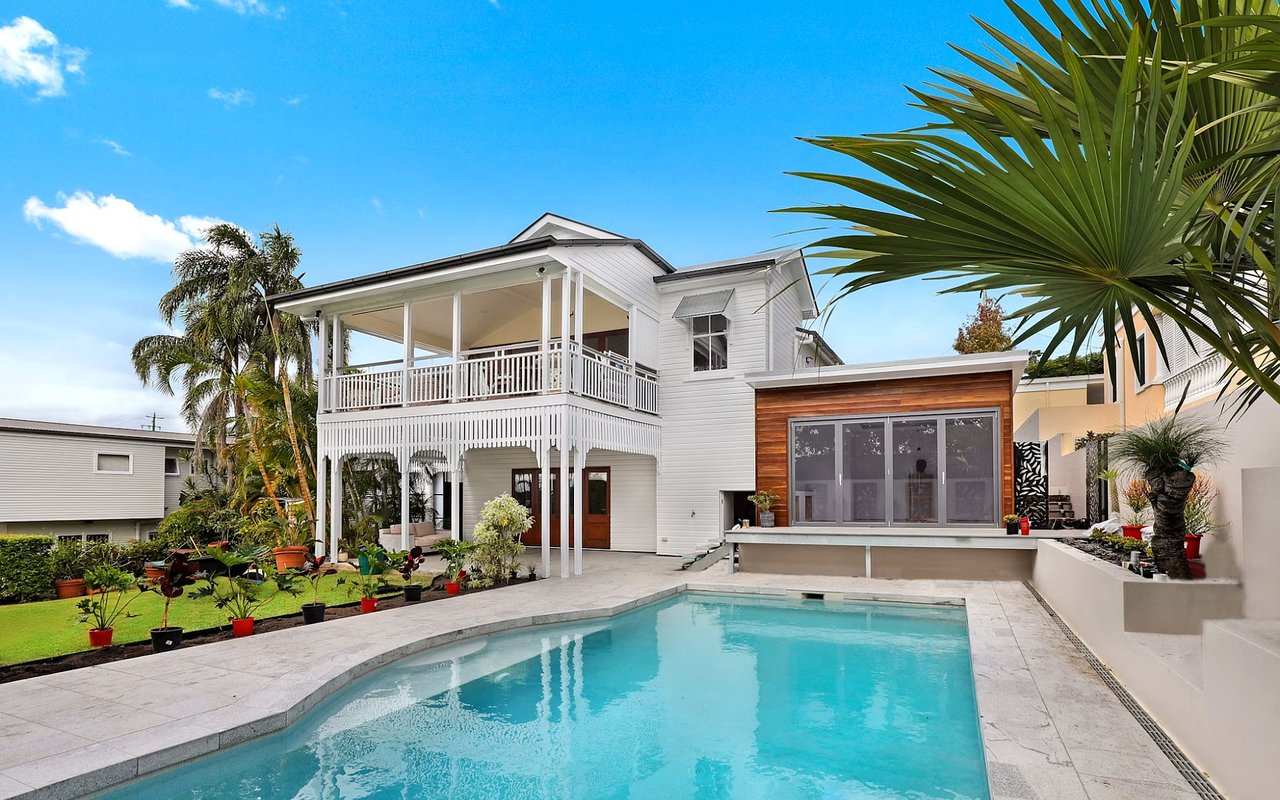
• Resort-style pools
• Private docks
• Proximity to top schools and dining
They want a lifestyle asset — not just a house.
And here’s what we consistently see: well-located, well-designed luxury homes in prime Tampa neighborhoods continue to attract serious buyers because Tampa offers something unique — a balance of sophistication and livability without the congestion of South Florida.
What This Means for Buyers, Sellers & Investors
If you’re a seller: pricing strategy matters more than ever. The luxury market rewards precision, presentation, and positioning. Overpricing in today’s environment can stall momentum.
If you’re a buyer: understand that true premium properties — especially waterfront — still move quickly when priced correctly.
If you’re an investor: follow migration patterns and infrastructure growth. Luxury appreciation in Tampa is closely tied to continued population and business expansion.
After four decades in this market, we can confidently say this: Tampa luxury real estate isn’t a trend. It’s an evolution.
The combination of migration, waterfront scarcity, and economic growth has reshaped demand — and we’re here to help you navigate it strategically.
If you’re considering buying, selling, or investing in Tampa’s luxury market, let’s have a conversation. The right move in this segment isn’t about timing the market — it’s about understanding it.