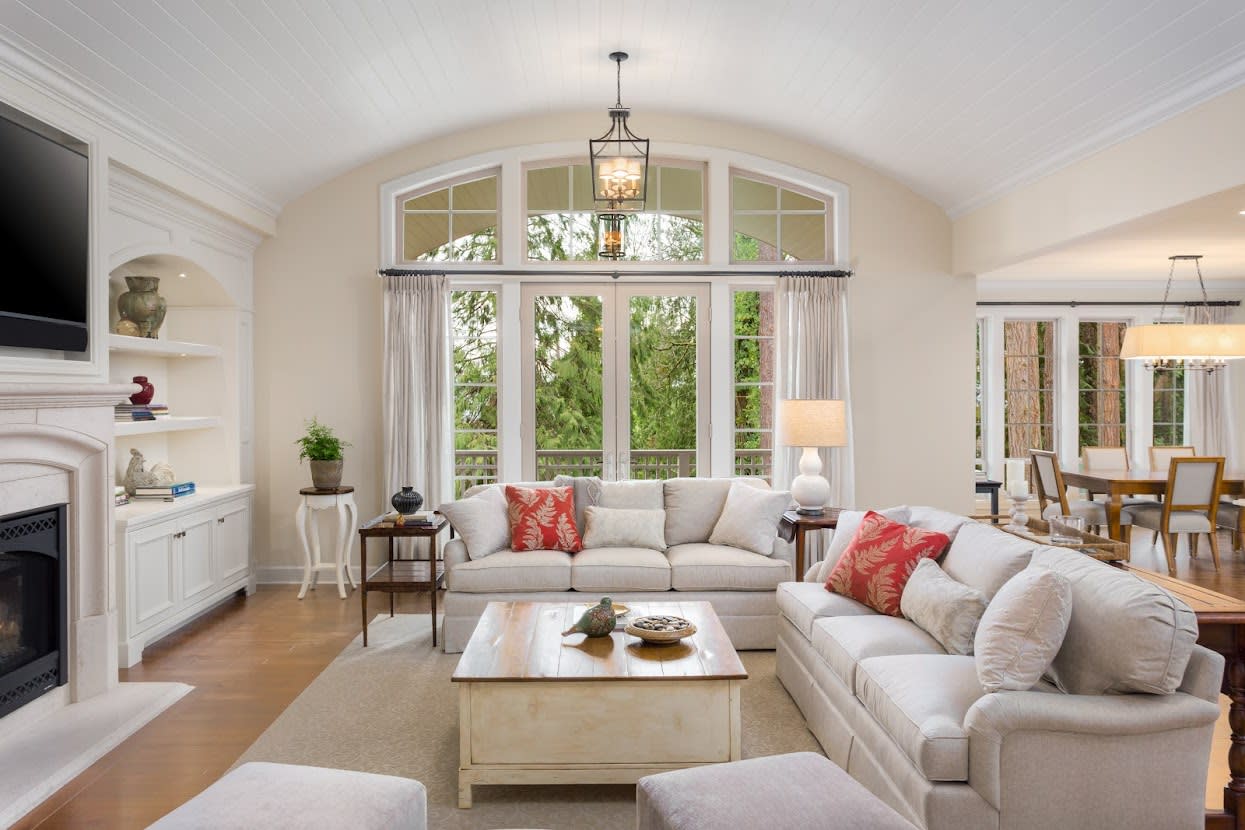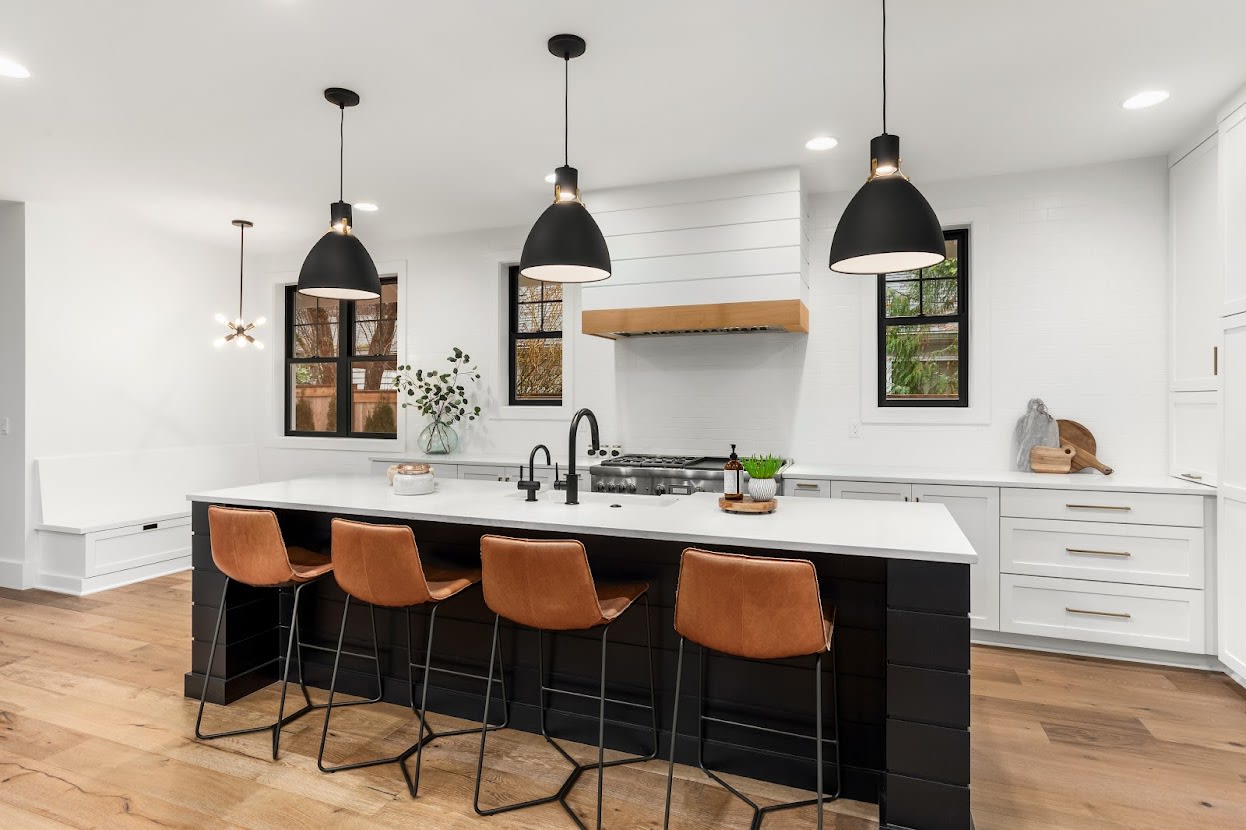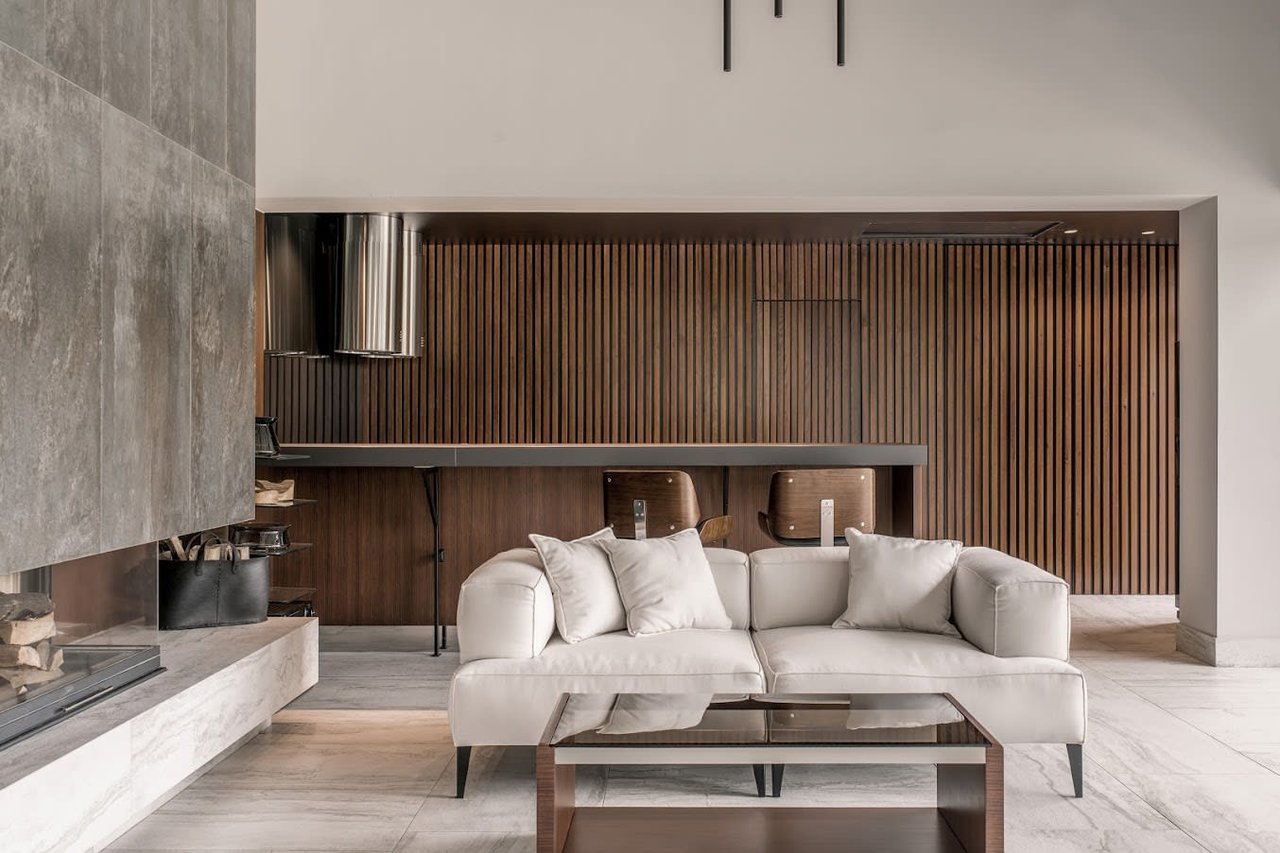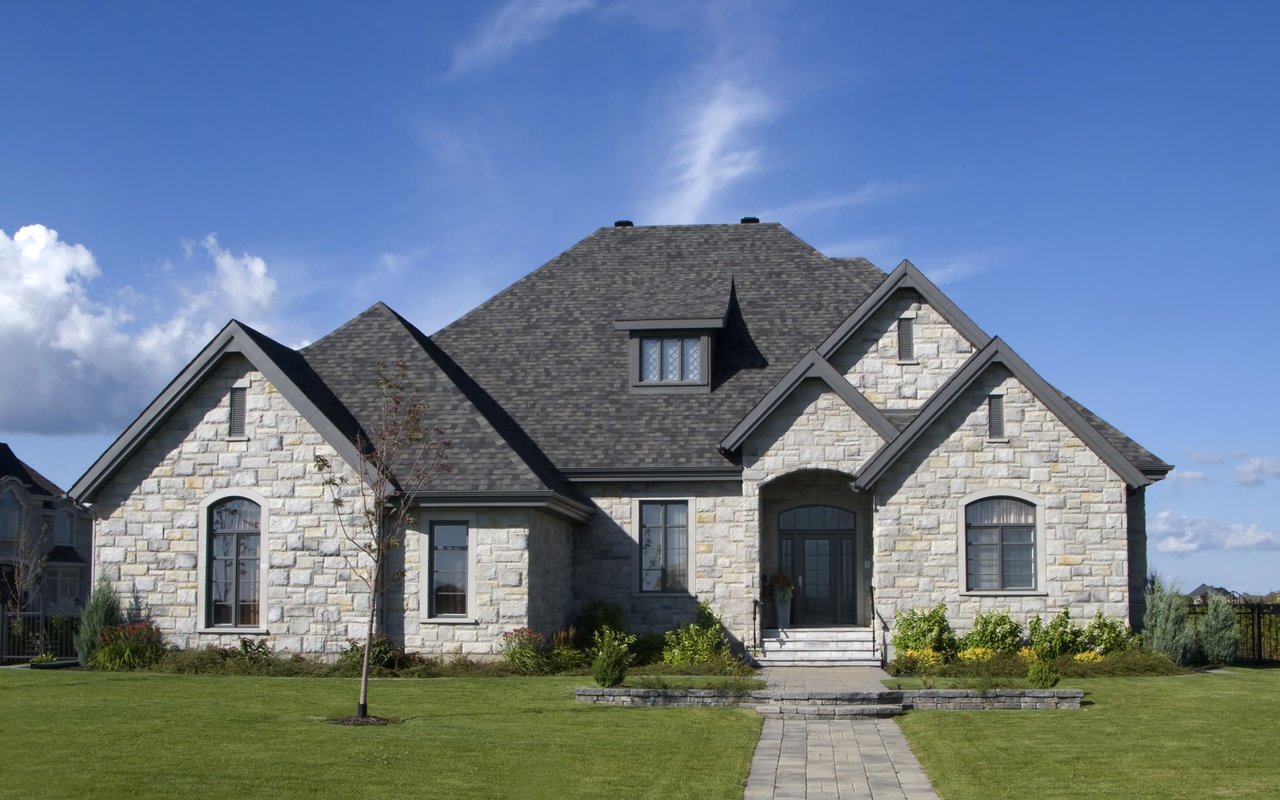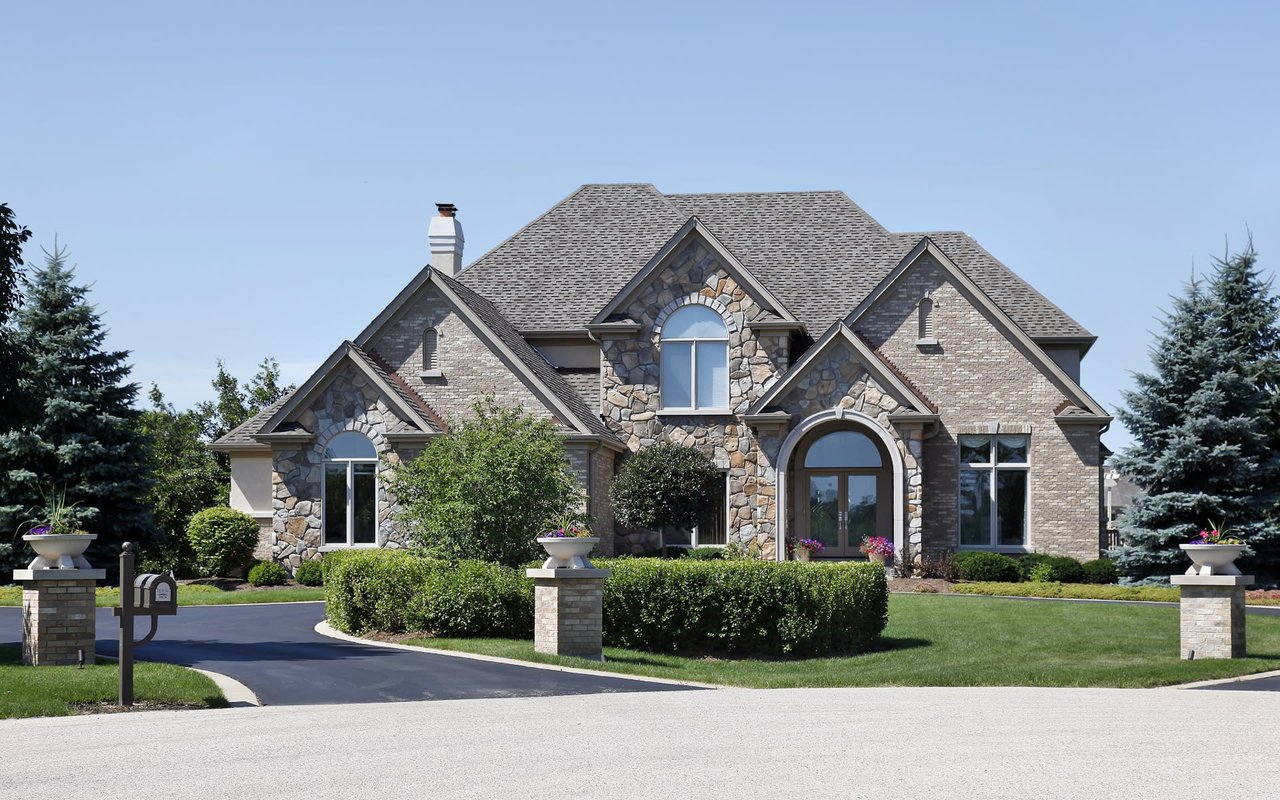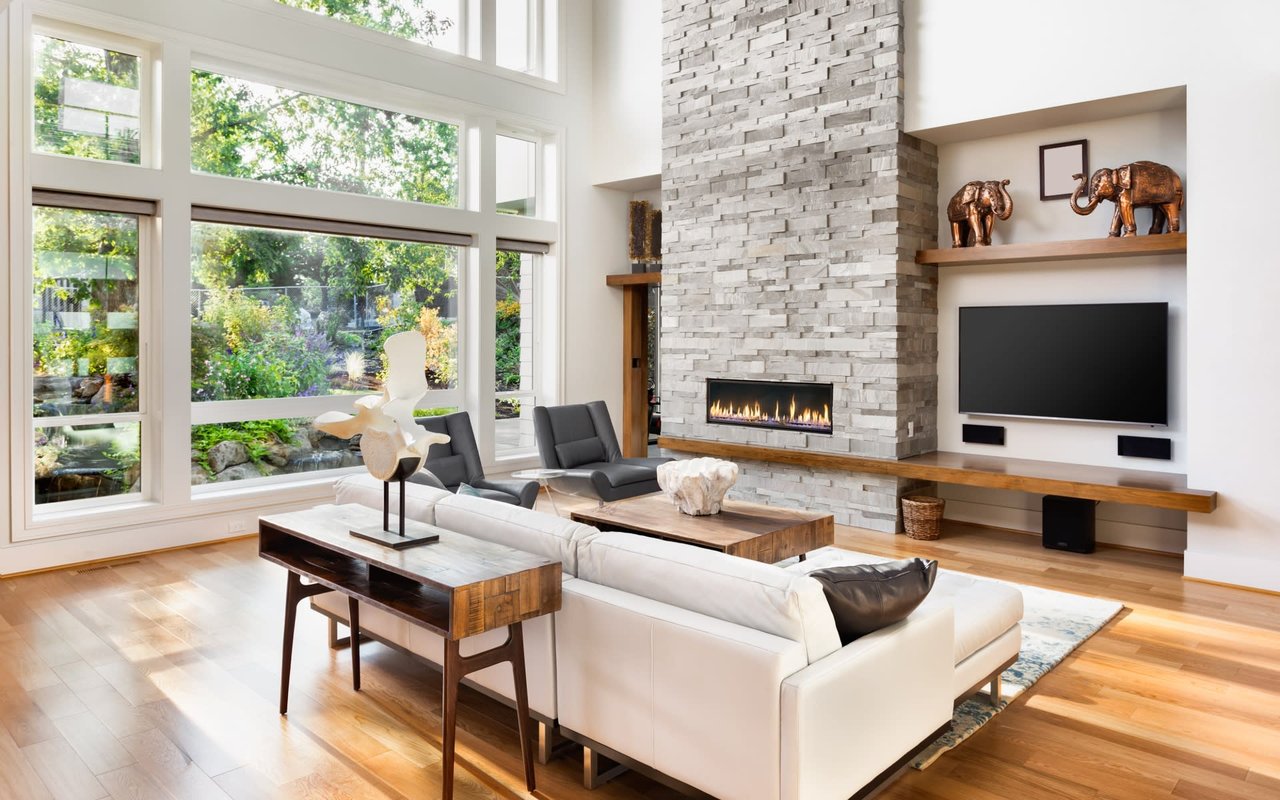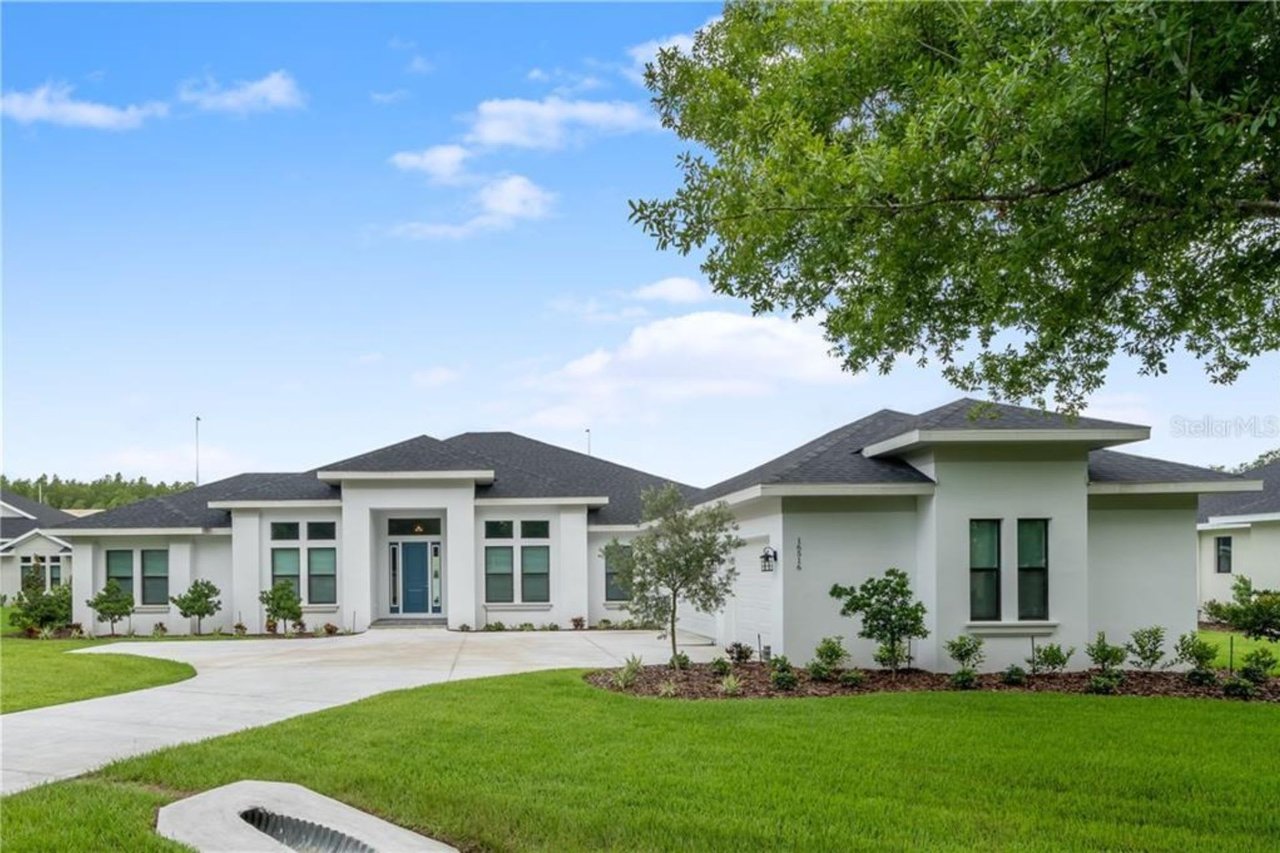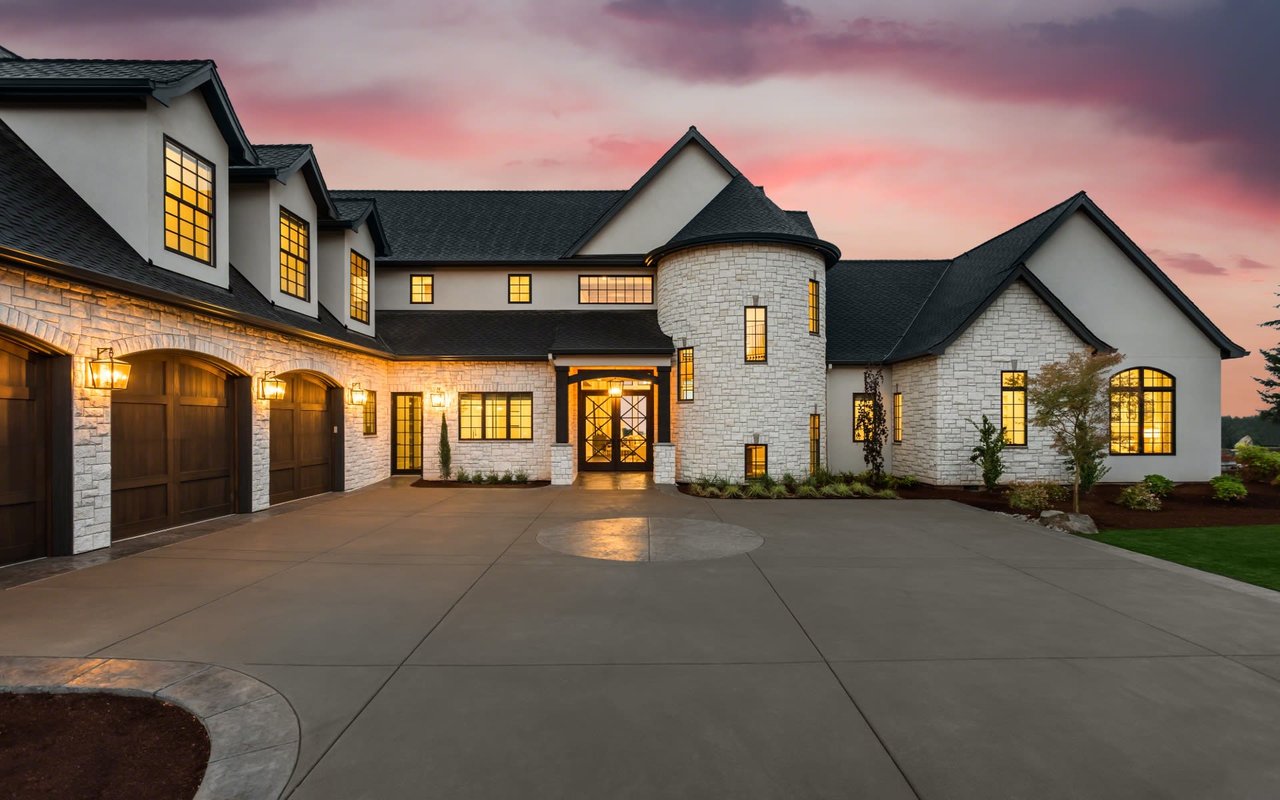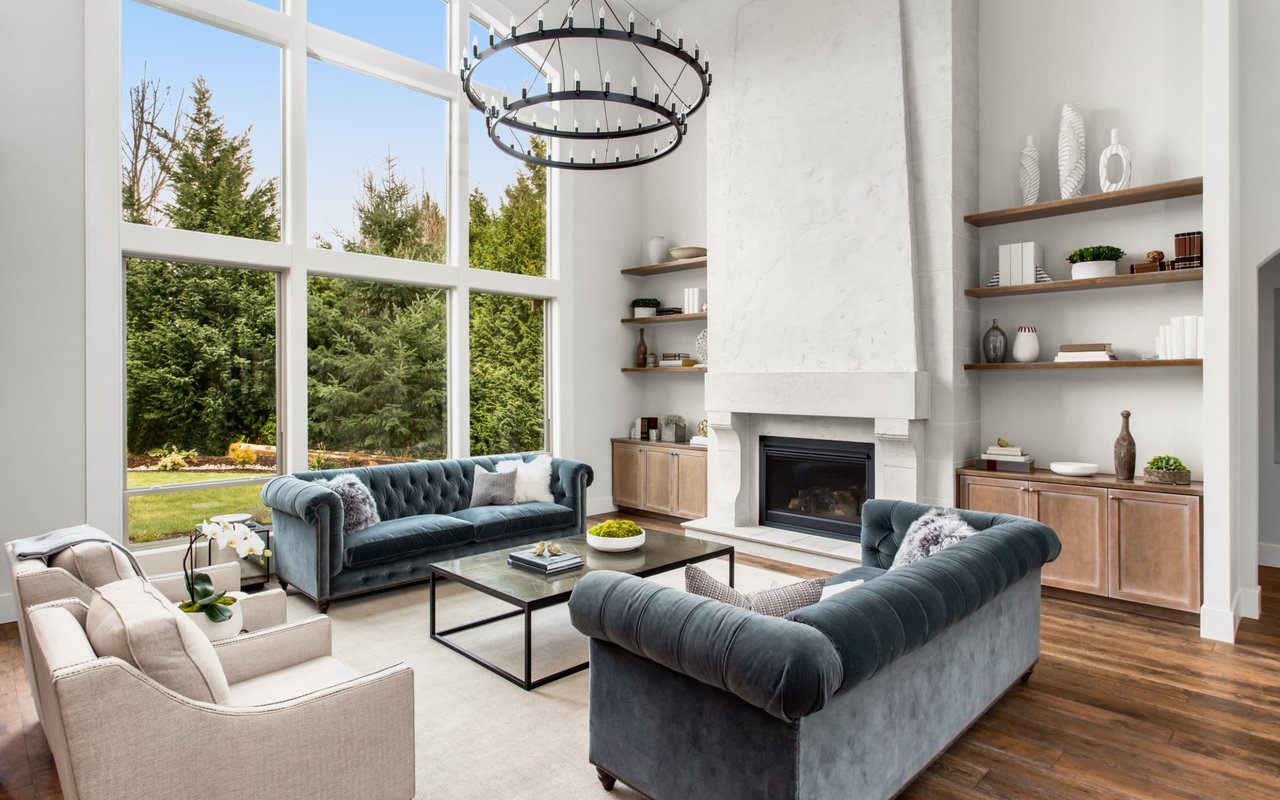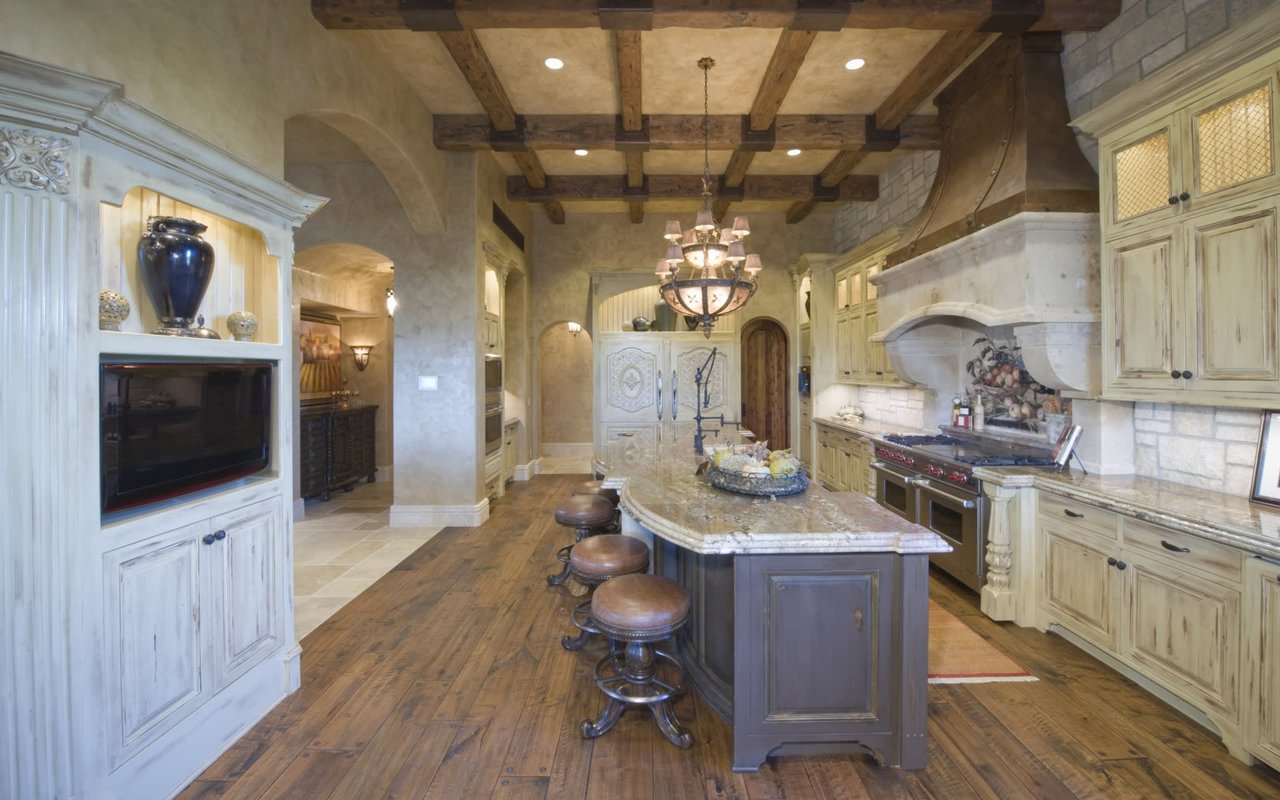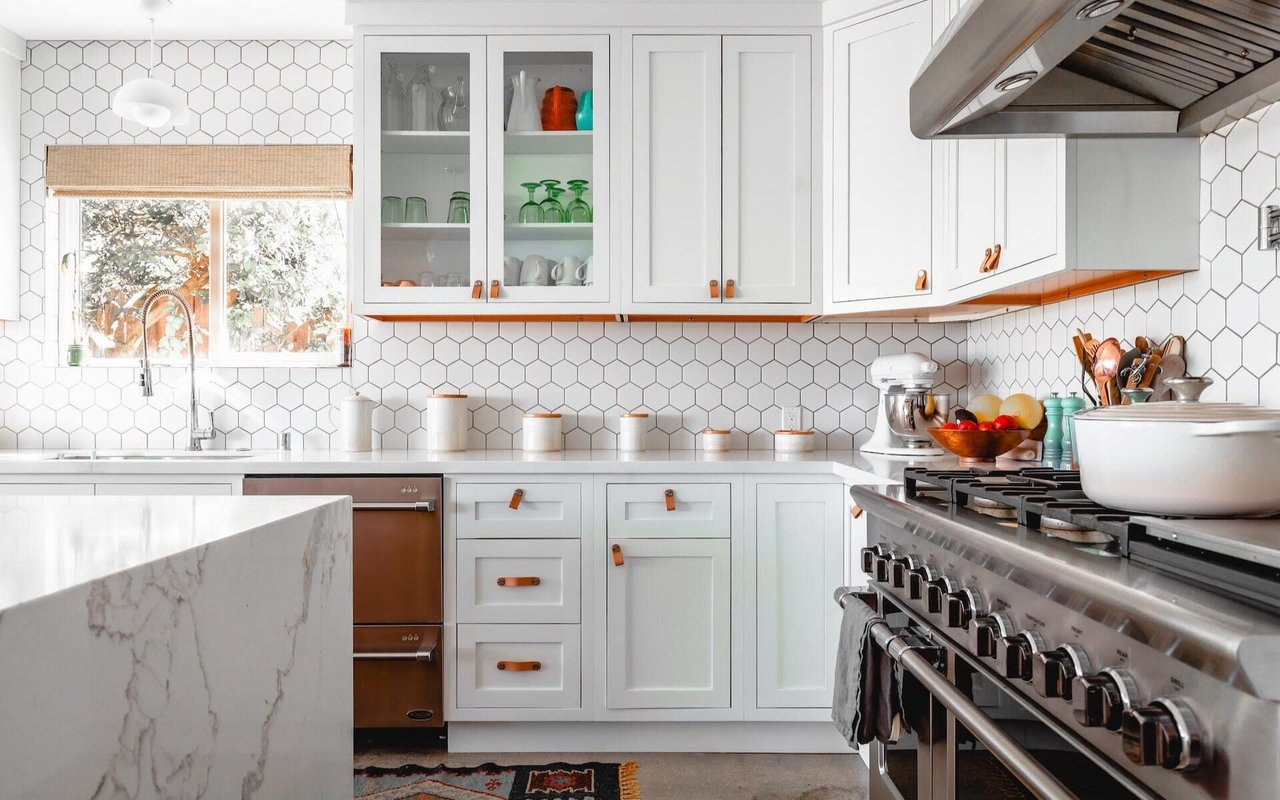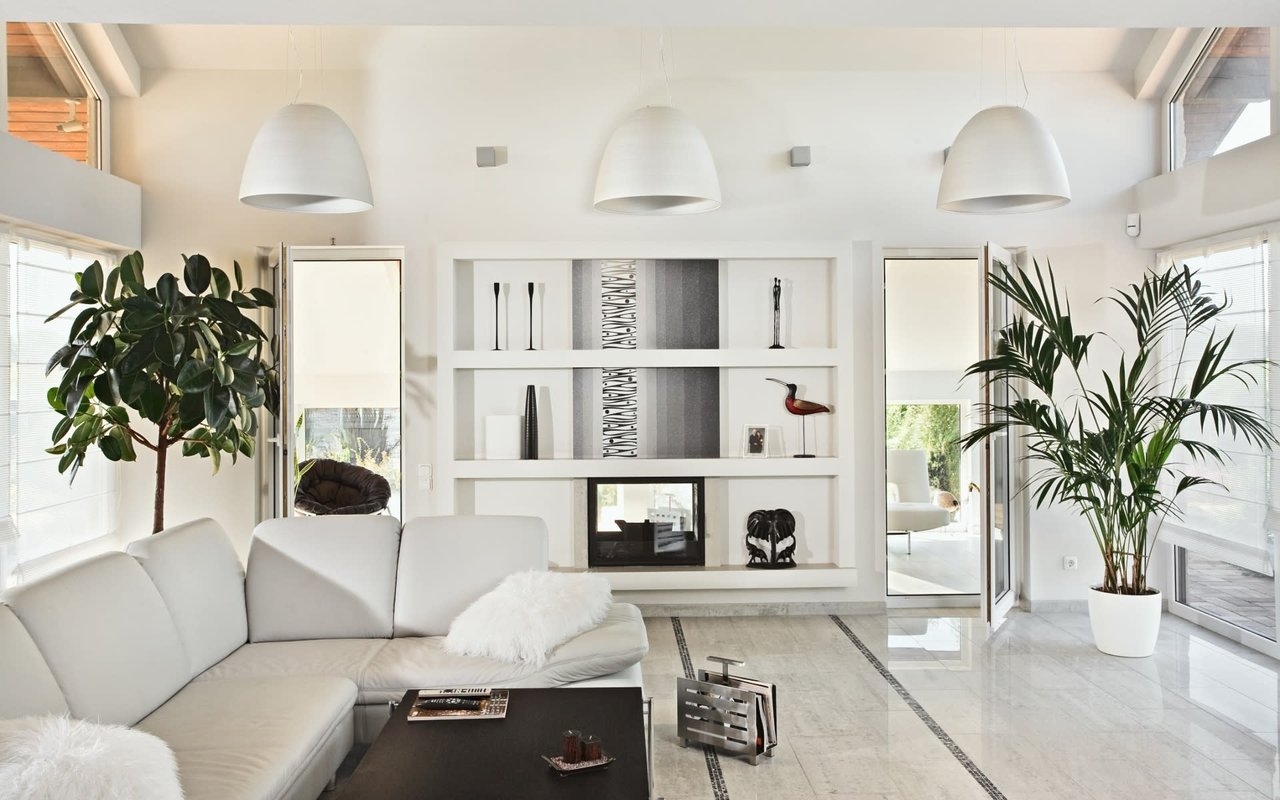
When touring homes in Northdale, buyers often focus on the things they can immediately see: updated kitchens, spacious bedrooms, flooring, natural light, and outdoor living spaces. But there's another important feature that deserves just as much attention: how well the home controls sound between rooms.
Interior soundproofing can make a significant difference in everyday comfort, especially for families with children, people who work from home, or households where different activities happen simultaneously. A home may look beautiful during a showing, but if conversations, television noise, footsteps, or activity from neighboring rooms travel easily through the walls, that can become a daily frustration.
According to Tampa real estate experts Emeri and Joe Lewkowicz of The Lewkowicz Group, evaluating sound insulation is one of those details buyers should consider before making an offer. With more than 40 years of combined real estate experience, they understand that a home's true value goes beyond its appearance. How comfortably a property functions is just as important.
Start by Listening During Your Home Tour
One of the simplest ways to evaluate interior soundproofing is to pay attention to the sounds you hear while walking through the property.
During your showing, ask someone in your group to speak or play a television at a normal volume in an adjacent room. Then step into the bedroom, office, or hallway and listen. Can you clearly understand the conversation, or is it reduced to a faint background sound?
Pay attention to how easily noise travels through closed doors, particularly between bedrooms, bathrooms, and shared living spaces. If possible, visit when the home is relatively quiet so you can identify sounds that might otherwise go unnoticed.
Emeri and Joe encourage buyers not to rush through showings. Taking a few extra minutes to evaluate how a home sounds can reveal things that photographs and listing descriptions simply cannot.
Examine the Walls, Doors, and Interior Layout
Not all interior walls provide the same level of sound separation. Standard interior partitions may offer limited noise reduction, while walls with additional insulation, multiple layers of drywall, or specialized sound-dampening materials can provide better performance.
During your tour, look for solid-core doors, particularly in bedrooms, home offices, and other spaces where privacy matters. Hollow-core doors are common in residential construction, but they generally allow more sound to pass through.
Also pay attention to gaps beneath doors, around door frames, and near electrical outlets. Even small openings can allow sound to travel between rooms.
The home's layout matters, too. A bedroom sharing a wall with a television room, laundry area, or busy kitchen may experience more noise than one positioned farther away. These details are worth considering when comparing properties.
Check Flooring and Ceiling Construction
Sound doesn't travel only through walls. Flooring and ceiling construction can also affect how much noise moves throughout a home.
For example, homes with hard-surface flooring may transmit more footsteps and impact noise than those with carpet and quality underlayment. In two-story Northdale homes, buyers should pay particular attention to bedrooms located directly above living areas, kitchens, or garages.
Ask whether the flooring installation included an acoustic underlayment and whether any sound-reduction improvements were made between floors.
If you're touring a home with an upstairs bonus room or converted living space, consider how noise from that area might affect the rooms below.
Ask About Insulation and Previous Renovations
A home's age and renovation history can provide useful clues about its soundproofing quality.
Ask the seller or listing agent whether interior wall insulation was installed, whether any walls were modified, and whether soundproofing improvements were made during previous renovations.
Don't assume that a recently remodeled home automatically has better sound control. Cosmetic upgrades such as new paint, flooring, and cabinetry do not necessarily improve acoustic performance.
If sound privacy is especially important, consider having a qualified home inspector or acoustic professional evaluate specific areas of concern before closing.
Think About Your Lifestyle and Long-Term Resale Value
Soundproofing isn't equally important to every buyer, but it can have a meaningful impact on how well a home fits your lifestyle.
For families, separation between children's bedrooms and common areas may be a priority. Remote workers may prefer a quiet office away from household activity. Investors should also consider whether the property's layout and privacy features will appeal to future buyers.
Emeri and Joe Lewkowicz believe buyers should evaluate a Northdale home as a complete living environment, not just a collection of attractive rooms. Features that improve everyday comfort can make a property more appealing over time.
Look Beyond What You Can See
A beautiful home should also feel comfortable once you move in. As you tour Northdale properties, take time to listen, examine interior construction, and ask questions about insulation, doors, flooring, and previous improvements.
With their combined 40+ years of experience in the Tampa real estate market, Emeri and Joe Lewkowicz help buyers look beyond surface-level features and recognize the details that can influence long-term satisfaction and property value.
At The Lewkowicz Group, the goal isn't simply to help you find a house you love during a showing. It's to help you find a home that continues to work for you long after moving day.